
Santa Cruz
Things to do on Santa Cruz.
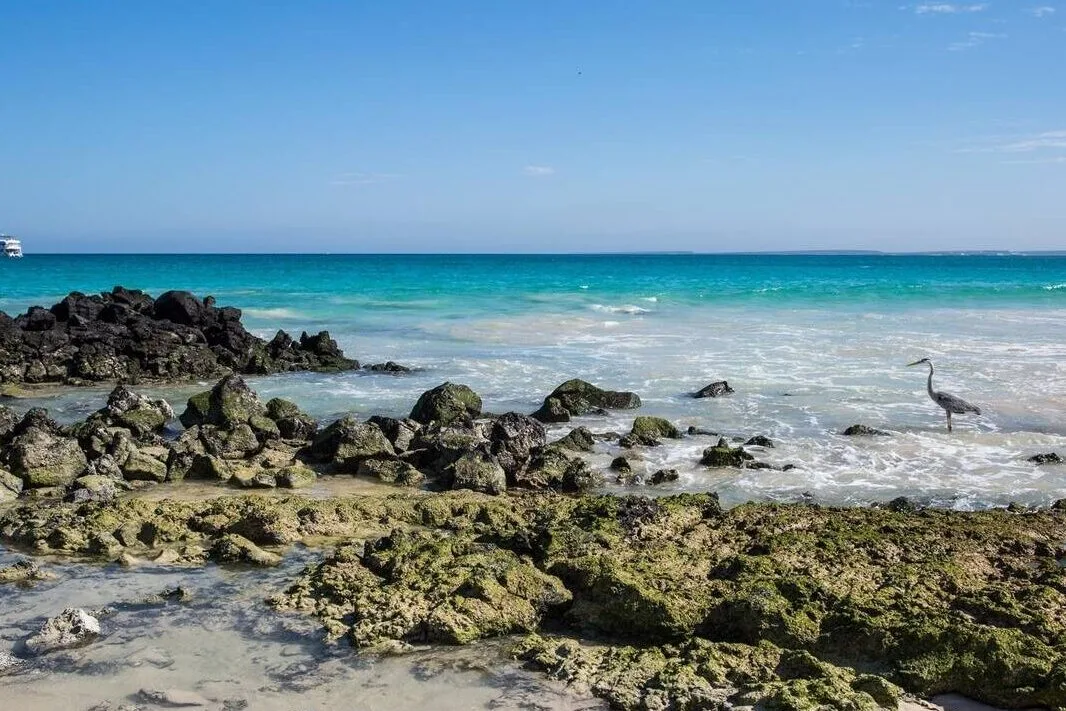
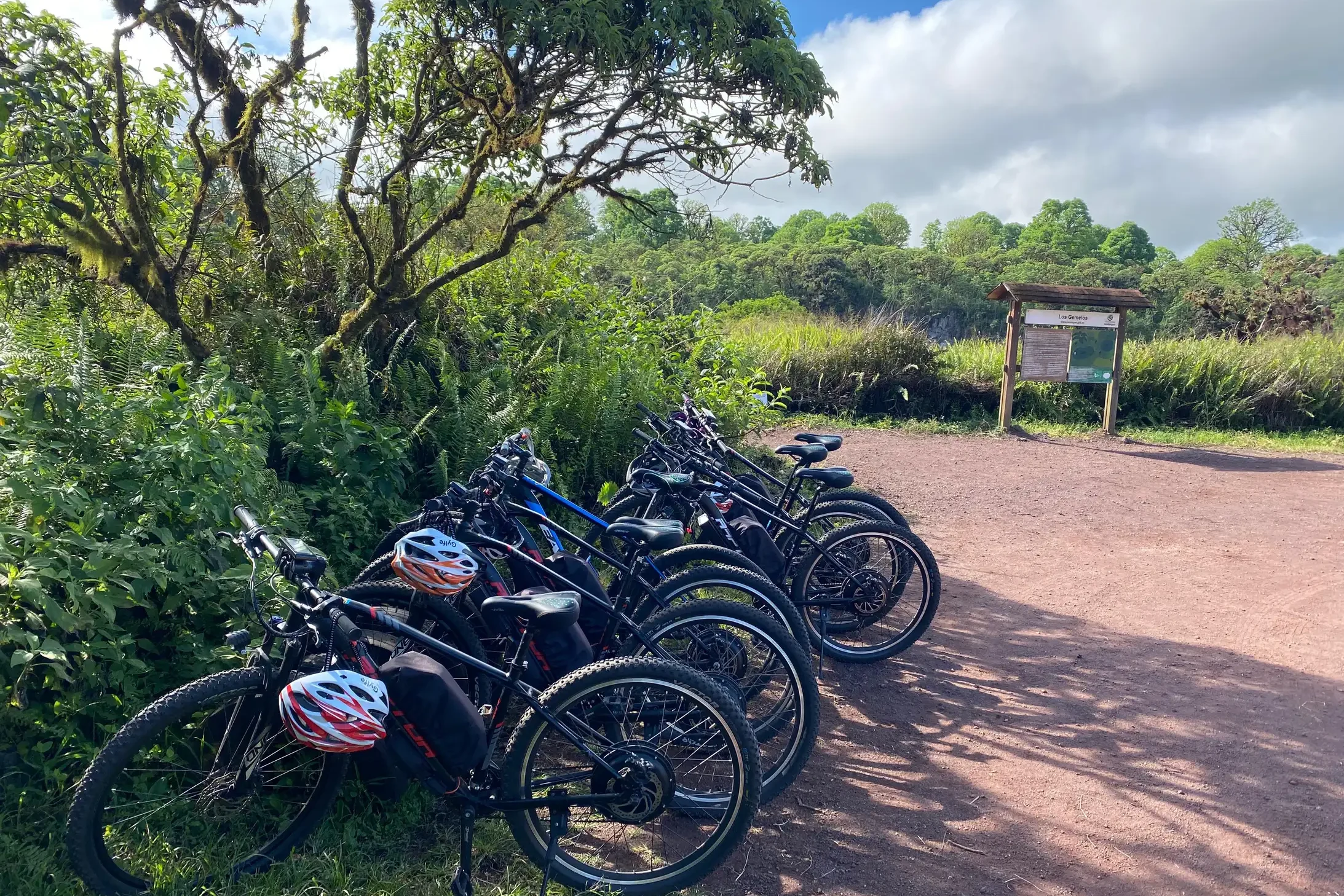
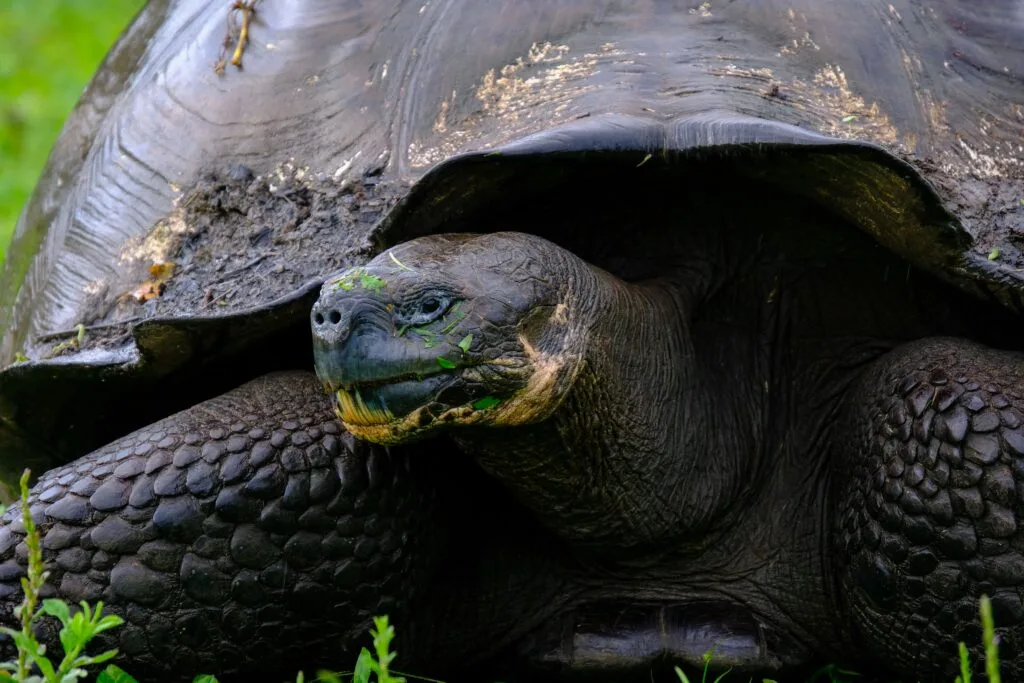
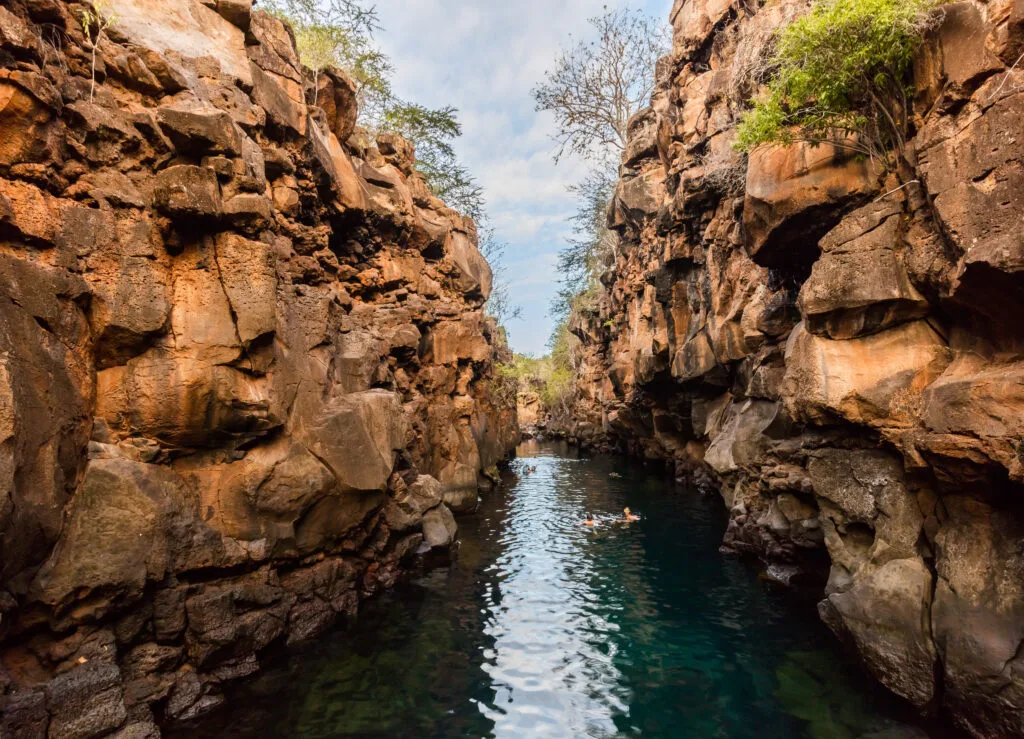
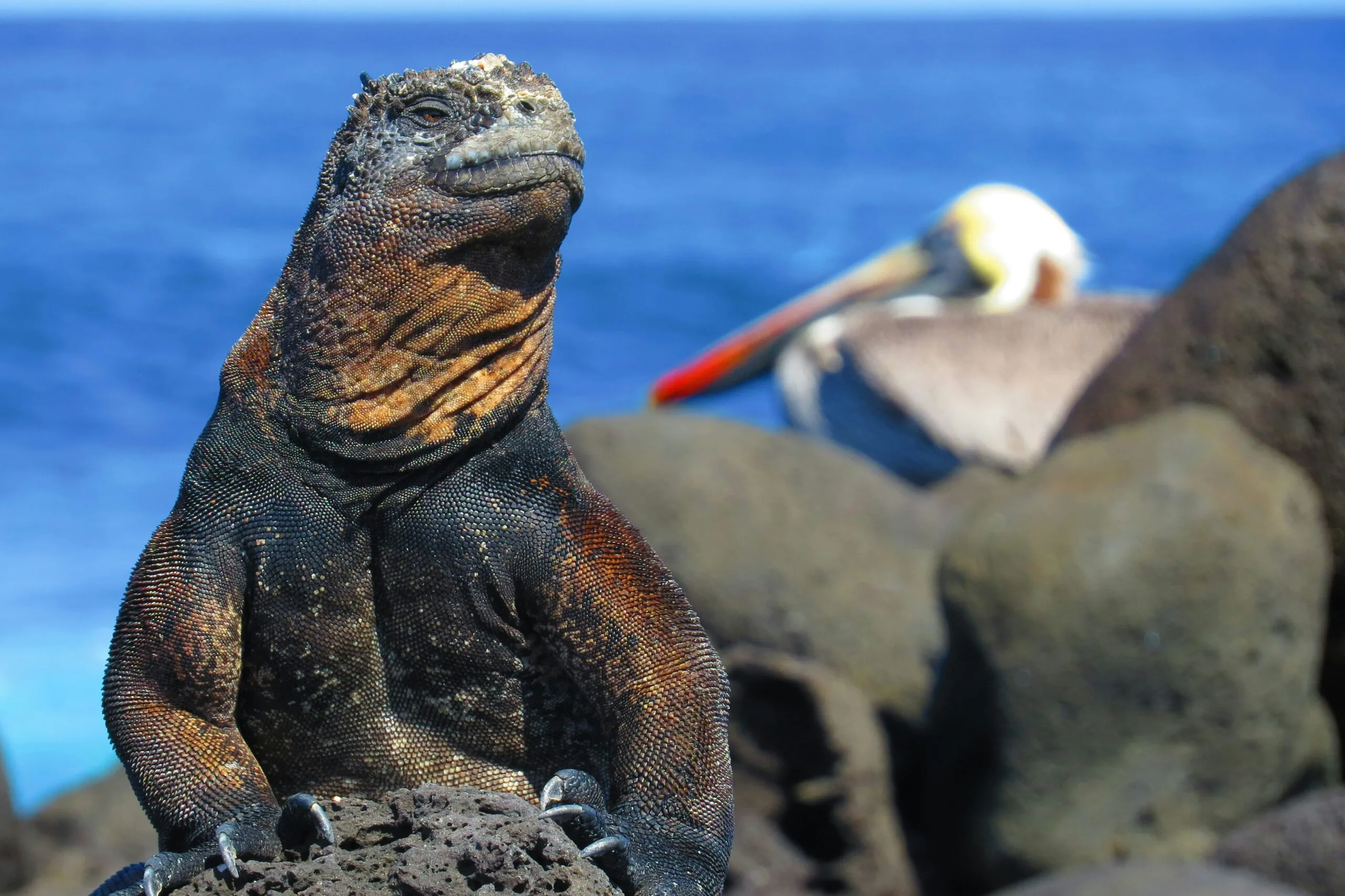
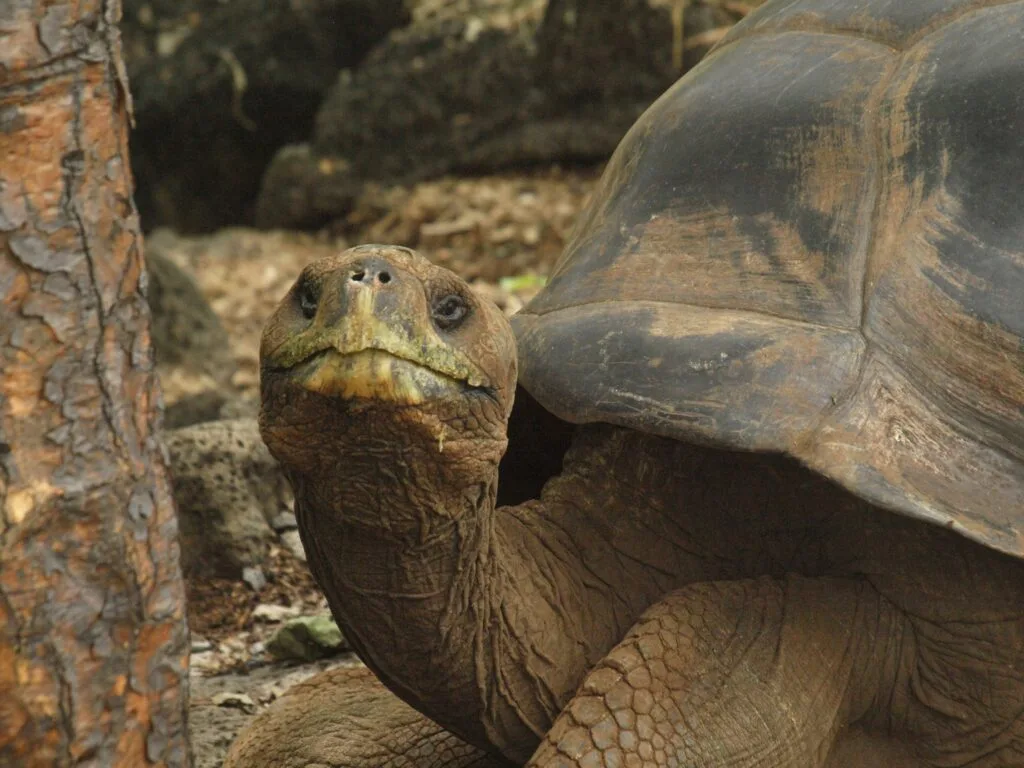
Bypassing the rigid cruise itineraries leaves you free to pedal out towards the misty highlands of Santa Rosa, where wild giant tortoises plod through humid scalesia forests. Down at the coastline, skip the standard souvenir strip and rent a steel-framed bicycle for the twenty-kilometre run out to Playa El Garrapatero. You will spend your afternoon drifting alongside marine iguanas and watching brown pelicans dive-bomb the turquoise inlets of Santa Cruz
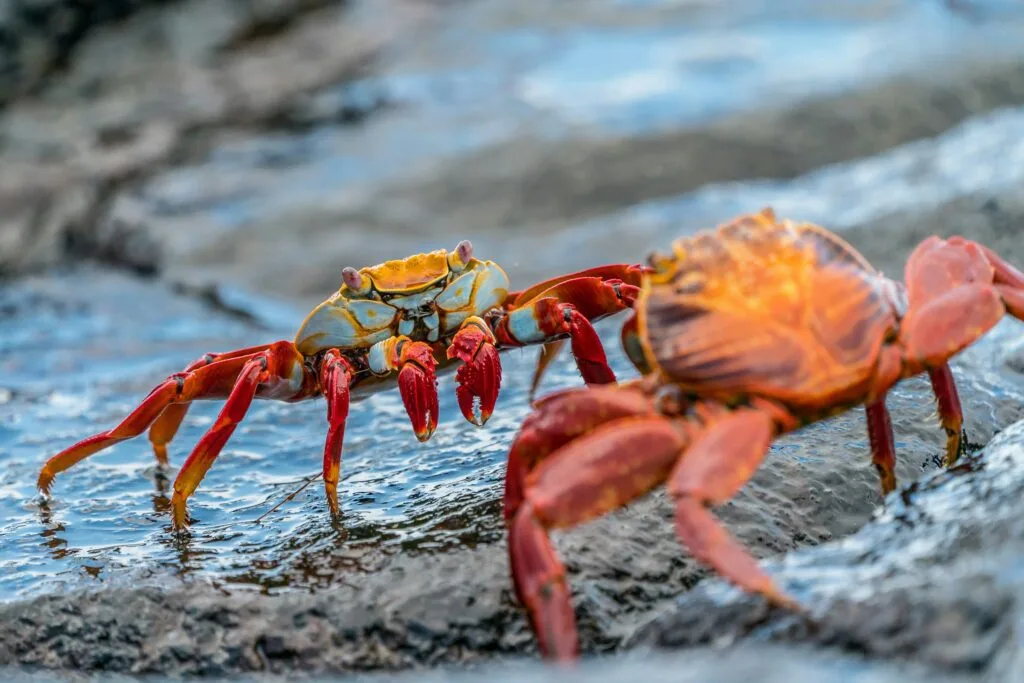
Santa Cruz uncovered / The independent traveller guide to the Galápagos hub
Master Puerto Ayora on your own timeline, away from cruise ship crowds
Exploring Santa Cruz / The ultimate guide to the heart of the Galápagos
A slow travel blueprint for sweeping sands and roaming tortoises
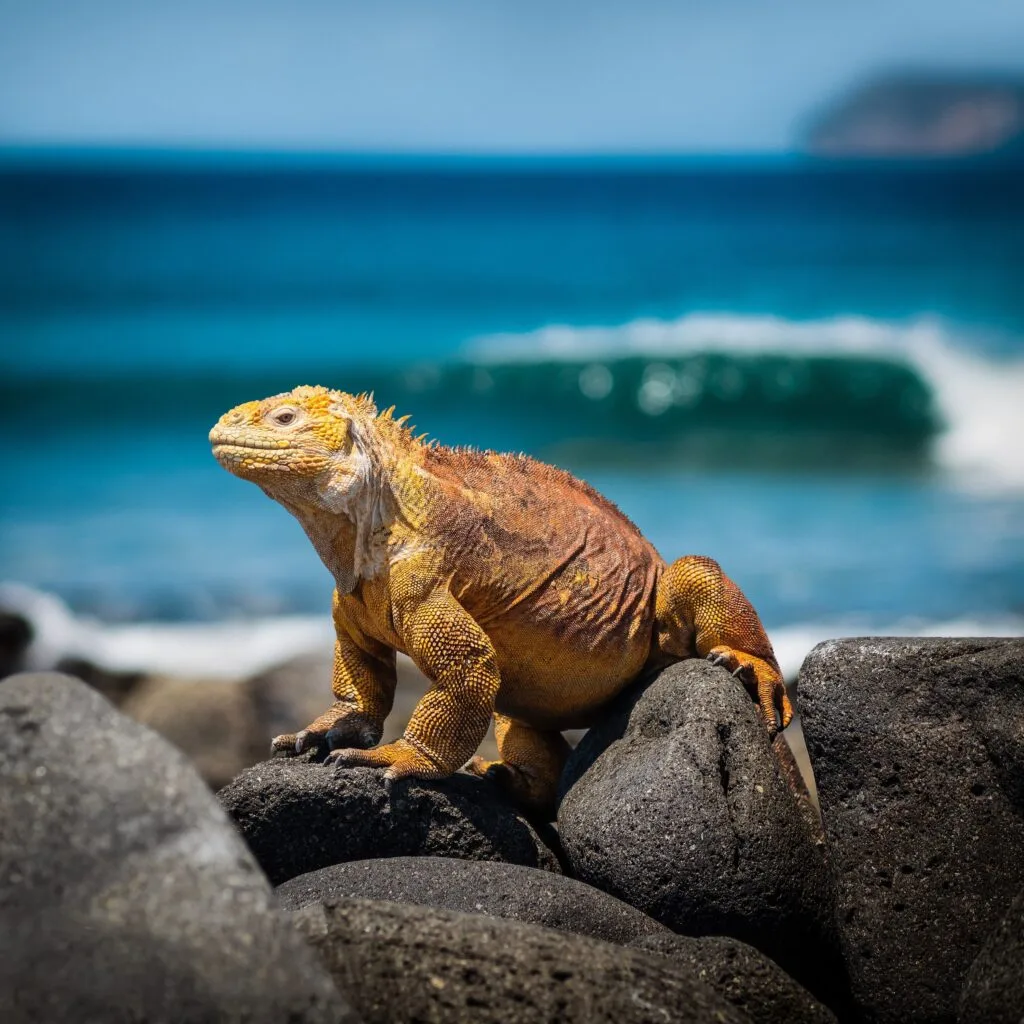
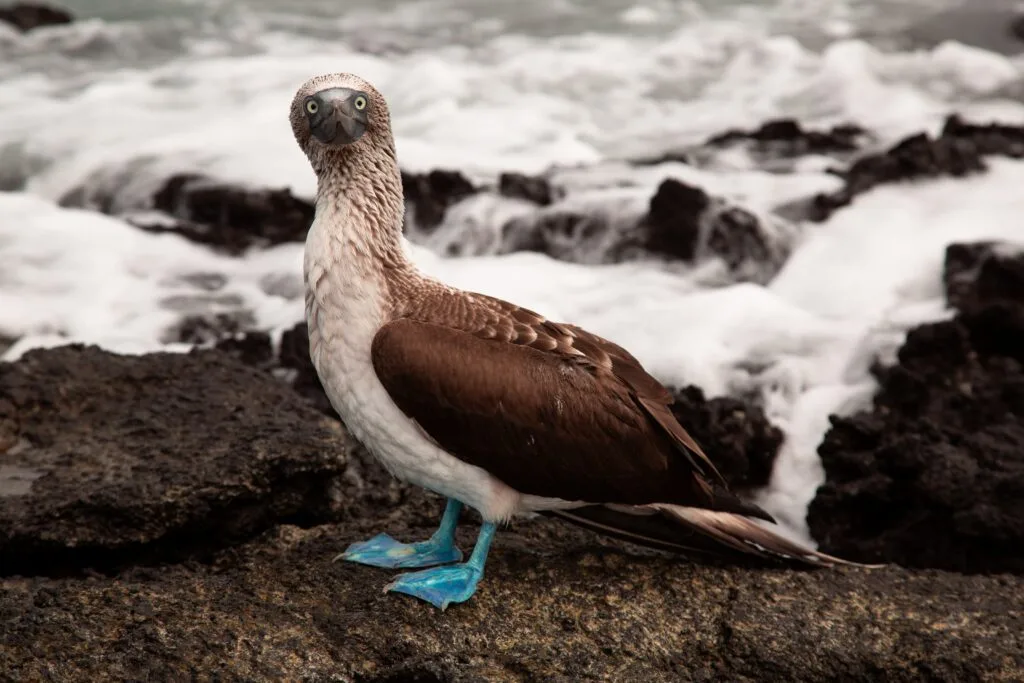
More than blue-footed boobies / Secret corners of Santa Cruz Island
Quiet volcanic wonders, hidden shores, and old-world farmsteads of the Galápagos highlands
The best Santa Cruz tours and activities.
Multi-day tours
Bike tours
Day tours
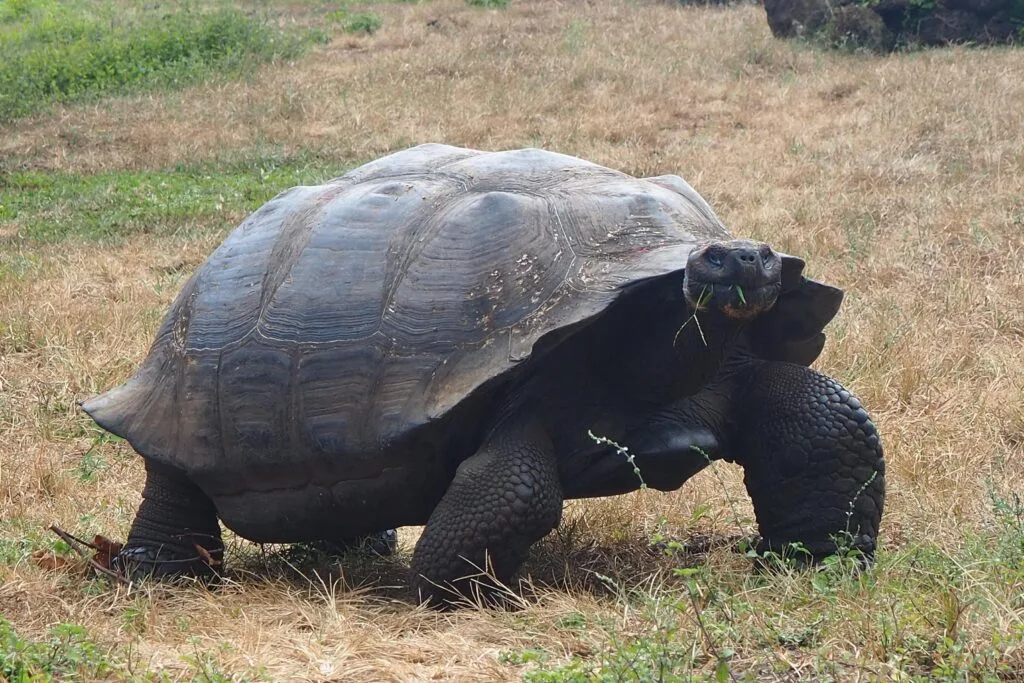
Attractions
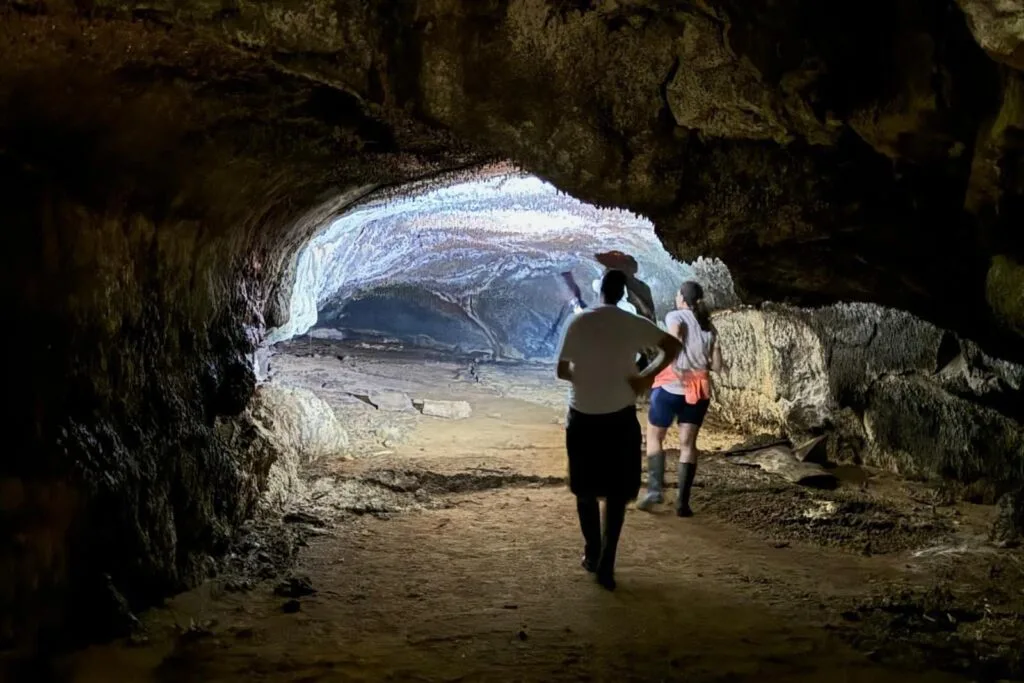
Boat tours
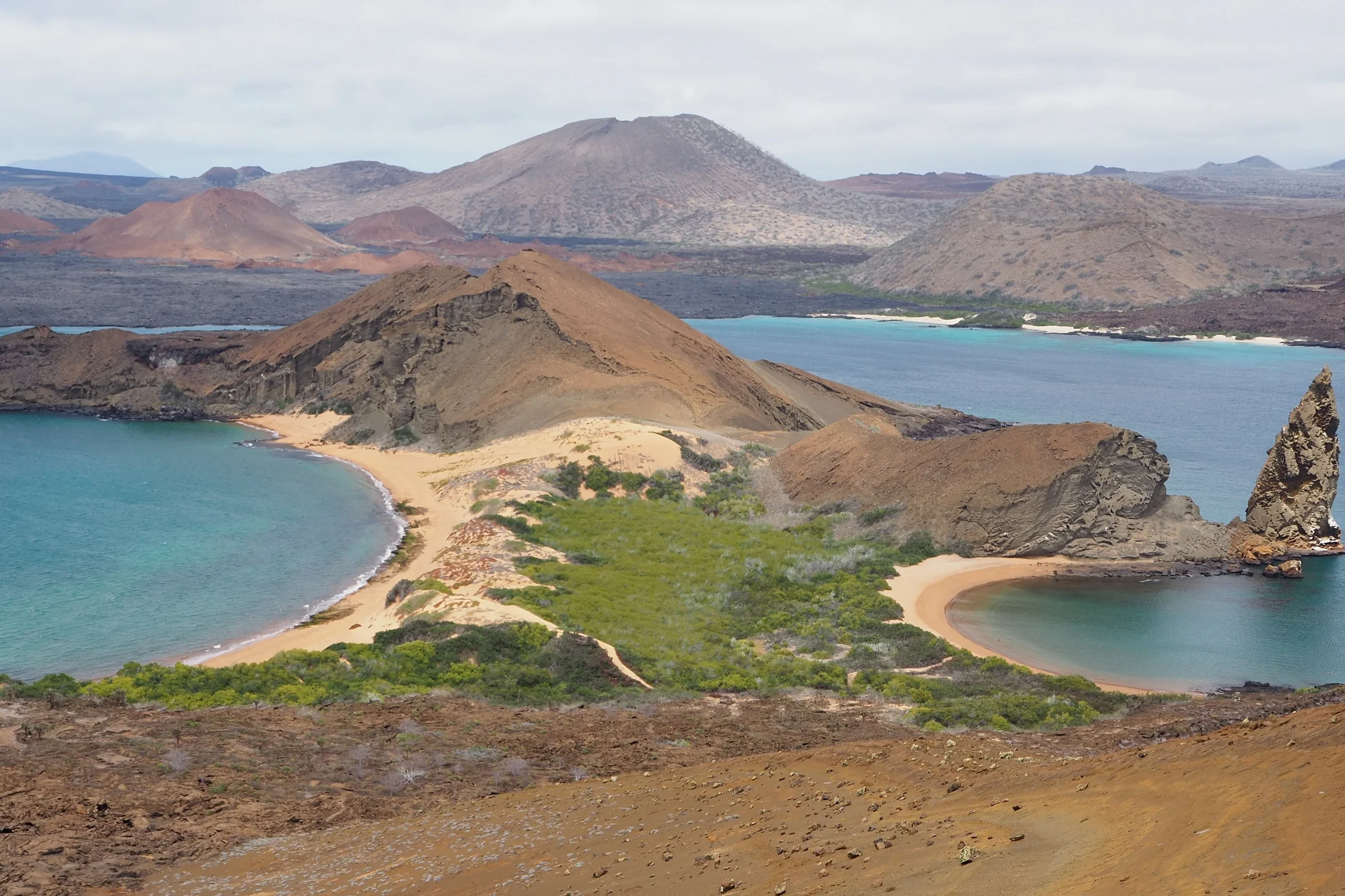
Walking tours
More things to do in the Galápagos.
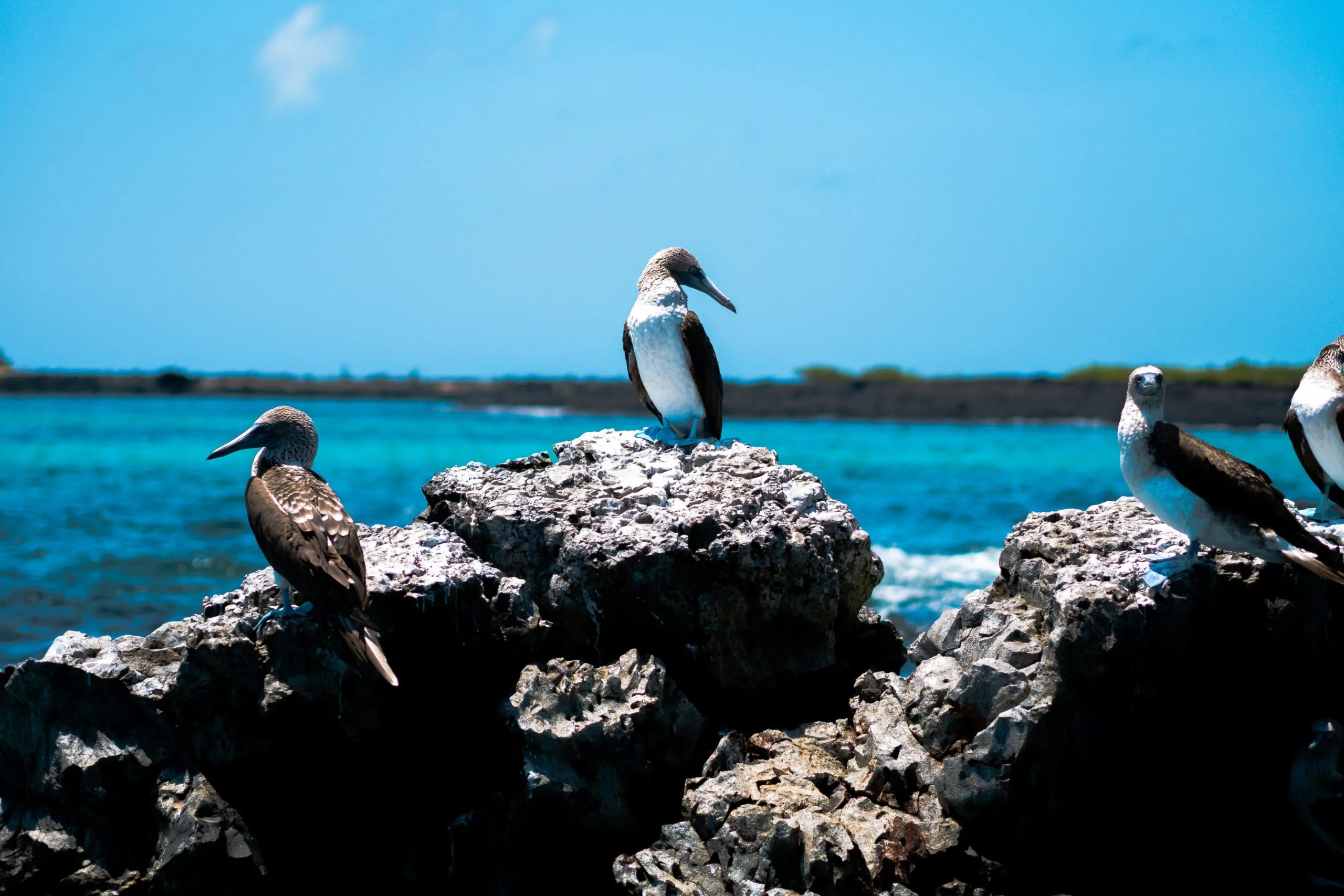
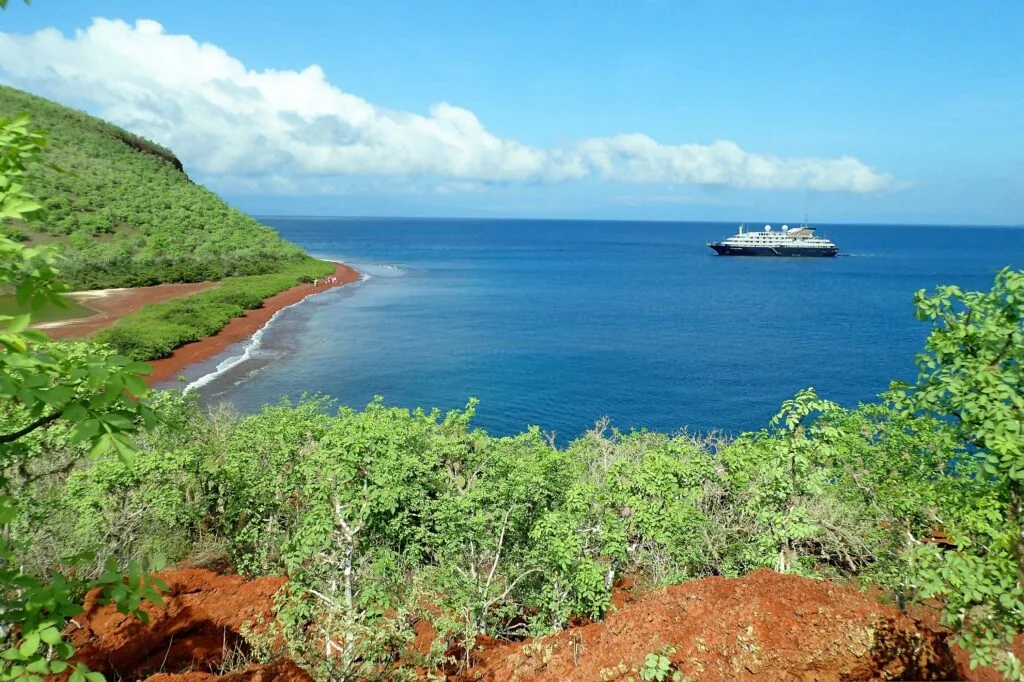
Leave Puerto Ayora’s harbourfront grit behind and cross to Isla Isabela, where unpaved sand avenues, sunbathing marine iguanas, and volcanic tracks lead to El Muro de las Lágrimas. On San Cristóbal, trade bustling docks for crashing surf swells, barking sea lion colonies, and high-altitude crater lakes. Finish on Floreana, a desolate outpost of eccentric history and tide-dependent dining where a hundred locals share volcanic shores with diving sea turtles
Isla Floreana
A mysterious enigma
San Cristóbal
Find the authentic island
Isla Isabela
Relax on wild beaches
Where to stay on Santa Cruz.
Ignore the glossy waterfront hotels where tour buses idle every morning at dawn. Instead, book a minimalist guest house tucked three blocks inland from the harbour in Puerto Ayora, or head uphill to an agro-ecological finca near Bellavista. Up in the humid highland mist, you trade air-conditioned lobby marble for timber beam architecture, native bird calls, and direct access to gravel backroads that head straight into the island interior
Best places to stay in Santa Cruz, Galápagos / Independent travel guide
Boutique accommodation for independent travellers in Santa Cruz
Stepping off the grid / The best camps for independent spirits in the Galápagos
Trade the cruise ships for a canopy
Essential Ecuador logistics.
SIM cards
Packing
Insurance
Overlanding

What to eat on Santa Cruz.
Island dining is defined by whatever the artisanal fishing fleet hauled into the slipway at midday. Look for canchalagua ceviche—an endemic sea snail cured in lime, red onion, and fresh coriander—or local brujo (red rockfish) pan-fried with garlic. Pair your fish with crisp green plantain patacones and cold Pilsener, sitting on a low wooden bench while sea lions nap peacefully beneath the concrete fish market tables
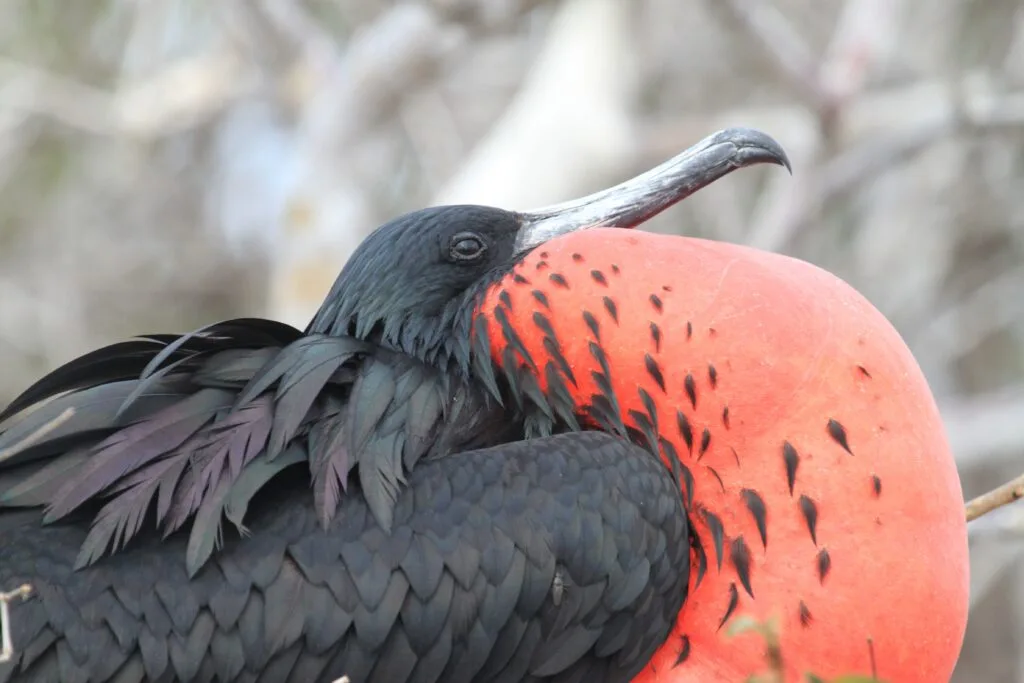
Foods to try in Santa Cruz, Galápagos / An independent traveller’s culinary guide
Rich coastal stews, morning harbour catches, and volcanic craft brews
Where to eat and drink on Santa Cruz.
When twilight hits, steer away from the overpriced linen-tablecloth establishments along Avenida Charles Darwin. Follow the scent of woodsmoke to Calle José Binford, where locals pull plastic tables into the asphalt street and grill whole rockfish and endemic spiny lobster over open flame. Afterwards, wander down a side alley to find tiny microbreweries serving cold craft IPAs to a low-key crowd of local mechanics and sea kayakers
An Independent Guide to Eating and Drinking in Santa Cruz, Galápagos Islands
Linger over local flavours long after the cruise ships have left port
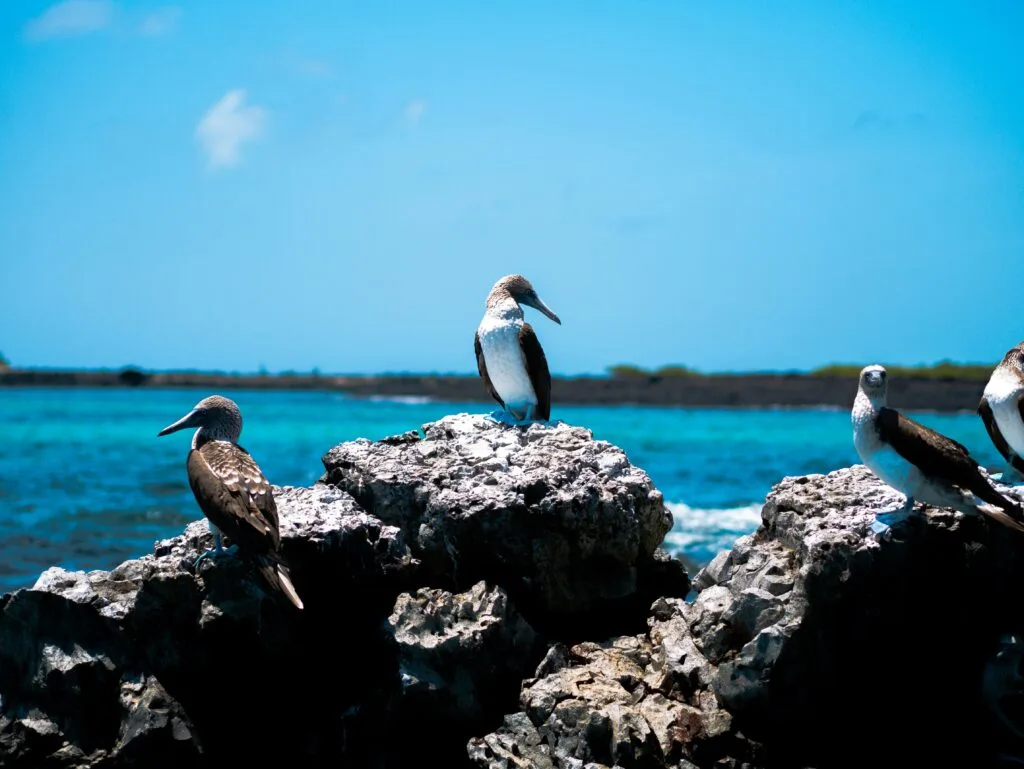
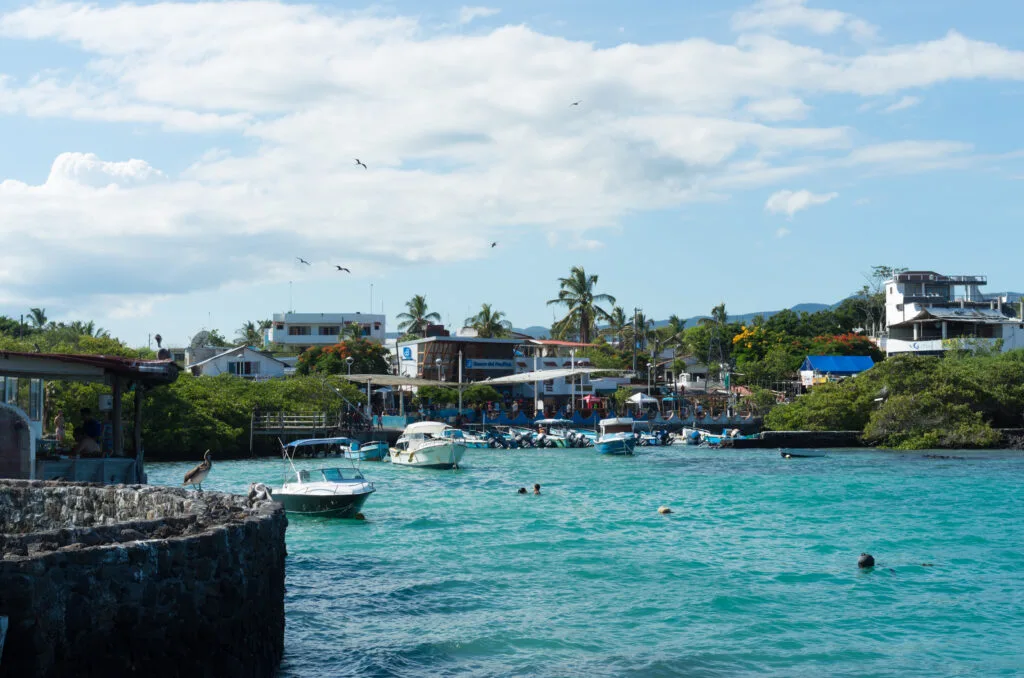
Where to drink well in Santa Cruz, Galápagos / An independent guide to Puerto Ayora’s best bars
Craft beers, luxurious cocktails, and late-night watering holes
The best coffee in Santa Cruz, Galápagos Islands / An independent travel guide
Volcanic micro-lots, shaded coastal verandas, and quiet highland fincas

When to visit Santa Cruz.
Timing depends entirely on whether you prefer warm sea dips or cool saddle time. From June to November, the subtropical garúa mist settles over the volcanic highlands, dropping temperatures to a brisk twenty-two degrees—ideal for long-distance island cycling. Conversely, December through May delivers blazing equatorial sunshine, glassy ocean conditions, and sudden heavy showers that clear the afternoon dust in under twenty minutes
Decoding the Galápagos / A month-by-month guide to Ecuador’s Enchanted Isles
Uncover the rhythm of the archipelago and time your voyage to perfection
Is Santa Cruz safe?
Violent crime here is practically non-existent; the entire island operates on a relaxed, small-town surveillance network where everybody knows everyone’s bicycle. Your real hazards are far more mundane: equatorial sun exposure, sudden dehydration on unshaded coastal tracks, and lava rock trails that bite through inner tubes. Carry two spare tubes, pack plenty of water, and keep your distance from the territorial male sea lions on the docks
Navigating Santa Cruz safely / The definitive Galápagos travel guide
Island serenity meets absolute peace of mind under the equatorial sun
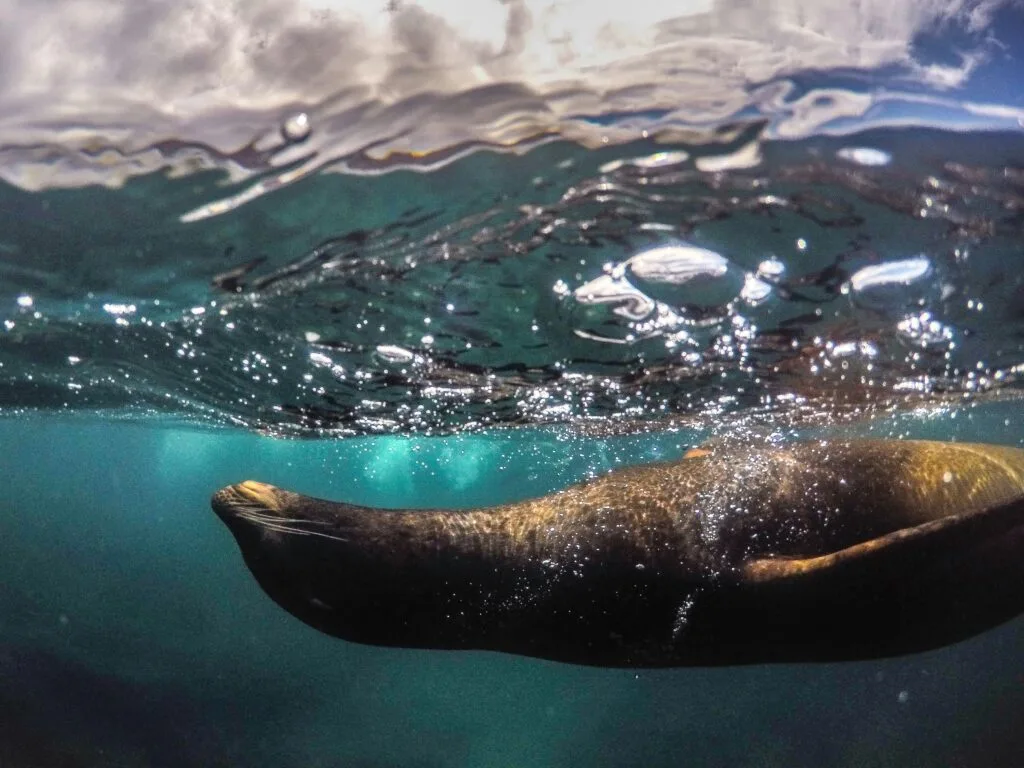
The history of Santa Cruz.
Long before conservationists and cruise ships arrived, Santa Cruz was an isolated frontier settled by Norwegian utopian dreamers and hardy Ecuadorian farmers in the nineteen-twenties. They carved out an existence in the fertile basaltic soil of the highlands, planting coffee bushes and operating sugar cane mills driven by oxen. That gritty agricultural backbone still persists today just beneath the island’s polished eco-tourism facade, visible in every family-run finca
Deep roots in the volcanic soil / The human history of Santa Cruz Island
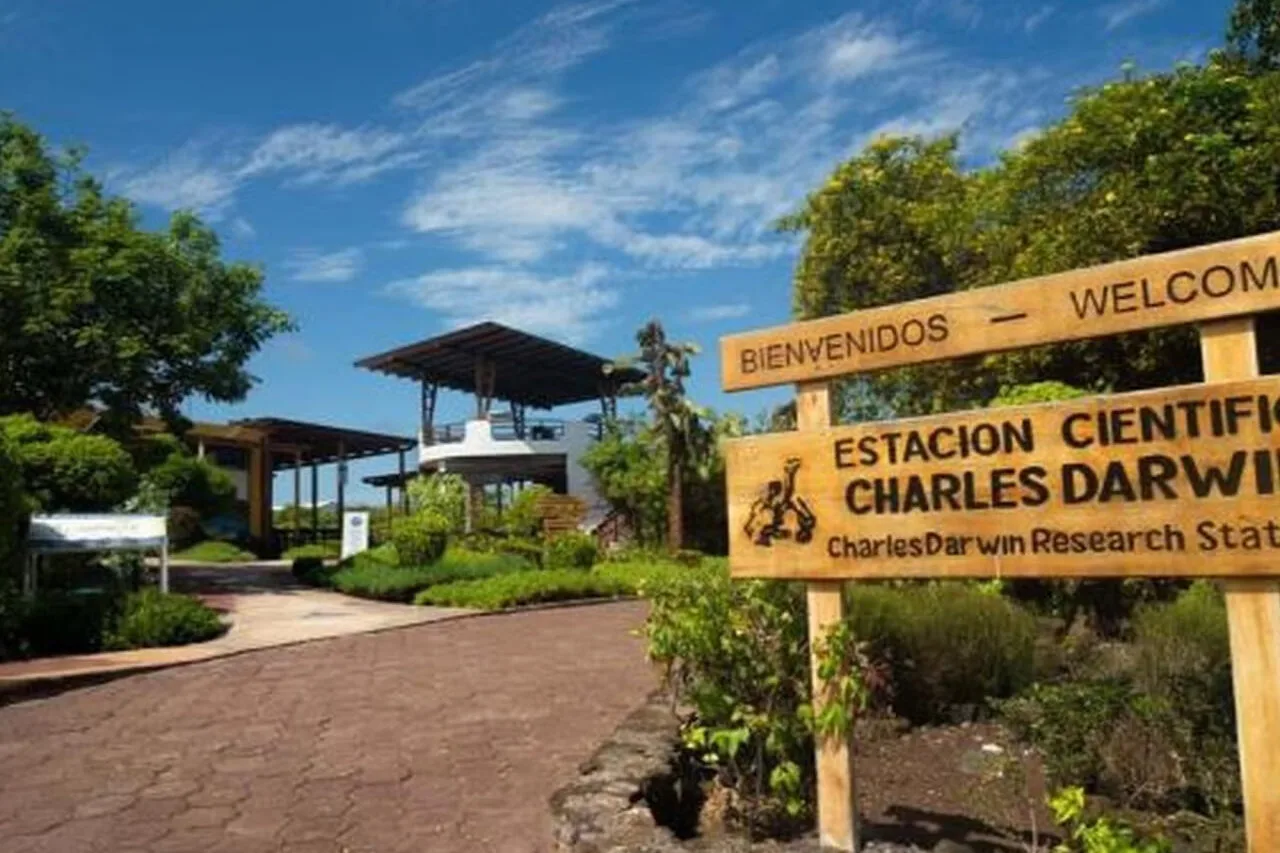
How an island Charles Darwin observed only from afar became the ultimate guardian of his living legacy

How five weeks in the Galápagos changed our understanding of life on Earth
A journey that inspired the theory of evolution by natural selection
Ecuadorian cycling culture.
Ever since Richard Carapaz conquered the Grand Tours, cycling in Ecuador has transformed from a fringe pastime into a matter of fiery national pride. From the high-altitude paved roads of Carchi to the coastal lava tracks of Santa Cruz, locals revere anyone tackling steep gradients on two wheels. Drivers will cheerfully tap their horns in encouragement, while roadside vendors are always ready to hand you fresh fruit and iced panela
Epic cycling in Ecuador
The ultimate guide to cycling in Ecuador / Routes, culture, and infrastructure
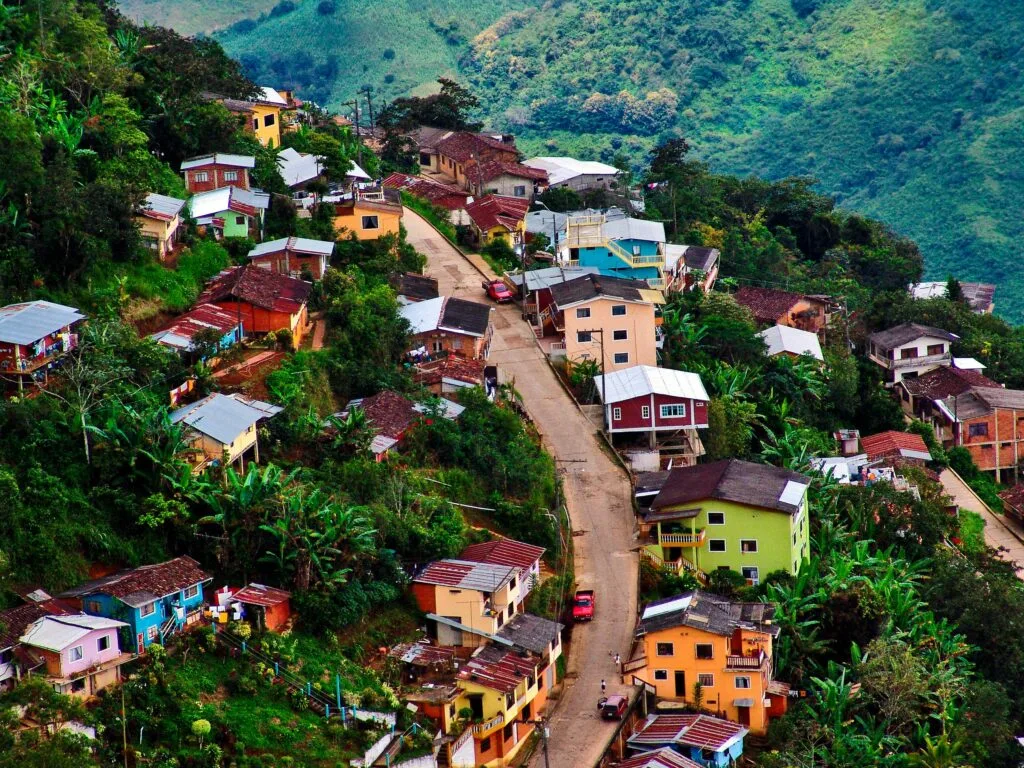
Driving culture and road safety

Driver attitudes, road traffic statistics, and road safety laws for cyclists
Cycling laws in Ecuador
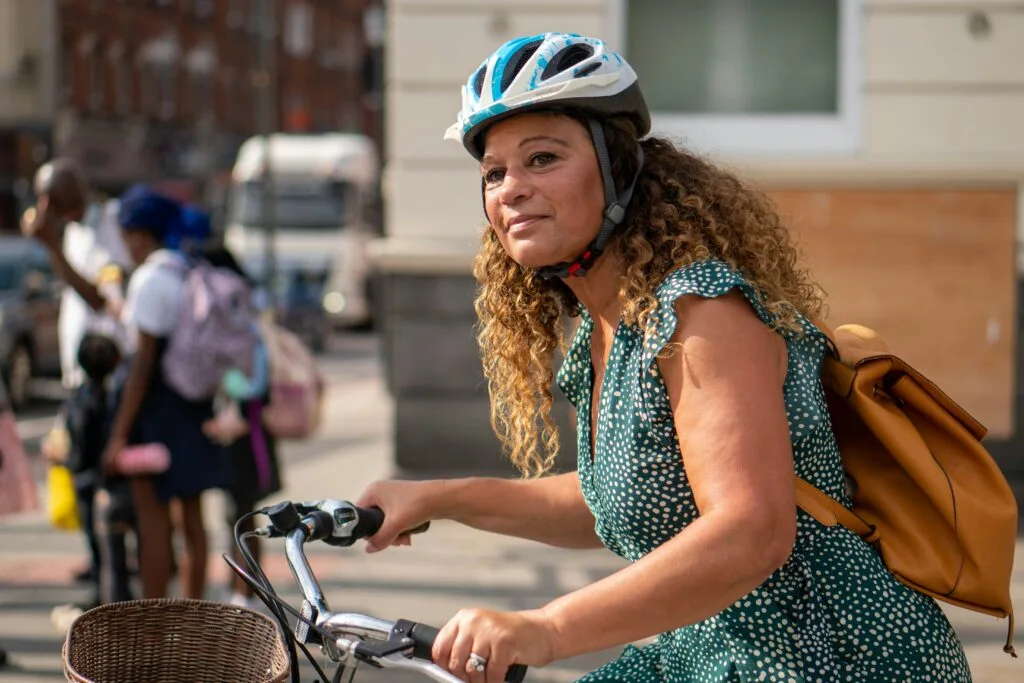
Everything you need to know about cycling laws and regulations in Ecuador
Ecuador’s cycling history
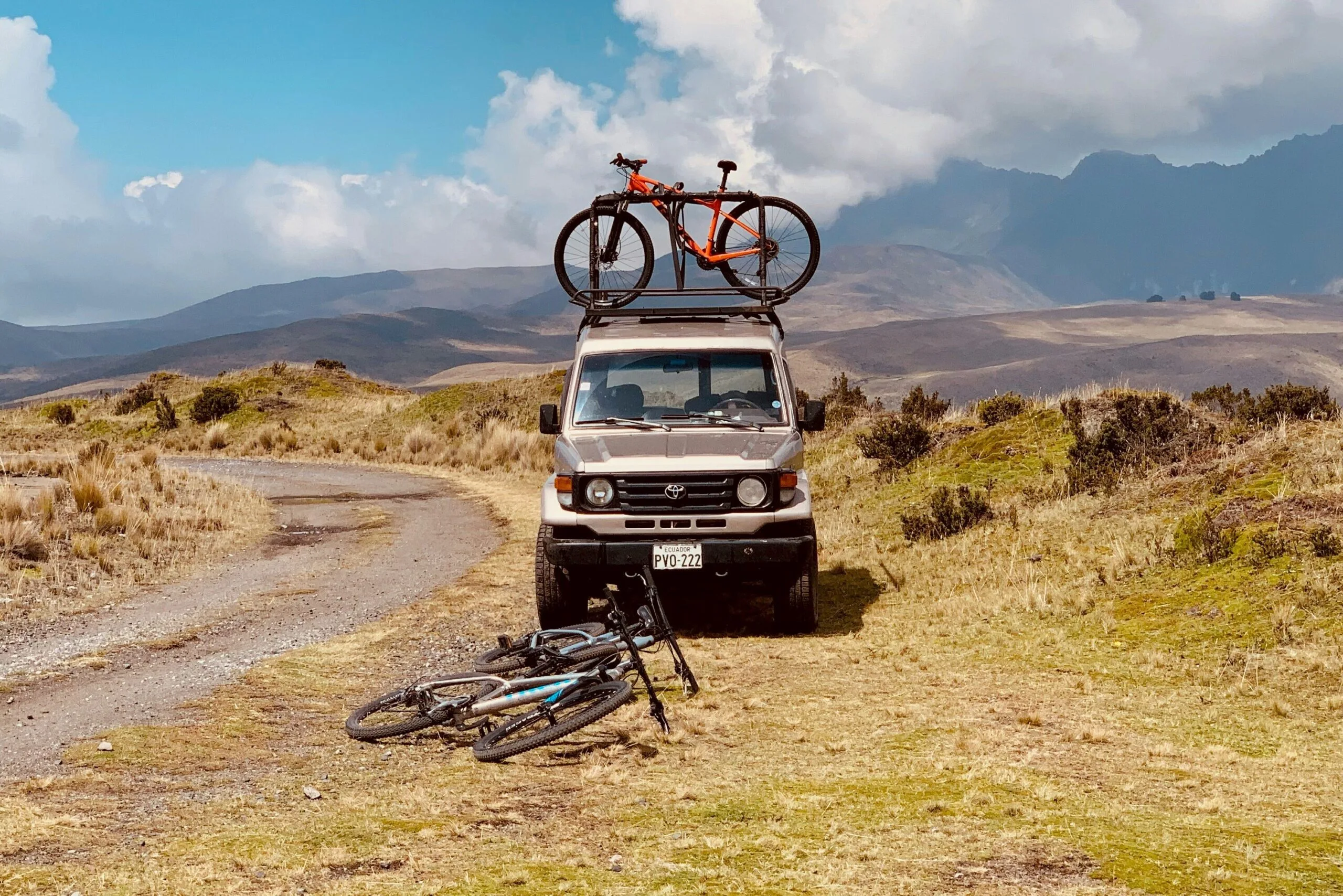
A guide to the cycling history, bicycle culture, and bike routes
Everything we’ve written about Santa Cruz.
The best places to eat in Santa Cruz, Galápagos Islands
Charles Darwin and the Galápagos Islands: The history of a revolution
Best coffee in Santa Cruz, Galápagos: Speciality cafés & highland farms
Santa Cruz travel guide | Independent Galápagos tips & local secrets
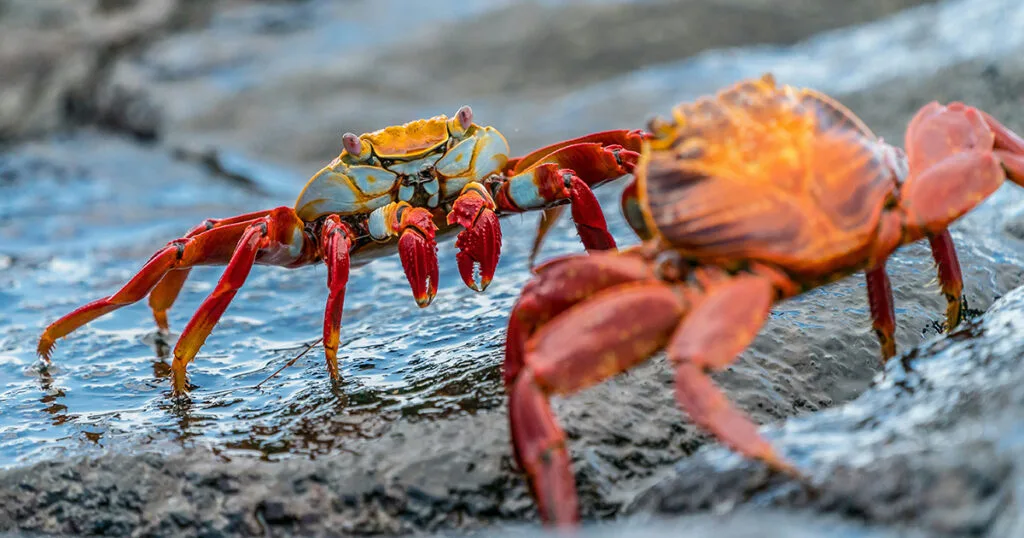
Top attractions on Santa Cruz Island, Galápagos
Best Santa Cruz boat tours: Top Galápagos cruises & sails
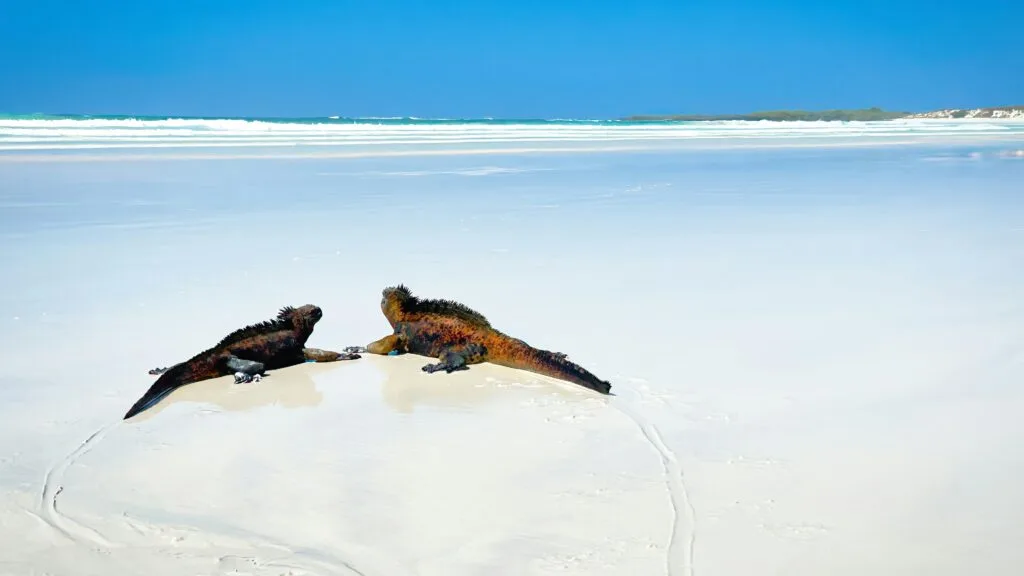
Foods to try in Santa Cruz, Galápagos: Local dining guide
Hidden gems on Santa Cruz, Galápagos | Slow travel guide
Best bars in Santa Cruz, Galápagos: Local craft beer & cocktails
Best Santa Cruz day tours: 6 top Galápagos excursions
Best bike tours in Santa Cruz, Galápagos
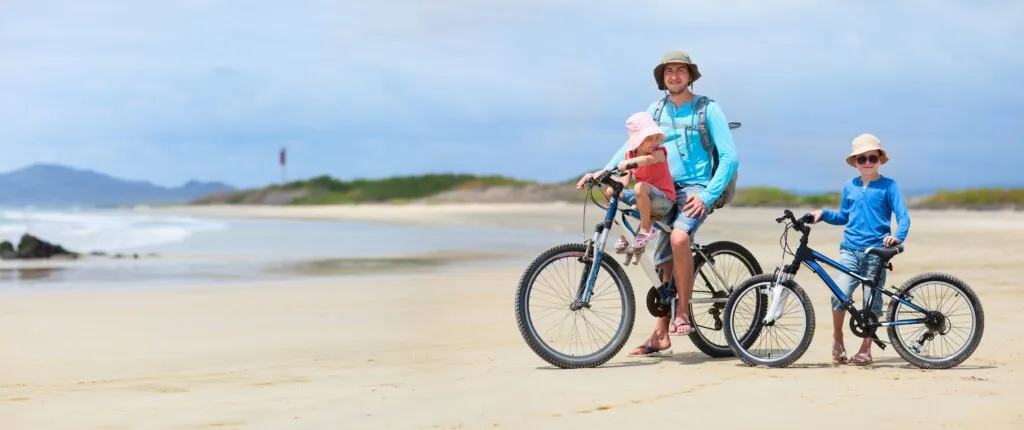
Best Santa Cruz tours & tickets: Top 6 bookable sites on the Galápagos
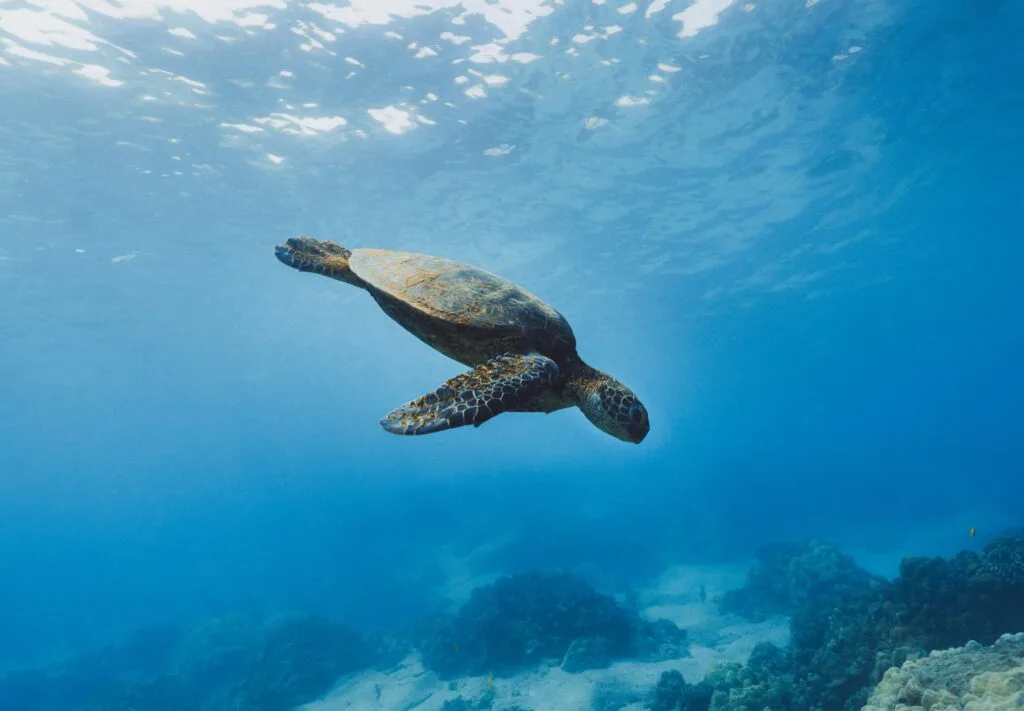
Best Santa Cruz walking tours & Galápagos local walks
Best places to stay in Santa Cruz, Galápagos | Independent travel guide
Santa Cruz travel safety guide to the Galápagos 2026
The best places to camp in Santa Cruz, Galápagos: A slow traveller’s guide
The untold human history of Santa Cruz Island, Galápagos
Best Santa Cruz Galápagos multi-day tours
Ecuador.
Pure wonder on the equator.