
Cotopaxi
Things to do in Cotopaxi.
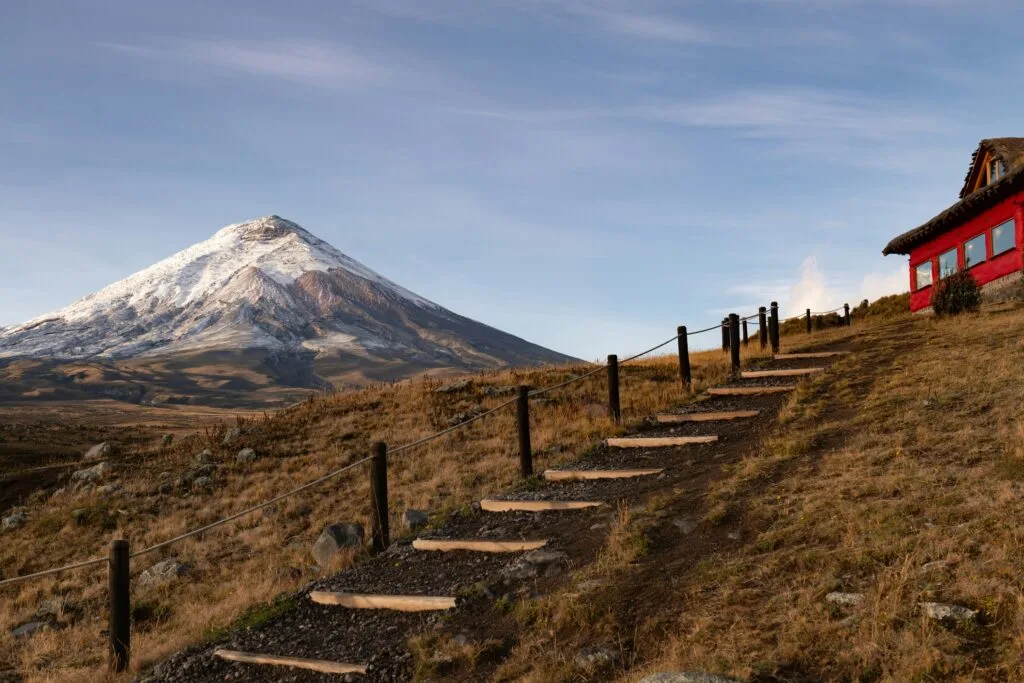
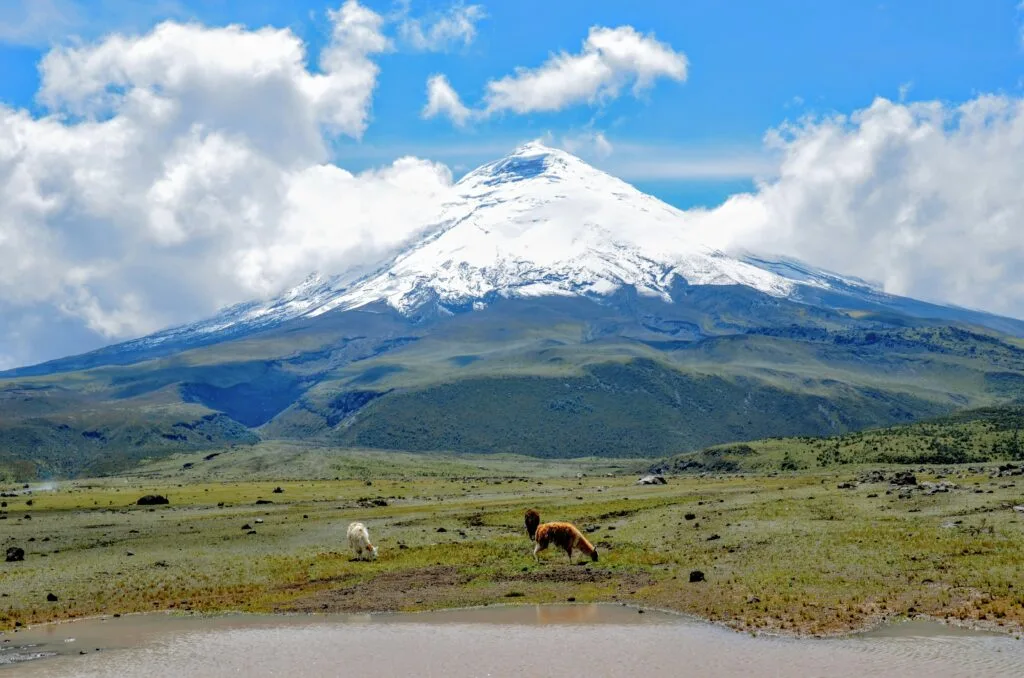
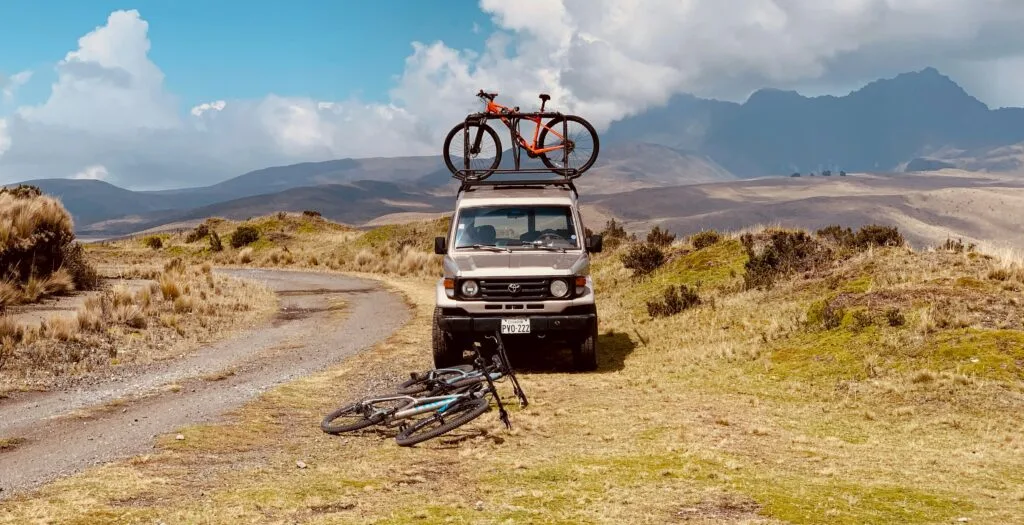
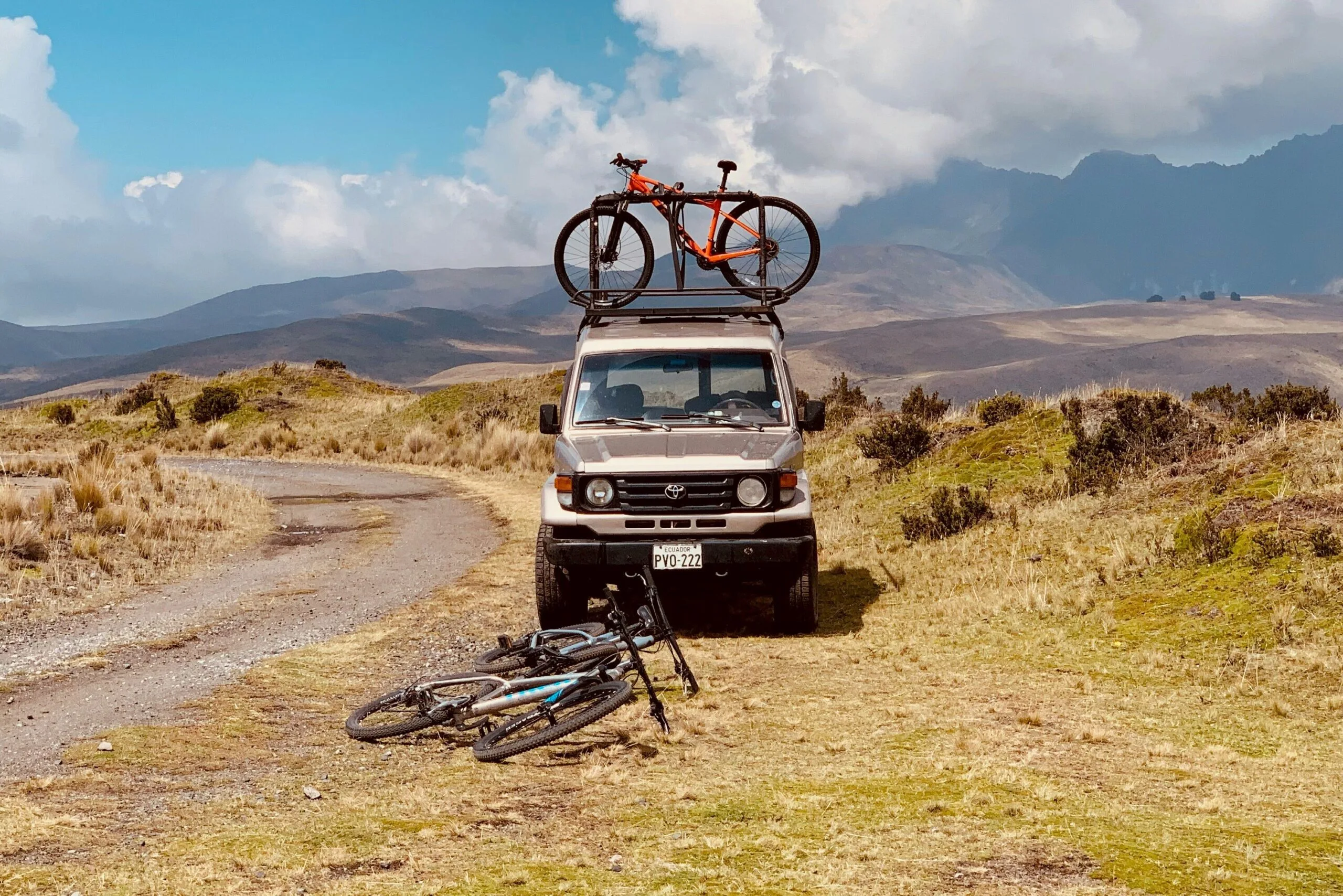
Most people arrive on a tour bus, take a selfie with the stratovolcano, and swiftly leave before the altitude sickness kicks in. True appreciation requires slowing down, ideally on two wheels along the dusty tracks of the national park where the wild horses outnumber the tourists. You will spend your days navigating the crisp páramo air, watching the light shift across the glacial ice, and dodging the erratic mountain weather. It is a stark, beautifully desolate playground for those who prefer grit to gift shops
Mastering Cotopaxi independently / A first-timer’s guide to Ecuador’s high-altitude wonder
Crisp Andean air and the slow, majestic rhythm of the páramo
Exploring the High Andes / The ultimate guide to Cotopaxi
High altitudes, active volcanoes, and untamed horizons
Cycling Cotopaxi National Park / The ultimate self-guided adventure guide
Pedal through the páramo and conquer the volcanic ash
Discovering Cotopaxi National Park / The ultimate guide for independent travellers
Ditch the tour bus and discover the raw majesty of the Andean páramo
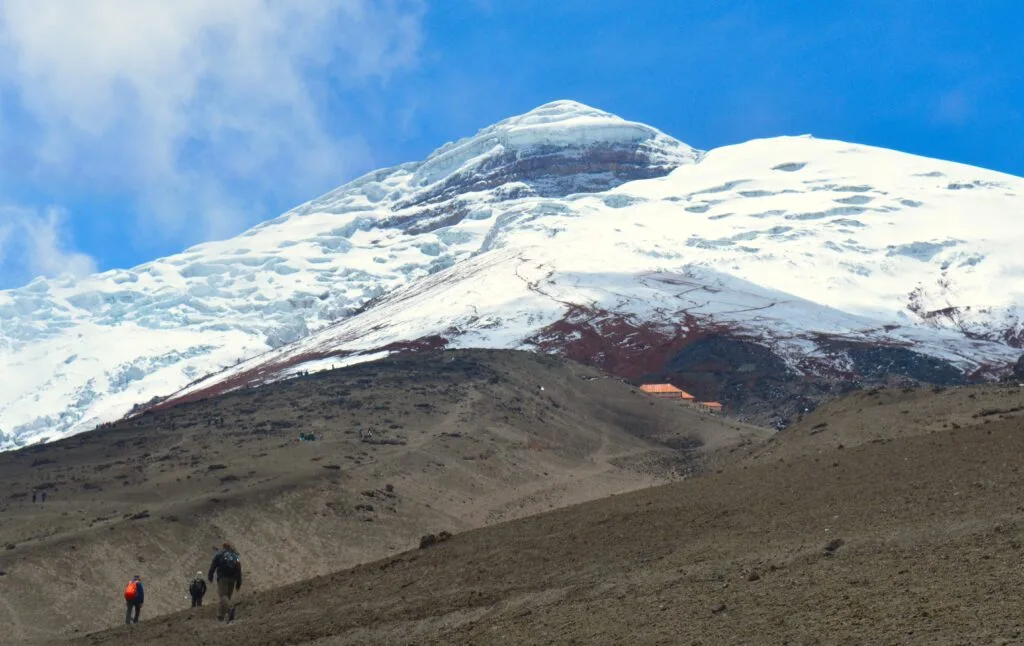
How to summit Volcán Cotopaxi / The complete high-altitude guide
Conquer Ecuador’s snow-capped giant
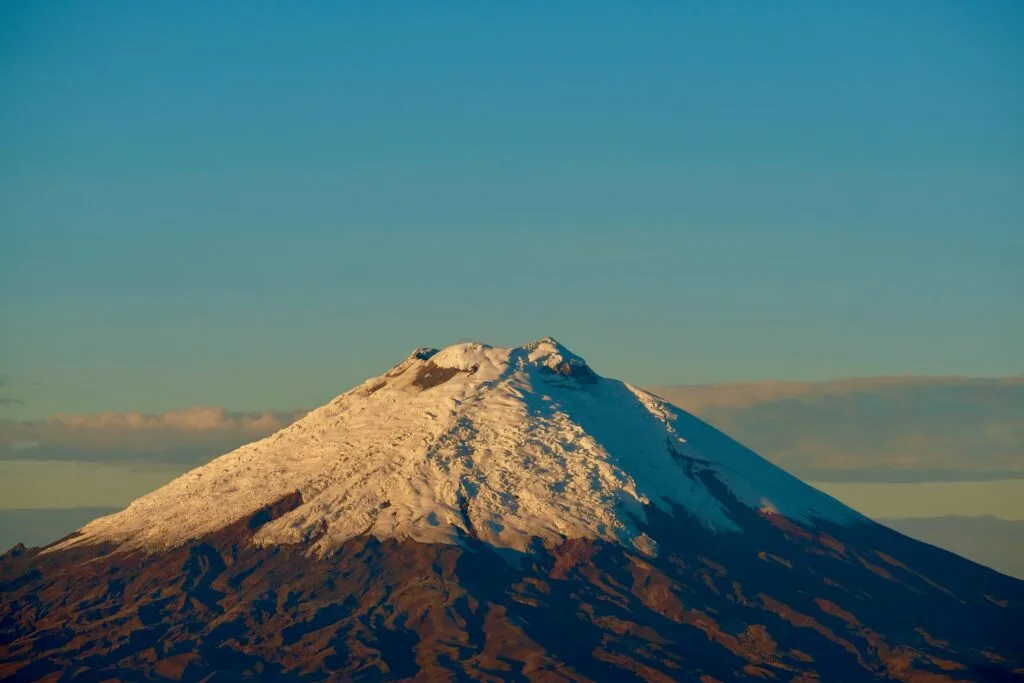
Top tours to Cotopaxi.
Day tours
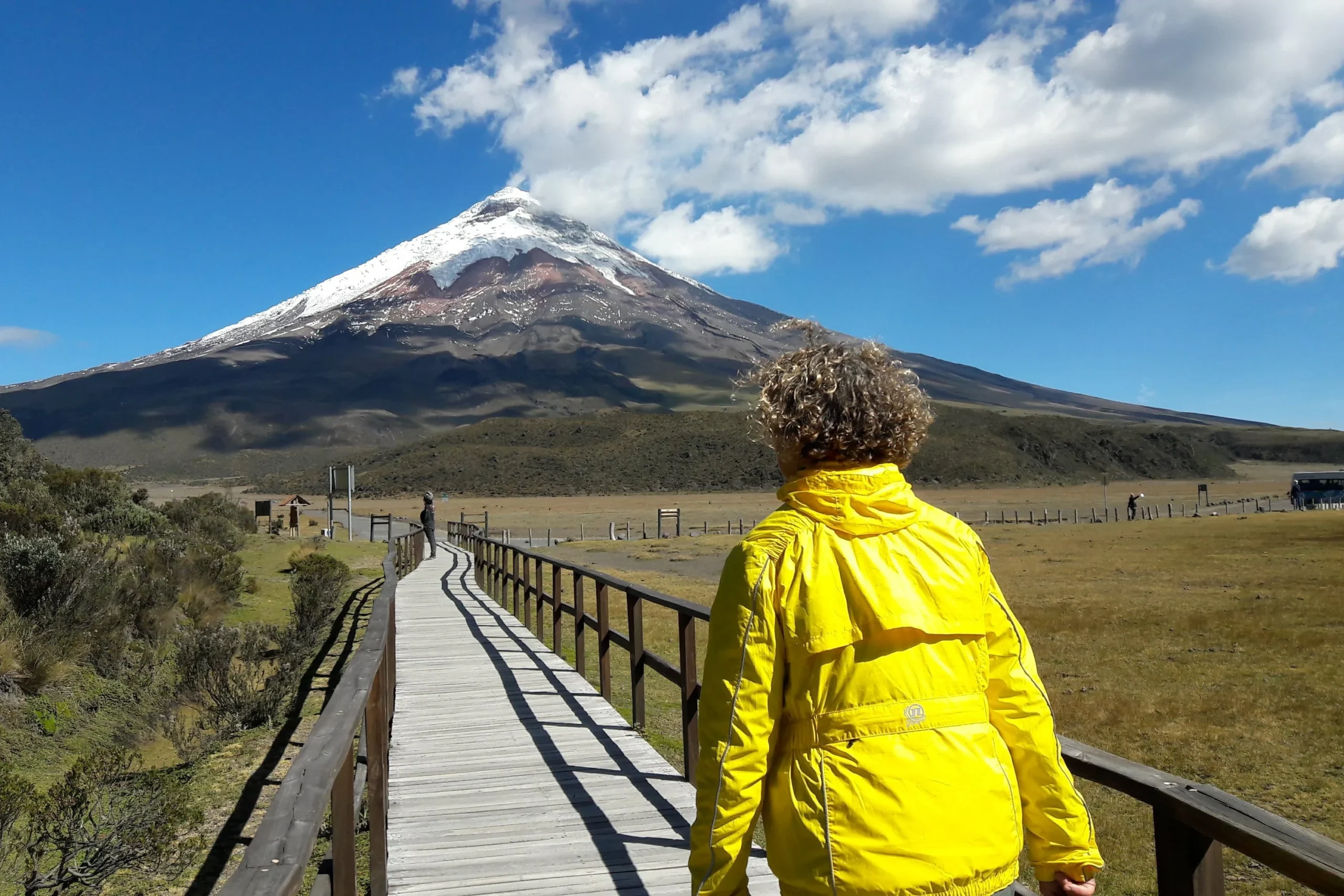
Bike tours
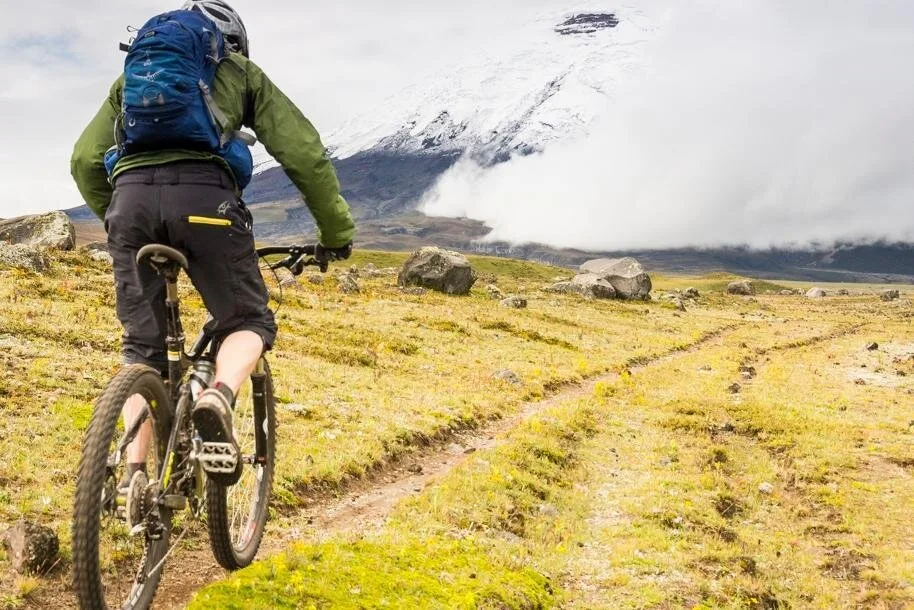
Multi-day tours
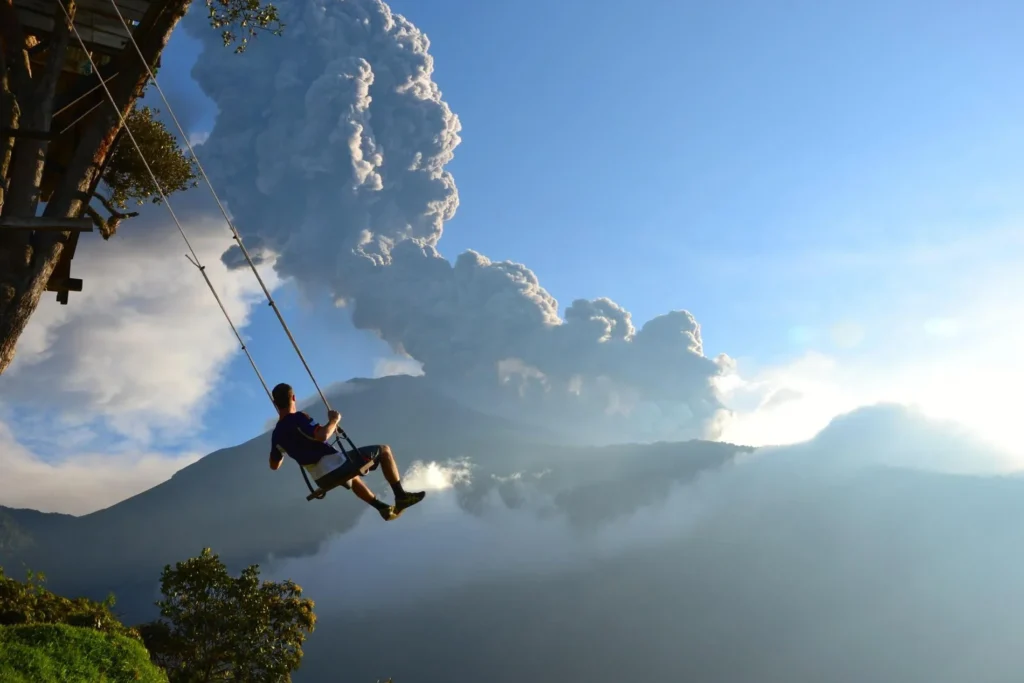
Bus tours
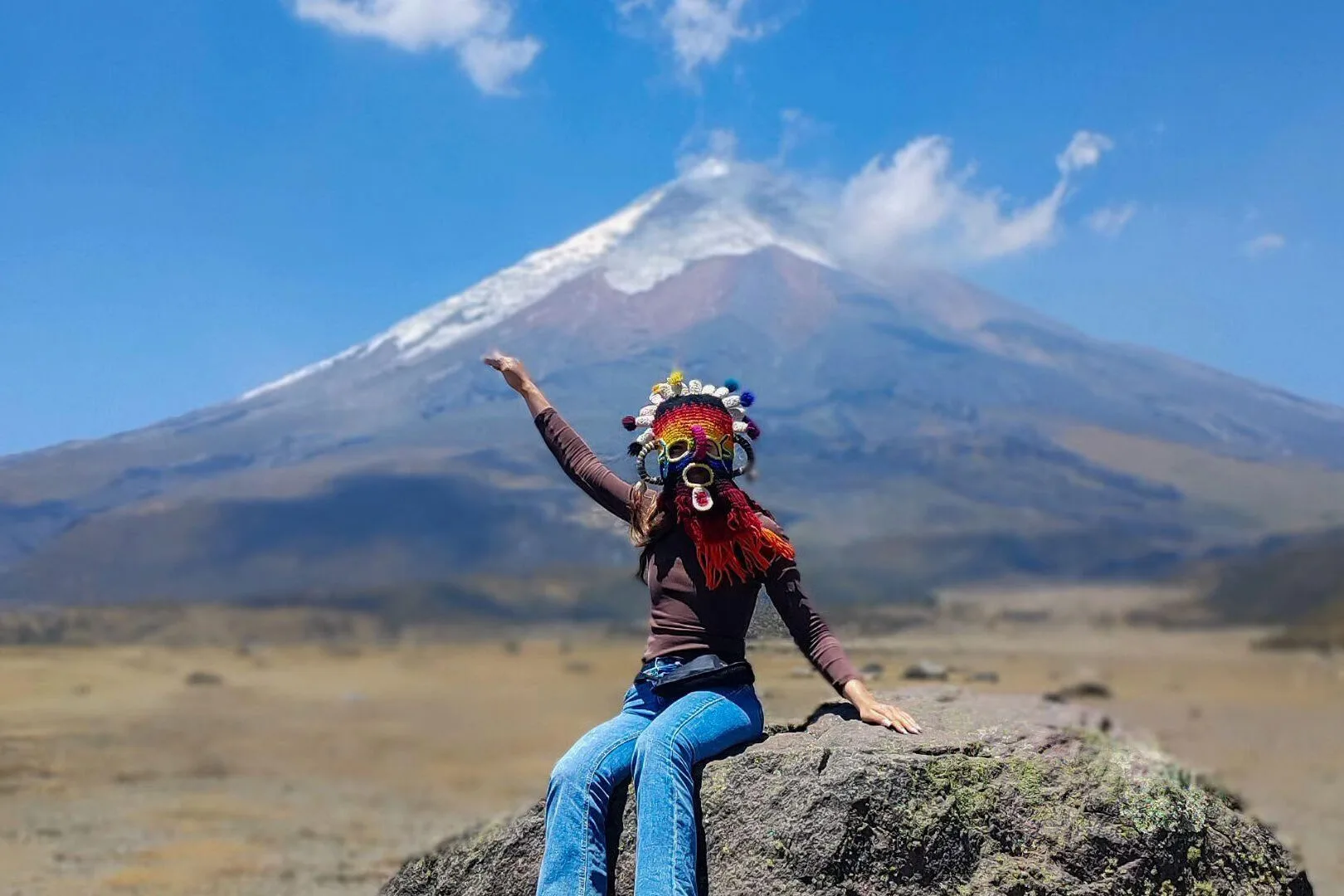
More things to do in the Ecuadorian Sierra.
The avenue of the volcanoes links urban hubs that operate at entirely different speeds. In Quito, you will find steep, cobblestone streets lined with baroque architecture alongside late-night bars serving hot canelazo. Further south, Cuenca offers a more sedate, intellectual rhythm with its pastel-coloured colonial facades and quiet riverside paths. If you need a dose of sub-tropical humidity, Baños provides a chaotic mix of thermal springs and steep cycling descents, safely removed from the usual holidaymaker itinerary
Quito
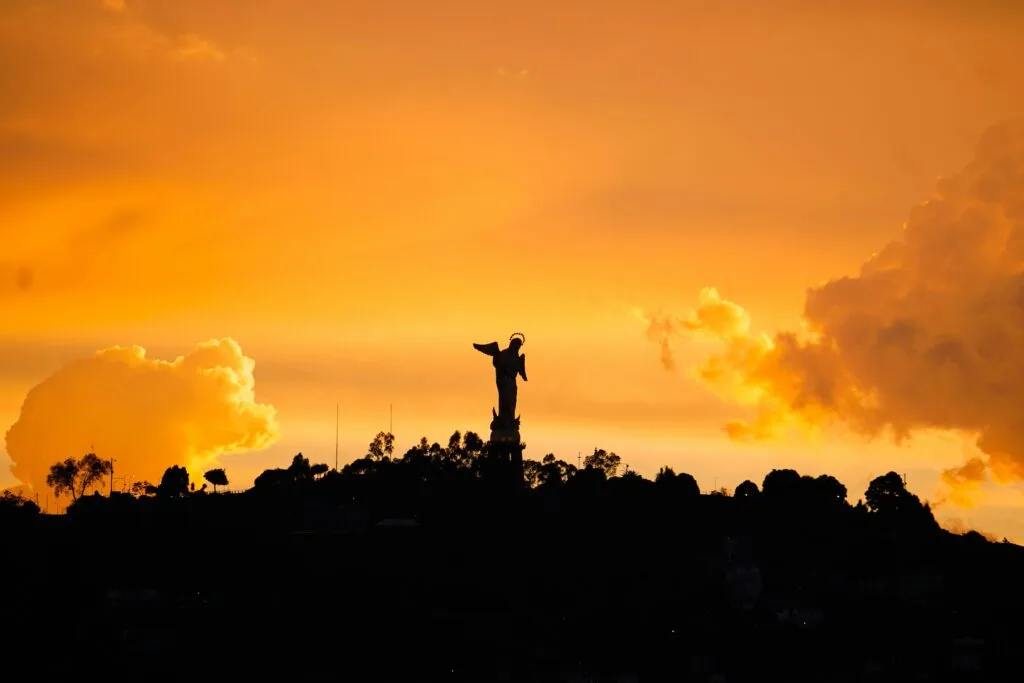
The Middle of the World
Baños
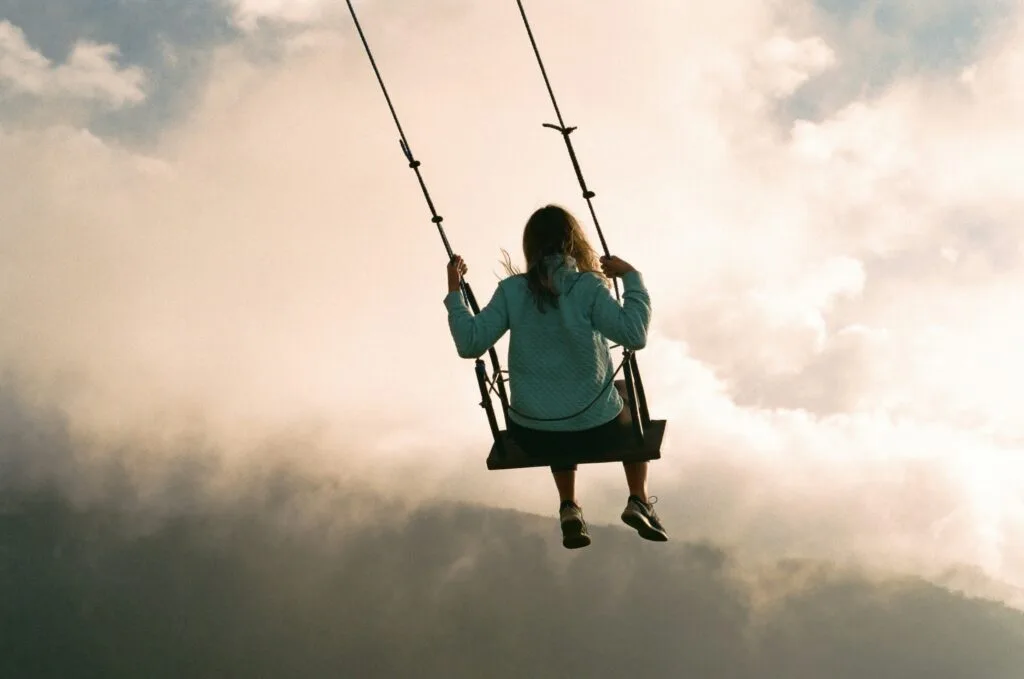
In the shadow of the volcano
Cuenca
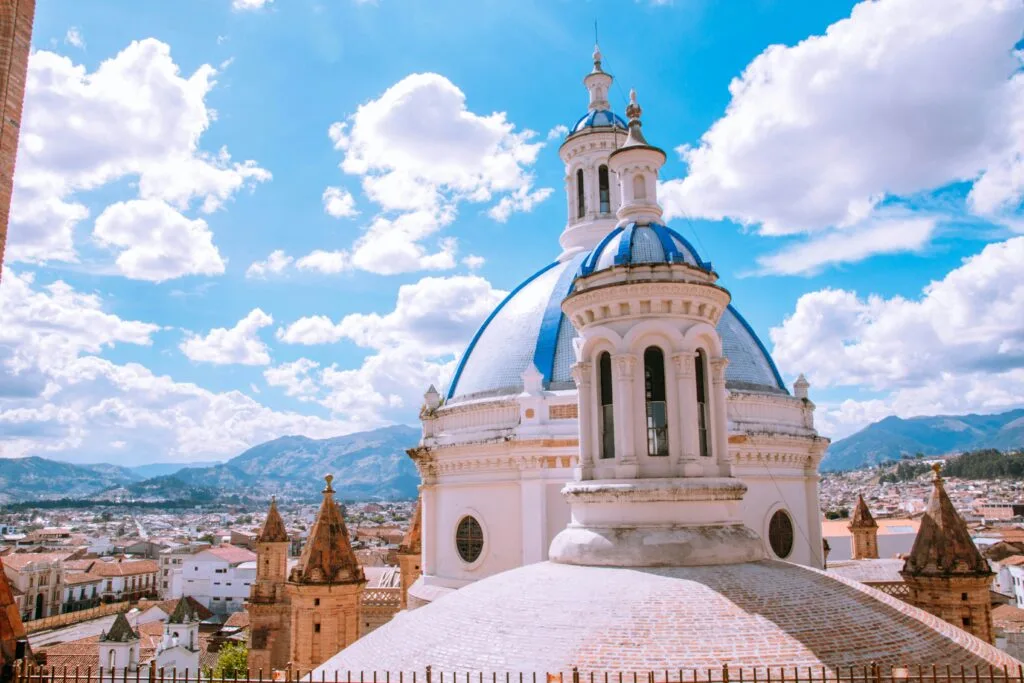
The prettiest city in the Americas
Where to stay in Cotopaxi.
Forget sterile resort hotels; shelter here comes in the form of centuries-old haciendas with thick stone walls built to keep out the Andean chill. These working ranches offer a front-row seat to rural mountain life, complete with roaring log fires and heavy alpaca blankets. Nights are blissfully quiet, save for the occasional crackle of a wood burner and the wind howling off the slopes. It is the kind of hospitality that involves hearty, communal meals and local dogs guiding you to the trailhead
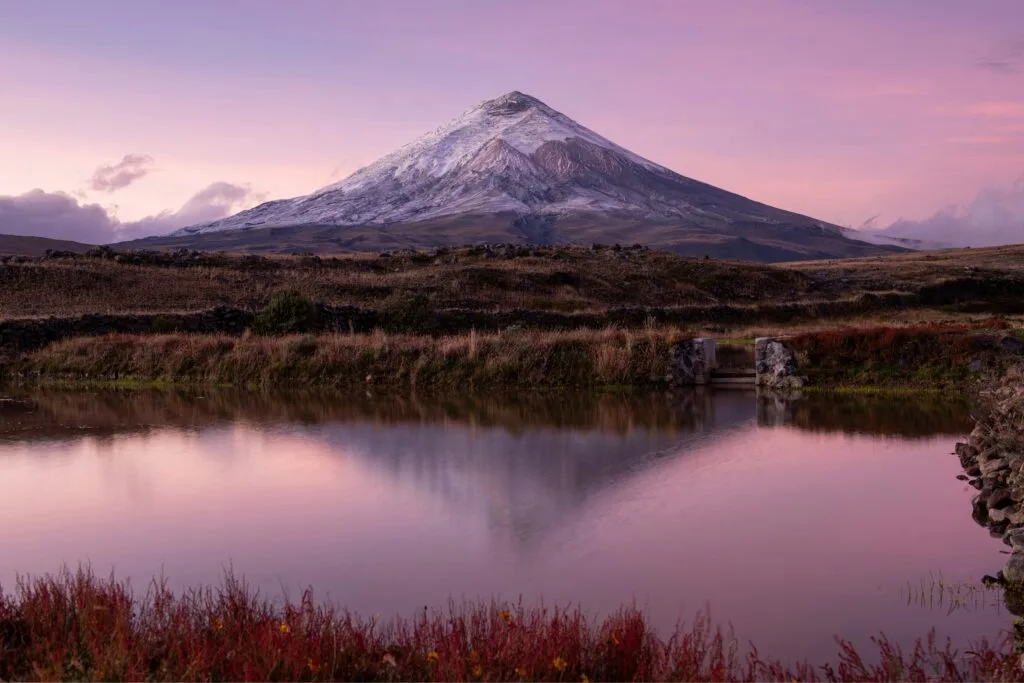
Finding sanctuary in the high páramo / The best places to stay near Cotopaxi
Wake to the silhouette of a perfect volcanic cone
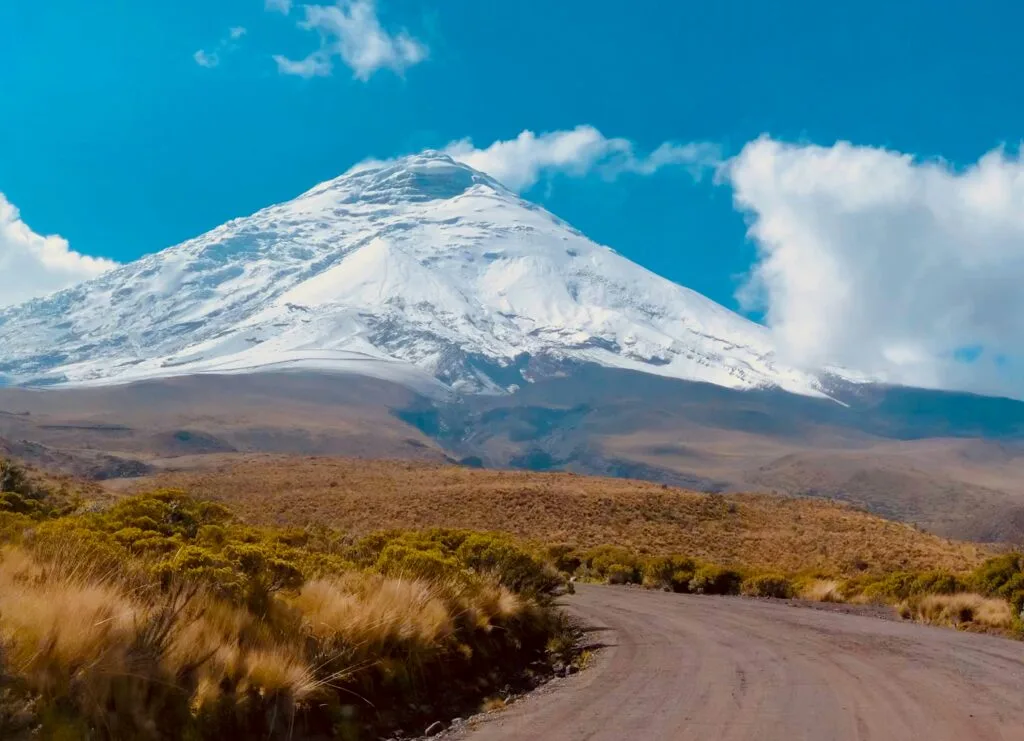
Finding quiet in the páramo / The best places to camp in Cotopaxi
Sleep under the stars in Ecuador’s volcanic heart
Essential Ecuador logistics.
SIM cards
Packing
Insurance
Overlanding
What to eat in Cotopaxi.
High-altitude exploration demands heavy fuel, and the regional cuisine delivers without any modern pretension. Locro de papa, a rich potato soup enriched with avocado and local cheese, is the undisputed antidote to a long day in the saddle. You will also encounter chugchucaras, a glorious plate of deep-fried pork, hominy, and plantain that prioritises substance over presentation. It is honest, warming food designed for survival and recovery, rather than Instagram feeds
A taste of the Andes / Foods to try in the Ecuadorian Sierra
Savour the deeply rooted flavours of the mountain peaks
Where to eat and drink in Cotopaxi.
Finding a meal here means bypassing anything with an English menu and pulling up a wooden stool at a roadside comedero. Look for the small taverns near Machachi or inside the traditional estates where the chicha is brewed in-house and the coffee is dark and sweet. These are unpretentious spaces shared with local chagras, the Ecuadorian cowboys, who know exactly which kitchen serves the best llapingachos. Drink a hot canelazo by the hearth and leave the tourist hubs to the coast
The best places to eat in Cotopaxi for independent travellers
A culinary journey through the dramatic high páramo
When to visit Cotopaxi.
The mountain dictates the calendar, making the dry season between June and September the logical window for clear mornings and steady trails. Even then, the Sierra weather is famously fickle, routinely compressing four seasons into a single afternoon. Thick mist can swallow the peak in minutes, turning an easy ride into a moody, navigational exercise. Come prepared for the cold, accept that the sun is a luxury, and enjoy the crisp winter clarity that rewards early risers
Unlocking the Andes / When is the best time to visit the Ecuadorian Sierra?
Four seasons in a day / Chasing the perfect light across the Avenue of the Volcanoes
Is Cotopaxi safe?
The primary hazards here are natural rather than human, starting with an active volcano that occasionally reminds everyone of its presence. Altitude is the other silent adversary, punishing anyone who tries to rush their acclimatisation process. On the trails, your main concern will be navigating loose volcanic scree and avoiding the local farm dogs who take their guarding duties very seriously. Keep your wits about you, respect the mountain’s moods, and you will find the region remarkably welcoming
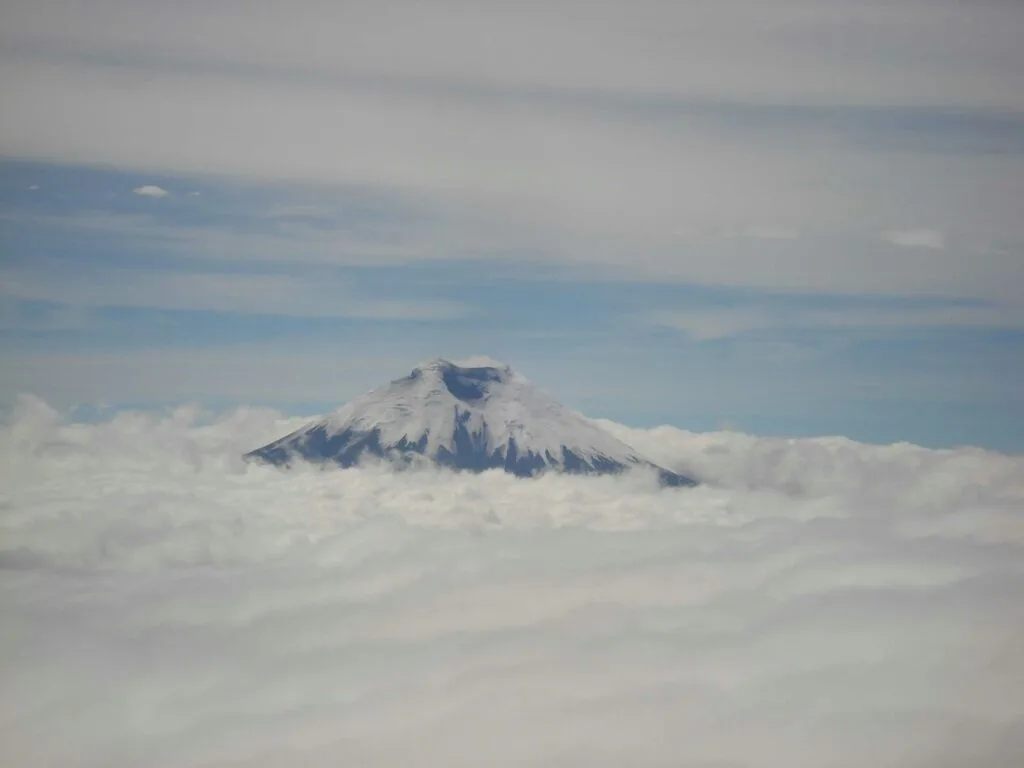
Exploring Cotopaxi safely / The ultimate guide to high-altitude adventure in Ecuador
Climb through the clouds and master the Andean highlands
The history of Cotopaxi.
Long before it became a playground for independent cyclists, this terrain was crossed by Incan messengers and Spanish conquistadors. The peak itself has erupted dozens of times since the 16th century, repeatedly reshaping the surrounding valleys with mudflows and ash. This volatile history is etched into the very soil, visible in the massive boulders strewn across the plains and the ruins of ancient tambos. It is a landscape defined by survival, where human history is merely a brief chapter written between major geological events
Riding the avenue of the volcanoes / The deep history and landscape of Cotopaxi
Where ancient volcanic fire meets the thin air of the Ecuadorian highlands
Ecuadorian cycling culture.
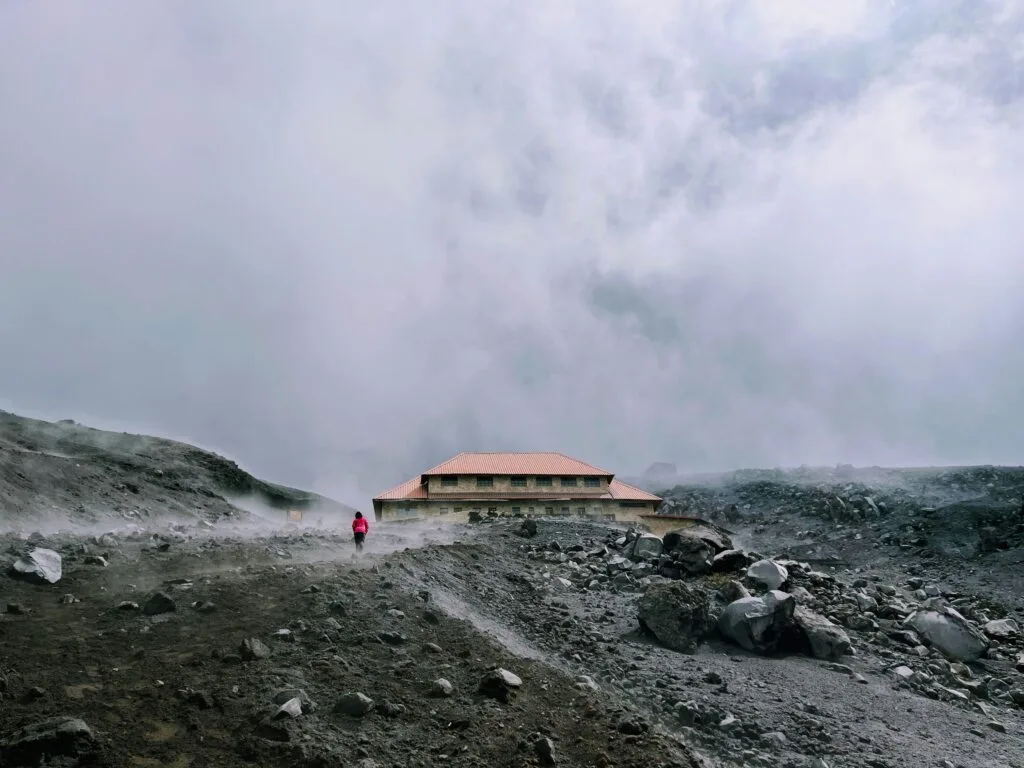
Cycling in Ecuador is not a niche hobby; it is a national obsession fuelled by high-altitude grit and the heroic exploits of local riders on the world stage. The roads are a testing ground of relentless, lung-burning climbs that would make European pros think twice. Drivers generally show a surprising amount of respect for cyclists, likely because almost everyone has a cousin who rides or uses a heavy steel frame to haul milk. It is a welcoming, unpretentious community that values stamina over expensive carbon gear
Epic cycling in Ecuador
The ultimate guide to cycling in Ecuador / Routes, culture, and infrastructure
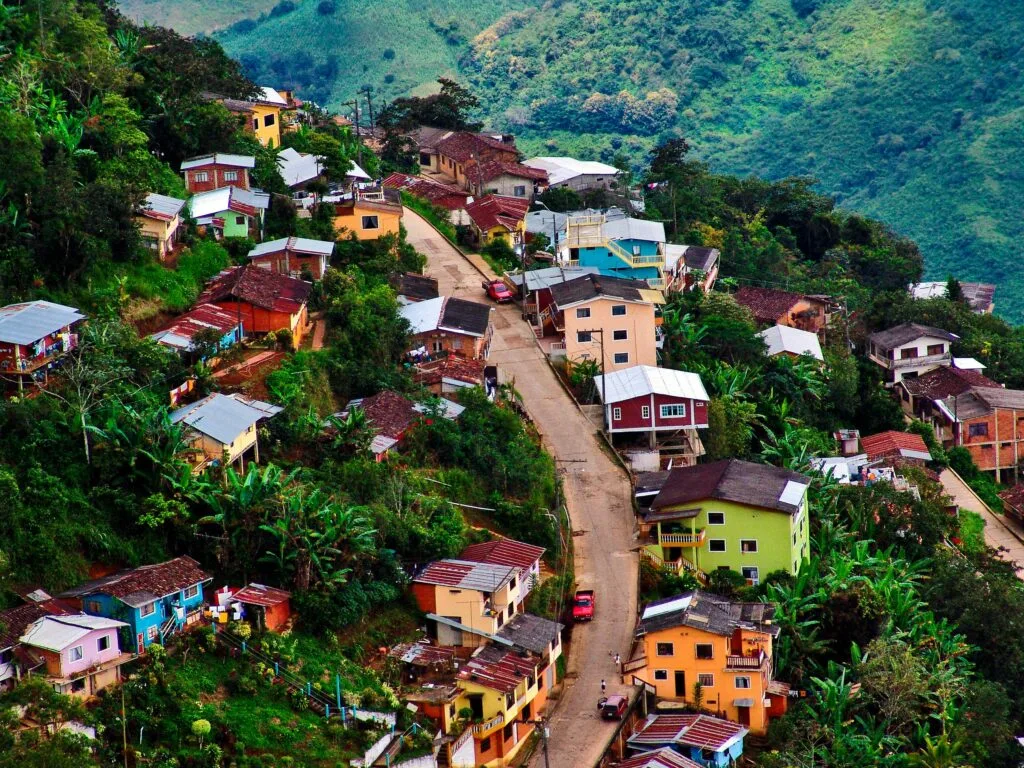
Driving culture and road safety

Driver attitudes, road traffic statistics, and road safety laws for cyclists
Cycling laws in Ecuador
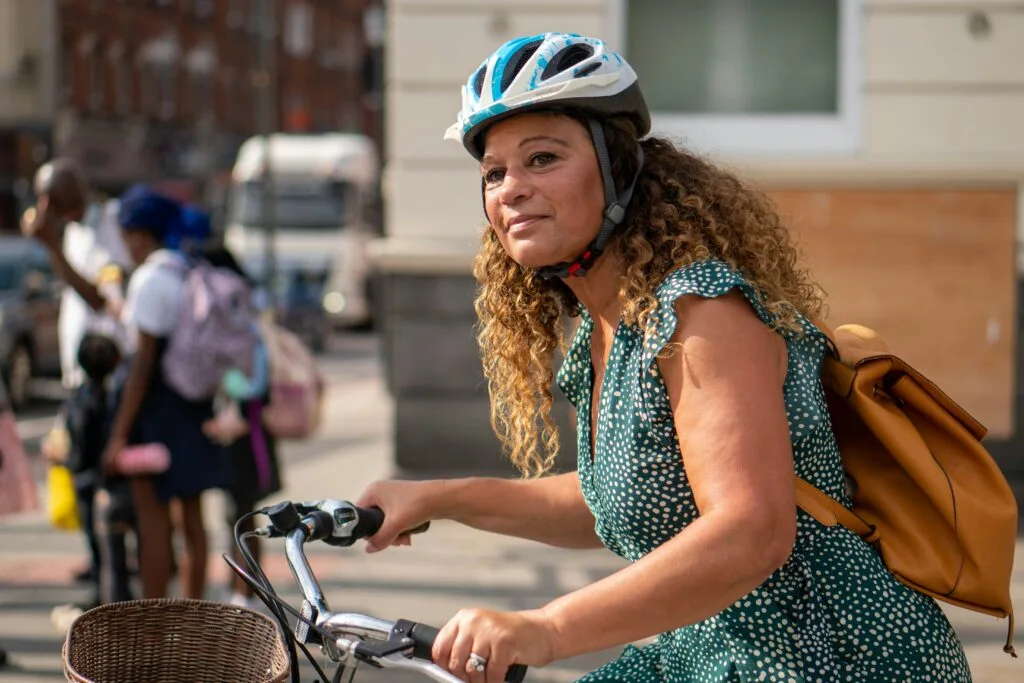
Everything you need to know about cycling laws and regulations in Ecuador
Ecuador’s cycling history
A guide to the cycling history, bicycle culture, and bike routes
Everything we’ve written about Cotopaxi.
How to summit Cotopaxi: Route, gear and acclimatisation
6 best Cotopaxi multi-day tours: Top Ecuador expeditions
Best bus tours to Cotopaxi & Ecuador’s volcanoes
Best Cotopaxi bike tours: Top volcano rides in Ecuador
Best Cotopaxi day tours: 6 top excursions (2026)
First-time tips for Cotopaxi National Park | An independent guide
The history of Cotopaxi and the high Andes
Cotopaxi, Ecuador, travel safety guide | High-altitude adventure
Best places to camp in Cotopaxi: Sleep under the volcano
Where to stay in Cotopaxi: The best independent boutique hotels and eco-lodges
Best places to eat in Cotopaxi: An independent food guide
Self-guided cycling Cotopaxi | The ultimate independent bike guide
Independent travel to Cotopaxi | The ultimate self-guided trip
The top sights in Cotopaxi, Ecuador
Ecuador.
Pure wonder on the equator.