
Quilotoa
Things to do in Quilotoa.
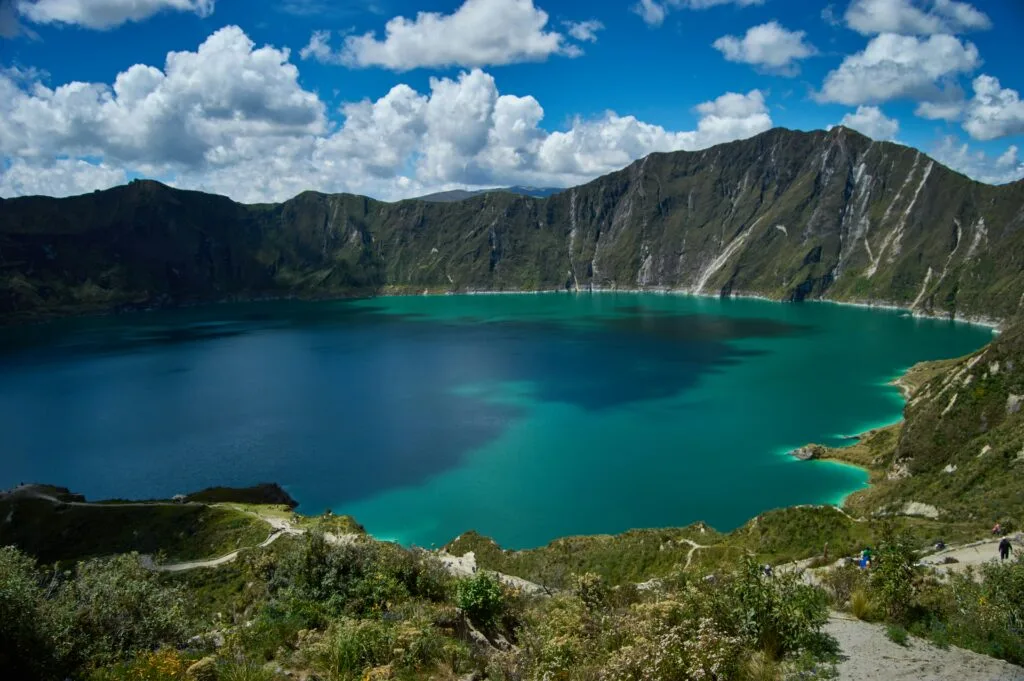
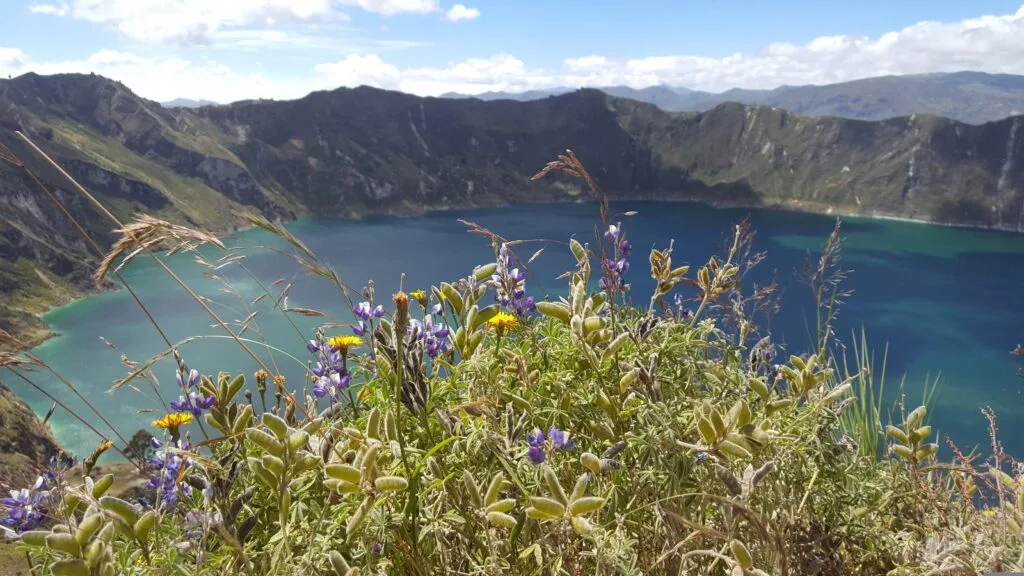
This collapsed volcanic caldera holds a vast emerald lagoon that looks less like geography and more like an over-enthusiastic painter’s palette. You arrive via winding roads that test your brakes and your resolve in equal measure. The air is thin, sharp, and smells faintly of eucalyptus and damp volcanic ash. Leave the tour buses behind and watch the morning mist burn off the crater rim at your own pace
The ultimate first-timer guide to Quilotoa Lake / Ecuador’s emerald wonder
Immerse yourself in the wild, wind-swept beauty of the Andean highlands
The ultimate guide to Quilotoa Lake / Exploring the emerald jewel of the Ecuadorian Andes
Your guide to the wind-swept ridges of the Ecuadorian high páramo
The emerald heart of the Andes / A guide to the top attractions of Quilotoa
Uncover the dramatic vistas and living traditions of the high páramo
Best tours & activities in Quilotoa.
Day tours
Bus tours
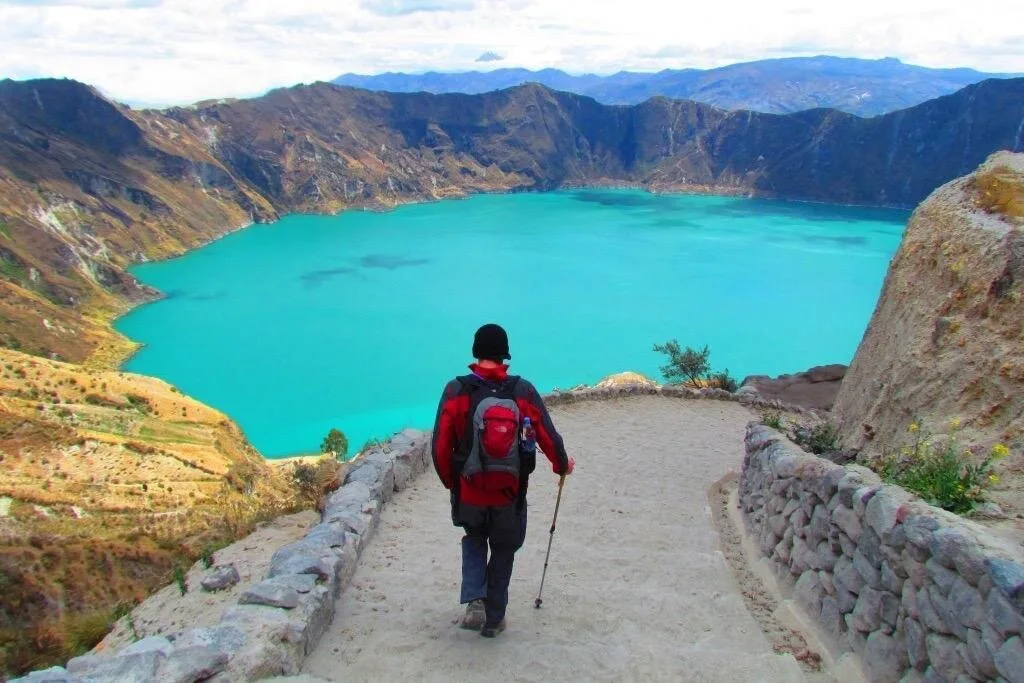
Multi-day tours
More things to do in the Ecuadorian Sierra.
Quito rewards the patient urban wanderer with baroque churches and quiet plazas that smell of roasting coffee beans. Further south, Cuenca presents neoclassical architecture and polished marble streets that invite aimless, unhurried afternoon strolls. Meanwhile, Baños clings dramatically to the canyon floor where thermal springs offer a lukewarm respite from cycling down torrential mountain passes. Each city maintains its own stubborn character, entirely immune to homogenization
Quito
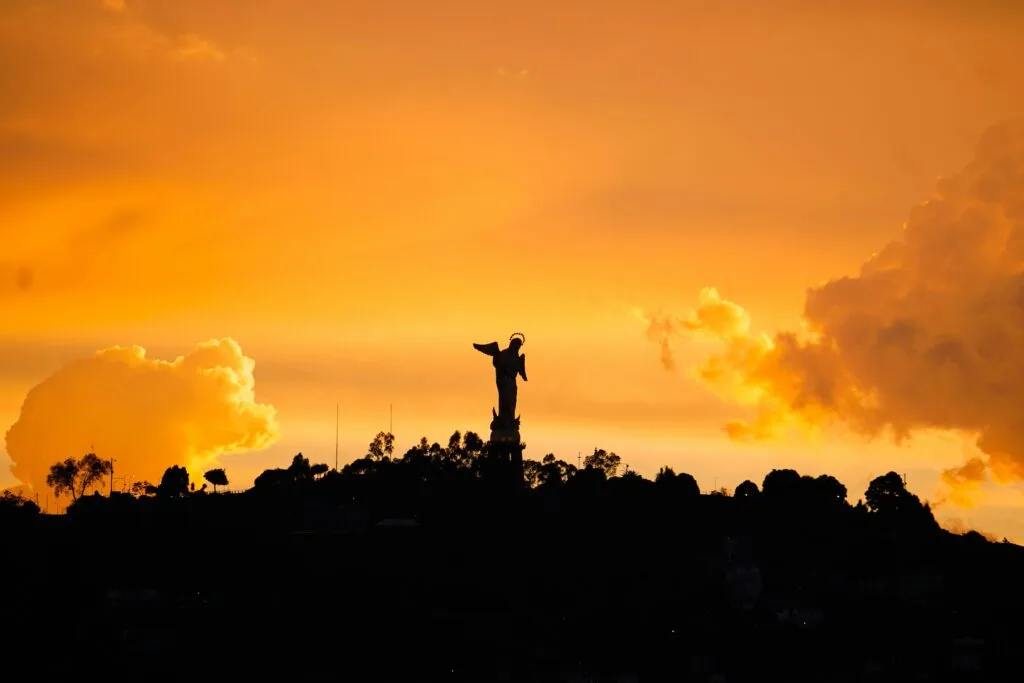
The Middle of the World
Baños
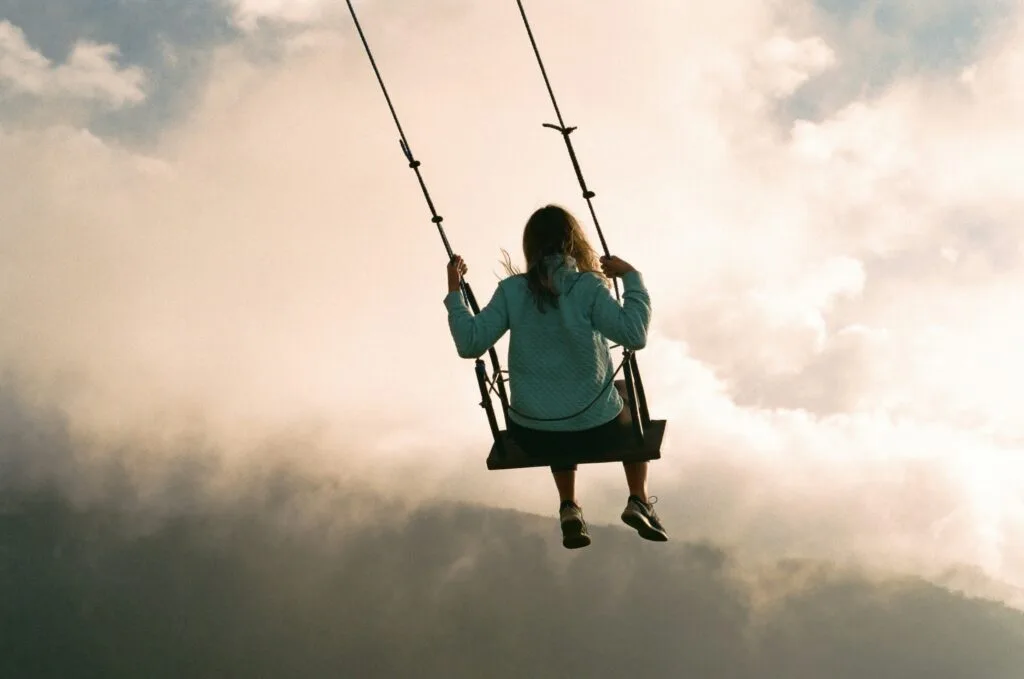
In the shadow of the volcano
Cuenca
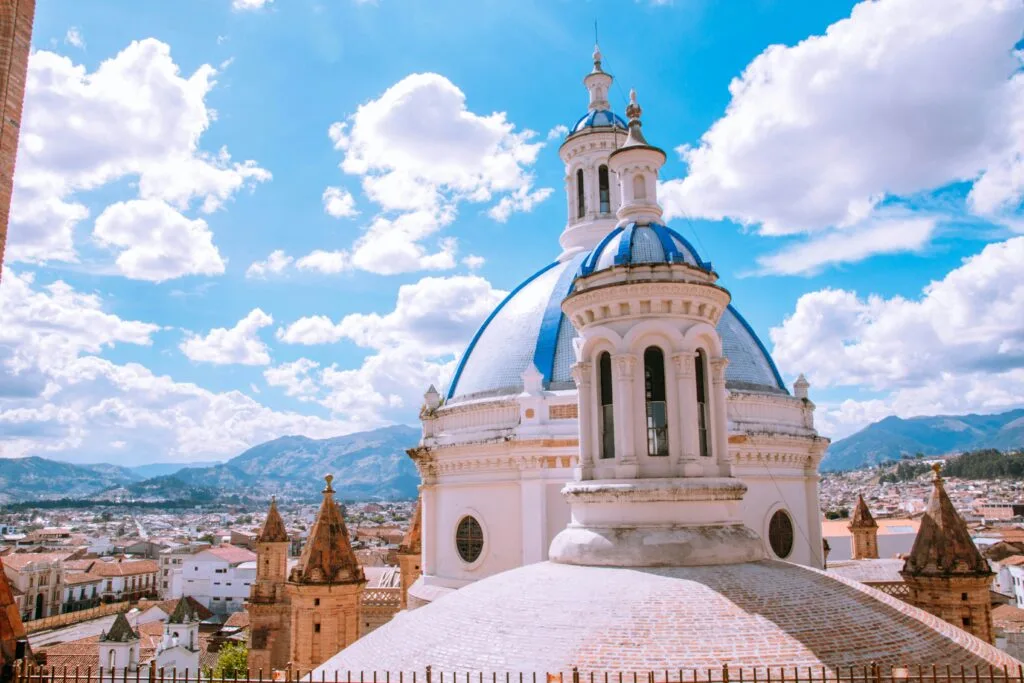
The prettiest city in the Americas
Where to stay in Quilotoa.
Accommodation here leans heavily toward rustic family-run hostels featuring wood-burning stoves and thick wool blankets. Do not expect boutique luxury; expect a lumpy mattress, lukewarm water, and a dining room filled with cyclists comparing route notes over steaming vegetable soup. Staying directly on the rim allows you to wake up to absolute silence before the day-trippers arrive from Latacunga. It is profoundly simple lodging
Finding sanctuary on the rim / The best independent accommodation along the Quilotoa Loop
Sink into the quiet rhythm of the Ecuadorian Andes
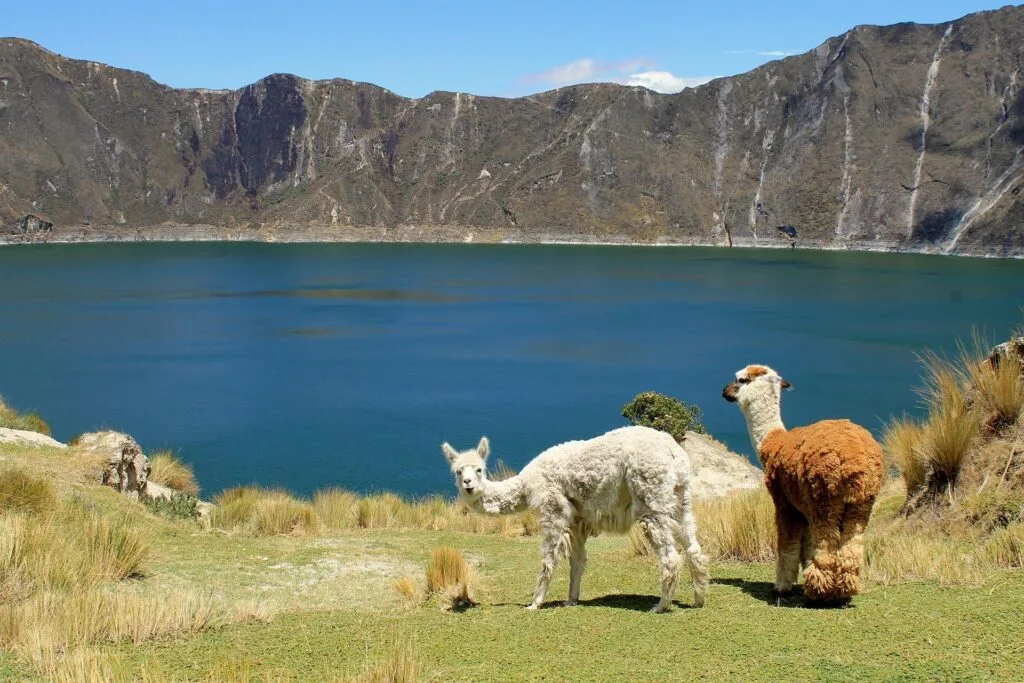
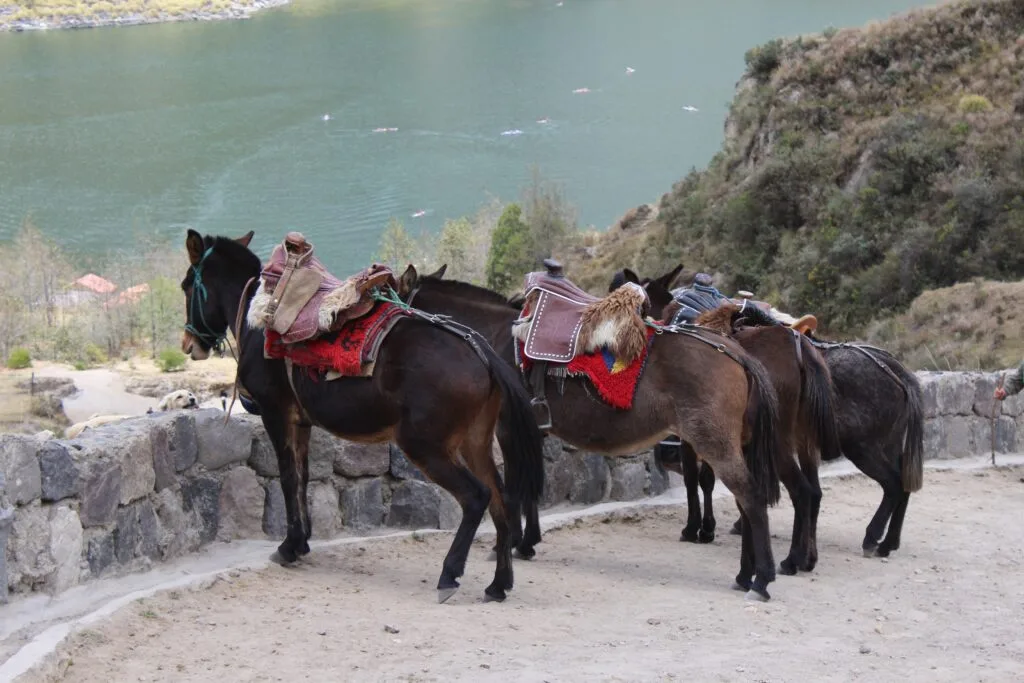
Pitch a tent on the edge of the Andes / The best campsites near Quilotoa Lake
Sleep outdoors in the quiet majesty of the Ecuadorian highlands
Explore the Quilotoa Loop.
Bike the Quilotoa Loop
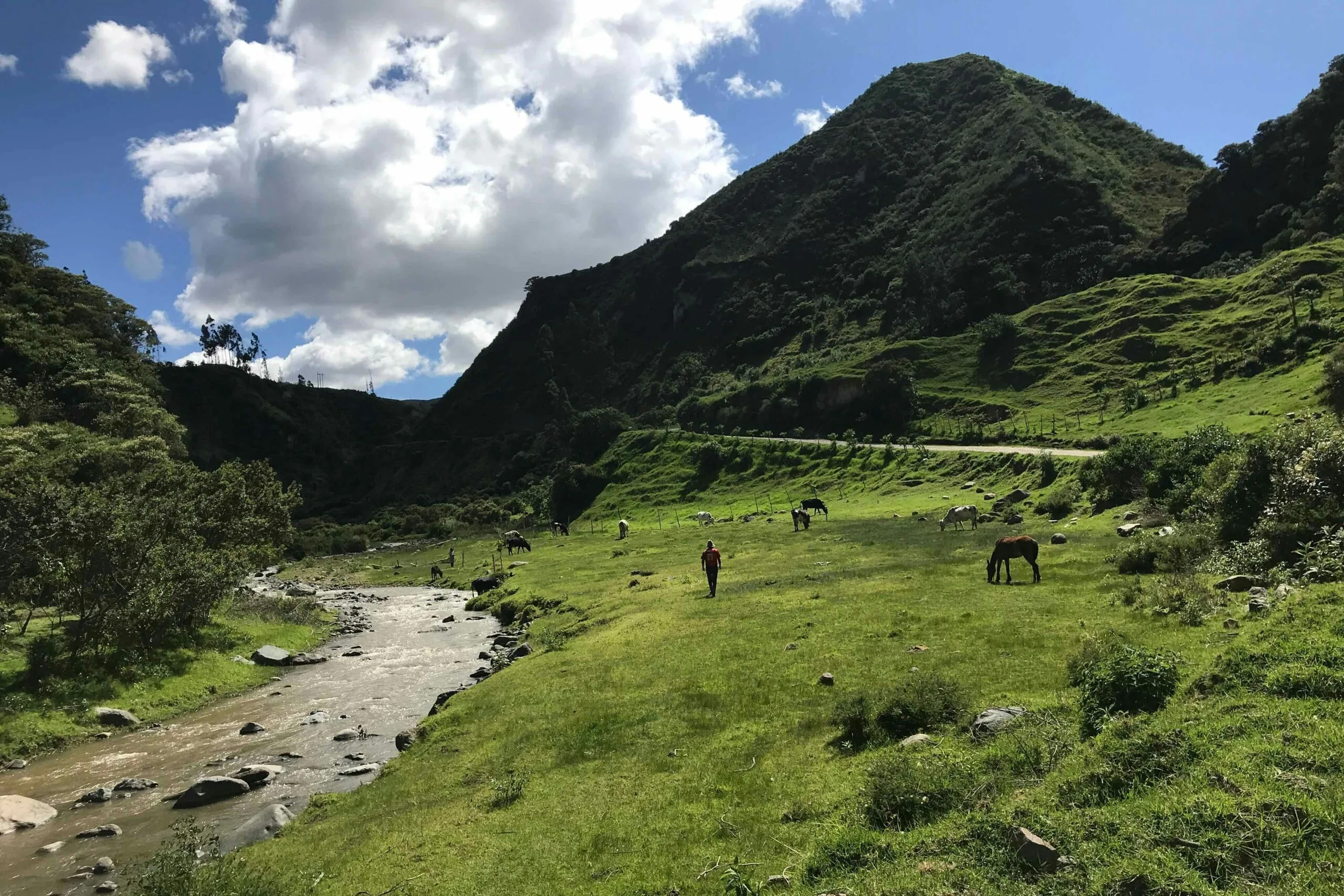
Hike the Quilotoa Loop
What to eat in Quilotoa.
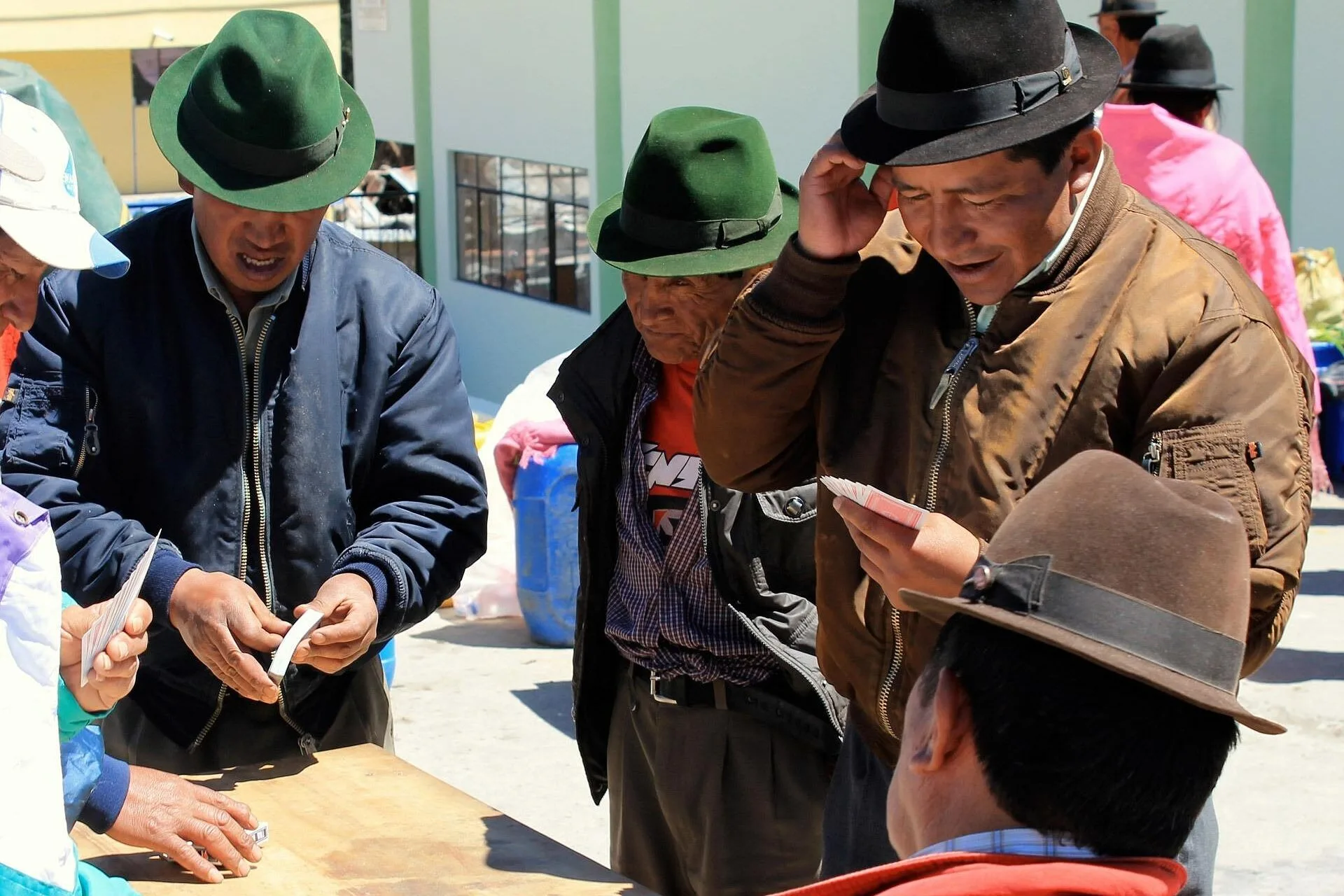
High-altitude fuel consists largely of hearty potato soups, fried maize, and slow-cooked pork that has spent hours turning over open embers. You will find locro de papa, a thick cheese and potato soup topped with avocado, served steaming hot in every modest dining room. It is unpretentious food designed to combat the biting Andean chill rather than win awards. Wash it down with fresh juice
A taste of the Andes / Foods to try in the Ecuadorian Sierra
Savour the deeply rooted flavours of the mountain peaks
Where to eat and drink in Quilotoa.
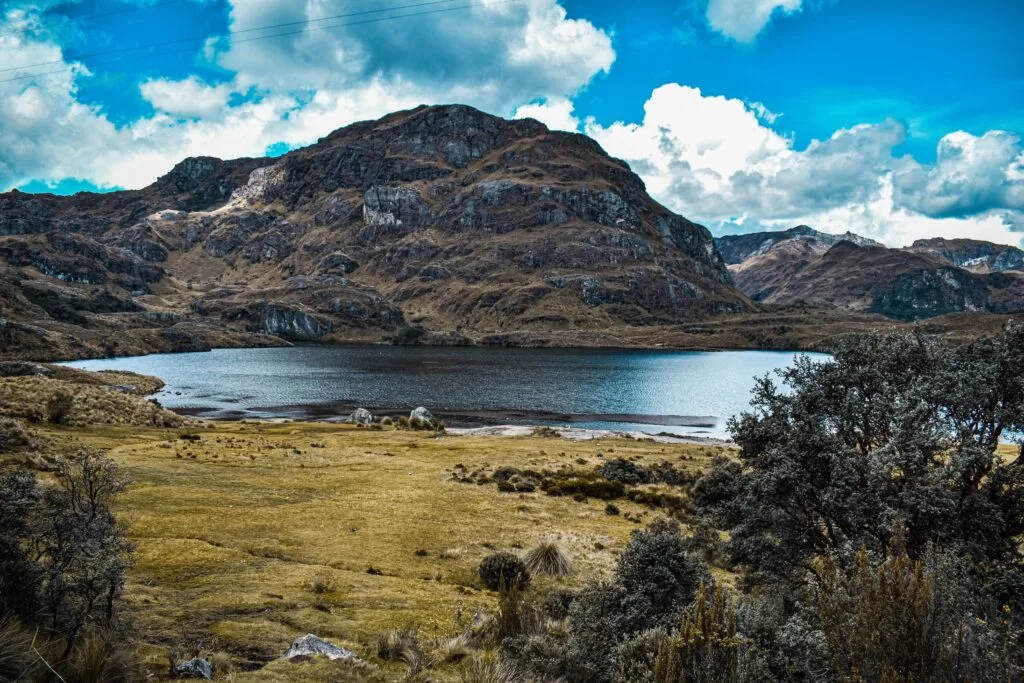
Options are concentrated along the main access road, where family-run kitchen counters double as community living rooms. Menus change depending on what ingredients arrived from the valley market that morning, usually featuring trout pulled straight from nearby rivers. Do not look for cocktail lounges or craft beer taprooms up here. Instead, pull up a wooden stool, order a hot canelazo, and listen to the wind
High-altitude flavours / An independent traveller’s culinary guide to Quilotoa Lake
Savour the true taste of the Ecuadorian Andes
When to visit Quilotoa.
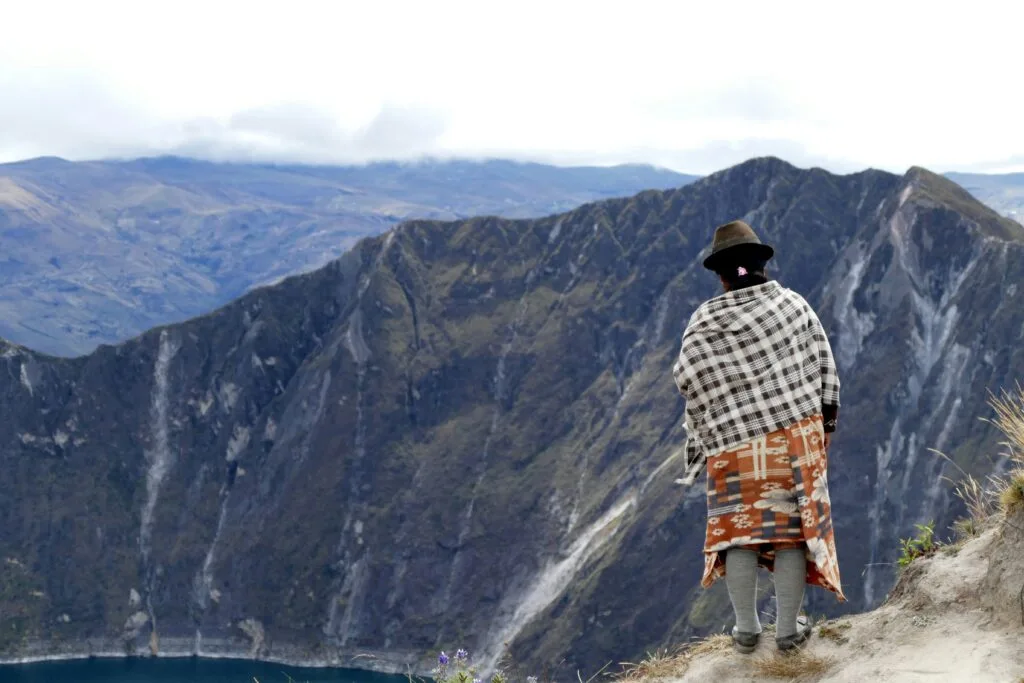
The dry months between June and September offer the clearest morning views of the turquoise crater lake before afternoon clouds roll in. Mornings are crisp and bright, rewarding those who manage to leave their bedding before the sun fully clears the peaks. While the wet season brings dramatic downpours and muddy tracks, it also delivers striking solitude. Pick your poison between freezing skies and isolation
Unlocking the Andes / When is the best time to visit the Ecuadorian Sierra?
Four seasons in a day / Chasing the perfect light across the Avenue of the Volcanoes
Is Quilotoa safe?
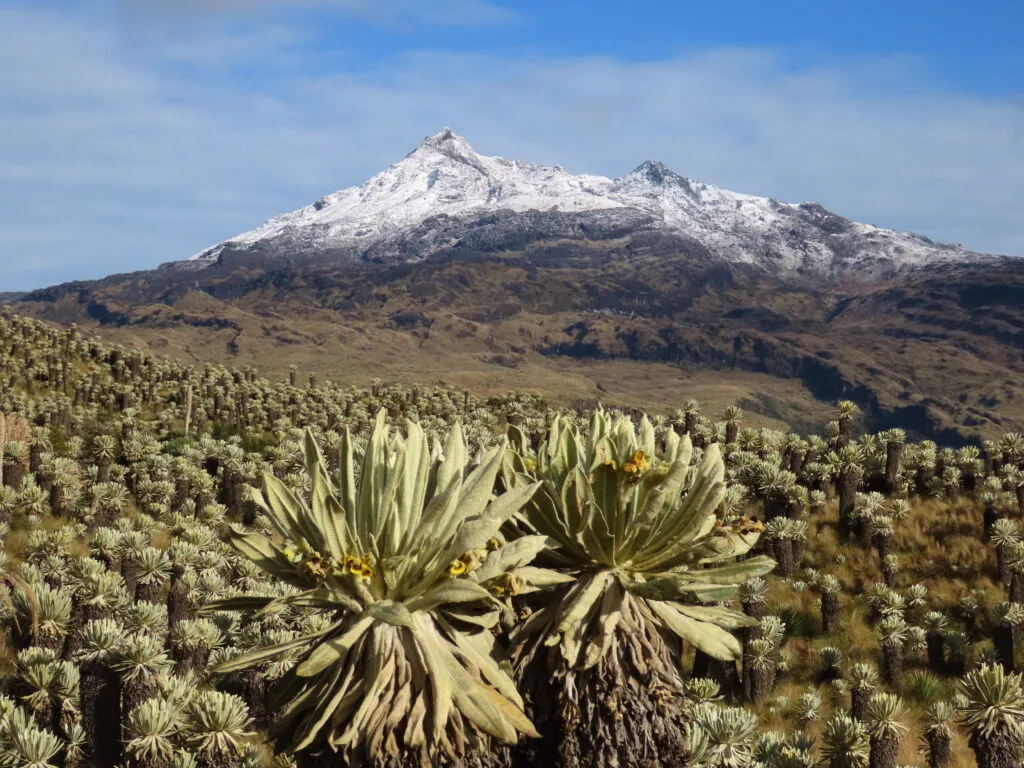
Petty theft can happen anywhere large numbers of uninitiated travellers gather with expensive cameras dangling from their necks. However, the remote mountain communities surrounding the crater are generally peaceful and accustomed to respectful independent wanderers. Basic street smarts, like securing your gear and avoiding unlit paths after dark, will keep you entirely out of trouble. Trust your instincts and maintain awareness
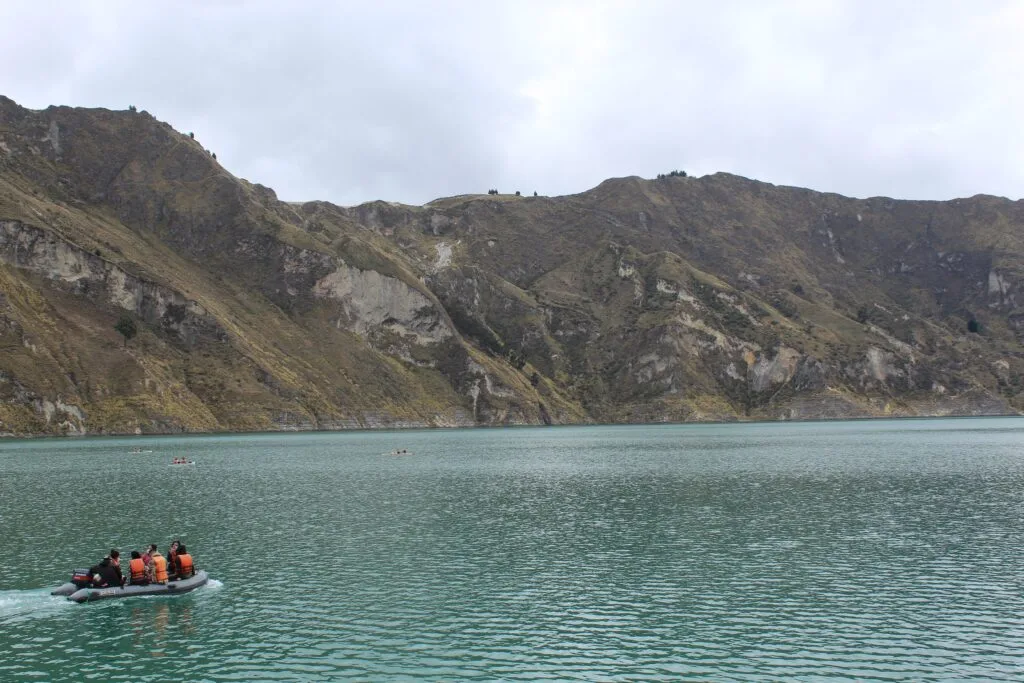
Navigating the heights safely / The ultimate guide to visiting Quilotoa Lake, Ecuador
Wander the emerald edge of an ancient volcanic crater with confidence
The history of Quilotoa.
The massive caldera was formed roughly eight hundred years ago during a cataclysmic volcanic eruption that spewed ash across the northern Andes. Indigenous Panzaleo people have farmed these steep, unforgiving slopes for centuries, cultivating native crops adapted to high-altitude winds and thin soils. Their resilience is woven into every terraced hillside and stone path you cross today. It is a landscape shaped by geology
The emerald eye of the Andes / A history of Quilotoa Lake
High-altitude echoes, ancient lava domes, and the quiet power of Ecuador’s most dramatic caldera
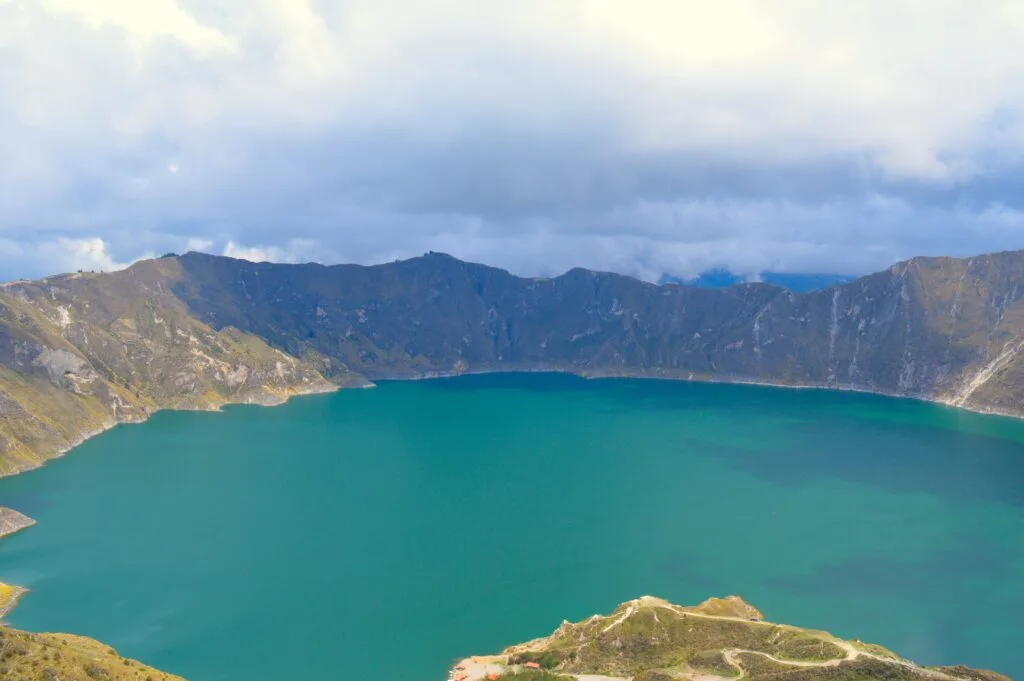
Ecuadorian cycling culture.
Cycling in Ecuador is not a leisurely weekend hobby; it is an endurance test dictated by vertical climbs and lung-busting altitude changes. Local riders scale legendary mountain passes on steel frames with a casual grace that humiliates visiting tourists huffing over their carbon fibre. The cycling community here is fiercely passionate, treating every steep gravel track as a daily commute. Respect the climb
Epic cycling in Ecuador
The ultimate guide to cycling in Ecuador / Routes, culture, and infrastructure
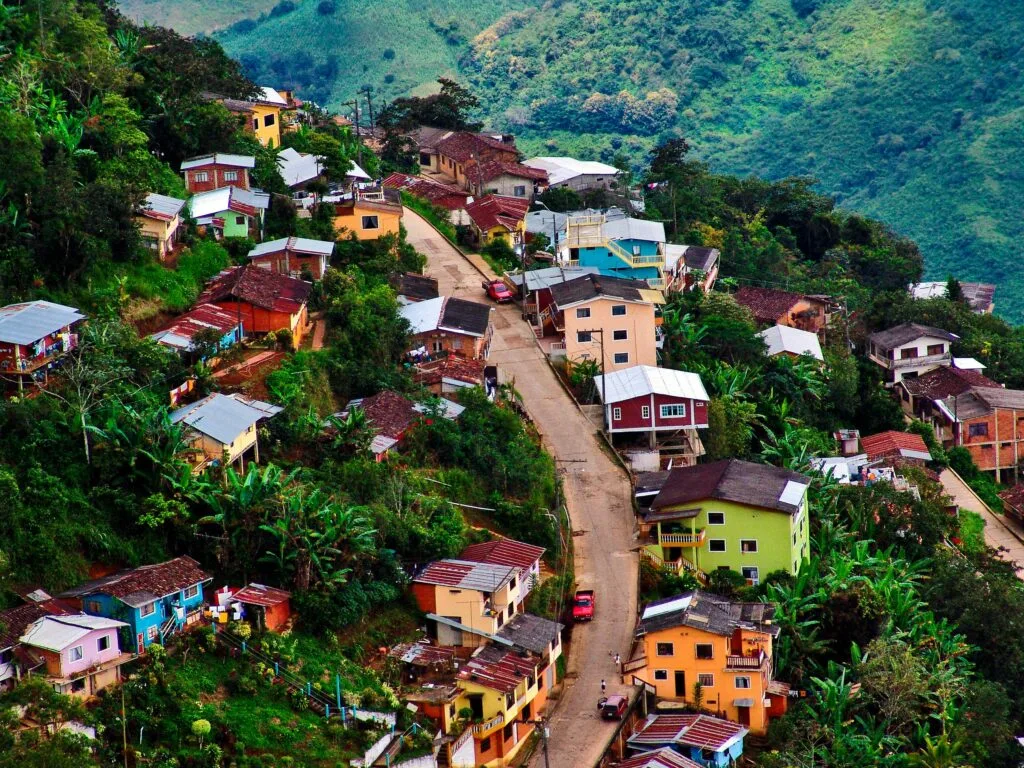
Driving culture and road safety

Driver attitudes, road traffic statistics, and road safety laws for cyclists
Cycling laws in Ecuador

Everything you need to know about cycling laws and regulations in Ecuador
Ecuador’s cycling history
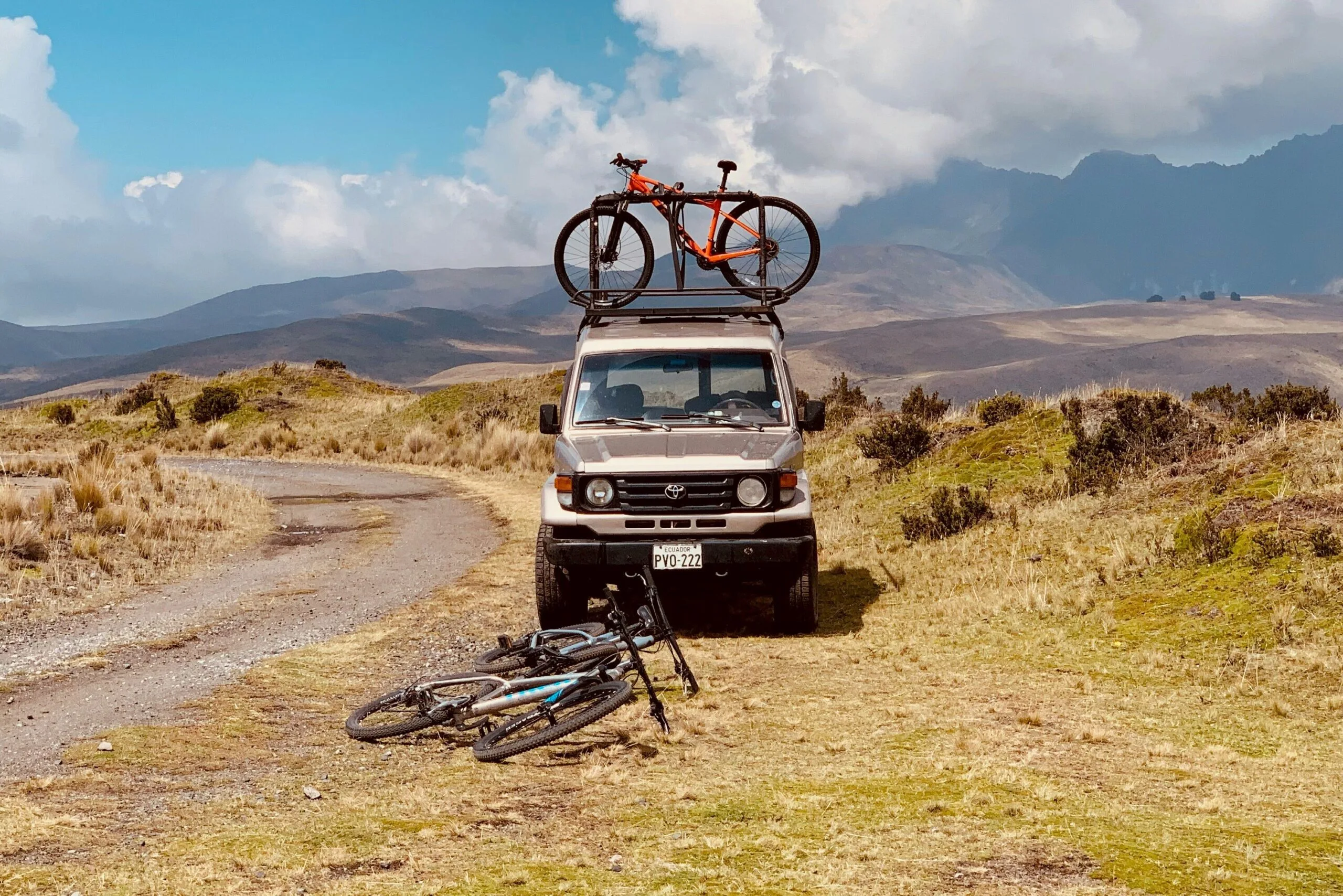
A guide to the cycling history, bicycle culture, and bike routes
Everything we’ve written about Quilotoa.
How to hike the Quilotoa Loop: Route, itinerary & essential tips
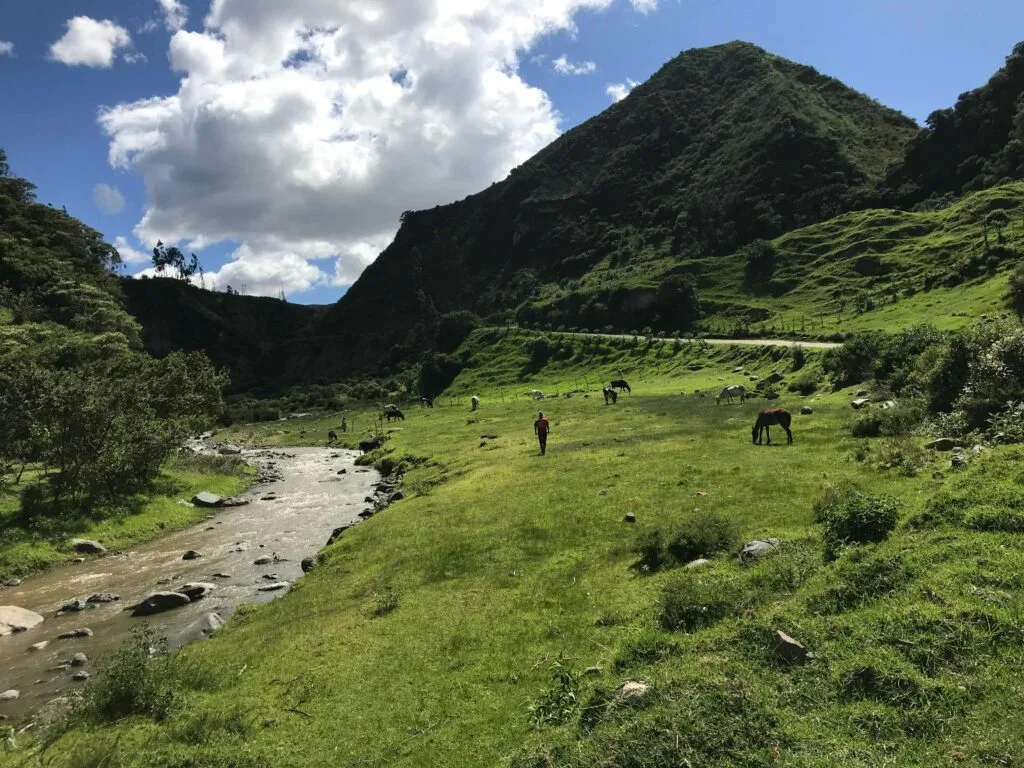
How to cycle the Quilotoa Loop: Ultimate Andean gravel guide
Best Quilotoa multi-day tours: Top Ecuador itineraries
Best Quilotoa bus tours: Volcanoes Avenue excursions
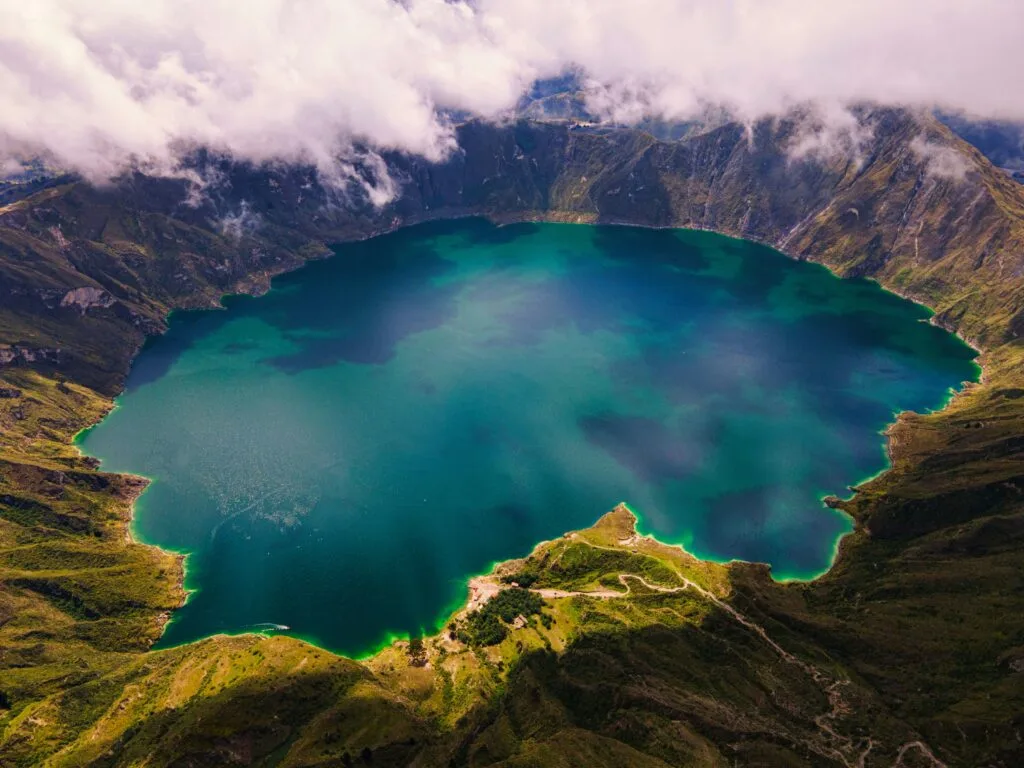
6 best Quilotoa day tours 2026: Emerald crater lake excursions
Independent travel guide to Quilotoa Lake, Ecuador: Tips & transport
The ultimate guide to Quilotoa Lake: Exploring Ecuador’s emerald crater
Discover the top sights at Quilotoa Lake, Ecuador
The emerald eye of the Andes: A history of Quilotoa Lake
Travel safety at Quilotoa Lake, Ecuador: The complete guide
The best campsites near Quilotoa Lake | An independent travel guide
Best places to stay in Quilotoa: Independent loop accommodation guide
The best places to eat near Quilotoa Lake, Ecuador
Ecuador.
Pure wonder on the equator.