
Quito
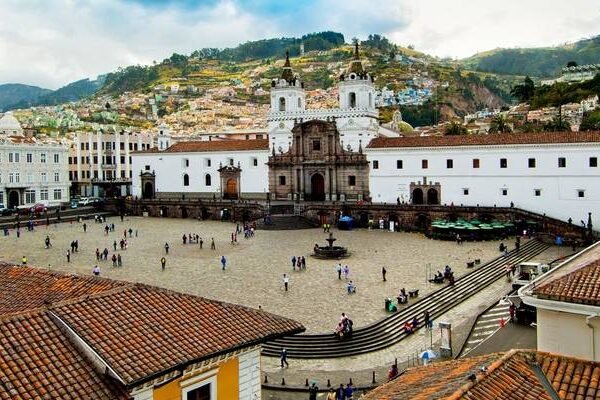
Things to do in Quito.
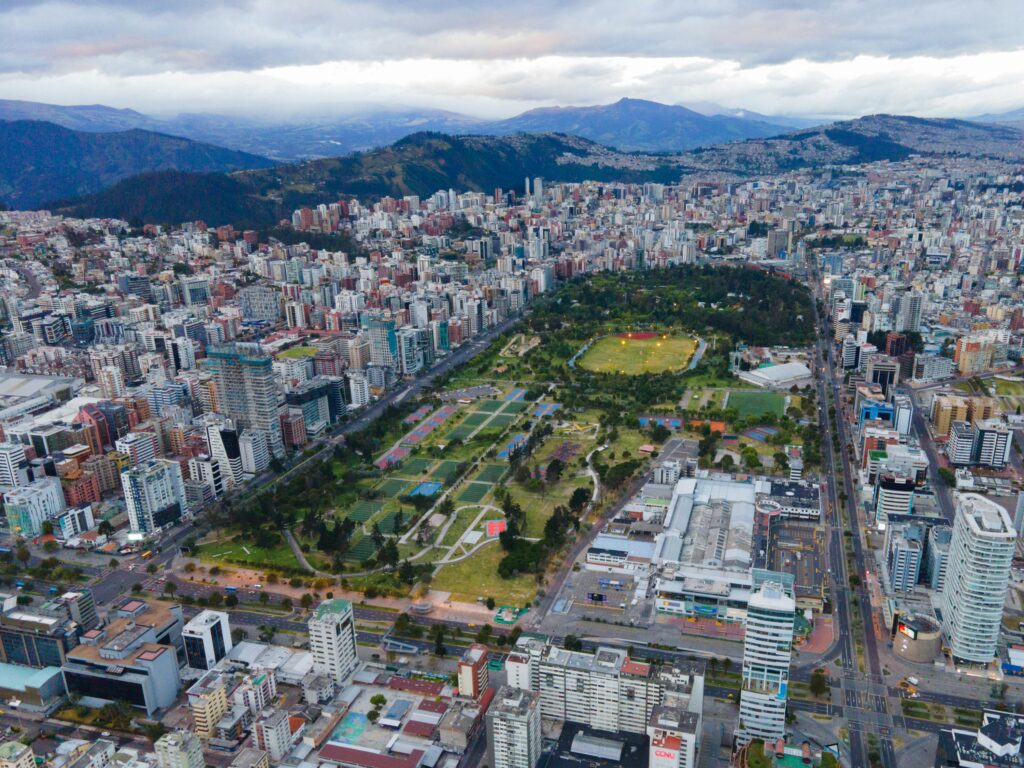
The city sits in a high-altitude trench, pinned between Andean peaks and colonial dogma. Spend your mornings navigating the steep, volcanic gradients of San Roque, where the air is thin and the architecture oscillates between baroque excess and 20th-century functionalism. By afternoon, ignore the equator monuments and find a seat in the Parque La Carolina to watch the local gravity take hold
The independent guide to Quito / local tips for first-time visitors
Slow down, acclimatise, and discover the high-altitude rhythm
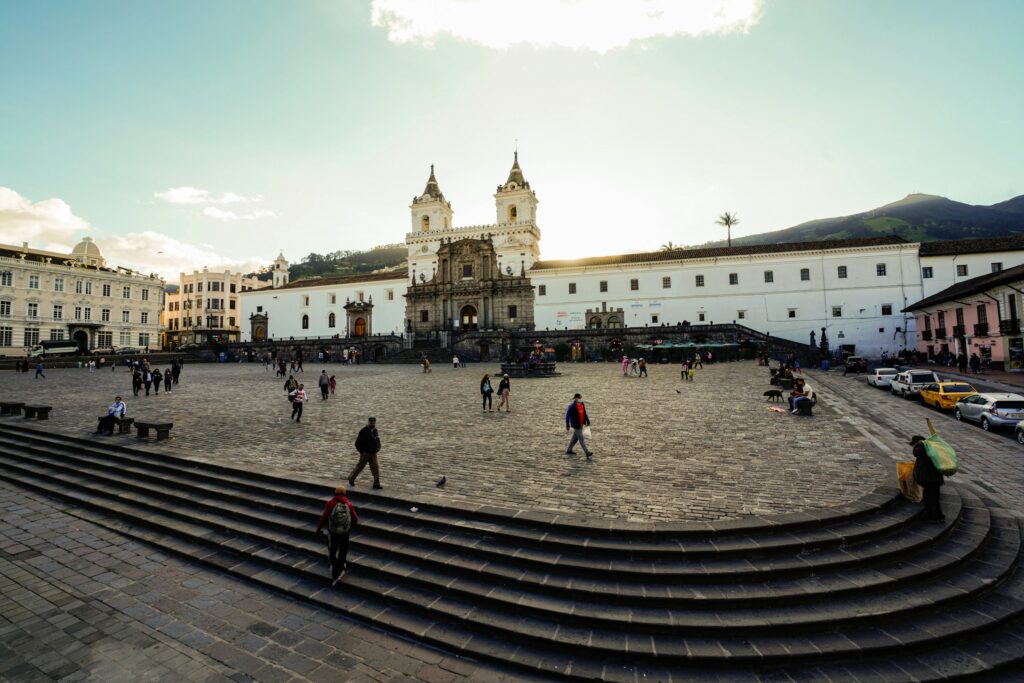
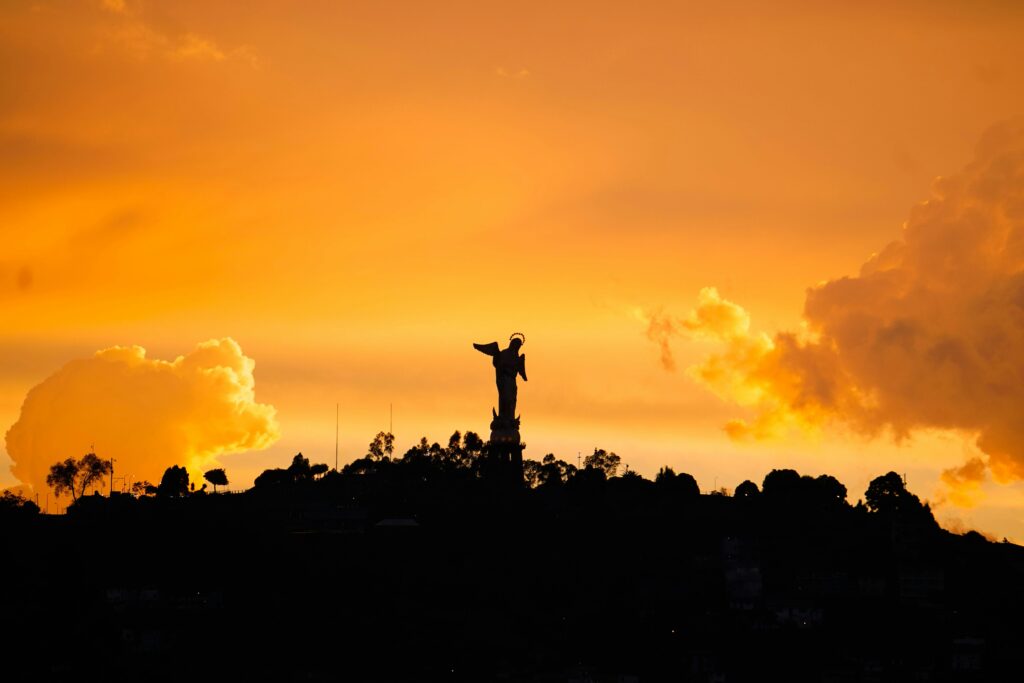
Top attractions in Quito / Discover Ecuador’s high-altitude capital
Uncover the cultural heart of the Andes at your own pace
Unveiling Quito / The secret corners of the Andean capital
Exploring the best hidden gems and secret spots to visit in Quito
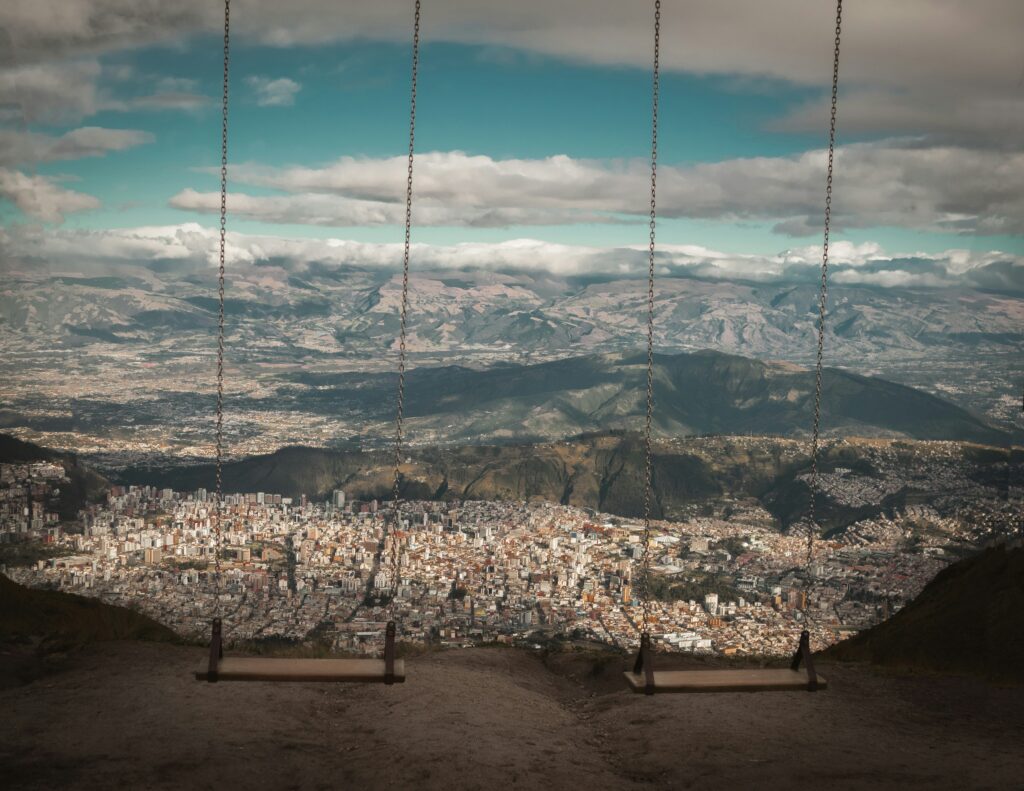
The best tours & attractions in Quito.
Day tours
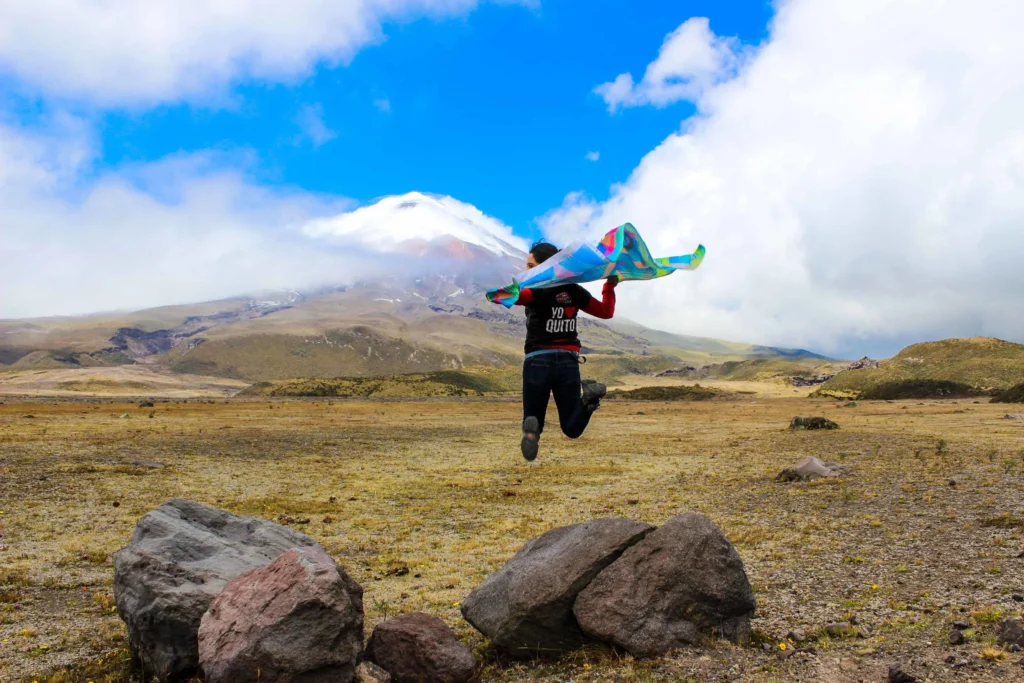
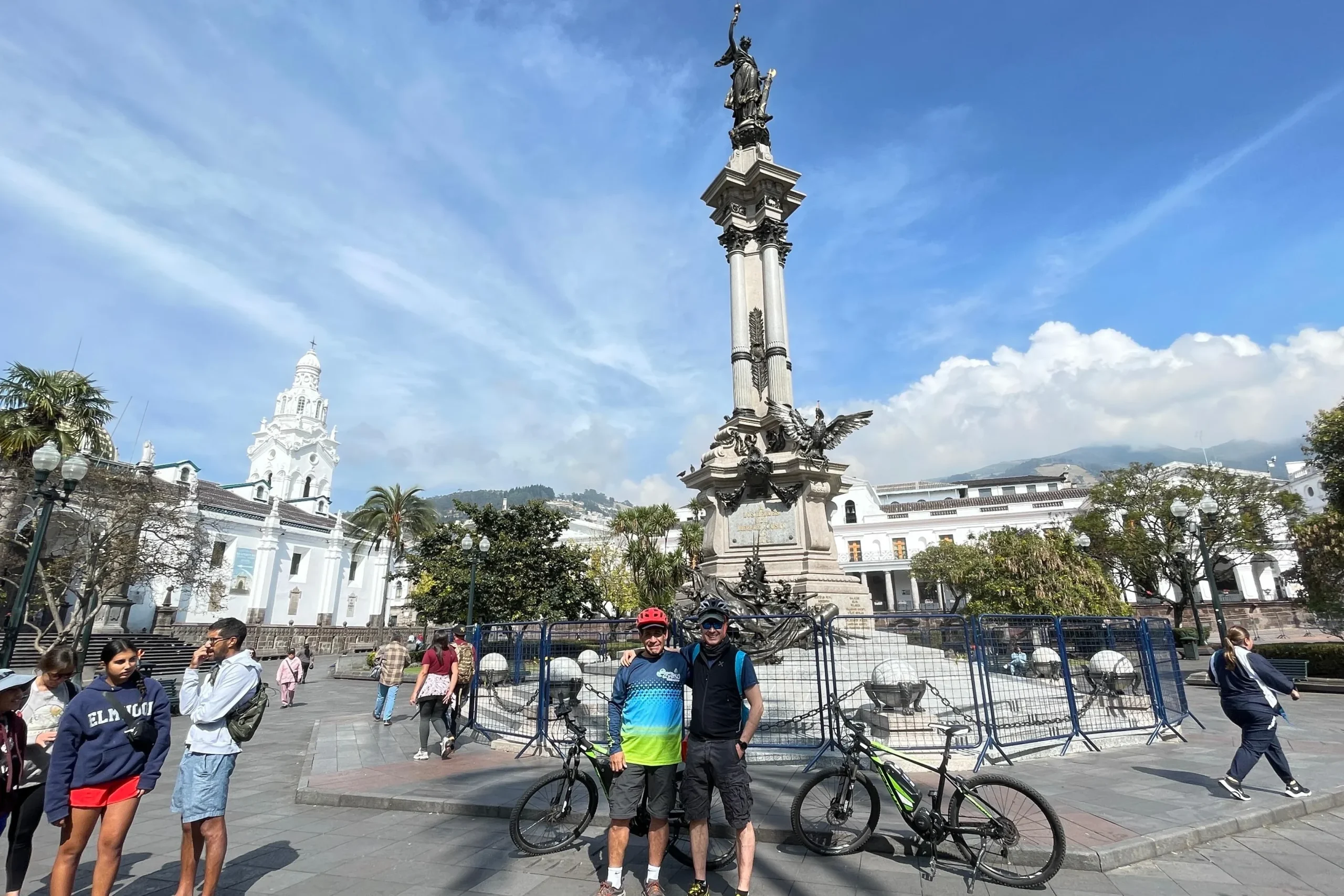
Bike tours
Multi-day tours
Food tours
Walking tours
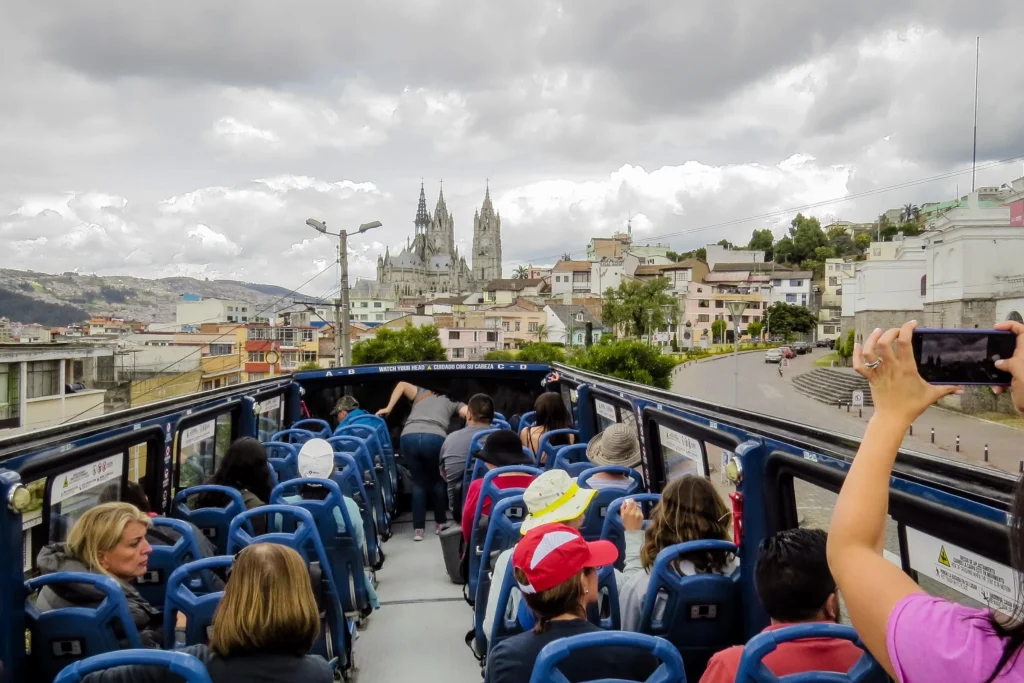
Bus tours
Attractions
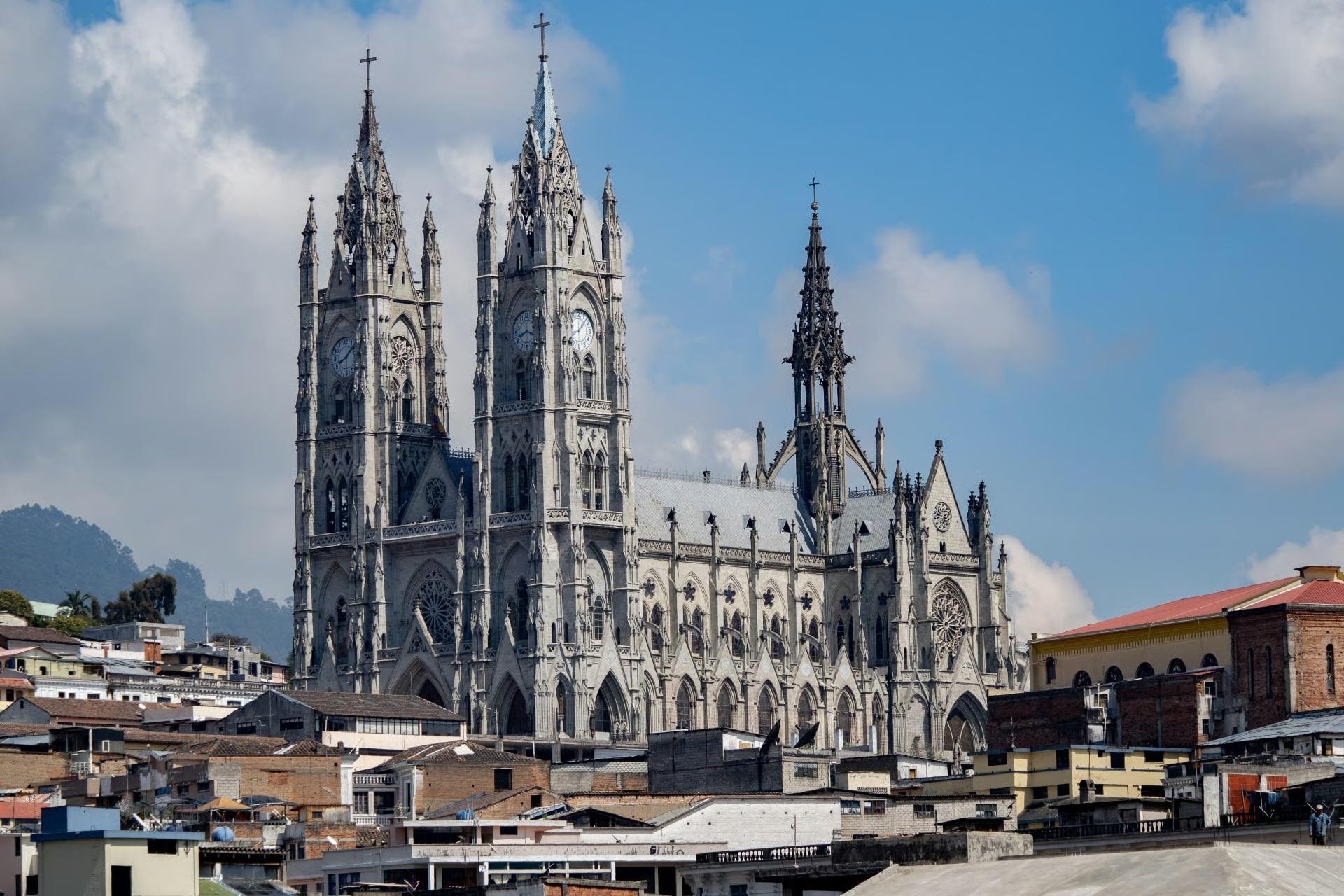
How to spend a layover in Quito.
Escaping the high-altitude runway at Tababela requires a calculated dash — it’s an hour to where Quito actually sits. Skip the historic centre if your hours are tight; instead, head to the concrete brutalism of the northern districts to track down a proper cup of locally roasted coffee. Spend an hour walking the steep climbs of La Floresta, where print shops and modernist houses clash sharply with the Pichincha mountainside above you. A quick introduction to the capital’s vertical geography will leave you wide awake
Twenty-four hours in the Andean sky / A slow travel guide to Quito
Journey through the architectural layers, artisan quarters, and culinary heritage
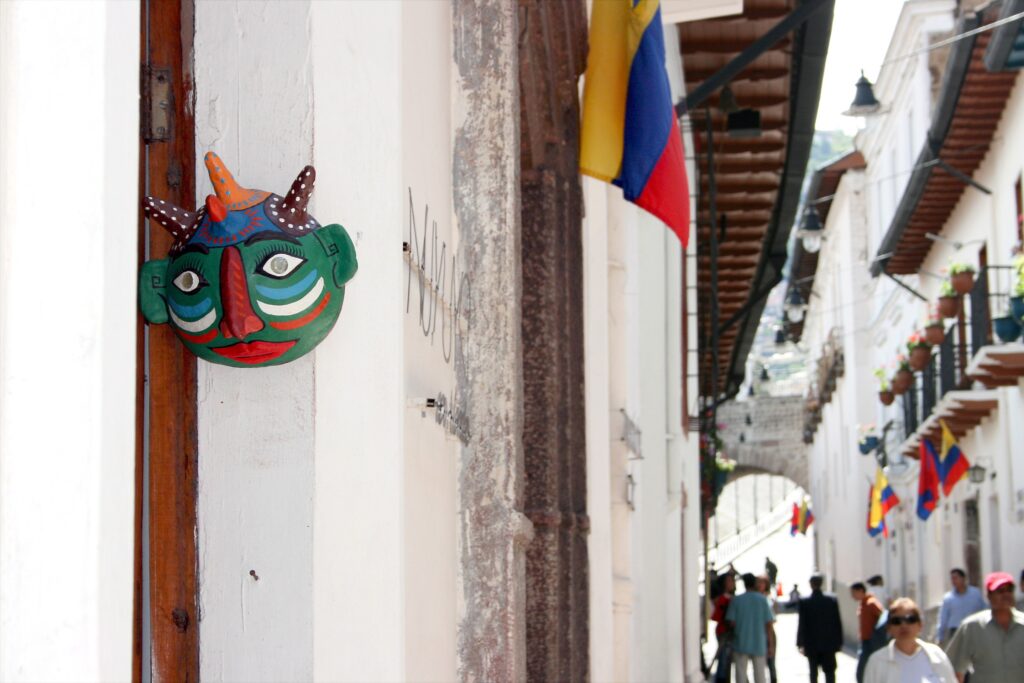
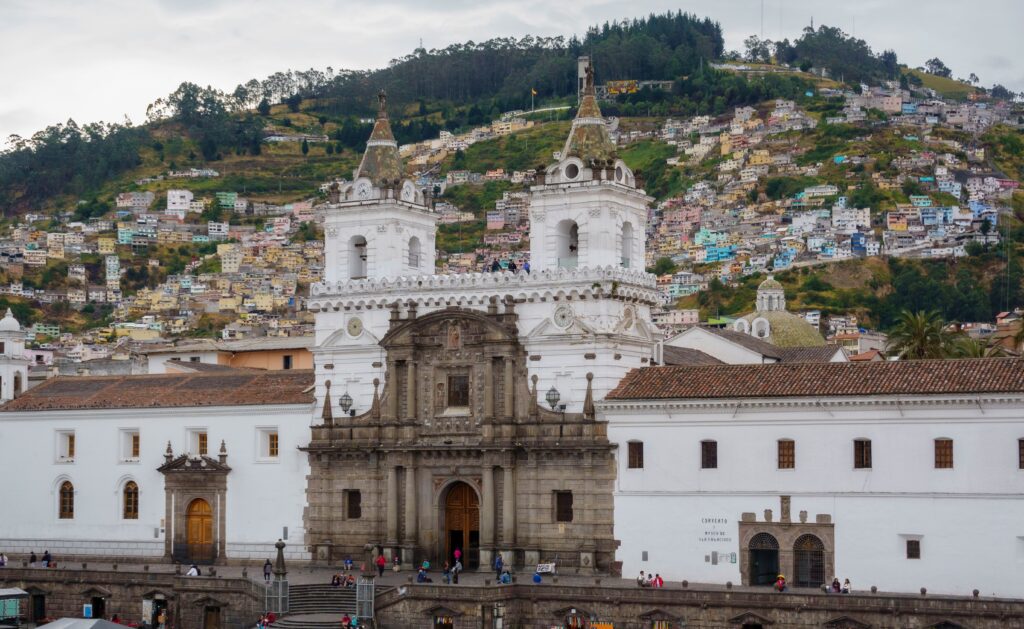
48 hours in Quito / An independent traveller’s itinerary
The complete self-guided 48-hour itinerary for independent explorers in Quito
More things to do in the Ecuadorian Sierra.
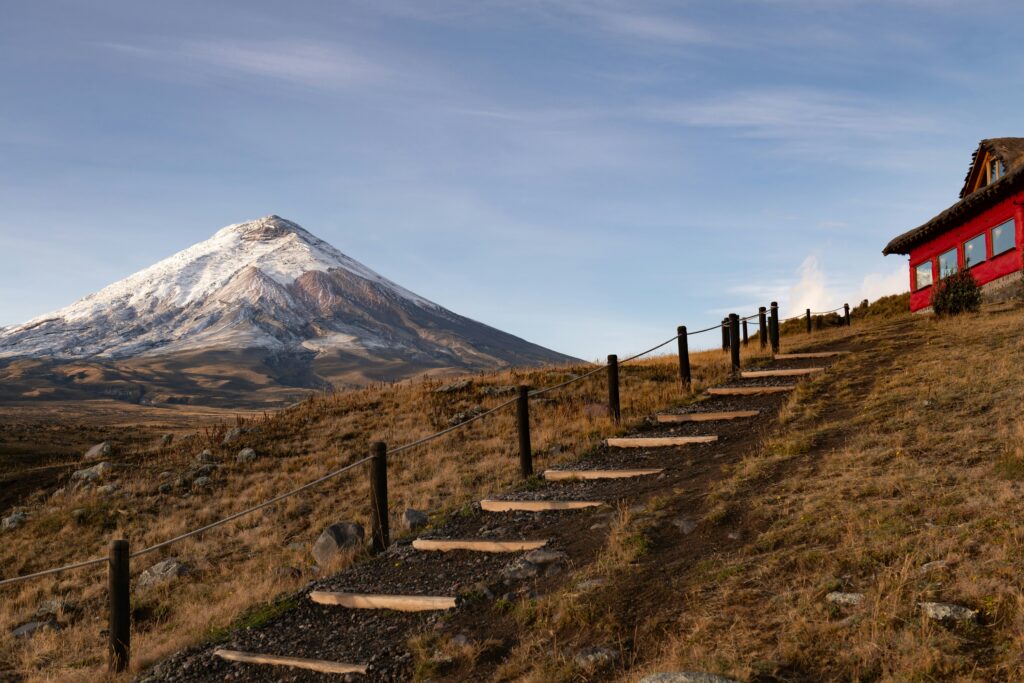
The northern highlands are defined by the Pan-American Highway and the scent of eucalyptus. Escape the orbit of the capital to find the páramo—a high-altitude moorland that demands respect and a very good pair of wool socks. Here, the landscape is a masterclass in scale, offering gravel tracks that wind past glacial lagoons and dormant giants
Cuenca
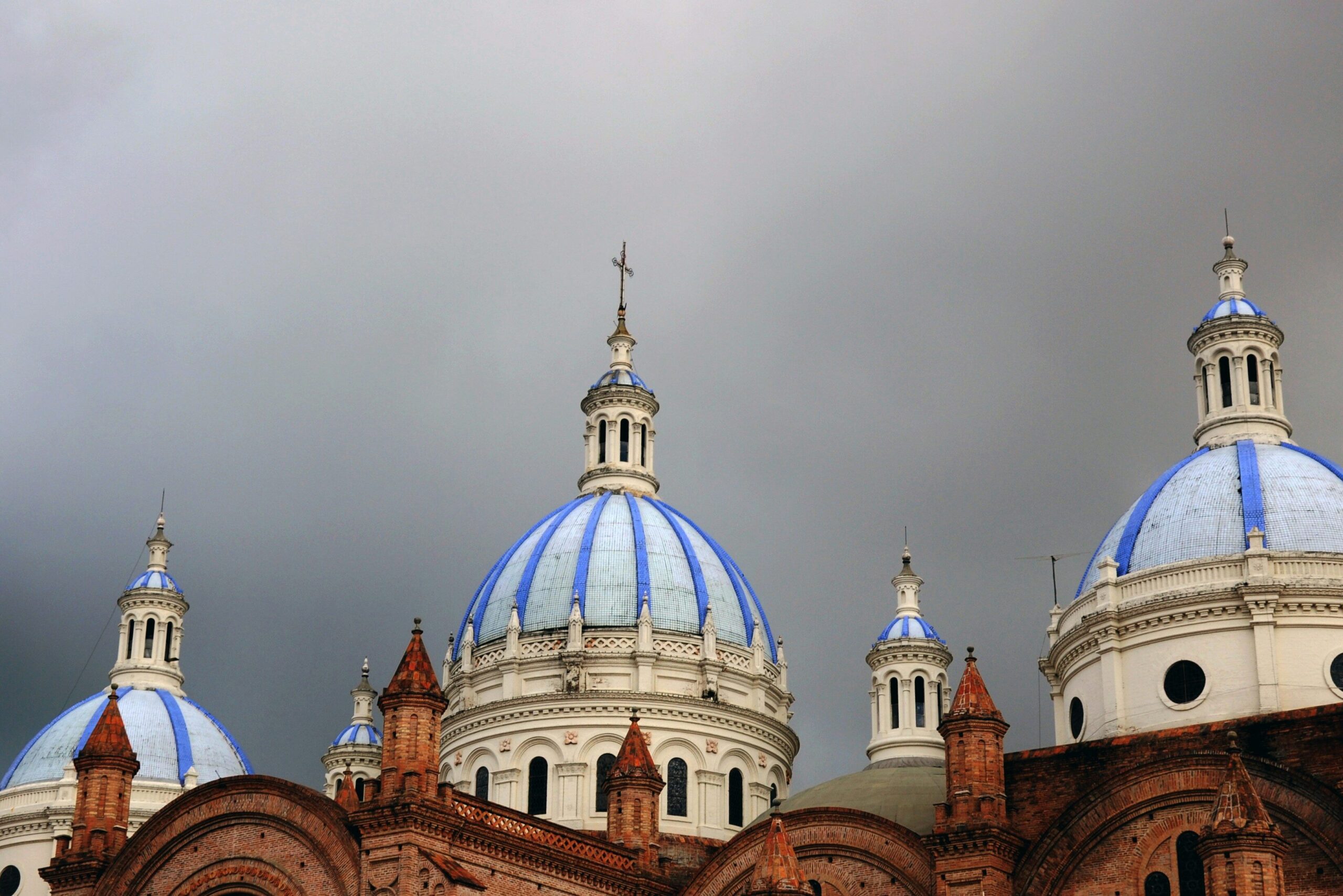
The Athens of Ecuador
Baños
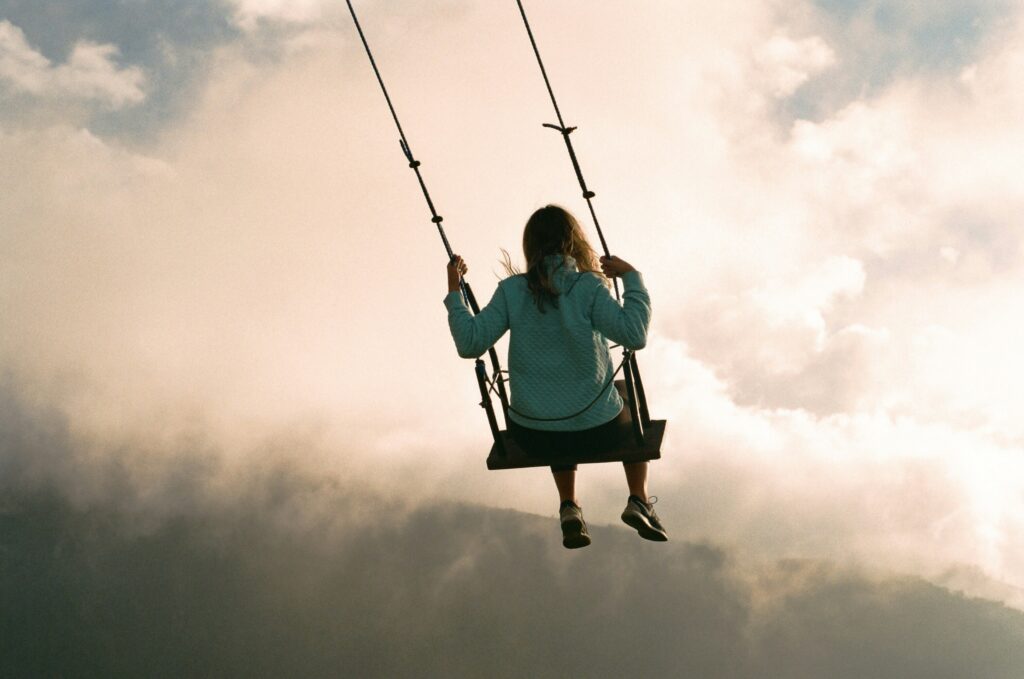
Healing waters under a volcano
Cotopaxi
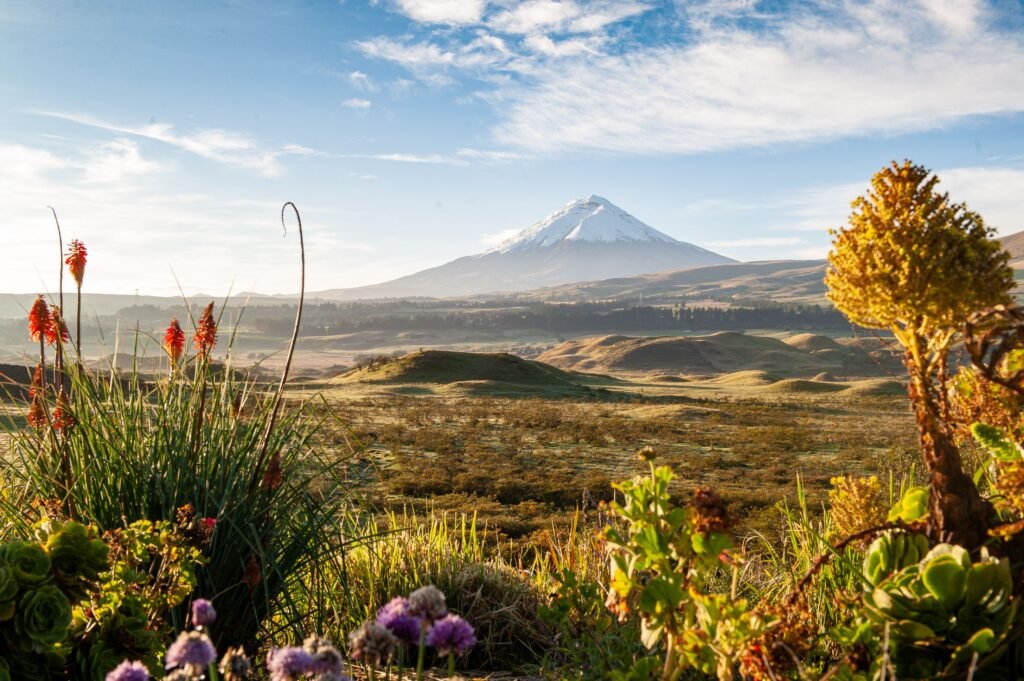
The iconic volcano
Where to stay in Quito.
Choose a base in La Floresta, a neighbourhood that understands the intersection of mid-century aesthetics and decent espresso. The guest houses here favour courtyard gardens over lobby glitz, providing a quiet reprieve from the diesel-fueled symphony of the main arteries. It is the only place in the city where the street art feels like a conversation rather than a cry for attention
Sleep well in Quito / Where tradition meets the Andean sky
Rest your soul in the heart of the Middle of the World
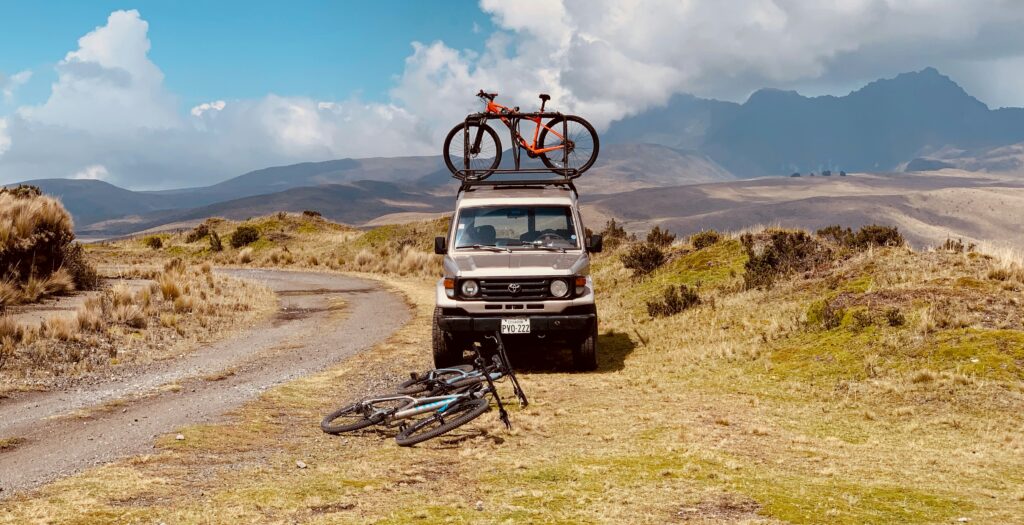
Best campsites near Quito for independent travellers
Swap the city altitude for Andean stars at these hidden retreats
Essential Ecuador logistics.
SIM cards
Packing
Insurance
Overlanding
What to eat in Quito.
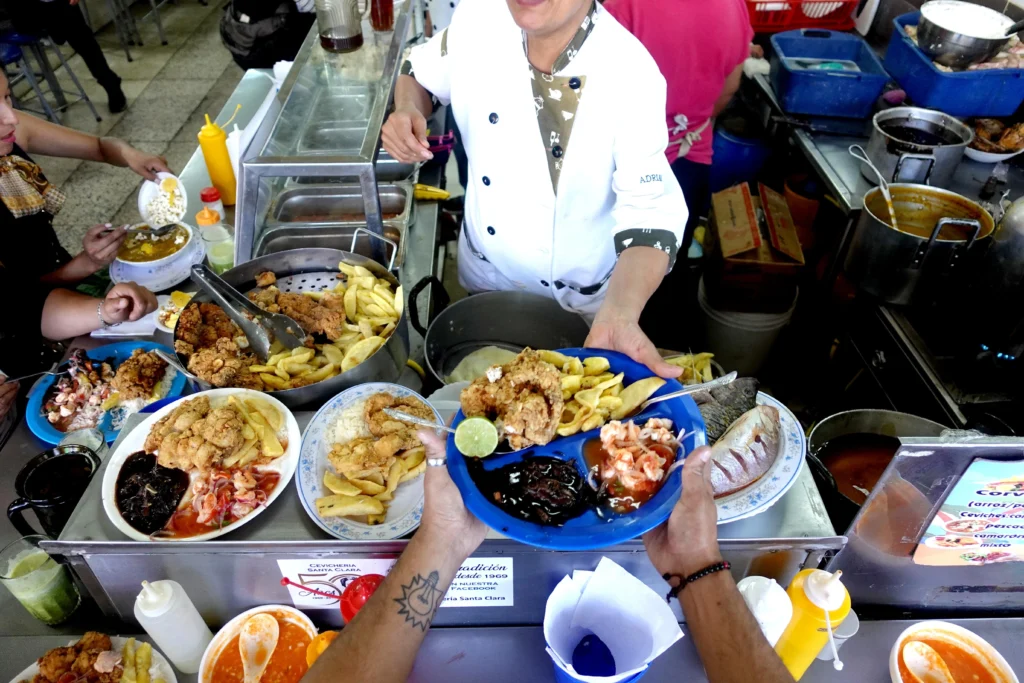
Highland cooking here is built entirely to counter the chill that rolls off the parámos every afternoon. Look for the steam rising from market stalls, where bowls of locro de papa—a velvety potato soup enriched with cheese and avocado—serve as cold-weather fuel. In the evenings, the city smells of corn and fried pork from hornado platters, served alongside pan-seared potato cakes known as llapingachos. Wash it down with sunfo or hot morocho, a spiced corn drink that puts commercial hot chocolates to shame
Tasting Quito / A Deep dive into the culinary heritage of the Andean Capital
High-altitude flavours, ancestral traditions, and the independent spaces
Where to eat and drink in Quito.
The culinary scene is moving away from fried clichés toward a precise interrogation of Andean ingredients. Seek out a dim basement in the historic centre for a bowl of locro de papa that prioritises texture over theatrics, or find a craft brewery in Guápulo that clings to the hillside. The goal is a table where the fermented corn or high-altitude IPA is served without a side of folklore
The best places to eat and drink in Quito
High-altitude flavours / Your guide to Quito’s culinary scene
Quito’s hidden pours / 6 Distinctive bars for the independent traveller
Dive into the high-altitude havens where the locals actually drink
The best coffee shops in Quito / A guide for the independent traveller
Discover Ecuador’s thriving café culture
When to visit Quito.
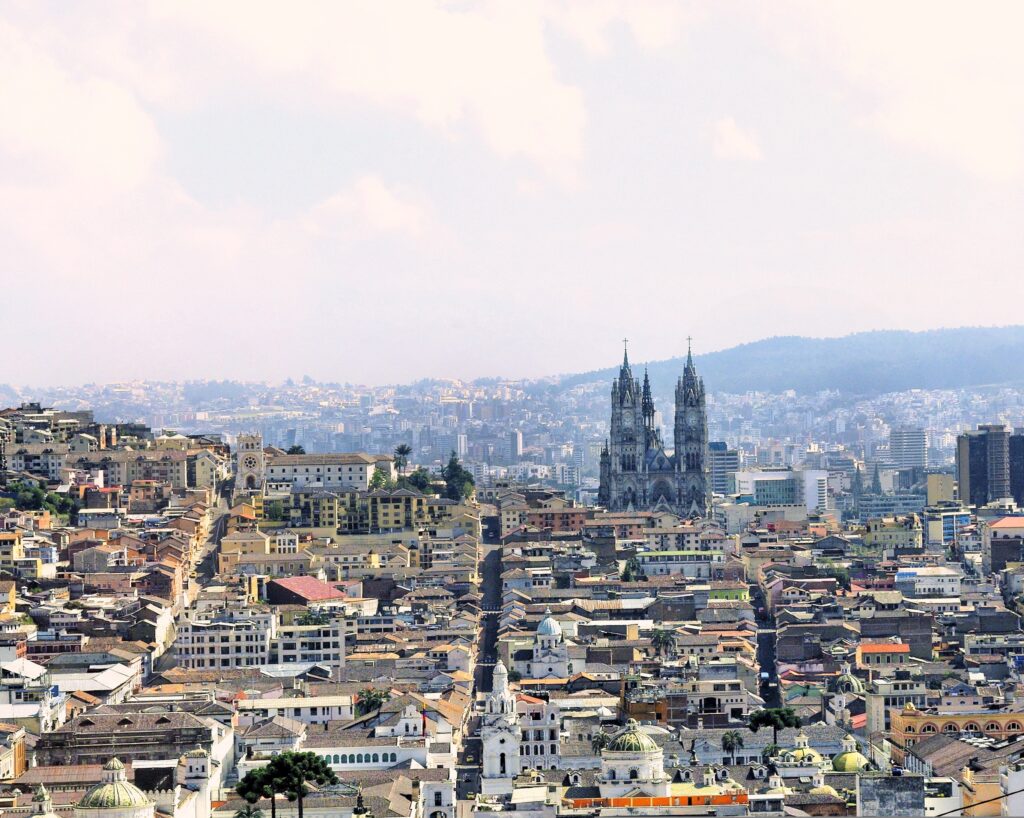
The weather here is a fickle beast, often cycling through four seasons before lunch. June through September offers the most consistent light for appreciating the sharp shadows on the Pichincha volcano, though the occasional afternoon deluge is a mandatory part of the local rhythm. Pack for every eventuality; the sun at 2,800 meters has a bite that transcends the forecast
The eternal spring / A definitive guide to the best time to visit Quito
High altitudes and golden hours / Timing your Andean adventure
Is Quito safe?
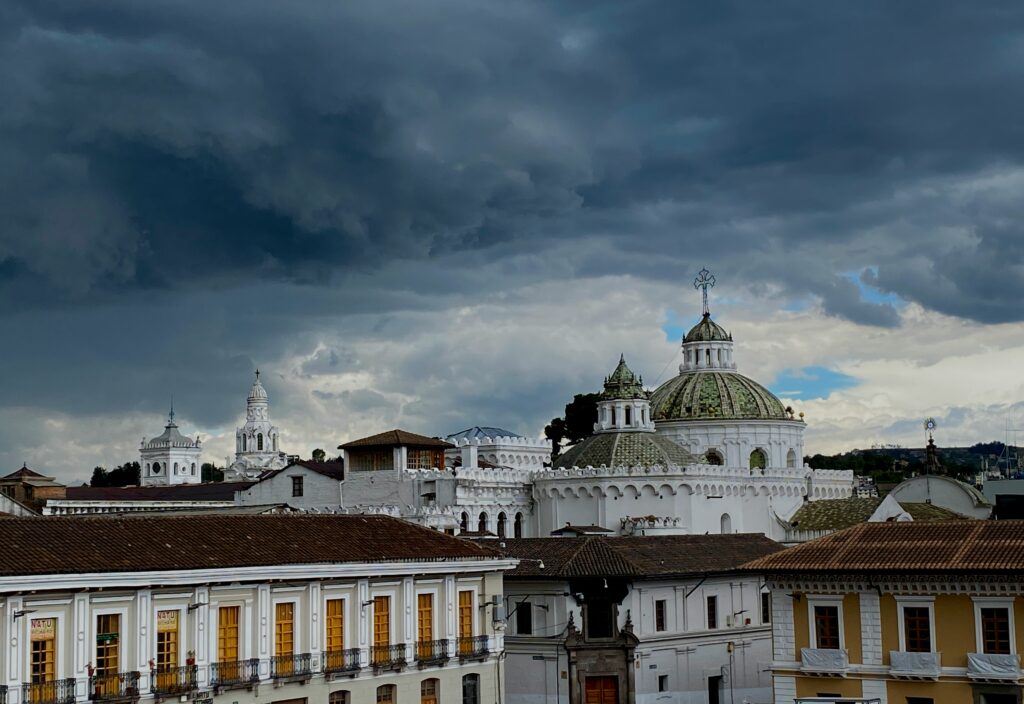
Urban navigation requires the same situational awareness you’d use in any sprawl of three million people. Keep your belongings close, your wits sharper, and avoid the empty streets of the Panecillo after the sun dips behind the ridge. Security is less about fear and more about a modernist’s devotion to efficiency: don’t give anyone a reason to complicate your day
The Wheely Tyred guide to safety in Quito
Riding high and staying secure in the Andes
The history of Quito.
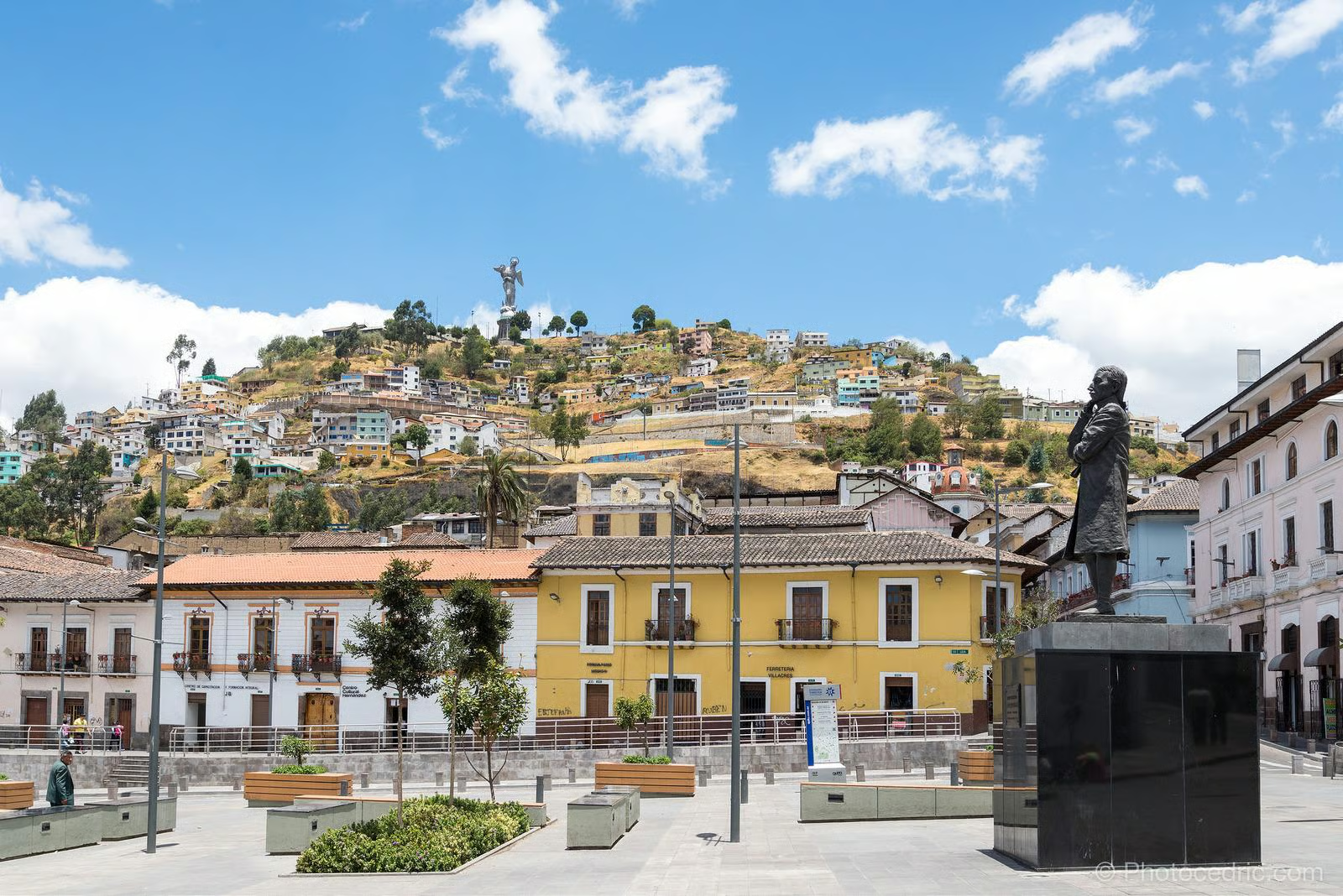
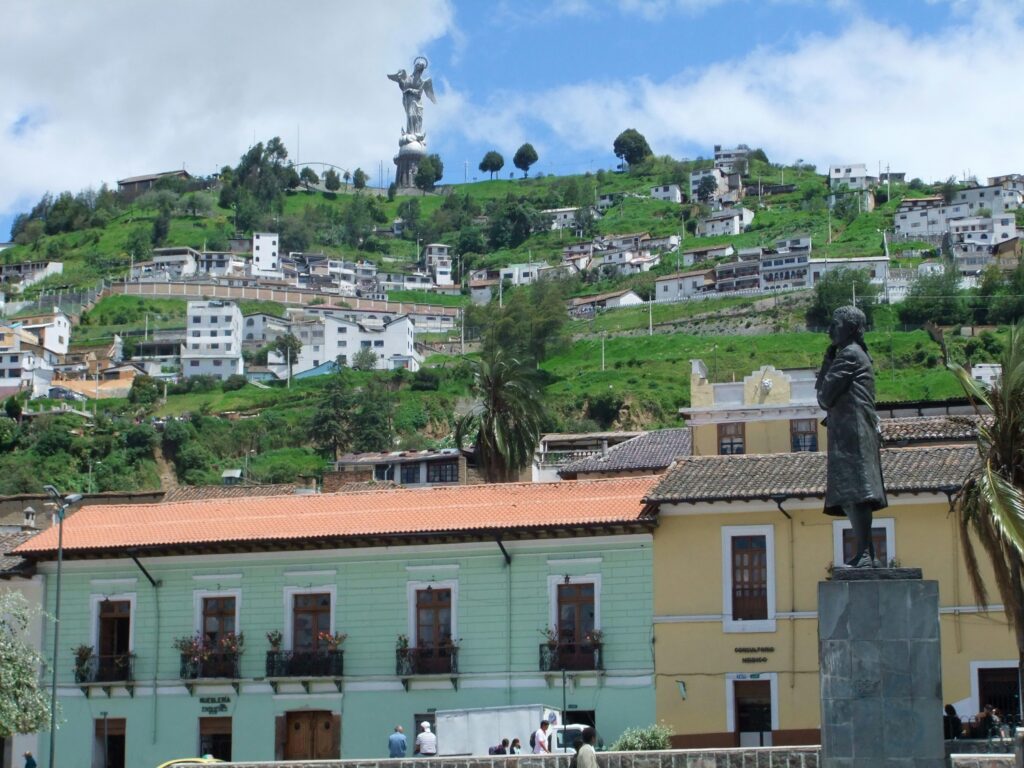
Quito’s past is etched into its topography, a city built over jagged ravines and pre-Inca foundations that Spanish builders tried to flatten with baroque stone. The capital has always been a volatile place, prone to volcanic ash and sudden political upheavals that started long before it became the first city to declare independence from Spain. Centuries-old stone churches look down on the working-class markets that have defied municipal tidiness for generations. It is an urban landscape that refuses to be manicured
A history of Quito / High-altitude drama in the Andes
From Inca resistance to Spanish gold, the story of a city among the clouds
Ecuadorian cycling culture.
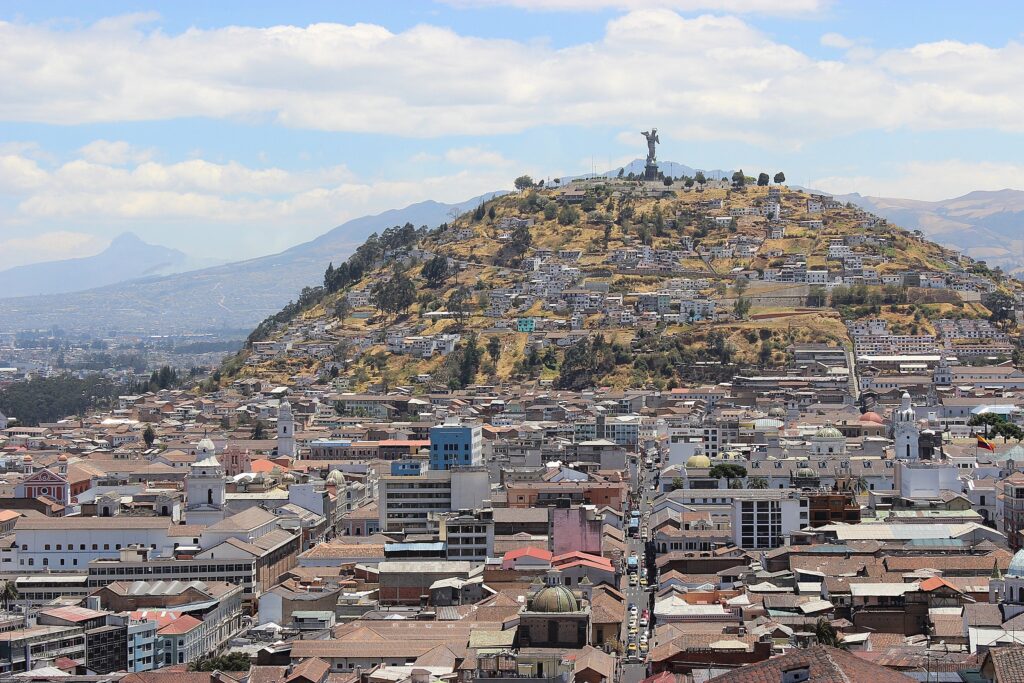
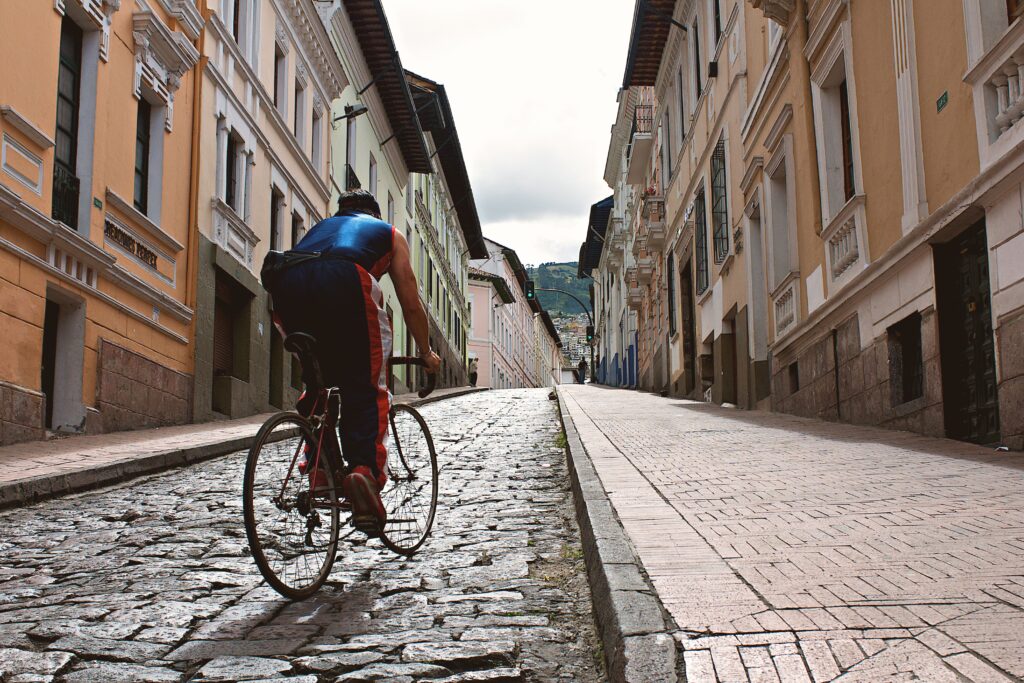
In Ecuador, the bicycle is a tool for transcendence, used by locals to haul produce and by world-class climbers to hunt KOMs. The drivers respect the hustle, largely because they understand that pedalling up a 12% grade at this altitude is an act of quiet madness. You will find more camaraderie in a roadside vulcanizadora than in any high-end boutique shop
Epic cycling in Ecuador
The ultimate guide to cycling in Ecuador: Routes, culture, and infrastructure
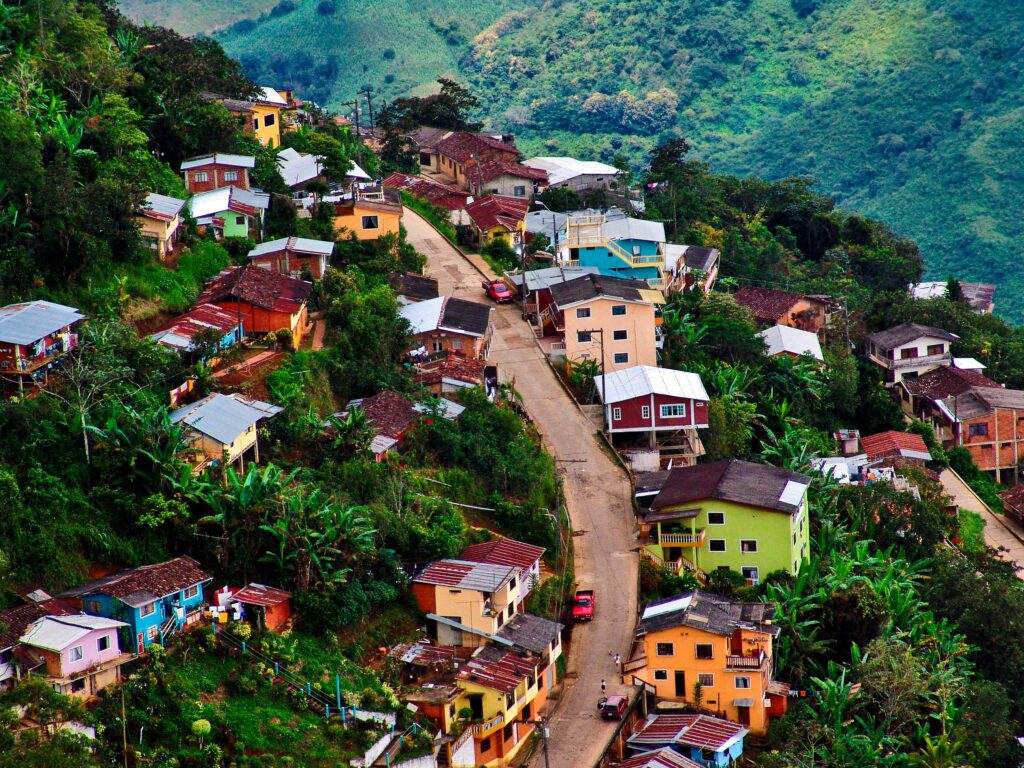
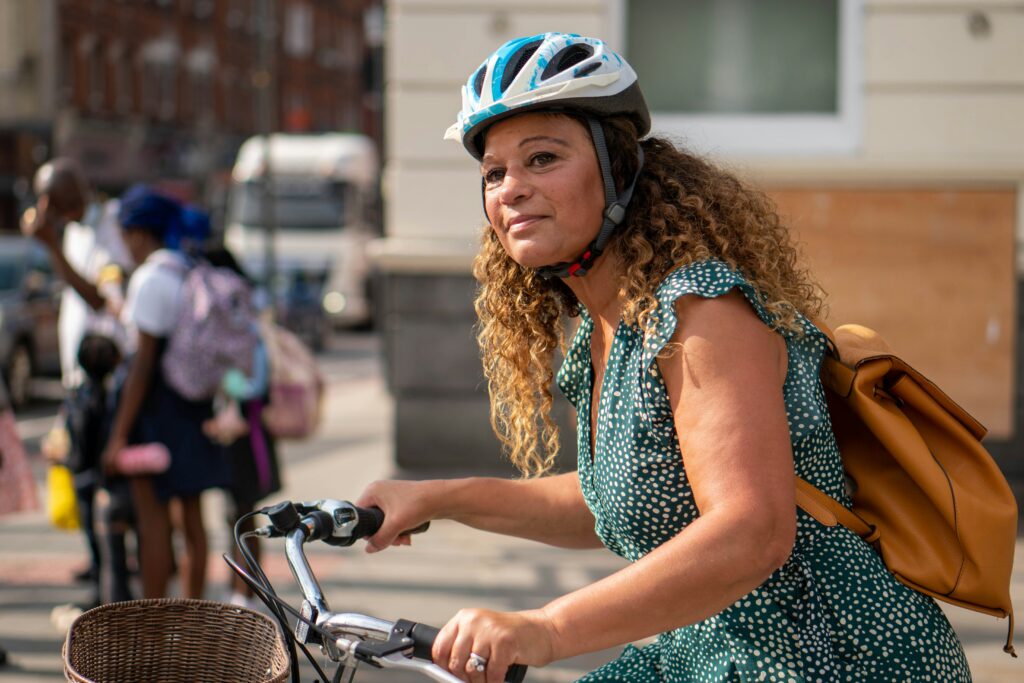
Driving culture and road safety
Driver attitudes, road traffic statistics, and road safety laws for cyclists
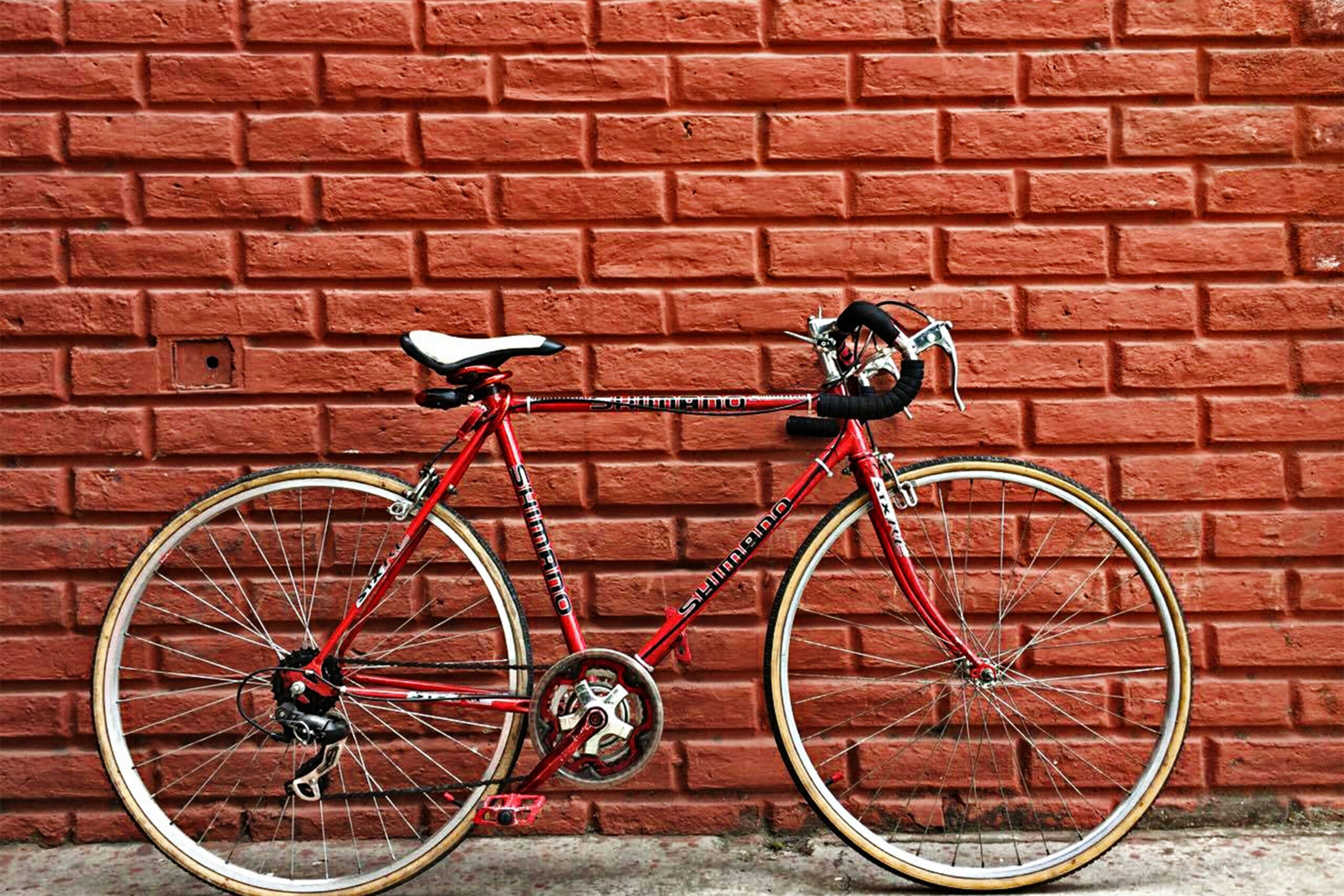
Cycling laws in Ecuador
Everything you need to know about cycling laws and regulations in Ecuador
Ecuador’s cycling history
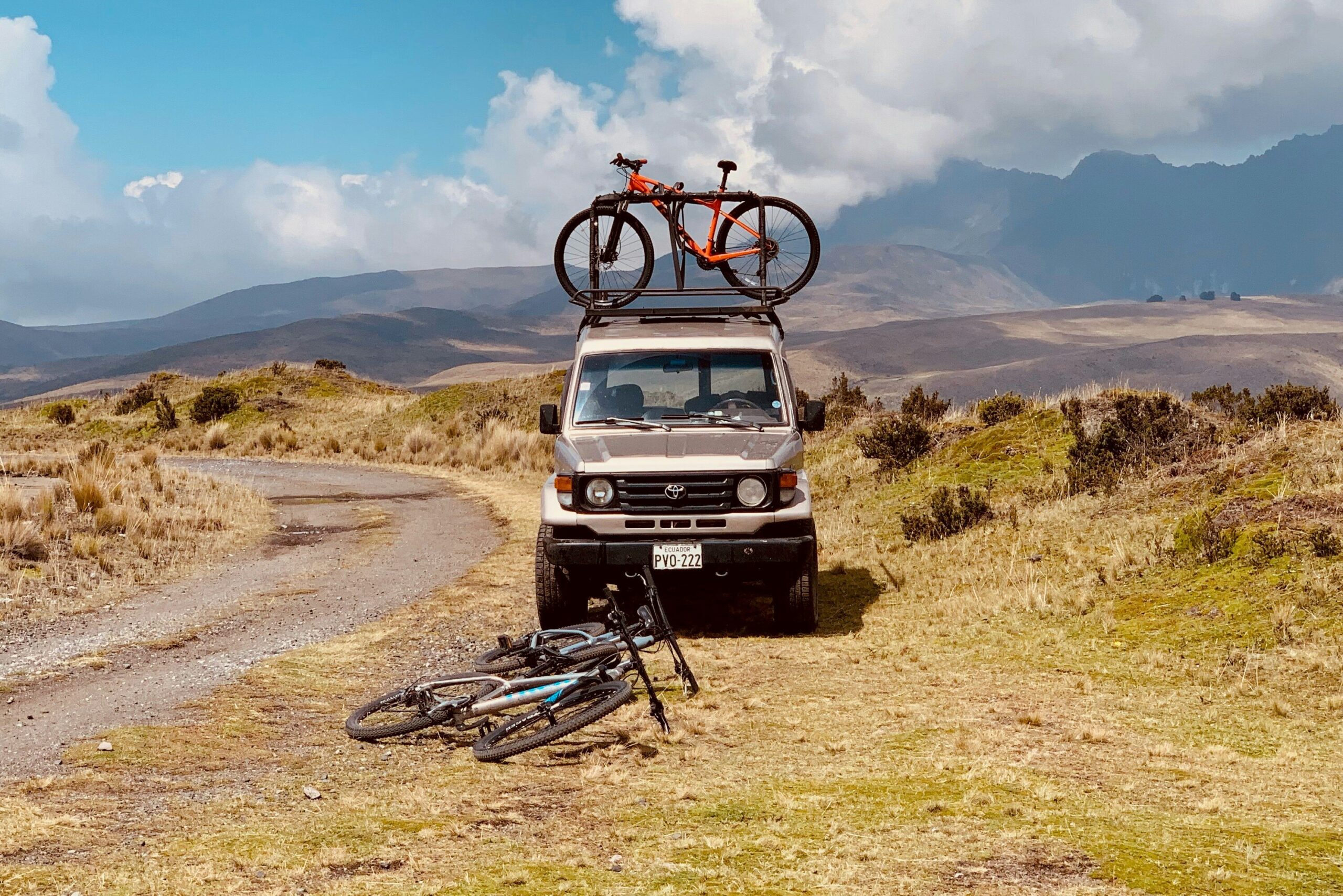
A guide to the cycling history, bicycle culture, and bike routes
Everything we’ve written about Quito.
Best multi-day tours from Quito: Ecuador expedition guide
6 best day trips from Quito: Top tours & excursions (2026)
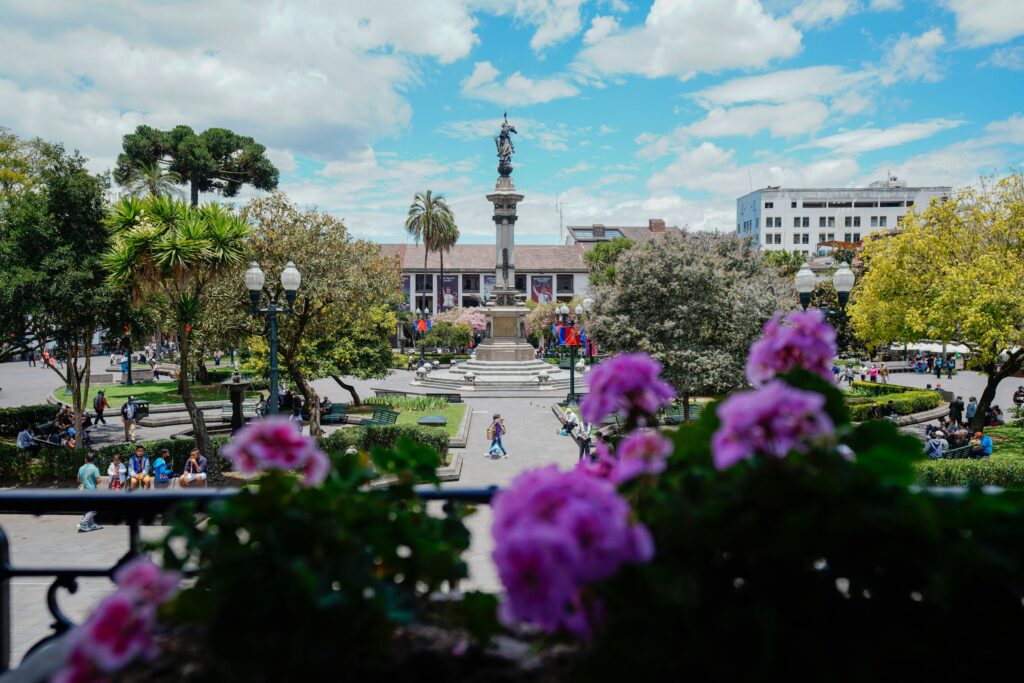
Best Quito city tours: Guided old town & street food walks
Best Quito bike tours 2026: Top guided rides & e-bike routes
Best food tours in Quito: Top culinary & market walks (2026)
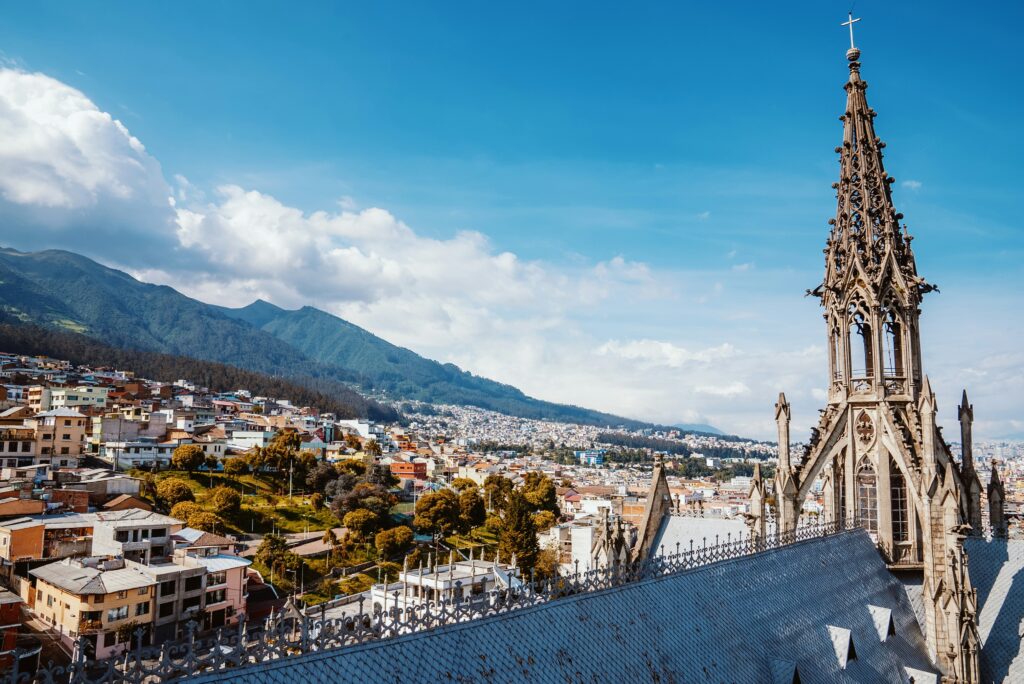
Best Quito bus tours: Hop-on loops & Andean excursions
Best Quito attractions: Top thermal spa & historic tickets
First-time visitor tips for Quito: An independent guide
48 hours in Quito: An independent traveller’s itinerary
24 hours in Quito: An independent slow travel itinerary
Quito food guide: Traditional Ecuadorian Cuisine and Best Restaurants
The best coffee shops in Quito, Ecuador
The history of Quito: A deep dive into the Andean capital
Best campsites near Quito / Unique stays & eco-lodges
The best bars in Quito, Ecuador
Unveiling Quito: Best hidden gems of the Andean capital
Best places to stay in Quito: 6 distinctive spots for travellers
Best time to visit Quito, Ecuador: A complete seasonal guide
Top Restaurants in Quito: Where to eat like a local
Top attractions in Quito: The ultimate guide for independent travellers
Ecuador.
Pure wonder on the equator.