Navigating Santa Cruz safely / The definitive Galápagos travel guide
Santa Cruz, Galápagos, safety advice, crime rates, and guidelines for solo travellers
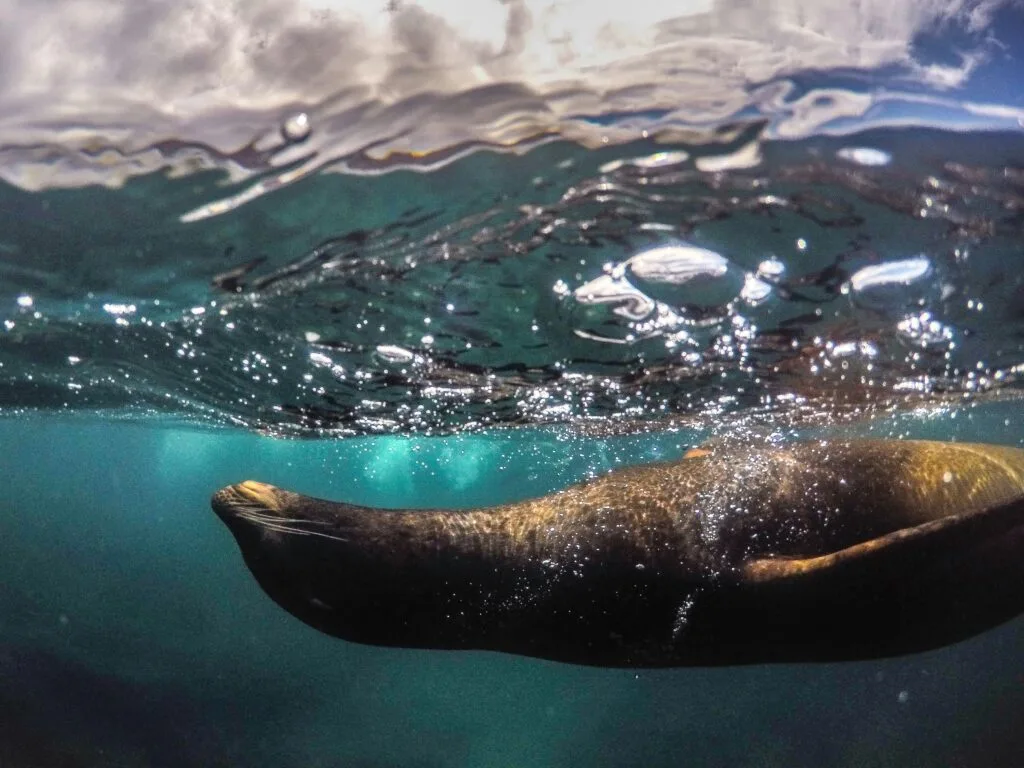
Island serenity meets absolute peace of mind under the equatorial sun
BEN FINCH
When planning an independent journey to Ecuador, understanding the regional safety landscape is paramount. While mainland urban centres currently require a high degree of vigilance due to evolving security challenges, the Galápagos Archipelago operates in an entirely different reality. Located roughly one thousand kilometres off the Pacific coast, the islands form an isolated sanctuary where serious criminal activity is exceptionally rare.
Santa Cruz Island, serving as the central economic and logistical hub of the archipelago, maintains an enviable reputation for security. The main port town, Puerto Ayora, behaves much like a tight-knit coastal village rather than a bustling tourist transit point. This safety profile is heavily supported by the strict governance of the Special Regime of Galápagos.
Every traveller entering the islands must obtain a Transit Control Card at the mainland departure airports in Quito or Guayaquil. This tracking system ensures the local authorities know exactly who is arriving, departing, and residing within the province, which acts as a massive deterrent to organised crime.
For the autonomous explorer, this means the freedom to wander, cycle, and discover landscapes without the heavy anxiety often associated with global travel hubs. However, true safety encompasses more than just low crime rates. Travelling safely requires a deep understanding of local environmental regulations, oceanic elements, and specific community dynamics.
The essential Santa Cruz / Independence, wilderness, and open roads
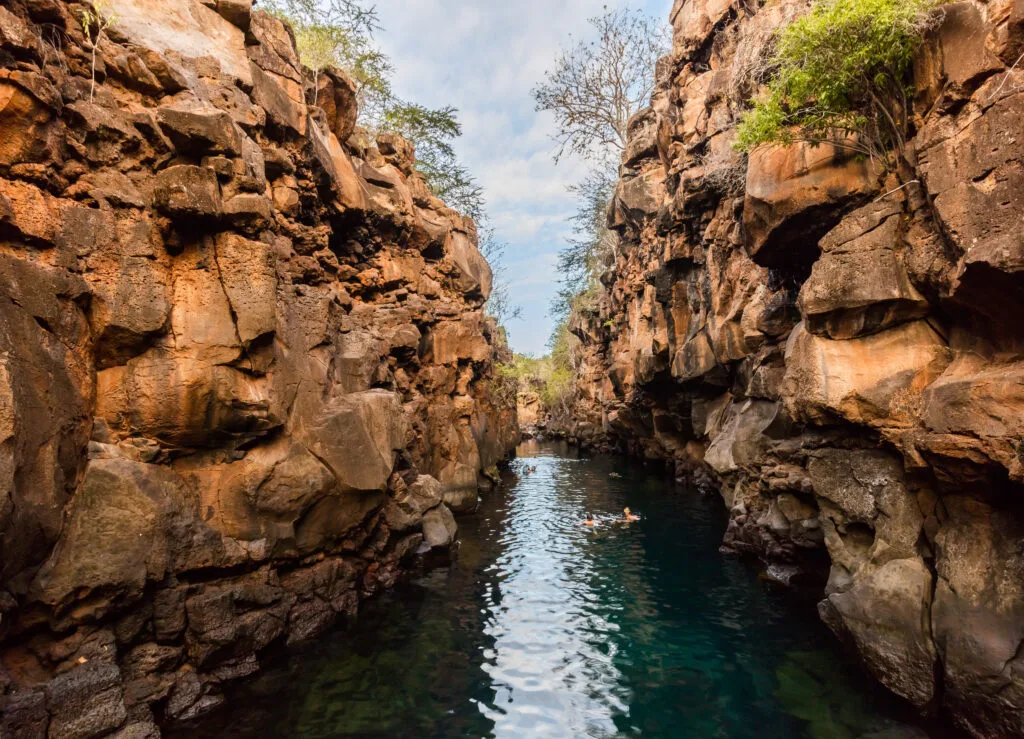
A structured summary of our comprehensive safety guide to the central hub of the Galápagos, tailored for the autonomous explorer.
- The Special Regime: A strict transit control card tracking system at mainland airports acts as a major deterrent to organised crime, ensuring the islands remain an isolated haven of safety
- Opportunistic Theft: Violent crime is virtually non-existent, but leaving premium camera gear or wallets unattended on the sands of Tortuga Bay invites avoidable risk
- Solo Liberation: Walkable streets and an inclusive community make Puerto Ayora one of the safest and most welcoming destinations in Latin America for solo female travellers
- The Two-Metre Rule: Docile wildlife must never be confused with domesticated animals; maintaining distance from territorial sea lions and marine iguanas is essential
- Playa Mansa Sanctuary: The open ocean at Playa Brava presents lethal undercurrents; independent swimmers should always head to the sheltered mangrove waters of nearby Playa Mansa
- Highland Mist: Cycling infrastructure is excellent, but the garúa season brings sudden mist and slick tarmac, requiring high-visibility reflectors and excellent brakes
- Evacuation Realities: Local medical facilities only handle basic healthcare, making comprehensive travel insurance with explicit medical evacuation coverage absolutely mandatory
The Galápagos.
Ecuador’s Enchanted Isles
Crime rates and realities for travellers in Puerto Ayora
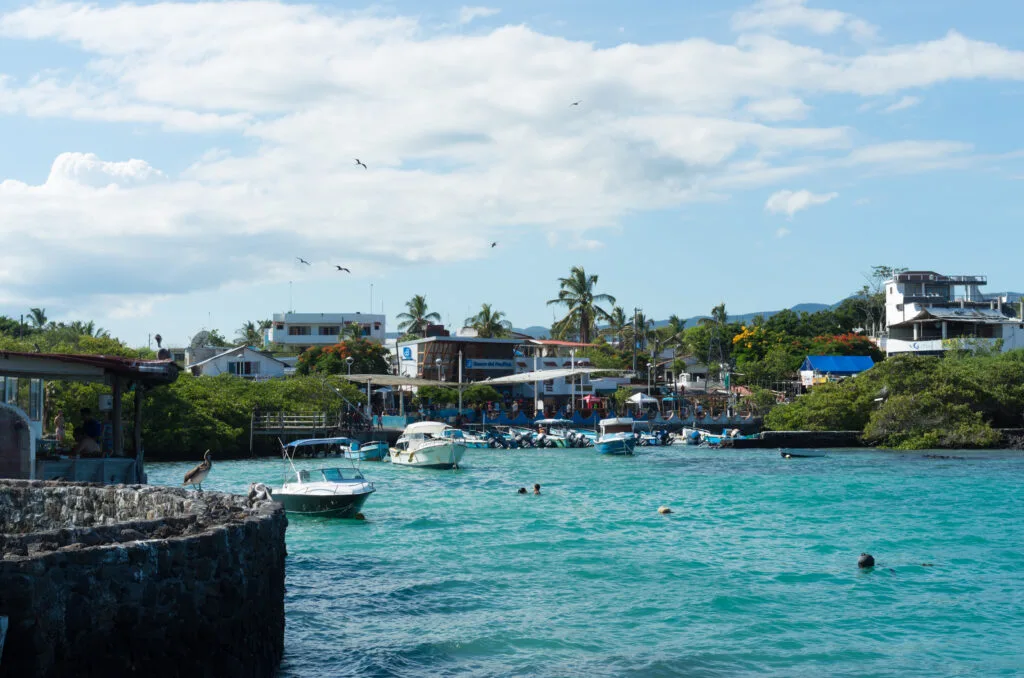
Statistically, violent crime against tourists on Santa Cruz Island is virtually non-existent. The local economy relies almost exclusively on sustainable tourism, meaning the community takes collective pride in protecting visitors and preserving the reputation of the destination. You will not encounter complex distraction scams, aggressive panhandling, or express kidnappings that can plague larger South American cities.
The primary risk on Santa Cruz is opportunistic petty theft, which usually stems from momentary lapses in a traveller’s attention. This typically occurs in open public spaces such as the lively municipal fish market, busy outdoor cafés along Avenida Baltra, or popular beaches where belongings are left unattended. For instance, leaving a premium camera setup or a wallet on the sand at Tortuga Bay while swimming out into the waves invites unnecessary risk.
To maintain an unblemished trip, implement straightforward common-sense measures:
- Secure your accommodation doors and windows properly, even when staying in highly rated eco-lodges or guesthouses
- Utilise your hotel room safe for passports, reserve cash, and spare electronic equipment
- Carry only the amount of cash required for your immediate daily activities
- Keep your bags within your line of sight when dining at open-air establishments in Puerto Ayora
By removing easy opportunities for passing opportunists, you can effectively eliminate your vulnerability to crime on the island.
Solo travel, female travellers, and minority safety

Santa Cruz is widely celebrated as one of the most welcoming destinations in Latin America for solo travellers. The walkable layout of Puerto Ayora and the constant presence of park rangers and local police create an environment where walking alone at night feels comfortable and secure.
For solo female travellers, the island offers an incredibly liberating experience compared to mainland travel routes. Street harassment and catcalling are uncommon, as local cultural norms value respect and hospitality toward international guests. While standard travel precautions apply—such as keeping an eye on your beverages in crowded evening bars and using pre-arranged, licensed yellow taxis after midnight—the overall threat index remains remarkably low.
Minority travellers will find a diverse, international community of scientists, conservationists, and hospitality professionals residing in Santa Cruz. While rural farming communities in the island highlands may have less day-to-day exposure to immense cultural diversity, reactions are overwhelmingly rooted in curiosity and warmth rather than prejudice. Because the entire social structure of the island is optimised to support global visitors, inclusivity is an integral part of daily life. Solo adventurers of all backgrounds should be able to focus completely on their adventure.
The Ecuadorian Sierra.
Get lost in the hills
Coexisting with wildlife / The real safety hazards
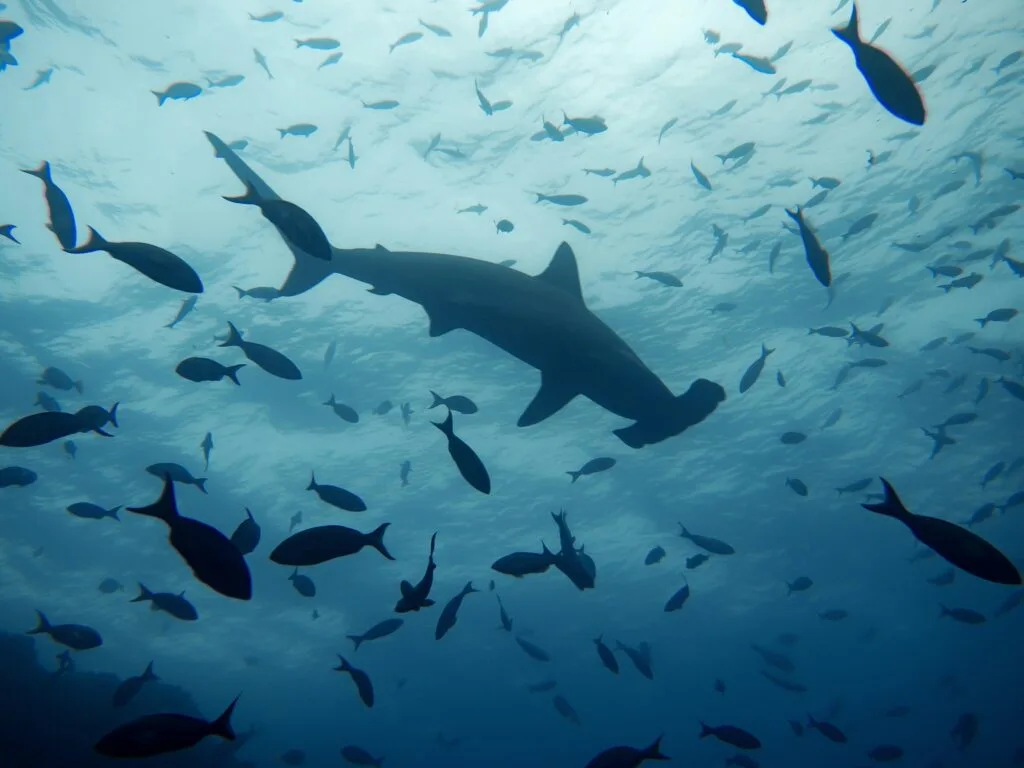
On Santa Cruz, the most pressing safety discussions do not revolve around human threats, but rather around animal encounters and ecological boundaries. The Galápagos National Park enforces strict regulations that serve a dual purpose: safeguarding a fragile ecosystem and keeping travellers out of physical danger.
The golden rule of island exploration is to maintain a mandatory minimum distance of two metres from all wildlife at all times. The animals here evolved without natural predators, meaning they exhibit a unique lack of fear around humans. However, this docility must never be confused with domestication.
When cycling or walking along the coastal boardwalks, you will regularly encounter massive Galápagos sea lions lounging on benches, piers, and pathways. While they appear charming, a fully grown male sea lion can weigh over two hundred kilograms and can become intensely territorial or aggressive if cornered, startled, or provoked. Similarly, marine iguanas blend seamlessly into the dark volcanic rocks near the water’s edge. Stepping on one accidentally can result in a defensive bite or a painful scratch.
In the lush highlands of the island, giant tortoises roam freely across cycling trails and country roads. When approaching these prehistoric creatures on two wheels, slow down immediately. Giving them a wide berth ensures they do not retreat into their shells in distress or lunge unexpectedly. Respecting their space ensures your safety and preserves the wild habits of these spectacular species.
Ocean, maritime, and cycling safety on Santa Cruz
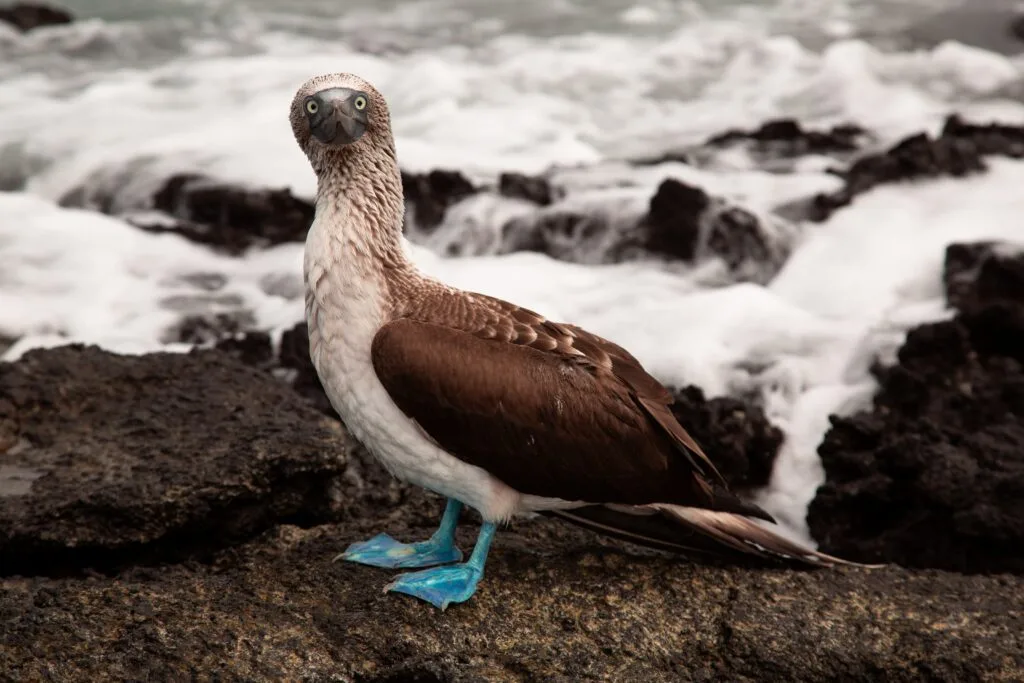
The natural geography of Santa Cruz introduces dynamic physical challenges that demand respect. For those exploring the coastline, ocean safety is a primary concern. Tortuga Bay is a pristine stretch of white sand divided into two distinct zones: Playa Brava and Playa Mansa. Playa Brava faces the open ocean and is notorious for violent undercurrents and rogue waves. Swimming here is highly dangerous and strictly prohibited. Always walk further down the path to the sheltered mangrove waters of Playa Mansa, where conditions are perfectly tranquil for swimming and kayaking.
Maritime transfers represent another vital safety checkpoint. If you take a public speedboat ferry from Puerto Ayora to neighbouring islands like Isabela or San Cristóbal, prepare for rough open-ocean crossings, particularly between July and December when the Humboldt Current brings choppy seas. It is highly recommended to wear the provided life vests throughout the duration of the crossing, keep your luggage wrapped in protective covers, and take motion sickness precautions beforehand.
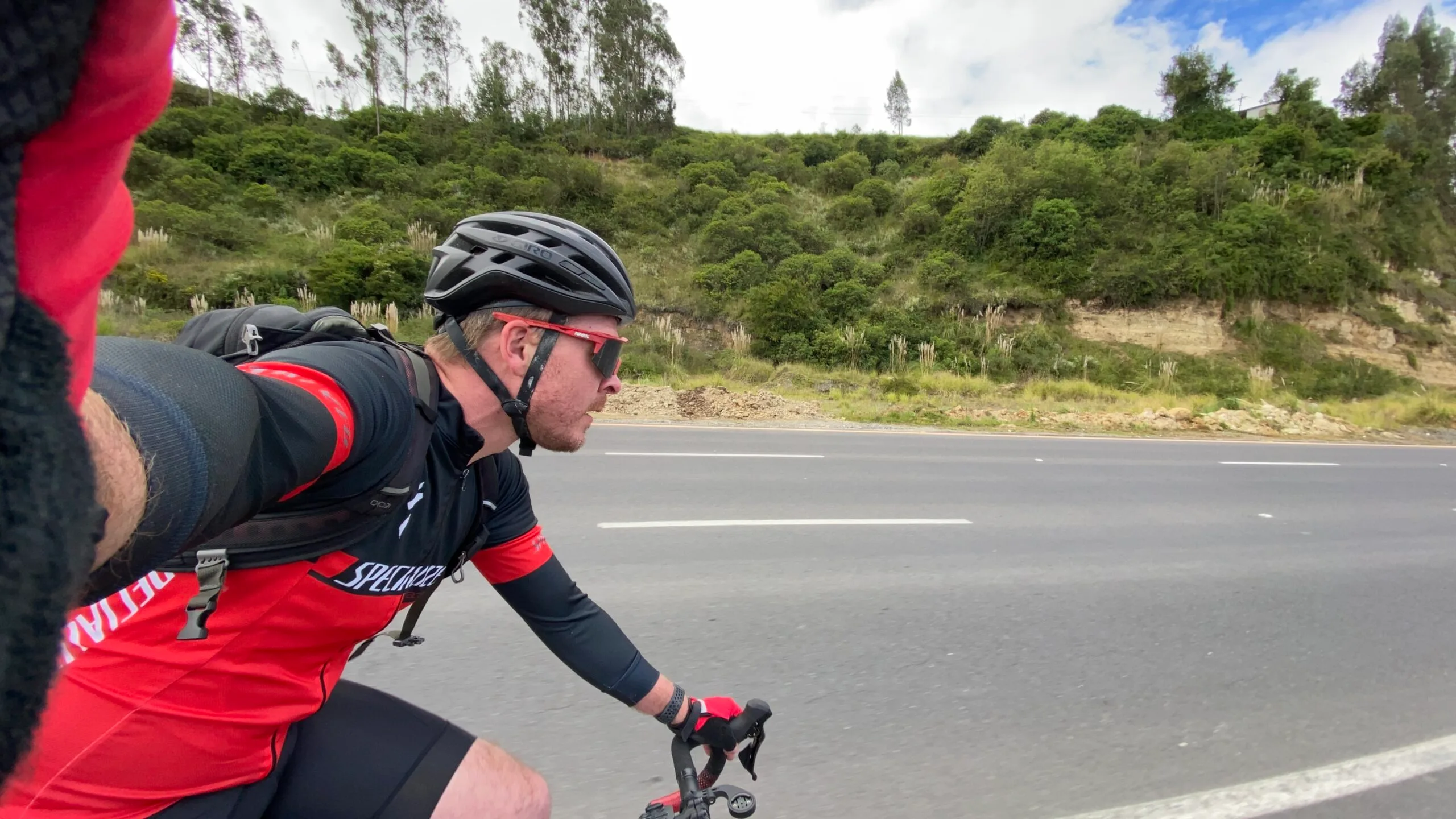
For the active traveller using a bicycle to explore Santa Cruz, the infrastructure is generally excellent, featuring a dedicated cycle path that runs parallel to the main highway from Puerto Ayora up into the highlands. However, the elevation shift brings sudden weather changes. The highlands frequently experience the garúa season, which blankets the roads in heavy mist and light drizzle. This reduces visibility significantly and renders tarmac surfaces slick. Ensure your rental bicycle has high-visibility reflectors and functional brakes, and dress in layers to combat the rapid drop in temperature as you climb away from the coast.
The Ecuadorian Amazon.
The most biodiverse place in the world
Health, infrastructure, and emergency preparedness
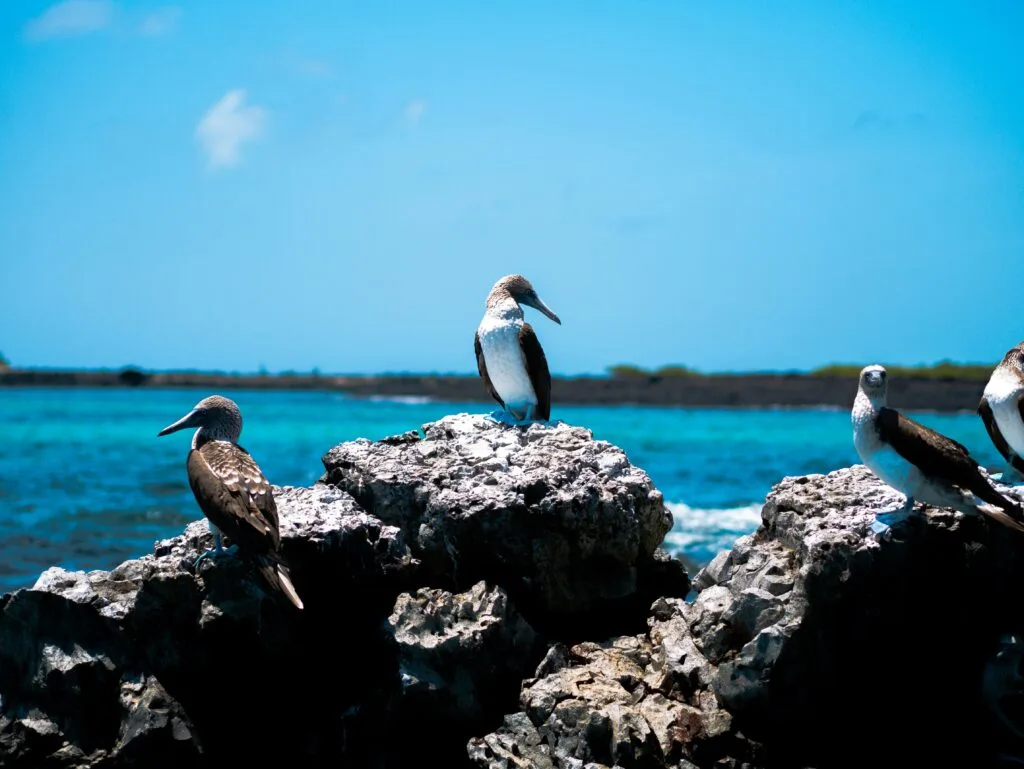
A flawless holiday requires an honest look at the logistical limits of island infrastructure. Santa Cruz is situated directly on the equator, meaning the UV index is consistently extreme. Sunburn, heat exhaustion, and severe dehydration represent the most common health afflictions hitting travellers. A wide-brimmed hat, mineral-based reef-safe sunscreen, and a durable, reusable water flask are non-negotiable kit items.
It is vital to note that municipal tap water across the Galápagos is not potable. Always use filtered or bottled water, even when brushing your teeth, to avoid gastrointestinal infections that can disrupt your travel itinerary.
Medical facilities on the island are built to handle basic healthcare needs and minor injuries. Puerto Ayora possesses a local hospital, but it is not equipped to perform complex surgical procedures or manage major trauma cases. In the event of a severe medical crisis, emergency medical evacuation via air ambulance to mainland Ecuador is required. Because of these operational realities, securing comprehensive travel insurance that explicitly includes emergency medical evacuation coverage is absolutely mandatory before stepping onto the islands.
Establishing your island routine for absolute peace of mind
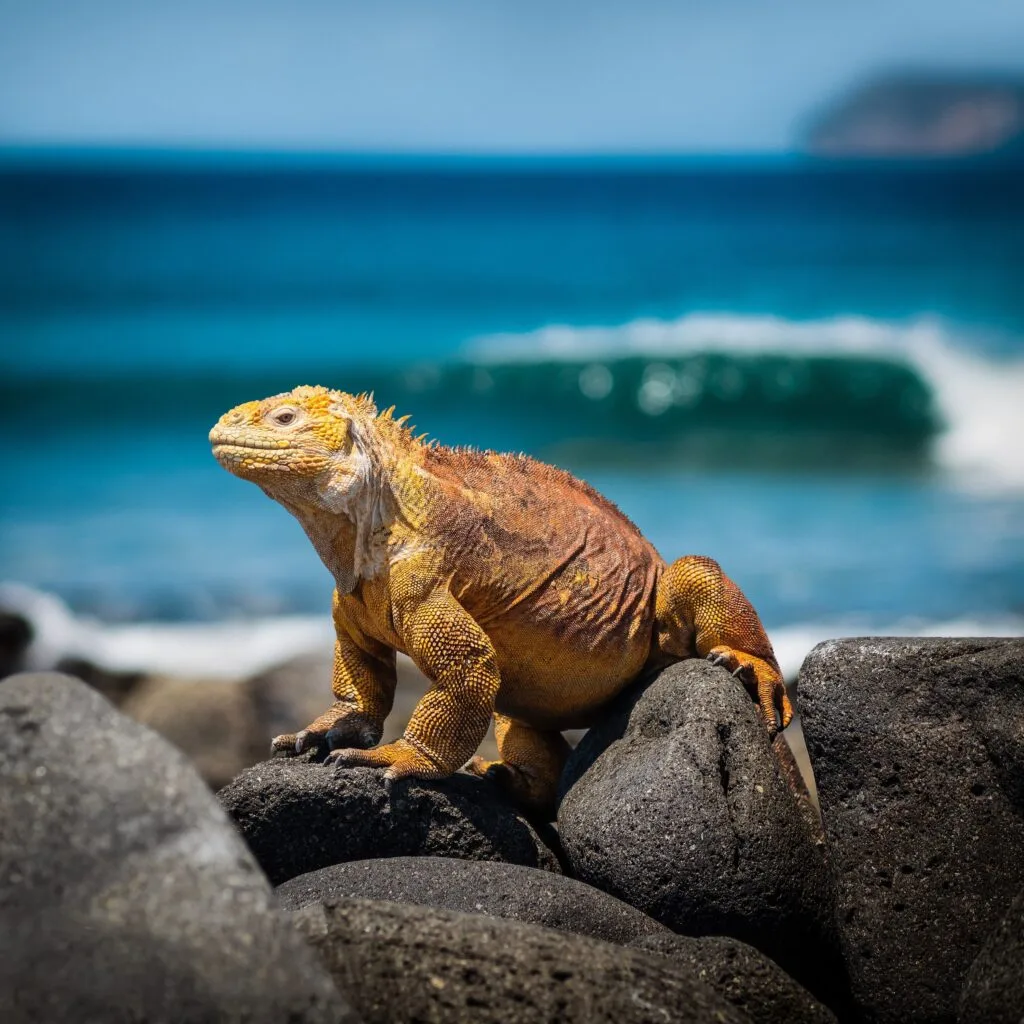
Navigating Santa Cruz safely does not require constant hyper-vigilance; rather, it demands an appreciation for the unique rhythm of the archipelago. By blending a few mindful habits into your daily routine, you can transition seamlessly between coastal cycling paths and remote highland trails without a single worry. Treat the environment with the deference it commands, secure your premium gear when enjoying the beaches, and always keep a respectful distance from the incredible wildlife that shares these spaces with you.
When you travel with an awareness of local maritime conditions, sudden highland weather shifts, and basic health precautions like sun protection and hydration, you unlock the true spirit of independent exploration. Santa Cruz serves as a magnificent proof point that raw, untamed nature and solo travel autonomy can coexist beautifully. Armed with the right local insights, your focus remains exactly where it belongs: immersing yourself in one of the most spectacular, secure, and pristine sanctuaries on the planet.
The Ecuadorian Coast.
Where you’ll find the very best food
Frequently asked questions about Santa Cruz travel safety and logistics
No, municipal tap water across the Galápagos Archipelago is not potable. To avoid gastrointestinal infections that can easily disrupt your itinerary, always use filtered or bottled water for drinking, cooking, and brushing your teeth.
Public speedboat ferries run regular routes to Isabela and San Cristóbal. Because these open-ocean crossings can become incredibly choppy—especially between July and December due to the Humboldt Current—you should always wear the provided life vests and take motion sickness precautions before setting off.
The dedicated cycle path running parallel to the main highway from Puerto Ayora into the highlands offers excellent protection from traffic. However, the rapid elevation shift brings the garúa season, dropping thick mist and light drizzle that dramatically reduces visibility and makes the tarmac surfaces slick.
Give them a wide berth. While they appear remarkably calm and are accustomed to human presence, fully grown males can weigh over two hundred kilograms and will become territorial or aggressive if they feel cornered, startled, or provoked.
Yes. Because the local hospital in Puerto Ayora is not equipped to handle complex surgical procedures or major trauma, any severe medical crisis will require an expensive air ambulance evacuation to mainland Ecuador. Valid travel insurance that explicitly covers emergency medical evacuation is a logistical necessity.
Ecuador.
Pure wonder on the equator.