
Cuyabeno Wildlife Reserve
Things to do in Cuyabeno.
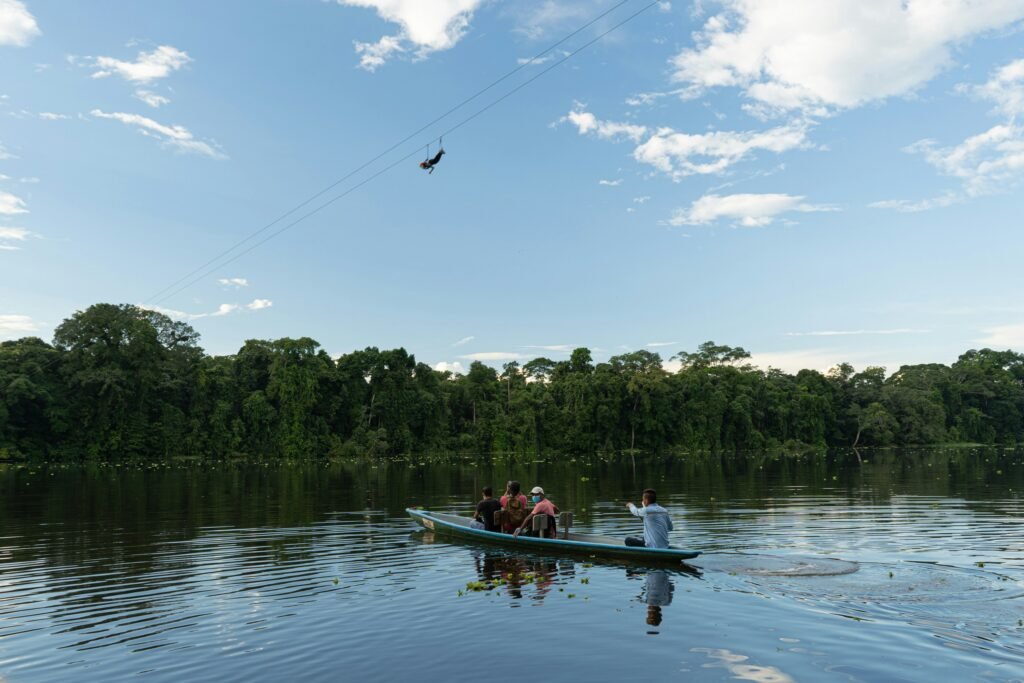
Days here are measured by the slow paddle of a canoe through flooded igapó forests, where the canopy crowds out the equatorial sun. You swap tarmac for dark water, tracking the prehistoric silhouette of a hoatzin or waiting for the brief, pink flash of a river dolphin. When night falls, the forest switches frequencies, and a torch beam reveals the amber glint of caiman eyes along the mud banks. It is a patient sort of travel, best appreciated without the rush of a rigid itinerary
A first-time guide to Cuyabeno Wildlife Reserve / The independent traveller’s blueprint
Trade the rigid tour-bus schedule for the deep rhythm of the Amazon
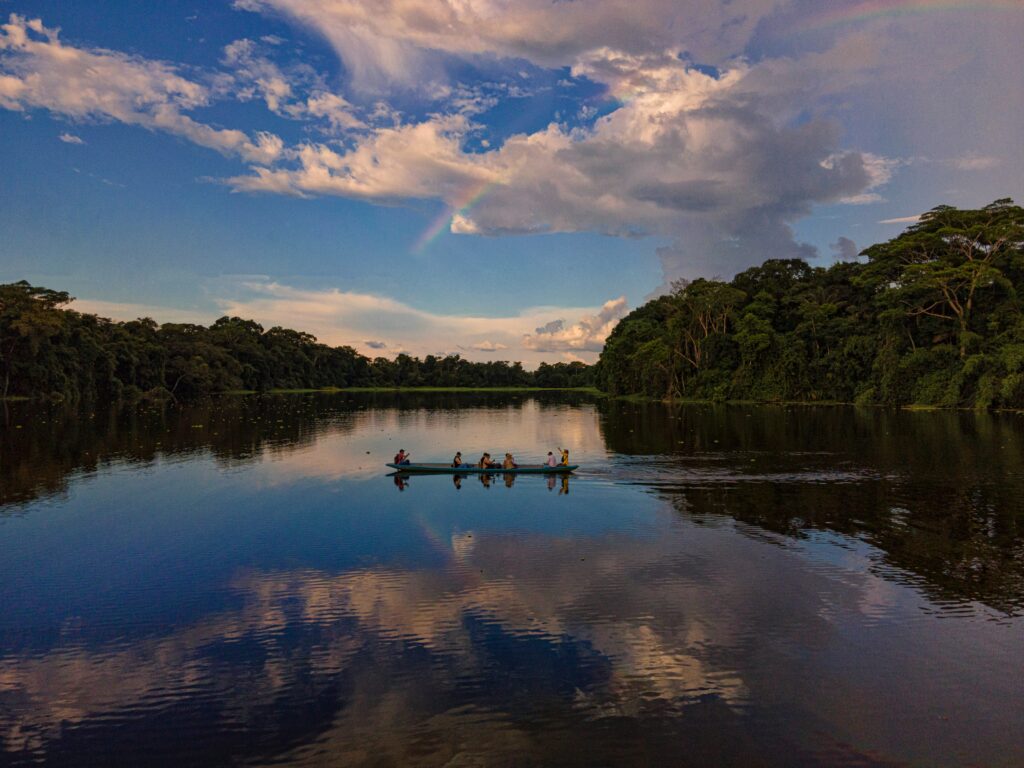
The flooded mirror of the Amazon / An independent traveller’s guide to Cuyabeno
Leave the road behind to navigate ancient blackwater channels
The best things to do in Cuyabeno / A guide to Ecuador’s flooded forest
Navigate the tea-coloured waters and ancient canopy of the Amazon’s most enchanting wetland
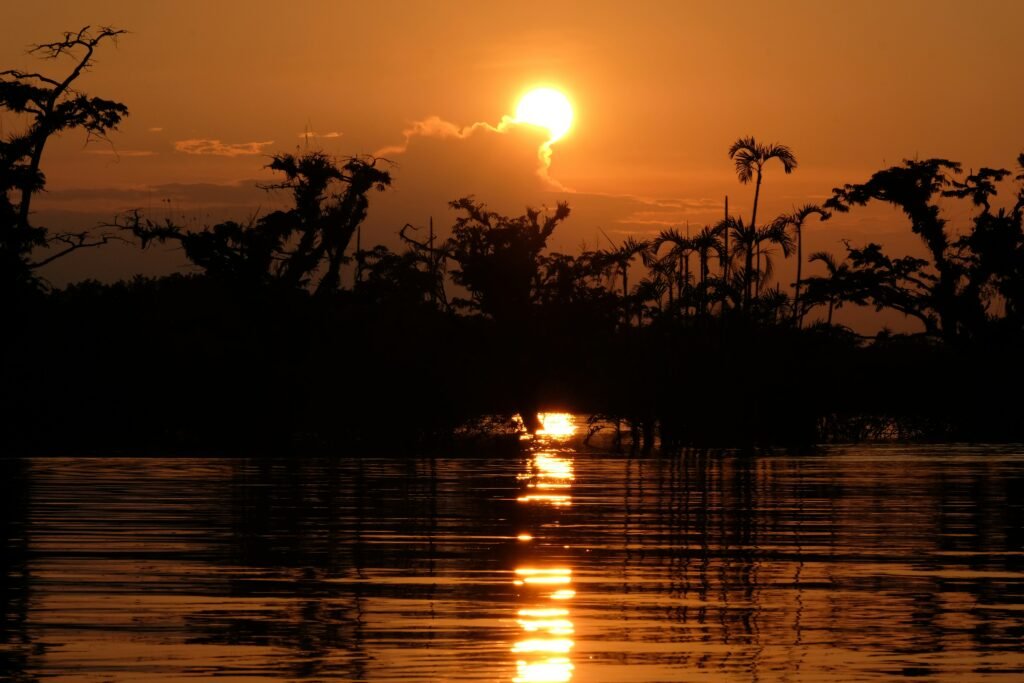
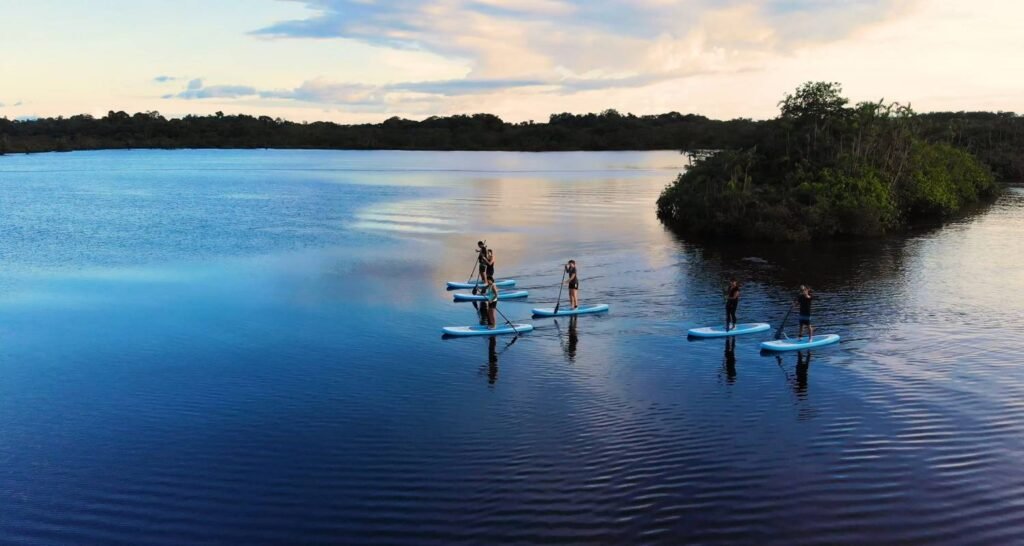
Best Cuyabeno multi-day tours / Top Amazon expeditions & rainforest lodges
Deep waterways, indigenous heritage, and rainforest journeys
More things to do near Cuyabeno.
If the stillness of the flooded forest leaves you restless, the wider Oriente basin offers a distinct shift in tempo. Head west towards Tena, where the Andes collapse into the foothills and the rivers turn white-water wild, or navigate south to Yasuní for a deeper, fiercely protected tract of rainforest. Further down the road, Puyo serves as an understated gateway where local botanical gardens salvage native orchids from encroachment. Each outpost has its own rhythm, linked by long, bumpy bus journeys that require a solid book and zero expectations of punctuality
Tena
Life revolves around the rivers
Yasuní
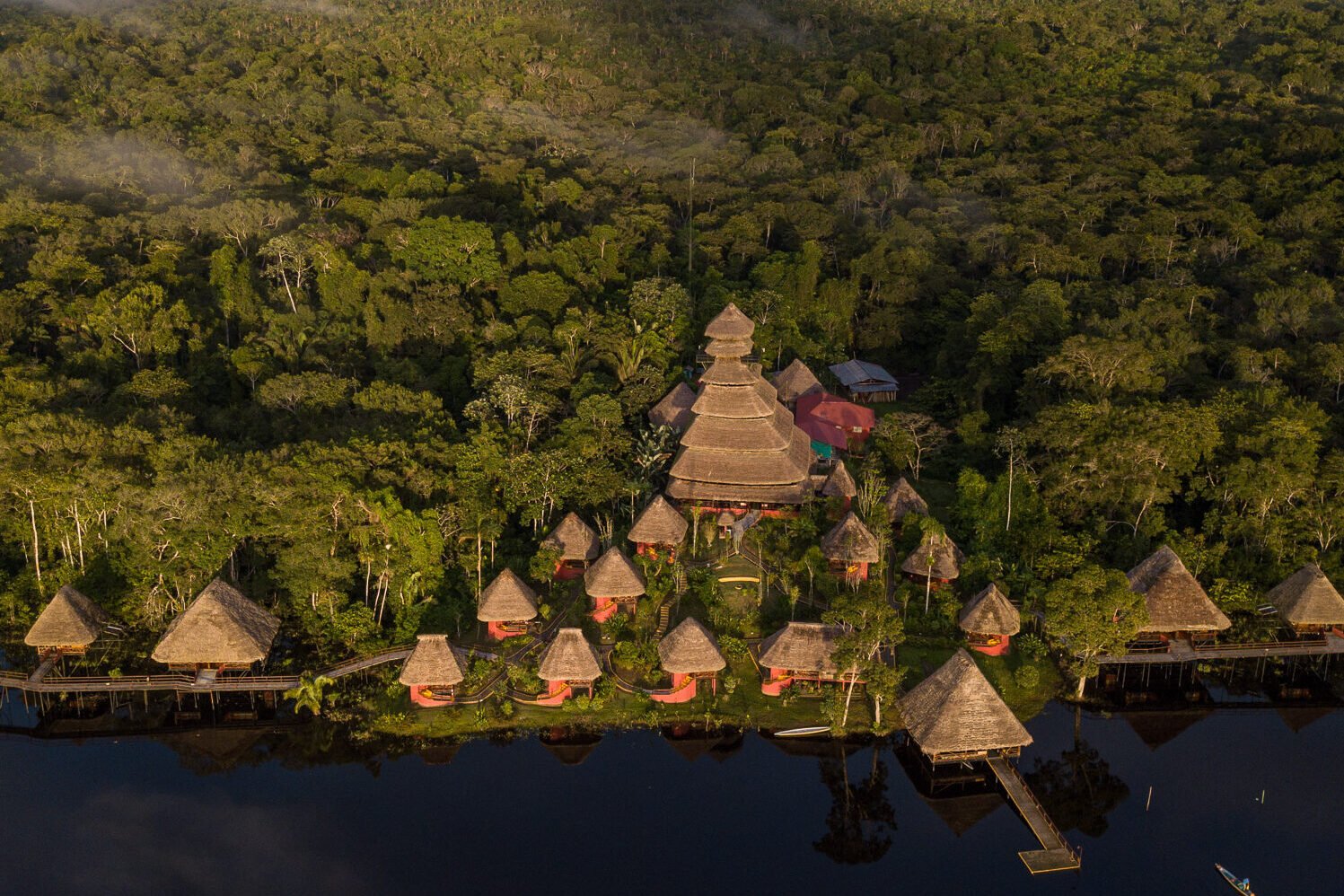
Navigate the blackwater channels
Puyo
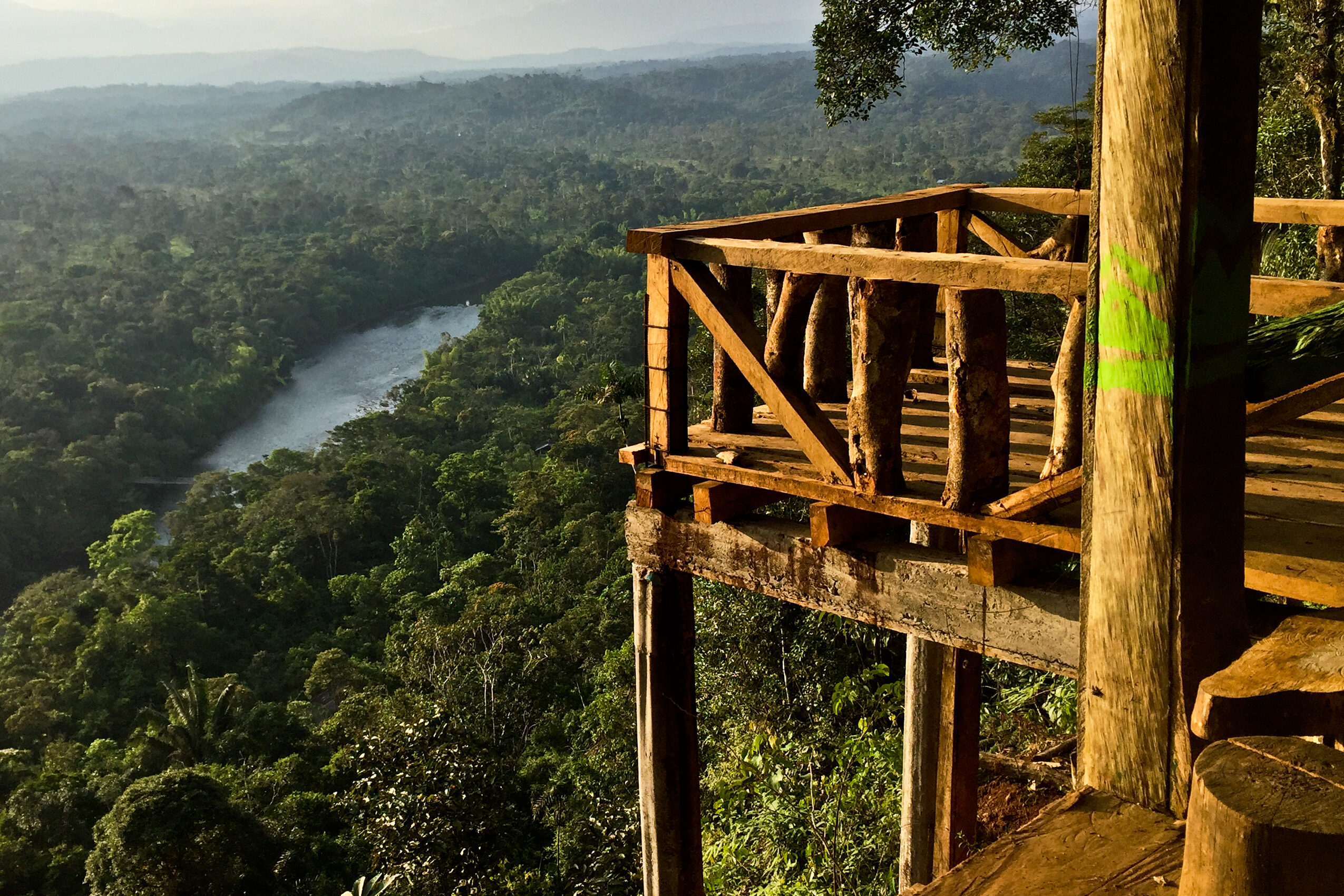
The gateway to the Amazon
Where to stay in Cuyabeno.
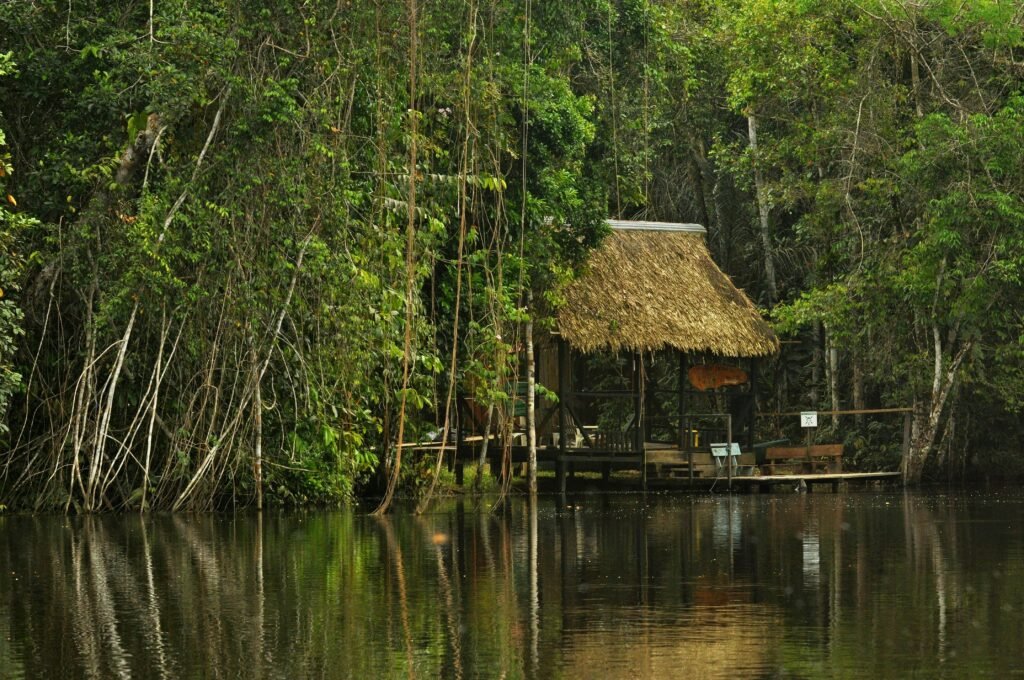
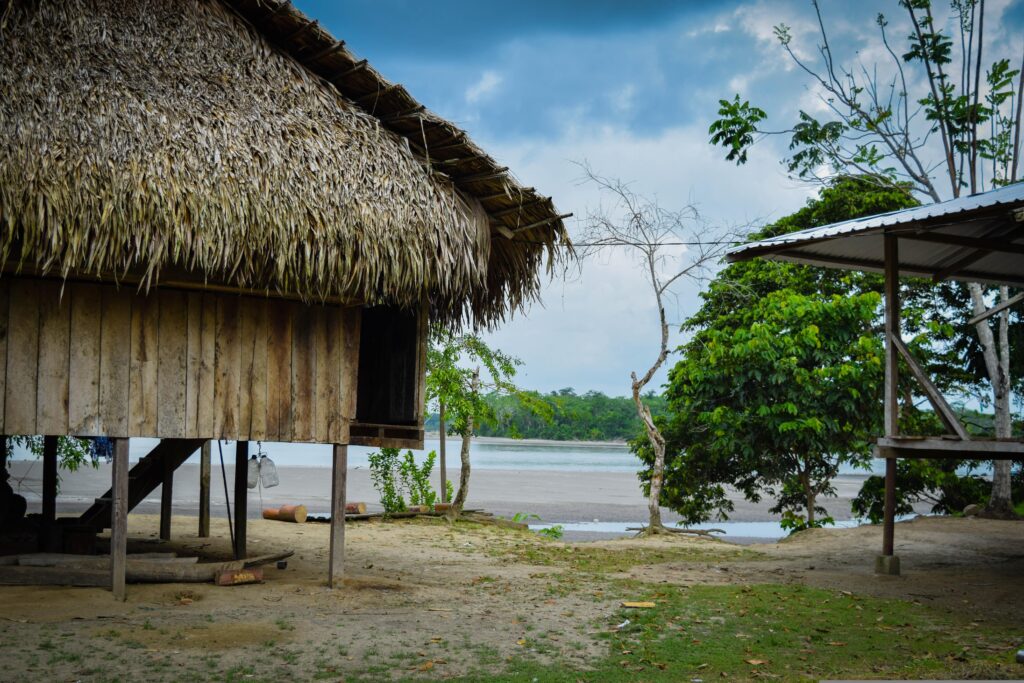
Accommodation in the reserve means thatched-roof eco-lodges built on stilts above the water, where the line between indoors and wilderness is paper-thin. Electricity is a brief evening luxury powered by solar panels, and the nocturnal soundtrack is strictly provided by tree frogs rather than Wi-Fi streams. You will spend your nights under a canopy of netting, listening to the river lap against the timber foundations. It is comfort stripped of pretence, designed for people who prefer the smell of cedar to air conditioning
Best places to stay in Cuyabeno / Immersive Amazon eco-lodges
Disconnect from the modern rush and wake up to the untamed rhythm of the rainforest
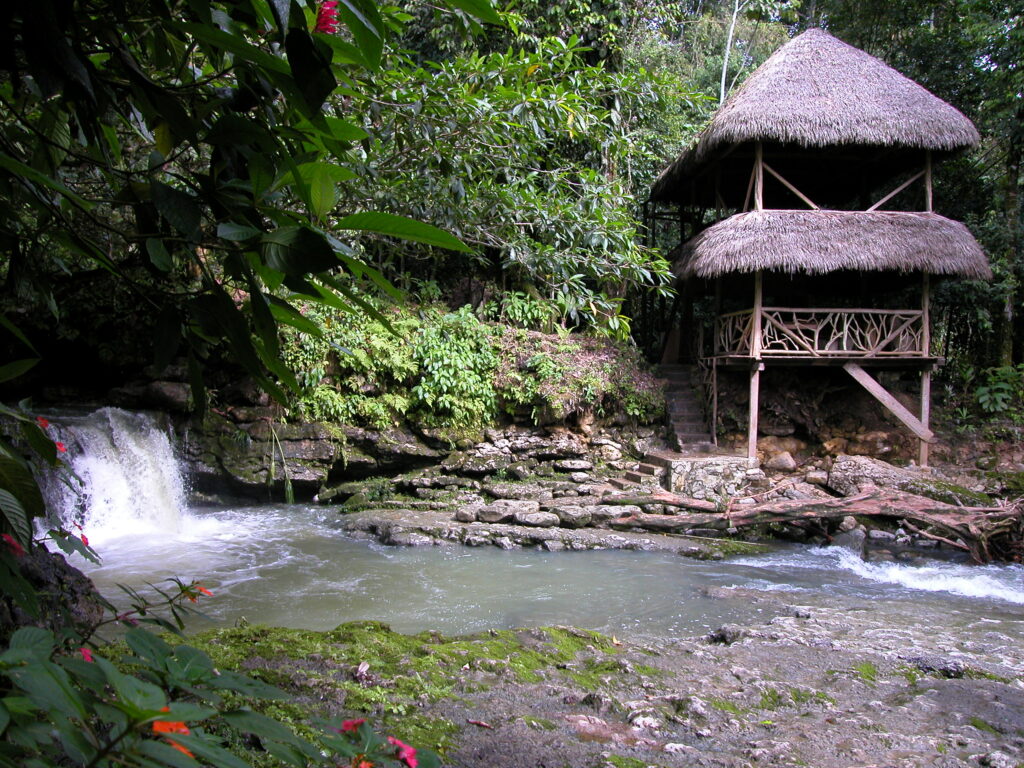
Best places to camp in Cuyabeno / Independent travel guide
Sleep where the wild world sets the pace and the river dictates the journey
Essential Ecuadorian Amazon logistics.
SIM cards
Packing
Insurance
Overlanding
What to eat and drink in Cuyabeno.
Dining in the reserve relies on what the rivers and forest edges yield, prepared without the complicated flourishes of city restaurants. You will likely be introduced to maito—fresh river fish seasoned with local herbs, wrapped tightly in bijao leaves, and grilled over open embers. Plantains appear in every guise from morning crisps to heavy evening stews, washed down with spiced teas brewed from guayusa leaves. It is sustenance designed for active days, keeping things simple, local, and remarkably fresh
Sustenance in the rainforest / A culinary guide to Cuyabeno
Uncover ancestral ingredients and forest-to-table traditions
When to visit Cuyabeno.
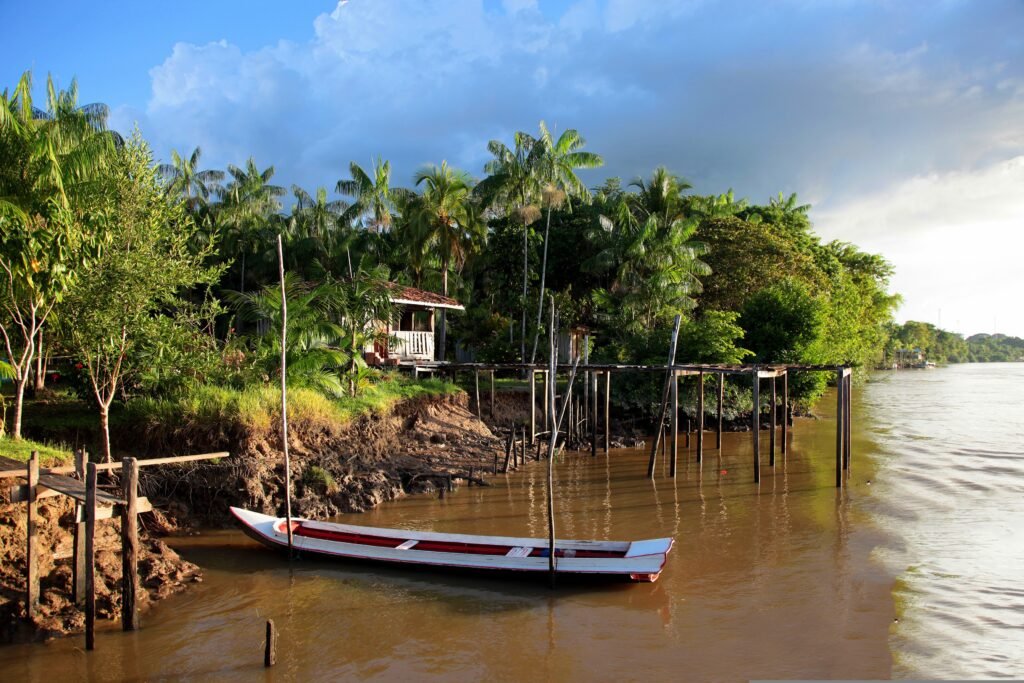
The Amazon does not do dry seasons; it merely alternates between wet and slightly wetter. Between December and March, the waters recede, turning some navigable creeks into muddy tracks and packing the wildlife into the remaining pools. The rest of the year floods the forest floor, allowing canoes to glide effortlessly between the tree trunks where monkeys feed. Pack a reliable poncho, accept that your boots will never truly dry, and choose your months based on whether you prefer walking or paddling
The pulse of the jungle / When to visit the Ecuadorian Amazon
Finding the rhythm of the rainforest
Is Cuyabeno safe?
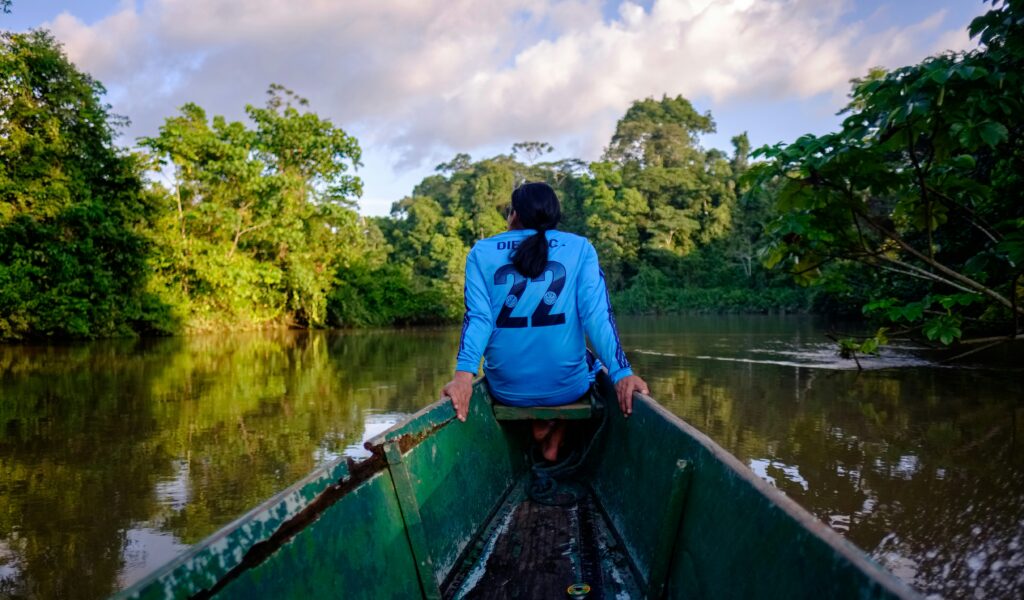
The wildlife is rarely the issue, provided you keep your fingers inside the boat and check your boots for arachnids before putting them on. Navigating the reserve requires a licensed guide, less for protection from jaguars and more because the labyrinth of blackwater creeks is exceptionally easy to get lost in. Transit towns like Lago Agrio demand standard urban vigilance regarding your luggage, but once you are on the river, the isolation serves as its own security. Exercise common sense, respect the local community guidelines, and the jungle will treat you well
Navigating the Amazon / A complete guide to safety in Cuyabeno, Ecuador
Deep in the rainforest, peace of mind is found through preparation
The history of Cuyabeno.
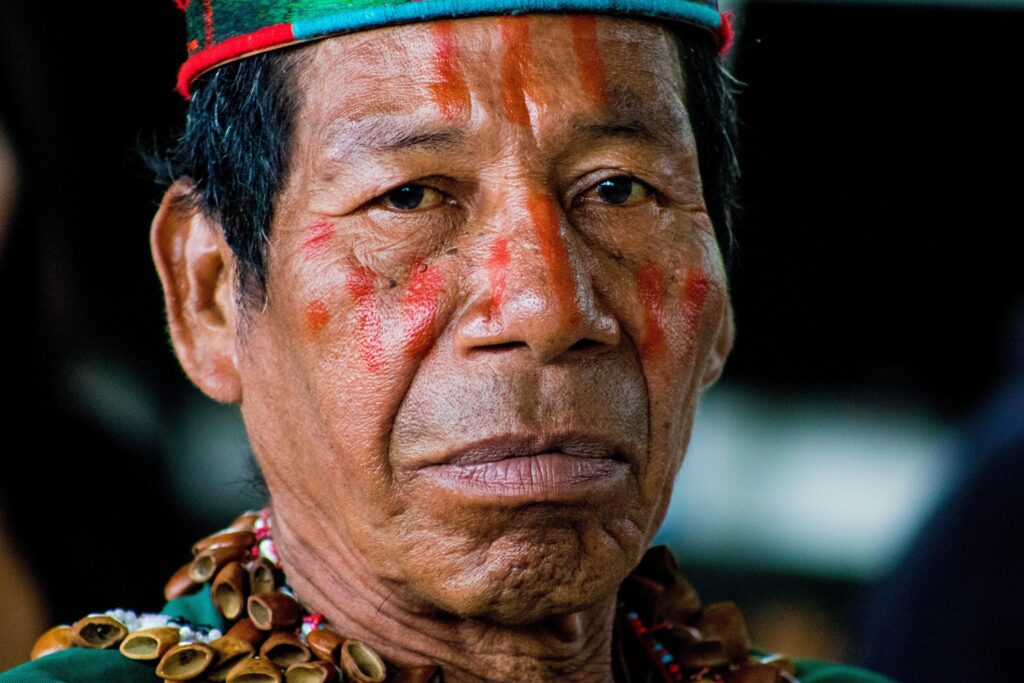
Established in 1979, the reserve was created to protect a delicate network of lagoons, though its borders have long been tested by the realities of oil extraction. It remains the ancestral territory of the Siona, Secoya, and Cofán peoples, whose struggle for land rights shaped the region’s modern conservation framework. The architecture of the forest itself is ancient, but the political landscape is entirely contemporary. Understanding Cuyabeno means acknowledging this ongoing tension between pristine ecology and industrial ambition
Exploring the flooded history of the Ecuadorian Amazon
A historical guide to the Cuyabeno Wildlife Reserve, indigenous communities, and eco-tourism in Ecuador
Ecuadorian cycling culture.
Transitioning from the Amazonian lowlands to the Andean spine reveals an incredibly fierce, quiet pride in Ecuadorian cycling. The regional landscape is defined by brutal, unpaved switchbacks and massive altitude gains that have forged world-class climbers accustomed to thin air. Do not expect polished cycling lanes; instead, you will find a culture of profound resilience where local riders share the mountain roads with rural buses, fueled by plates of locro de papa at high-altitude mountain passes
Epic cycling in Ecuador
The ultimate guide to cycling in Ecuador / Routes, culture, and infrastructure
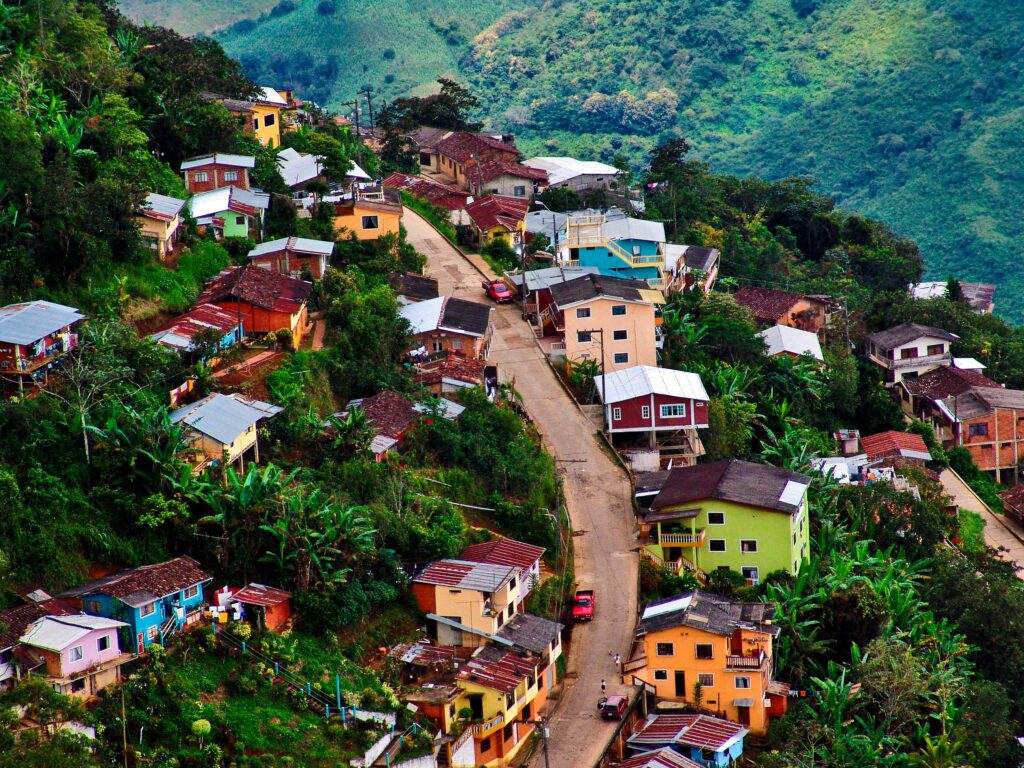
Driving culture and road safety

Driver attitudes, road traffic statistics, and road safety laws for cyclists
Cycling laws in Ecuador

Everything you need to know about cycling laws and regulations in Ecuador
Ecuador’s cycling history
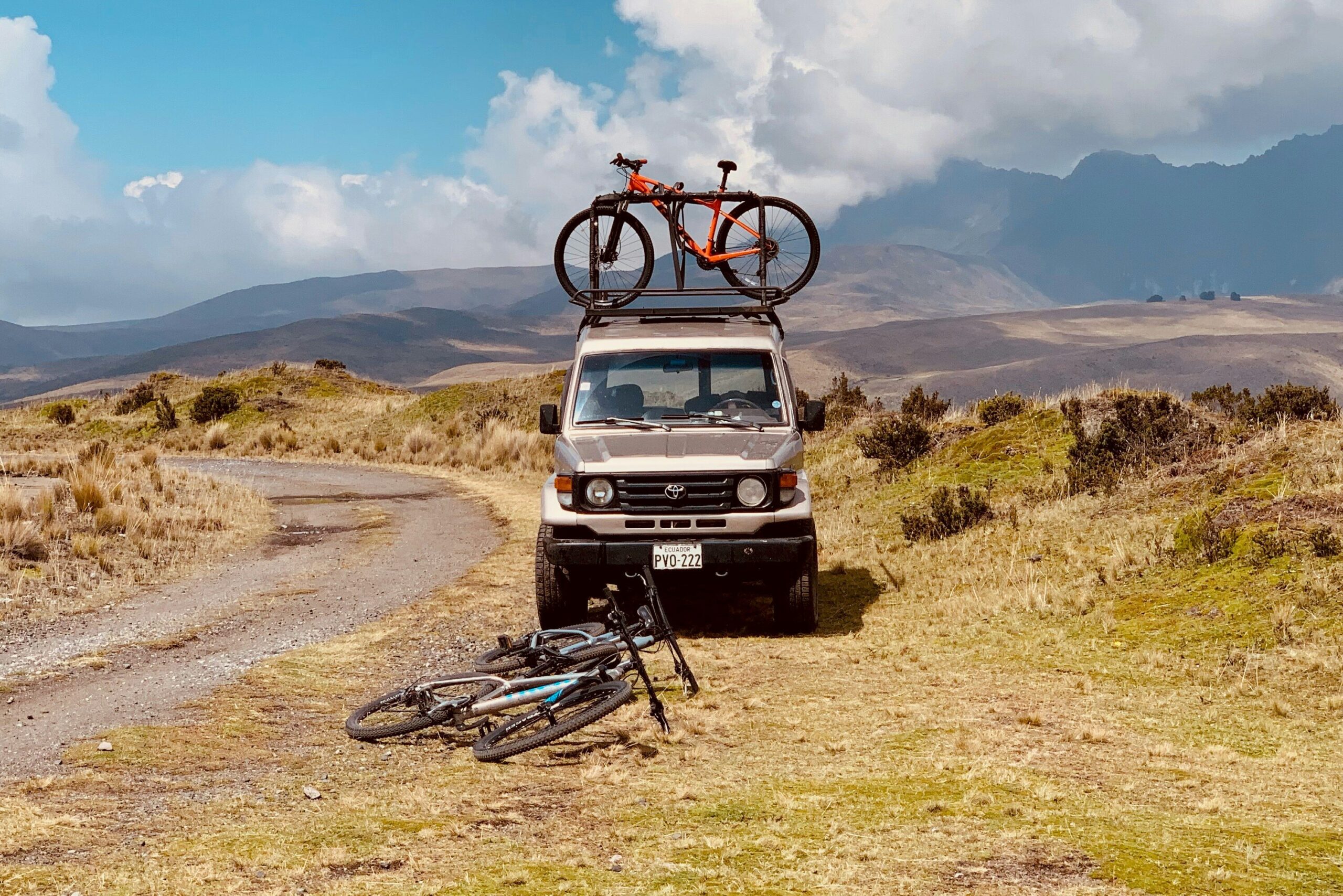
A guide to the cycling history, bicycle culture, and bike routes
Everything we’ve written about Cuyabeno.
Best Cuyabeno multi-day tours of the Amazon
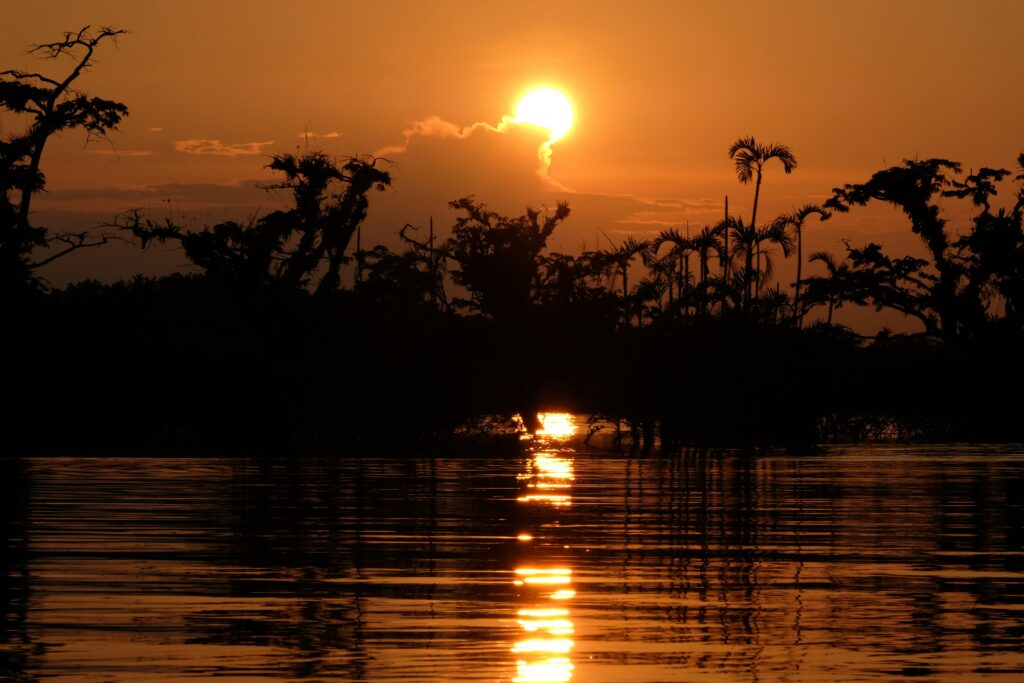
First-time guide to Cuyabeno Wildlife Reserve | Independent travel tips
Foods to try in Cuyabeno: A guide to Amazonian gastronomy
The history of Cuyabeno Wildlife Reserve: Ecuador’s flooded Amazon
Is Cuyabeno safe? Your 2026 Amazon safety guide
Best places to stay in Cuyabeno: Immersive Amazon eco-lodges
Best places to camp in Cuyabeno | Independent travel guide
Independent guide to Cuyabeno Wildlife Reserve
The best things to do in Cuyabeno: A guide to Ecuador’s flooded forest
Ecuador.
Pure wonder on the equator.