
The Galápagos Islands
Things to do on the Galápagos Islands.
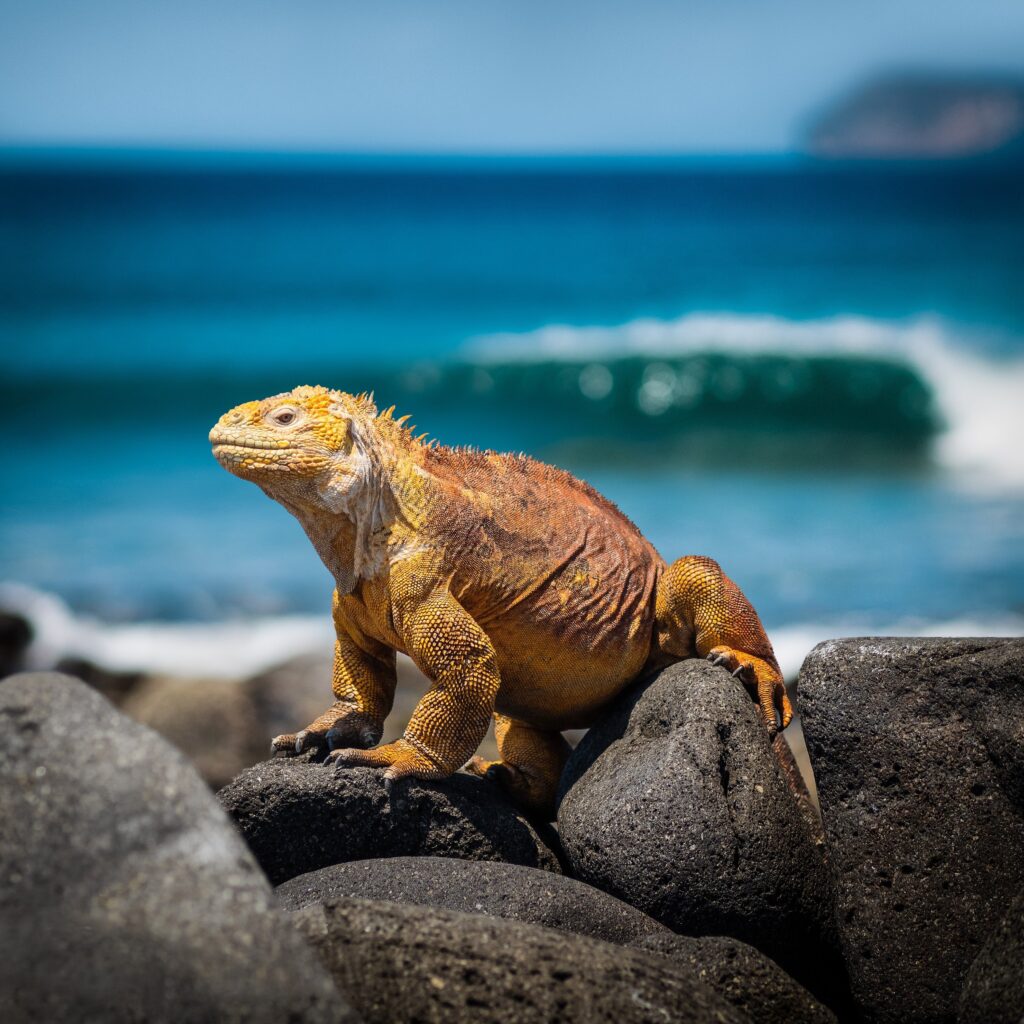
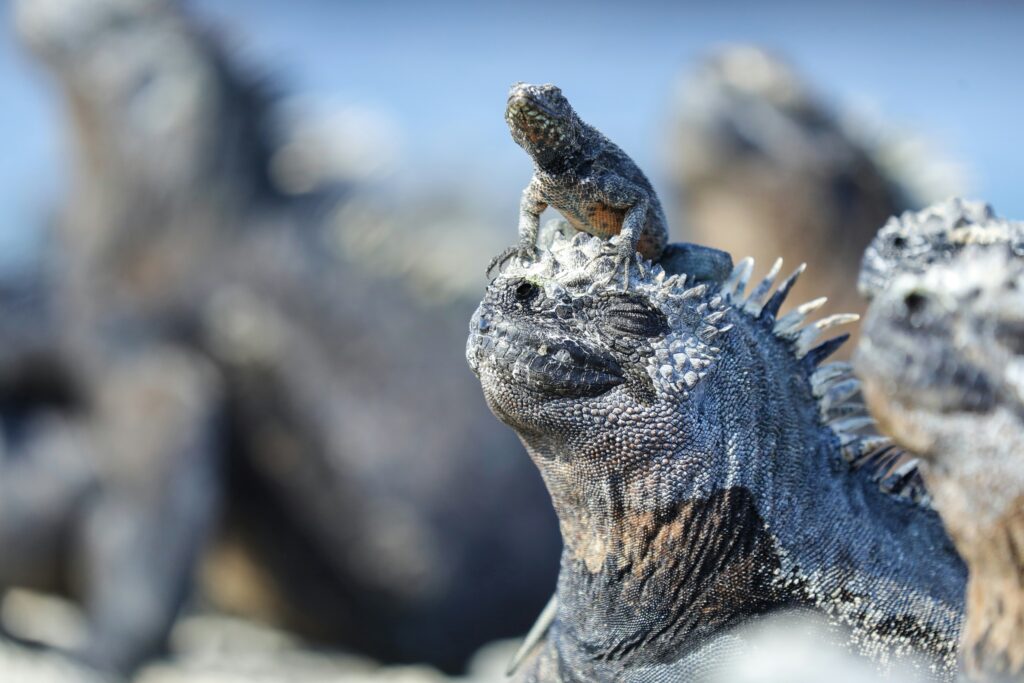
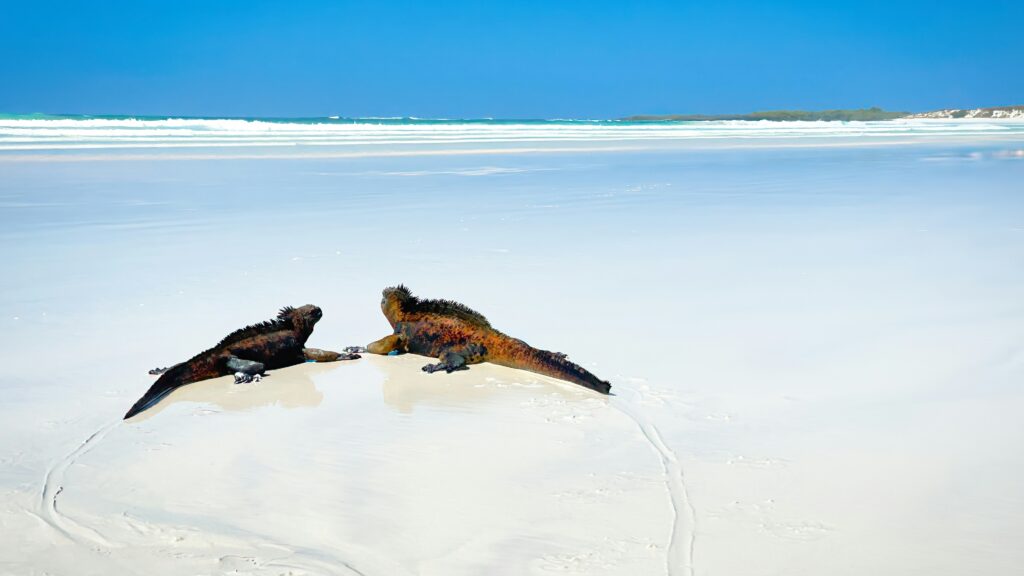
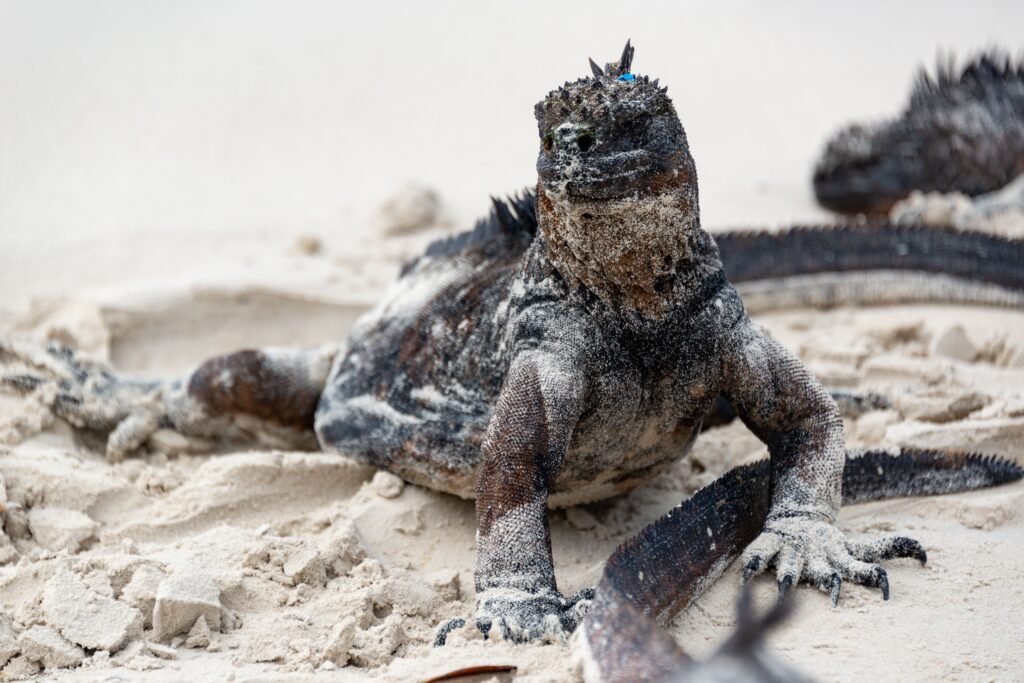
The archipelago is less of a zoo and more of a lesson in prehistoric patience. Spend your morning watching marine iguanas sneeze salt onto volcanic basalt while you wait for the humidity to break. It is best navigated by foot or slow boat, preferably ending at a research station that values Darwinian science over kitschy photo ops
First-timer tips for the Galápagos Islands / How to skip the cruise and see it on your own terms
Chart your own course through Ecuador’s volcanic wonderland
Unveiling the Galápagos Islands / A guide to the archipelago’s greatest wonders
Discover the untamed beauty of Ecuador’s most famous islands
The independent guide to the Galápagos’ hidden gems
Discover the best Galápagos hidden gems and secret spots for independent travel
The best Galápagos tours and activities.
Multi-day tours
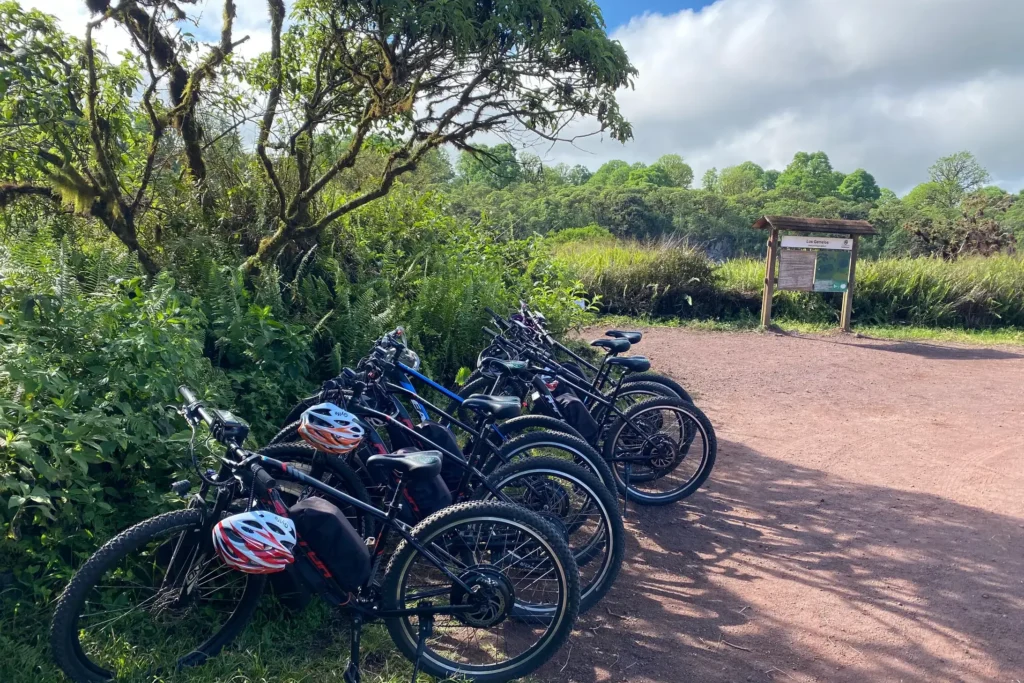
Bike tours
Day tours
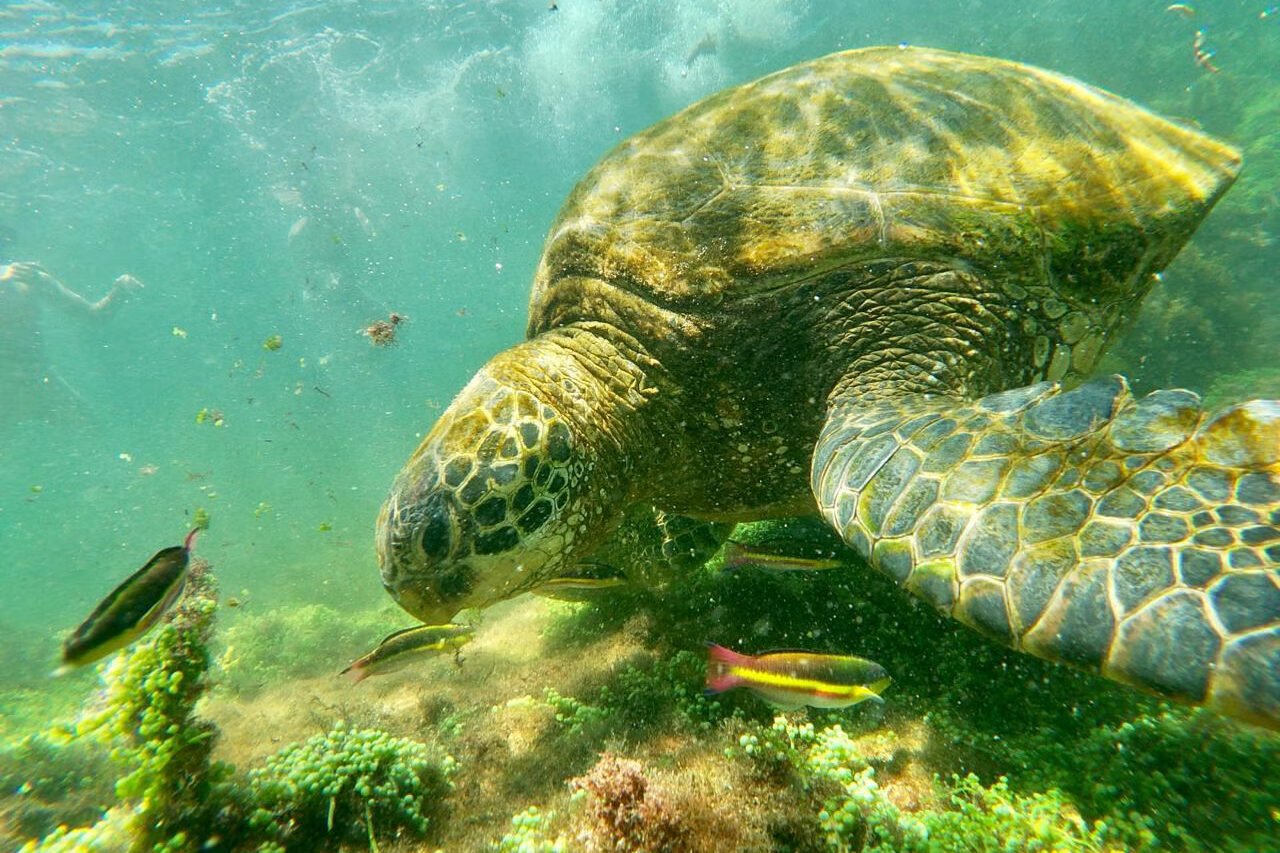
Attractions
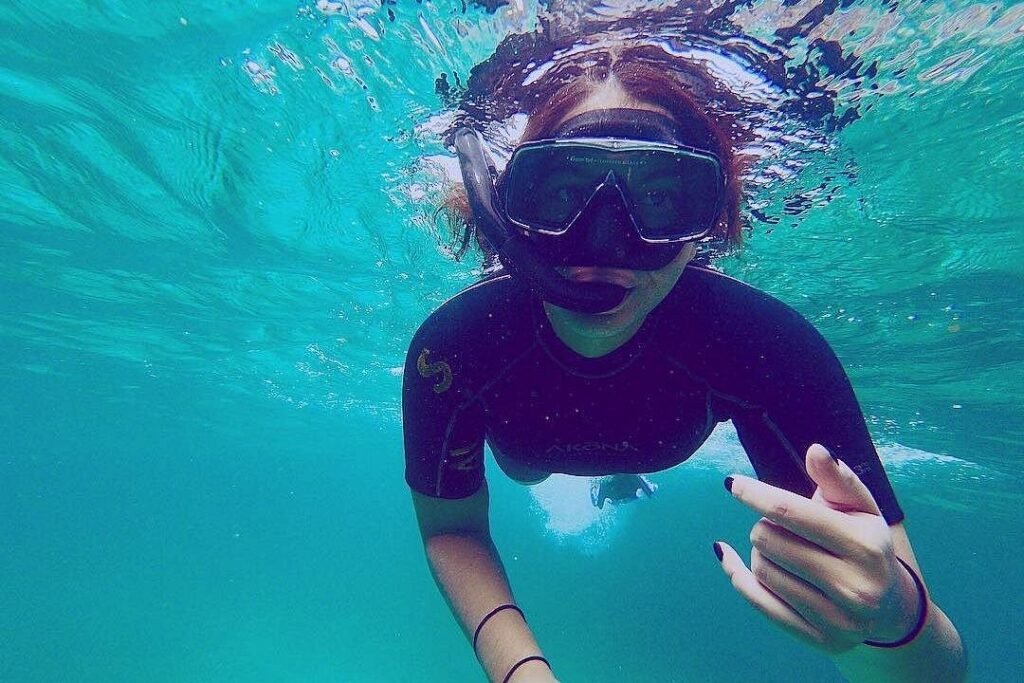
Boat tours
Bus tours
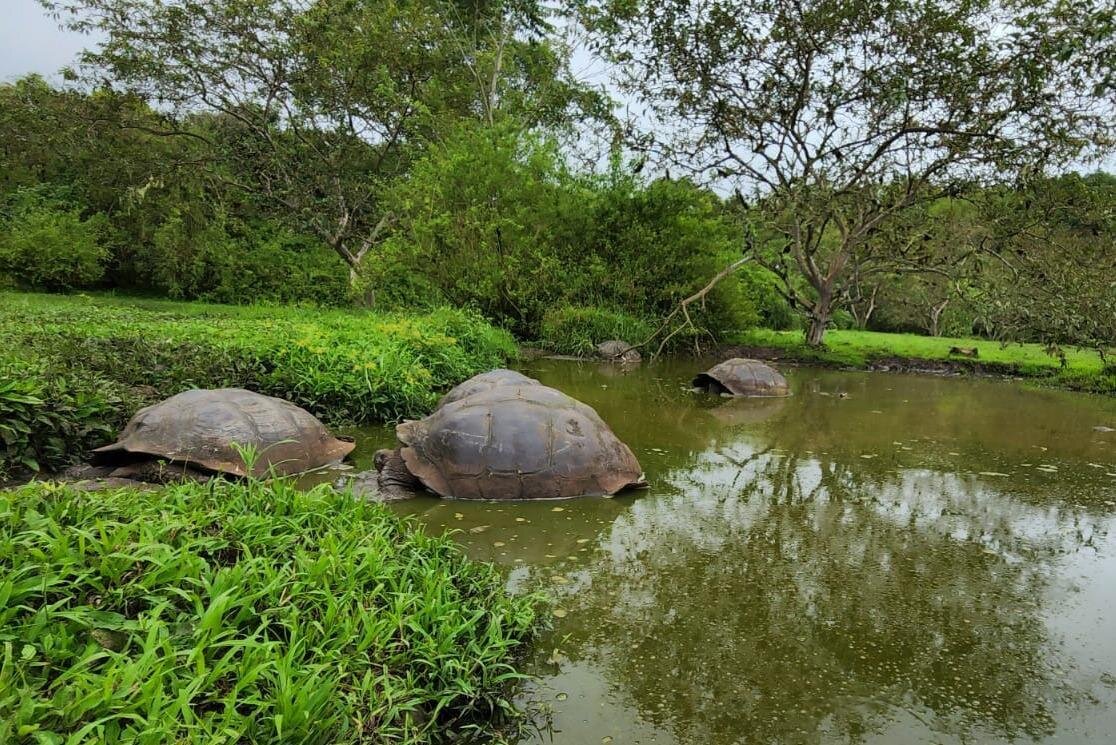
Santa Cruz
Where to stay on the Galápagos Islands.
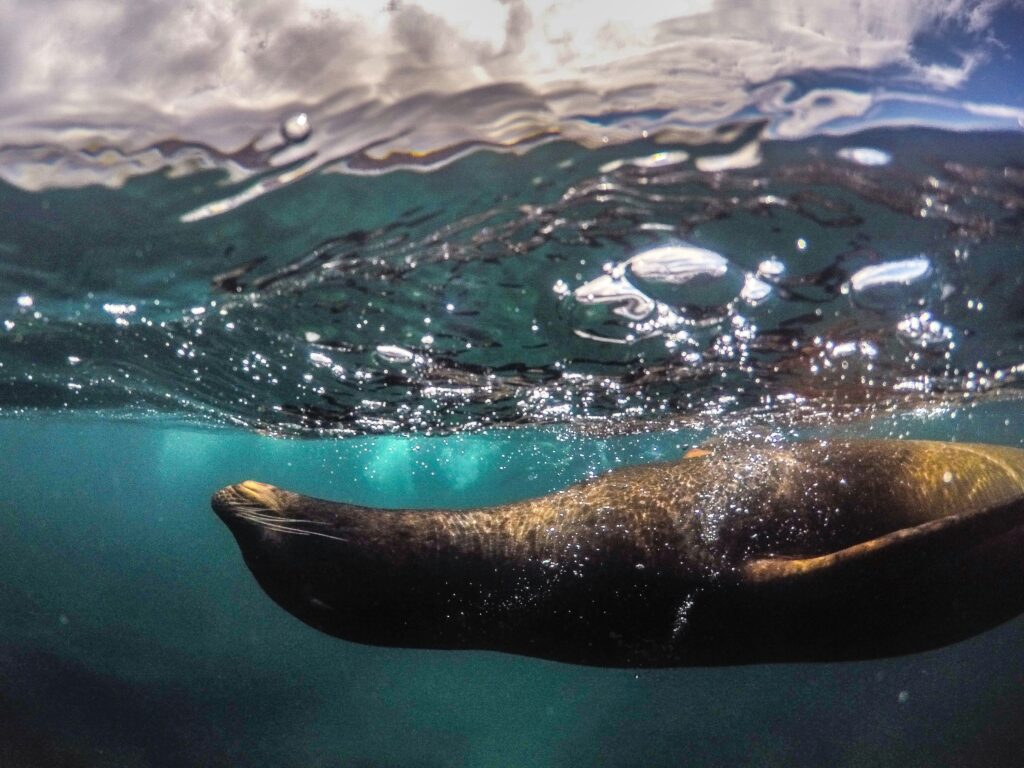
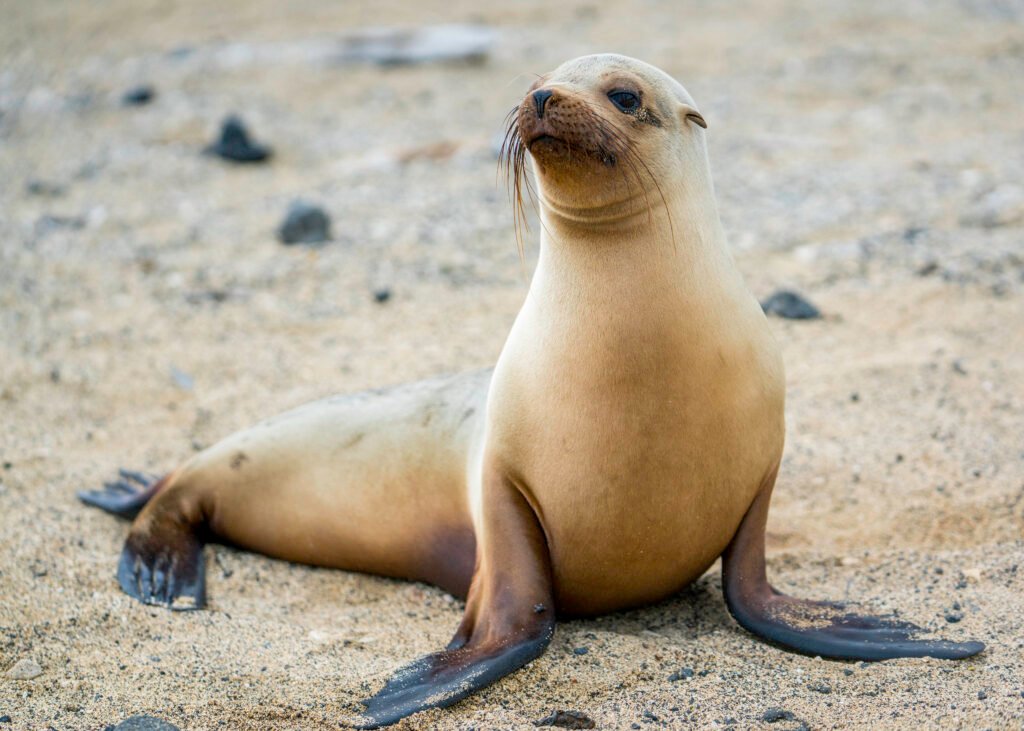
Avoid the cruise ships that feel like floating malls; the real rhythm is found in low-slung, concrete-cool boutiques on Santa Cruz or Isabela. Look for mid-century brutalist influences or simple eco-lodges where the only morning alarm is the sound of a sea lion claiming your patio furniture. It’s about having a front-row seat to the Pacific without the buffet line
Where to stay in the Galápagos Islands / An independent traveller’s guide
Escape rigid itineraries and embrace the islands‘ wild rhythm
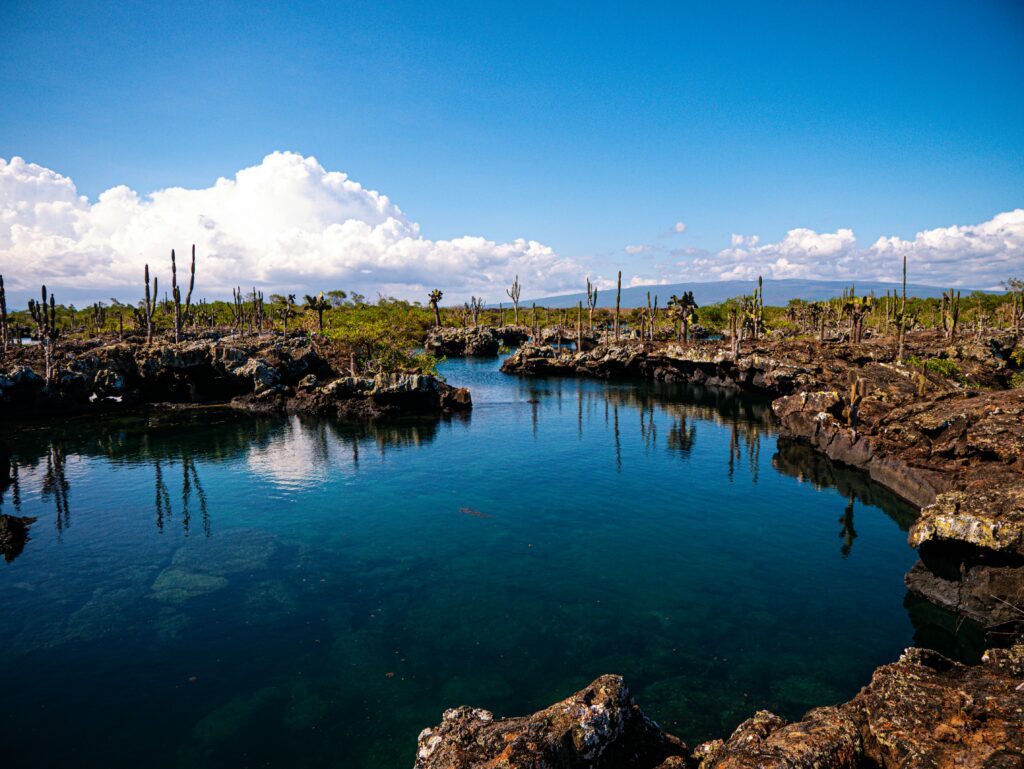
Wild nights and local bites / The independent traveller’s guide to camping on the Galápagos
Experience the untamed beauty of the islands at your own pace
San Cristóbal
What to eat on the Galápagos Islands.
Island cooking is entirely reliant on what the local fleet lands each morning, far removed from the complex supply chains of the mainland. Finding an authentic meal means turning your back on the cruise-liner buffets and tracking down a street-side picantería in Puerto Ayora for biche de pescado—a thick, deeply comforting peanut and plantain stew packed with fresh white fish. If the season is right, locals spend their evenings over plates of langosta en salsa de mariscos, where the sweet ocean harvest is simmered simply with garlic and local herbs. Wash it down with a cold juice made from tomate de árbol to cut through the salt air and heavy humidity
The culinary evolution of the archipelago / What to eat on the Galápagos
How volcanic soil and Pacific currents shaped the archipelago’s unique culinary identity
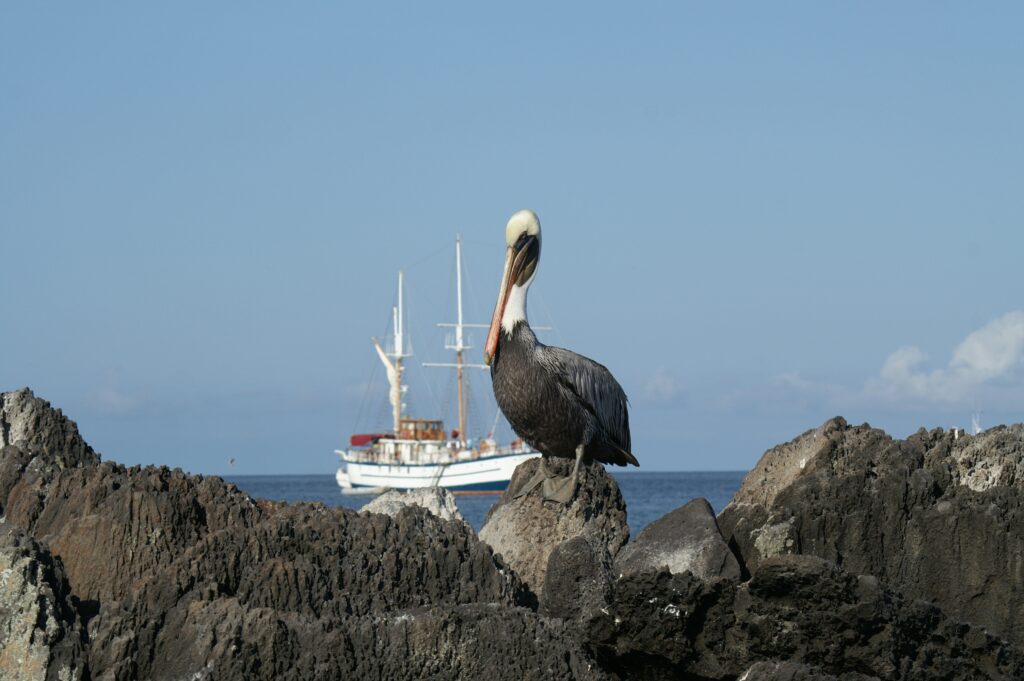
Isla Floreana
Essential Ecuador logistics.
SIM cards
Packing
Insurance
Overlanding
Where to eat and drink on the Galápagos Islands.
The nightly transformation of Puerto Ayora’s streets into open-air dining rooms is the only spectacle that matters. Sit on a plastic chair, order the brujo fish grilled over charcoal, and wash it down with a Pilsener that is colder than the Humboldt Current. If a place has a laminated menu with pictures of burgers, keep walking until you smell woodsmoke and cilantro
Looking past the wildlife / The ultimate Galápagos culinary guide
Grab a secluded table by the sea and taste the archipelago
Best bars in the Galápagos Islands / Where independent travellers drink well
Sip your way across the archipelago
The best coffee in the Galápagos Islands
Volcanic brews and tortoise-friendly beans
When to visit the Galápagos Islands.
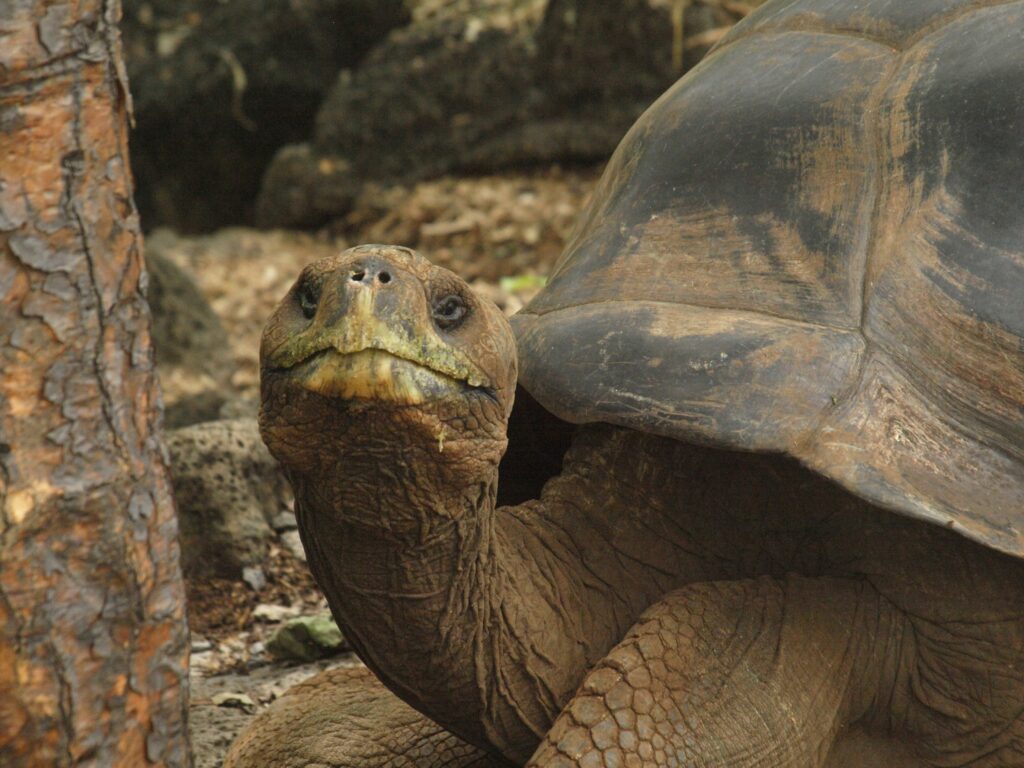
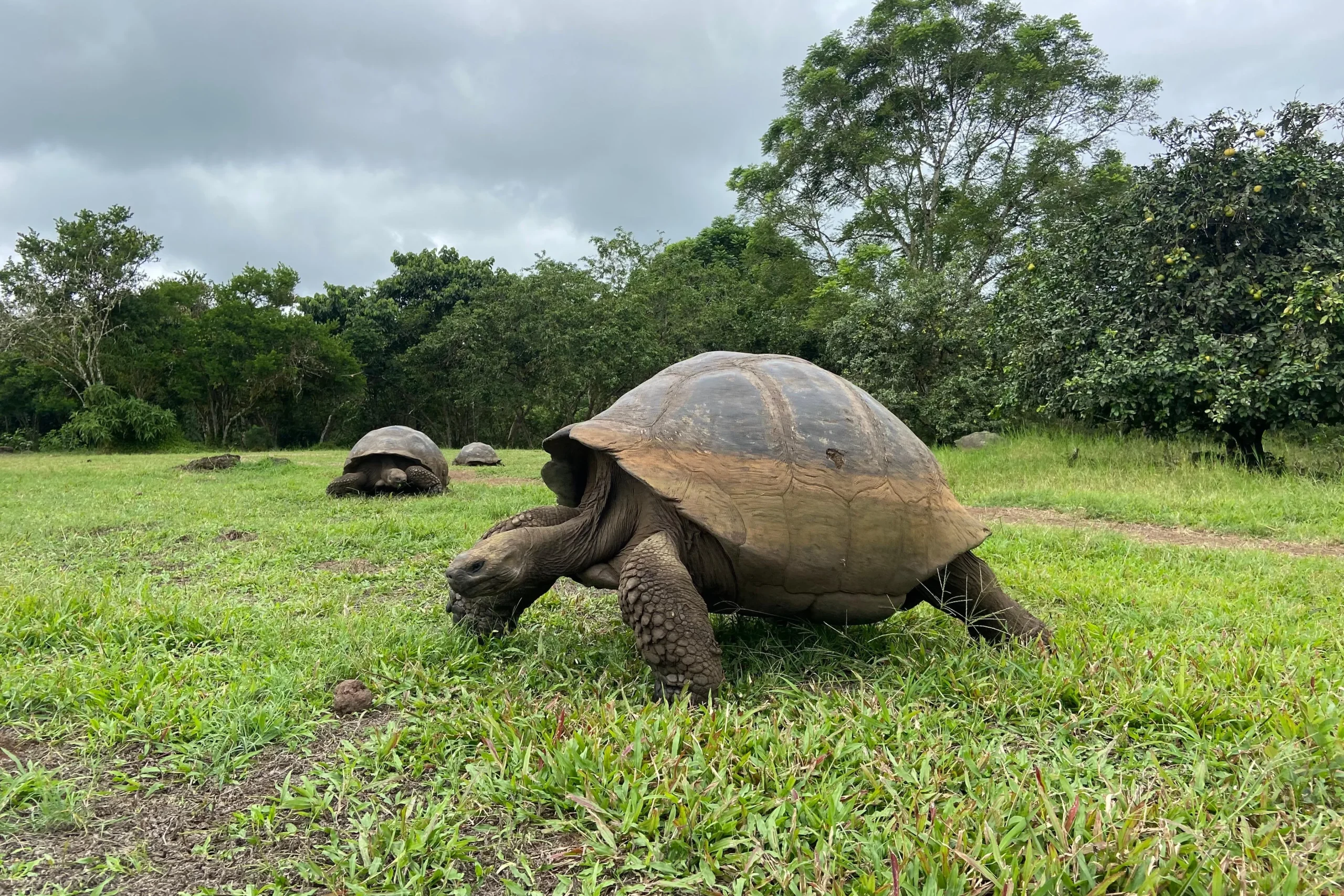
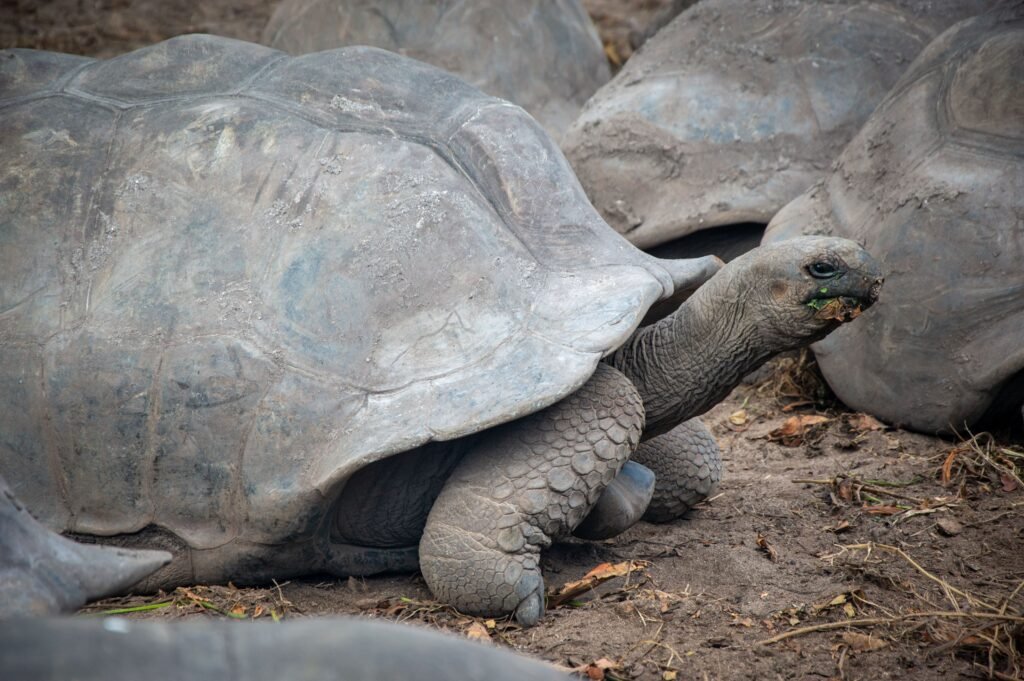
Between June and November, the garúa mist rolls in, turning the highlands into a moody, Andean-adjacent landscape. This is the season for those who appreciate the subtler palette of greys and the sight of giant tortoises navigating the mud. The water is bracing, the sky is matte, and the crowds are blissfully elsewhere
Decoding the Galápagos / A month-by-month guide to Ecuador’s Enchanted Isles
Uncover the rhythm of the archipelago and time your voyage to perfection
Are the Galápagos Islands safe?
Violent crime is practically non-existent across the inhabited ports, where the pace of life feels closer to an isolated fishing village than a global tourism hub. The real hazards are environmental and physiological, requiring a respect for the equatorial sun and the unpredictable Pacific currents rather than a locked bag. Independent travellers navigating the islands by public ferry or bicycle need to watch for sudden dehydration on the volcanic trails and keep a respectful distance from the wildlife that owns the paths. It is a place where safety means checking your tide charts and carrying extra water canisters, leaving the urban anxieties of the mainland entirely behind
Exploring the Galápagos / Your ultimate safety guide
Travel through paradise with complete peace of mind
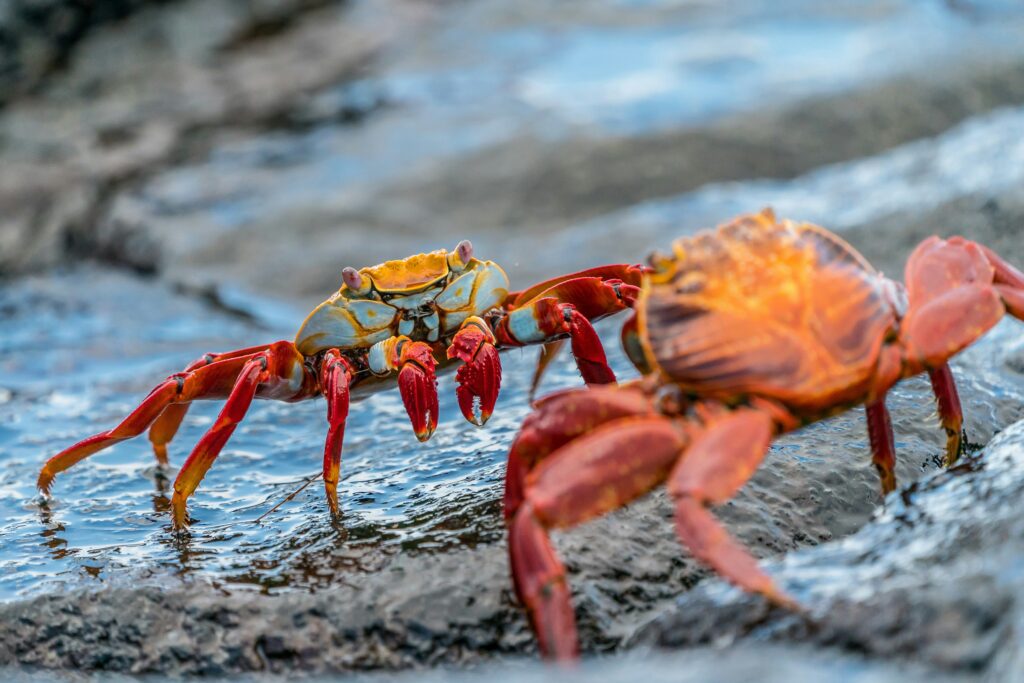
The history of the Galápagos Islands.
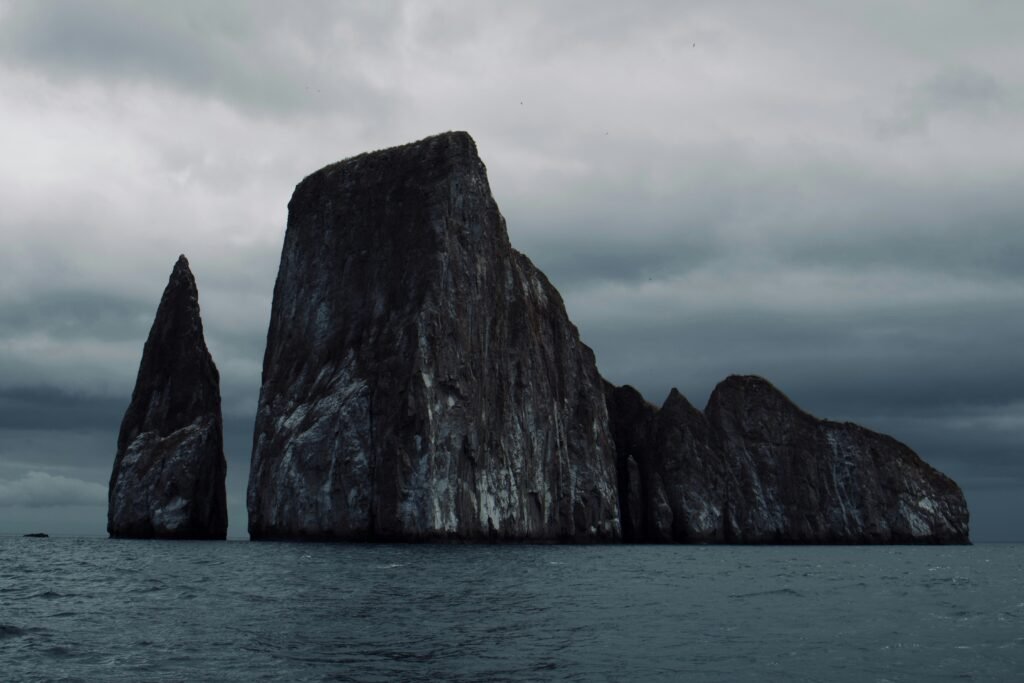
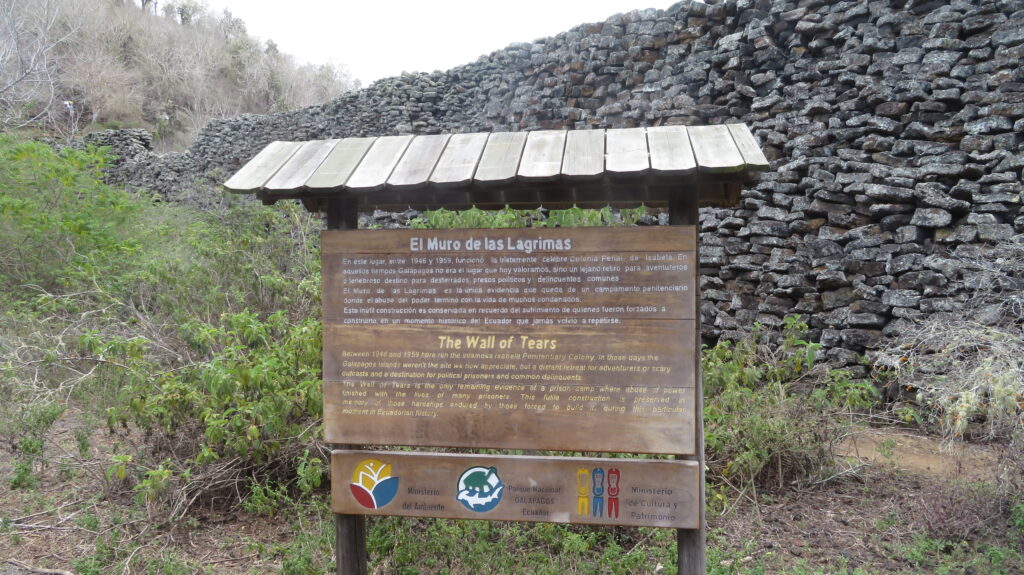
Long before the Galápagos Islands became synonymous with scientific observation, this volcanic archipelago served as a lawless sanctuary for Pacific pirates and British whalers seeking fresh water and giant tortoises. The human history is a strange, fragmented chronicle of failed penal colonies, eccentric European utopian settlements, and rugged Norwegian fishing experiments that all struggled against the harsh, black basalt landscape. The architecture of the older ports still reflects this utilitarian survival, where low-slung concrete and timber buildings look completely indifferent to the surrounding natural wonders. It is an outpost shaped by isolation, where humanity has only ever managed to establish a tentative, fragile foothold on the edge of the world
Footprints in the volcanic dust / A history of the Galápagos for the modern explorer
Chasing the ghosts of pirates and naturalists across the archipelago
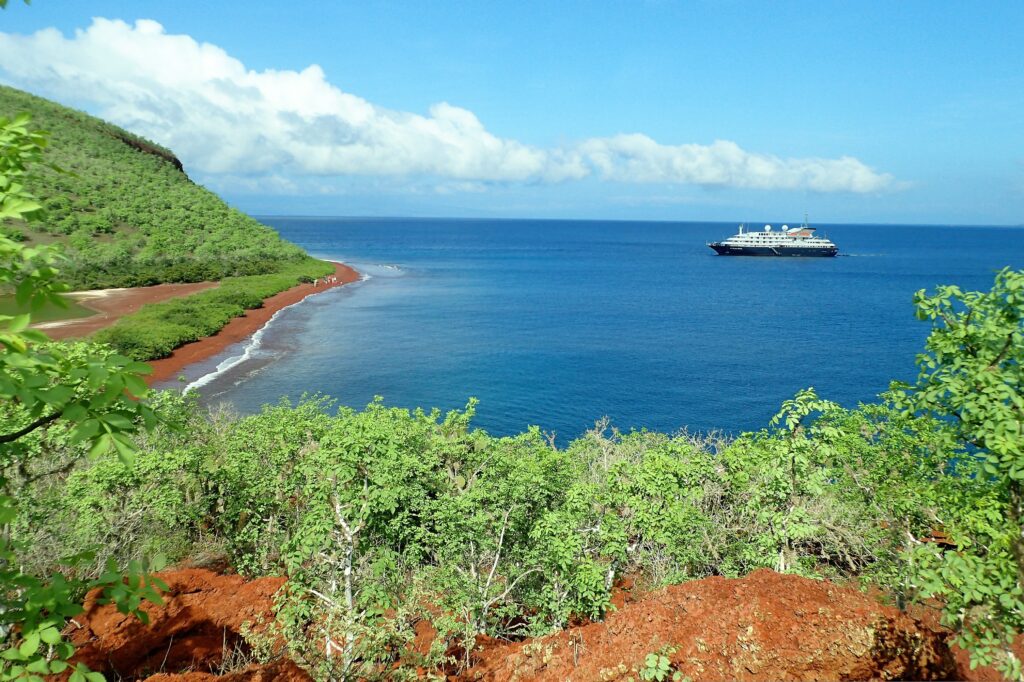

How five weeks in the Galápagos changed our understanding of life on Earth
A journey that inspired the theory of evolution by natural selection
Ecuadorian cycling culture.
In Ecuador, the bicycle is a tool for the brave and the lung-strong, especially when tackling the switchbacks of the Avenue of the Volcanoes. On the islands, the pace slackens to a crawl, favouring heavy-framed cruisers that can handle a bit of sand and salt spray. It is less about aerodynamics and more about the dignity of moving through a landscape at the same speed as the local wildlife
Epic cycling in Ecuador
The ultimate guide to cycling in Ecuador / Routes, culture, and infrastructure
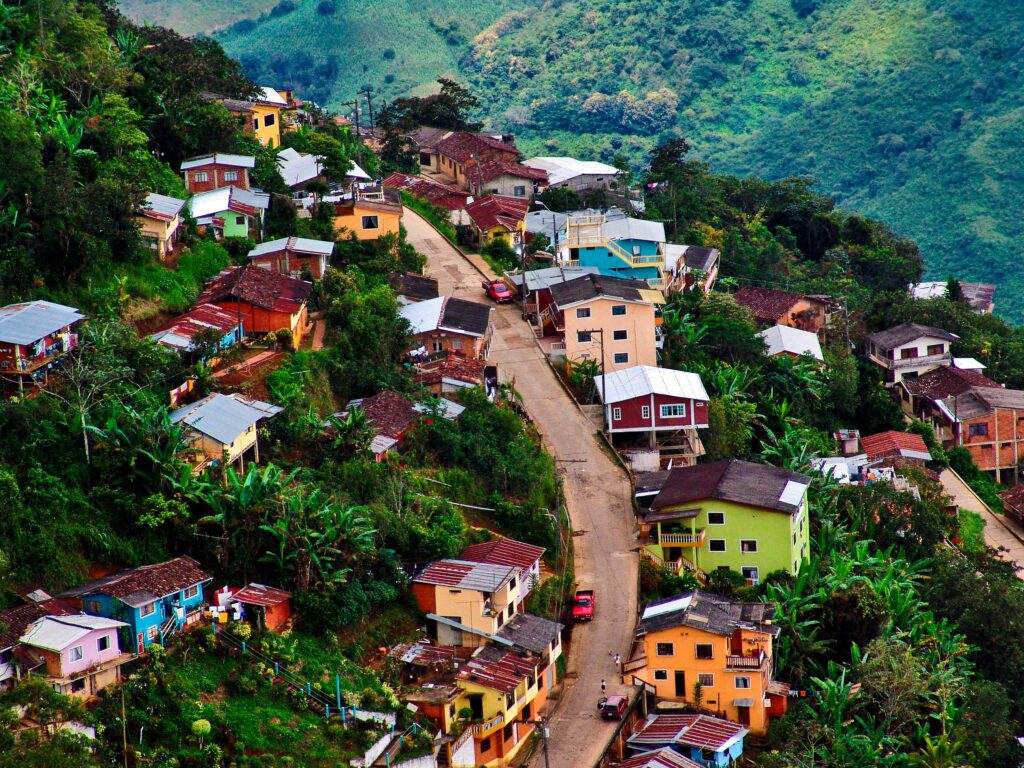
Driving culture and road safety

Driver attitudes, road traffic statistics, and road safety laws for cyclists
Cycling laws in Ecuador
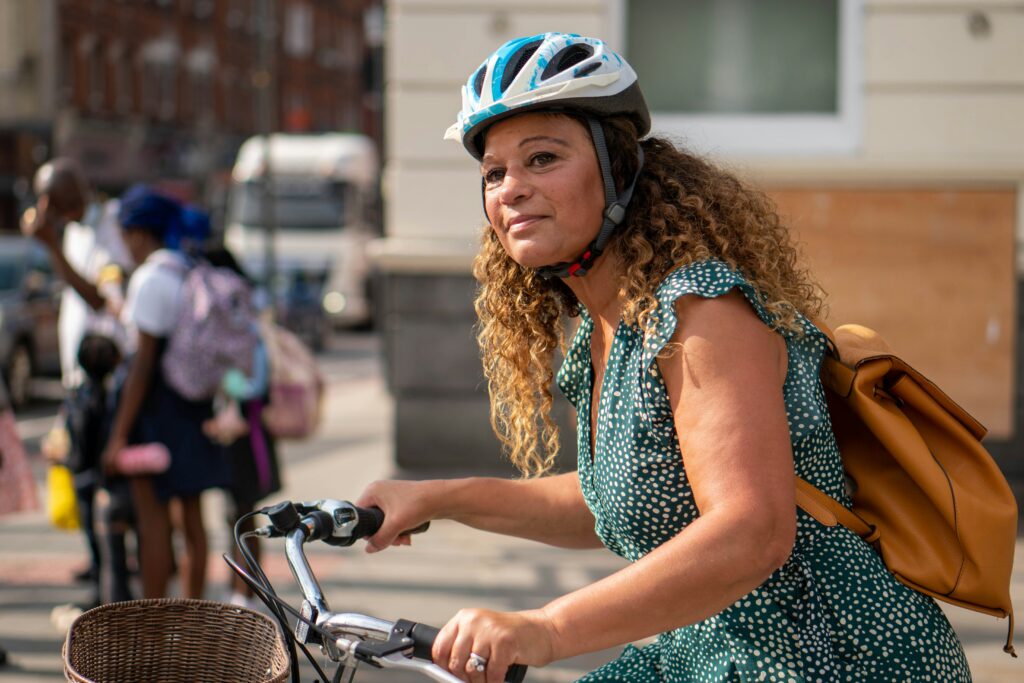
Everything you need to know about cycling laws and regulations in Ecuador
Ecuador’s cycling history
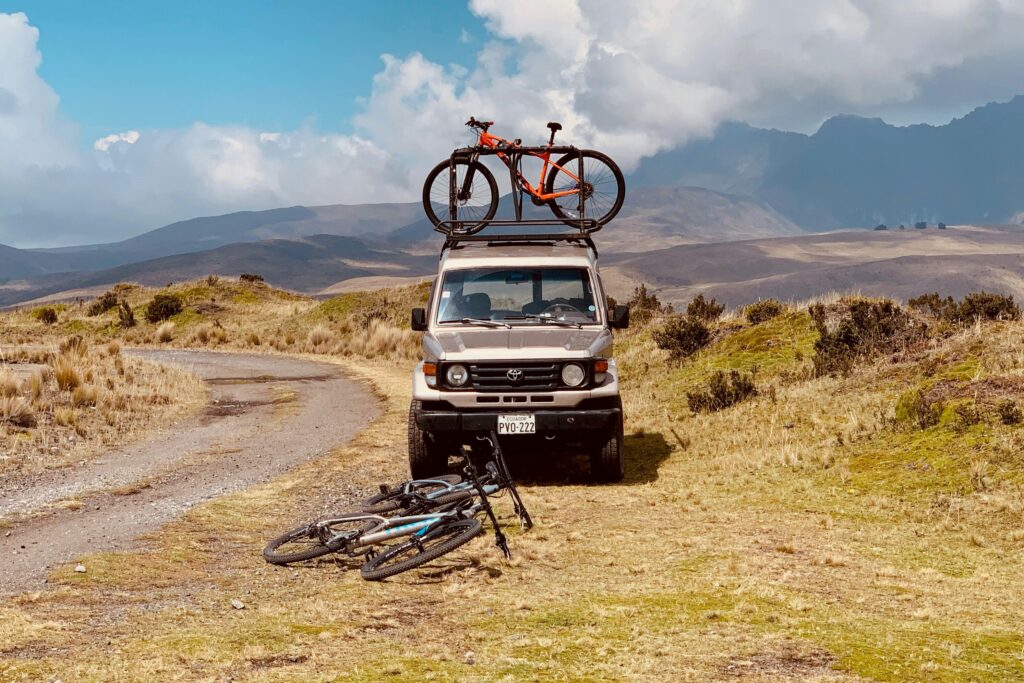
A guide to the cycling history, bicycle culture, and bike routes
Everything we’ve written about the Galápagos Islands.
Charles Darwin and the Galápagos Islands: The history of a revolution
Isla Isabela bike tours: Best Galápagos cycling guides
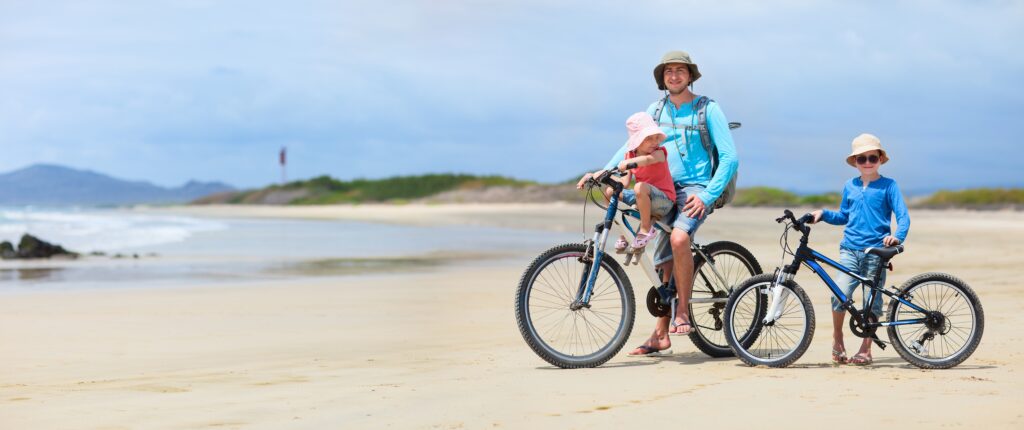
Best Restaurants in Floreana, Galápagos: Where to Eat in Puerto Velasco Ibarra
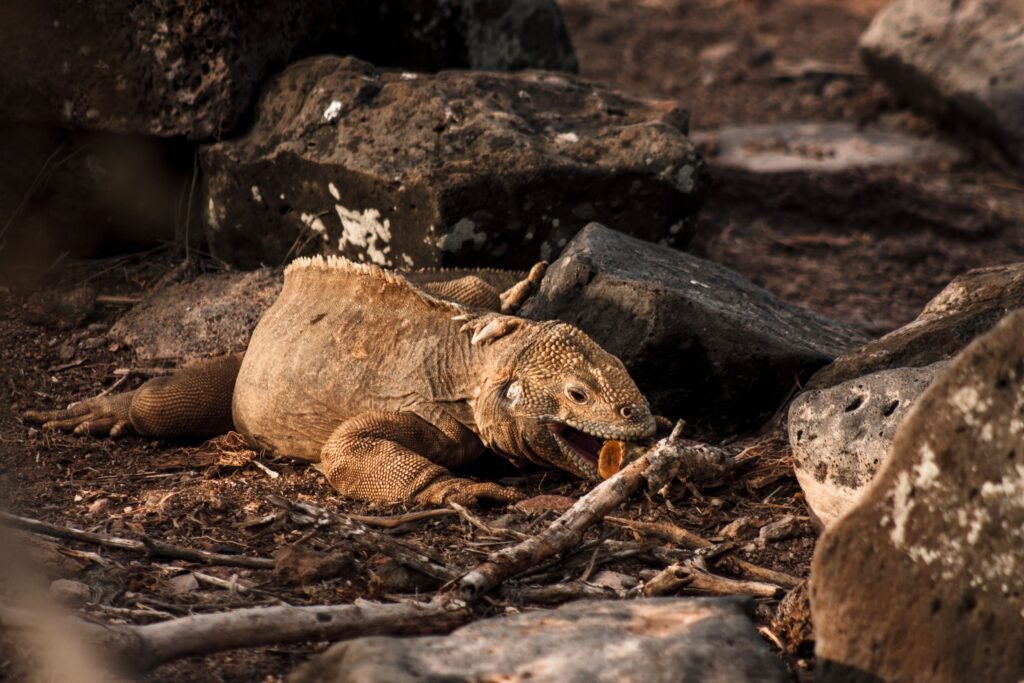
History of Floreana Island: Pirates, Darwin, and the Galápagos mystery
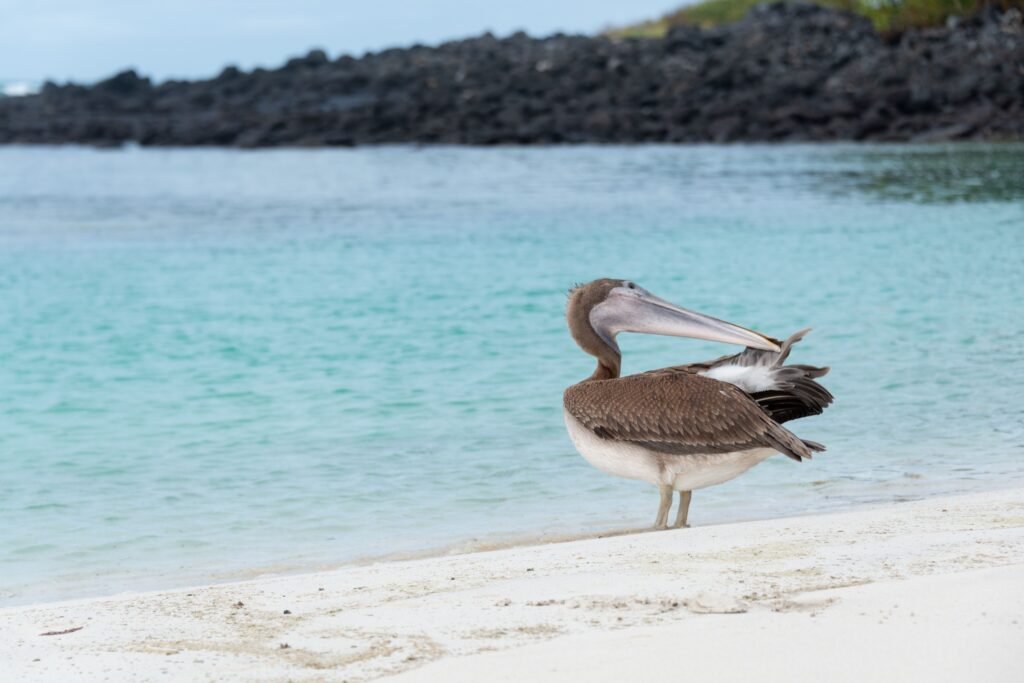
Best Santa Cruz tours & tickets: Top 6 bookable sites on the Galápagos
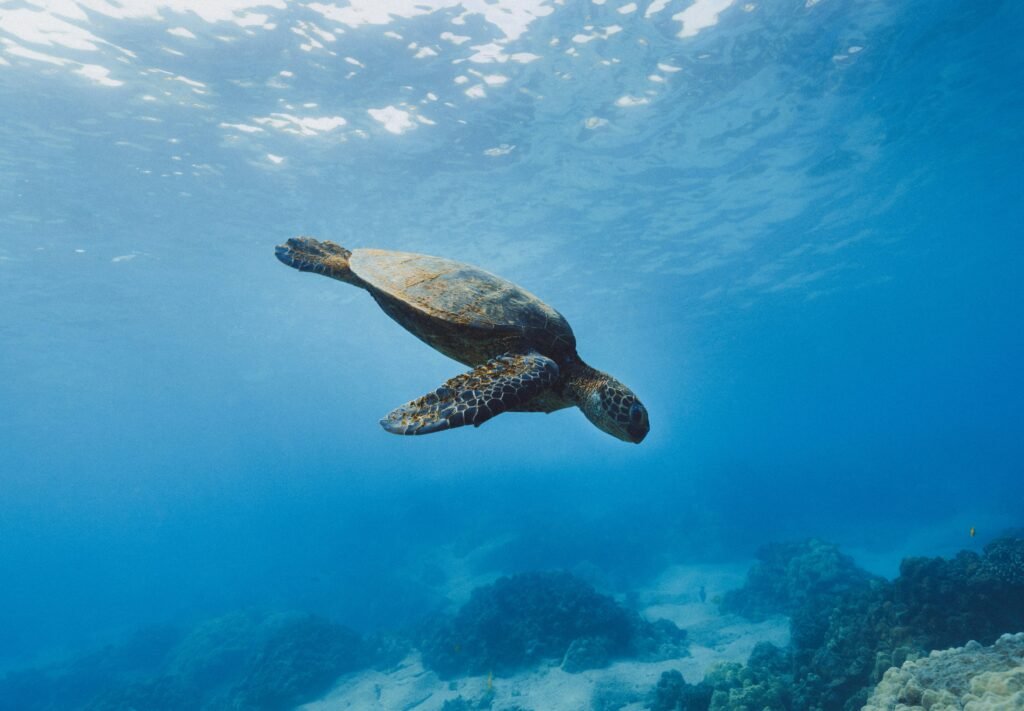
The best campsites on Isla Isabela, Galápagos
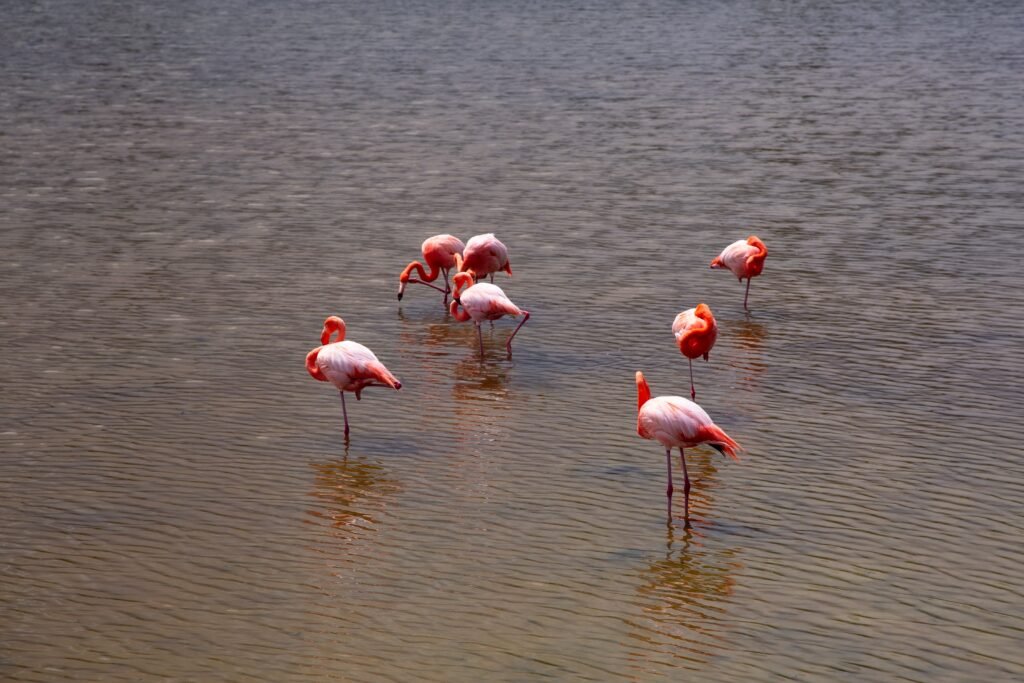
Best Isla Isabela walking tours 2026
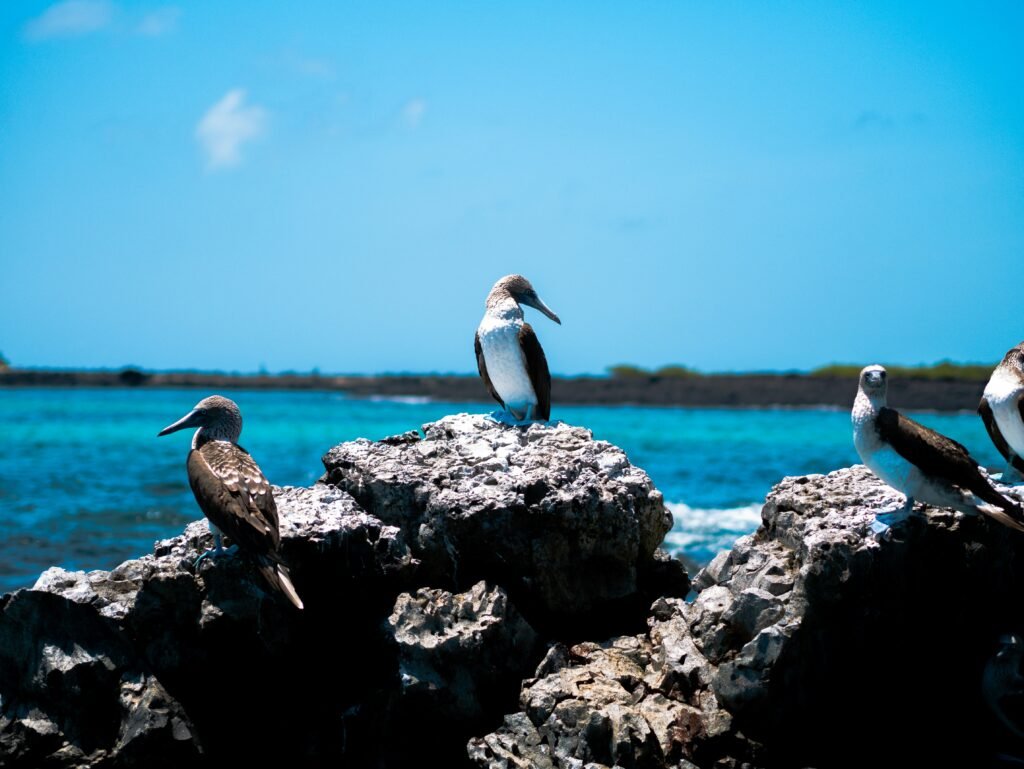
Santa Cruz travel safety guide to the Galápagos 2026
Best places to stay in Santa Cruz, Galápagos | Independent travel guide
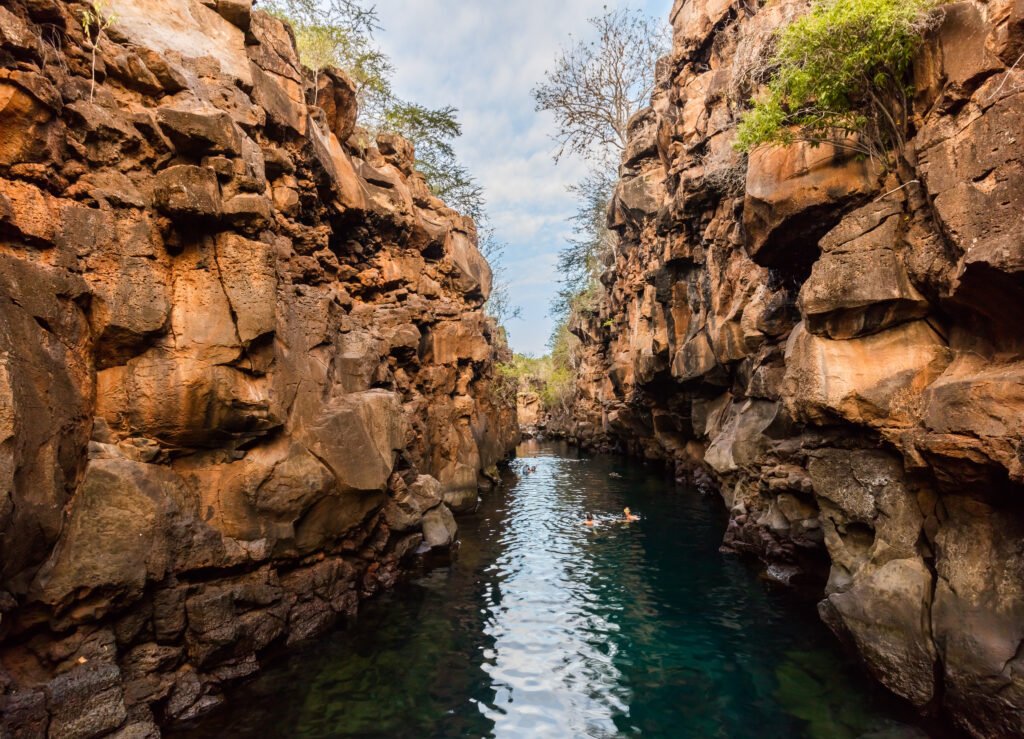
Best bars in the Galápagos Islands: A guide to local craft beer & cocktails
History of Isla Isabela: Volcanoes, Darwin & penal colonies
Best bars in Isla Isabela, Galápagos: Where to drink well in Puerto Villamil
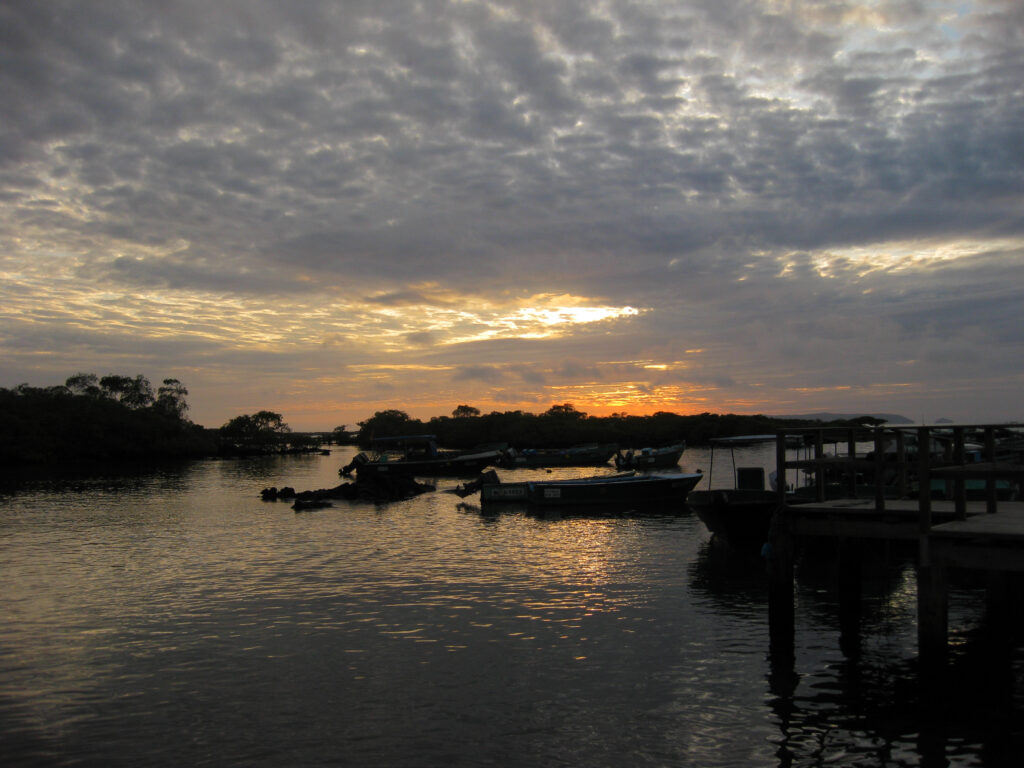
First-time guide to Isla Floreana, Galápagos
Isla Floreana safety guide: Travel advice for Galápagos visitors
First-timer tips for San Cristóbal, Galápagos: Essential travel guide
Top attractions on Santa Cruz Island, Galápagos
Best Galápagos Islands attractions: Tickets & tours guide
5 best hidden gems on Isla Isabela, Galápagos
Best Galápagos day tours 2026: 6 authentic excursions
6 best Galápagos boat tours & day cruises
Best Santa Cruz boat tours: Top Galápagos cruises & sails
Ecuador.
Pure wonder on the equator.