Santa Cruz uncovered / The independent traveller guide to the Galápagos hub
Santa Cruz Galápagos travel guide with essential local tips, entry rules, microclimates, and budget advice for independent travellers
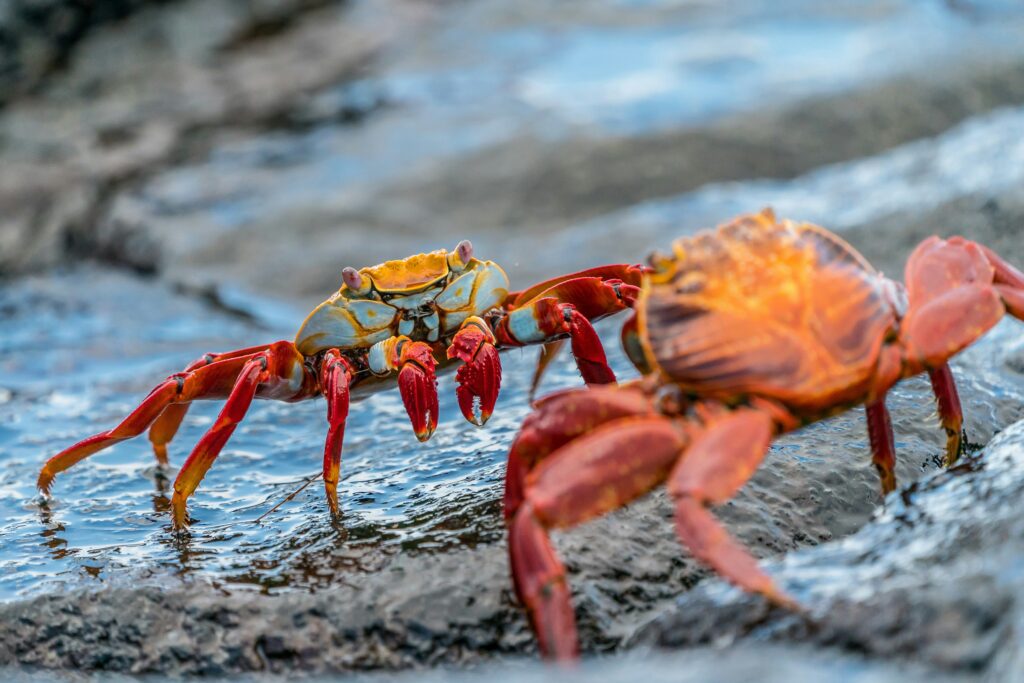
Master Puerto Ayora on your own timeline, away from cruise ship crowds
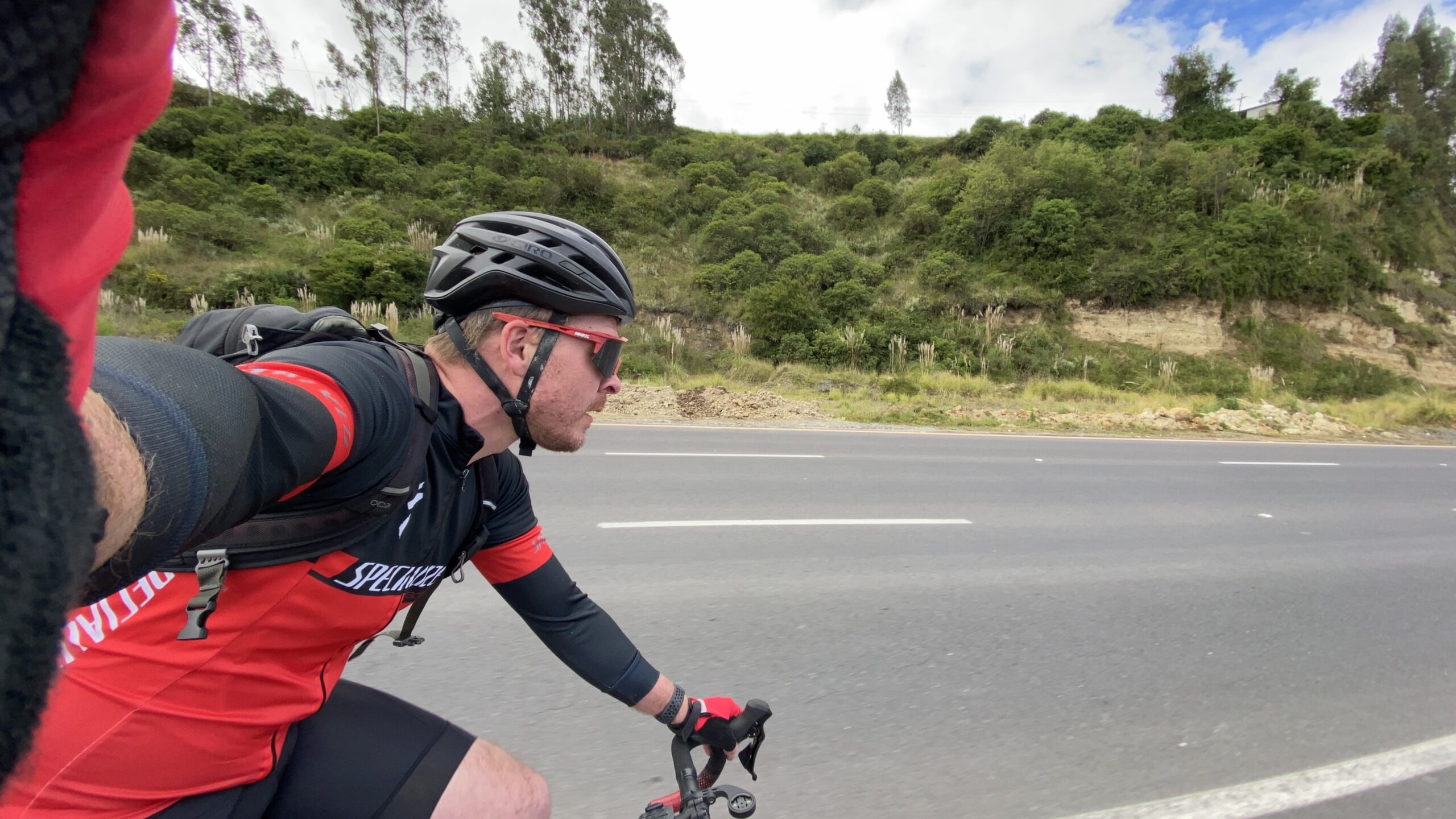
BEN FINCH
The Galápagos Archipelago carries a mythos of exclusivity. Many travellers assume the only legitimate way to experience these volcanic outposts is via a tightly scripted cruise itinerary, moving from deck to zodiac under the watchful eye of a tour leader. However, Santa Cruz tells a very different story for those who value autonomy.
As the economic and logistical heartbeat of the islands, Santa Cruz offers independent explorers the chance to set their own rhythm. From the bustling harbour front of Puerto Ayora to the misty scales of the highlands, this island allows you to craft a deeply personal journey. Whether you arrive by local ferry, hire a bicycle to ride into the cloud forest, or simply walk along lava paths at sunrise, Santa Cruz rewards curiosity and patience.
Cruising between islands on day boats or staying put in local accommodation gives you something a luxury yacht cannot offer: real connection with the islanders, flexibility when weather shifts, and the freedom to stay at a beach until the sea lions go to sleep.
Island autonomy / The essential Santa Cruz highlights
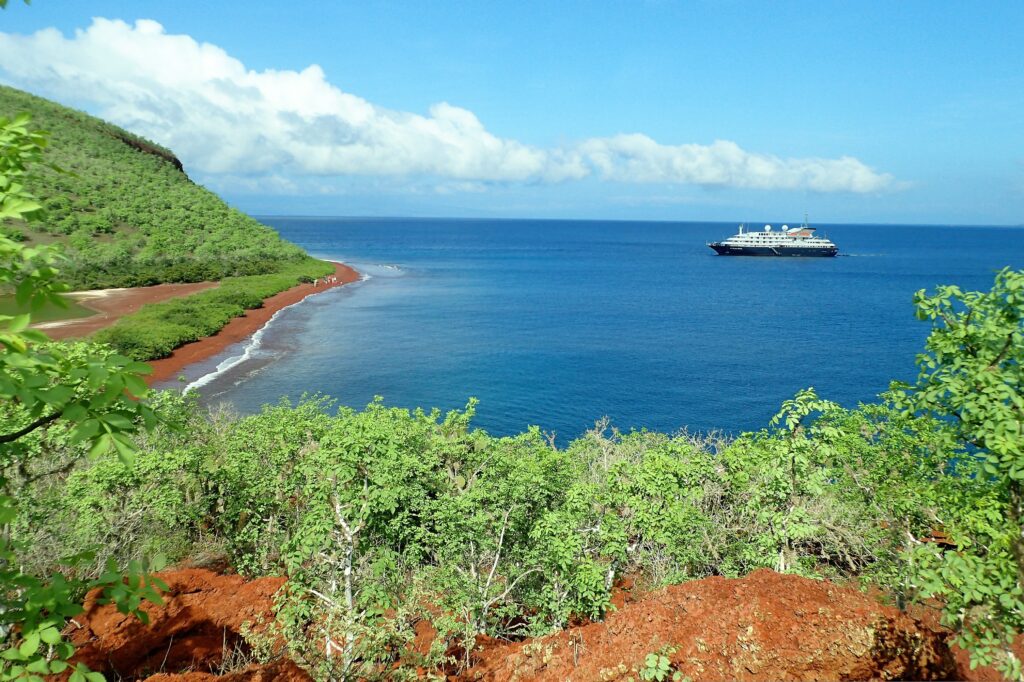
Bypassing the rigid cruise ship itineraries allows you to experience the Galápagos Islands on your own clock. From highlands teeming with free-roaming giant tortoises to low-key evening seafood markets, Santa Cruz is best explored at a human pace.
- Baltra to Puerto Ayora Transit: Navigating the biosecurity checks, paying the mandatory cash entrance fees, and taking local connections across the island
- Tortuga Bay Trail: A scenic forty-five-minute coastal walk through giant cacti leading to tranquil mangrove lagoons ideal for kayaking and swimming
- Highland Giant Tortoises: Taking local buses to Bellavista and Santa Rosa to watch giant tortoises roaming across wild pastures without tour groups
- Los Kioskos Dining: Gathering along Calle Charles Binford as evening falls to feast on freshly grilled spiny lobster and local red snapper over charcoal
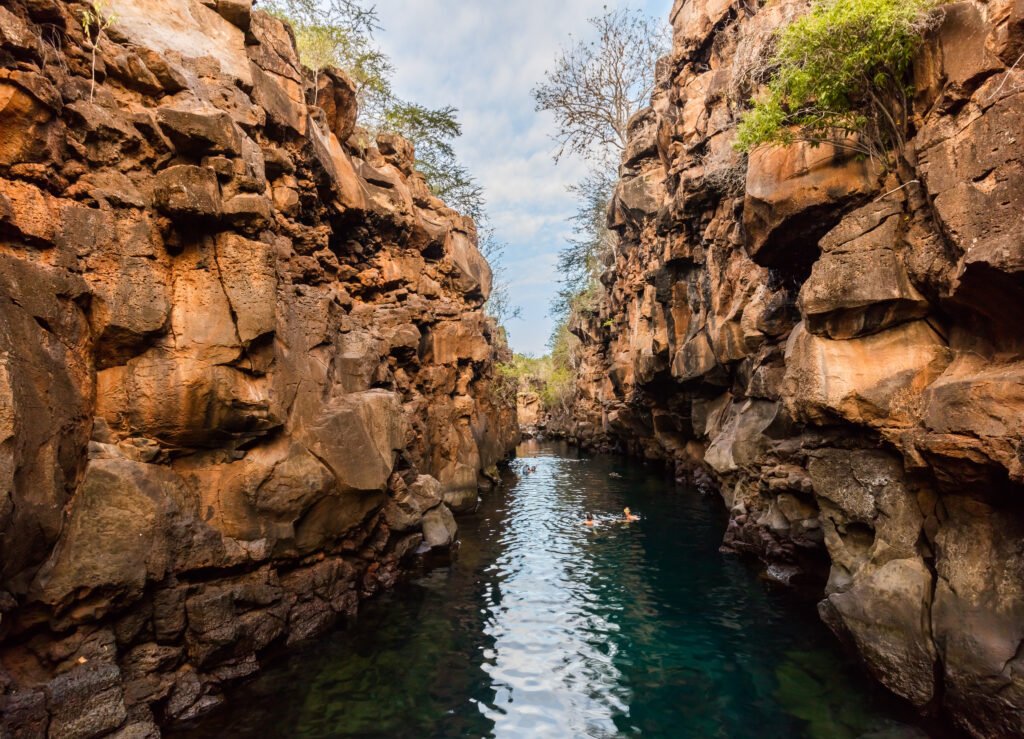
- Las Grietas Chasm: Swimming through a dramatic, natural volcanic canyon filled with crystal-clear brackish water near Finch Bay
- Galápagos Microclimates: Adapting to sudden shifts between cool coastal garúa mists and intense equatorial sunshine across varying elevations
- Strict Wildlife Ethics: Maintaining a respectful two-metre distance from sea lions and marine iguanas while strictly using reef-safe mineral sunscreen
Santa Cruz
Explore highlands full of giant tortoises
Arrival logistics, essential cash, and bureaucracy
First-time visitors often stumble before even boarding their flight from mainland Ecuador. The entry procedure for the Galápagos Islands is strictly regulated to protect fragile ecosystems, and understanding the financial and administrative steps beforehand saves hours of frustration.
Before departing Quito or Guayaquil, you must register for your Transit Control Card, known locally as the TCT. This digital migration document costs 20 US Dollars and must be completed through the official online portal before airport check-in. At the mainland airport, your luggage undergoes a meticulous biosecurity inspection by the Agencia de Regulación y Control de la Bioseguridad para Galápagos to prevent invasive species, seeds, or organic contaminants from entering the archipelago.
Upon landing at Seymóur Airport on Baltra Island, just north of Santa Cruz, you will face the National Park entrance fee. International adult visitors are required to pay $200 per person. Crucially, this fee must be paid in physical US dollar cash notes directly at the airport terminal. Card readers are non-existent at the park entry desk, and currency conversion services are absent.
Cash remains king throughout Santa Cruz. While upscale dining spots in Puerto Ayora accept credit cards, local eateries, water taxis, cycle rentals, and small bakeries operate strictly on cash. Cash points in town are notoriously unpredictable, frequently running out of bank notes or enforcing strict $200 daily withdrawal limits accompanied by heavy transaction fees. Carry crisp, small-denomination dollar bills packed securely from the mainland.
Santa Cruz Island microclimates and weather quirks
Santa Cruz experiences two distinct seasons, each driven by deep ocean currents that alter the weather, ocean temperatures, and underwater visibility.
From June through November, the cool Humboldt Current takes over, initiating the garúa season. During these months, the coast experiences moderate temperatures hovering around 22 to 25 degrees Celsius, accompanied by persistent overcast skies and a fine, misting drizzle. Ocean temperatures drop significantly, making a full 3mm or 5mm neoprene wetsuit essential for snorkelling at Tortuga Bay or Las Grietas. The highland settlements of Bellavista and Santa Rosa are often blanketed in dense fog and cool rains while the coast remains dry.
From December through May, the Panama Current brings warm, sunny weather with clear blue skies and tropical temperatures exceeding 30 degrees Celsius. The ocean warms up considerably, creating ideal conditions for swimming without a wetsuit. However, this season also brings sudden, intense tropical downpours, high humidity, and powerful equatorial solar radiation.
A common oversight for first-timers is underestimating the elevation shifts on Santa Cruz. Moving just fifteen kilometres inland from coastal Puerto Ayora into the highlands brings an abrupt change in climate. Pack a lightweight waterproof shell jacket alongside your sun hat and reef-safe sunscreen, as weather can transition from blazing equatorial heat to chilling cloud drizzle within a twenty-minute bus ride.
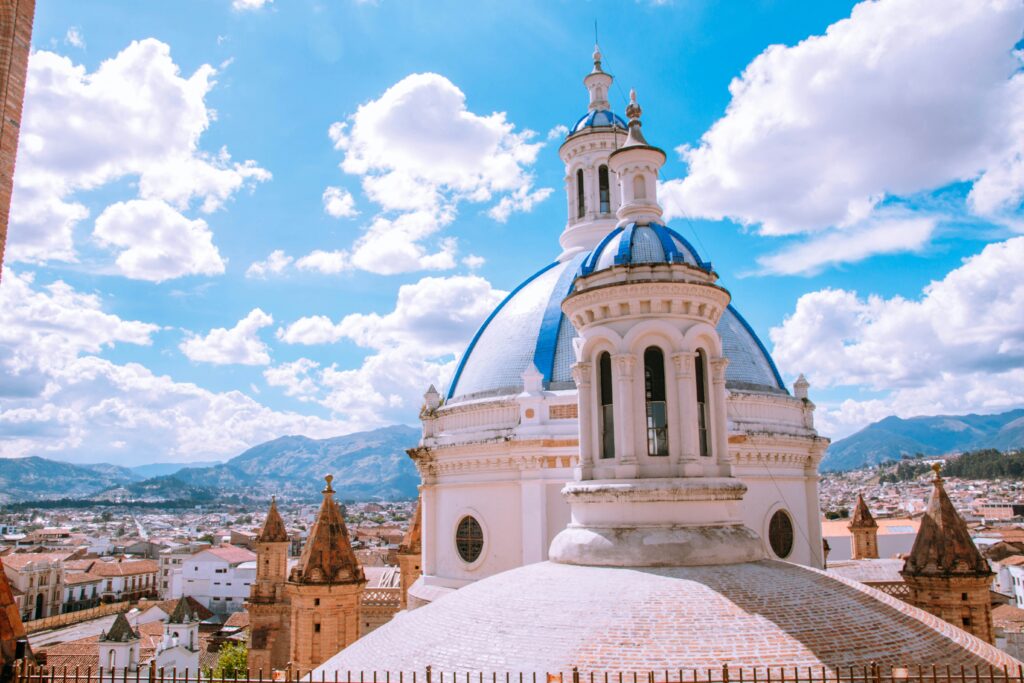
The Galápagos.
Ecuador’s Enchanted Isles
Local etiquette and conservation laws
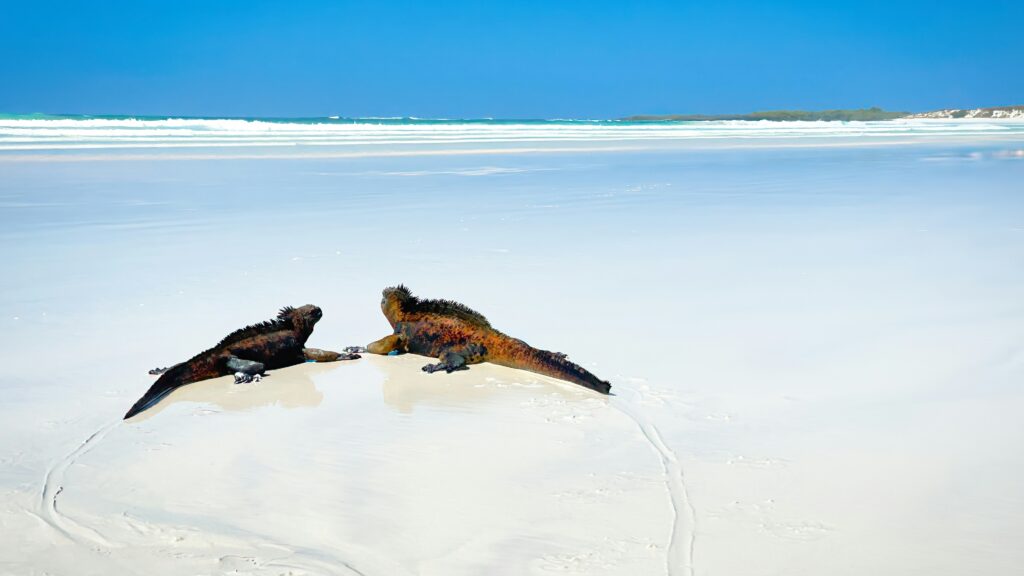
Living alongside wild creatures requires an adherence to conservation ethics that goes beyond standard tourism rules. The wildlife on Santa Cruz has evolved without natural human predators, resulting in a unique lack of fear towards people. This makes self-guided interactions magical, but it places the responsibility of protection squarely on the traveller.
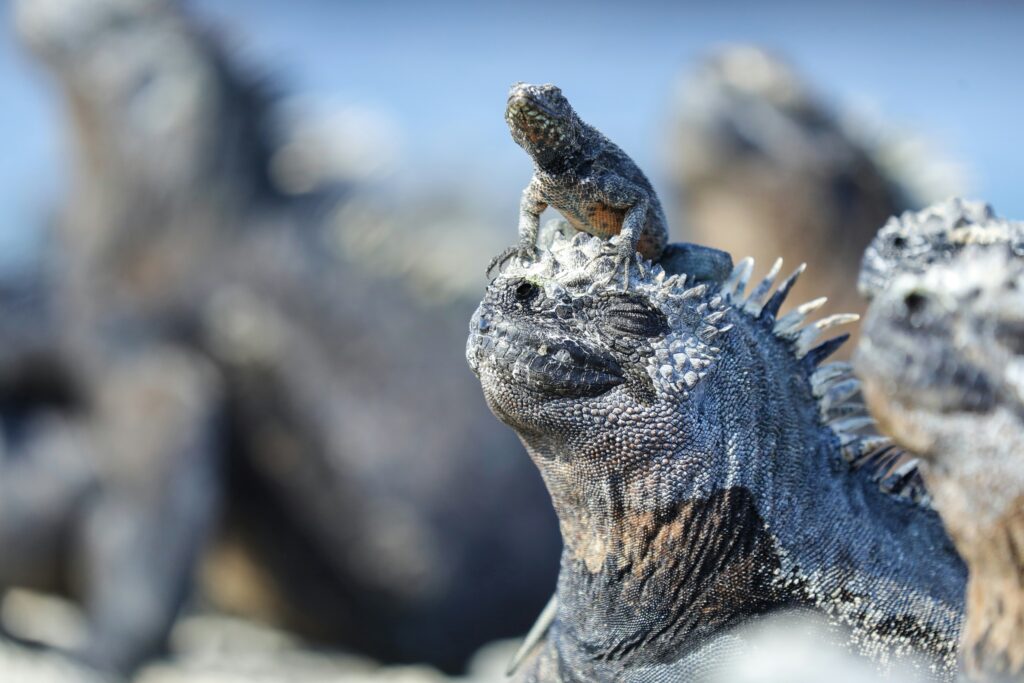
- The Two-Metre Rule: You must maintain a minimum distance of two metres from all animals at all times, including sea lions resting on benches, marine iguanas sunbathing on paved footpaths, and giant tortoises wandering near roadsides. If an animal approaches you, step back slowly to maintain the gap
- Sunscreen Mandates: Standard chemical sunscreens are prohibited because their active ingredients damage fragile coral habitats and marine organisms. Only mineral-based, reef-safe sunscreen containing zinc oxide or titanium dioxide is permitted
- Single-Use Plastics: Disposable plastic bags, straws, and single-use water bottles are strictly banned across the archipelago. Carry a durable stainless steel refillable water container. Rehydration stations are widely available across Puerto Ayora hotels and cafes
- Trail Discipline: Never step off marked stone or wooden paths, especially along sensitive coastal dunes at Tortuga Bay where sea turtles nest
- Flash Photography and Drones: Flash photography is forbidden as it blinds sea birds and marine iguanas. Unauthorised drone operation is strictly illegal across the Galápagos National Park and carries severe fines
Exploring independent spots and trail routes
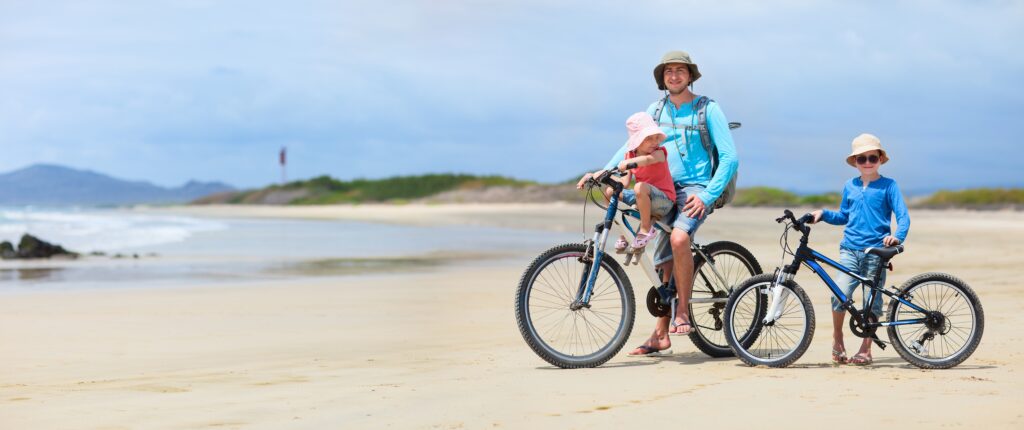
You do not need an expensive organised day tour to experience the best natural sites on Santa Cruz. Several world-class locations are easily accessible on foot, by public bus, or via quick water taxis.
Tortuga Bay
Located southwest of Puerto Ayora, Tortuga Bay is accessible via a paved stone walking trail that winds through giant prickly pear cacti and palo santo trees. The trail takes roughly forty-five minutes to walk from the park ranger checkpoint at the edge of town. Upon arrival, you are greeted by Playa Brava, a sweeping stretch of white coral sand with heavy surf and strong undertows where swimming is strictly prohibited. Continue walking to the end of the beach to reach Playa Mansa, a tranquil, mangrove-fringed lagoon where shallow turquoise waters provide calm conditions for swimming, kayaking, and spotting white-tip reef sharks and marine iguanas.
Las Grietas
Las Grietas is a dramatic natural lava canyon filled with a mix of filtered seawater and fresh highland runoff. To reach this natural swimming chasm independently, take a water taxi for under two dollars from the main Puerto Ayora passenger pier to the jetty near Finch Bay. From there, walk past salt flats and red mangroves along a clearly marked path. Access to swim inside the chasm now requires booking a local park ranger guide at the trailhead for a modest fee, which supports channel maintenance and visitor safety.
Playa de la Estación
Located near the Charles Darwin Research Station, this small rocky bay is perfect for a quick afternoon dip or relaxed snorkelling session. It is one of the best free spots in town to swim alongside juvenile sea lions, marine iguanas, and vibrant parrotfish without needing boat transport.
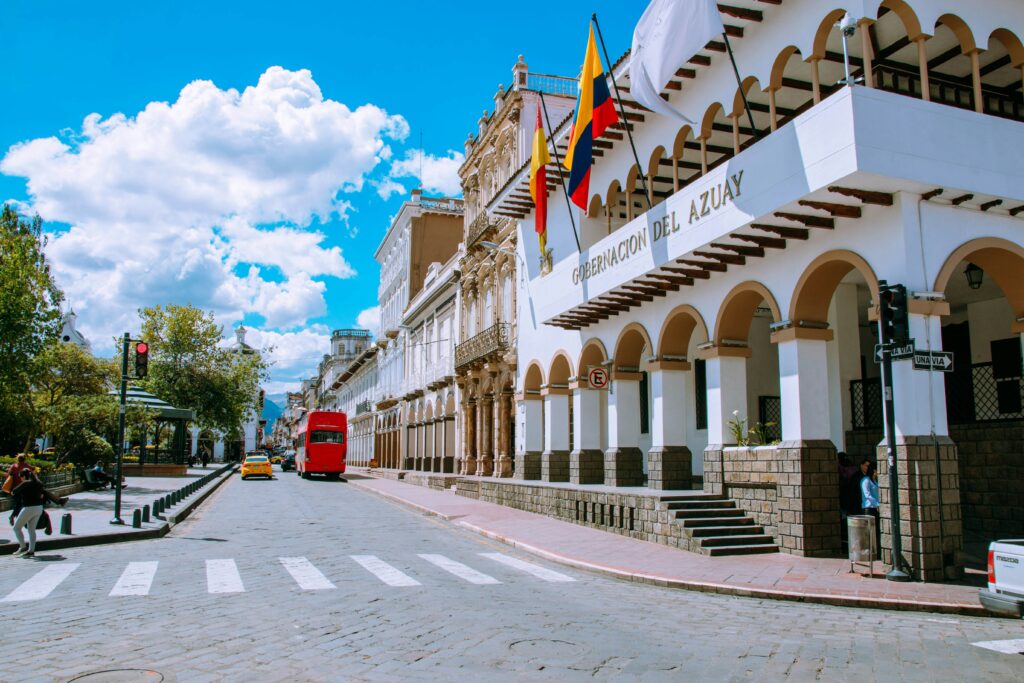
The Ecuadorian Sierra.
Get lost in the hills
The misty highlands / Tortoises in the wild
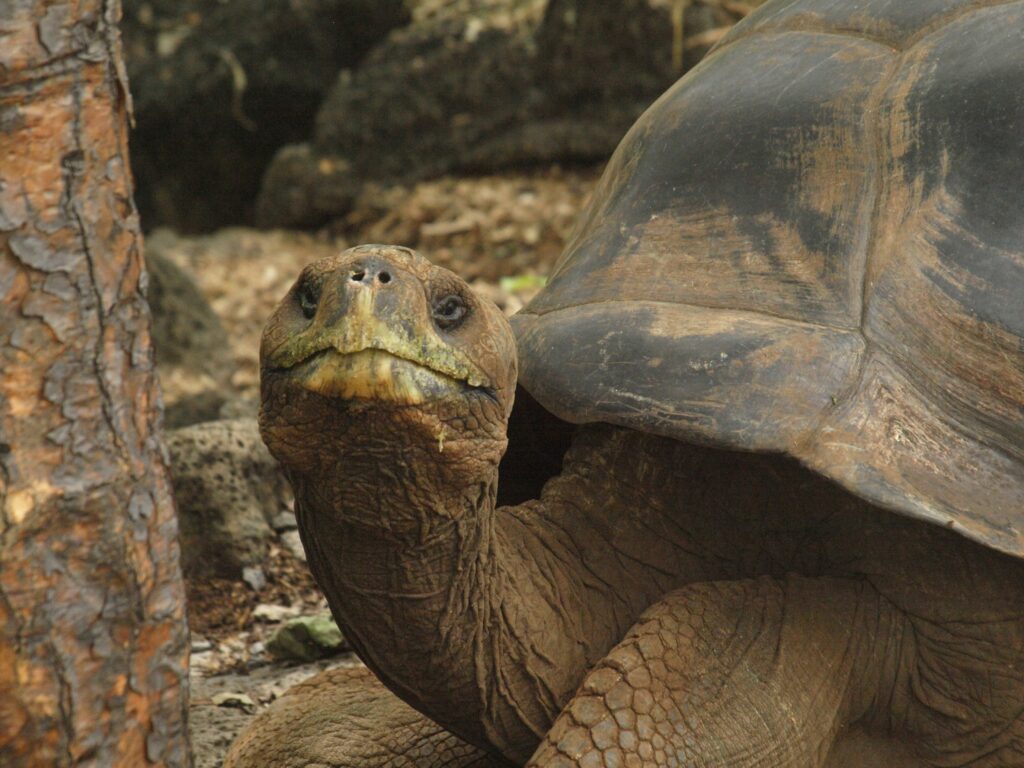
Escaping the coastal heat of Puerto Ayora to explore the inland highlands reveals a lush, green side of Santa Cruz. The agricultural zone around Bellavista and Santa Rosa provides an opportunity to see Galápagos giant tortoises roaming freely across open pastures rather than inside enclosures.
Skip the expensive taxi packages by boarding a local public bus from the central market in Puerto Ayora heading towards Bellavista or Santa Rosa. From the village stop, you can walk or hire a local bicycle to reach private nature reserves such as El Chato or Primicias. These reserves allow visitors to walk along unpaved farmland tracks, spot giant tortoises wallowing in mud pools, and explore massive underground lava tunnels formed millions of years ago by cooling basaltic flows.
Another overlooked natural highlight in the highlands is Los Gemelos, two massive volcanic sinkholes located on either side of the main highway crossing the island. A loop trail circles the crater rims through a scalesia forest filled with vermilion flycatchers and Darwin finches.
Local dining and island culinary culture
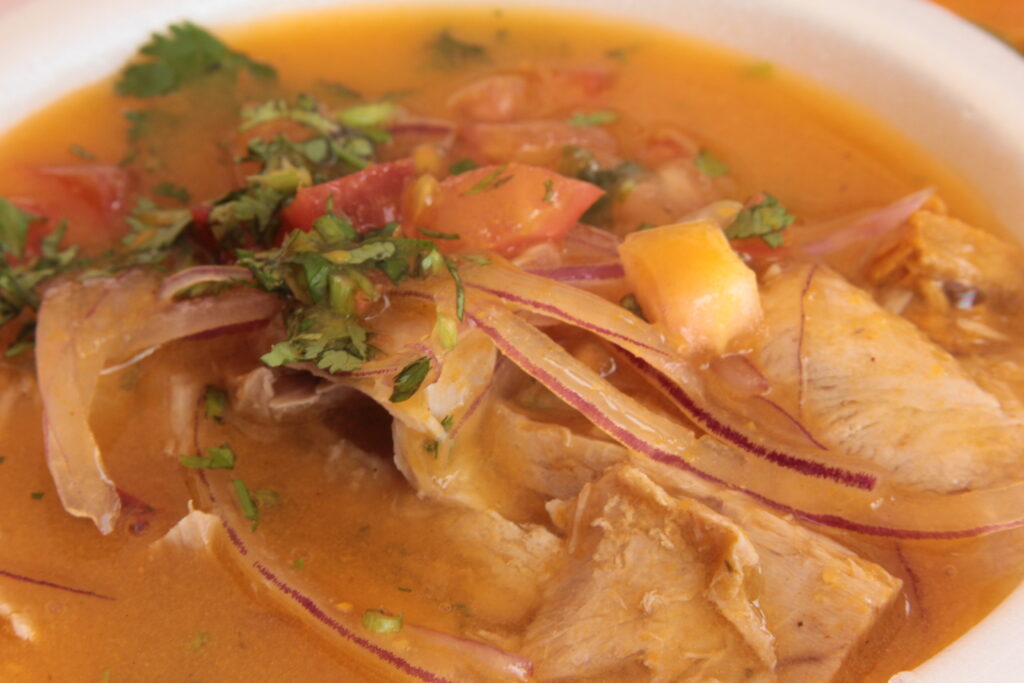
Santa Cruz offers an exciting food scene that ranges from modest family-run eateries to creative coffee spots using beans grown in volcanic island soil. Avoid imported fast food and seek out authentic spots where islanders gather.
Los Kioskos on Calle Charles Binford
Every evening at sunset, Calle Charles Binford in Puerto Ayora is closed to motor vehicles as local restaurant owners set up communal tables and chairs across the asphalt. Known simply as Los Kioskos, this open-air dining strip serves fresh seafood caught earlier that morning by local fishermen. Select your fresh spiny lobster or brujo red snapper directly from the ice displays, which are then grilled over open charcoal or prepared as an encocado, a rich coconut and garlic sauce dish.
1835 Coffee Lab
For serious coffee enthusiasts, 1835 Coffee Lab on Avenida Charles Darwin highlights the distinct terroir of Galápagos coffee. Coffee plants thrive in the mineral-rich volcanic soil and foggy microclimate of the highlands. This independent roastery brews locally sourced beans using precise pour-over methods, providing a perfect spot to relax and recharge after a morning hike.
Local almuerzos
To eat well on a modest budget, venture two or three blocks inland from the waterfront to discover small, unnamed family diners serving set lunch menus known as almuerzos. For $5 to $8, an almuerzo includes a bowl of fish or vegetable soup, a main plate featuring grilled tuna, rice, plantains, and fresh salad, accompanied by a glass of freshly pressed fruit juice.
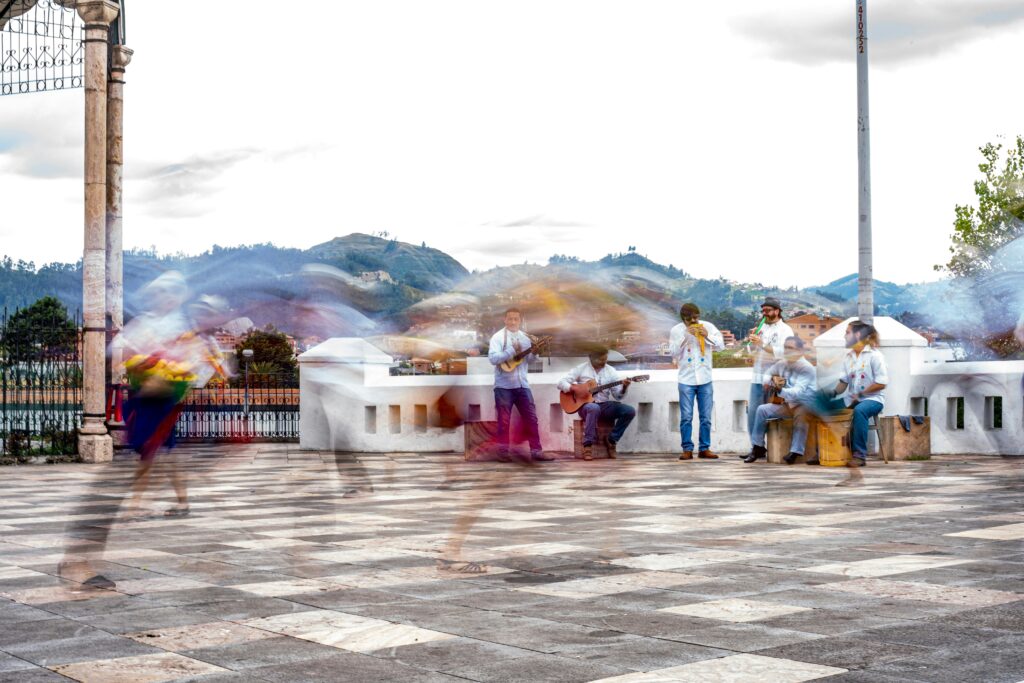
The Ecuadorian Amazon.
The most biodiverse place in the world
Where to stay / Finding the right base
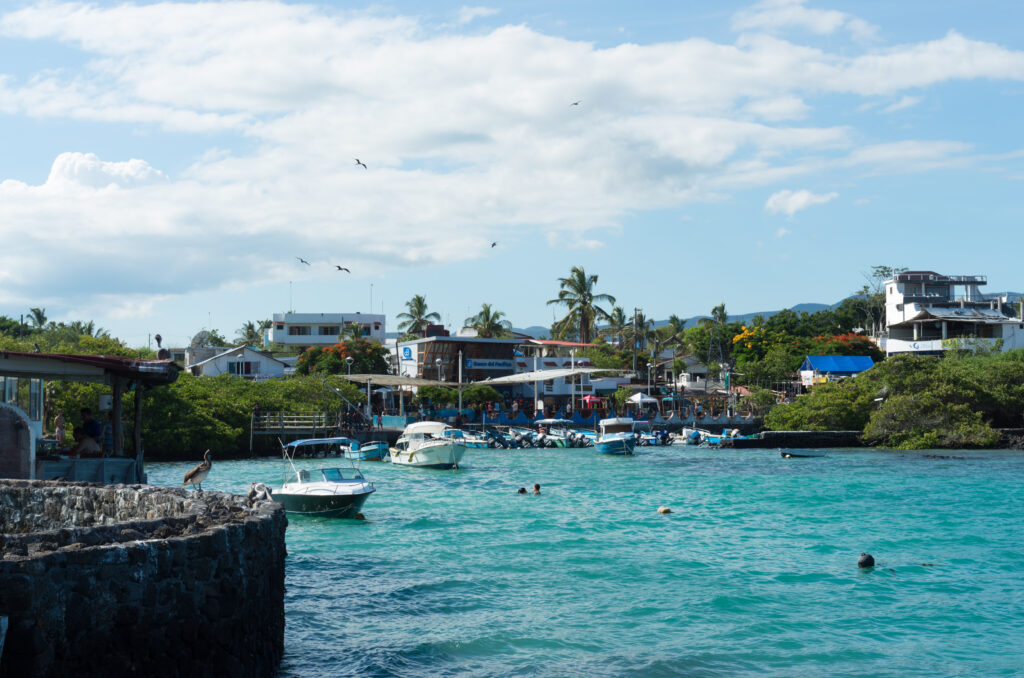
Choosing where to stay on Santa Cruz depends on your daily activity preferences and tolerance for evening noise.
- Barrio Pelikan Bay: Ideal for travellers who want immediate access to the passenger pier, fish market, and morning boat departures. It is walkable and energetic, though accommodation closer to Avenida Charles Darwin can experience street noise during weekend evenings
- Barrio San Francisco and West Puerto Ayora: Situated slightly back from the main strip, these residential quarters offer peaceful guest houses, leafy courtyards, and lower nightly rates while keeping you within a ten-minute walk of the centre
- Highland Eco-Lodges near Bellavista: Perfect for nature lovers who prefer cooler night temperatures and quiet countryside surroundings. Staying in the highlands requires using local buses or bicycles to reach the ocean, but waking up to bird calls and misty forest views is unbeatable
The Ecuadorian Coast.
Where you’ll find the very best food
The archipelago beyond the deck chair
Read this far?
Exploring Santa Cruz independently strips away the artificial veneer often placed over the Galápagos Islands. When you step off the predetermined paths of rigid vessel itineraries, the island reveals its true pulse. You trade hurried ten-minute photo stops for quiet hours spent watching blue-footed boobies dive off the rocks, or sitting quietly beside a marine iguana as the tide rolls into Puerto Ayora harbour.
Choosing local guest houses, riding public buses into the misty highlands, and dining at family-run kiosks does more than keep your travel budget intact. It directly supports the island community, ensuring that your financial footprint stays within the local economy rather than floating away on an offshore cruise ship. Most importantly, it restores the sense of genuine discovery to an outpost that deserves to be savoured on your own terms.
Pack your mineral sunscreen, prepare for sudden highland drizzle, and leave room in your schedule for spontaneous detours. Santa Cruz is waiting, ready to be uncovered at whatever pace suits you best.
Affiliate Disclaimer: Some of the links on Wheely Tyred are affiliate links. If you click through and make a booking or purchase, we may earn a small commission at no extra cost to you. We only recommend gear, tours, stays, and services we genuinely use, trust, and stand behind — our editorial independence always comes first. These commissions help keep our independent cycling guides and travel stories free to read. You can also buy me a coffee here — thanks for supporting the ride!
Frequently asked questions about visiting Santa Cruz, Galápagos
After clearing biosecurity and paying your National Park entrance fee at Seymóur Airport, take the public shuttle bus to the Itabaca Channel. Cross the channel on a quick local ferry, then board a public bus or shared taxi straight across the island to Puerto Ayora.
You must pay the 200 US Dollar National Park entry fee and the 20 US Dollar Transit Control Card in cash. Whilst some higher-end hotels in Puerto Ayora accept credit cards, local eateries, water taxis, buses, and rentals rely strictly on cash. Cash points in town frequently run out or cap daily withdrawals, so bring crisp, small-denomination US dollar bills from mainland Ecuador.
Board a local bus from Puerto Ayora heading towards Bellavista or Santa Rosa in the highlands. From there, hire a bicycle or walk along unpaved tracks to private reserves such as El Chato or Primicias, where tortoises roam freely across farmland pastures and near volcanic lava tunnels.
If visiting during the garúa season between June and November, cool ocean currents drop water temperatures significantly, making a 3mm or 5mm neoprene wetsuit essential. During the warm season from December through May, ocean waters are tropical and comfortable for swimming without a wetsuit.
Single-use plastic bags, straws, and disposable water bottles are strictly banned across the Galápagos Archipelago. Travellers should pack a durable, stainless steel refillable water container, which can be topped up at rehydration stations across Puerto Ayora.
Head to Calle Charles Binford in the evening, known locally as Los Kioskos. The street closes to traffic while local cooks set up outdoor tables, grilling fresh spiny lobster, brujo red snapper, and encocado fish stews caught earlier that day by local fishermen.
Ecuador.
Pure wonder on the equator.