Decoding the Galápagos / A month-by-month guide to Ecuador’s Enchanted Isles
Best time to visit the Galápagos Islands for wildlife, weather, and snorkelling
Uncover the rhythm of the archipelago and time your voyage to perfection
BEN FINCH
Travelling to the Galápagos Islands is a once-in-a-lifetime experience. Situated on the equator, roughly six hundred miles off the coast of Ecuador, this volcanic archipelago is a living laboratory of evolution. For the team at Wheely Tyred, exploring destinations with profound natural beauty is a core passion. While we are known for our dedication to pedal-powered adventures and route planning, our expertise in navigating global landscapes extends to all forms of mindful travel.
A question we frequently encounter is about timing. When exactly is the best time to visit the Galápagos? The truth is, there is no wrong time to visit. Because the islands sit on the equator, the air temperature remains relatively mild year-round, and the wildlife is entirely non-migratory, meaning the iconic species are present twelve months a year. However, the archipelago experiences dramatic shifts in climate and animal behaviour dictated by powerful ocean currents. Understanding these two distinct seasons—and the month-by-month nuances—is the key to curating your perfect adventure.
The rhythms of the Enchanted Isles
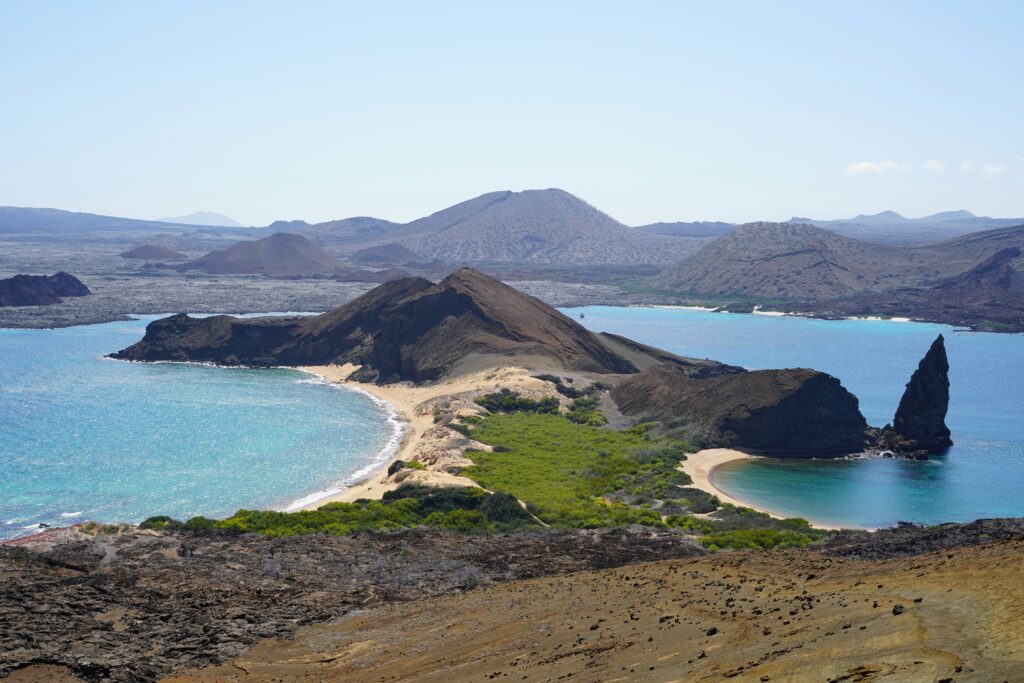
To visit the Galápagos is to step into a world where the clock is set by ocean currents and the slow pulse of volcanic life. This archipelago does not offer a traditional holiday; it offers a front-row seat to the raw, unedited mechanics of nature.
- Current-Driven Climate: The archipelago is defined by two distinct seasons dictated by the Panamá and Humboldt currents, shifting the environment from lush tropical greenery to misty, nutrient-rich seas
- The Warm Window: From December to May, travellers will find calmer, clearer waters and daily sunshine, making it the premier period for those prioritising snorkelling and swimming
- Marine Vitality: The cooler Garúa season (June to November) may bring grey skies, but the surge of cold Antarctic water triggers an explosion of marine life, attracting whales and active penguins
- The Albatross Arrival: April marks a critical point in the naturalist’s calendar as the waved albatrosses return to Española Island to begin their intricate and captivating courtship rituals
- Sea Lion Season: August is the peak of the pupping season, when the volcanic beaches become nursery grounds for curious sea lion pups, offering unparalleled wildlife encounters
- The Fragile Balance: Understanding the impact of El Niño is essential for the mindful traveller, as these warming events can drastically alter the food supply for the islands’ endemic species
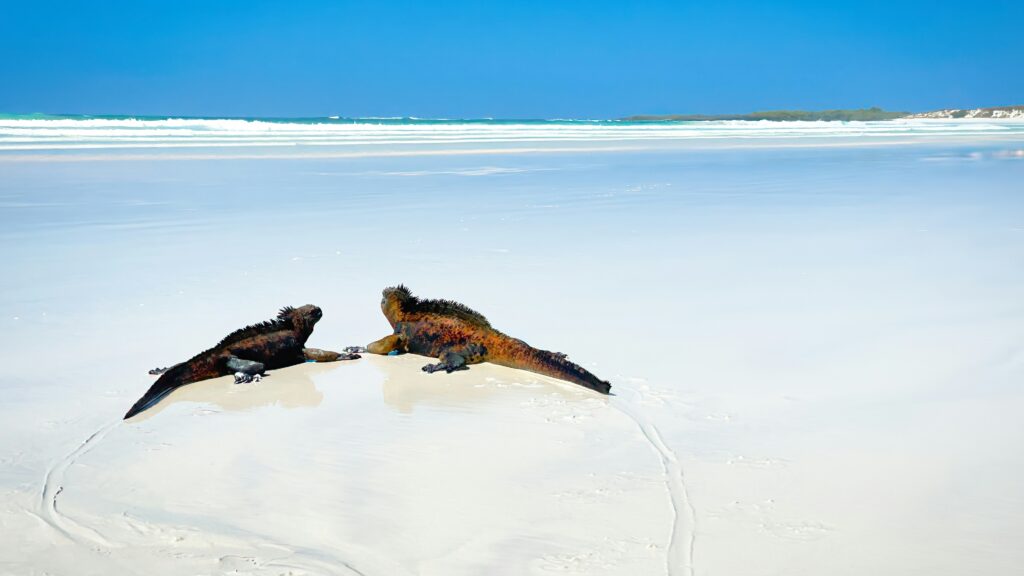
- Endemic Residents: Unlike many global destinations, the Galápagos wildlife is non-migratory, ensuring that iconic species like giant tortoises and marine iguanas are present regardless of the month
The Galápagos.
Ecuador’s Enchanted Isles
The warm and wet season / December to May
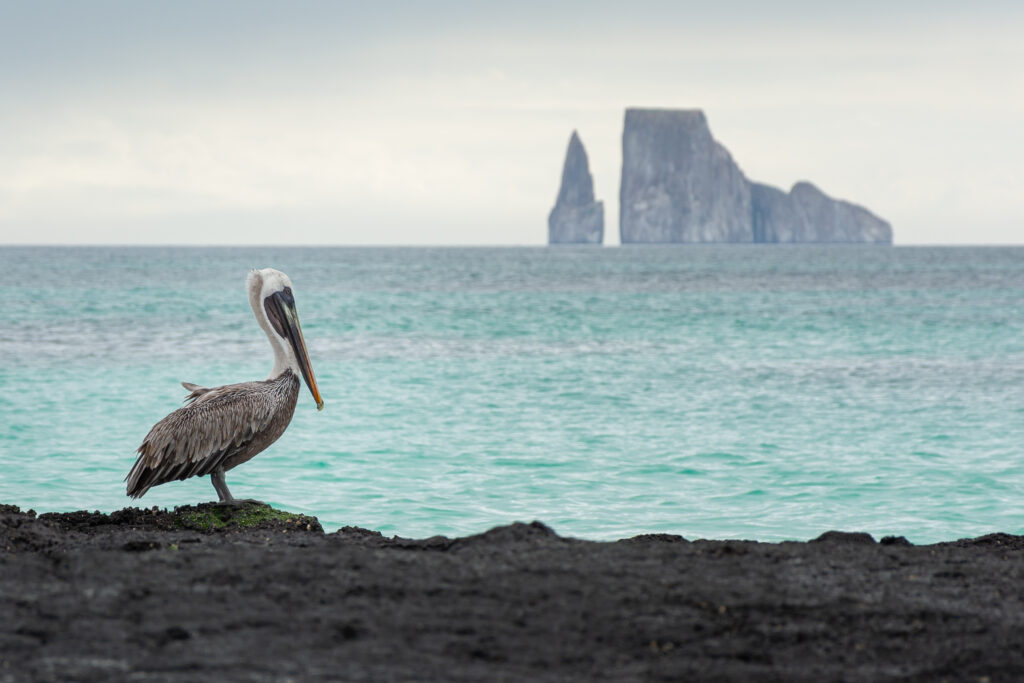
From December to May, the Panamá Current flows in from the north, bathing the islands in warmer waters. This season is characterised by daily, short bursts of heavy rainfall followed by intense, brilliant sunshine. The arid volcanic landscapes transform into lush, vibrant green paradises. For those who prefer calmer seas and warmer waters for swimming and snorkelling, this is a highly favourable time to visit.
December
December marks the transition into the warm season. The weather begins to warm up, and the first rains trigger a burst of life across the islands. This is a spectacular time for birdwatchers, as giant tortoise eggs begin to hatch, and green sea turtles can be seen mating in the shallow waters. The ocean temperatures become much more inviting for aquatic activities.
January
January brings warmer air and sea temperatures, making it a fantastic month for underwater exploration. On land, the vivid green foliage provides a stunning contrast to the dark volcanic rock. Green sea turtles arrive at the beaches to lay their eggs, and land birds begin their nesting processes. The vibrant colours of the marine iguanas are particularly striking during this month.
February
As the warmth peaks, February offers some of the best conditions for snorkelling and diving in tropical gear. The waters are exceptionally clear. On the islands, marine iguanas begin to nest, and the iconic Galápagos penguins migrate to the cooler waters of Isabela and Fernandina islands. The flora is at its absolute peak of lushness, offering phenomenal photography opportunities.
The Ecuadorian Sierra.
Get lost in the hills
March
March is typically the warmest and wettest month in the archipelago. The humidity is high, but the frequent showers bring a refreshing break from the equatorial sun. This month marks the peak of marine iguana nesting. Additionally, the warm waters make this the perfect time for lengthy snorkelling sessions without the need for thick wetsuits.
April
April is widely considered a transition month and one of the absolute best times to visit the Galápagos. The heavy rains begin to taper off, yet the islands remain beautifully green. A major highlight in April is the arrival of the waved albatrosses on Española Island. These massive birds return to the island to begin their elaborate courtship dances, a truly mesmerising spectacle.
May
May brings a noticeable drop in humidity and rainfall. The famous blue-footed boobies begin their comical courtship displays, lifting their bright blue feet in a highly synchronised dance to attract mates. The eggs of the green sea turtles begin to hatch, and lucky visitors might witness the tiny hatchlings making their desperate dash toward the ocean.
The Ecuadorian Amazon.
The most biodiverse place in the world
The cool and dry season (Garúa) / June to November
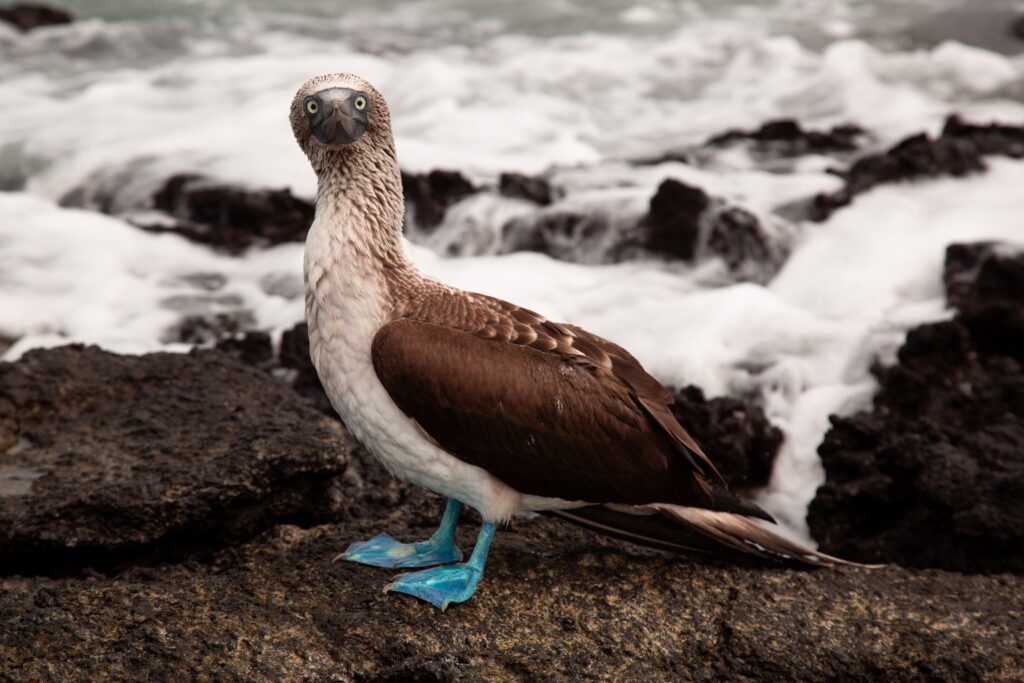
From June to November, the powerful Humboldt Current surges up from the Antarctic, bringing cold, nutrient-rich waters to the archipelago. This creates a dramatic shift in the weather. The skies become frequently overcast, and a fine mist known as the garúa settles over the higher elevations. While the land may lose its lush greenery, the ocean explodes with life. The abundance of nutrients attracts massive schools of fish, which in turn draw larger marine predators.
June
June marks the definitive start of the garúa season. The air and sea temperatures drop noticeably, and a wetsuit becomes essential for snorkelling. However, the trade-off is spectacular. Giant tortoises begin their slow migration from the highlands down to the lowlands in search of nesting grounds. Furthermore, humpback whales begin to pass through the Galápagos marine reserve on their migratory routes.
July
July is prime time for observing incredible seabird activity. The cooler waters provide an abundance of food, making it an ideal time for seabirds to breed. Visitors can observe blue-footed boobies, Nazca boobies, and frigatebirds feeding their chicks. Flightless cormorants are highly active, and the increased marine life makes diving around the northern islands of Wolf and Darwin extraordinary.
August
August is one of the coolest months, with the garúa mist frequently covering the islands. This is the primary pupping season for Galápagos sea lions. The beaches are filled with incredibly playful and curious sea lion pups. The Galápagos hawks also begin their courtship flights. The nutrient-dense waters ensure that snorkelling, while chilly, is richly rewarded with diverse marine encounters.
The Ecuadorian Coast.
Where you’ll find the very best food
September
September continues the cool, dry trend and is widely regarded as one of the most active months for marine life. The Galápagos penguins are incredibly active, taking advantage of the cold, fish-filled waters. Sea lions are everywhere, and the pups are now confident enough to play in the shallows with snorkellers. The overall activity level of the wildlife is exceptional during this month.
October
In October, the garúa mist begins to thin out, though the waters remain cool. The fur sea lions begin their mating season, leading to dramatic territorial displays by the males. The blue-footed booby chicks are growing rapidly and can be seen exercising their wings in preparation for fledging. Sunrises and sunsets during October are often highly dramatic and photogenic.
November
November is another transition month. The seas begin to warm slightly, and the winds start to die down. The sea lion pups are older and more adventurous, often engaging playfully with visitors in the water. This is also a fantastic month to spot the gentle giants of the ocean, the whale sharks, particularly around the northern islands.
Quito.
Explore the Middle of the World
Understanding the effects of a changing climate on the Galápagos
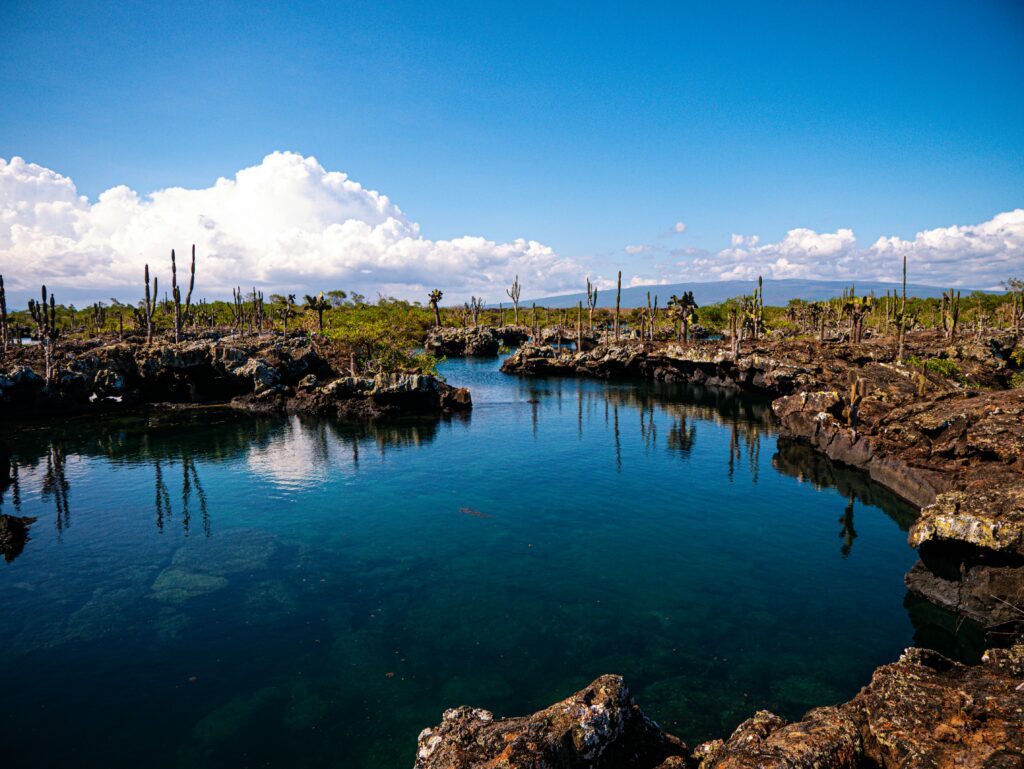
At Wheely Tyred, we believe that responsible travel requires an understanding of the environmental challenges facing our destinations. The Galápagos Islands are highly susceptible to the impacts of climate change. The increasing frequency and severity of El Niño events—which bring unusually warm waters to the region—can disrupt the delicate food web. When the cold upwelling of the Humboldt Current is blocked, the nutrient supply is severed. This can lead to devastating consequences for marine iguanas, seabirds, and sea lions that rely on a highly specific diet to survive.
Rising sea levels and ocean acidification further threaten the coastal habitats and coral reefs. As you plan your visit to the Galápagos, it is increasingly important to choose operators who prioritise sustainability and conservation. By understanding these shifting dynamics, travellers can better appreciate the extreme fragility of this unique ecosystem.
Planning your journey to the Galápagos
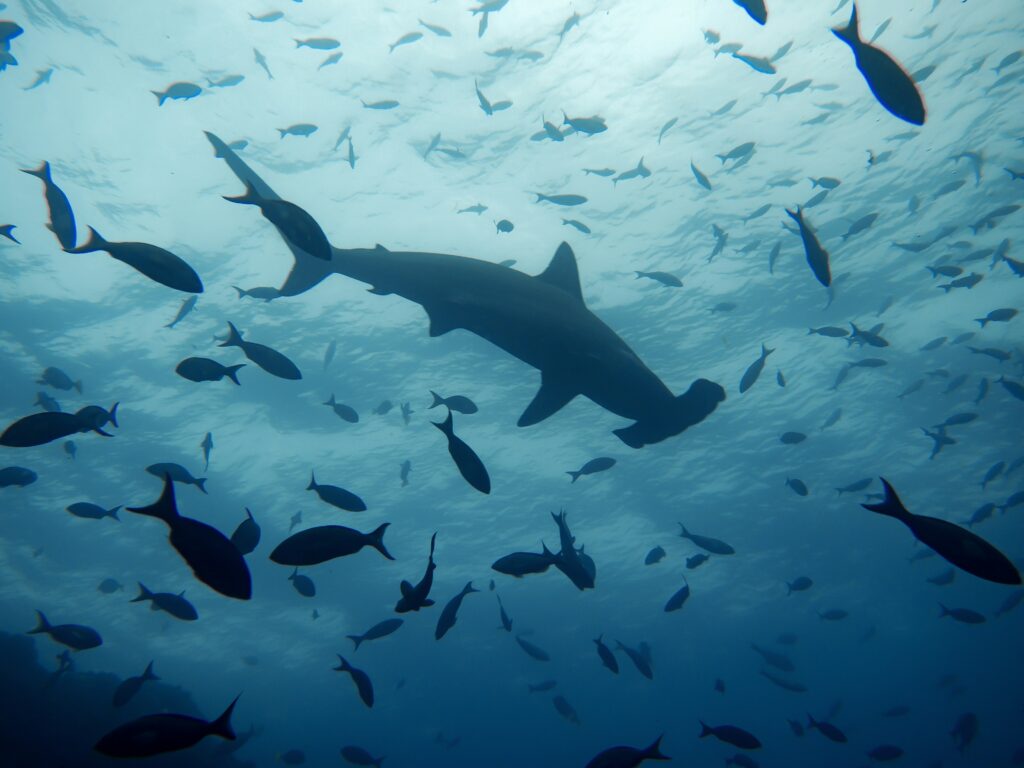
Whether you prefer the warm, clear waters of February or the bustling marine activity of September, the Galápagos Islands offer an unparalleled wildlife experience. The key is to align your expectations with the natural rhythms of the archipelago.
At Wheely Tyred, we know that the best trips are born from deep understanding and careful preparation. By choosing the season that aligns with your specific interests—be it lush landscapes and turtle hatching, or cool waters and playful sea lions—you ensure that your journey to the equator is nothing short of extraordinary. Let the rhythm of the ocean currents guide your planning, and prepare to step into a world where nature reigns supreme.
Cuenca.
The Athens of Ecuador
Frequently asked questions about the best time to visit the Galápagos
The warm and wet season, specifically from February to April, offers the highest water temperatures. During this window, the Panamá Current keeps the sea invitingly warm, and the water clarity is often at its peak, allowing for extended sessions without the need for a thick wetsuit.
Garúa is a local term for the fine, misty drizzle that blankets the islands from June to November. While it results in more overcast skies and cooler temperatures, it is far from a deal-breaker. This mist is a vital part of the ecosystem, and the cooler waters it accompanies bring the most spectacular marine activity.
Not at all. One of the unique draws of the Galápagos is that the majority of its famous residents—such as the giant tortoises, marine iguanas, and various boobies—stay in the archipelago year-round. While their behaviour changes (nesting, mating, or hatching), you are guaranteed to see them whenever you visit.
In short, yes. Between June and November, the sea temperature can drop significantly due to the Humboldt Current. Even for experienced swimmers, the chill can cut a snorkelling session short. Most reputable boat operators or land-based guides will provide 3mm or 5mm wetsuits to ensure you can stay in the water comfortably.
An El Niño year is a natural phenomenon that brings much warmer water and heavier rain than usual. For a traveller, this might mean lusher landscapes but a noticeable decrease in some marine wildlife activity, as species like penguins and iguanas struggle to find food in the warmer water. It’s a reminder of the islands’ delicate status.
May is the traditional start of the breeding season for the blue-footed boobies. This is when you are most likely to witness their iconic skypointing and high-stepping courtship displays. By June and July, you will often start to see the first fluffy chicks in the nesting colonies.
Ecuador.
Pure wonder on the equator.