Conquering the clouds / The phenomenal rise of cycling in Ecuador
A comprehensive guide to Ecuador cycling history, high-altitude routes, and Grand Tour champions
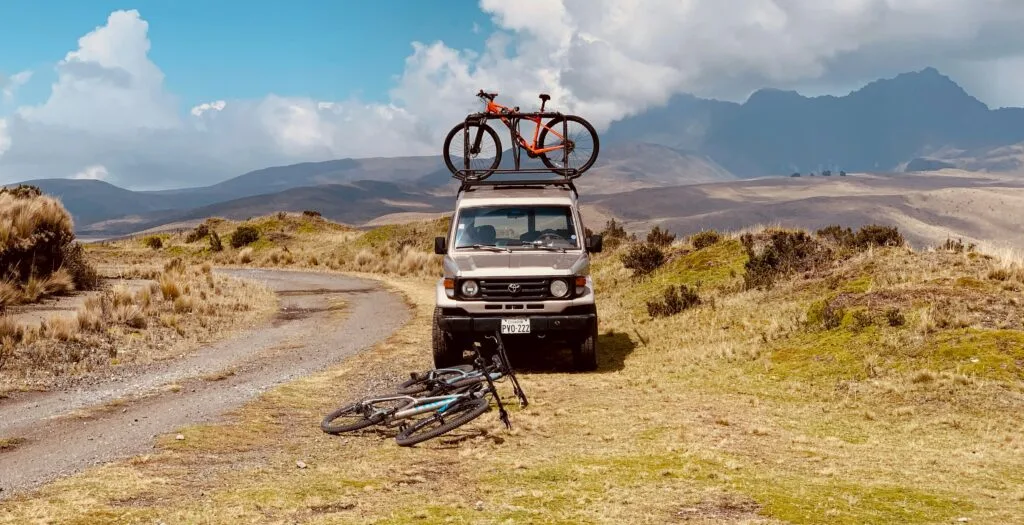
Where the Andes meet pure ambition and sporting legends are forged in thin air
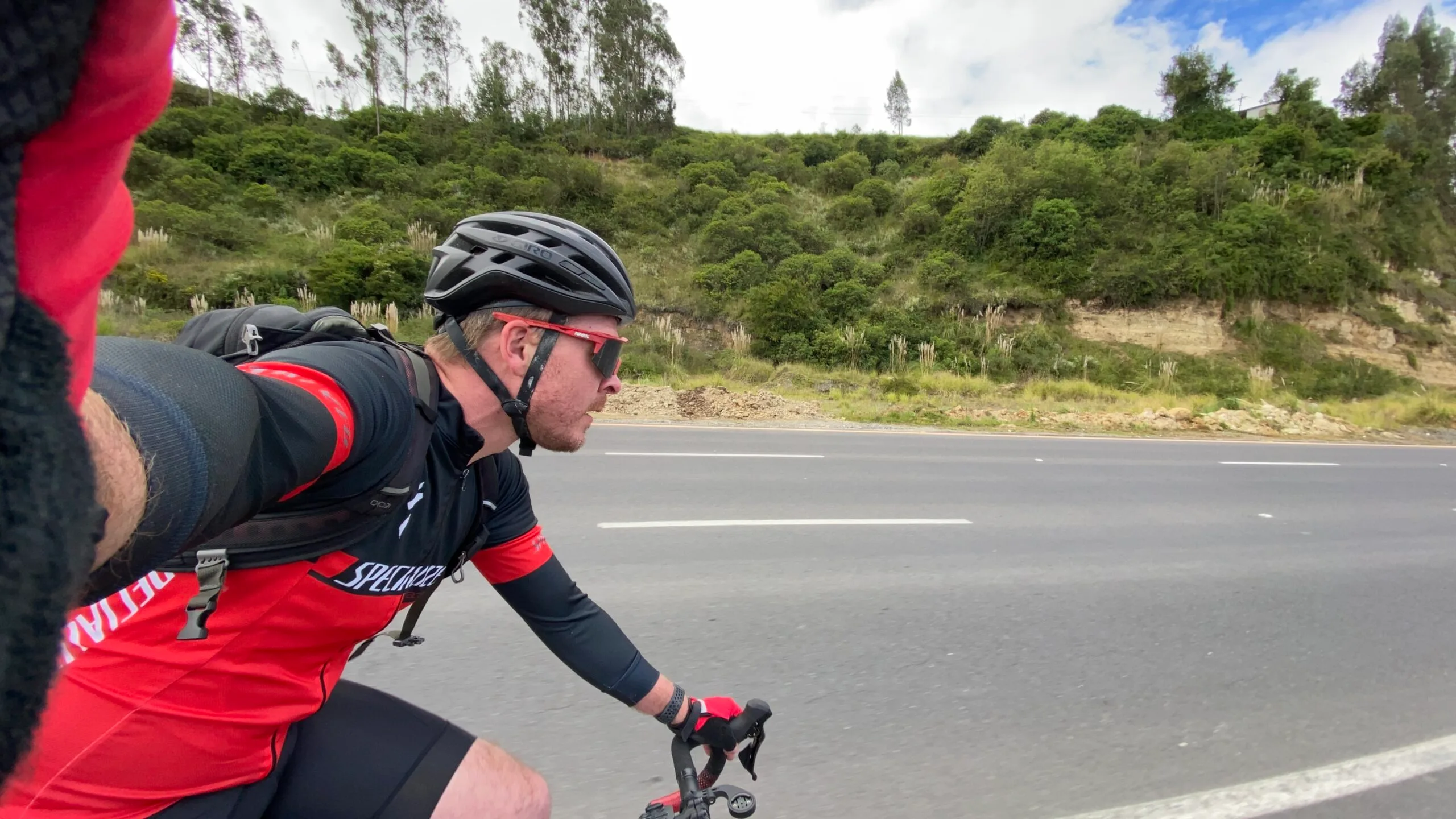
BEN FINCH
Ecuador is a nation defined by its geography. Straddling the equator and pierced by the towering peaks of the Andes, it is a country where the air is thin, the climbs are brutal, and the scenery is nothing short of breathtaking. For decades, the dramatic landscape of this South American jewel was a well-kept secret among local riders. Today, it stands as one of the most vital epicentres of global cycling. The transformation of Ecuador from a quiet mountainous nation into a powerhouse of professional cycling is a tale of grit, altitude, and an unwavering passion for the bicycle.
At Wheely Tyred, we know that understanding the heritage of a destination enriches every pedal stroke you take. Whether you are a seasoned expert looking to test your limits at 3,000 metres or an enthusiastic beginner fascinated by the sport, the history of Ecuadorian cycling proves one simple truth: you just need to ride a bike.
What we will explore in this deep dive into Ecuador’s cycling heritage
- The geographical advantage of the Andes and high-altitude training
- The 1954 miracle: How Team Carchi stunned the Vuelta a Colombia
- The legendary Pozo brothers and the birth of the climbing tradition
- The legacy and evolution of the Vuelta al Ecuador
- The golden generation of Ecuadorian Grand Tour champions, led by Richard Carapaz
- Quito’s urban cycling revolution and the modern Ciclopaseo
- Why the Ecuadorian landscape remains a dream for adventurous cyclists
The Ecuadorian Sierra.
Get lost in the hills
The geographical advantage / Forged in the Andes
To understand the history of cycling in Ecuador, you must first understand the landscape. The Andes mountain range runs directly through the centre of the country, creating a high-altitude plateau flanked by active volcanoes like Cotopaxi and Chimborazo. For the local population, living and working at altitudes exceeding 2,500 metres is simply a way of life. For cyclists, it is a natural performance enhancer.
Riding a bike in these conditions demands immense cardiovascular strength. The lower oxygen levels force the human body to adapt, producing more red blood cells and dramatically improving aerobic capacity. When Ecuadorian cyclists travel to sea level to compete, they possess an engine capable of processing oxygen far more efficiently than their rivals. This topographical reality laid the biological foundation for the nation’s future success on the world stage. It is not just about the training; it is about a lifetime of breathing the thin, crisp air of the Páramo.
The 1954 breakthrough / The miracle in Colombia
While many modern fans believe the Ecuadorian story began in the 21st century, the true foundations were laid in 1954. At that time, Colombia was the undisputed king of South American cycling. The Vuelta a Colombia was the most prestigious race on the continent, a brutal test of endurance across unpaved mountain passes.
In the fourth edition of the race, a small, relatively unknown team from the Ecuadorian province of Carchi crossed the border to compete. They weren’t expected to challenge the Colombian giants, yet they delivered a performance that remains one of the greatest upsets in sporting history. Team Carchi made history by becoming the first international squad to win the Team Classification in the Vuelta a Colombia.
Led by the indomitable brothers Arnulfo and Hipólito Pozo, the team displayed a level of climbing prowess that left the peloton in awe. While the legendary Colombian Ramón Hoyos took the individual title, the collective strength of the Carchis showed that the mountains of Ecuador had produced a different breed of rider. This victory wasn’t just a sporting achievement; it was a statement of national identity. It proved that the men from the northern highlands could compete with anyone, anywhere, provided the road went uphill.
The Ecuadorian Amazon.
The most biodiverse place in the world
The epicentre of champions / Carchi province
The 1954 victory cemented the Carchi province as the spiritual heartland of the sport. Bordering Colombia, Carchi is a rural, agricultural region characterised by rolling hills, steep ravines, and endless high-altitude roads. In this part of the world, the bicycle has long been more than just a piece of sporting equipment; it is a vital tool for survival.
Decades ago, long before carbon fibre frames and electronic shifting, local farmers and students would traverse these punishing hills on heavy steel bicycles. They carried milk, produce, and books over passes that would make a Tour de France professional think twice. The sheer necessity of navigating the Carchi landscape on two wheels created a culture of extreme endurance. Young riders grew up treating 10% gradients as a standard commute, unknowingly building the physical and mental resilience required for the world stage.
The Vuelta al Ecuador / A national obsession
The formalisation of competitive cycling within the country began in earnest with the creation of the Vuelta al Ecuador. First held in 1966, this stage race was designed to showcase the beauty and brutality of the nation. Early editions were gruelling affairs, contested on dirt roads that turned into mud baths in the rain and dust bowls in the sun.
For many years, the Vuelta al Ecuador was a battleground for domestic heroes. Legendary names like Pedro Rodriguez—who claimed the overall victory five times between 1988 and 1993—became household icons. Rodriguez, known for his relentless attacking style, inspired a generation to see the bicycle as a path to glory.
The race eventually gained UCI recognition, elevating its status and attracting international talent. However, its primary role remains as a proving ground. It is where young, ambitious riders from small Andean villages learn the tactical nuances of the peloton and the discipline required to survive a multi-day race at altitude.
Quito.
Explore the Middle of the World
The golden generation and Olympic glory
The 2010s marked a turning point where the latent potential of the Andes finally exploded onto the global scene. The catalyst was a rider whose name is now synonymous with grit: Richard Carapaz. Known as the Locomotive of Carchi, Carapaz followed the paths first blazed by the Pozo brothers sixty years earlier.
His historic overall victory at the 2019 Giro d’Italia was a watershed moment. It was a triumph built on explosive climbing ability and a tactical bravery that seemed at odds with the often-conservative European style of racing. Carapaz didn’t just win; he won with a flair that captured the imagination of fans worldwide.
The pinnacle of this era arrived at the Tokyo 2020 Olympic Games. In the men’s road race, Carapaz launched a devastating attack on the final climbs, crossing the line solo to claim Olympic gold. This wasn’t just a win for a rider; it was a win for a nation. Carapaz has since been joined by other world-class talents like Jhonatan Narváez and Jonathan Caicedo, forming a golden generation that has made Ecuador a permanent fixture in the top tier of the professional peloton.
Urban cycling / Quito Ciclopaseo
The cycling boom is not limited to the professional ranks. In the capital city of Quito, which sits at a staggering 2,850 metres, a quiet revolution has transformed the urban landscape. The city pioneered the Ciclopaseo, a weekly initiative where over 30 kilometres of major roads are closed to motorised traffic every Sunday.
This programme has democratised cycling. It has turned the bicycle from a tool of the elite or the rural worker into an essential vehicle for sustainable urban living. On any given Sunday, thousands of Quiteños take to the streets, reclaiming their city from the noise and pollution of cars. It is a vibrant, moving celebration of the two-wheeled life and a testament to the country’s deep-rooted love for the sport.
Cuenca.
The Athens of Ecuador
A summary of Ecuadorian cycling heritage
| Era | Key Milestone | Significance |
| 1950s | Team Carchi wins Vuelta a Colombia Team Title | Established Ecuador as an international climbing force. |
| 1960s | First Vuelta al Ecuador (1966) | Formalised the domestic racing calendar and created national heroes. |
| 1980s-90s | The Era of Pedro Rodriguez | Dominance of domestic racing and inspiration for the next generation. |
| 2019 | Richard Carapaz wins the Giro d’Italia | First Grand Tour victory for an Ecuadorian rider. |
| 2021 | Olympic Gold in Tokyo | Cemented Ecuador’s status as a world-class cycling power. |
Experiencing the magic / Why you should ride Ecuador
The history of cycling in Ecuador is a story of ascension. It is about rising from the rural roads of Carchi to the top step of the podium in Rome, Paris, and Tokyo. It is a testament to what is possible when you combine a challenging landscape with a culture that refuses to quit.
At Wheely Tyred, we believe that the best way to honour this history is to participate in it. You don’t need to be an Olympic champion to feel the thrill of the ride. Whether you are navigating the paved streets of your local town or dreaming of the switchbacks of the Andes, the invitation is always the same. Experience the world at a slower pace, feel the wind on your face, and understand the freedom that only two wheels can provide.
The legacy of the Pozo brothers and Richard Carapaz is built on a simple foundation: they chose to ride. Now, it is your turn.
Affiliate Disclaimer: Some of the links on Wheely Tyred are affiliate links. If you click through and make a booking or purchase, we may earn a small commission at no extra cost to you. We only recommend gear, tours, stays, and services we genuinely use, trust, and stand behind — our editorial independence always comes first. These commissions help keep our independent cycling guides and travel stories free to read. Thanks for supporting the ride!
The Ecuadorian Coast.
Where you’ll find the very best food
Frequently asked questions about Ecuador’s cycling history
Arnulfo and Hipólito Pozo were pioneering Ecuadorian cyclists from the Carchi province. In 1954, they led Team Carchi to a historic Team Classification victory in the Vuelta a Colombia, marking the first time a foreign team had achieved such a feat in the prestigious race.
This is the nickname for Richard Carapaz, Ecuador’s most successful professional cyclist. He earned the name due to his relentless power and endurance, particularly during his victory in the 2019 Giro d’Italia and his gold medal win at the Tokyo 2020 Olympics.
Ecuador’s high altitude (often above 2,500m) means there is less oxygen in the air. Training in these conditions forces the body to produce more red blood cells to carry oxygen more efficiently. This provides a natural performance boost when riders return to compete at lower elevations.
While Quito is a bustling mountain city, the weekly Ciclopaseo on Sundays offers a safe, car-free environment for cyclists of all levels. For those looking to tour the country, many rural roads are becoming increasingly popular with cycling tourists, though the steep gradients and high altitudes require good physical preparation.
Ecuadorian riders benefit from living and training at extreme altitudes, particularly in the Andean regions like the Carchi province. This environment naturally enhances their cardiovascular systems, giving them a distinct advantage when racing on steep, mountainous terrain in Europe.
The Vuelta al Ecuador is the premier professional cycling stage race in the country. Established in 1966, it traverses the diverse and challenging landscapes of Ecuador, often featuring high-altitude climbs that test the limits of domestic and international competitors.
Absolutely. Ecuador offers incredibly diverse terrain, from the high Andes to the coastal lowlands. While the altitude and steep gradients provide a formidable challenge for experienced riders, the growing cycling culture and breathtaking scenery make it an unforgettable destination for a self-guided cycling tour.
Ecuador.
Pure wonder on the equator.