The best coffee in Santa Cruz, Galápagos Islands / An independent travel guide
Where to find the best speciality cafés, local coffee roasteries, and organic coffee farms in Santa Cruz and Puerto Ayora, Galápagos
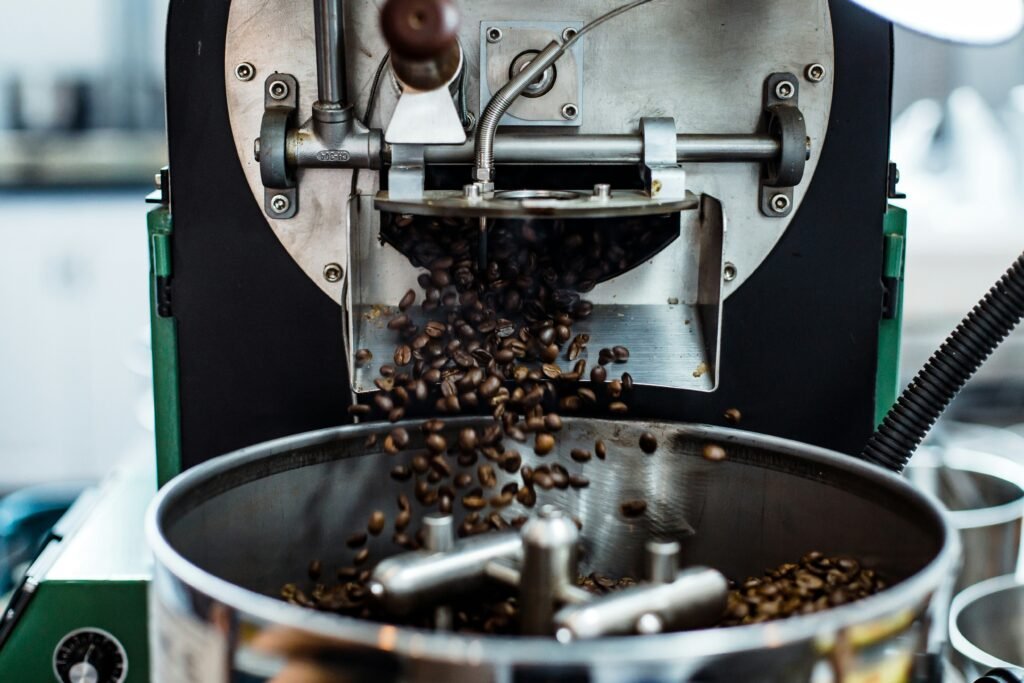
Volcanic micro-lots, shaded coastal verandas, and quiet highland fincas
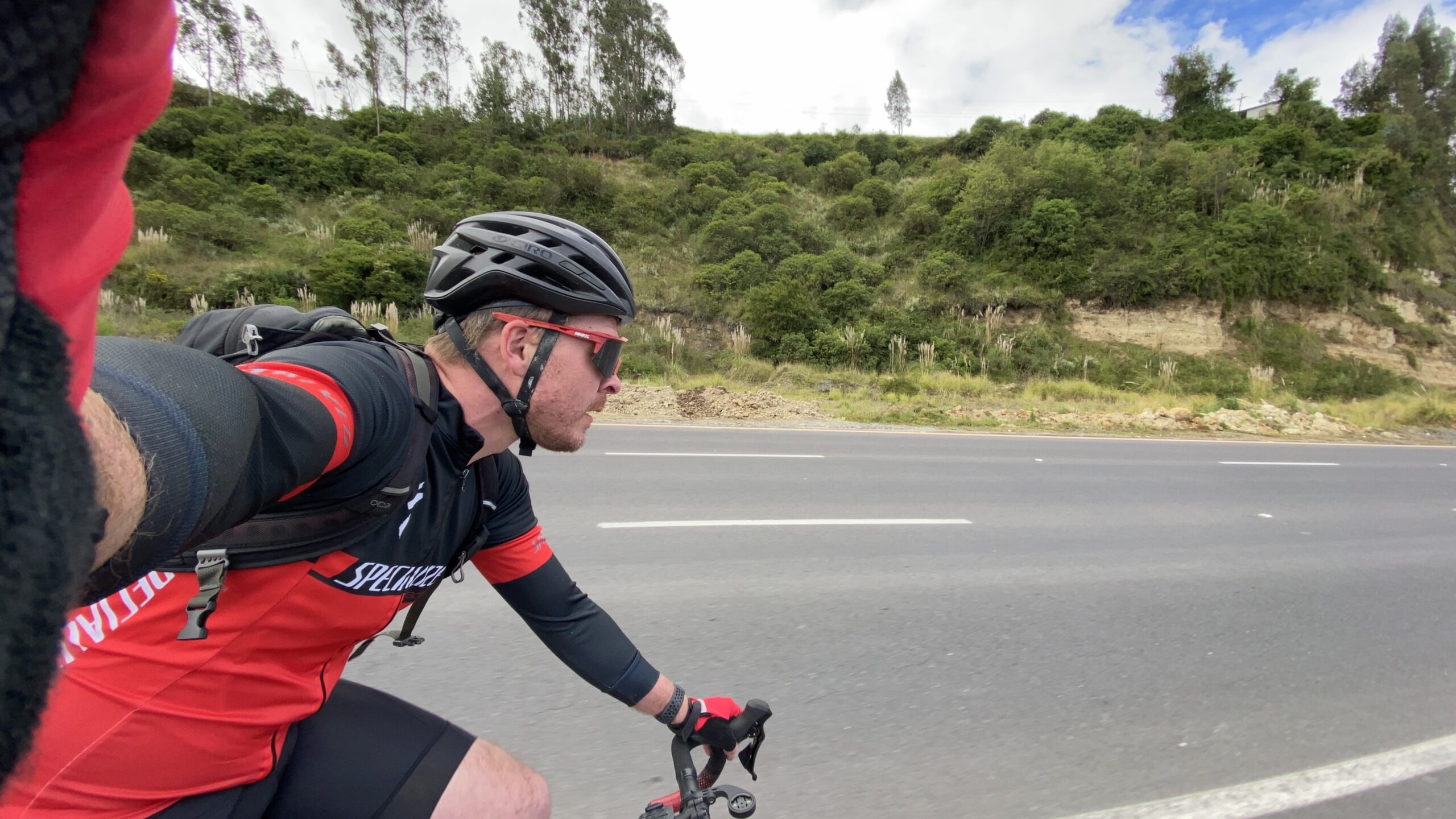
BEN FINCH
The Galápagos Islands are world-renowned for their pristine ecosystems, giant tortoises, and extraordinary marine life. Yet tucked away amidst the volcanic slopes of Santa Cruz Island lies one of Ecuador’s best-kept secrets: a thriving, highly distinct coffee culture built upon rich volcanic soil, ideal equatorial altitudes, and unique island microclimates.
For the independent traveller, discovering a destination through its food and drink is part of the joy of unhurried exploration. Stepping off the group tour circuit allows you to set your own pace. Whether you are setting out early for a walk to Tortuga Bay, cycling up into the lush highlands of Bellavista, or returning from an afternoon spent observing wildlife at the Charles Darwin Research Station, finding an exceptional cup of coffee is an essential island ritual.
Here is Wheely Tyred’s guide to the standout cafés, speciality roasteries, and eco-farms serving the finest coffee on Santa Cruz Island.
Island roasted / Santa Cruz at a glance
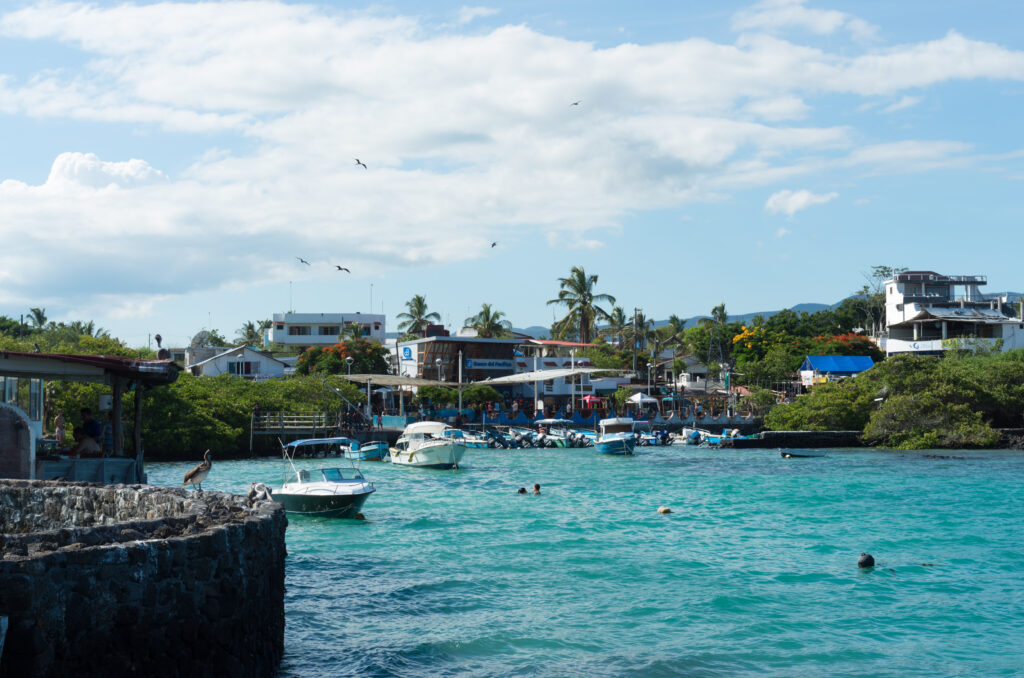
Discovering the volcanic micro-lots and quiet coastal verandas of Santa Cruz requires setting your own pace far from the tour groups. Here is a curated summary of where to drink, relax, and explore the best coffee across the island.
- 1835 Coffee Lab: Precision manual brewing and single-origin volcanic Arabica along Avenida Charles Darwin in Puerto Ayora
- Art Coffee Galápagos: A peaceful gallery-café hybrid near the research station, ideal for slow afternoons and quiet reflection
- Finca El Trapiche Ecológico: Rustic, wood-fired roasts and traditional sugar cane milling in the Bellavista highlands
- Tropic Bird Cafe: An authentic harbour-front spot overlooking Pelican Bay, perfect for watching wildlife over a robust morning brew
- Galapagos Deli: Outstanding iced lattes and house-baked sourdough paired with local mora (wild blackberry) sorbet
- Lava Java Organic Coffee Farm: Sustainable, shade-grown micro-lots cultivated in a highland food forest alongside endemic birdlife
- Volcanic Terroir: Mineral-rich soil and coastal ocean breezes yield naturally smooth, low-acidity beans unique to the archipelago
The Galápagos.
Ecuador’s Enchanted Isles
1. 1835 Coffee Lab / Puerto Ayora
Located along Avenida Charles Darwin, 1835 Coffee Lab is widely regarded as the epicentre of speciality coffee in the Galápagos. Named after the historic year Charles Darwin arrived in the archipelago, this polished roastery takes a scientific yet deeply respectful approach to local agriculture.
The café prioritises single-origin beans grown on the volcanic slopes of Santa Cruz and neighbouring San Cristóbal. The baristas here treat extraction as a craft, offering precise manual brew methods including V60, Chemex, Aeropress, and slow-steeped cold brews. The espresso profile is balanced and smooth, highlighting natural notes of toasted nut, chocolate, and subtle tropical acidity unique to island-grown Arabica.
With its minimalist wooden interiors, chilled atmosphere, and commitment to fair local sourcing, 1835 Coffee Lab is an ideal first stop for anyone looking to understand what makes Galápagos coffee so rare.
- Travel Tip: Visit in the mid-morning after the dawn harbour traffic has settled. Pair a V60 pour-over with one of their house-baked sourdough pastries
- Location: Avenida Charles Darwin 825, Puerto Ayora, Santa Cruz Island
2. Art Coffee Galápagos / Puerto Ayora
Tucked towards the quieter eastern end of Avenida Charles Darwin near the Charles Darwin Research Station, Art Coffee Galápagos offers a serene sanctuary away from the central port’s bustle. Part gallery, part neighbourhood gathering place, this café is run with warm, personal hospitality.
The espresso drinks here are crafted with care—the hot lattes and cappuccinos feature silky micro-foam that highlights the naturally sweet undertones of local beans. Beyond the coffee, Art Coffee doubles as a creative hub displaying works by local artists and hosting community workshops.
The open-air balcony seating provides a peaceful spot to read, journal, or map out your day’s itinerary while listening to the distant sea breeze. A fast internet connection also makes it a welcoming stop for independent travellers needing to check routes or catch up on remote work.
- Travel Tip: Stop by after exploring the nearby research station trails or Playa de la Estación for a refreshing iced latte and a slice of homemade cake
- Location: Avenida Charles Darwin 997, Puerto Ayora, Santa Cruz Island
The Ecuadorian Sierra.
Get lost in the hills
3. Finca El Trapiche Ecológico / Bellavista Highlands
For a coffee experience that connects cup to land, head inland from Puerto Ayora to the agricultural highlands of Bellavista. Finca El Trapiche Ecológico is an authentic, family-run ecological farm that offers an immersive look into traditional Galápagos farming methods dating back generations.
At El Trapiche, coffee bushes grow in harmony under the shade of native fruit trees and sugar cane. During a visit, you can observe traditional coffee harvesting, drying, and artisanal wood-fire roasting techniques. The coffee brewed here is rustic, full-bodied, and deeply fragrant, served fresh from beans grown just metres from your seat.
In addition to coffee, the farm demonstrates the working of a historic trapiche (a traditional mule-driven sugar cane mill), producing fresh cane juice and artisanal panela.
- Travel Tip: The farm is easily accessible by taking a local inter-parish bus from Puerto Ayora or cycling up the highland road if you enjoy a rewarding climb. Combine your visit with a stop at the nearby lava tunnels
- Location: Via a Playa El Garrapatero, Bellavista, Santa Cruz Island
4. Tropic Bird Cafe / Pelican Bay Wharf
Located directly across from the bustling municipal fish market at Pelican Bay, Tropic Bird Cafe provides one of the most authentic waterfront settings in Puerto Ayora. Loved by locals for over twenty years, this relaxed eatery is where island life unfolds at its natural pace.
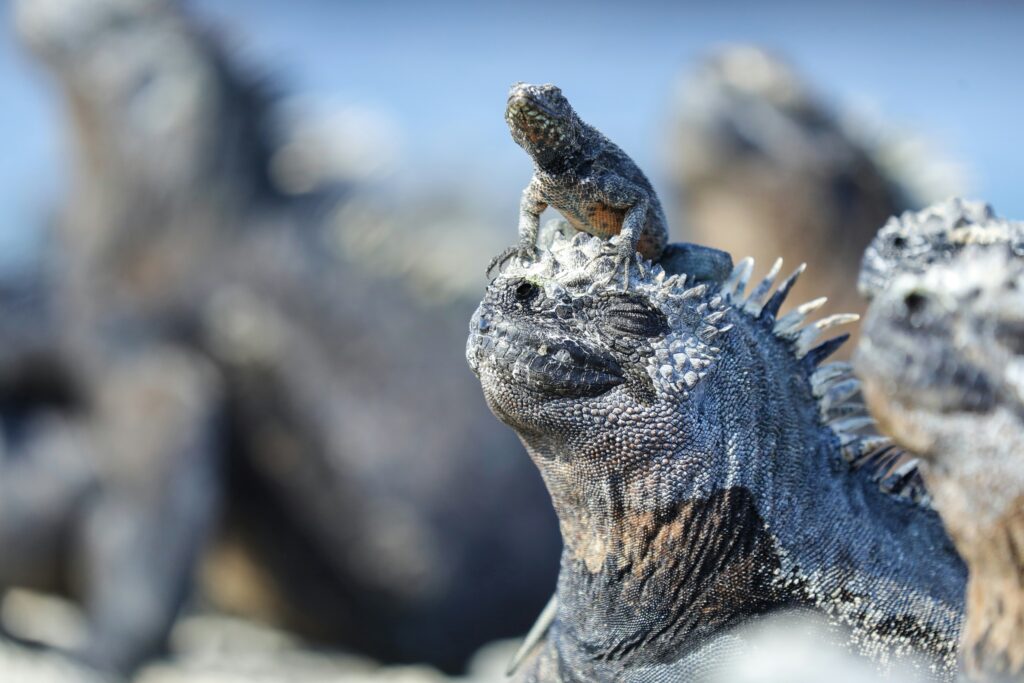
Tropic Bird Cafe serves simple, robust coffee alongside fresh tropical fruit juices and traditional Ecuadorian coastal breakfasts. Sitting on the covered patio with a warm cup of coffee while watching pelicans, frigatebirds, and marine iguanas gather near the day’s catch is an unforgettable island experience.
It avoids glossy tourist markup in favour of honest hospitality, making it a cornerstone for travellers seeking a genuine local atmosphere.
- Travel Tip: Arrive early in the morning to catch the fishermen bringing in their catch while enjoying a traditional breakfast paired with a strong black coffee
- Location: Avenida Charles Darwin, near Pelican Bay Wharf, Puerto Ayora, Santa Cruz Island
The Ecuadorian Amazon.
The most biodiverse place in the world
5. Galápagos Deli / Puerto Ayora
Situated slightly inland on Calle Tomás de Berlanga, Galápagos Deli is a vibrant, long-standing local haunt that bridges the gap between a casual coffee bar and an artisanal bakery.
While famous among locals for its house-baked sourdough sandwiches and stone-oven pizzas, the deli also serves outstanding coffee. Their iced lattes and cold brews are particularly popular during the warm tropical afternoons. The staff source local beans and prepare espresso with consistency and speed.
The shaded courtyard setting offers a welcome break from the midday heat, complete with reliable Wi-Fi and a relaxed environment.
- Travel Tip: Order an iced coffee alongside a scoop of their house-made local fruit sorbet—such as mora (wild blackberry)—for an ideal afternoon refresher
- Location: Calle Tomás de Berlanga 227 y Avenida Baltra, Puerto Ayora, Santa Cruz Island
6. Lava Java Organic Coffee Farm / Santa Cruz Highlands
High in the humid green interior of Santa Cruz lies Lava Java, an inspiring ecological coffee farm operating as a biodiversity sanctuary. Designed as a food forest, the coffee plants here are interplanted amongst thousands of native Scalesia trees (giant daisy trees) and Guayabillo.
Because the coffee is shade-grown without synthetic chemicals, the ecosystem thrives with endemic birdlife, including several species of Darwin’s finches. The resulting micro-lot coffee beans absorb the rich minerals of the high-altitude volcanic earth, yielding a complex cup with clean, citrusy brightness and floral aromatic notes.
Visiting Lava Java allows you to taste high-grade, sustainable island coffee at its source while supporting habitat restoration on Santa Cruz.
- Travel Tip: Arrange a visit while exploring the highland tortoise reserves or lava tunnels for a fascinating look at sustainable island agriculture
- Location: Highland Region, Santa Cruz Island
The Ecuadorian Coast.
Where you’ll find the very best food
The independent traveller’s guide to Galápagos coffee
Understanding the terroir
Galápagos coffee is rare on the global stage. Because the archipelago is a protected national park and UNESCO World Heritage site, agricultural land is strictly limited. Coffee plants grown on Santa Cruz benefit from rich volcanic soil, ocean breezes, and distinct microclimates created by the island’s altitude changes. The result is a bean that is naturally low in acidity with a remarkably smooth finish.
Navigating Santa Cruz independently
Unlike packaged tour itineraries that rush travellers from one landmark to another, exploring Santa Cruz on foot, by bike, or via local transport gives you total freedom.
- In Puerto Ayora: The town is compact and easily walkable. Strolling along Avenida Charles Darwin allows you to hop between coastal cafés like 1835 Coffee Lab, Tropic Bird Cafe, and Art Coffee at your own leisure
- Heading up to the Highlands: To reach Bellavista and highland farms such as El Trapiche or Lava Java, you can catch a local inter-parish bus from Avenida Baltra for a few dollars, hire a local taxi, or rent a bicycle for an active day trip
Savouring Santa Cruz coffee
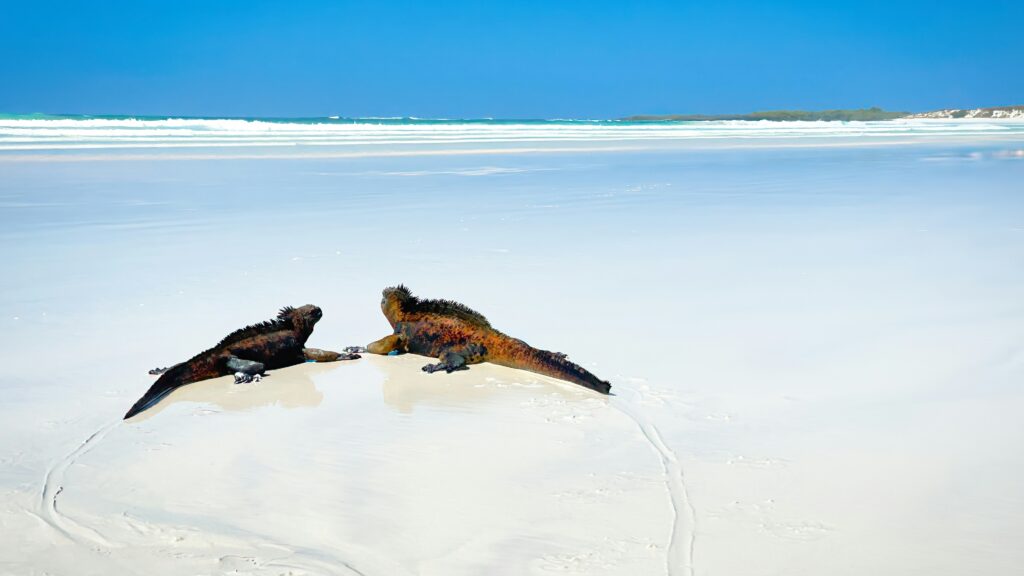
Visiting the Galápagos Islands often comes with a crowded timetable of strict shore excursions, rigid vessel schedules, and group roll calls. But the true spirit of Santa Cruz emerges when you step off the beaten track and allow the day to unfold on your own terms. Choosing to linger over a V60 pour-over in a quiet harbour café or chatting with a local farmer in the humid highlands offers a depth of connection that no whistle-stop tour can replicate.
Coffee here is more than just a morning caffeine fix; it is a direct link to the island’s unique geology and agricultural resilience. From the shade-grown volcanic micro-lots of Bellavista to the relaxed, open-air verandas along Avenida Charles Darwin, taking the time to explore these local spots turns a standard trip into a rich, memorable journey.
Frequently asked questions about the best coffee in Santa Cruz, Galápagos
Because the archipelago is a protected national park and UNESCO World Heritage site, agricultural space is strictly limited. Santa Cruz coffee is grown in small batches on volcanic soil where specific microclimates produce Arabica beans with a naturally low acidity and a smooth, well-balanced finish.
Reaching the highlands without a guided tour is straightforward. You can board a local inter-parish bus from Avenida Baltra in Puerto Ayora heading towards Bellavista for a couple of dollars. Alternatively, rent a bicycle for a rewarding uphill ride or hire a local taxi to visit spots like Finca El Trapiche Ecológico and Lava Java.
Mid-morning is ideal for central spots like 1835 Coffee Lab, after the early harbour traffic has settled. For waterfront locations like Tropic Bird Cafe near Pelican Bay, early morning is best—you can watch local fishermen land the day’s catch while sea lions, pelicans, and marine iguanas gather nearby.
Yes, speciality roasteries in Puerto Ayora—such as 1835 Coffee Lab—sell freshly roasted whole or ground single-origin beans sourced directly from farms on Santa Cruz and neighbouring San Cristóbal. Buying directly from local roasters ensures fair prices for highland farmers.
Highland farms like Lava Java interplant their coffee bushes beneath a canopy of native Scalesia and Guayabillo trees rather than clearing the land. This food forest approach eliminates the need for synthetic chemicals and preserves critical native habitat for endemic species, including several varieties of Darwin’s finches.
Yes, Puerto Ayora is compact and very walkable. Most speciality cafés, bakeries, and water-taxi docks are concentrated along or just off Avenida Charles Darwin, making it easy to hop between coffee stops on foot or by bike.
Ecuador.
Pure wonder on the equator.