The best boat tours from Santa Cruz / Exploring the Galápagos Archipelago by sea
Top-rated day cruises, snorkelling sails, and yacht excursions from Puerto Ayora, Galápagos
Adventures and maritime exploration in Ecuador’s sanctuary
BEN FINCH
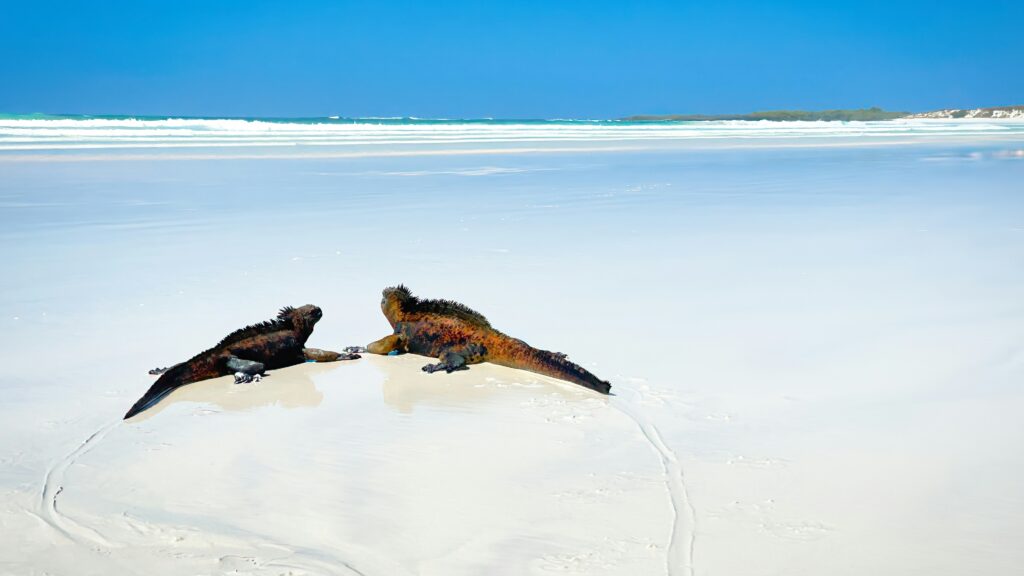
The Galápagos Islands are a place where the boundary between land and ocean dissolves entirely. Straddling the equator some 600 miles off the coast of mainland Ecuador, this volcanic archipelago remains one of the world’s most pristine marine reserves. While land-based trekking offers intimate glances at giant tortoises and volcanic craters, the true spirit of these enchanted islands is revealed from the deck of a vessel. Marine iguanas glide effortlessly through turquoise shallows, flightless cormorants dart past submerged lava reefs, and playful sea lion pups ride the bow waves of small passenger boats navigating the Pacific swell.
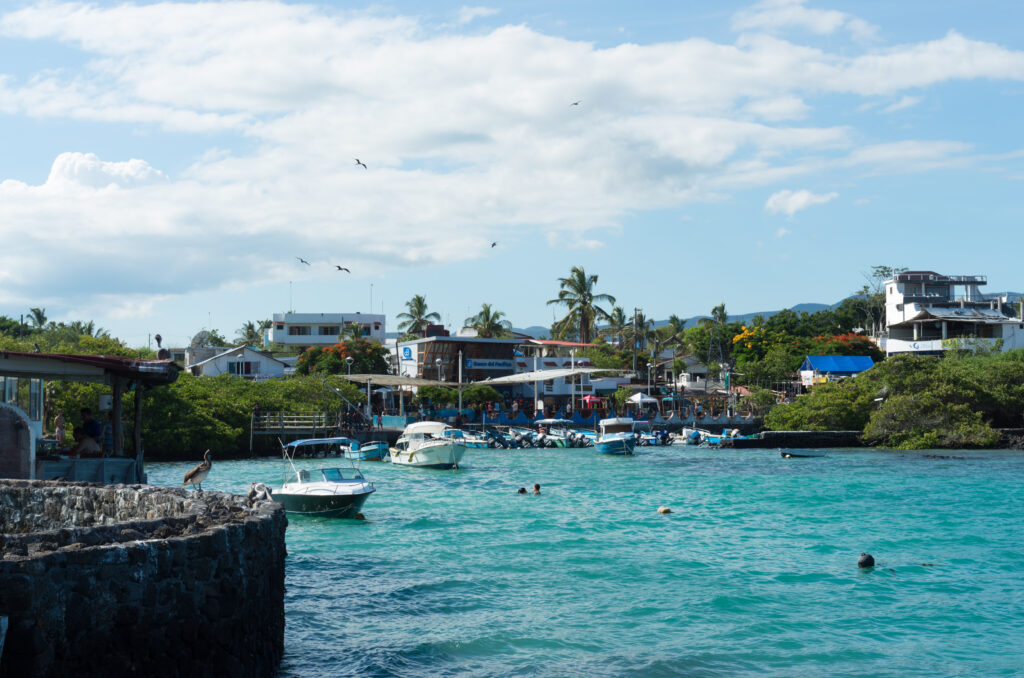
At Wheely Tyred, our maritime philosophy centres on slow, sustainable, and respectful exploration. We advocate for small-group boat trips that operate under strict eco-conscious guidelines, honouring the delicate balance of the Galápagos National Park. Santa Cruz Island—specifically the bustling harbour town of Puerto Ayora—serves as the central nautical hub of the archipelago. From here, a fleet of licensed day-yachts and passenger boats departs daily to reach uninhabited satellite islands, hidden bays, and volcanic islets that remain completely inaccessible by land.
Choosing the right water excursion from Santa Cruz is the difference between a generic holiday and a transformative maritime journey. To help you navigate the options, we have evaluated and curated five exceptional, bookable boat tours based on vessel quality, naturalist expertise, environmental standards, and reader feedback. Whether you wish to ascend volcanic summits, snorkel with white-tip reef sharks, or sail past sprawling seabird colonies, these are the absolute best boat tours departing from Santa Cruz.
Key takeaways for the Galápagos seafarer
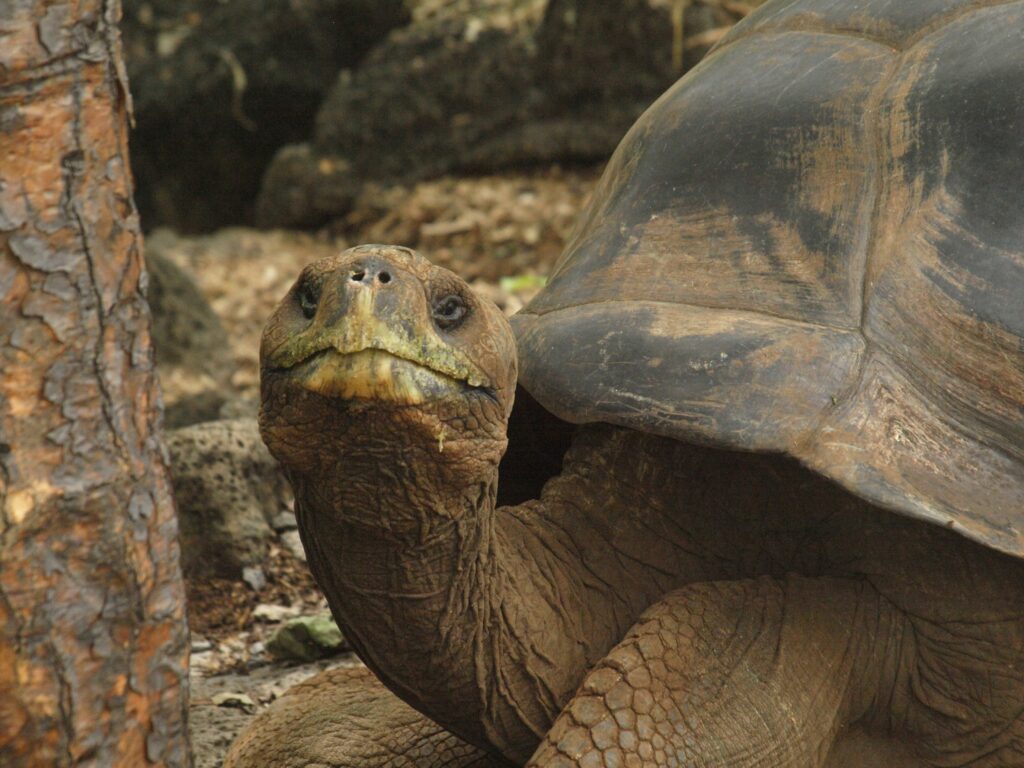
Navigating the marine sanctuary around Santa Cruz requires matching your appetite for adventure with the right vessel, sea conditions, and itinerary. Here is everything you need to keep in mind before stepping off the pier at Puerto Ayora.
- Bartolomé Island: Iconic for its volcanic Pinnacle Rock view, 375-step wooden summit boardwalk, and the rare chance to snorkel alongside Galápagos penguins
- North Seymour Haven: The ultimate trip for birdwatchers, featuring blue-footed booby courtship dances, inflated frigatebird pouches, and dry landings onto raw lava rocks
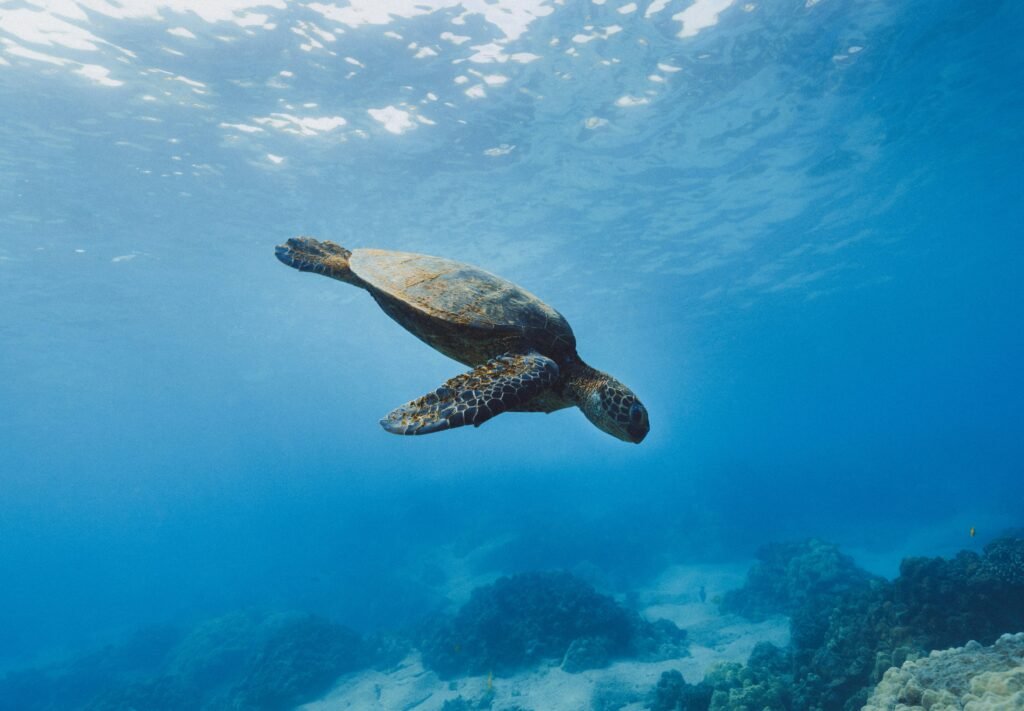
- Pinzón Marine Sanctuary: Tailored for dedicated swimmers and snorkellers seeking close encounters with white-tip reef sharks, green sea turtles, and playful sea lion pups in sheltered coves
- Santa Fé Lagoon: Offers calm, emerald waters framed by giant Opuntia cacti—ideal for kayaking, stand-up paddleboarding, and spotting endemic land iguanas
- Academy Bay Exploration: A convenient half-day harbour route for short-stay travellers wishing to explore local sea lion nurseries and swim at Las Grietas without a long ocean transit
- Seamanship & Gear: Equatorial sun demands UPF 50+ rashguards, whilst cool waters driven by the Humboldt Current between July and November make renting a 3mm shorty wetsuit essential
- Sanctuary Etiquette: Always respect the mandatory two-metre wildlife buffer, prepare for wet and dry panga landings with ankle-strap water sandals, and support local crews with cash tipping
Santa Cruz
Explore highlands full of giant tortoises
Voyage to the lunar landscapes of Bartolomé
Rating & reviews
(13+ verified traveller reviews on GetYourGuide)
Why this specific tour stands out
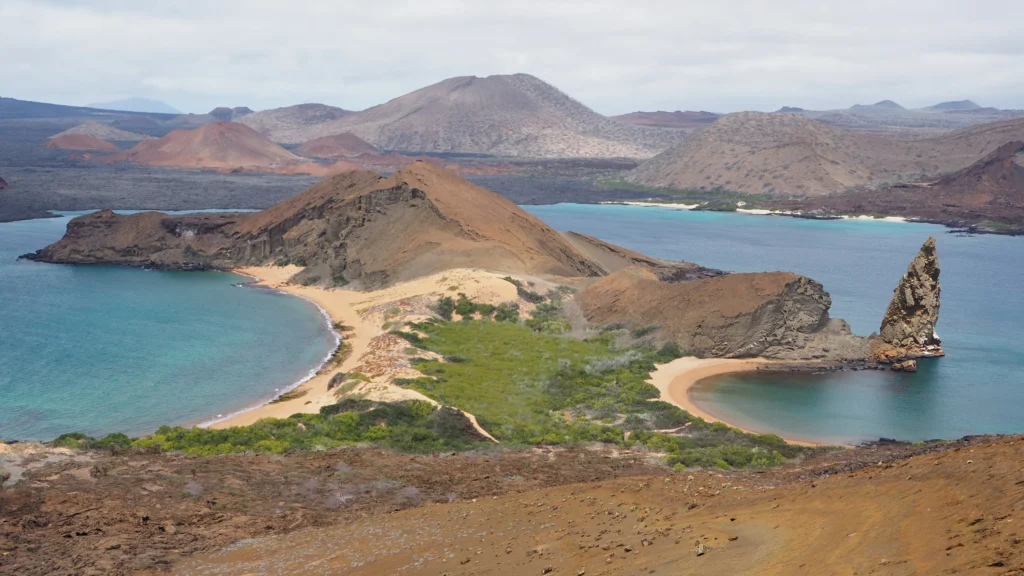
If there is a single defining visual postcard of the Galápagos Archipelago, it is the dramatic spires of Pinnacle Rock on Bartolomé Island. This full-day maritime excursion departs early in the morning from the Itabaca Channel on the northern shore of Santa Cruz. Travelling aboard a comfortable, motor-driven passenger yacht, guests are accompanied by a certified Galápagos National Park naturalist who provides rich context on the island’s raw, volcanic geology. The vessel limits passenger capacity to ensure an intimate atmosphere on deck and uncrowded landings on the island’s fragile shoreline.
Key highlights
- Pinnacle Rock Panorama: Climb the 375-step wooden boardwalk to the summit of Bartolomé for a panoramic view across moonlike volcanic fields and golden beaches
- Penguin Snorkelling: Swim in the sheltered cove beneath Pinnacle Rock, offering rare opportunities to snorkel alongside Galápagos penguins—the only penguin species found north of the equator
- Marine Encounters: Clear water visibility frequently reveals sea turtles, harmless white-tip reef sharks, and schools of vibrant parrotfish
- Onboard Hospitality: Includes freshly prepared breakfast and a buffet lunch served in the yacht’s dining saloon between island visits
Ideal for
Landscape photographers, active naturalists, and travellers seeking the quintessential, dramatic volcanic vistas that put the Galápagos on the map.
Local maritime insight
The ocean transit from Santa Cruz across the open channel to Bartolomé takes approximately two hours each way and can experience rolling Pacific swells. We recommend securing a seat towards the stern (aft deck) of the vessel where vessel motion is minimised, and keeping a windproof jacket accessible for the breezy early-morning departure.
The Galápagos.
Ecuador’s Enchanted Isles
Wildlife encounters and frigatebird colonies at North Seymour
Rating & reviews
(1+ verified traveller review on Viator)
Why this specific tour stands out
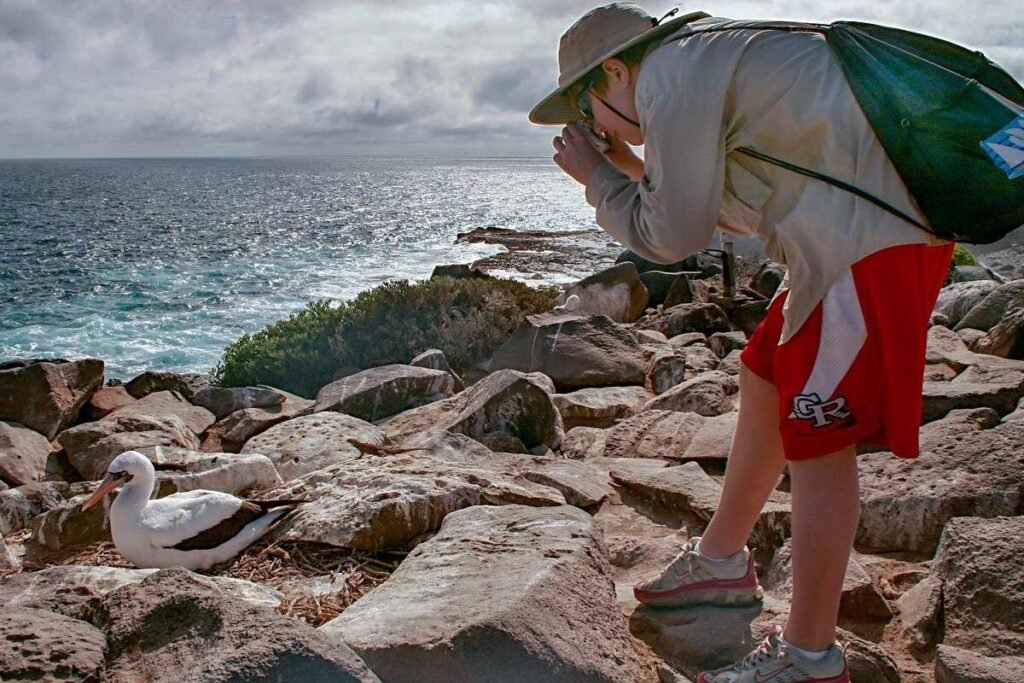
North Seymour is a low-lying, uplifted seabed island situated just north of Santa Cruz, renowned across the globe as one of the premier seabird breeding grounds in the Pacific. This meticulously managed boat tour operates on a spacious passenger vessel equipped with open-air observation decks, providing unobstructed views of the coastline as you approach. Led by senior naturalist guides, the tour prioritises low-impact land visits combined with rich coastal navigation along Mosquera Islet, where sea lions bask on blindingly white coral sands.
Key highlights
- Seabird Courtship Rituals: Observe blue-footed boobies performing their famous mating dances and magnificent frigatebirds inflating their crimson throat pouches in the low scrub
- Land Iguana Tracking: Spot endemic Galápagos land iguanas foraging amongst golden palo santo trees and lava rocks
- Mosquera Islet Drift Snorkel: A coastal water excursion allowing travellers to float over shallow coral reefs frequented by spotted eagle rays and juvenile sea lions
- Educational Excellence: In-depth commentary on island ecological restoration and marine conservation efforts
Ideal for
Avid birdwatchers, wildlife photographers, and travellers keen on experiencing close-range wildlife encounters in a raw, undisturbed habitat.
Local maritime insight
Disembarking onto North Seymour requires a dry landing directly onto smooth, volcanic lava rocks that can be slick with ocean spray and algae. Leave smooth-soled shoes at your hotel; sturdy water sandals or light hiking shoes with deep rubber treads are essential for stepping safely off the panga (dinghy).
The Ecuadorian Sierra.
Get lost in the hills
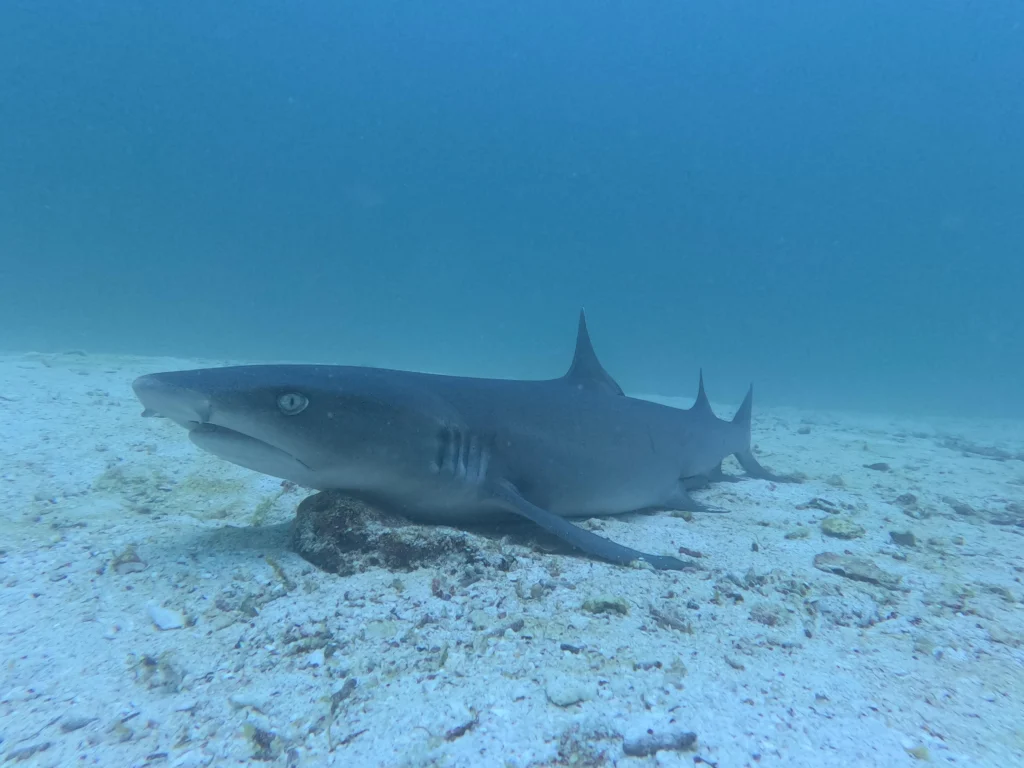
Gliding with sea turtles and reef sharks around Pinzón
Rating & reviews
(4+ verified traveller reviews on GetYourGuide)
Why this specific tour stands out
While many Galápagos boat tours focus heavily on terrestrial hikes, this excursion to Pinzón Island (located off the western coast of Santa Cruz) is designed explicitly for water enthusiasts. Pinzón’s surrounding marine reserve features remarkably calm, crystal-clear coves protected by sheer basalt cliffs. The tour utilises day-yachts capable of anchoring close to sheltered reefs like La Fé and Penguin Bay, where marine life aggregates in staggering numbers.
Key highlights
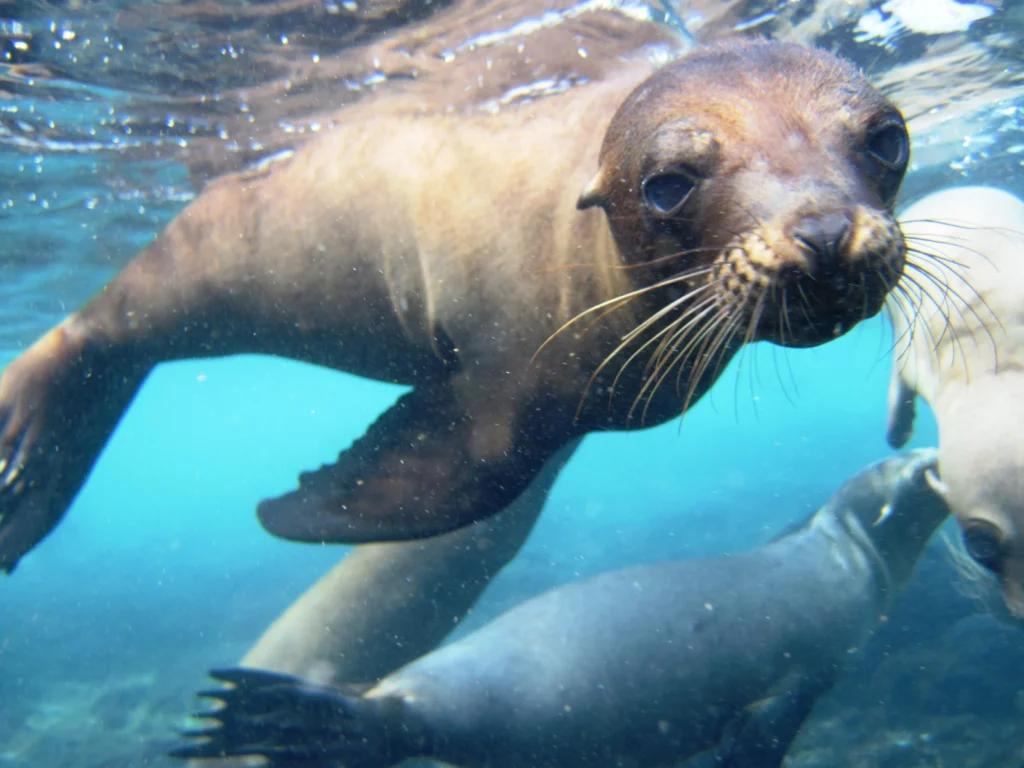
- Aquatic Biodiversity: Swim alongside dozens of Pacific green sea turtles, sleek white-tip reef sharks, marine iguanas feeding on underwater algae, and golden rays
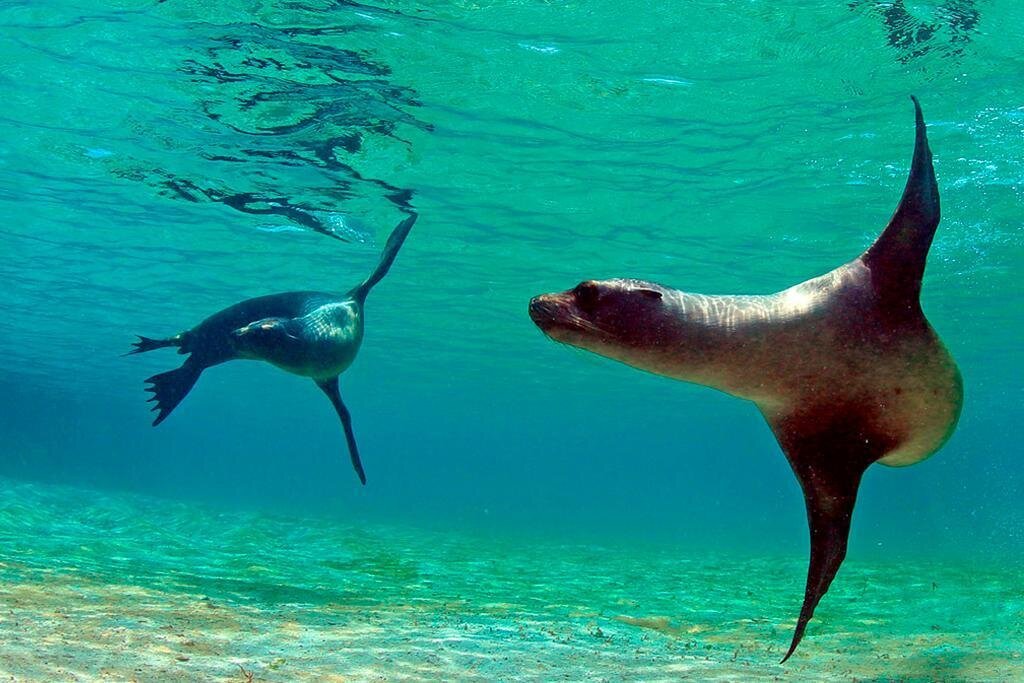
- Interactive Sea Lions: Friendly, curious sea lion pups frequently swim up to snorkellers, performing aquatic acrobatics in the clear blue water
- Catch-and-Release Demonstration: Learn about traditional local fishing practices in designated zones, often culminating in fresh, onboard ceviche prepared by the crew
- Small Group Focus: Capped passenger numbers ensure personalised attention from the divemaster and naturalist guide while in the water
Ideal for
Confident swimmers, marine life enthusiasts, and travellers who prefer spending their day immersed in the ocean rather than walking on dry land.
Local maritime insight
Water temperatures around Pinzón can drop unexpectedly when the cooler Humboldt Current dominates between July and November (averaging 18°C–21°C). Renting a 3mm neoprene shorty wetsuit from a dive shop in Puerto Ayora prior to boarding will significantly extend your comfortable time in the water.
Turquoise bays and ancient cactus forests of Santa Fé
Rating & reviews
(80+ verified traveller reviews on GetYourGuide)
Why this specific tour stands out
Santa Fé Island is one of the geologically oldest landmasses in the archipelago, located roughly 45 minutes southeast of Santa Cruz. The arrival by boat into Santa Fé’s northeast bay is breathtaking: the vessel glides into a natural lagoon of startling, luminous emerald water, framed by towering cliffs and forests of giant Opuntia prickly pear cacti. This tour combines gentle coastal navigation with aquatic activities straight from the swim platform of the boat.
Key highlights
- Endemic Wildlife: Spot the Barrington land iguana—a pale yellow species found nowhere else on Earth—alongside massive cactus forests
- Emerald Lagoon Swim: Snorkel in shallow, sand-bottomed waters populated by tranquil rays, sea turtles, and vast schools of tropical fish
- Paddlesports on the Water: Explore the mangrove-lined inlets and rocky coves using onboard sit-on-top kayaks or stand-up paddleboards
- Relaxed Pace: A gentler, less strenuous itinerary that emphasises quiet appreciation of the marine landscape
Ideal for
Families, relaxed holidaymakers, and travellers seeking a tranquil boat trip with calm swimming conditions and scenic anchorages.
Local maritime insight
Because Santa Fé’s bay is protected by a natural barrier of rocky islets, it offers some of the calmest water anchorages near Santa Cruz. If you are prone to motion sickness, this is arguably the most comfortable offshore island cruise option available.
The Ecuadorian Amazon.
The most biodiverse place in the world
Coastal exploration of Santa Cruz’s historical harbour
Rating & reviews
(61+ verified traveller reviews on Viator)
Why this specific tour stands out
For travellers who want to experience the maritime beauty of Santa Cruz without committing to an eight-hour ocean transit, this classic half-day tour is the ideal solution. Departing directly from the main passenger pier in Puerto Ayora, local water taxis and small motor vessels chart the inlets, channels, and volcanic crevices surrounding Bahía Academia (Academy Bay). It offers an insightful look into how human history, geology, and marine life intersect along Santa Cruz’s southern coastline.
Key highlights
- La Lobería: Visit a sheltered islet within the bay that serves as a bustling sea lion nursery, perfect for shallow-water snorkelling
- Canal de los Tiburones: Cruise through a narrow basaltic channel where white-tip reef sharks rest peacefully in the clear, shallow water
- Playa de los Perros: Take a short coastal walk across dark lava fields to observe dense colonies of marine iguanas basking in the sun
- Las Grietas Access: Many operators combine this boat excursion with a walk to Las Grietas, a stunning tectonic fracture filled with crystal-clear, brackish water ideal for swimming
Ideal for
Travellers short on time, families with younger children, or those seeking an affordable, high-value coastal excursion on their arrival day in Puerto Ayora.
Local maritime insight
This tour stays predominantly within the protected lee of Santa Cruz Island. Ocean conditions are typically smooth, making it an excellent warm-up trip to test your camera equipment and acclimatise your sea legs before embarking on longer island crossings.
Our practical Santa Cruz boat tour & water safety guide
Navigating the waters of the Galápagos Marine Reserve requires preparation, respect for wildlife, and an understanding of equatorial ocean conditions. To ensure a safe and enjoyable journey on the water, keep these practical guidelines in mind:
Layering for equatorial maritime conditions
While the sun at the equator is incredibly powerful, ocean breezes on open decks create swift wind-chill during long transits. Wear a lightweight, long-sleeved UPF 50+ rashguard while snorkelling to protect against sunburn without using reef-harming chemicals. Bring a breathable, windproof jacket for morning and late-afternoon crossings.
Strict marine sanctuary etiquette
Galápagos National Park regulations explicitly require visitors to maintain a minimum distance of two metres (six feet) from all wildlife—both on land and underwater. Never attempt to touch sea lions, turtles, or iguanas, and refrain from using flash photography, which disorients nesting birds and marine animals.
Managing Pacific swells & ocean motion
The open waters separating Santa Cruz from outer islands like Bartolomé or Pinzón involve crossing deep ocean channels where major marine currents meet. If you are susceptible to motion sickness, take non-drowsy medication or apply a scopolamine patch at least one hour before leaving the harbour.
Footwear for panga disembarkations
Boat tours in the Galápagos utilise small rubber dinghies (pangas) to transport passengers from the main vessel to the shore. You will encounter both dry landings onto slick, volcanic lava rock and wet landings where you must step directly into knee-deep surf. Wear secure water sandals with grippy rubber soles and ankle straps rather than loose flip-flops.
Crew tipping protocol
The boat captains, deckhands, and licensed naturalist guides work demanding hours under harsh marine conditions to keep passengers safe. While tipping is voluntary, expressing gratitude with a cash tip ($10 to $20 USD per passenger total, split between crew and guide) at the end of a day excursion directly supports the local island community.
The Ecuadorian Coast.
Where you’ll find the very best food
Setting sail into the archipelago’s silent rhythm
Read this far?
There is a quiet, rhythmic hum to life on the water around Santa Cruz. Long after the hum of motor launches dies down and the sea spray settles against the hull, what stays with you is the sheer indifference of the wildlife. In the Galápagos, animals do not scurry away at the sound of human approach; they simply carry on with their ancient daily routines, leaving you as a privileged observer floating on the fringe of their world.
Choosing slow, small-boat navigation over rushed island-hopping allows you to feel the true pulse of the Pacific. Crossing the open channels where cold ocean currents collide with equatorial waters forces you to slow down, adjust to the sea’s unpredictable swell, and appreciate the immense geological effort it took to create these solitary volcanic outcrops.
Whether you are ascending the weathered boardwalks of Bartolomé or floating silently alongside a sea turtle off the coast of Pinzón, these water excursions offer a grounding reminder of nature’s raw autonomy. Pack light, leave no trace, and respect the strict boundaries of this fragile sanctuary—the marine reserve will reward you with encounters that linger long after you return to mainland shores.
Affiliate Disclaimer: Some of the links on Wheely Tyred are affiliate links. If you click through and make a booking or purchase, we may earn a small commission at no extra cost to you. We only recommend gear, tours, stays, and services we genuinely use, trust, and stand behind — our editorial independence always comes first. These commissions help keep our independent cycling guides and travel stories free to read. You can also buy me a coffee here — thanks for supporting the ride!
Frequently asked questions about the best Santa Cruz boat tours
A dry landing involves stepping directly from the panga (rubber dinghy) onto a solid wooden pier or dry volcanic rock ledge. A wet landing means the panga will approach a shallow sandy beach, requiring you to step over the side into knee-deep surf. Secure water sandals with grippy rubber soles and ankle straps are essential for handling both types safely.
It depends on the time of year. Between December and May, the ocean is warmer and a simple rashguard is usually sufficient. However, from July to November, the cold Humboldt Current drives water temperatures down to 18°C–21°C. Renting a 3mm neoprene shorty wetsuit from a local dive shop in Puerto Ayora prior to boarding will keep you comfortable during longer snorkelling sessions around Pinzón or Bartolomé.
Because Galápagos National Park strictly limits passenger numbers on uninhabited outer islands like Bartolomé and North Seymour, daily vessel permits sell out fast. We strongly recommend booking your prioritised day cruises two to three months in advance, particularly if you are travelling during peak seasons (June to August and mid-December to January).
The open ocean channels separating Santa Cruz from outer islands like Bartolomé or Pinzón often experience rolling Pacific swells. If you are prone to motion sickness, take non-drowsy medication or apply a scopolamine patch at least one hour before leaving Puerto Ayora harbour. Sitting towards the stern (aft deck) of the vessel, where movement is minimised, also helps significantly.
Tipping is voluntary but customary in the Galápagos, as captains, deckhands, and naturalist guides work long hours under demanding marine conditions. A cash tip of $10 to $20 USD per passenger total, handed over at the end of the excursion to be split between the guide and crew, is widely appreciated and directly supports the local island community.
Yes. Galápagos National Park regulations mandate a strict minimum distance of two metres (six feet) from all wildlife at all times, both on land and underwater. Touching animals, chasing sea turtles, or using flash photography is strictly prohibited to avoid disorienting wildlife and disturbing fragile habitats.
Ecuador.
Pure wonder on the equator.