Pedal through paradise / The ultimate guide to Santa Cruz Island bike tours, Galápagos
Book top-rated e-bike & mountain bike excursions in Santa Cruz, Galápagos Islands
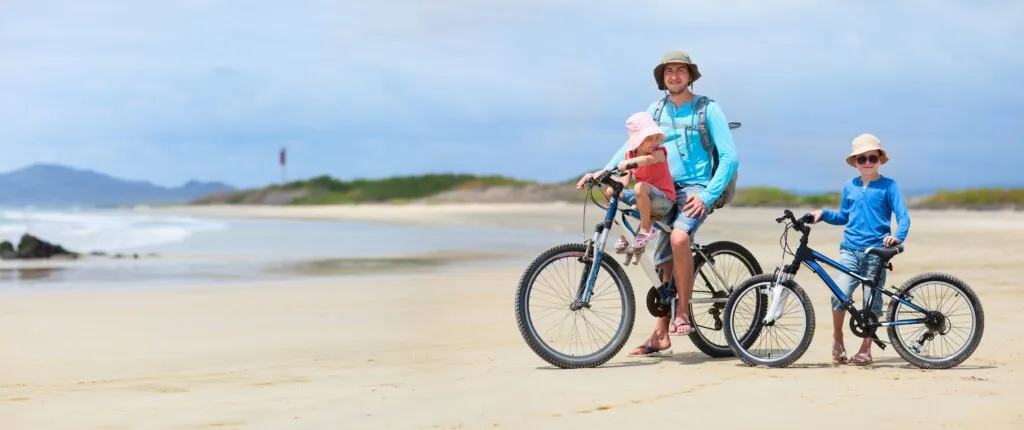
Feel the trade winds and meet giant tortoises on two wheels
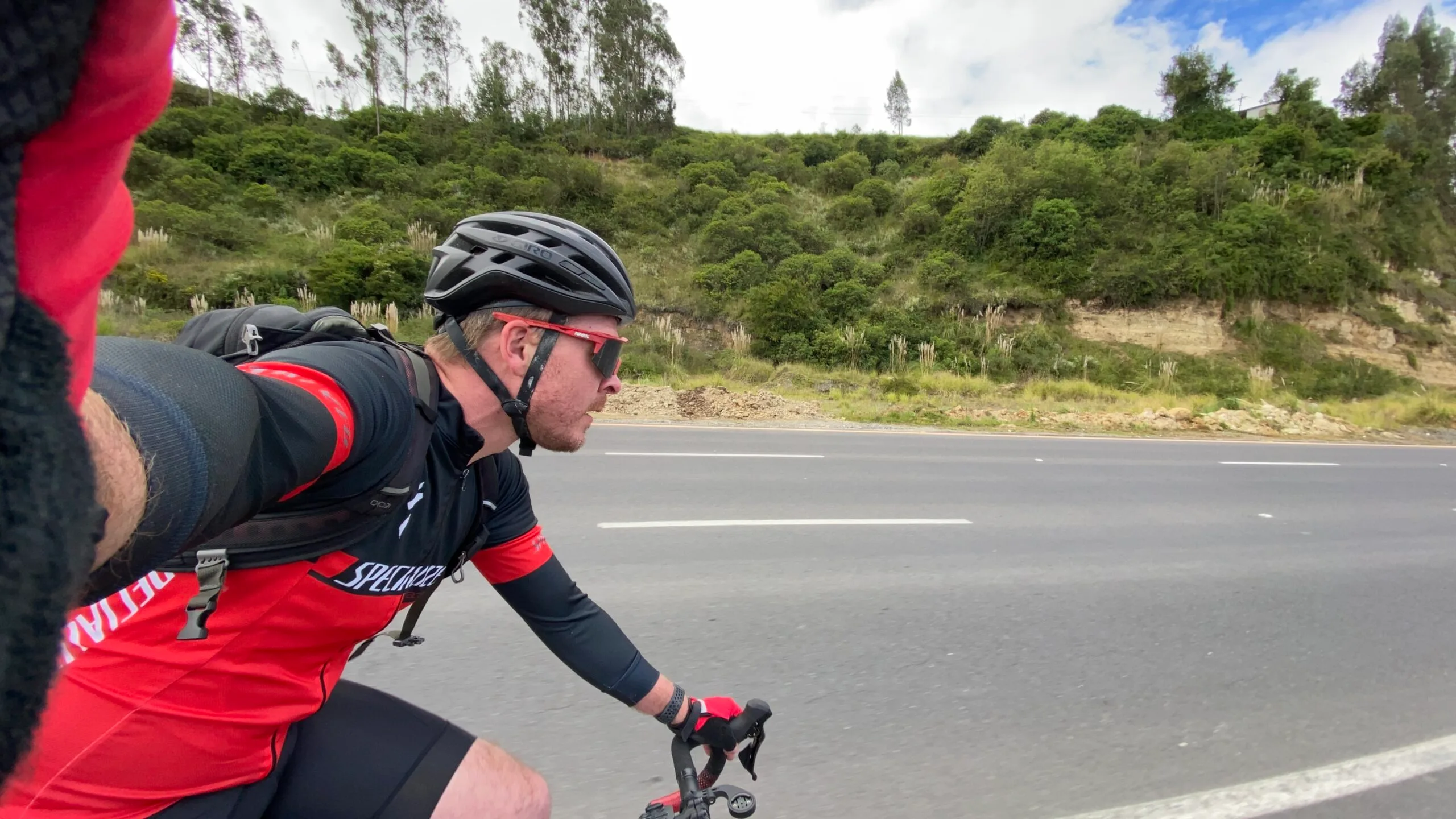
BEN FINCH
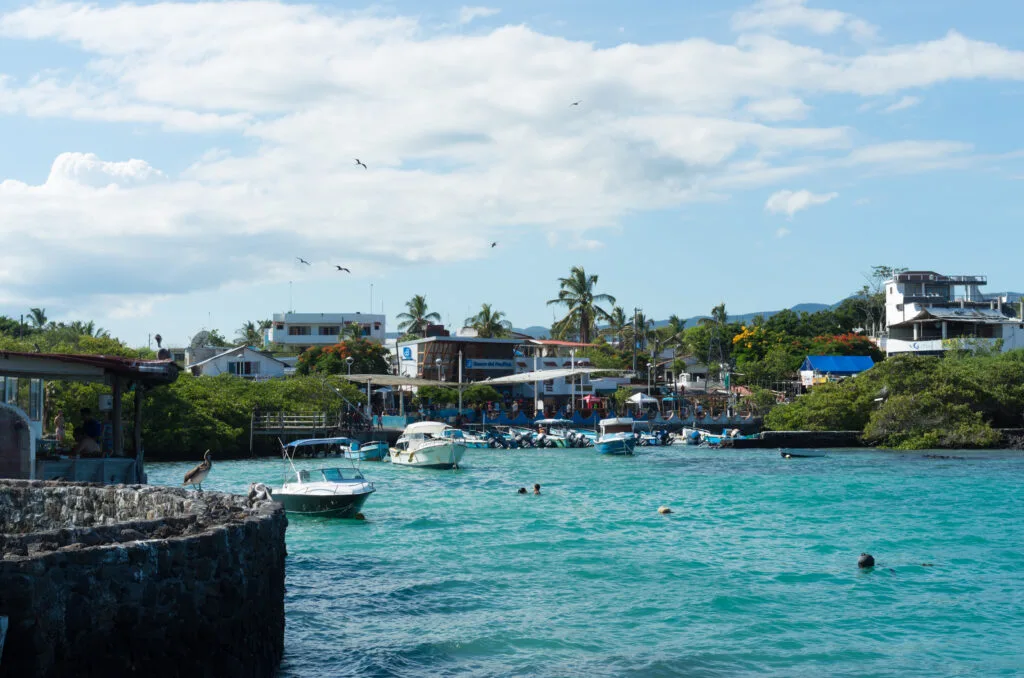
There is an undeniable magic to Santa Cruz Island that most travellers miss from behind the tinted windows of a diesel-chugging tour bus. Situated at the heart of the Galápagos archipelago, Santa Cruz is a place of striking geological contrast. In a single morning, you can pedal from the arid, cactus-studded coast of Puerto Ayora, through rolling agricultural pastures, and up into the misty, moss-draped Scalesia cloud forests of the humid highlands (la parte alta).
At Wheely Tyred, our philosophy is rooted in slow, autonomous travel on two wheels. We despise rigid group itineraries, generic rental traps, and mass-market sightseeing loops that treat world-class natural wonder as a checklist. Cycling across Santa Cruz allows you to engage all your senses: the earthy scent of damp volcanic soil, the cool shift in air temperature as you gain altitude, and the rustle of giant tortoises brushing through tall elephant grass right beside the trail.
Exploring Santa Cruz by bicycle or pedal-assist e-bike bridges the gap between coastal settlement and protected wilderness. Guided bike tours cover significantly more ground than walking while granting you intimacy with the environment that vehicles simply strip away. Whether you are gliding effortlessly up 600 metres of elevation on a state-of-the-art e-bike or carving down gravel tracks towards remote turquoise bays, taking to two wheels is hands-down the most authentic, sustainable, and exhilarating way to experience the Galápagos.
Santa Cruz on two wheels / Highland trails & volcanic encounters
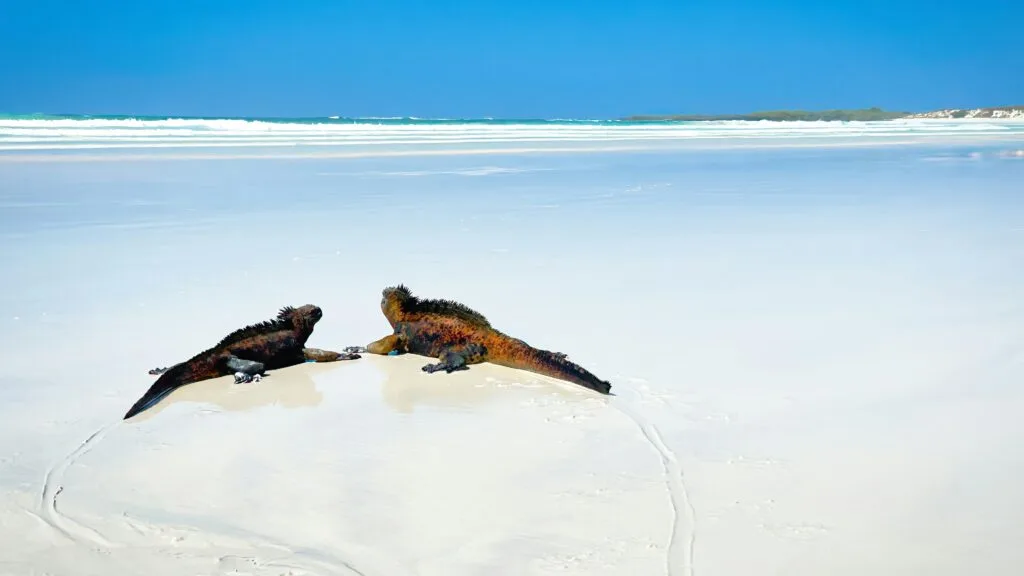
From pedal-assist highland ascents to private volcanic descents, exploring Santa Cruz on two wheels puts you face-to-face with wild giant tortoises and subterranean basalt caverns. Here are the key routes, ecological highlights, and local secrets that define an independent saddle safari across the island.
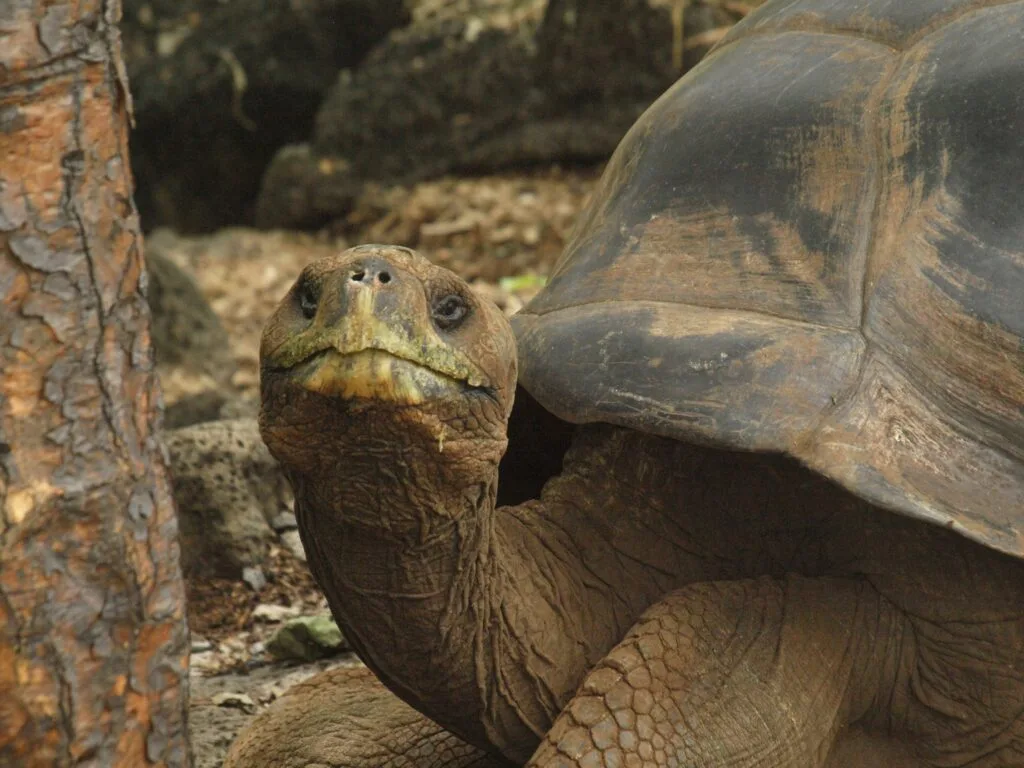
- El Chato & Galápagos Frontier Reserves: Pedal along quiet highland tracks to observe giant tortoises roaming freely across green agricultural pastures in their natural habitat
- Subterranean Lava Tubes: Descend beneath the volcanic turf to explore ancient, torch-lit basaltic caverns carved by flowing lava millions of years ago
- High-Torque E-Bike Climbs: Harness smooth pedal-assist power to flatten Santa Cruz’s 300 to 600-metre elevation gain up to Santa Rosa without physical exhaustion
- Customisable Mountain Bike Descents: Enjoy tailor-made private rides ranging from a gentle 2 km roll to a 16 km multi-terrain exploration from Bellavista down towards the coast
- Local Artisan Workshops: Venture off the traditional tourist trail to visit small island craft workshops and rural agricultural communities in the highlands
- Post-Ride Coastal Fuel: Refuel after a highland descent with an authentic bowl of encebollado, Ecuador’s savoury coastal fish and cassava soup
- Highland Drizzle & Microclimates: Prepare for the island’s shifting weather—where coastal sunshine transforms into the cool, misty highland garúa drizzle
Santa Cruz
Explore highlands full of giant tortoises
Highland e-bike safari & subterranean lava tubes
Rating & reviews
(35+ verified reviews on Viator)
Why this specific tour stands out
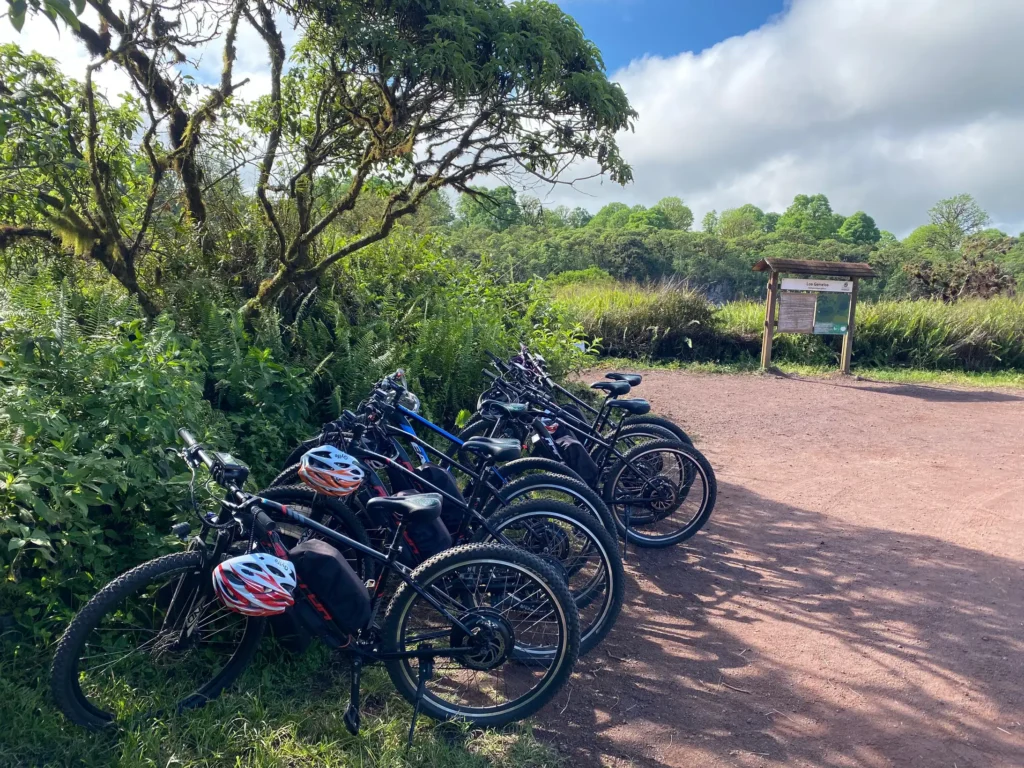
This top-rated excursion combines the effortless power of high-torque pedal-assist e-bikes with expert local naturalism. Led by renowned local guide Rony, the tour shuttles riders up to the village of Santa Rosa before mounting e-bikes to tackle the rolling highland terrain. The pedal-assist motors flatten the island’s notorious volcanic inclines, allowing you to focus entirely on the landscape.
You will navigate quiet rural agricultural paths directly to the private reserve at El Chato Ranch, where wild Galápagos giant tortoises wander freely across green pastures. After observing these gentle giants at eye level, the ride continues to underground volcanic lava tubes, where you will descend into torch-lit subterranean caverns carved out millions of years ago by flowing basaltic lava. Safety management is exceptional, with a support vehicle on standby and well-maintained equipment throughout.
Key highlights
- Powerful pedal-assist e-bikes tailored specifically for highland elevation gradients
- Guided wildlife walk at El Chato Ranch among wild Galápagos giant tortoises in their natural habitat
- Torch-lit exploration of massive subterranean volcanic lava tubes
- Local organic coffee and snack break in the agricultural district
Ideal for
Casual riders, families, and wildlife enthusiasts who want to conquer the highland elevation without physical exhaustion.
Local cycling insight
The Santa Cruz highlands experience a persistent light drizzle known locally as garúa, particularly between June and December. Bring a lightweight waterproof shell and wear closed-toe shoes with good tread—the lava rock paths inside the underground tunnels can be slick and uneven.
The Galápagos.
Ecuador’s Enchanted Isles
Private custom descent & giant tortoise reserve
Rating & reviews
(45+ verified reviews on Viator)
Why this specific tour stands out
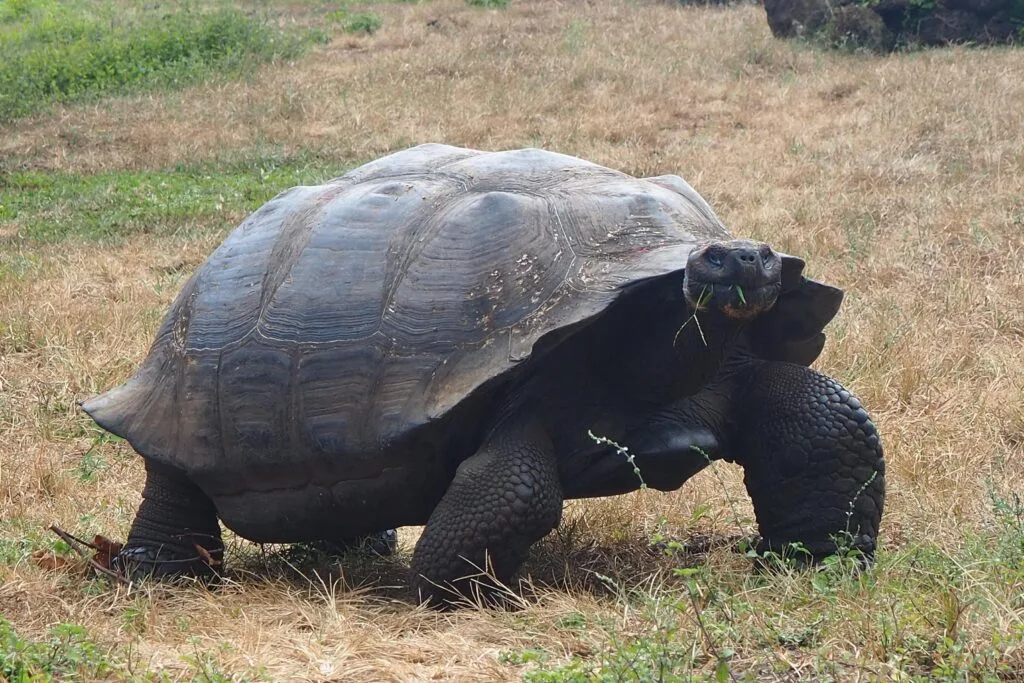
For travellers who prefer standard mountain bikes and an adaptable, tailor-made riding itinerary, this private cycle tour delivers absolute autonomy. Operating away from large tour groups, your dedicated local guide, Julio, customises the route based on your fitness and mileage preferences—flexing the ride from a leisurely 2 km warm-up to a rigorous 16 km multi-terrain exploration.
Starting in the cool heights of Bellavista and Santa Rosa, you will cycle quiet backroads down towards private conservation sanctuaries like Galápagos Frontier. Here, you will spend uninterrupted time learning about giant tortoise ecology, endemic plant restoration, and island geology. The day concludes with a hearty, authentic bowl of Ecuadorian encebollado (a savoury fish and cassava soup), providing a true taste of local coastal culture.
Key highlights
- Flexible distance options (from 2 km up to 16+ km) on sturdy multi-gear mountain bikes
- Dedicated private naturalist guide offering personalised pacing and deep geological commentary
- Exclusive entry to private tortoise conservation lands away from cruise boat crowds
- Authentic post-ride culinary lunch featuring traditional Ecuadorian encebollado soup
Ideal for
Independent travellers, fit cyclists, and small groups seeking a private, flexible ride with an authentic local cultural connection.
Local cycling insight
The downhill descent back towards Puerto Ayora features long, sweeping secondary roads. Keep your hands relaxed on the brake levers to avoid hand fatigue, and remain vigilant for occasional farm cattle or tortoises crossing rural lanes.
The Ecuadorian Sierra.
Get lost in the hills
A practical cycling & ride planning guide
1. Navigating Santa Cruz topography / Selecting standard vs e-bikes
Santa Cruz Island rises from sea level at Puerto Ayora up to over 800 metres at its highest volcanic peaks. The primary riding corridors involve continuous climbs of 300 to 600 metres of elevation gain. If you are an active cyclist accustomed to hill climbing, a standard multi-gear mountain bike offers a rewarding workout. However, if you want to soak in the scenery, manage tropical heat, or ride comfortably alongside companions of varying fitness levels, an e-bike is the ultimate equaliser. The pedal-assist power allows you to breeze up steep highland gradients without exhaustion.
2. Galápagos National Park regulations & wildlife etiquette
Cycling through the Galápagos comes with a profound responsibility to protect its fragile ecosystem. National Park regulations strictly require visitors to maintain a minimum distance of two metres (six feet) from all wildlife, including giant tortoises, marine iguanas, and nesting sea birds. Never block a tortoise’s path or approach them aggressively—if a tortoise retracts into its shell with a sharp hiss, you are too close. Bicycles must remain strictly on designated roads, tracks, and ciclovías; off-road riding into protected park wilderness is strictly illegal. Always pack out all litter, including organic food scraps like banana peels.
3. Hydration, sun protection, and microclimate prep
Operating near the equator means UV radiation on Santa Cruz Island is extraordinarily intense, even on overcast days. Apply broad-spectrum, reef-safe sunscreen (SPF 50+) before riding, wear UV-blocking sunglasses, and consider lightweight, long-sleeved UPF cycling jerseys. Hydration is vital: carry at least two litres of water per person for half-day rides. Remember that Santa Cruz experiences distinct microclimates—you can easily start a ride in scorching 30°C sunshine in Puerto Ayora and end up in 18°C misty rain (garúa) at Los Gemelos. Pack a compact, waterproof jacket in your saddlebag.
4. Apparel, footwear, and essential safety gear
Leave the flip-flops and sandals at your hotel. Guided bike tours in Santa Cruz require sturdy, closed-toe footwear such as trail runners or light hiking shoes—not only for pedalling efficiency, but for safe walking across razor-sharp volcanic rock and slippery subterranean lava tubes. Padded cycling shorts significantly improve comfort on bumpy rural gravel roads. Helmets are legally mandatory across Ecuador and are provided by all reputable tour operators; ensure yours fits snugly before rolling out.
5. Traffic etiquette and off-road trail conditions
In Puerto Ayora and along the main highway to Bellavista, always utilise the paved ciclovía. When riding on open rural roads near Santa Rosa, Cerro Mesa, or Garrapatero Beach, ride single-file on the right side of the road. Local drivers and white pickup truck taxis (camionetas) are generally accustomed to cyclists, but roads lack wide shoulders. On unpaved gravel tracks, maintain a relaxed grip on the handlebars, look ahead through corners rather than directly down at obstacles, and apply rear brakes smoothly to avoid skidding on loose volcanic grit.
The Ecuadorian Amazon.
The most biodiverse place in the world
Saddle up for the real Galápagos / Why Santa Cruz belongs on two wheels
Read this far?
The Galápagos Islands are often framed as a distant, untouched museum—a world best observed through glass or from the high deck of an offshore cruise ship. But to truly know Santa Cruz, you need to feel its terrain beneath your tyres. You need the steady, satisfying climb through the agricultural belts of Bellavista, the dramatic drop in temperature as the garúa mist rolls over the high Scalesia canopy, and the silent, unscripted privilege of coasting past wild giant tortoises resting just metres from your path.
Choosing two wheels is about far more than dodging crowded tour buses and skipping diesel fumes; it is an embrace of genuine, slow travel. Cycling keeps your footprint small and your impact local, ensuring your adventure directly supports resident guides, island mechanics, and community-led conservation efforts across the archipelago. By trading rigid itineraries for an active, saddle-eye view, you gain an authentic connection to this fragile volcanic landscape that no commercial tour bus can ever replicate.
Affiliate Disclaimer: Some of the links on Wheely Tyred are affiliate links. If you click through and make a booking or purchase, we may earn a small commission at no extra cost to you. We only recommend gear, tours, stays, and services we genuinely use, trust, and stand behind — our editorial independence always comes first. These commissions help keep our independent cycling guides and travel stories free to read. You can also buy me a coffee here — thanks for supporting the ride!
The Ecuadorian Coast.
Where you’ll find the very best food
Frequently Asked Questions About the Best Bike Tours in Santa Cruz
It depends on your preferred riding style and physical exertion. E-bikes are ideal for effortlessly conquering the steep 300 to 600-metre highland elevation gain up to Santa Rosa and El Chato while keeping cool in the equatorial humidity. Standard multi-gear mountain bikes are better suited for fit riders seeking an active workout or those looking for a tailor-made, private downhill descent from Bellavista towards the coast.
Santa Cruz features distinct microclimates. While coastal Puerto Ayora is typically warm and sunny, the highlands frequently experience a persistent light drizzle called garúa, particularly between June and December. Wear breathable layers, pack a lightweight waterproof shell, and wear closed-toe trail shoes with solid tread for walking across slick lava rock inside subterranean caves.
Galápagos National Park regulations strictly mandate maintaining a minimum distance of two metres (six feet) from all wild tortoises and native fauna. Never block a tortoise’s path or approach them aggressively; if a tortoise retracts into its shell with a sharp hiss, give it space. On private conservation reserves like El Chato and Galápagos Frontier, you can observe these prehistoric giants at eye level while remaining on designated trails.
After a long ride through the humid highlands, nothing beats a hot bowl of traditional encebollado—a rich, savoury Ecuadorian coastal soup prepared with fresh albacore fish, cassava, and pickled red onions. You can also sample locally grown Galápagos organic coffee and fresh empanadas at rural agricultural stops near Santa Rosa.
Yes, absolutely. Small-group e-bike tours feature high-torque pedal-assist motors that make highland climbs accessible to riders of varying fitness levels. Furthermore, private bike tours allow local guides to customise both distance and pacing—adjusting the ride anywhere from a leisurely 2 km loop to a 16 km multi-terrain trek to suit your family’s needs.
No, you do not need to bring heavy gear. Reputable tour operators on Santa Cruz provide well-maintained mountain bikes or pedal-assist e-bikes along with legally mandatory helmets. You only need to carry personal essentials: a reusable water bottle, reef-safe high-SPF sunscreen, UV-blocking sunglasses, and sturdy closed-toe footwear.
Ecuador.
Pure wonder on the equator.