
Cuenca
Things to do in Cuenca.
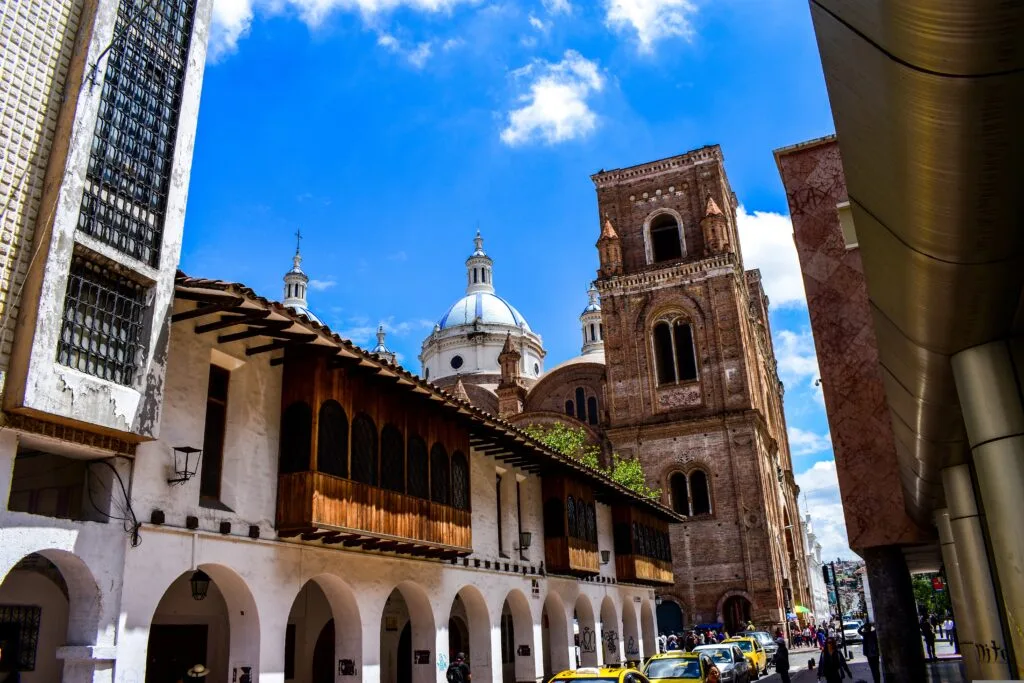
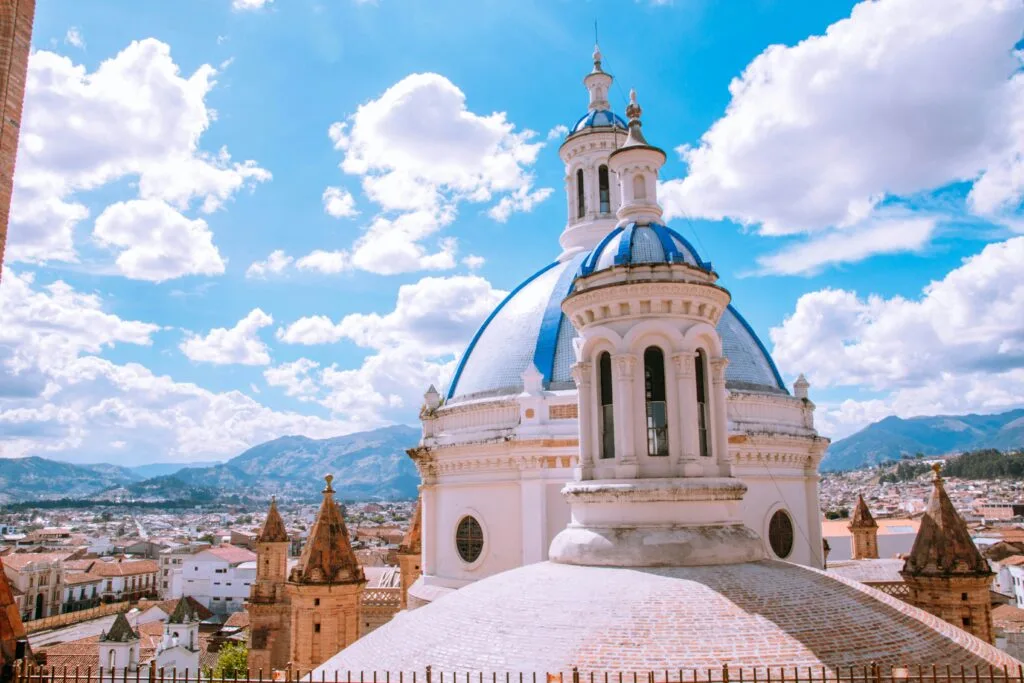
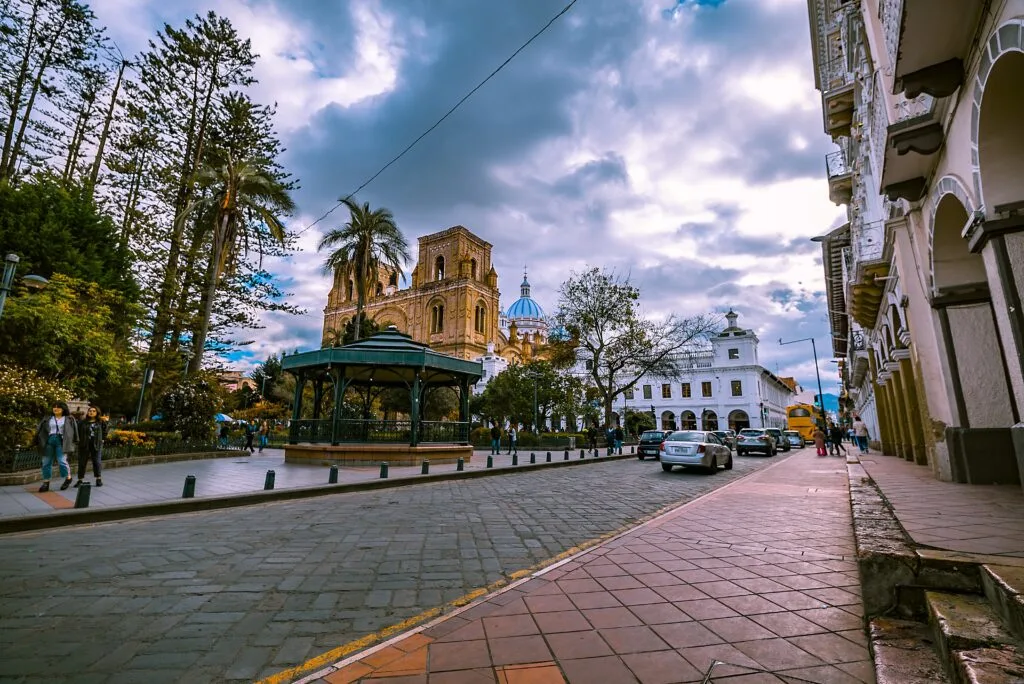
Spend your hours tracing the red-tiled rooflines and the blue domes of the New Cathedral. Cuenca is a city best understood by navigating its cobblestone grids until the colonial geometry starts to make sense. Skip the curated spectacles and find a quiet corner of the Tomebamba riverbank to watch the water ignore the 16th-century walls
The rhythm of stone and water / A first-timer’s guide to Cuenca
Settle into the rhythmic pulse of the northern Andes
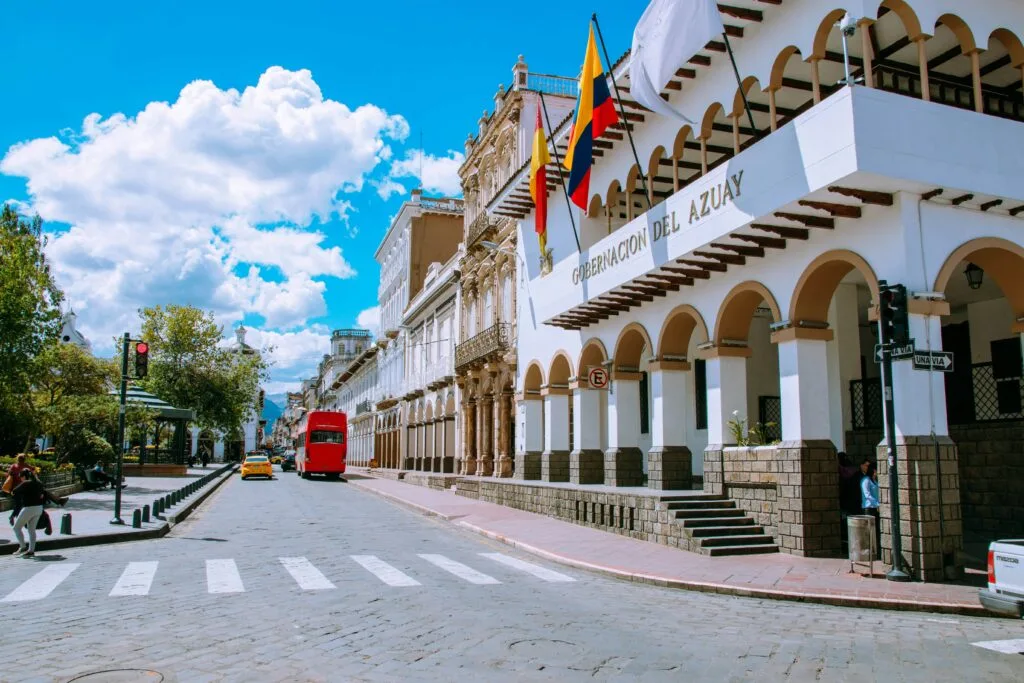
The ultimate guide to Cuenca, Ecuador / Top sights for the independent explorer
Master the Andes at your own pace / The independent guide to Cuenca
Uncovering the Soul of Cuenca / Ecuador’s colonial gem beyond the cathedrals
Best hidden gems and local attractions in Cuenca
The best tours & activities in Cuenca.
Walking tours
Bike tours
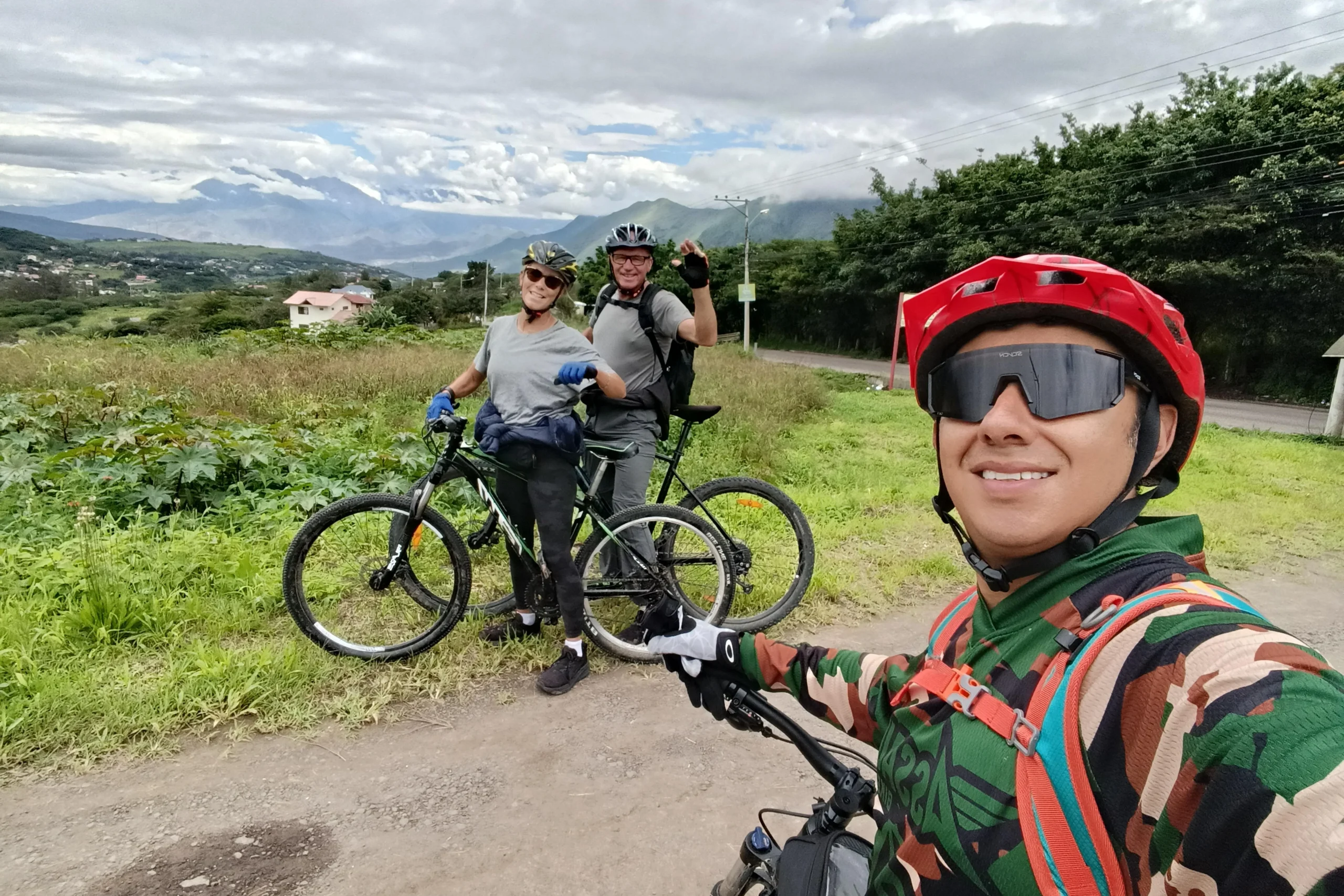
Day tours
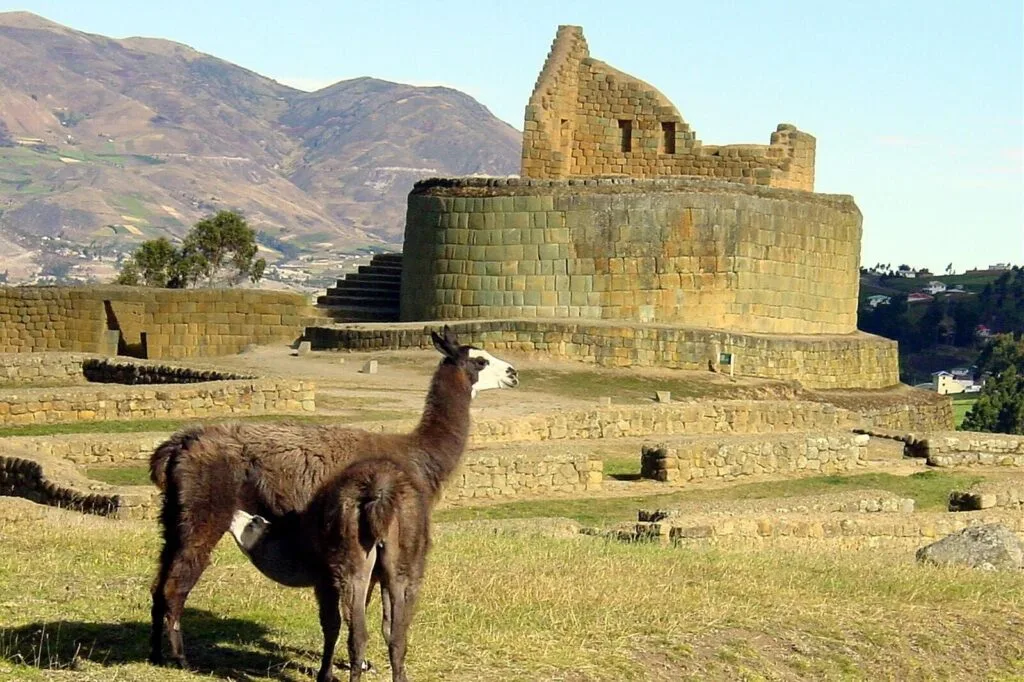
Food tours
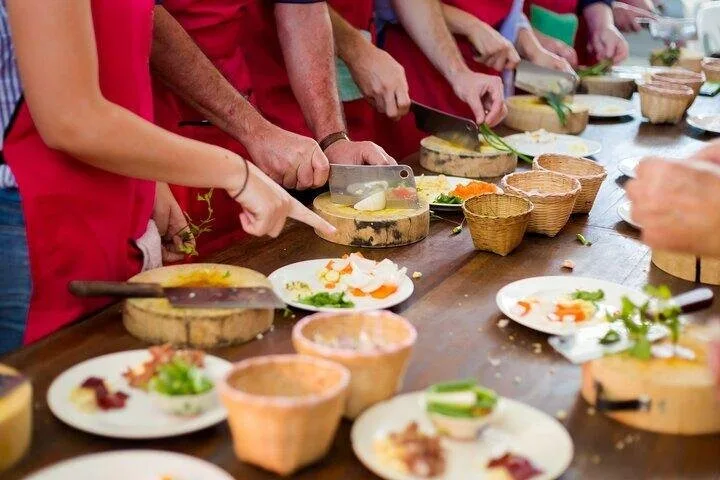
Multi-day tours

Bus tours
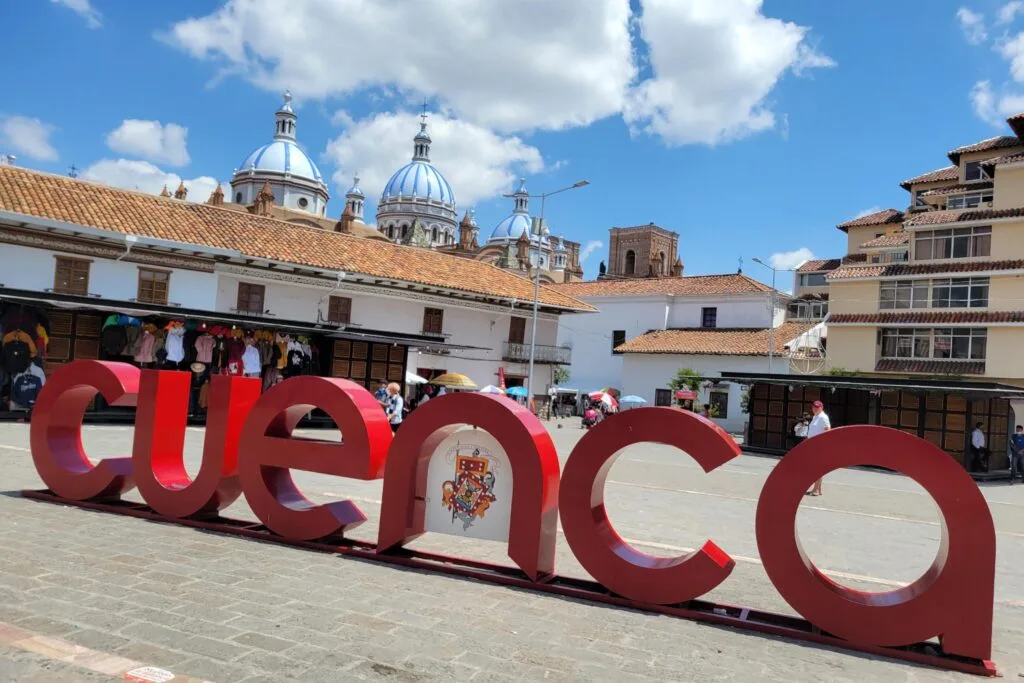
How to spend a layover in Cuenca.
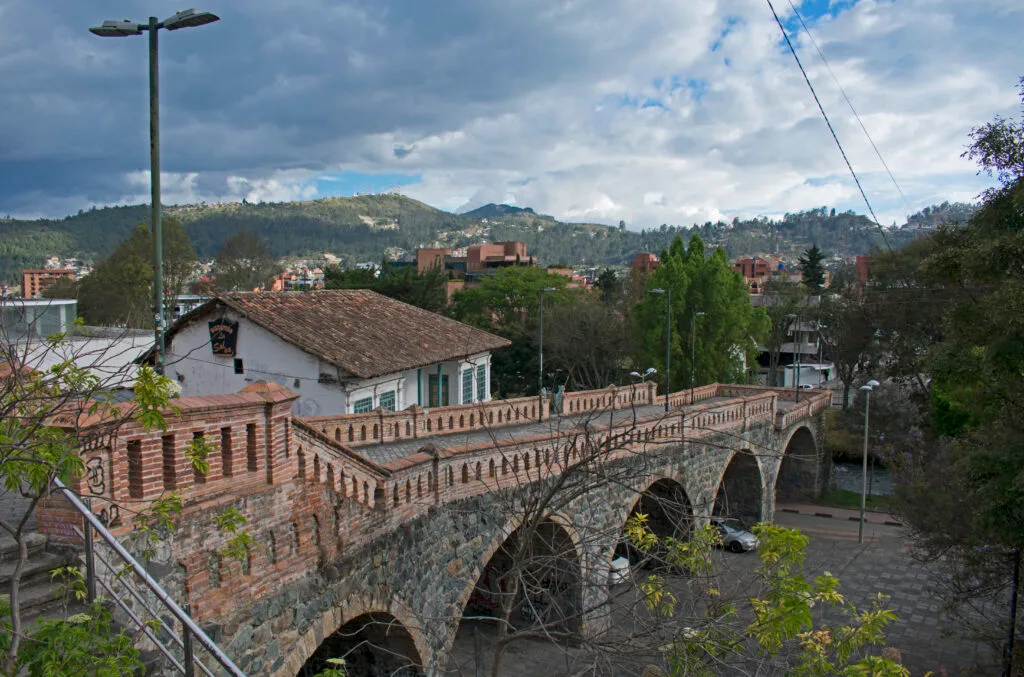
A brief window in this high-altitude valley is best used to track the four rivers that slice Cuenca into distinct architectural eras. Walk the path along the Tomebamba, where the riverbank acts as a laundry line and a natural barrier for the old town above. It is a steep climb up the broken stone staircases to reach the northern plazas, but the reward is a quiet courtyard away from the tour groups. Grab a glass of unhurried filtered coffee in El Barranco and watch the shadows shift across the roofs
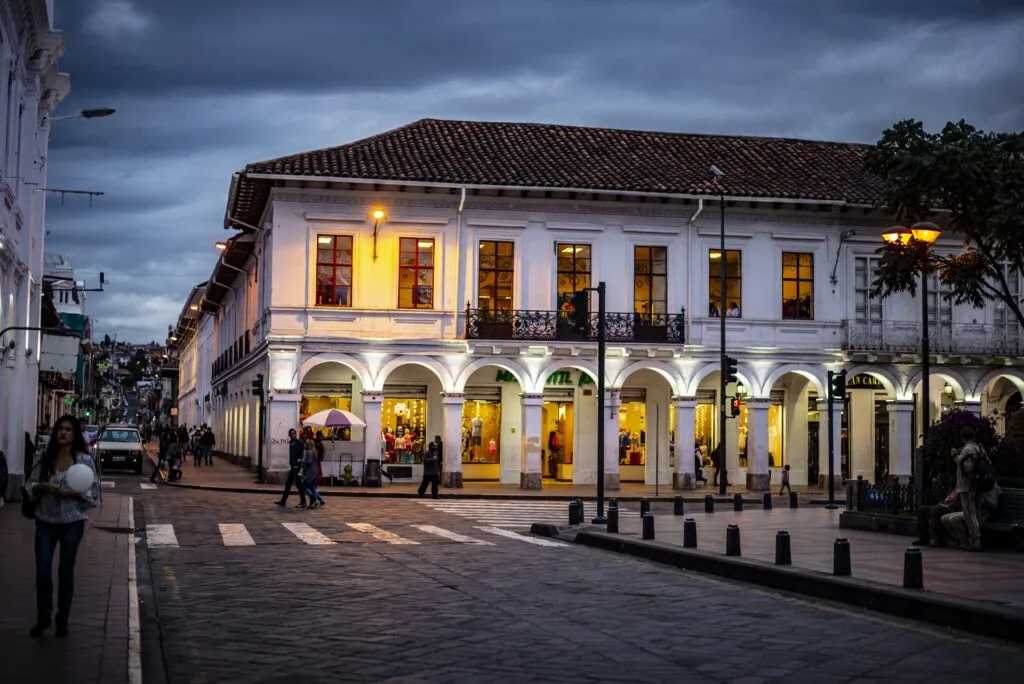
24 hours in Cuenca / A traveller’s guide to Ecuador’s cultural capital
Rushing through the colonial streets is a disservice to Cuenca’s quiet brilliance
Forty-eight hours in Cuenca / A slow-paced guide to Ecuador’s cultural capital
Trade the tours for walking shoes to uncover the southern Andes
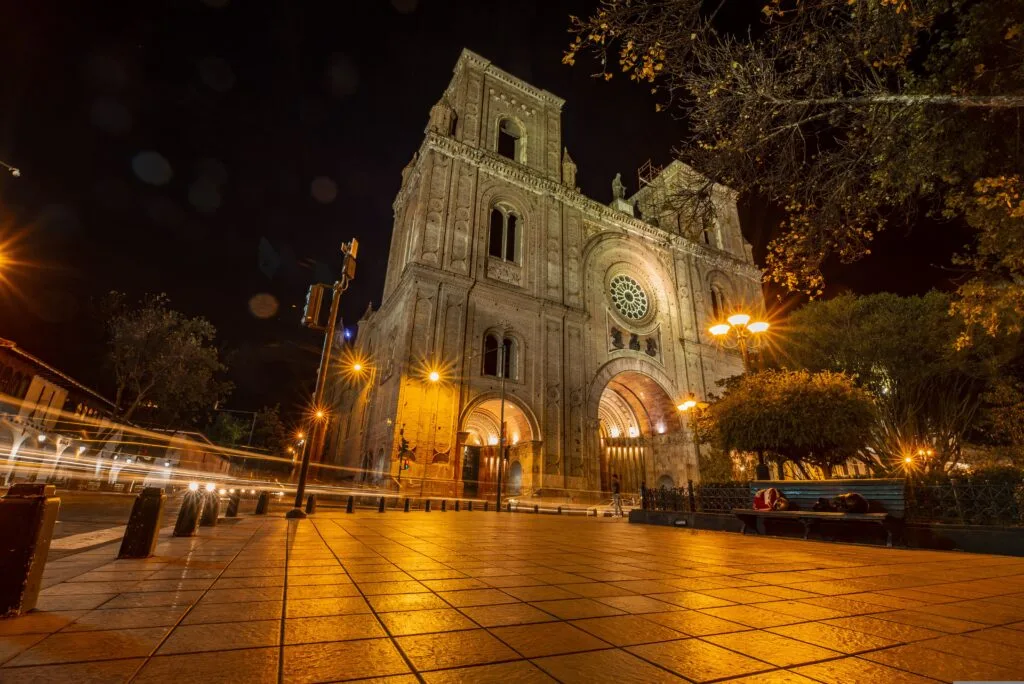
More things to do in the Ecuadorian Sierra.
The Pan-American Highway cuts through the Avenue of the Volcanoes, offering a vertical landscape that demands respect from your lungs. Stop in towns where the Sunday market remains a functional necessity rather than a performance for outsiders. From the wind-swept paramo to the crater lakes, the Sierra rewards those who prefer thin air and high-altitude silence
Quito
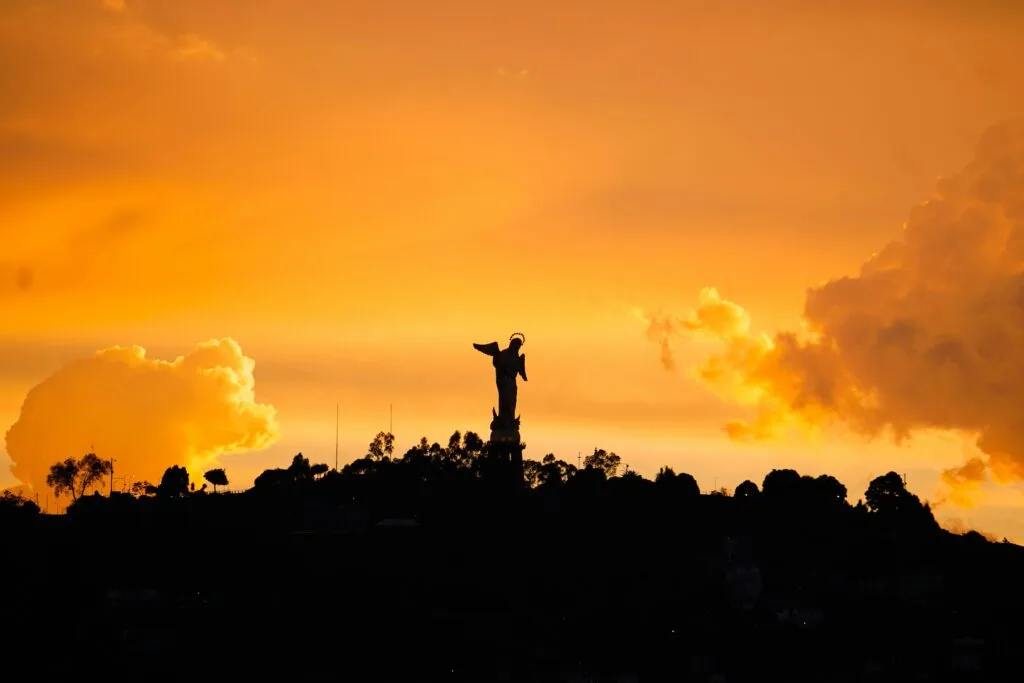
The Middle of the World
Baños
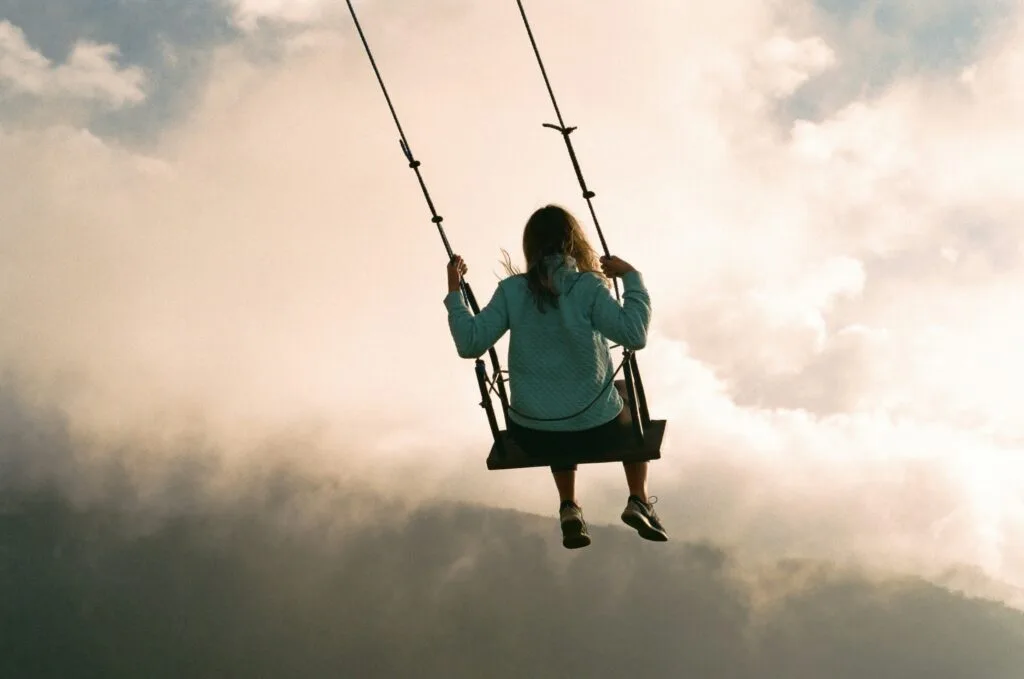
In the shadow of the volcano
Cajas
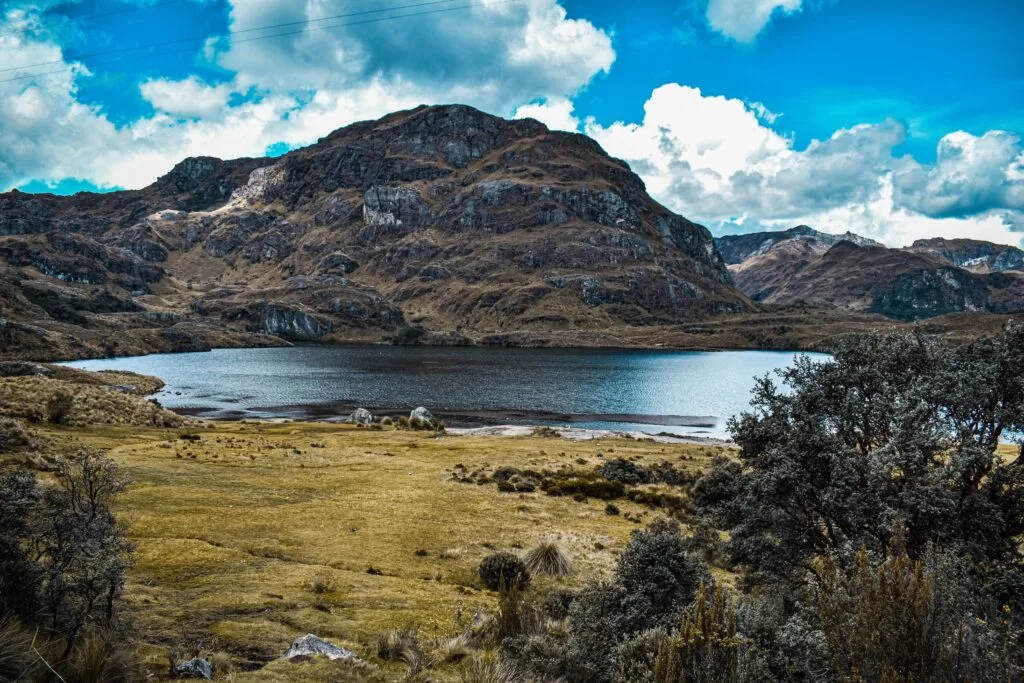
The wild páramo
Where to stay in Cuenca.
Look for converted Republican-era mansions that have traded heavy gilding for clean linens and soaring ceilings. Prioritise establishments with internal courtyards that effectively muffle the city’s rhythmic hum. You want a heavy brass key and a room that feels like it has survived several centuries of seismic and political shifts without losing its composure
The art of the Andean siesta / Where to stay in Cuenca, Ecuador
An expert guide to the best boutique hotels and unique accommodations in Cuenca
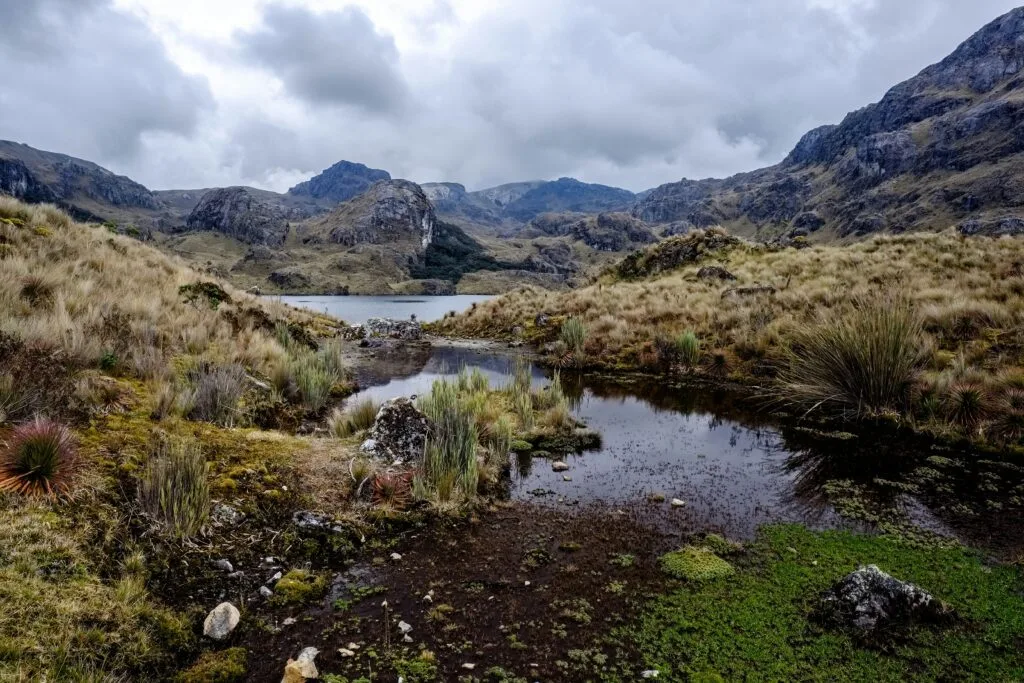
Where to stay / Uncovering Cuenca’s best-kept camping secrets
Best campsites and overlander spots in Cuenca
Essential Ecuador logistics.
SIM cards
Packing
Insurance
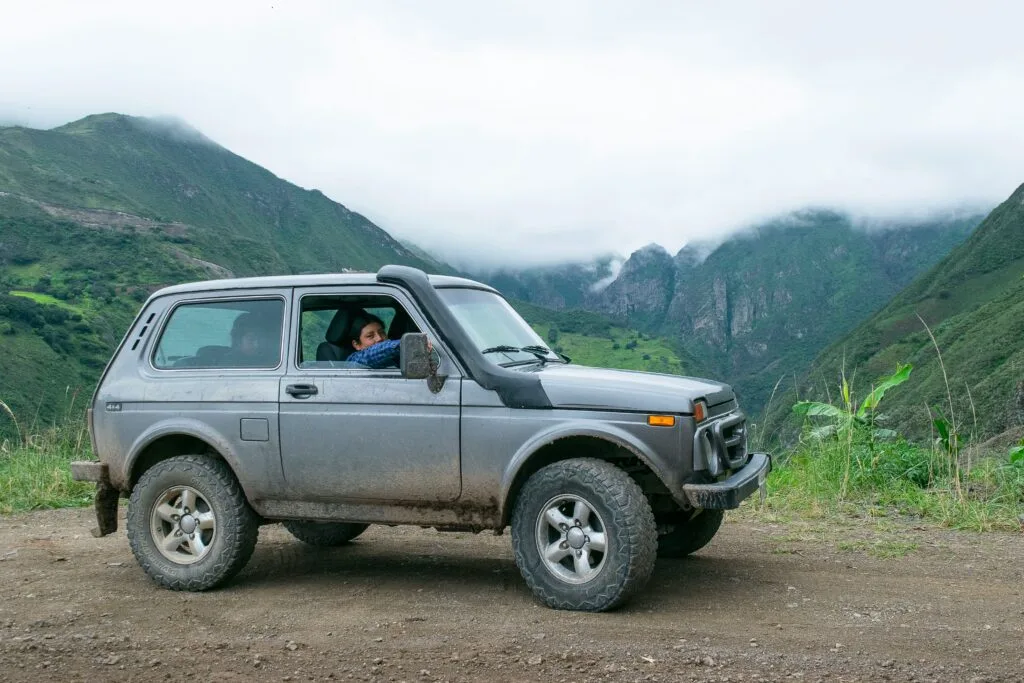
Overlanding
What to eat in Cuenca.
Food in the southern highlands relies on the intense, slow heat of clay ovens and the starch of the valley floor to counter the sharp evening drop in temperature. The markets here smell of roasted pork from hornado platters, where the meat is pulled directly from the carcass and paired with llapingachos—heavy, pan-seared potato cakes designed to sustain a full day of riding through the paramos. For a sharper palate cleanser, look for vendors serving mote pillo, a comforting, scrambled mix of hominy corn and local eggs that avoids the rushed sweetness of modern Andean transit food. Wash it down with a glass of bitter chicha de jora, an earthy, fermented corn broth that carries a sour kick and tastes entirely of the regional soil
Tasting the Southern Andes / A slow traveller’s guide to the culinary heritage of Cuenca, Ecuador
A journey through slow-cooked heritage and wood-fired clay ovens
Where to eat and drink in Cuenca.
Seek out mote pillo in a corner eatery where the furniture is as sturdy as the service. The local coffee scene is finally prioritising high-altitude beans that actually taste like the volcanic soil they were pulled from. In the evenings, skip the neon signs and find the basement bars serving artisanal spirits that carry the sharp kick of the Andes
Discovering the culinary soul of Cuenca, Ecuador
A foodie’s guide to the best restaurants and bars
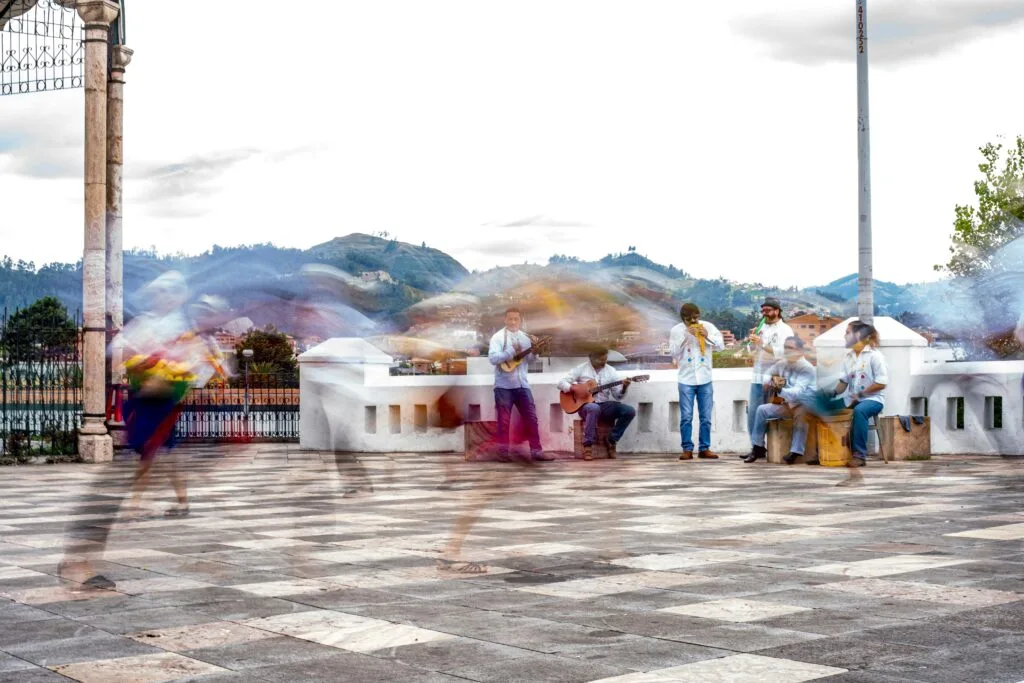
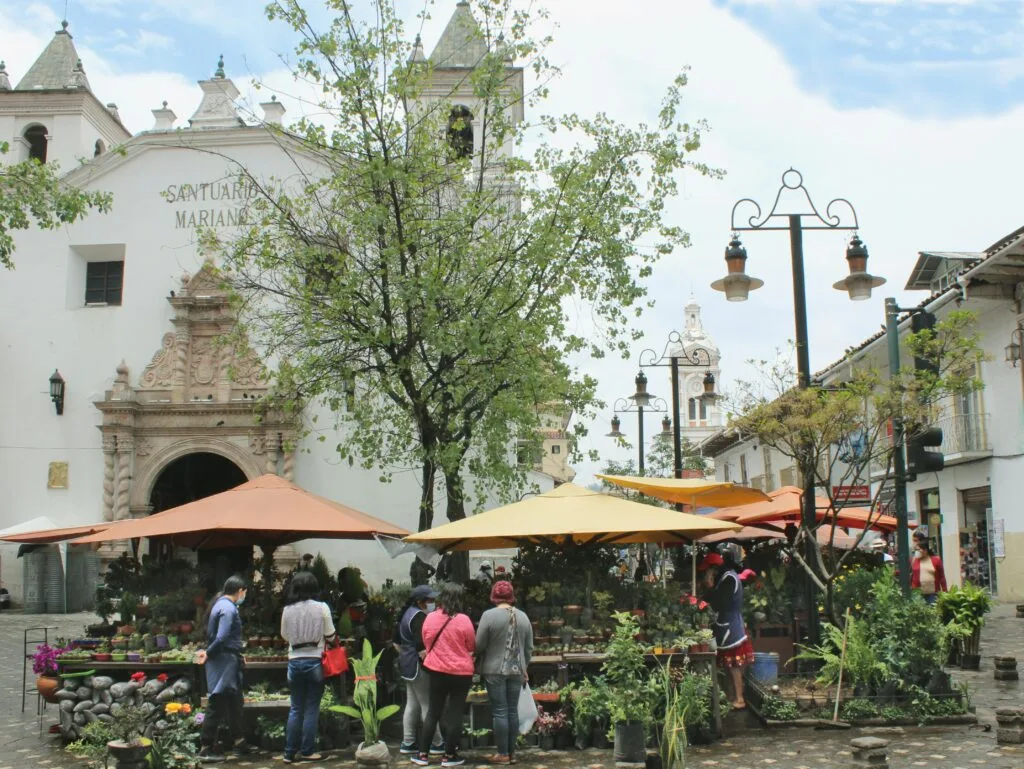
The best bars in Cuenca, Ecuador / A guide for independent travellers
A complete guide to the best craft beer, wine bars, and cocktail lounges
Finding the best coffee in Cuenca / A guide to the city’s finest brews
The ultimate guide to Cuenca’s speciality cafes and local roasters
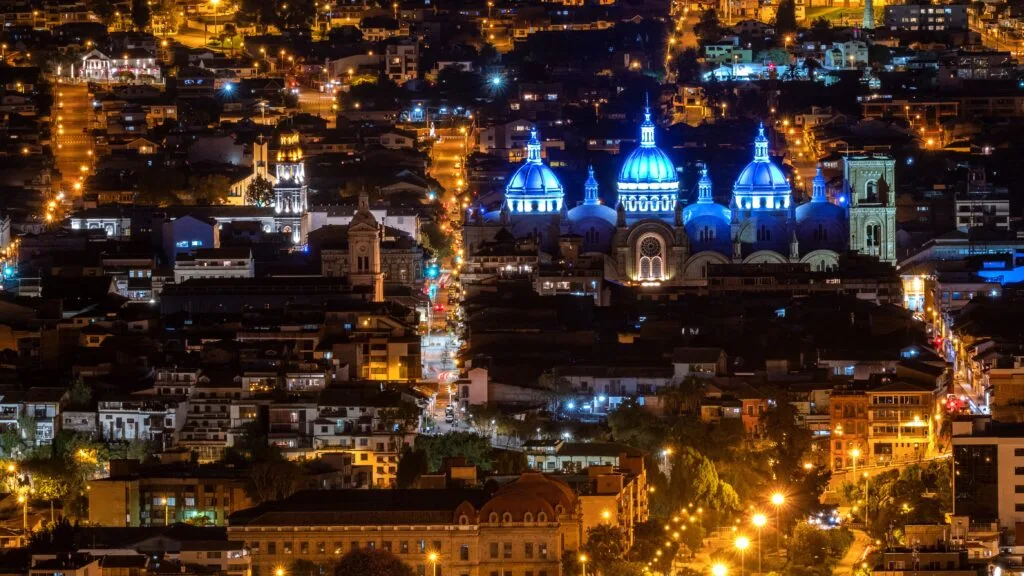
When to visit Cuenca.
Prepare for four seasons in a single afternoon and pack your layers with pragmatic intent. April brings the rains that keep the highlands lush, while the dry window of July and August offers a crisp clarity that suits the city’s stone facades. The calendar is largely secondary to the permanent, contemplative mood of the mountain air
The ultimate guide to the best time to visit Cuenca
Cuenca weather by month and season for travellers
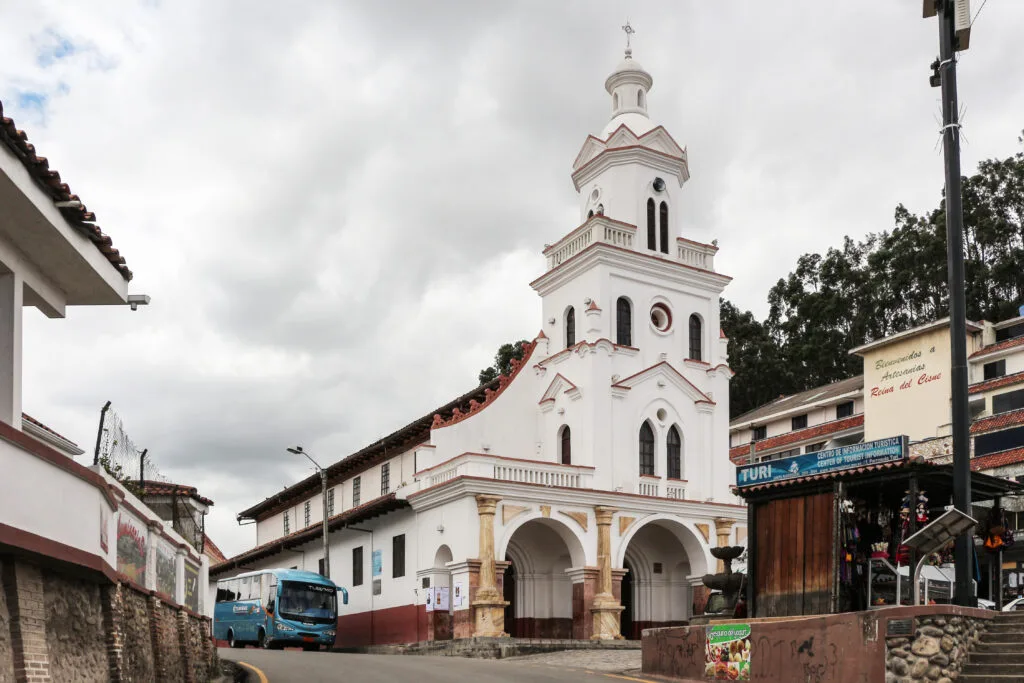
Is Cuenca safe?
The question of safety in Cuenca is less about constant peril and more about maintaining a baseline of sensible detachment. While the coast deals with its own heavy weather, Cuenca remains largely insulated by the Andes, though a state of emergency means you might encounter more fatigues and rifles than your average morning commute requires. Treat the historic centre after dark with the same healthy scepticism you’d give a cheap padlock
Pedalling through the Andes / Your complete guide to safety in Cuenca, Ecuador
Cuenca safety guide 2026 / Crime rates, solo travel tips, and cycling advice
The history of Cuenca.
Cuenca’s past is a literal layering of civilisations, where Spanish colonial stone columns were built directly over the foundations of the Inca city of Tomebamba, which itself replaced the ancient Cañari settlement of Guapondelig. This constant state of urban reuse has left the city with a fractured, fascinating geometry, where marble facades from the nineteenth-century export boom clash with the older, whitewashed adobe walls. It is a city that has always been stubbornly isolated by its geography, a trait that preserved its independent artisan culture long before the paving stones arrived. Walking the narrow alleys of San Sebastián reveals this quiet defiance, where traditional metal workshops and weaving studios continue to operate completely unbothered by external expectations
The layers of time / Understanding the history of Cuenca
Where the Tomebamba flows through time and cobblestones
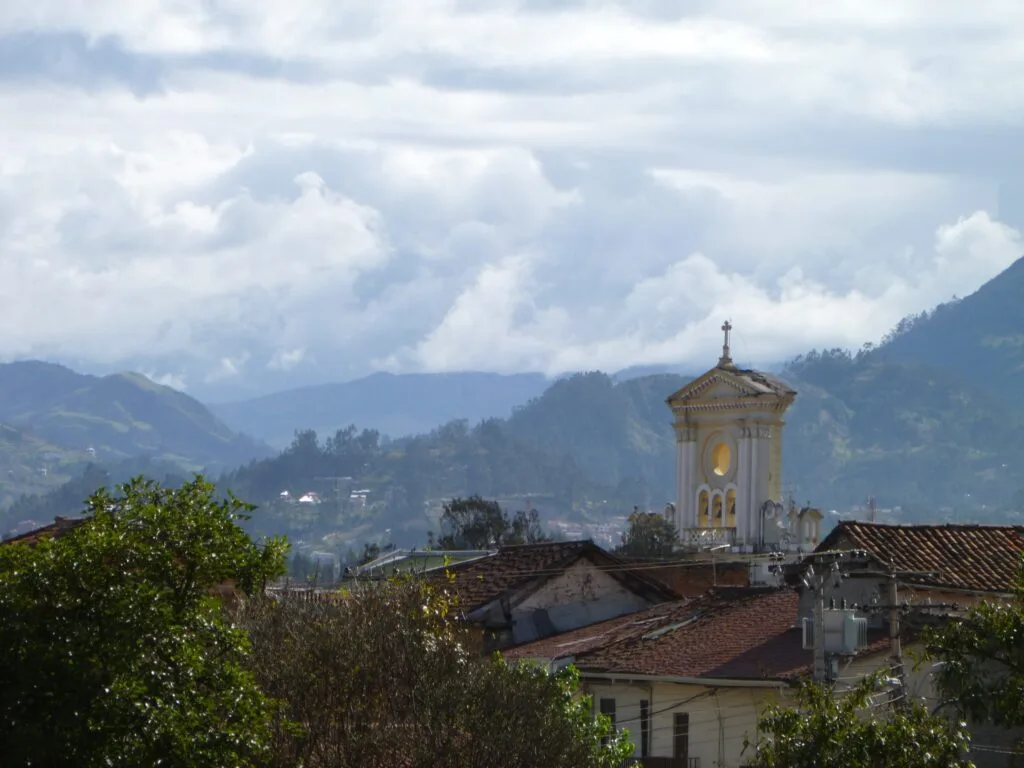
Ecuadorian cycling culture.
In the Sierra, cycling is less of a hobby and more of a tactical battle against gravity and oxygen deprivation. You will share the narrow shoulders with heavy-duty buses and the occasional stray calf, earning every descent through sheer physical stubbornness. The quiet nod of respect from a mountain local as you summit a pass is worth more than any digital trophy
Epic cycling in Ecuador
The ultimate guide to cycling in Ecuador / Routes, culture, and infrastructure
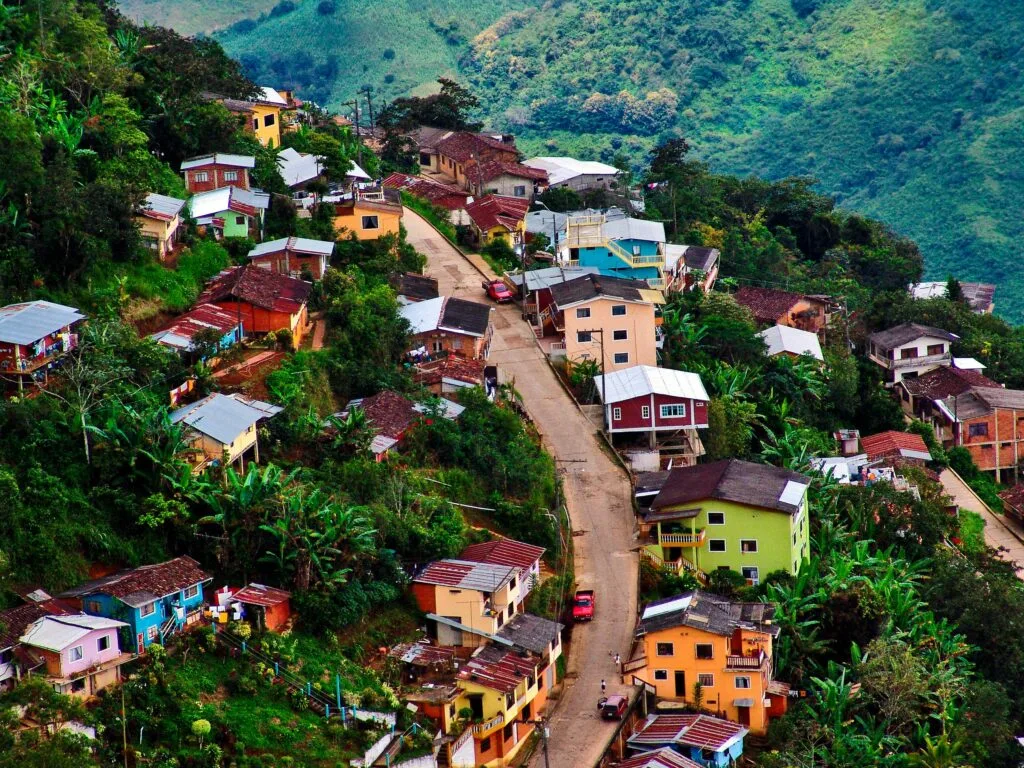
Driving culture and road safety
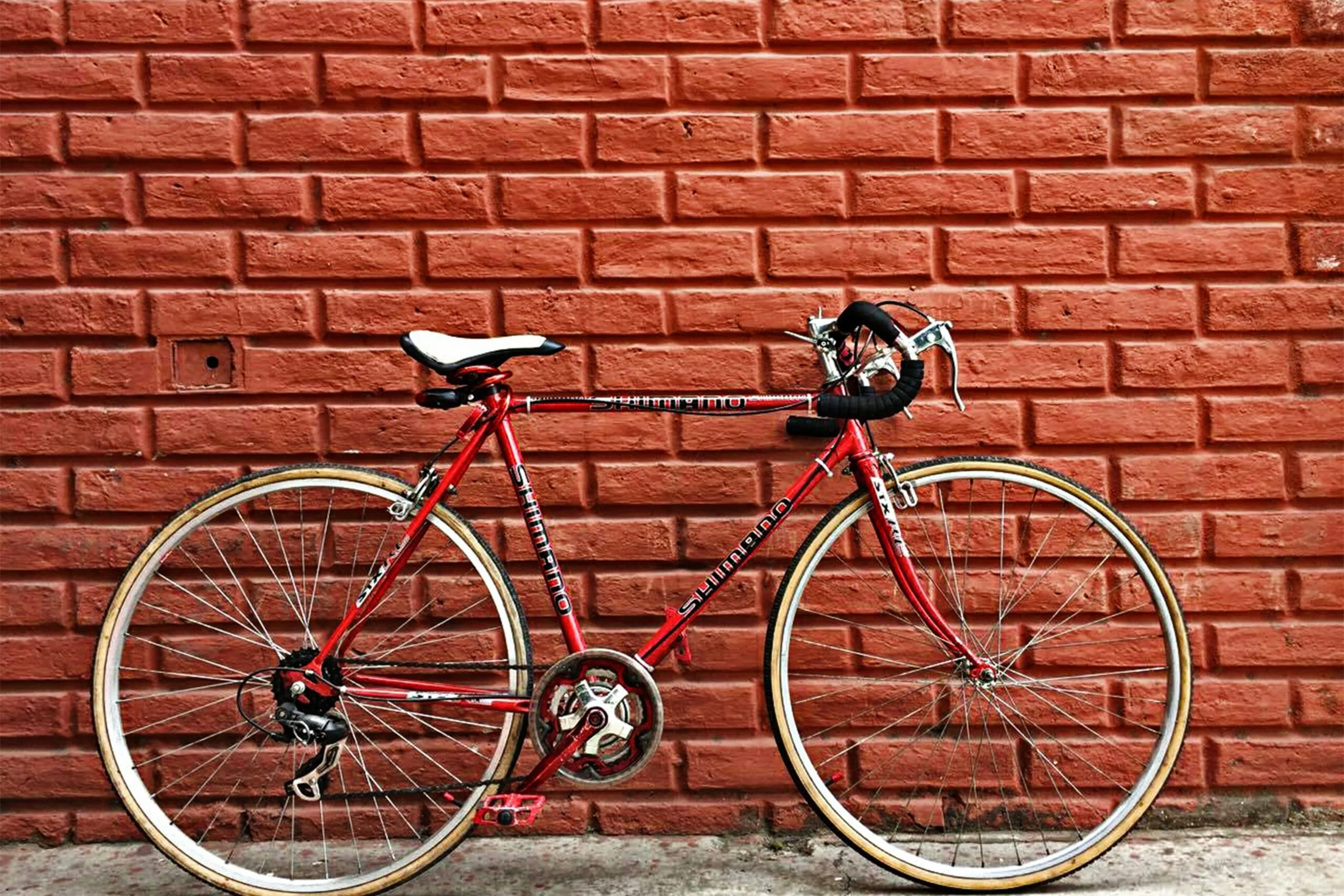
Driver attitudes, road traffic statistics, and road safety laws for cyclists
Cycling laws in Ecuador

Everything you need to know about cycling laws and regulations in Ecuador
Ecuador’s cycling history
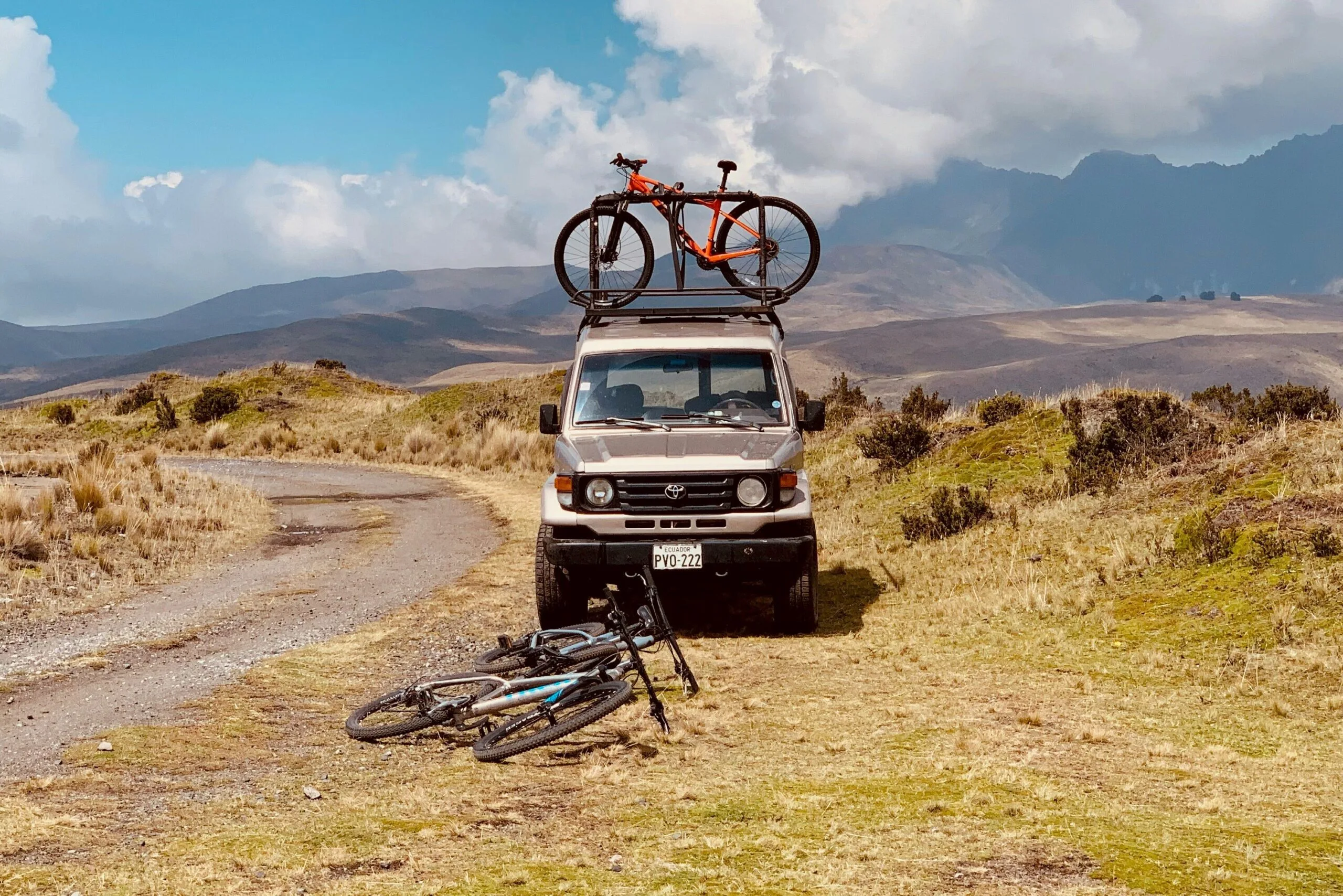
A guide to the cycling history, bicycle culture, and bike routes
Everything we’ve written about Cuenca.
Best multi-day tours in Cuenca, Ecuador
Best bus tours in Cuenca, Ecuador: City loops & excursions
Best Cuenca day tours: Top 6 excursions in Ecuador (2026)
Best bike tours in Cuenca, Ecuador
Best Cuenca walking tours 2026: Historic & food walks
Best Cuenca food tours 2026: Markets, tastings & cooking
A first-timer’s guide to Cuenca, Ecuador
48 hours in Cuenca, Ecuador: An independent traveller’s guide
Best coffee in Cuenca, Ecuador: 6 must-visit cafés
24 hours in Cuenca: An itinerary for independent travellers
Foods to try in Cuenca, Ecuador: An independent culinary guide
A deep dive into the history of Cuenca, Ecuador
Is Cuenca, Ecuador, safe? 2026 safety guide for travellers
The best bars in Cuenca, Ecuador
Best Campsites & Glamping in Cuenca, Ecuador
Best time to visit Cuenca, Ecuador | Independent weather guide
Hidden Gems in Cuenca, Ecuador: A guide for independent travellers
The best restaurants in Cuenca, Ecuador
The ultimate guide to the top attractions in Cuenca, Ecuador
Where to stay in Cuenca, Ecuador: 6 best boutique hotels & stays
Ecuador.
Pure wonder on the equator.