The complete guide to Ecuador travel insurance / Protection for active travel, high altitude, and the Galápagos
Comparing the best Ecuador travel insurance for high-altitude trekking, cycle touring, and mandatory Galápagos entry
Essential cover for high Andean passes, gravel trails, and Pacific swells
BEN FINCH
Travel insurance is mandatory for visiting the Galápagos Islands and strongly advised across mainland Ecuador. The ideal policy requires high medical evacuation limits for remote regions, high-altitude cover above 2,800 metres, and active sports protection. Ekta is our top recommendation for most travellers due to its flexible activity tiers, instant digital policy issuance, and optional zero-deductible cover.
Ecuador presents one of the most geographically diverse landscapes on earth. Within a single day, a traveller can descend from the icy high-altitude passes of the Andes around Cotopaxi, navigate the lush rainforests of the Amazon basin near Tena, and reach the Pacific surfing beaches of Montañita or Olón. However, this remarkable topographical variation introduces distinct operational, environmental, and medical risks that ordinary holiday insurance policies frequently overlook.
Public healthcare infrastructure across South America is often overstretched. In major urban centres such as Quito, Guayaquil, and Cuenca, private hospitals provide excellent medical care, but they strictly require proof of comprehensive international health insurance or substantial upfront cash guarantees prior to admission. In rural Andean villages or remote Amazonian lodges, primary care facilities are limited to basic stabilisation, meaning serious illness or accidental trauma necessitates immediate air or ground evacuation.
Choosing an appropriate travel insurance policy demands close scrutiny of policy fine print. Standard budget policies often restrict medical coverage above 2,500 metres, exclude active transport such as bicycle touring, or apply heavy excess fees on minor medical claims.
Navigating Ecuador / The essential takeaways
Planning an independent trip across Ecuador’s Andean highlands, Amazonian rainforests, and coastal surf breaks requires robust preparation. Here is a practical summary of what you need to keep your journey secure and seamless.
- Galápagos legal mandate: Travel medical insurance is mandatory for all foreign visitors entering the Galápagos National Park and is strictly verified at mainland airport transit hubs prior to flight departure
- High-altitude protection: Standard travel insurance policies frequently exclude medical care above 2,500 metres; ensure your policy explicitly covers acute mountain sickness across Andean routes like Quito, Cotopaxi, and the Quilotoa Loop
- Zero-deductible advantages: Selecting a policy without excess fees, such as Ekta’s optional 0% deductible tariff, ensures complete reimbursement for minor clinic visits, diagnostic tests, and local prescriptions
- Active transport coverage: Bikepackers, cycle tourists, and surfers require specialised active tiers to protect against accidental injury, third-party liability, and equipment transit damage
- Remote medical evacuation: The geographical isolation of the Amazon basin and offshore archipelagos makes high emergency medical evacuation limits (a minimum of $100,000 USD) non-negotiable
- Digital accessibility on the road: Opt for insurance providers offering fast digital policy setup, mobile document storage, and 24/7 global support via instant messaging platforms like WhatsApp
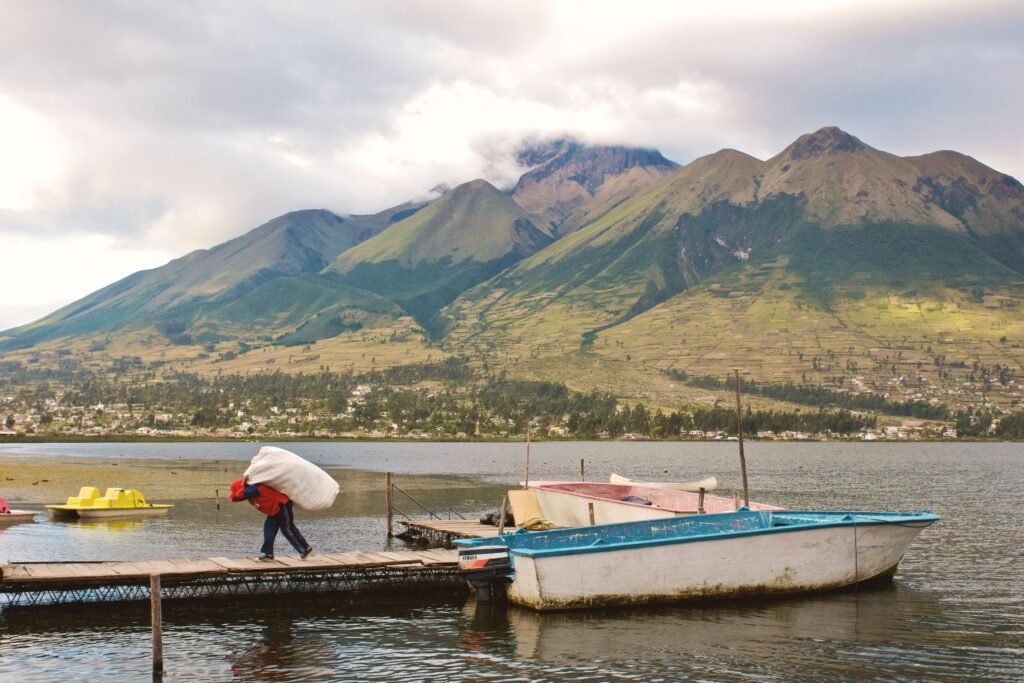
The Ecuadorian Sierra.
Get lost in the hills
Key policy requirements for Ecuador
- Emergency medical evacuation limits: A minimum threshold of $100,000 USD to cover complex transport from remote regions or the Galápagos Islands to mainland trauma centres
- High-altitude medical treatment: Explicit coverage for acute mountain sickness (AMS) and emergency care at elevations exceeding 2,800 metres
- Active leisure protection: Coverage for cycle touring, road cycling, trekking, and coastal water sports
- Zero-deductible options: Policies that pay claims from the first dollar, avoiding out-of-pocket expenses for minor clinic visits
Legal entry requirements for mainland Ecuador and the Galápagos
While mainland Ecuador repealed its compulsory health insurance mandate for foreign tourists in 2021, entry to the Galápagos Islands strictly requires proof of valid medical travel insurance. Transit authorities at Quito and Guayaquil airports, alongside cruise operators, inspect policy documentation before granting transit cards or vessel boarding passes.
Summary of legal requirements by territory
- Mainland Ecuador: Health insurance legally non-mandatory, but private hospitals require financial guarantees
- Galápagos Islands: Health insurance legally MANDATORY for all foreign tourists at transit control
Mainland Ecuador rules and health system reality
In 2021, the Ecuadorian government officially lifted the legal requirement that mandated foreign tourists show proof of health insurance upon entering mainland border checkpoints. Despite this deregulation, travelling across mainland Ecuador uninsured carries severe financial risks.
If you suffer an injury while cycling the Avenue of the Volcanoes or contract a severe tropical illness in the coastal lowlands, public emergency rooms may face resource constraints.
Private healthcare facilities represent the safest option for foreign visitors. However, private hospital administration boards in Quito and Guayaquil will routinely hold a credit card pre-authorisation running into thousands of dollars if an active, verifiable travel insurance policy cannot be presented immediately upon intake.
The Galápagos National Park legal mandate
Unlike mainland Ecuador, the Galápagos Islands enforce strict legal regulations regarding visitor entrance. Under the Special Law for Galápagos managed by the Governing Council of the Special Regime of Galápagos, all foreign tourists entering the archipelago must hold valid travel medical insurance for the entire duration of their stay.
Compliance is checked at official transit hubs. Before purchasing your Transit Control Card (TCC) and checking in for flights to Baltra (GPS) or San Cristóbal (SCY) at Mariscal Sucre International Airport (UIO) in Quito or José Joaquín de Olmedo International Airport (GYE) in Guayaquil, officials may demand to see your physical or digital insurance certificate.
Additionally, liveaboard dive boats, small-ship cruise operators, and registered tour agencies across Puerto Ayora and Puerto Baquerizo Moreno require copy documentation before allowing passengers to embark.
The logistics of island-to-mainland medical evacuation
The Galápagos archipelago is located approximately 1,000 kilometres off the South American coastline. While basic medical clinics exist in Puerto Ayora on Santa Cruz Island and Puerto Baquerizo Moreno on San Cristóbal Island, these facilities are not equipped for complex surgical interventions, major trauma, or advanced cardiac care.
If a traveller suffers a severe illness, diving accident, or traumatic injury while visiting the islands, medical air evacuation to a specialised hospital in Guayaquil or Quito is the only viable course of action.
Private air ambulance services across this oceanic expanse frequently cost between $30,000 and $100,000 USD. Without an insurance policy featuring high emergency medical evacuation limits, the logistical and financial burden falls entirely on the individual.
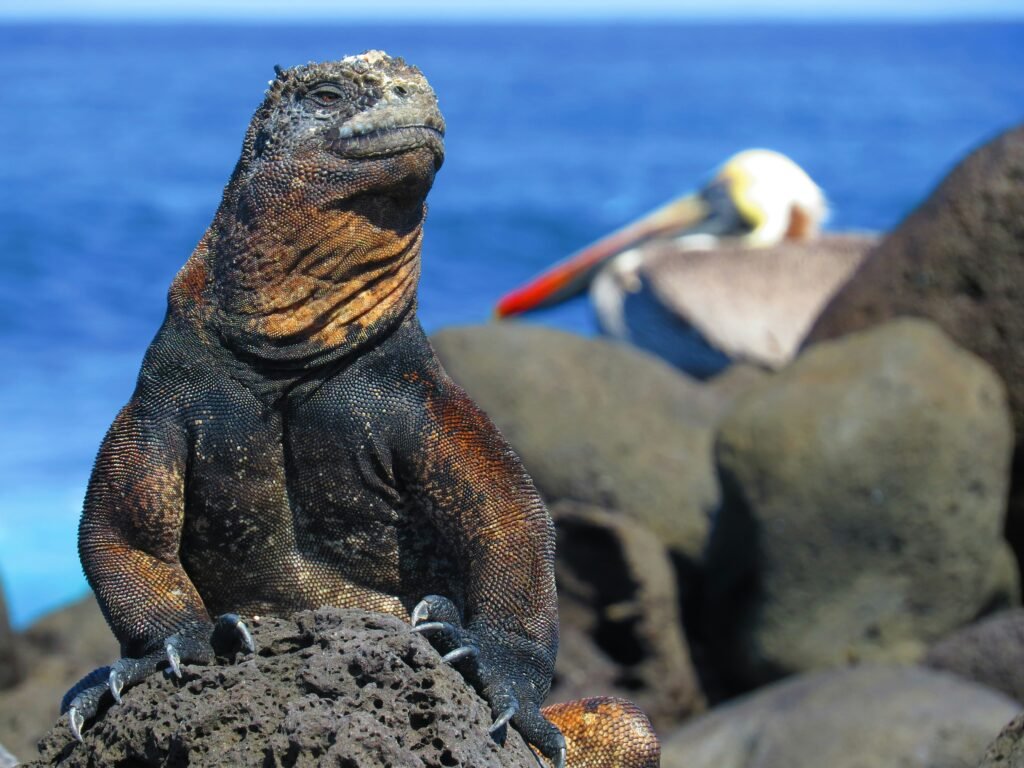
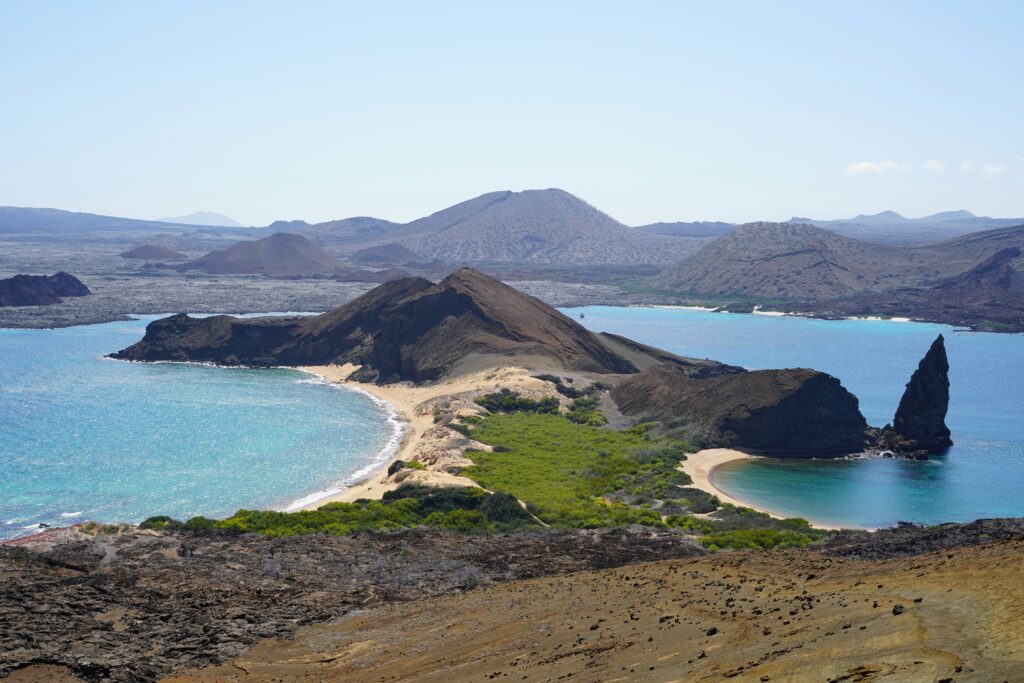
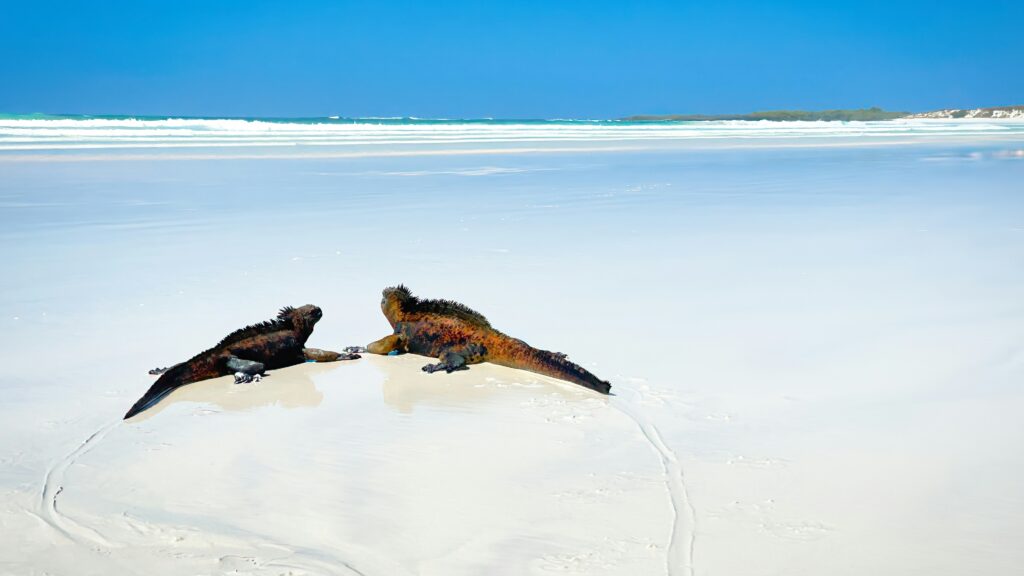
The Galápagos.
Ecuador’s Enchanted Isles
Evaluating the top travel insurance options for Ecuador
Choosing the best travel insurance for Ecuador depends on your itinerary, budget, and planned activities. Ekta offers the most versatile protection with optional zero deductibles and tailored sports tiers. Alternative providers like World Nomads excel for high-risk mountaineering, SafetyWing suits budget-conscious long-term nomads, and Heymondo offers slick app-based medical support.
| Provider | Primary strengths | Deductible / excess | High altitude cover | Active sports cover | Best suited for |
| Ekta | Flexible activity tiers, zero-deductible options, fast digital setup, 24/7 global support | 0% or 25% deductible options | Covered under Active & Extreme tiers | Comprehensive cover for cycling, surfing, and trekking | Independent travellers, active tourists, and bikepackers |
| World Nomads | High overall medical and evacuation policy caps | Standard fixed deductible applies per claim | Covered up to high elevation thresholds | Extensive list of extreme sports and adventure activities | High-risk alpine mountaineering and remote expeditions |
| SafetyWing | Low monthly subscription model, continuous travel flexibility | $250 USD standard deductible | Basic trekking limitations apply | Standard sports covered; adventure add-on required | Long-term digital nomads and open-ended urban stays |
| Heymondo | User-friendly app with 24/7 medical chat and direct calls | Flexible options depending on selected plan | Elevation caps on standard tiers | Optional active sports package available | Smartphone-first travellers and short-term vacationers |
Ekta Travel Insurance / Our primary recommendation
Ekta Traveling Insurance stands out as the most balanced, practical choice for independent travellers visiting Ecuador. Designed specifically for modern international travel, Ekta addresses the exact pain points encountered when navigating diverse environments like the Andes, the Amazon, and the Galápagos Islands.
Modular policy tiers
Ekta structures its insurance policies into distinct activity levels (Start, Active, and Extreme), allowing travellers to pay only for the protection their specific itinerary requires:
- Start tier: Covers standard leisure travel, urban sightseeing, flight delays, and basic medical emergencies
- Active tier: The ideal tier for active travellers. It explicitly includes coverage for cycle touring, road cycling, high-altitude trekking, ocean surfing, kayaking, and outdoor adventure activities across mainland Ecuador
- Extreme tier: Extends protection to high-risk alpine sports, technical mountaineering, and extreme white-water rafting
The 0% deductible advantage
One of Ekta’s most significant advantages is its optional 0% deductible (zero excess) tariff. Many standard travel insurance policies attach a fixed excess fee—typically between $100 and $250 USD—to every medical claim.
If you visit a local clinic in Cuenca or need a prescription from a pharmacy in Tena costing $120 USD, a policy with a $150 excess will pay out nothing. With Ekta’s zero-deductible option, every valid medical claim is reimbursed from the very first dollar.
Rapid digital coverage and global concierge
Ekta provides fully digital policy issuance, making it possible to secure coverage online in under five minutes—even if you have already arrived in Ecuador. Policy documents are delivered instantly via email and accessible through mobile storage.
Furthermore, Ekta operates a 24/7 multi-channel emergency support service via phone and WhatsApp, ensuring immediate assistance when arranging hospital guarantees or emergency transport in Ecuador.
World Nomads
World Nomads has long been a familiar name among adventure travellers. Its primary strength lies in its high policy limits for emergency medical expenses and evacuation, alongside coverage for an extensive list of extreme sports.
For travellers planning technical alpine ascents up high volcanic peaks like Cotopaxi (5,897 metres) or Chimborazo (6,268 metres), World Nomads offers specialised coverage tiers that accommodate extreme elevations.
However, these high policy caps come at a significantly higher premium compared to Ekta. Additionally, World Nomads applies standard deductible fees on most claims, making it less cost-effective for minor outpatient medical visits or short-term active trips.
SafetyWing Nomad Insurance
SafetyWing operates on a flexible, subscription-style payment model billed automatically every 28 days. This structure makes it a popular option for digital nomads spending extended months working from remote hubs in Quito, Cuenca, or Montañita.
While SafetyWing offers lower monthly rates for basic medical coverage and urban stays, its standard policy comes with limitations for active adventure travel in Ecuador.
The base policy includes a $250 USD deductible per claim period and imposes strict limits on high-altitude trekking and organised cycling sports. To get comparable coverage for active sports or stolen equipment, travellers must purchase add-on modules, which quickly increases the monthly cost.
Heymondo Travel Cover
Heymondo is tailored toward smartphone-first travellers who value digital convenience. Its dedicated mobile application allows policyholders to consult with doctors via 24/7 text chat or make internet-based emergency calls directly to the assistance centre.
Heymondo provides customizable policy options, allowing users to adjust deductible levels and add coverage for sports gear or electronic equipment. However, its standard leisure tiers have stricter altitude limits and activity exclusions compared to Ekta’s Active leisure package.
Travellers planning multi-day cycle tours or remote high-altitude hikes must carefully review Heymondo’s optional add-ons to ensure complete coverage.
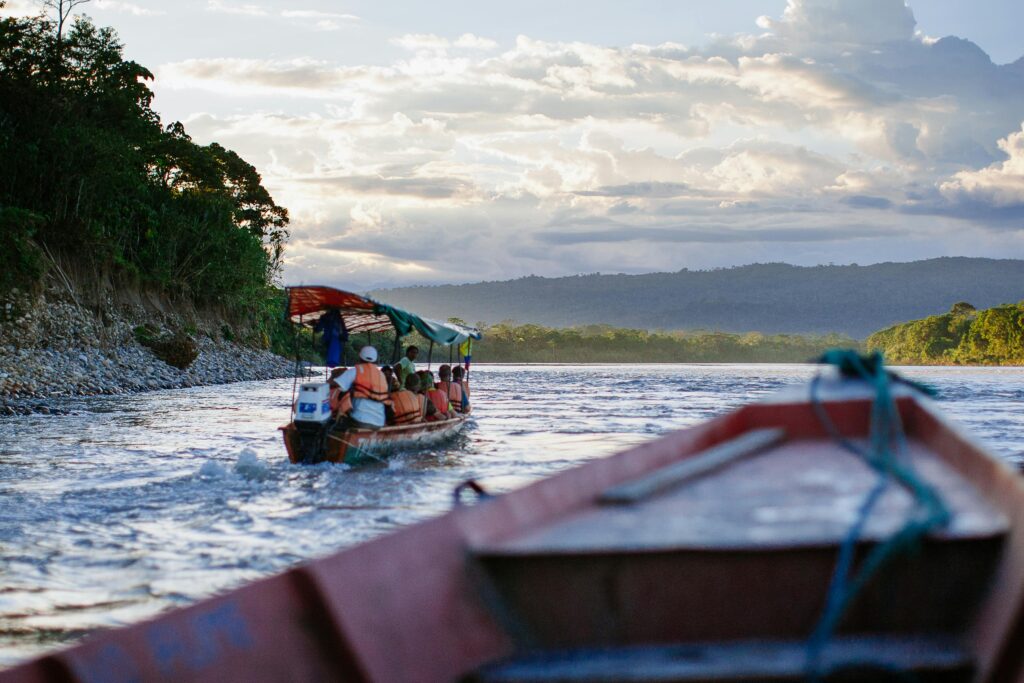
The Ecuadorian Amazon.
The most biodiverse place in the world
Crucial coverage considerations for Ecuadorian terrains
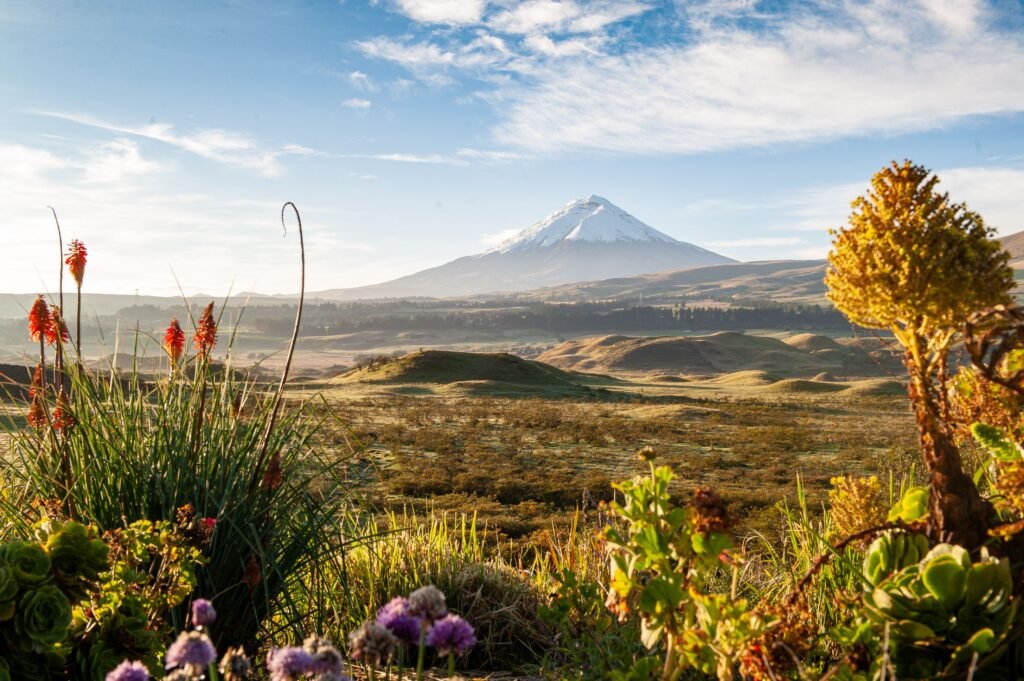
Ecuador’s dramatic topography demands specific policy clauses that standard policies neglect. Adequate travel insurance must explicitly cover high-altitude medical care above 2,800 metres in the Andes, cycle touring and equipment loss for bikepackers, remote search and rescue in the Amazon, and offshore medical evacuation from coastal hubs or the Galápagos.
Ecuador terrain & medical insurance matrix
- Andean Highlands (Quito, Cotopaxi, Páramo): Requires high-altitude cover (>2,800m) & AMS protection
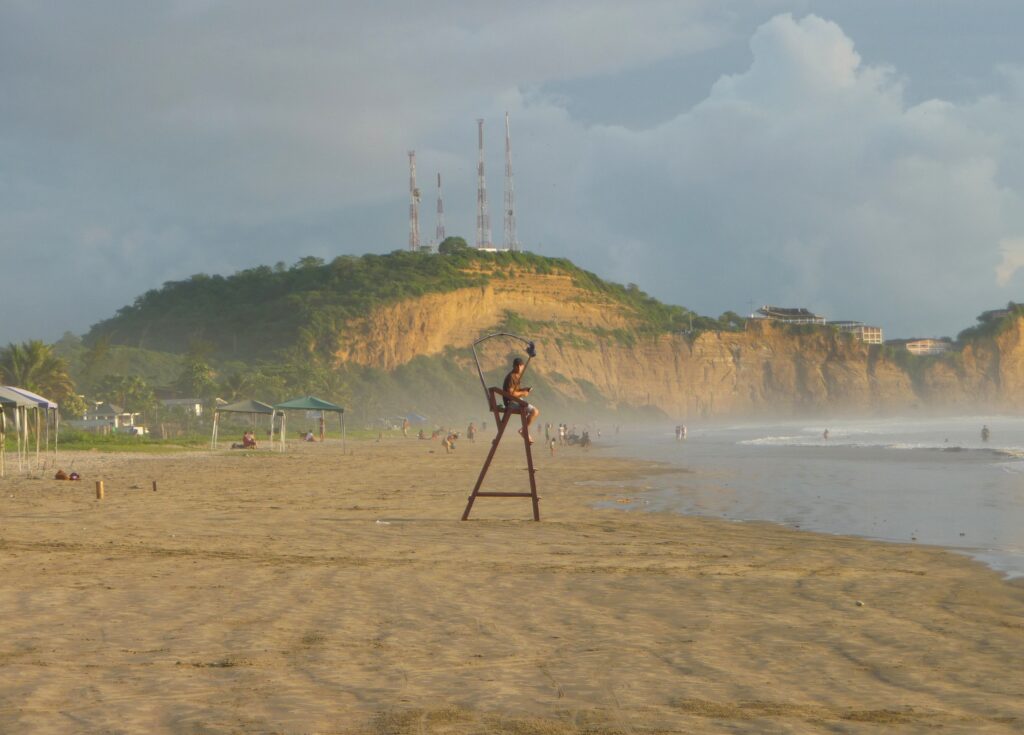
- Coastal & Marine (Montañita, Olón, Galápagos): Requires water sports cover & offshore evacuation
- Amazon Basin (Tena, Cuyabeno): Requires remote search & rescue & tropical infection medical cover
High-altitude medical complications in the Andes
Ecuador’s capital city, Quito, sits at an elevation of 2,850 metres above sea level. Popular hiking routes like the Quilotoa Loop reach 3,900 metres, and scenic road cycling passes through the high-altitude páramo ecosystems frequently exceed 4,000 metres.
At these elevations, atmospheric pressure drops significantly, increasing the risk of acute mountain sickness (AMS), high-altitude pulmonary oedema (HAPO), and severe dehydration. Many standard travel insurance policies feature an industry-standard altitude exclusion clause that invalidates coverage for any medical incident occurring above 2,500 metres.
When purchasing insurance for Ecuador, you must verify that your selected plan explicitly covers medical treatment and emergency evacuation at elevated altitudes. Selecting the Active or Extreme policy options on Ekta ensures that high-altitude health incidents across the Andean highlands remain fully protected.
Bikepacking, active cycling, and equipment protection
As an active travel publication dedicated to cycle touring and road riding, Wheely Tyred emphasises the unique insurance requirements of cycling in South America.
Whether you are riding paved mountain passes, navigating gravel tracks in the Andes, or renting bicycles along the coast, cycling carries inherent risks.
Vital cycling insurance components
- Emergency medical care for accidents: Full coverage for hospital bills, diagnostic scans, and surgical treatments resulting from bicycle crashes or traffic collisions
- Personal liability coverage: Protection in the event that your bicycle accidentally causes bodily injury to a third party or damages external property
- Baggage and gear delay / loss: Coverage for stolen bikepacking luggage, panniers, or transit damage to packed bicycle bags during international flights
Standard leisure travel policies often classify road cycling or cycle touring as high-risk activities, excluding them from basic plans. With Ekta, selecting the Active leisure tier ensures that bicycle riding, gear transport, and related emergency medical costs are fully covered.
Coastal water sports and Amazonian logistics
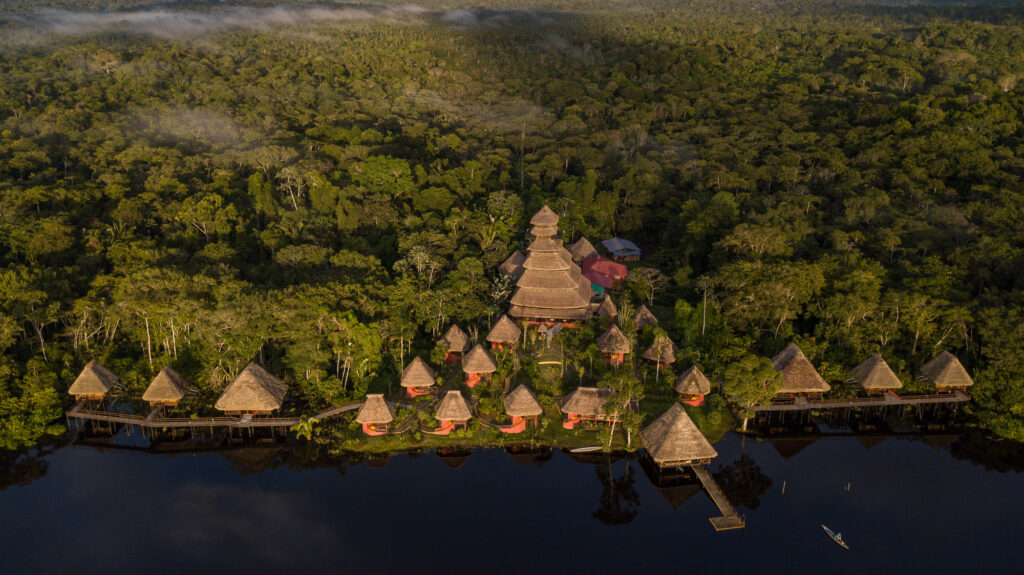
Ecuador’s geography extends far beyond the mountains. The coastal provinces of Santa Elena and Manabí—home to popular destinations like Montañita and Olón—offer world-class surfing, ocean swimming, and water sports. Further east, the Amazon basin around Tena and Cuyabeno presents opportunities for white-water kayaking, river transit, and dense jungle trekking.
Engaging in coastal water sports or rainforest excursions requires specific policy provisions:
- Marine search and rescue: Provision for emergency search operations if lost at sea or during coastal water activities
- Tropical disease coverage: Full outpatient and inpatient medical care for vector-borne tropical infections or gastrointestinal illnesses contracted in lowland rainforest regions
- Emergency jungle extraction: Logistical coverage for ground or river transport from isolated Amazonian lodges to regional medical centres in Tena or Puyo
The Ecuadorian Coast.
Where you’ll find the very best food
Policy nuances / Exclusions, excesses, and gear
Navigating the fine print of travel insurance prevents costly surprises during claims. Travellers should pay close attention to deductible amounts, unattended luggage clauses in public transport, pre-existing health condition exclusions, and strict policy conditions regarding alcohol consumption or unlicensed motor vehicle usage across Ecuador.
How deductibles impact real claims in Ecuador
A policy deductible (or excess) is the predetermined amount you must pay out-of-pocket before your insurer begins covering costs. Understanding how this applies in real-world scenarios highlights the value of zero-deductible plans.
Consider a scenario where a traveller develops a severe stomach infection while exploring Cuenca and visits a local private clinic:
- Consultation & lab test cost: $140 USD
- Prescription medication: $45 USD
- Total medical bill: $185 USD
If the traveller holds a policy with a $250 USD excess, the total bill falls below the deductible threshold. The insurer pays $0 USD, leaving the traveller to absorb the full $185 USD expense.
If the traveller holds an Ekta policy with a 0% deductible, the entire $185 USD bill is covered by the insurer, ensuring full reimbursement for minor medical treatments.
Unattended luggage and public transport risks
Long-distance bus travel between cities like Quito, Baños, and Guayaquil is a popular way to explore Ecuador, but public transport hubs can be hotspots for opportunistic theft.
Travel insurance policies strictly enforce “unattended luggage” clauses. If you leave your backpack, camera gear, or bikepacking bags unattended in a public terminal or placed out of sight in an overhead rack, your insurer may deny claims for stolen property. To safeguard your belongings and ensure valid theft claims:
- Always keep high-value electronics and personal identification in a small daypack on your lap or securely attached to your person
- Obtain a formal police report (denuncia) from the local national police (Policía Nacional del Ecuador) within 24 hours of any theft incident
- Retain original purchase receipts or digital proof of ownership for valuable equipment
Alcohol and motor vehicle exclusions
Standard travel insurance policies across all major providers contain strict exclusion clauses regarding incidents that occur while under the influence of alcohol or non-prescription drugs. Medical claims resulting from accidents that happen while intoxicated will be rejected.
Furthermore, renting scooters or motorbikes in coastal towns like Montañita or Olón carries regulatory risks. To maintain valid insurance coverage while operating motorised vehicles, you must hold a valid driver’s licence from your home country, possess an International Driving Permit (IDP) where required, and wear an approved safety helmet at all times.
Quito.
Explore the Middle of the World
Practical steps / Purchasing and claiming cover with Ekta
Securing travel insurance with Ekta takes under five minutes online, even if you are already abroad. To ensure seamless claims processing in Ecuador, select the appropriate leisure activity level, opt for zero excess, and immediately save policy documents and 24/7 assistance contacts to your mobile device before travelling.
1. Select your itinerary parameters on Ekta / Ensure correct regional and activity coverage
Navigate to Ekta’s online quote portal. Input your travel dates, age details, and destination set to Ecuador (or Worldwide if visiting multiple countries in South America).
2. Choose the appropriate activity tier / Select Active cover for cycling and trekking
If your trip involves road cycling, bikepacking, high-altitude trekking in the Andes, or ocean sports in Montañita, select the Active leisure tier to ensure these pursuits are explicitly covered.
3. Opt for the 0% deductible tariff / Eliminate out-of-pocket medical claim fees
Select the zero-deductible (0% excess) option during checkout. This guarantees that all approved medical claims, large or small, are fully reimbursed from the first dollar.
4. Save policy credentials locally / Prepare for offline access and emergency support
Download your official insurance policy certificate PDF directly to your smartphone storage. Save Ekta’s 24/7 emergency contact number and dedicated WhatsApp support contact to your address book for instant offline access.
5. Document medical and theft claims in Ecuador / Retain all required paperwork for reimbursement
In the event of medical treatment or property loss in Ecuador, request itemised receipts, diagnostic reports, and medical discharge summaries. For lost or stolen property, file an official police report within 24 hours and contact Ekta’s concierge team immediately to initiate your claim.
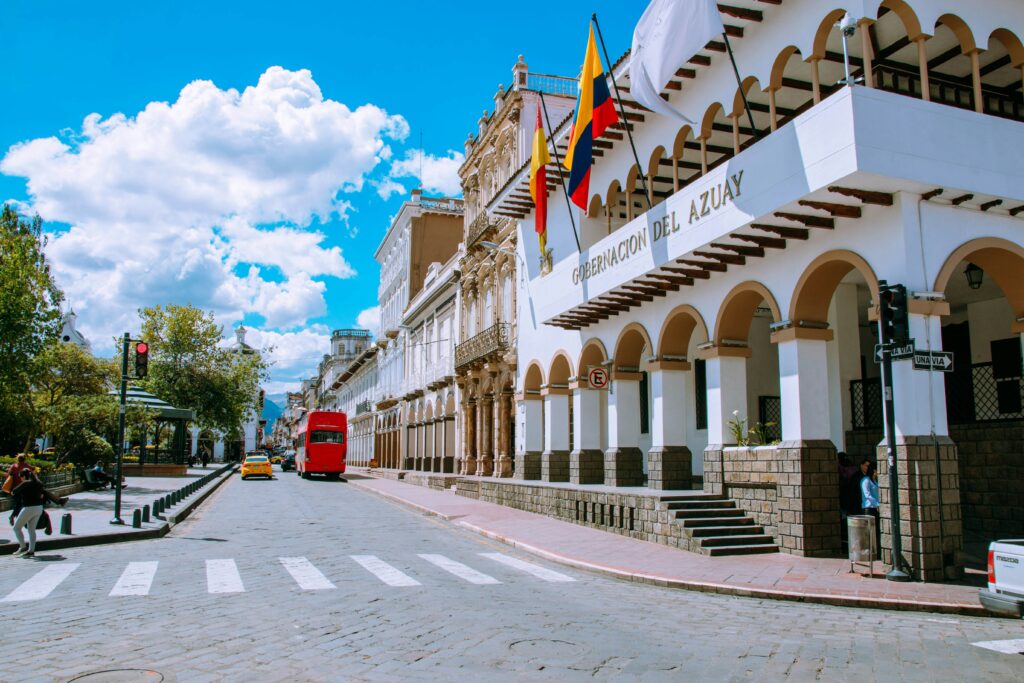
Cuenca.
The Athens of Ecuador
Secure your freedom on Ecuador’s open road

Independent travel across Ecuador offers incredible rewards. One day you are descending from the brisk, windswept páramo passes of the Andes into lush cloud forests; the next, you are securing your bicycle onto the roof of a regional bus bound for the Pacific surf breaks of Olón or Montañita. This freedom to move at your own pace—relying on local transport, pedal power, and footpaths—is the very core of authentic exploration.
However, true independence on the road requires self-sufficiency. A sudden bout of altitude sickness outside Quito, a mechanical crash on a gravel track, or a stolen pannier at a busy transit terminal can quickly derail a trip if you are caught unprepared. Private healthcare across South America demands immediate financial guarantees, making an active travel insurance policy your most essential piece of kit.
Choosing a flexible, practical provider like Ekta ensures you remain protected without overpaying for unnecessary add-ons or getting bogged down by complicated paperwork. By securing a policy tailored to high-altitude terrain and active travel, you can focus on the ride, the landscape, and the culture ahead. Pack thoughtfully, respect local regulations, and ride with complete peace of mind.
Affiliate Disclaimer: Some of the links on Wheely Tyred are affiliate links. If you click through and make a booking or purchase, we may earn a small commission at no extra cost to you. We only recommend gear, tours, stays, and services we genuinely use, trust, and stand behind — our editorial independence always comes first. These commissions help keep our independent cycling guides and travel stories free to read. Thanks for supporting the ride!
Frequently asked questions about the best travel insurance for Ecuador
Regional buses (flotas) routinely carry bicycles either in the lower luggage compartments or secured onto roof racks. Speak directly to the driver or conductor (colector), pay a nominal baggage fee (typically $2–$5 USD), and ensure your bike is securely fastened with your own bungee cords before boarding.
Rest immediately, drink plenty of fluids, and avoid strenuous physical exertion for your first 24 to 48 hours at altitude. Local remedies like coca tea (mate de coca) can help ease mild symptoms, but if severe headaches, dizziness, or nausea persist, seek medical care at a local clinic right away.
Tap water throughout mainland Ecuador and the Galápagos Islands is not safe for direct drinking. Independent travellers and cyclists should carry a hollow-fibre membrane water filter or UV purifier to treat local water supplies, reducing reliance on single-use plastic bottles.
Ecuador uses the United States dollar ($ USD). While credit cards are accepted in major urban hotels and restaurants, rural Andean markets, small family-run eateries (comedores), and coastal towns rely strictly on cash. Always carry small denominations ($1, $5, and $10 notes, plus coins), as vendors rarely have change for $20 or $50 bills.
Before checking in for flights to Baltra or San Cristóbal at Quito or Guayaquil airport, you must purchase a Transit Control Card ($20 USD), pay the Galápagos National Park entry fee ($200 USD for most international adults), and present a valid certificate of travel medical insurance alongside your passport.
Ecuador.
Pure wonder on the equator.