Best walking tours in Santa Cruz & Puerto Ayora, Galápagos
Santa Cruz, Galápagos, guided walking tours & cultural city excursions
Slow footpaths, local conservation, and volcanic heritage in Puerto Ayora
BEN FINCH
To most travellers, the Galápagos Islands conjure images of luxury catamarans, strict cruise itineraries, and offshore archipelago hops. However, on Santa Cruz Island—the vibrant human and ecological crossroads of the archipelago—the true soul of the islands resides along the dusty coastal paths, volcanic lava fissures, and bustling harbourside streets of Puerto Ayora. Home to permanent local communities, pioneering scientific research stations, and thriving indigenous markets, Santa Cruz demands a slower, more deliberate pace of exploration.
At Wheely Tyred, we firmly reject rigid, mass-market bus loops, diesel-fuming tourist shuttles, and transactional commercial tours. Big group excursions reduce complex, delicate island ecosystems to hasty photo ops, whisking visitors past subtle cultural nuances and local conservation stories. True urban and regional discovery happens on foot, led by licensed Ecuadorian naturalist guides who live and breathe island life.
Walking through Puerto Ayora and its surrounding volcanic landscapes allows you to feel the basalt underfoot, observe marine iguanas resting on sun-baked docks, and converse with local artisans, coffee roasters, and tortoise conservationists. Whether you are wandering through dry-forest eco-trails to hidden white-sand bays, deciphering evolutionary history at the research quarters, or sampling wood-fired regional seafood along local alleyways, small-group walking tours offer unparalleled depth, context, and positive community impact. Here is our curated selection of the five absolute best bookable walking tours on Santa Cruz Island.
Exploring Santa Cruz beyond the cruise deck
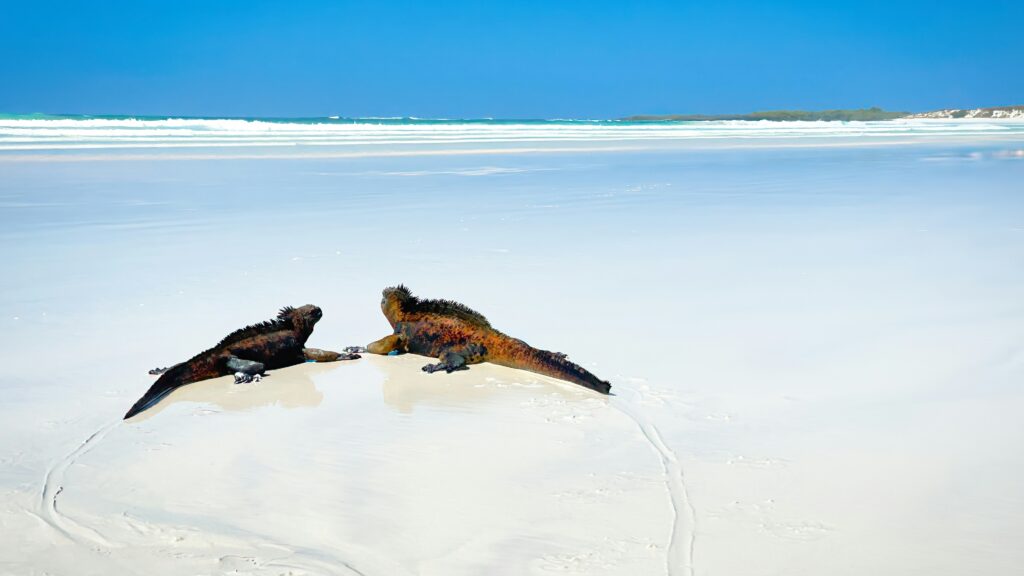
Trading diesel-fuming tour buses for the crunch of volcanic basalt underfoot reveals a very different side to the Galápagos. This structured summary distils our key insights on exploring Santa Cruz Island and Puerto Ayora on foot.
- Scientific Legacy: A guided visit to the Charles Darwin Research Station unveils evolutionary science in action, showcasing giant tortoise breeding initiatives, Lonesome George’s memorial exhibition, and ongoing genetic work to preserve fragile endemic lineages
- Coastal Eco-Trails: The paved 2.5-kilometre walking path to Tortuga Bay winds through an arid forest of palo santo trees and candelabra cacti, opening onto white-sand bays frequented by basking marine iguanas, brown pelicans, and sea turtles
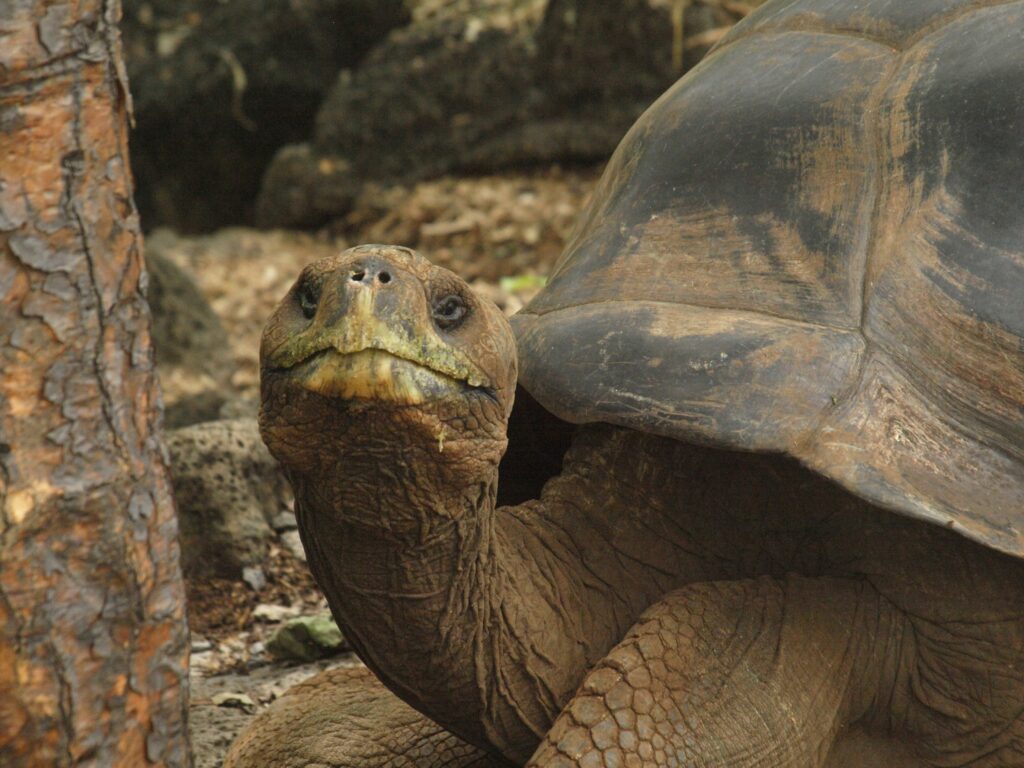
- Highland Microclimates: Venturing into the mist-shrouded interior around Guayabillos on the Giant Turtle Watching & Lava Tunnels Tour allows travellers to walk alongside wild giant tortoises roaming free through open pastures, before descending underground into ancient subterranean lava tubes
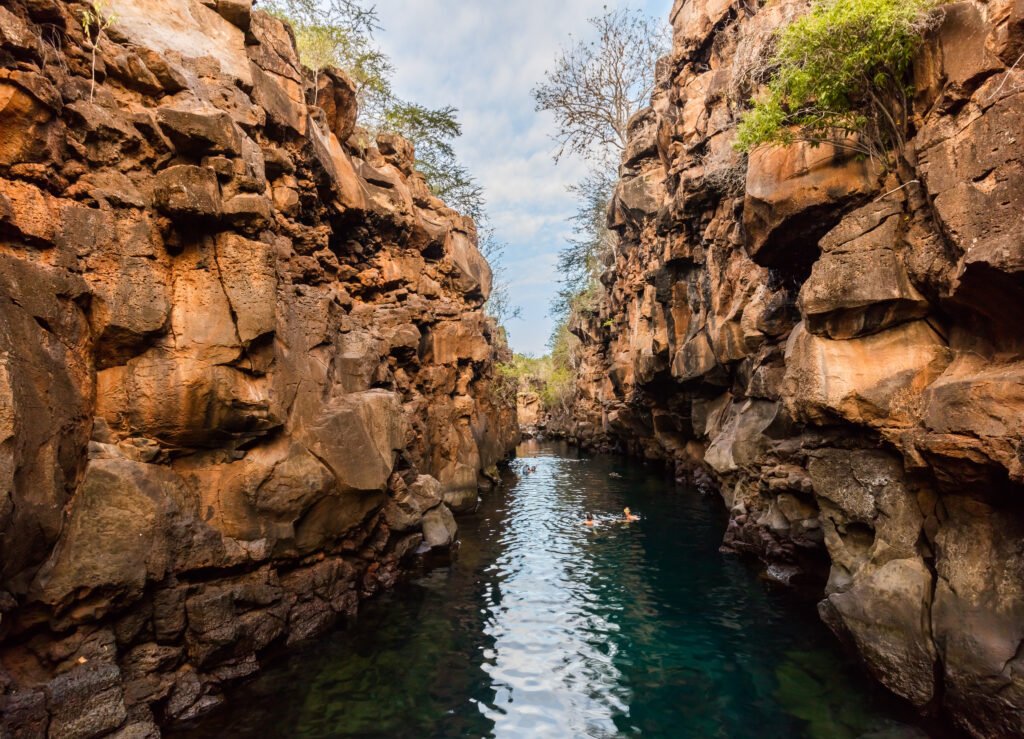
- Volcanic Chasms: Navigating the Punta Estrada peninsula on foot with the Half-Day Bay & Las Grietas Tour brings you past historical island salt pans and rough lava fields to Las Grietas, a dramatic series of clear-water volcanic fissures carved into jagged basalt cliffs
- Agrarian Heritage: Inland excursions like the Garrapatero & El Trapiche Experience highlight the island’s agricultural roots through organic coffee roasting, traditional sugar cane crushing, and quiet trails leading to flamingo-filled coastal lagoons
- Local Gastronomy: Bypassing generic waterfront establishments in favour of Los Kioskos on Calle Charles Binford offers an authentic taste of island culture, where fresh charcoal-grilled catch like pez brujo is served at outdoor communal tables
- Harbour Logistics: Moving around Puerto Ayora relies on small wooden water taxis (lanchas) operating across Academia Bay for modest cash fares, keeping transport simple, accessible, and grounded in the harbour’s everyday rhythm
Santa Cruz
Explore highlands full of giant tortoises
Uncover evolutionary science at the research quarter
Rating & reviews
(5+ verified reviews on GetYourGuide)
Why this specific tour stands out
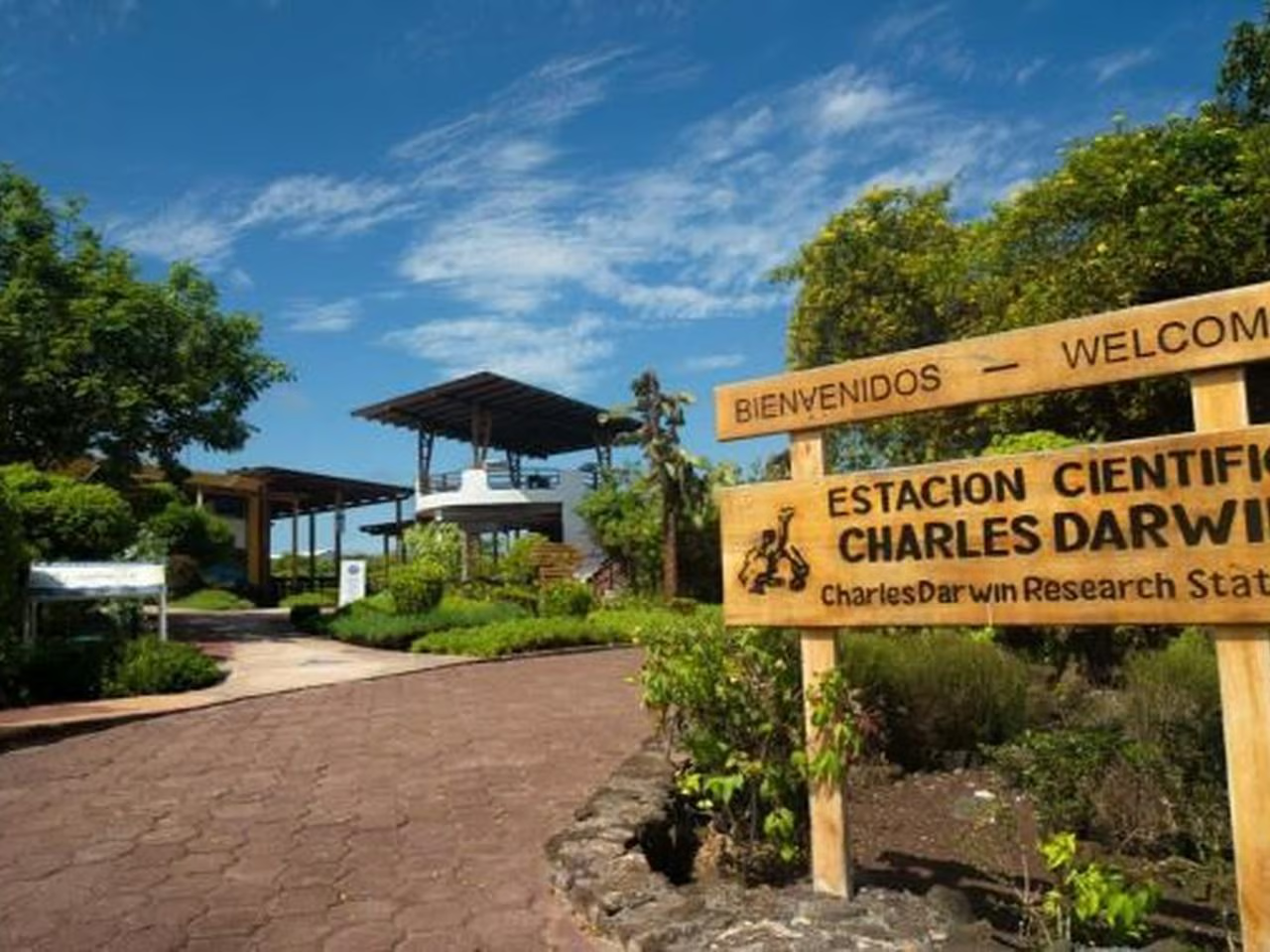
Located on the eastern fringe of Puerto Ayora, the Charles Darwin Research Station represents the scientific heartbeat of the archipelago. Rather than attempting a self-guided stroll without context, this small-group walking tour pairs you with a certified Galápagos National Park naturalist. You are guided through the dry coastal vegetation and research facilities, gaining a comprehensive understanding of giant tortoise breeding programmes, land iguana repatriation initiatives, and ongoing scientific projects designed to combat invasive species. Your guide breaks down the complex evolutionary timeline of the islands, detailing the tragic legacy of Lonesome George—the last known Pinta Island tortoise—and explaining how modern genomic science is bringing lost lineages back from extinction.
Key highlights
- Walk through native Opuntia cactus forests and dry coastal vegetation trails
- Up-close access to the Fausto Llerena Breeding Centre to view hatchling and adult giant tortoises
- Interpretive visit to Lonesome George’s memorial exhibition hall
- Detailed briefings on marine ecosystem protection and invasive species management
- Scenic walk down to Station Beach (Playa de la Estación) for coastal birdwatching
Ideal for
History enthusiasts, science buffs, first-time visitors seeking essential ecological context, and eco-conscious travellers.
Local insight
Book the early morning departure slot. Early light provides far better conditions for viewing active juvenile tortoises, and you will finish your walk before the tropical midday heat sets in over Puerto Ayora. Bring a refillable water bottle, as single-use plastics are strictly prohibited throughout the sanctuary.
The Galápagos.
Ecuador’s Enchanted Isles
Hiking the eco-trail to marine iguana sanctuaries
Rating & reviews
(New activity on GetYourGuide)
Why this specific tour stands out
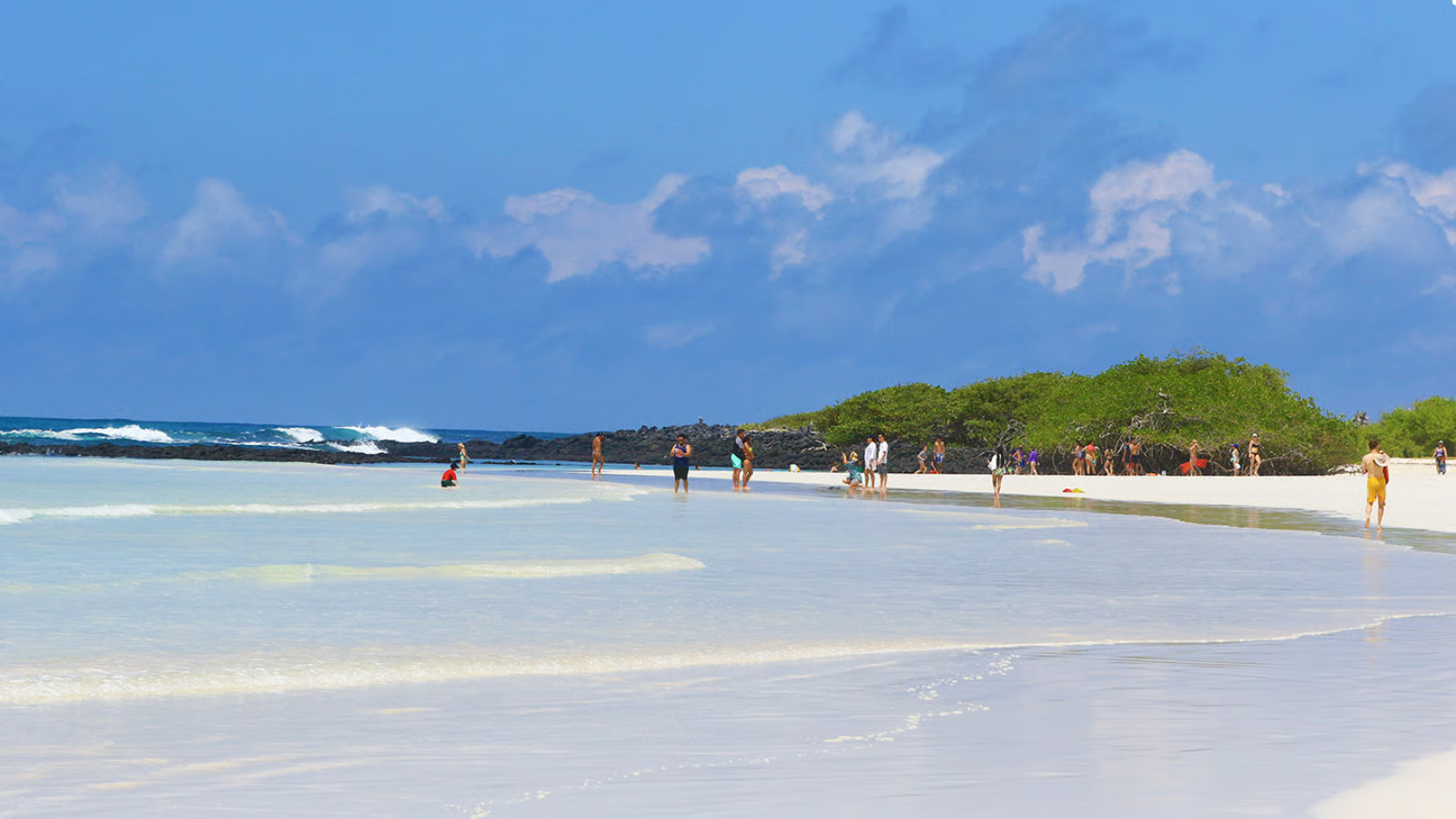
Tortuga Bay (Bahía Tortuga) is routinely ranked among the most breathtaking coastlines in South America, but the journey on foot is where the true story unfolds. This tour leads travellers along a paved 2.5-kilometre eco-trail traversing a delicate arid zone forest. Led by an expert naturalist guide, you learn to identify endemic palo santo trees, lava lizards, and several species of Darwin’s finches along the pathway. Upon reaching Playa Brava, where heavy surf rolls in, your guide explains the nesting habits of marine iguanas and green sea turtles before leading you to the tranquil, mangrove-fringed lagoon of Playa Mansa for wildlife observation and swimming.
Key highlights
- Guided 2.5-km nature walk along the volcanic stone footway through arid coastal scrub
- Educational interpretation of endemic flora including Palo Santo trees and candelabra cacti
- Observation of marine iguana colonies basking on black lava rock shelves
- Exploration of Playa Brava‘s dramatic white sand expanse and Playa Mansa‘s sheltered mangrove cove
- Opportunities to spot whitetip reef sharks (tintoreras), brown pelicans, and blue-footed boobies
Ideal for
Active walking enthusiasts, wildlife photographers, and nature lovers looking to combine a rewarding hike with coastal discovery.
Local insight
The trail offers zero shade, and the lava stones retain heat as the day progresses. Ensure you wear sturdy walking shoes or high-traction hiking sandals rather than flimsy flip-flops. Pack plenty of reef-safe sunscreen, a wide-brimmed hat, and at least 1.5 litres of water per person.
The Ecuadorian Sierra.
Get lost in the hills
Exploring giant tortoise reserves and lava tunnels
Rating & reviews
(59+ verified reviews on Viator)
Why this specific tour stands out
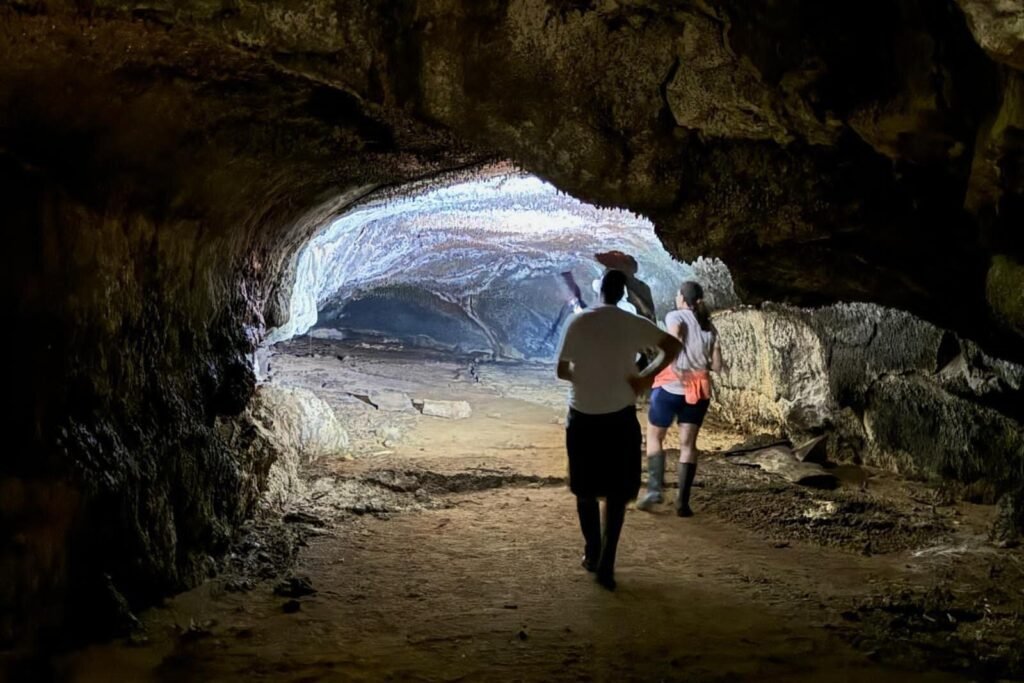
Leaving the coastal heat of Puerto Ayora behind, this immersive highland excursion journeys into the lush, mist-shrouded transition zone of Santa Cruz. Centred around the private Galápagos Frontier reserve in Guayabillos, this walking tour avoids the crowded mass-bus stops at commercial ranches. Accompanied by a local specialist guide, you hike through open pastures, endemic Scalesia forests, and fruit orchards where wild giant tortoises (Chelonoidis niger) roam completely unrestricted. The second half of the trail descends underground into natural subterranean lava tubes formed millions of years ago by cooling basaltic flows.
Key highlights
- Guided walk through natural highland trails surrounded by wild giant tortoises roaming free
- In-depth commentary on tortoise seasonal migration patterns and highland ecology
- Descent into illuminated underground subterranean lava tubes with impressive geological formations
- Birdwatching along agricultural trails to spot vermilion flycatchers, barn owls (Tito Alba), and Darwin’s finches
- Complimentary sampling of locally grown highland fruit juices, coffee, and tea
Ideal for
Slow travellers, geology enthusiasts, birdwatchers, and families who want a respectful, unhurried encounter with giant tortoises in the wild.
Local insight
The highlands (la parte alta) have a completely different microclimate from the dry coast. It is frequently drizzly, overcast, and muddy underfoot. The tour operator provides rubber mud boots (botas de caucho), so bring thick woollen socks for comfort inside the boots.
Navigating Punta Estrada and Las Grietas Chasm
Rating & reviews
(8+ verified reviews on GetYourGuide)
Why this specific tour stands out
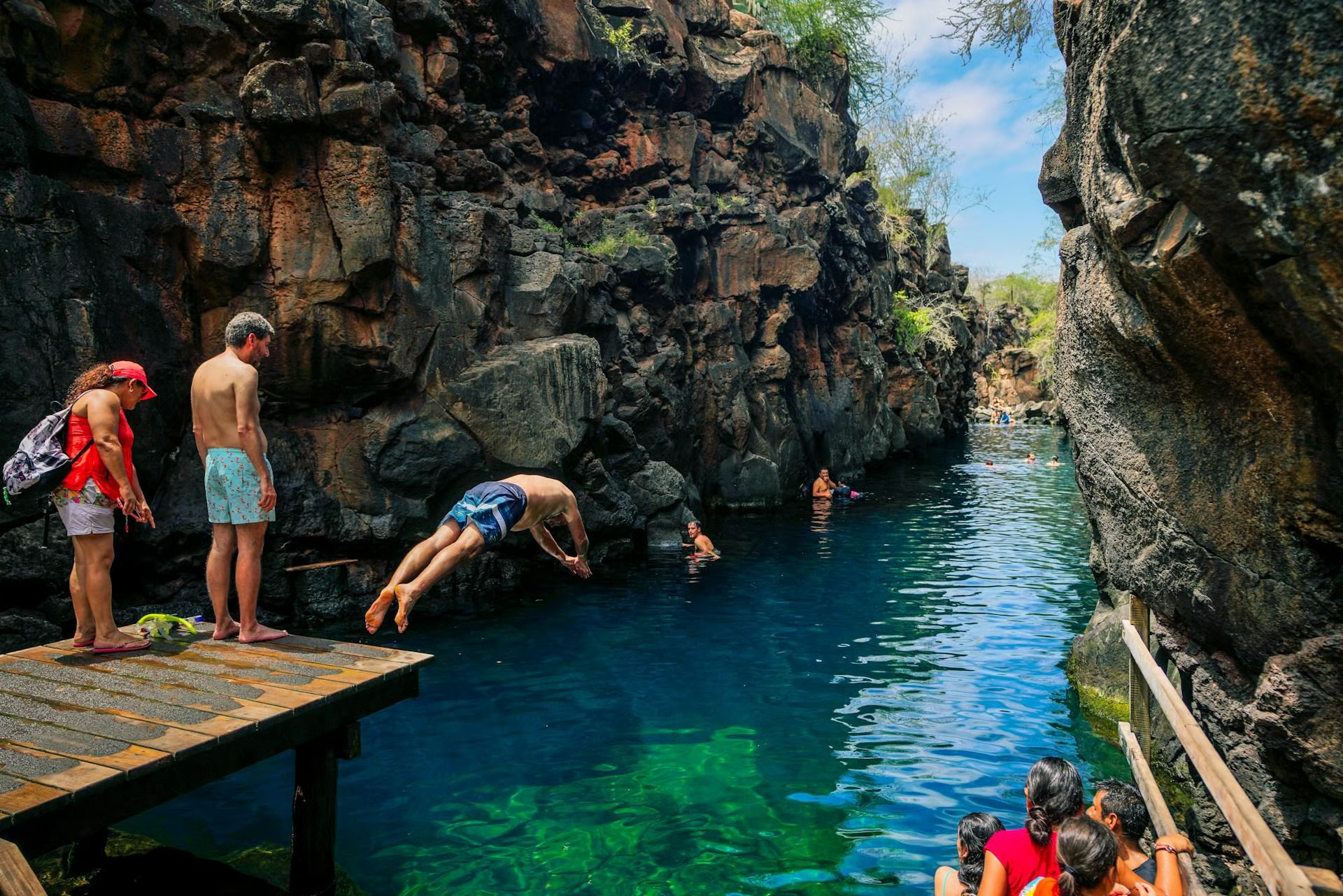
While this tour includes a short, 10-minute water taxi crossing of Academia Bay (Bahía Academia), its real highlight is an exceptional guided walk across the Punta Estrada peninsula. The trail takes you through historic salt mines (salinas), across rough lava fields, and down into Las Grietas—a series of dramatic volcanic rock chasms filled with crystal-clear, brackish emerald water. Your local guide leads you past Playa de los Perros, pointing out massive marine iguana colonies sunning on jagged basalt, before navigating the wooden boardwalks that protect the delicate salt flats.
Key highlights
- Short boat shuttle across Academia Bay to the Punta Estrada pedestrian peninsula
- Guided walking trek over jagged lava paths and iron-rich red earth trails
- Interpretive visit to historical salt pans worked by early Santa Cruz settlers
- Guided walk down into Las Grietas volcanic canyon for swimming and clear-water snorkelling
- Observation of resting whitetip reef sharks in Canal del Amor and Canal de los Tiburones
Ideal for
Hikers looking for varied volcanic terrain, history enthusiasts interested in island settlement, and active swimmers.
Local insight
Walking on jagged basalt lava rocks requires steady balance and thick-soled footwear. The Galápagos National Park strictly limits access time within the canyon to protect water purity, so ensure your guide has pre-registered your entry slot to avoid delays at the control gate.
The Ecuadorian Amazon.
The most biodiverse place in the world
Discovering rural heritage, coffee, and sugar cane mills
Rating & reviews
(50+ verified reviews on GetYourGuide)
Why this specific tour stands out
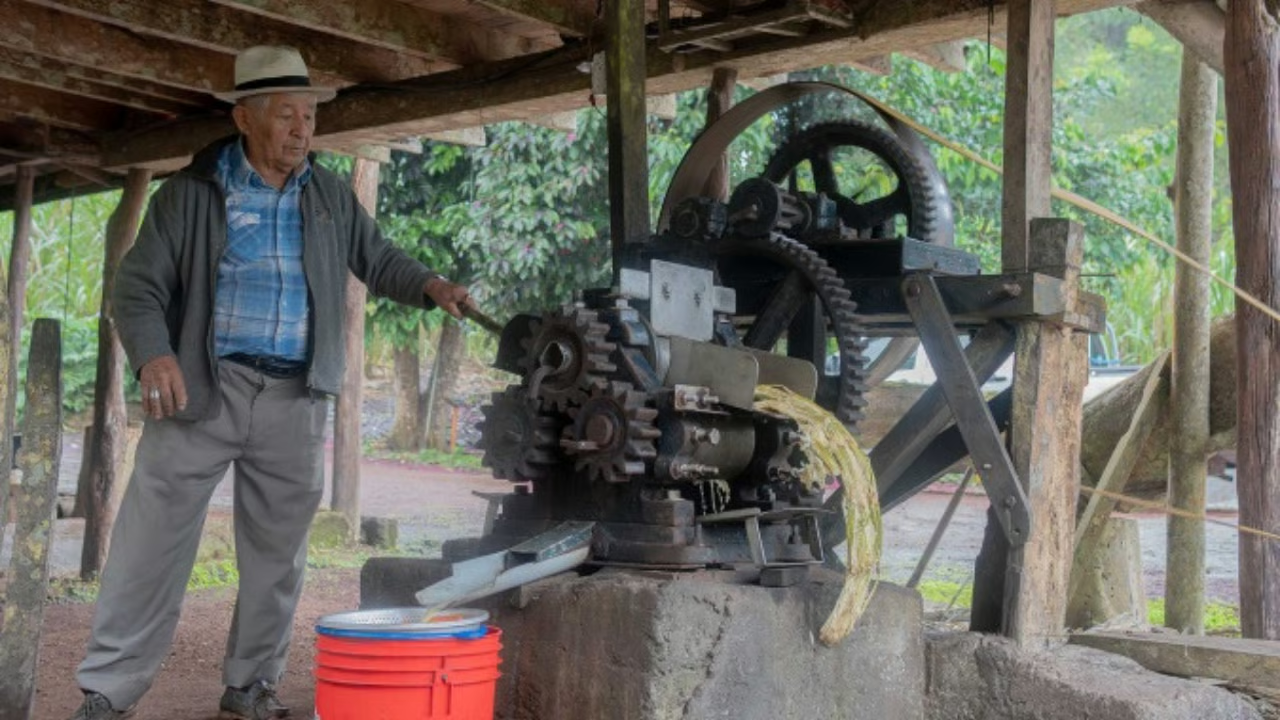
Many visitors overlook the agricultural culture of Santa Cruz, focusing exclusively on marine life. This cultural and agrarian excursion bridges that gap by taking travellers inland to El Trapiche, a traditional farm owned by a multi-generational island family. Here, you take a guided walking tour through organic coffee fields and sugar cane crops. You will see a traditional mule-drawn wooden mill (trapiche) crush sugar cane to make artisanal cane syrup (panela) and local moonshine (aguardiente), followed by a hands-on demonstration of Galápagos coffee roasting. The tour culminates with a peaceful walking trail to Playa El Garrapatero, a secluded eastern beach bordered by coastal lagoons housing wild flamingos and migratory shorebirds.
Key highlights
- Guided farm walk through organic coffee plantation rows and tropical fruit groves
- Demonstration of traditional sugar cane crushing using an authentic wooden trapiche mill
- Artisanal coffee roasting session with freshly brewed Galápagos coffee tasting
- Guided nature walk around the mangrove lagoon at Playa El Garrapatero to spot wild pink flamingos
- Quiet coastal trail walk away from main tourist crowds
Ideal for
Foodies, coffee lovers, cultural travellers, and those interested in agricultural heritage and sustainable local livelihoods.
Local insight
Galápagos coffee is prized worldwide for its unique microclimate growing conditions. Purchasing roasted beans directly from farm families at El Trapiche provides direct economic support to island agrarian communities, making it one of the most authentic souvenirs you can bring home.
Our practical Santa Cruz exploration guide
Exploring Puerto Ayora and Santa Cruz Island on foot is straightforward, but navigating a remote island environment requires local street smarts and sensible preparation.
Master the local water taxis (lanchas de taxis)
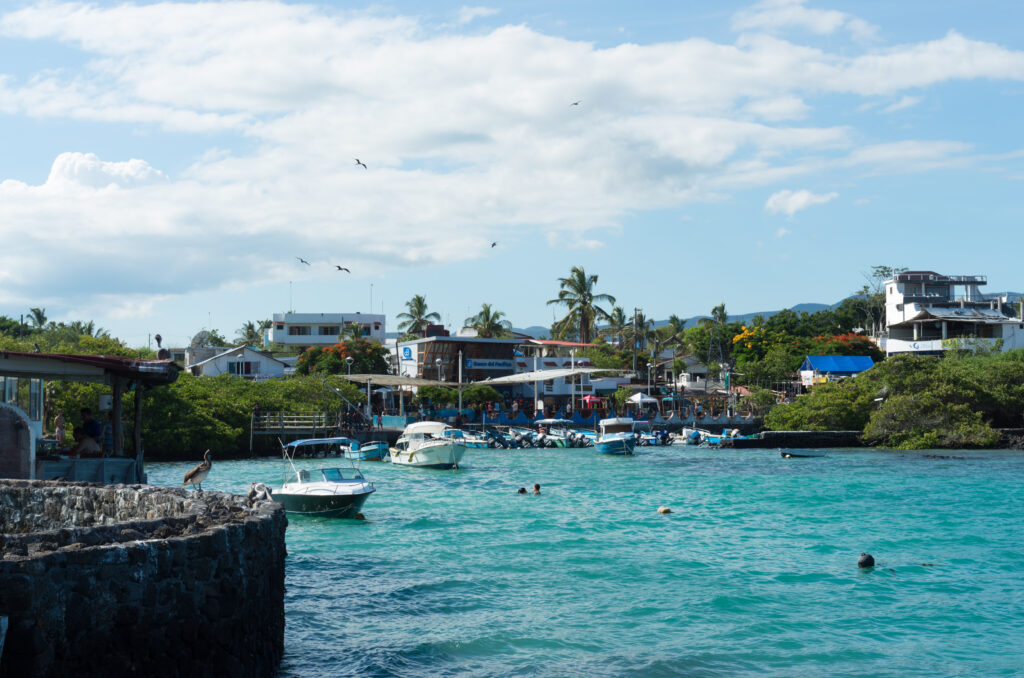
Puerto Ayora’s harbour is powered by water taxis. To cross from the main pier (Muelle Municipal) to Punta Estrada, German Beach, or hotel docks across Academia Bay, simply hail a water taxi. The fare is $1.00 USD per person during the day and $1.50 USD after dark. Keep loose $1 coins or small bills ready, as drivers cannot break $20 notes.
Footwear is everything
Santa Cruz terrain alternates between fine coral sand, slippery mud in the highlands, and razor-sharp uneven basalt lava rocks. Do not attempt hikes to Tortuga Bay or Las Grietas in fashion sneakers or thin sandals. Pack sturdy, closed-toe trail shoes with good grip and high-traction water shoes for rocky shorelines.
Dine like a local at Los Kioskos
Avoid overpriced waterfront tourist restaurants for dinner. Head three blocks inland to Calle Charles Binford (known locally as Los Kioskos) around 18:30. The street closes to traffic, and local vendors set up communal tables under the stars. You can select freshly caught spiny lobster or whole endemic pez brujo (brujo fish), grilled over charcoal right in front of you at a fraction of restaurant prices.
Respect wildlife etiquette and regulations
Galápagos National Park rules are legally enforced. You must maintain a strict 2-metre (6-foot) distance from all wildlife, including sea lions resting on town benches and marine iguanas crossing pavements. Never touch, feed, or corner an animal, and never use flash photography.
Cash and currency culture
Ecuador uses the US Dollar ($). While high-end hotels and major tour agencies accept credit cards (often with a 5–12% surcharge), local bakeries, water taxis, street stalls, and small-group guides operate strictly in cash. ATMs in Puerto Ayora are located near the main harbour, but they frequently run out of bills on weekends. Carry sufficient cash in $5, $10, and $20 denominations.
The Ecuadorian Coast.
Where you’ll find the very best food
Making every footstep count in Santa Cruz & Puerto Ayora
Read this far?
Cruising through the Galápagos from the isolated comfort of a steel deck has its place, but it only ever tells half the story. The moment you step ashore in Puerto Ayora and trade diesel fumes for the crunch of volcanic basalt beneath your trail shoes, the archipelago opens up in a fundamentally different way.
Exploring Santa Cruz on foot isn’t merely an exercise in slow travel—it is a conscious choice to participate directly in the island’s human and ecological economy. When you hire a licensed local naturalist guide for a morning walk down to Tortuga Bay or spend an afternoon sipping freshly roasted Galápagos coffee on a family farm in the highlands, your footprint supports genuine local stewardship. You are helping sustain an island community that acts as the primary frontline guard for one of the planet’s most fragile environments.
So, bypass the rushed bus shuttles and packed excursion loops. Take your time along the red-dirt tracks, give resting marine iguanas their rightful right-of-way, and let Puerto Ayora’s unhurried rhythm guide your steps. The true magic of Santa Cruz is never glimpsed through a tinted coach window; it is found underfoot, one thoughtful step at a time.
Affiliate Disclaimer: Some of the links on Wheely Tyred are affiliate links. If you click through and make a booking or purchase, we may earn a small commission at no extra cost to you. We only recommend gear, tours, stays, and services we genuinely use, trust, and stand behind — our editorial independence always comes first. These commissions help keep our independent cycling guides and travel stories free to read. You can also buy me a coffee here — thanks for supporting the ride!
Frequently asked questions about the best Santa Cruz walking tours
Local water taxis (lanchas) constantly ply the waters of Academia Bay from the main pier (Muelle Municipal). They cost $1.00 per person during the day and $1.50 after dark. You should always carry small $1 coins or single notes, as drivers cannot break larger denominations.
Terrain varies dramatically between razor-sharp, sun-baked basalt lava rock along the coast and deep, slippery mud in the misty highlands. Sturdy, closed-toe trail shoes with aggressive traction are essential for dry trails like Tortuga Bay, while highland reserves typically provide rubber boots (botas de caucho) for wet pastures.
Head three blocks inland to Calle Charles Binford (known locally as Los Kioskos) around 18:30. The street closes to traffic, and local vendors set up communal outdoor tables where you can choose fresh, whole charcoal-grilled fish—such as the endemic pez brujo—or spiny lobster at a fraction of waterfront prices.
While the coast in Puerto Ayora is typically sunny and arid, the interior highlands (la parte alta) sit in a cool, misty transition zone. It is frequently drizzly and damp underfoot, meaning you should pack a light waterproof layer and wear thick woollen socks if slipping into borrowed rubber boots.
Galápagos National Park regulations strictly mandate keeping a minimum distance of two metres (six feet) from all wild animals at all times, including marine iguanas resting on pavements or sea lions on harbour benches. Feeding, touching, or using flash photography is strictly prohibited.
Ecuador uses the US dollar ($). While larger hotels and established tour operators accept credit cards (often with a 5–12% surcharge), cash is essential for water taxis, street dining at Los Kioskos, local bakeries, and tipping guides. ATMs in Puerto Ayora can run dry over weekends, so carry small bills ($5, $10, and $20).
Ecuador.
Pure wonder on the equator.