
Otavalo
Things to do in Otavalo.
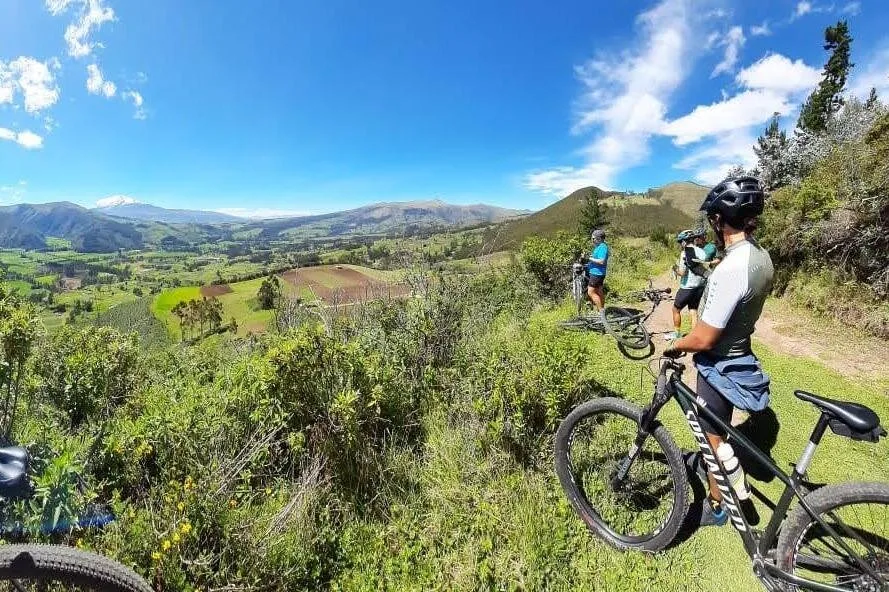
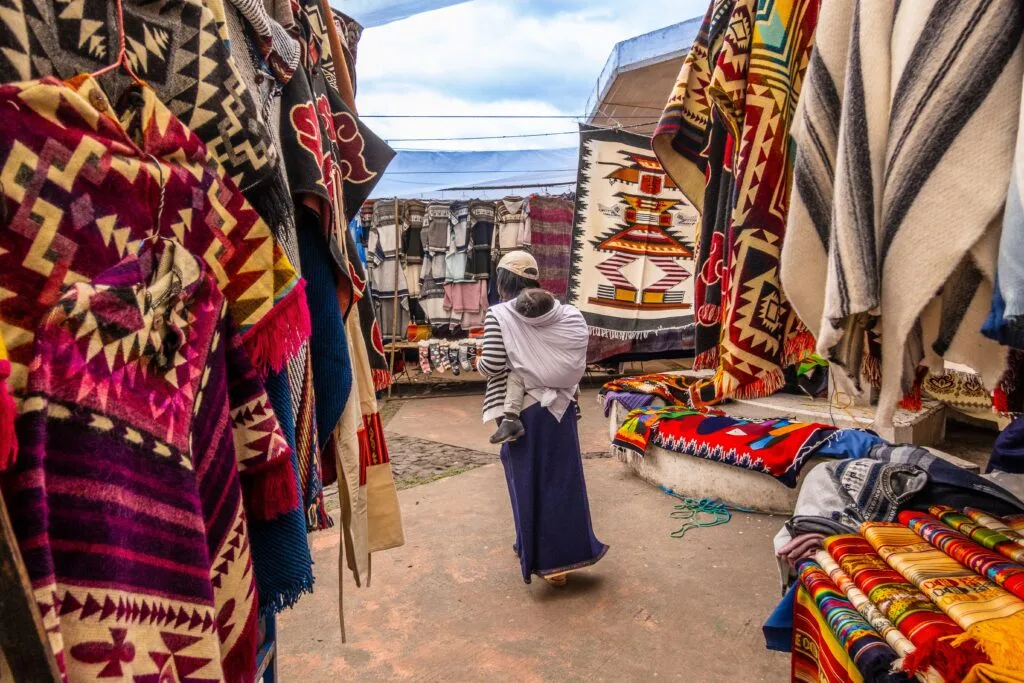
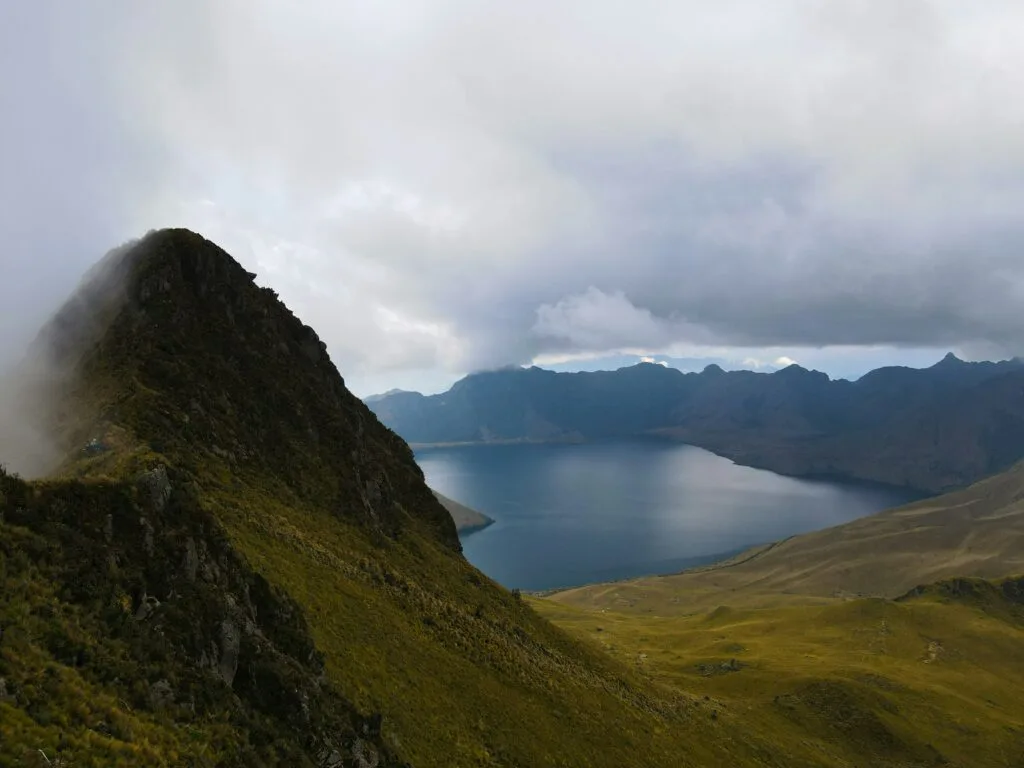
Bypass the midday crowd at Plaza de Ponchos and ride up towards the volcanic slopes of Volcán Imbabura instead. Down in nearby Peguche, artisan families still run traditional backstrap looms, far removed from synthetic souvenir stalls. Afterwards, coast down to the quiet perimeter of Laguna de San Pablo as light hits the northern highlands. This is an unhurried Andean valley made for independent exploration
The independent traveller’s guide to Otavalo, Ecuador
Crisp Andean mornings, volcanic paths, and deep-woven heritage
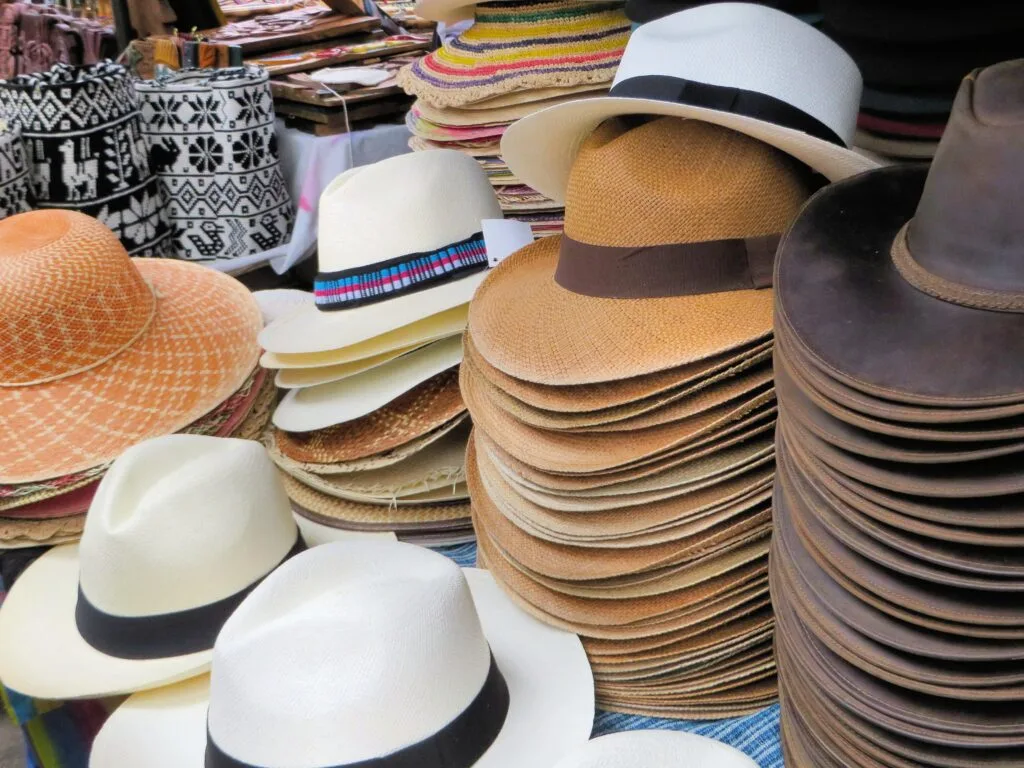
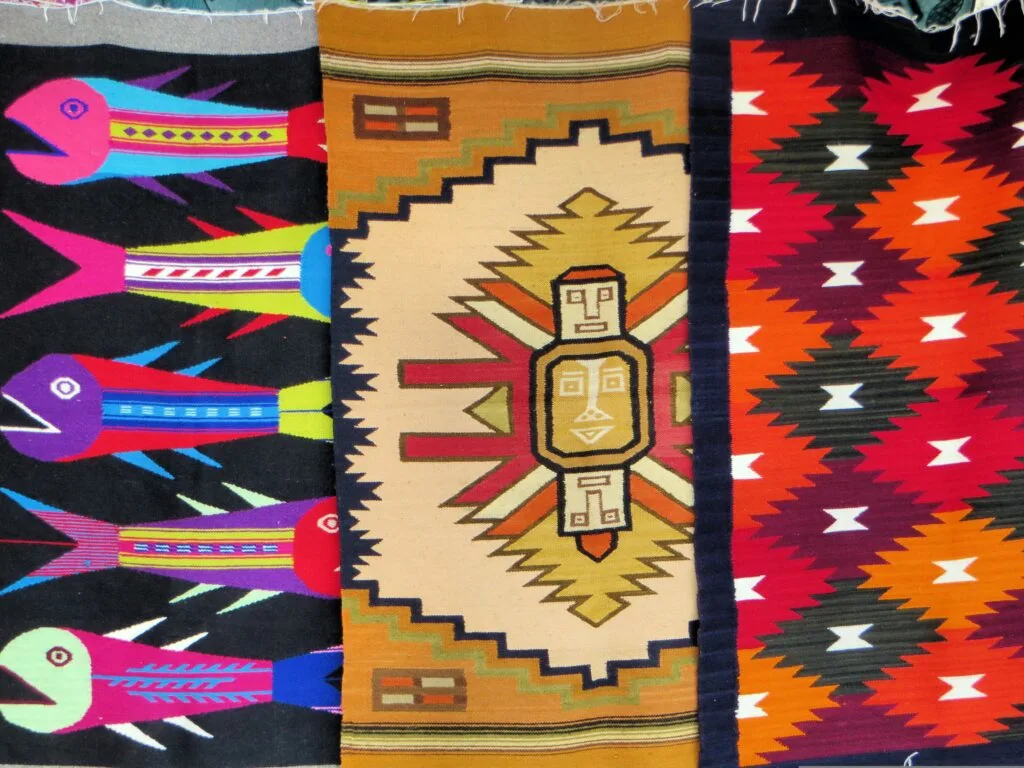
The colours of Imbabura / An independent guide to Plaza de Ponchos in Otavalo
Discovering the art of slow travel in the heart of Otavalo
Unlocking Otavalo / The definitive guide to Ecuador’s cultural heart
Top sights and best attractions to visit in Otavalo, Ecuador
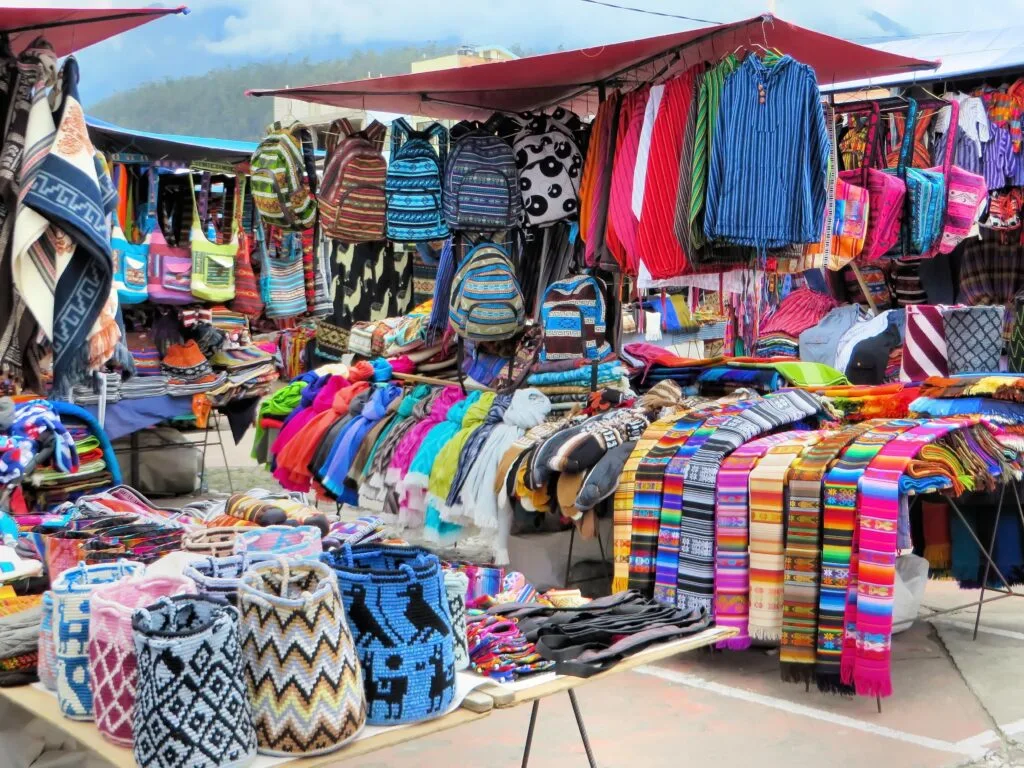
Top tours in Otavalo.
Day tours
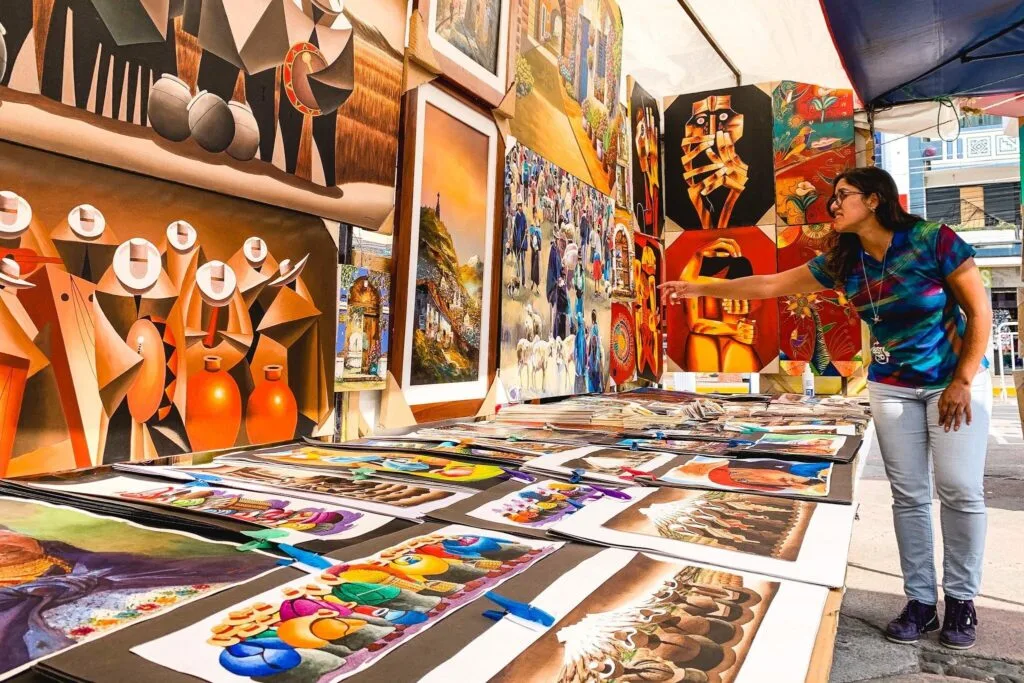
Bike tours
Multi-day tours
Food tours
More things to do in the Ecuadorian Sierra.
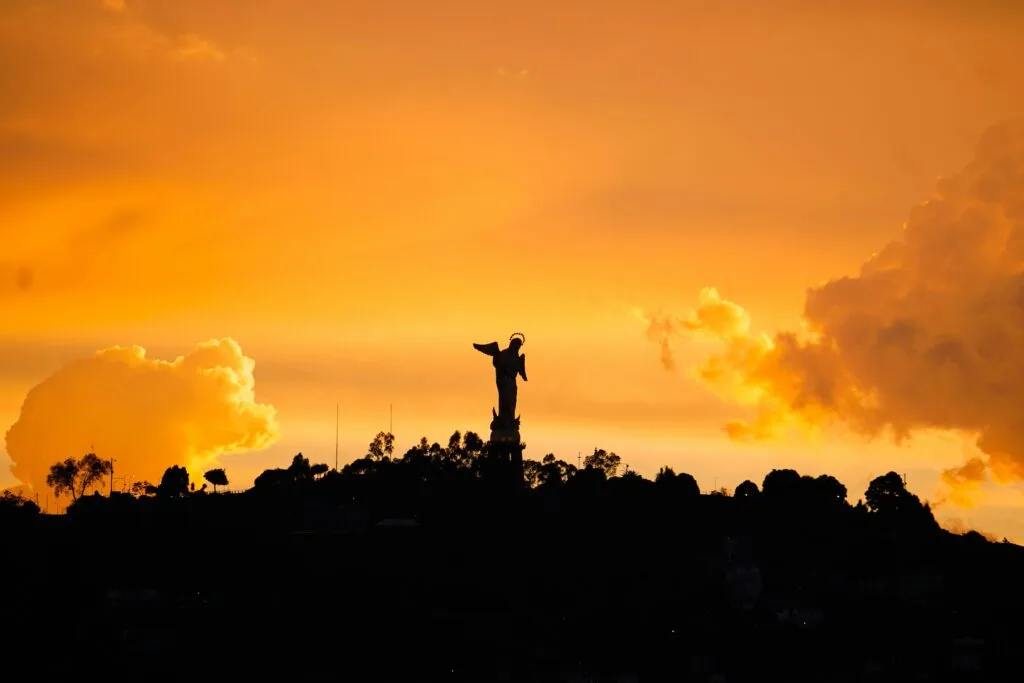
Heading south along the Pan-American Highway reveals three distinct mountain rhythms. Quito offers brutalist architecture, steep colonial alleys, and craft breweries tucked behind carved wooden doors. Baños trades urban hustle for deep river gorges and damp cloud forest trails, whilst Cuenca slows everything down with red-tiled roofs, flower markets, and cobbles made for wandering. Connect them by intercity bus or bicycle, leaving rigid schedules behind
Quito
The Middle of the World
Baños

In the shadow of the volcano
Cuenca
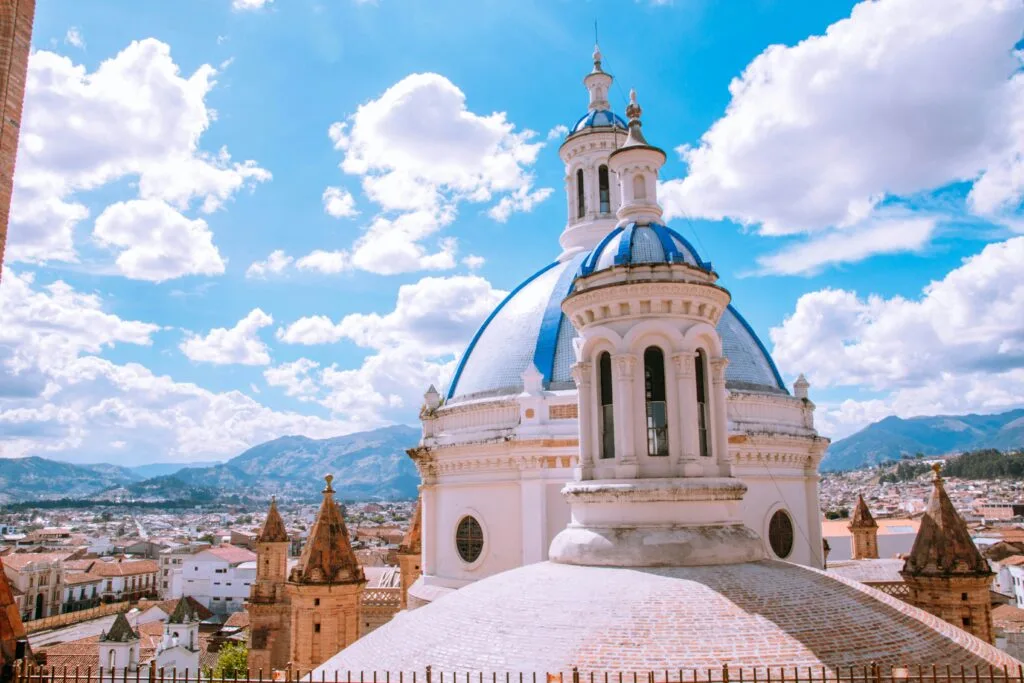
The prettiest city in the Americas
Where to stay in Otavalo.
Skip the generic concrete hotels near the bus terminal in favour of heritage haciendas nestled in the rural outskirts. Restored adobe buildings around Ilumán offer wooden beams, open fireplaces, and courtyard gardens that catch the crisp morning air. Alternatively, look for family-run guesthouses along the road to Cotacachi where you can securely store a bicycle, dry wet kit, and wake up to mountain views
Where to stay in Otavalo / Historic haciendas and secret courtyards
Rest your head where history breathes and the Andean night goes quiet
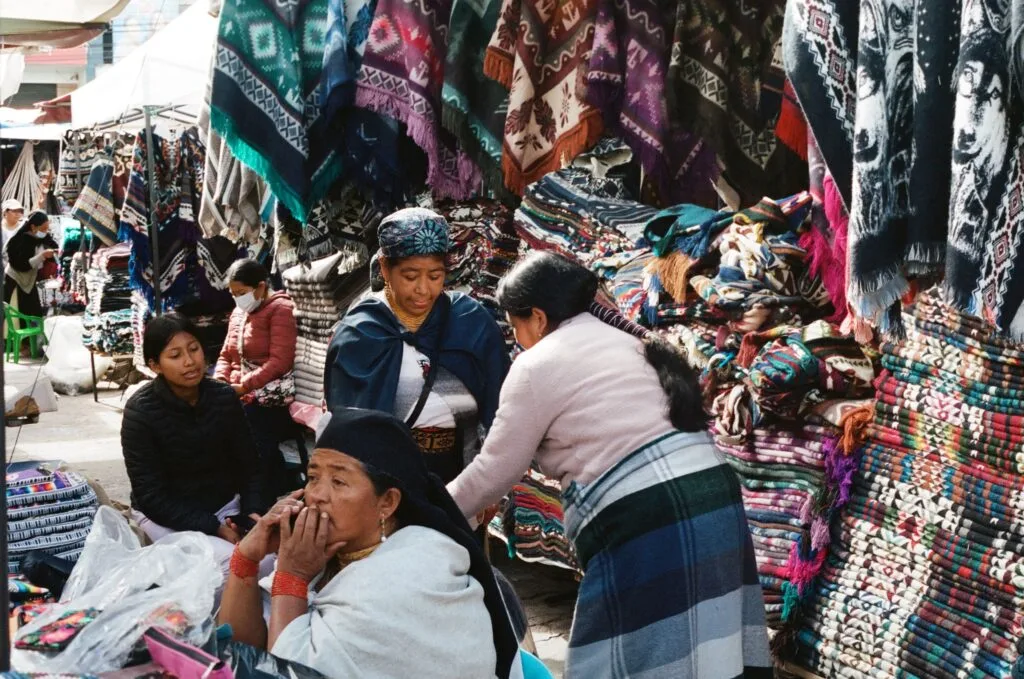
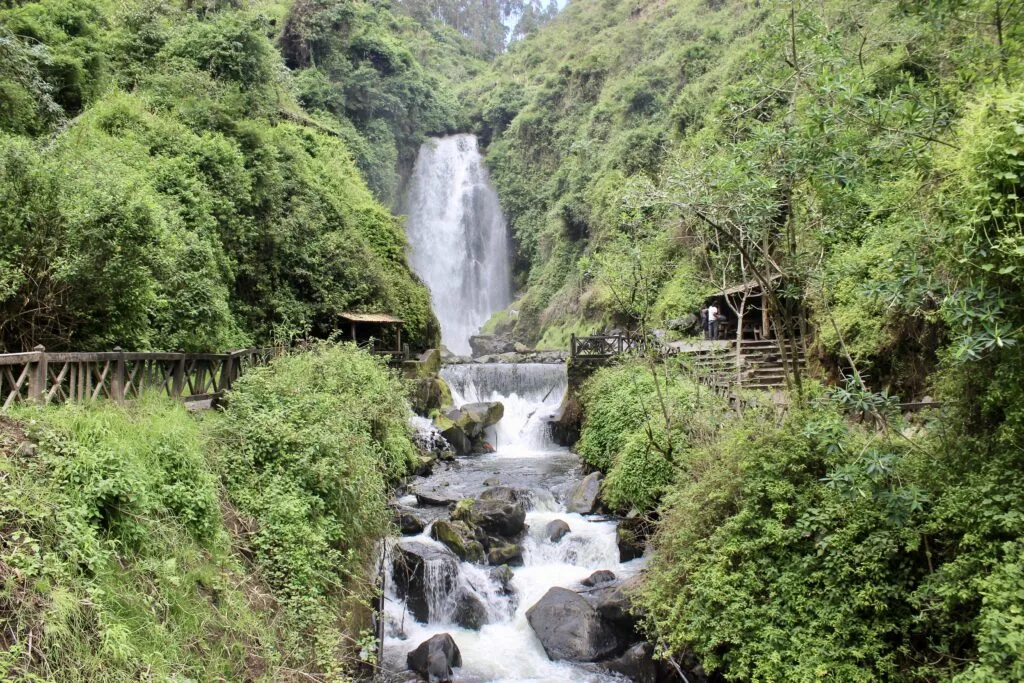
Under the volcanoes / The absolute best campsites in Otavalo, Ecuador
Starlit Andean horizons and the deep, silent rhythms of the Ecuadorian highlands
Essential Ecuador logistics.
SIM cards
Packing

Insurance
Overlanding
What to eat in Otavalo.
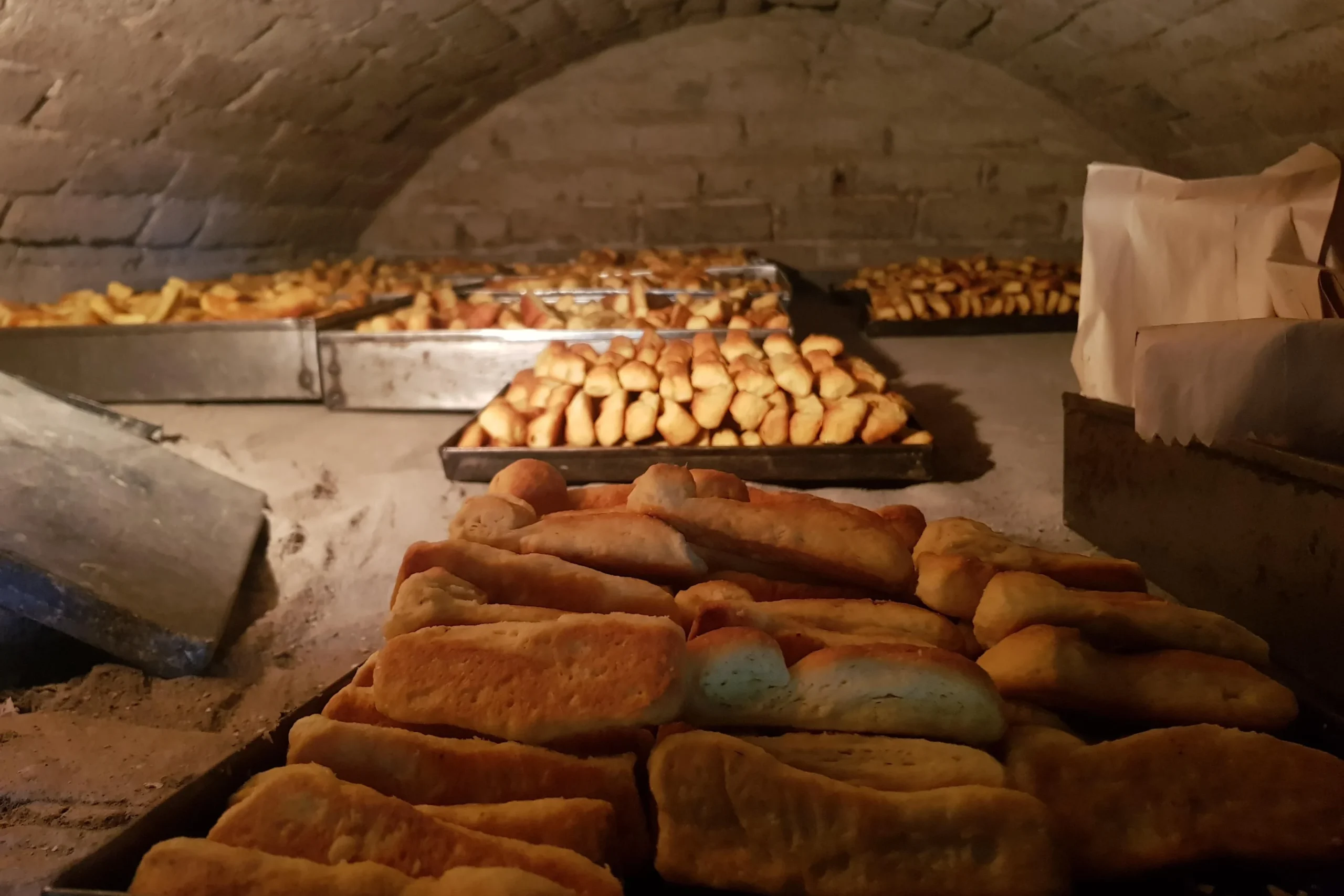
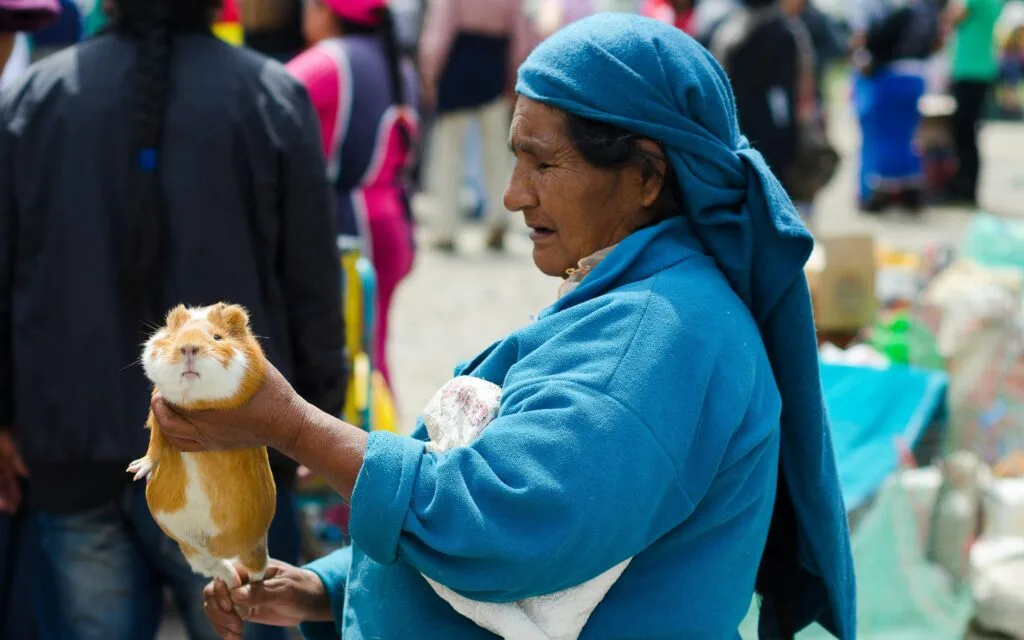
Andean cuisine in Imbabura relies on honest, slow-cooked staples that sustain a long day at high altitudes. Order a steaming bowl of locro de papa, a rich potato soup topped with fresh cheese and ripe avocado. Seek out bustling market benches for crisp fritada—pork braised until tender—served with buttery mashed potatoes and toasted corn. This is unpretentious food crafted specifically for crisp mountain air
Savouring the highlands / A slow traveller’s guide to the flavours of Otavalo
Quiet culinary sanctuaries of Ecuador’s northern valley
A taste of the Andes / Foods to try in the Ecuadorian Sierra
Savour the deeply rooted flavours of the mountain peaks
Where to eat and drink in Otavalo.
Bypass the fluorescent tourist cafés surrounding the main plaza and head down Calle Sucre for proper neighbourhood eateries. Unassuming family dining rooms serve daily almuerzos featuring rich grain broths and fresh tree-tomato juice for a few coins. Come nightfall, seek out dimly lit side-street bars near El Colibrí where locals sip small-batch Ecuadorian beer and warm, spiced canelazo far from any tour group
The authentic Otavalo table / Where to eat and drink like a local in Imbabura
A slow-travel guide to the kitchens of Imbabura’s highland basin
When to visit Otavalo.
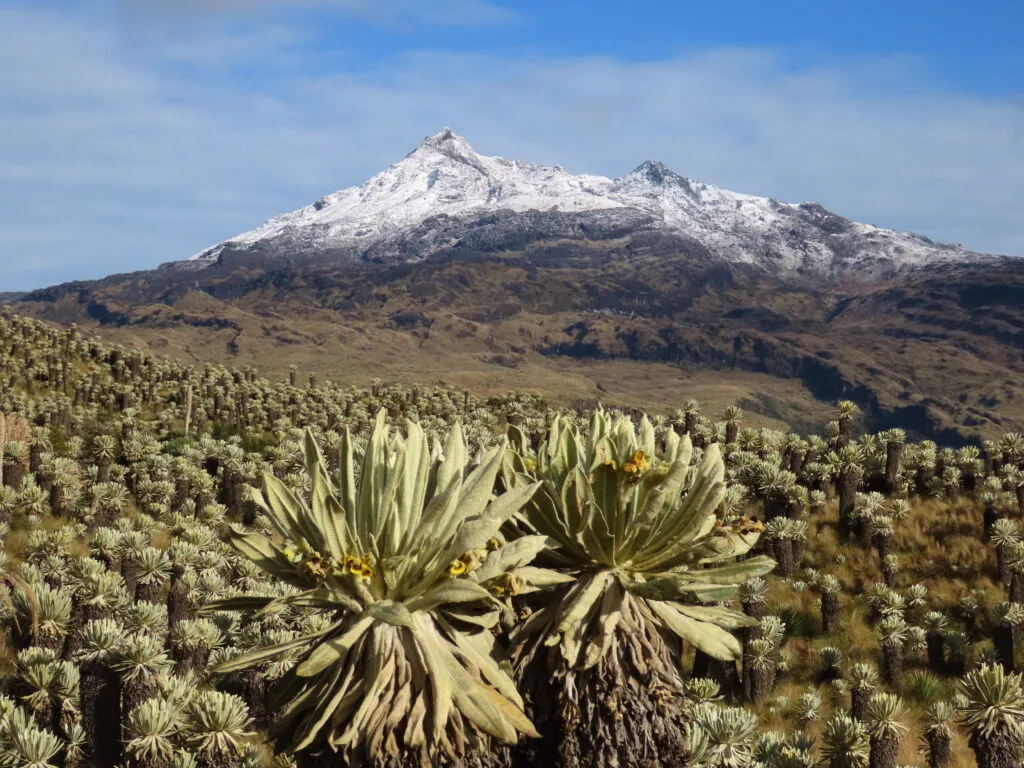
Dry season runs from June to September, delivering clear skies, brilliant mountain vistas, and crisp, windy afternoons optimal for riding. October brings unpredictable rains that turn high-altitude tracks to heavy mud, though the surrounding countryside turns lush and emerald. If you prefer quiet streets, plan your arrival for midweek, when the weekend market crowds vanish and the town settles back into its natural pace
Unlocking the Andes / When is the best time to visit the Ecuadorian Sierra?
Four seasons in a day / Chasing the perfect light across the Avenue of the Volcanoes
Is Otavalo safe?
Otavalo remains one of Ecuador’s calmer highland towns, but basic street sense applies as everywhere else. Petty pickpocketing can happen in packed market corridors or around the terminal, so keep valuables secure and avoid displaying expensive gear. Walking quiet backstreets after dark requires sensible caution, though violent incidents are rare; rent a reliable taxi for late-night journeys back to rural lodgings
Staying safe in Otavalo / A slow traveller’s guide to Ecuador’s highland heart
How to explore the famous market town with confidence
The history of Otavalo.
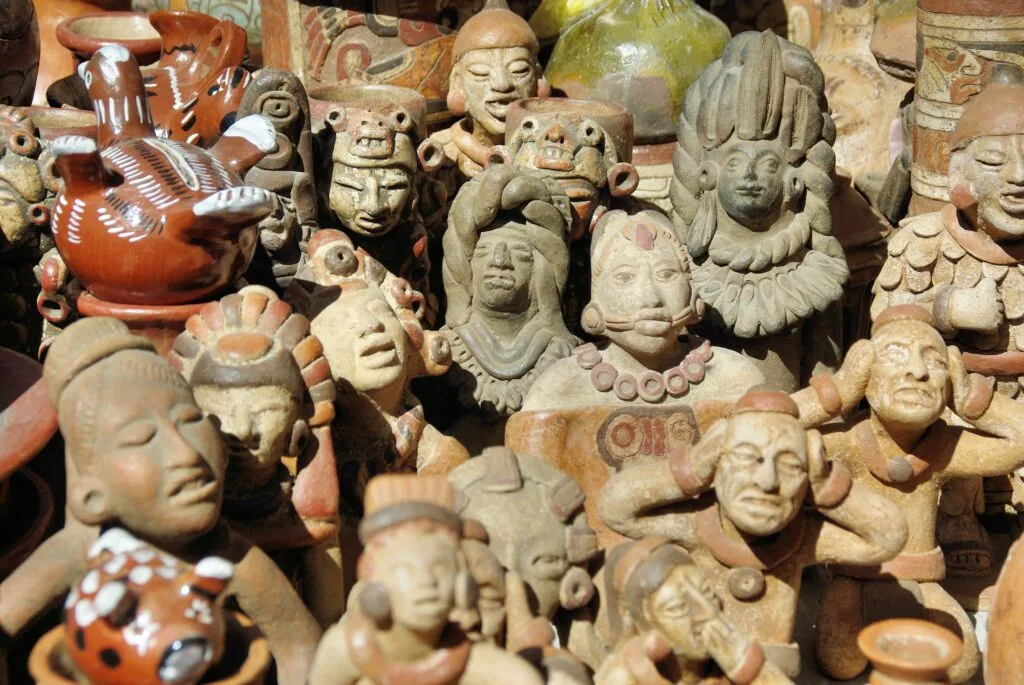
Long before Spanish colonisers imposed grid streets and tile roofs, the Kichwa Otavalo people established an agricultural trading hub in this highland valley. Their weaving traditions survived Inca conquest, Spanish forced labour in colonial obrajes, and modern industrialisation without losing artistic integrity. Today, Indigenous heritage shapes daily life, from traditional dress to ancestral land stewardship, providing an authentic historic continuity
The thread of time / A guide to the rich history of Otavalo
Where Andean winds whisper ancestral stories and every climb leads to a living past
Ecuadorian cycling culture.
Riding in Ecuador means sharing gravel roads with milk pick-ups and dodging high-altitude cobblestones under the shadow of dramatic peaks. Local cyclists are fiercely tough, tackling vertical climbs into the alpine páramo with minimal fuss and immense pride. From village mechanics repairing steel frames with spare wire to drivers offering patient space on single-lane passes, the culture respects independent riders
Epic cycling in Ecuador
The ultimate guide to cycling in Ecuador / Routes, culture, and infrastructure
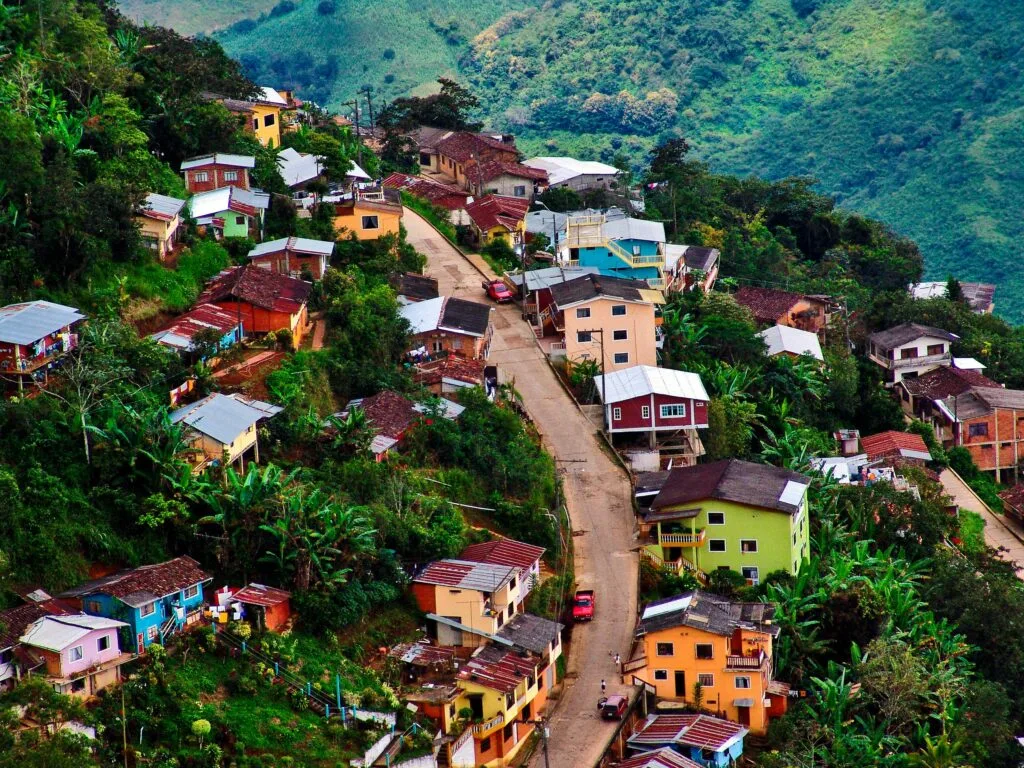
Driving culture and road safety

Driver attitudes, road traffic statistics, and road safety laws for cyclists
Cycling laws in Ecuador

Everything you need to know about cycling laws and regulations in Ecuador
Ecuador’s cycling history
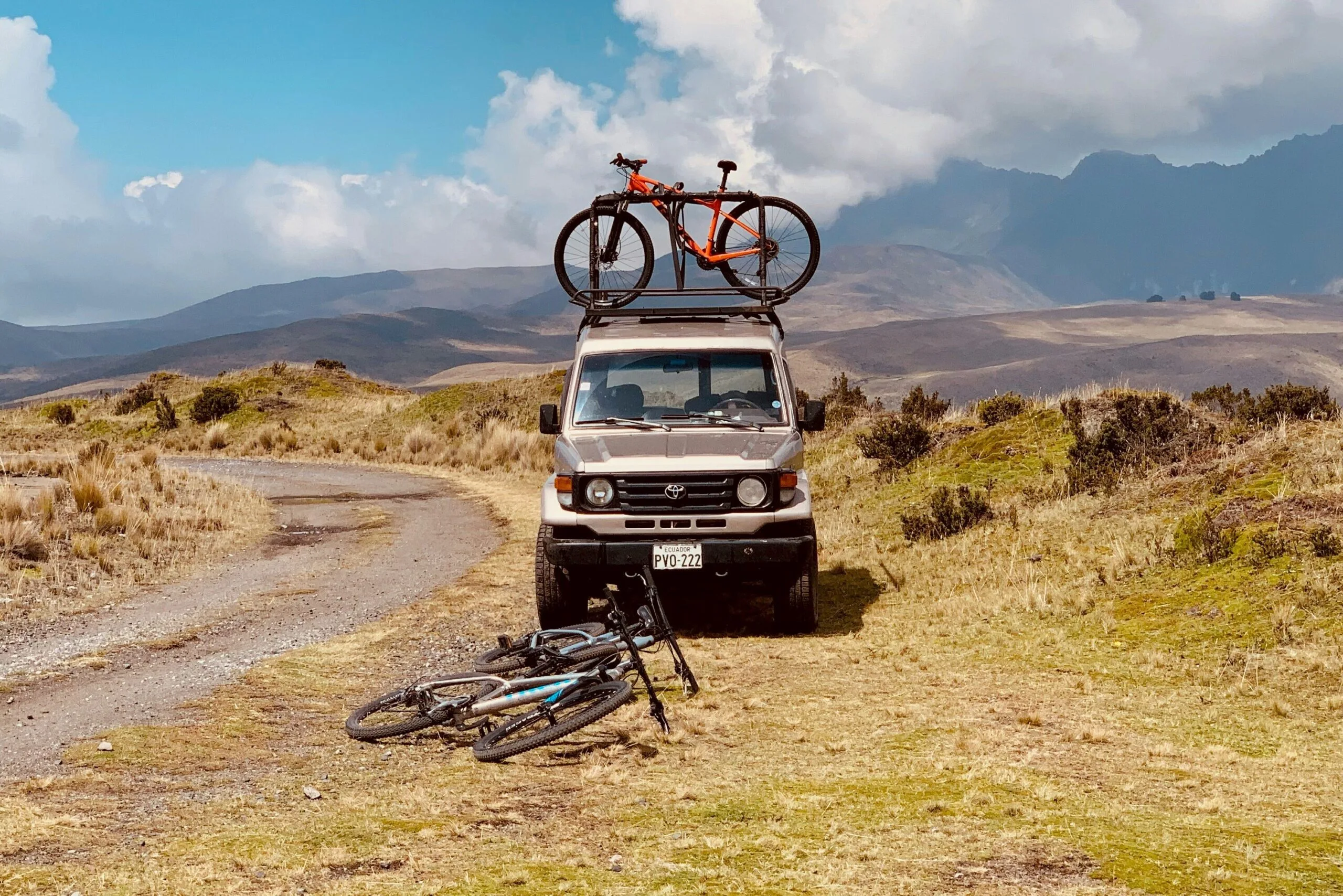
A guide to the cycling history, bicycle culture, and bike routes
Everything we’ve written about Otavalo.
Best Otavalo multi-day tours: Top Ecuador expeditions
6 best Otavalo food tours & market walks (2026 guide)
Best Otavalo bike tours: Ecuador highlands cycling guide
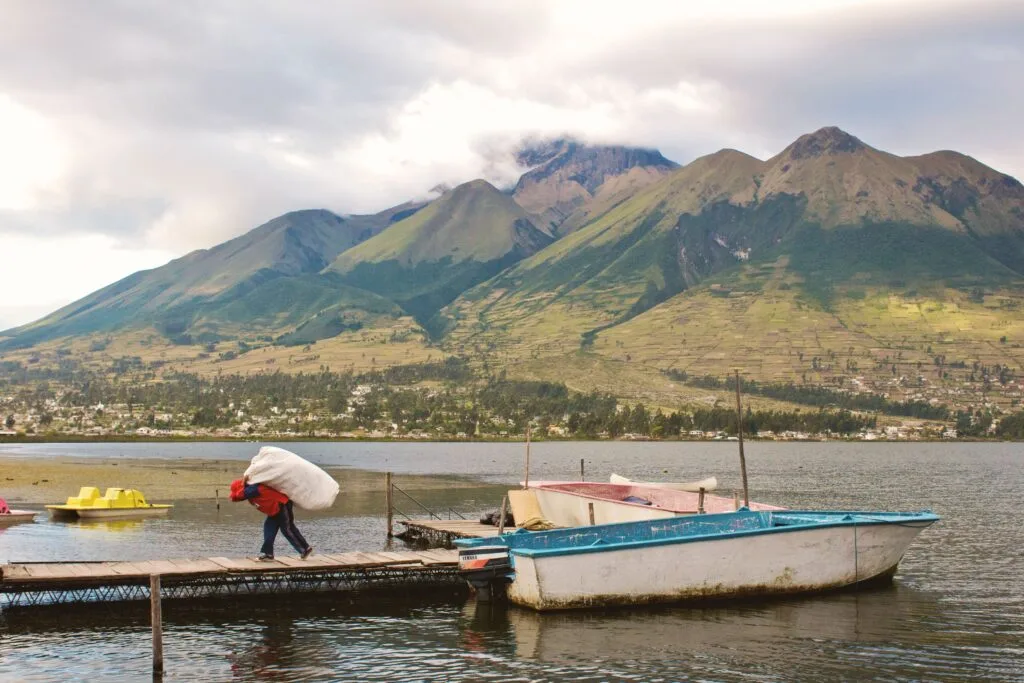
Best Otavalo day tours: Markets, artisans & crater lakes
Otavalo travel guide: Tips for first-time independent travellers
Top sights and best attractions to visit in Otavalo, Ecuador
A slow travel guide to Plaza de Ponchos, Otavalo
The thread of time: A guide to the rich history of Otavalo
Is Otavalo safe to visit? A guide to Ecuador’s highland gem
Best places to camp in Otavalo, Ecuador | Independent camping guide
Best places to stay in Otavalo, Ecuador: Boutique hotels & historic haciendas
Traditional Ecuadorian food in Otavalo: A culinary guide
Best places to eat in Otavalo, Ecuador | Local food guide
Ecuador.
Pure wonder on the equator.