Finding sanctuary on the rim / The best independent accommodation along the Quilotoa Loop
A comprehensive guide to the best hotels, eco-lodges, and hostels near Quilotoa Lake for independent travellers
Sink into the quiet rhythm of the Ecuadorian Andes
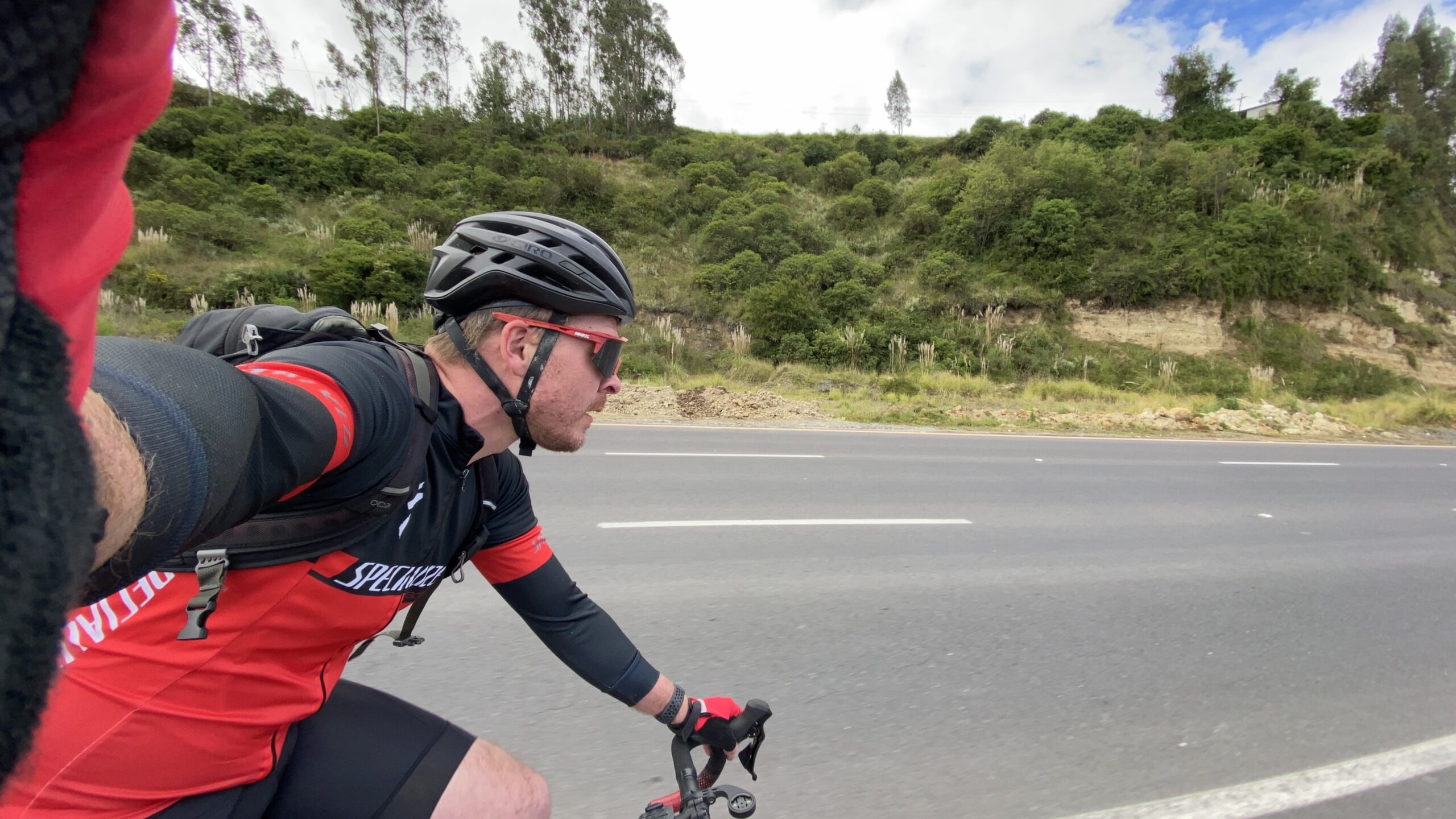
BEN FINCH
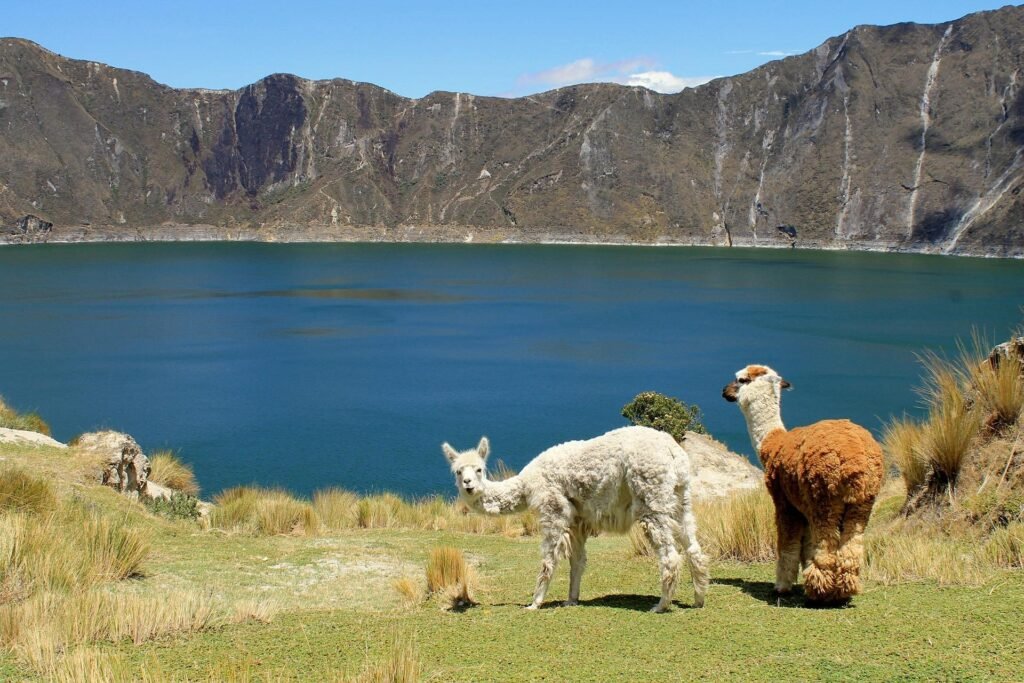
The emerald waters of the Quilotoa crater lake sit like a gemstone cradled within the rugged peaks of the Ecuadorian Andes. At nearly 4,000 metres above sea level, this collapsed volcano is one of South America’s most breathtaking natural wonders. Yet, for those who rush here on a whistle-stop day trip from Quito, crammed into a hectic tour schedule, the true essence of the region is completely missed.
To understand Quilotoa, one must understand the rhythm of the mountains. The wind that sweeps across the high páramo grass carries the scent of woodsmoke, eucalyptus, and impending rain. The deep canyons and patchwork agricultural fields that drape over the hillsides demand to be taken slowly. Exploring this landscape independently—whether by local bus, on foot along the network of ancient hiking trails, or navigating the winding mountain passes—allows you to experience the region on your own terms.
Travelling without the constraints of a rigid tour group means you can watch the morning fog lift from the valleys at your own leisure, converse with local farmers, and truly immerse yourself in the indigenous Kichwa culture. However, navigating the high-altitude terrain requires significant energy. After a long day of independent exploration, nothing matters more than a warm sanctuary where you can recharge. To help you find the perfect base, Wheely Tyred has compiled a curated selection of the finest independent accommodation along the Quilotoa Loop, ensuring you sleep well every single night.
High-altitude sanctuaries on the Quilotoa Loop
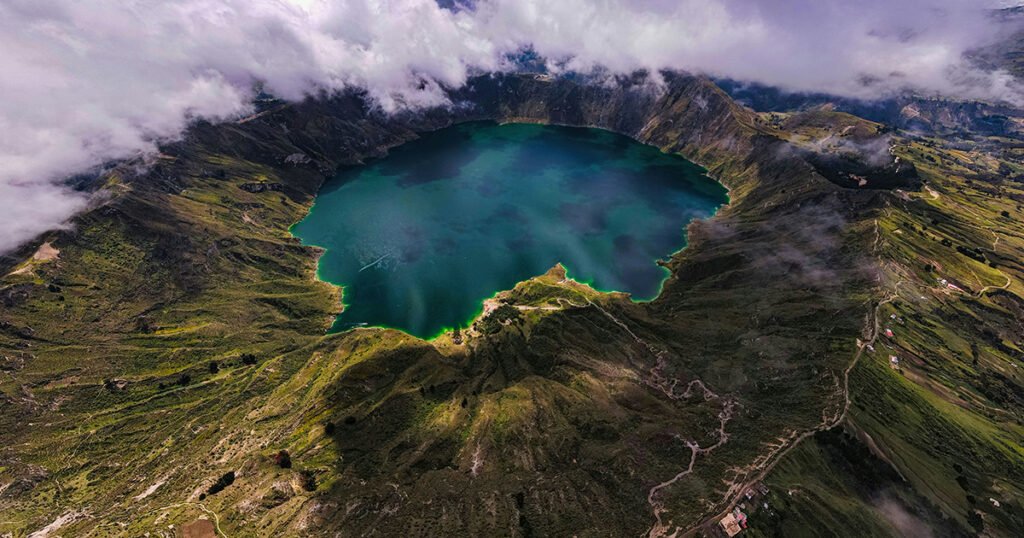
Navigating the dramatic ridges and deep canyons of the Ecuadorian Andes requires time, patience, and a reliable place to rest. This summary captures the essential independent bases and practical tips needed to master the loop at your own pace.
- The Black Sheep Inn: A pioneering Chugchilán eco-lodge built directly into the Rio Toachi canyon, featuring wood-fired hot tubs, a yoga studio, and private cabins with wood-burning stoves
- Llullu Llama Mountain Lodge: A beautifully restored 120-year-old farmhouse in Isinlivi that fosters a strong community spirit among independent travellers through family-style communal dinners
- Hostal Taita Cristóbal: An authentic, indigenous-run family hotel in Isinlivi offering panoramic valley views, traditional Kichwa hospitality, and hearty, home-cooked local cuisine
- Hostería San José de Sigchos: A refined, peaceful country estate lower down the valley, ideal for acclimatisation and quiet rest days amidst manicured gardens
- Runa Wasi Quilotoa: A traditional lodge situated directly on the freezing crater rim, providing essential private fireplaces to combat the extreme high-altitude chill
- Slow Travel Logistics: A reliance on regular local buses and hired camionetas (pickup trucks) offers the freedom to bypass rigid tour groups and connect directly with rural communities
- Acclimatisation and Apparel: Success on the loop depends on taking at least two days to adapt to the altitude, drinking muña tea, and packing versatile layers for unpredictable Andean weather
The Ecuadorian Sierra.
Get lost in the hills
The Black Sheep Inn / Chugchilán
An eco-lodge pioneer in the High Andes
Perched dramatically on a hillside in the rural village of Chugchilán, The Black Sheep Inn is a masterclass in sustainable, independent hospitality. Long before eco-tourism became an industry buzzword, this world-renowned lodge was setting the standard for environmental stewardship in Ecuador. For the independent traveller looking for a deep connection to the local ecosystem, it remains an unmatched destination.
What makes it distinctive
The inn is built directly into the steep Andean topography, offering panoramic views of the Rio Toachi canyon. It operates on a strict permaculture philosophy, featuring organic gardens, composting toilets, and greywater recycling systems that blend seamlessly with guest comfort. The architecture relies heavily on local timber and stone, creating a rustic yet highly refined atmosphere. Guests can spend their afternoons in the detached yoga studio, soaking in the wood-fired hot tub, or detoxifying in the traditional herbal sauna.
The sleep experience
Nights in Chugchilán are characterised by absolute silence, save for the occasional distant rustle of the mountain wind. The private cabins are equipped with wood-burning stoves, which are lit by the staff each evening to combat the high-altitude chill. With heavy down duvets, orthopaedic mattresses, and the gentle crackle of burning logs, you are virtually guaranteed to sleep well and wake up completely refreshed for the morning trek.
The Ecuadorian Amazon.
The most biodiverse place in the world
Llullu Llama Mountain Lodge / Isinlivi
Centuries of history restored for modern explorers
Located in the sleepy, pristine village of Isinlivi, Llullu Llama Mountain Lodge serves as the perfect introduction to the architectural heritage of the region. Housed within a beautifully restored, 120-year-old traditional farmhouse, this property balances historical charm with the subtle luxuries demanded by contemporary self-guided travellers.
What makes it distinctive
Llullu Llama succeeds by fostering a genuine sense of community. The heart of the lodge is its communal dining room, where independent travellers from across the globe gather every evening to share a wholesome, three-course meal made entirely from locally sourced ingredients. The property features an array of accommodation styles, from beautifully appointed garden villas with private terraces to cosy rooms inside the original farmhouse structure. A newly designed wellness area, complete with a glass-fronted sauna and a hot tub overlooking the green mountainside, provides the ultimate post-travel muscle relief.
The sleep experience
The thick, historical adobe walls of the main farmhouse provide excellent natural insulation against the elements. Rooms are meticulously insulated and styled with warm, minimalist wooden furnishings. Because Isinlivi experiences virtually zero light or noise pollution, the nights are profoundly dark and quiet, offering an optimal environment for deep, restorative rest.
Hostal Taita Cristóbal / Isinlivi
Unmatched indigenous hospitality and local authenticity
For travellers who want to step completely away from expatriate-run establishments and support local indigenous enterprises, Hostal Taita Cristóbal is an exceptional choice. Situated in the same quiet valley of Isinlivi, this family-run hotel offers an unpretentious, deeply authentic window into contemporary Andean life.
What makes it distinctive
The standout feature of Hostal Taita Cristóbal is the genuine warmth of its hosting family. Run with quiet pride, the hospitality here feels less like a commercial transaction and more like being welcomed into a traditional mountain home. The property boasts massive windows that frame the green, patchwork cliffs of the surrounding valley. The kitchen serves up hearty, traditional Ecuadorian fare, including rich locro de papa (potato soup) and freshly baked bread, providing the complex carbohydrates needed for high-altitude endurance.
The sleep experience
The rooms are simple, spotlessly clean, and unburdened by unnecessary digital distractions. Thick wool blankets, woven locally by artisans in the neighbouring communities, provide immense warmth during the crisp Andean nights. The absence of television sets and background noise ensures that your mind can completely unwind, allowing you to sleep well to the gentle sounds of the rural valley below.
The Galápagos.
Ecuador’s Enchanted Isles
Hostería San José de Sigchos / Sigchos
A refined valley retreat away from the crowds
Sigchos is often referred to as the northern gateway to the Quilotoa Loop, yet many travellers pass through it without stopping. Those who choose to linger at the Hostería San José de Sigchos are rewarded with a more manicured, peaceful valley experience that contrasts beautifully with the wilder, wind-swept landscapes found higher up the loop.
What makes it distinctive
This property feels more like a classic country estate than a mountain lodge. Set amidst lush, beautifully landscaped gardens filled with native flora, the hostería offers spacious, refined suites that provide a high level of privacy. It is an ideal spot for independent travellers who wish to take a rest day to read, write, or simply stroll through the peaceful grounds. The estate also features covered seating areas and open fireplaces, allowing guests to enjoy the fresh mountain air without braving the elements directly.
The sleep experience
The suites at San José de Sigchos are designed with a focus on spaciousness and comfort. Premium bedding, carpeted floors, and efficient space heaters ensure that the rooms remain at a perfectly regulated temperature throughout the night. Nestled lower down the valley than the crater itself, the slightly lower altitude makes acclimatisation easier, helping you drift into an uninterrupted night of sleep.
Runa Wasi Quilotoa / Quilotoa
Traditional comfort on the precipice of the crater
If your primary goal is to be the first person on the crater rim to witness the sunrise over the emerald waters, staying directly in the village of Quilotoa is essential. Runa Wasi Quilotoa is a traditional, locally owned lodge that places you mere minutes from the spectacular view, bypassing the logistical headaches of early-morning transit.
What makes it distinctive
At nearly 4,000 metres, Quilotoa village can be punishingly cold and windy. Runa Wasi is designed specifically to counter these harsh high-altitude conditions. It is a rustic, no-nonsense establishment that reflects the resilient character of the local Kichwa community. The common areas are filled with traditional tapestries, and the dining room serves piping hot, comforting soups and teas infused with local herbs to help combat altitude sickness.
The sleep experience
Given the extreme overnight drops in temperature at the crater rim, sleep quality here depends entirely on warmth. Runa Wasi solves this by featuring essential private wood-burning fireplaces or heavy-duty space heaters inside the guest rooms. Climbing into a bed stacked with heavy layers of traditional Andean blankets while the fire crackles across the room provides a uniquely cosy mountain experience, ensuring you sleep well despite the freezing alpine temperatures outside.
The Ecuadorian Coast.
Where you’ll find the very best food
Practical advice for the independent traveller
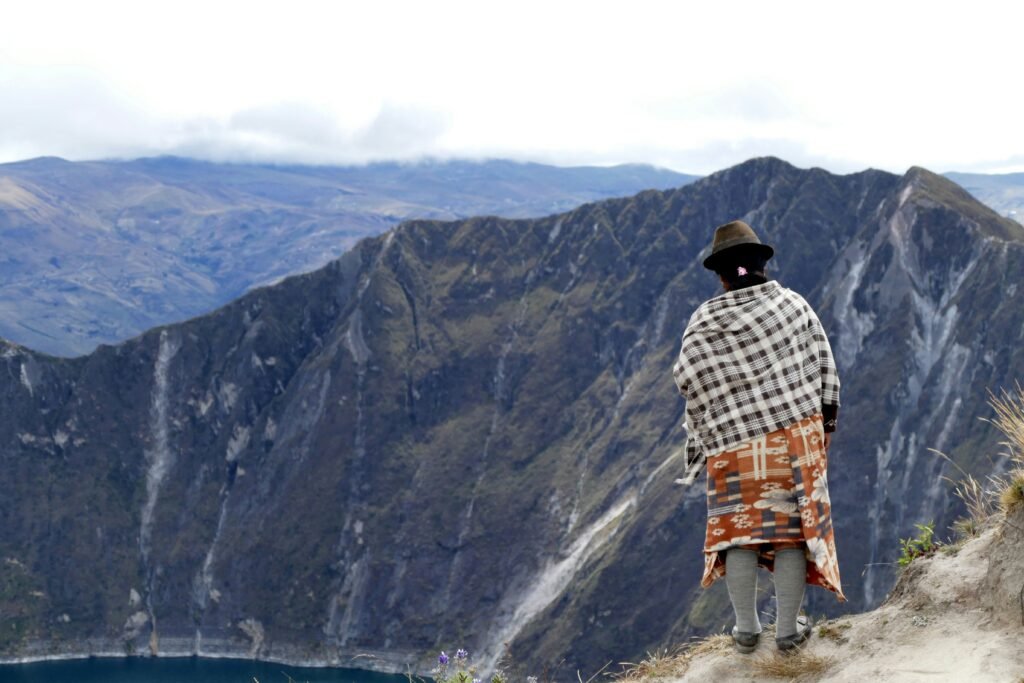
Navigating the Quilotoa Loop without a tour guide requires a small amount of planning, but the rewards are immense. To make the most of your journey, keep the following considerations in mind:
- Acclimatisation is Key: Spend at least two days in Quito or a lower-altitude valley like Sigchos before attempting to hike or cycle around the crater rim. Drink plenty of water and local muna or coca tea to help your body adjust
- Embrace Public Transit: Local buses run regularly between Latacunga, Sigchos, Chugchilán, and Quilotoa. They are inexpensive, safe, and provide an excellent opportunity to travel alongside local residents. For more remote trailheads, local camionetas (pickup trucks) can be hired for a modest fee
- Pack for All Seasons: The weather in the Andes can change completely within a matter of minutes. A bright, sunny morning can quickly transform into a cold, misty downpour. Always carry a high-quality waterproof jacket, layers of merino wool, and a hat
By choosing independent accommodation that prioritises local roots, environmental responsibility, and genuine architectural character, you directly support the communities that call these mountains home. Take your time, explore at your own pace, and enjoy the profound peace that comes with a well-planned, unhurried journey.
Frequently asked questions about the best places to stay on the Quilotoa Loop
Regular, inexpensive local buses connect Latacunga with main villages like Sigchos, Chugchilán, and Quilotoa. For more remote trailheads or custom routes, local camionetas (pickup trucks) can be hired easily for a modest fee, allowing you to travel completely at your own pace without the constraints of a tour guide.
At nearly 4,000 metres above sea level, overnight temperatures can plummet to freezing. The best independent lodges solve this by providing guest rooms with dedicated space heaters or traditional wood-burning fireplaces, alongside thick layers of locally woven wool blankets to ensure you sleep well.
Quilotoa sits at an elevation that can easily cause altitude sickness if approached too quickly from sea level. Spending at least two days adapting at lower altitudes—such as in Quito or the valley town of Sigchos—ensures your body adjusts comfortably before you attempt any strenuous walking or cycling around the rim.
Local kitchens frequently serve locro de papa (a rich, comforting potato soup) and freshly baked bread to provide essential complex carbohydrates for mountain trekking. To aid digestion and combat altitude symptoms, lodges often provide hot teas infused with local herbs like muña or coca leaves.
While expatriate-run eco-lodges often focus heavily on structured permaculture systems and wellness amenities, indigenous-run guest houses like Hostal Taita Cristóbal offer an unpretentious window into contemporary Andean life. The hospitality feels like entering a private mountain home, and your stay directly supports the local Kichwa community economy.
While independent travellers appreciate flexibility, the unique character and limited capacity of standout independent properties mean booking ahead is highly recommended. This is particularly true if you want to secure a room with a private fireplace during peak travel seasons.
Ecuador.
Pure wonder on the equator.