The ultimate first-timer guide to Quilotoa Lake / Ecuador’s emerald wonder
Essential tips for visiting Quilotoa Lake independently, from public bus routes to high-altitude survival
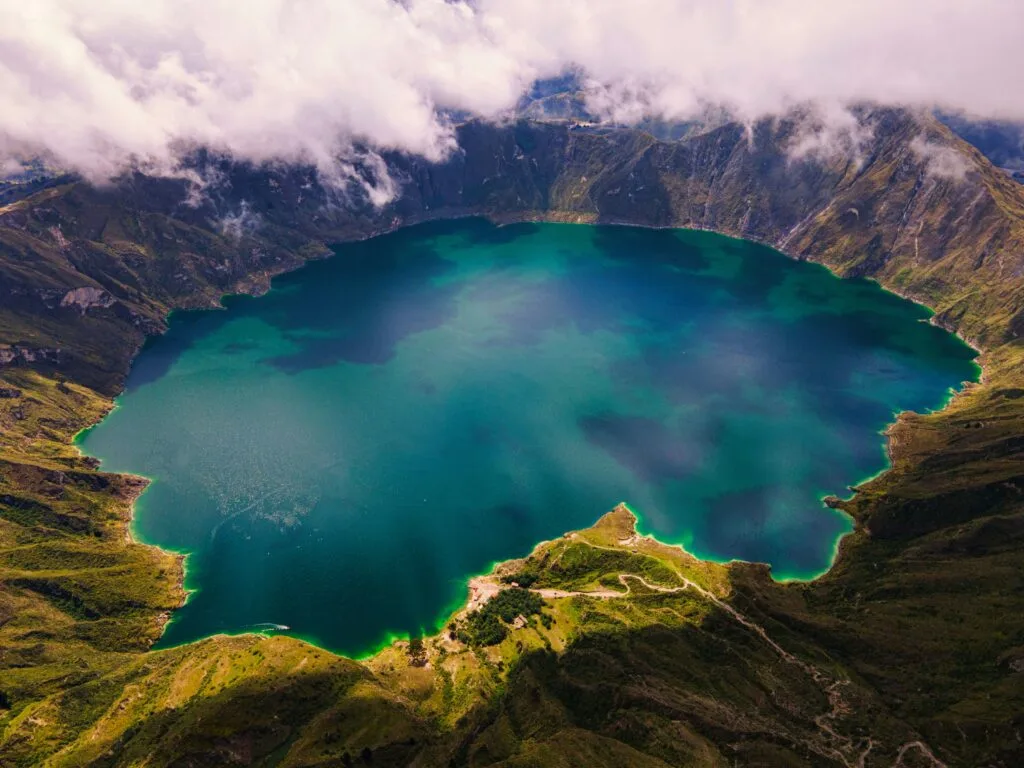
Immerse yourself in the wild, wind-swept beauty of the Andean highlands
BEN FINCH
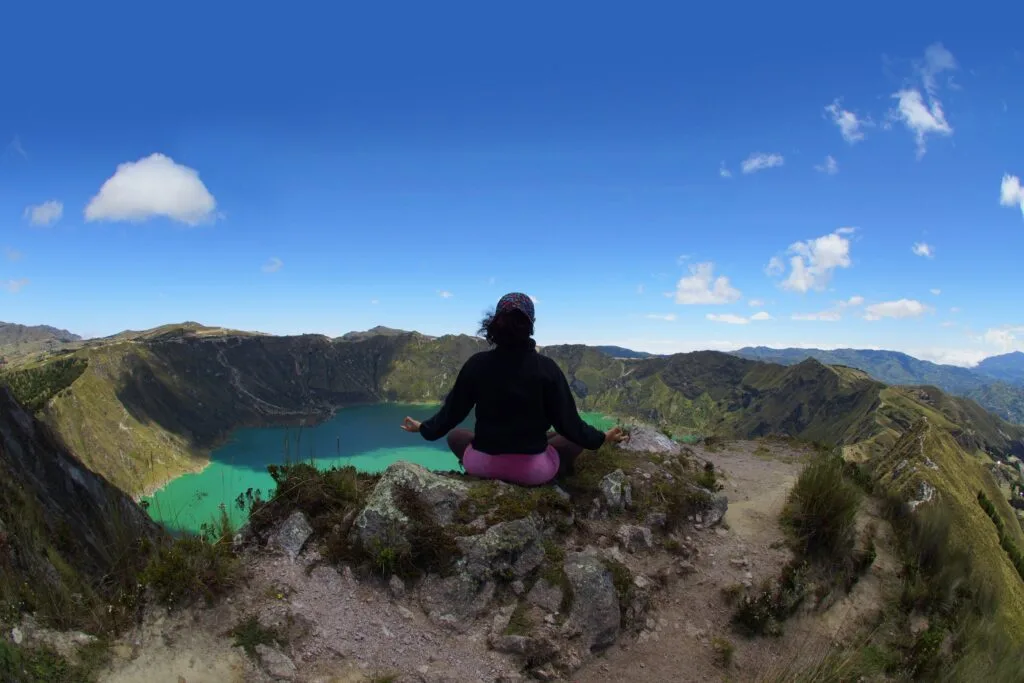
There is a distinct moment when the chaotic bustle of Quito fades, replaced by the jagged, emerald-green peaks of the Ecuadorian Andes. For the independent traveller, the journey to Quilotoa Lake is a rite of passage. This breathtaking volcanic caldera, filled with massive depths of mineral-rich water that shifts from turquoise to deep emerald under the shifting mountain sun, represents the very best of slow travel. It is a place where you can step off the beaten track, leave the rigid schedules of large tour buses behind, and experience the rugged landscape at your own pace.
Visiting this high-altitude marvel for the first time can be intimidating. Nestled in the Cotopaxi province, the region demands preparation, respect for the elements, and an understanding of local customs. This guide provides the practical insights needed to navigate Quilotoa Lake autonomously, ensuring an authentic connection to the highland culture without a tour guide guiding your every step.
Deep inside the Quilotoa caldera
Navigating the spectacular volcanic crater lake of Ecuador on your own terms requires careful preparation, immense respect for the high-altitude landscape, and a commitment to the philosophy of slow travel. This summary distils the essential transport logistics, safety precautions, and cultural nuances required for a rewarding, completely independent mountain journey.
- Independent transit: Avoid restrictive, rushed day tours by using the reliable public bus network from the Quitumbe terminal in southern Quito to Latacunga, before catching a direct local bus or a shared pick-up truck up to the crater rim village
- Altitude acclimatisation: Spend at least two or three days adapting to the elevation at a moderate height before ascending to the caldera rim at 3,900 metres, where local herbal remedies like hot coca leaf tea help alleviate the symptoms of altitude fatigue
- Microclimate layering: Pack for extreme weather variance by bringing high-factor sunscreen and a wide-brimmed hat for the piercing equatorial morning sun, alongside thermal bases, a fleece, and a windproof outer shell for the freezing afternoon mists
- Crater floor realities: Undertake the steep, sandy 45-minute trek down to the water edge to rent a traditional wooden kayak, but heed the strict safety warnings against swimming due to the toxic levels of dissolved volcanic minerals
- Strategic base camps: Choose between rustic, family-run eco-lodges situated directly on the chilly crater rim for early morning views, or opt for a more sheltered, community-focused experience in the nearby valley villages of Isinliví or Chugchilán
- The cash economy: Carry ample small-denomination US dollar notes and coins, as credit cards are virtually useless in the mountains and there are no automated teller machines available around the caldera
- Guantualo market: Time your journey to coincide with a Monday to visit a nearby traditional trading gathering, offering an authentic glimpse into highland agricultural life completely free from commercial tourist gimmicks
The Ecuadorian Sierra.
Get lost in the hills
Navigating the Andes / How to reach Quilotoa independently
Too many visitors fall into the trap of booking expensive, rushed day tours from the capital. These excursions force you into cramped vans, rush you past stunning vistas, and drag you away from the caldera rim just as the morning light begins to hit the water perfectly. Reaching Quilotoa Lake on your own time using local transport is not only remarkably straightforward, but it also forms an essential part of the authentic highland experience.
Your journey begins at the Quitumbe bus terminal in the south of Quito. From here, frequent buses depart for Latacunga, the provincial capital. The journey costs roughly two dollars and takes around two hours, winding through the spectacular Avenue of the Volcanoes. Once you arrive at the bustling terminal in Latacunga, you have two primary choices. You can catch a direct green bus straight to the village of Quilotoa, which departs several times a morning, or you can board a bus heading to the mountain town of Zumbahua.
If you opt for the Zumbahua route, you will get a beautiful glimpse of local rural life. From the main drop-off point, local drivers operate shared white pick-up trucks that ferry travellers up the remaining winding roads to the main entrance of Quilotoa for a small fee. The entire journey is safe, affordable, and allows you to watch the scenery transform from lowland agriculture to the dramatic, wind-swept paramo ecosystem.
Respecting the altitude / The reality of soroche
The absolute biggest mistake a first-time visitor can make is underestimating the elevation. Quilotoa Lake sits at an astonishing 3,900 metres above sea level. At this height, the air is thin, the pressure is low, and your body must work significantly harder just to navigate basic movements. Altitude sickness, known locally as soroche, is a very real factor that can quickly derail a trip if ignored.
To ensure your visit is memorable for the right reasons, it is vital to acclimatise properly. Spend at least two or three days at a moderate altitude, such as in Quito or Cuenca, before attempting to head up into the crater region. On your first day in the highlands, avoid alcohol entirely and focus heavily on hydration.
The indigenous communities of the Andes have relied on natural remedies for centuries to combat the effects of elevation. You will find hot water infused with fresh coca leaves, known as coca leaf tea, available in virtually every local eatery and guest house. Chewing on coca leaves or sucking on traditional coca candies can provide immediate relief from mild headaches or sluggishness. Another popular local trick is keeping a small block of dark chocolate in your daypack; the quick boost of sugars and antioxidants is remarkably effective at staving off the initial wave of altitude fatigue.
The Ecuadorian Amazon.
The most biodiverse place in the world
The mountain microclimate / What to pack
The weather around the caldera is famously unpredictable. The high-altitude terrain creates unique microclimates where conditions can pivot from scorching, high-intensity equatorial sunshine to a freezing, misty downpour within a matter of minutes.
Mornings are generally your best window for clear views. The sun sits high, illuminating the lake and turning the water a vivid, luminous green. During these hours, the sun feels incredibly strong. Because you are so close to the equator, solar radiation is intense, meaning a high-quality sunscreen stick and a wide-brimmed hat are non-negotiable.
By early afternoon, the atmospheric pressure shifts. Formidable, biting winds begin to whip across the crater rim, and a thick blanket of rolling clouds almost guarantees a drop in temperature or a sudden misting rain. To stay comfortable, dressing in versatile layers is essential. A thermal base layer, a fleece jacket, and a compact, windproof and waterproof outer shell will protect you from the sudden chills. Do not forget a warm woollen hat and a pair of sturdy hiking boots with excellent grip; the paths around the rim are composed of loose volcanic sand and scree that can become incredibly slick when the afternoon dampness rolls in.
Descending the rim / Kayaking and the toxic water warning
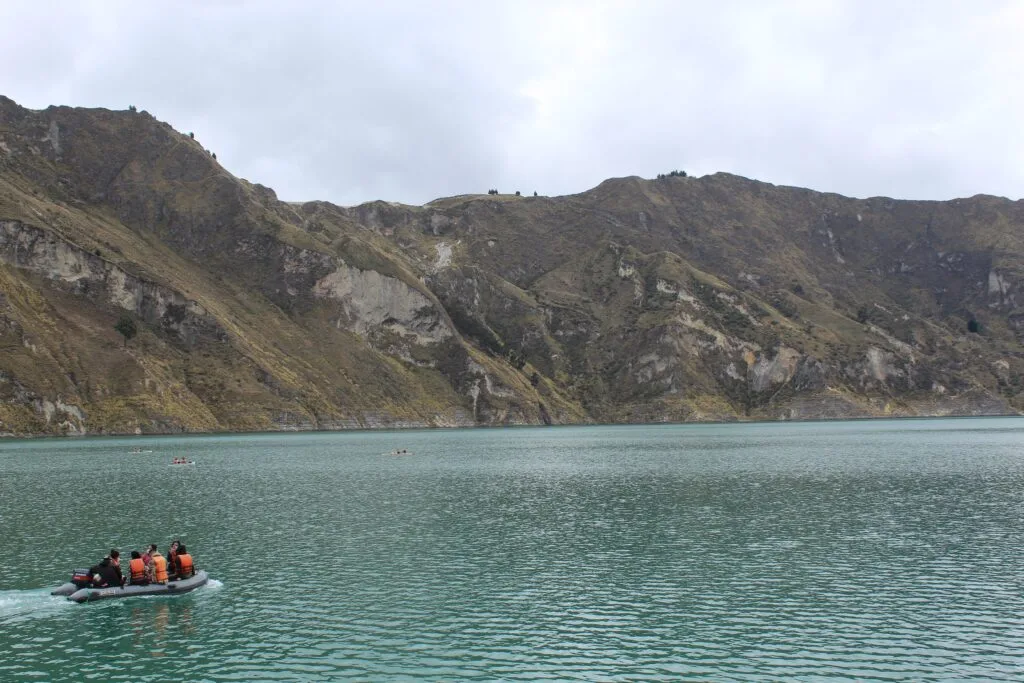
For many, the ultimate highlight of visiting Quilotoa is the descent into the heart of the volcano. The path from the main viewpoint down to the water’s edge is short but incredibly steep, dropping roughly 280 vertical metres along a series of sandy switchbacks. The walk down takes about 30 to 45 minutes and offers an entirely different perspective on the sheer scale of the caldera walls.
Once you reach the bottom, the atmosphere is serene and surreal. A small wooden pier allows you to rent colourful kayaks for two or three dollars, providing a peaceful opportunity to paddle out across the glassy, quiet surface of the lagoon. It is an unforgettable experience, but it comes with an important safety caveat: under no circumstances should you attempt to swim in the lake. The water is heavily saturated with dissolved volcanic minerals, including high concentrations of sulphur and carbon dioxide, making it toxic to ingest and highly irritating to the skin.
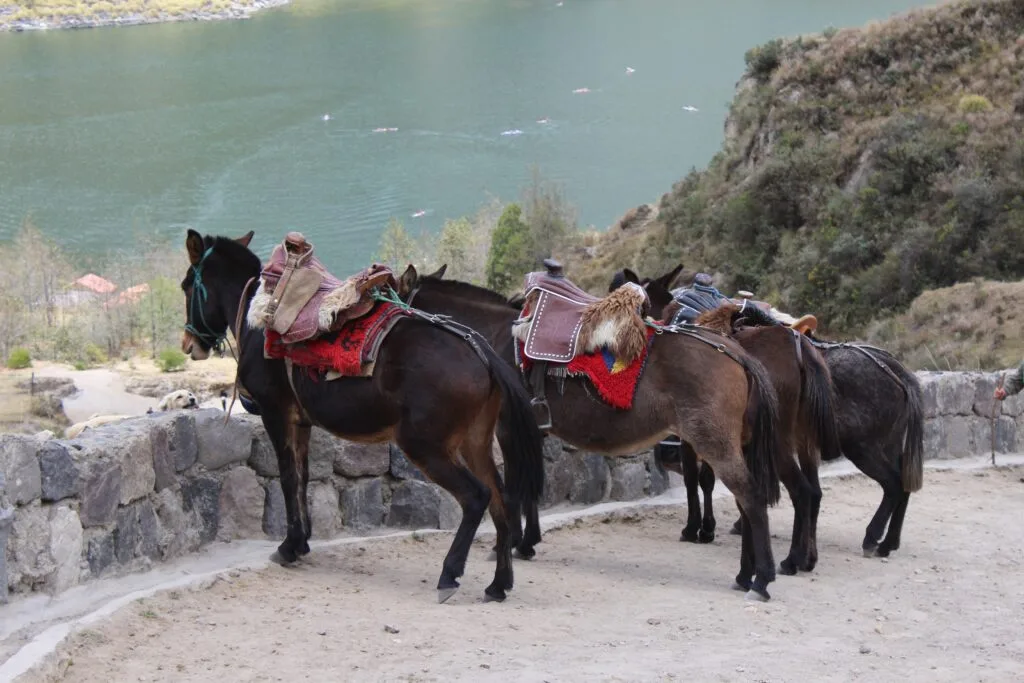
While the descent is easy on the lungs, the return climb is an absolute test of stamina. Hiking back up through the loose, shifting sand at 3,900 metres leaves even seasoned athletes gasping for breath. The golden rule here is patience. Lock your hands behind your back, take small, rhythmic paces, and allow your heart rate to remain steady. If the climb proves too overwhelming, local indigenous guides station horses and mules at the base of the trail, offering an uphill ride back to the rim for a modest fee that directly supports the local community economy.
The Galápagos.
Ecuador’s Enchanted Isles
Finding your base / Choosing where to stay
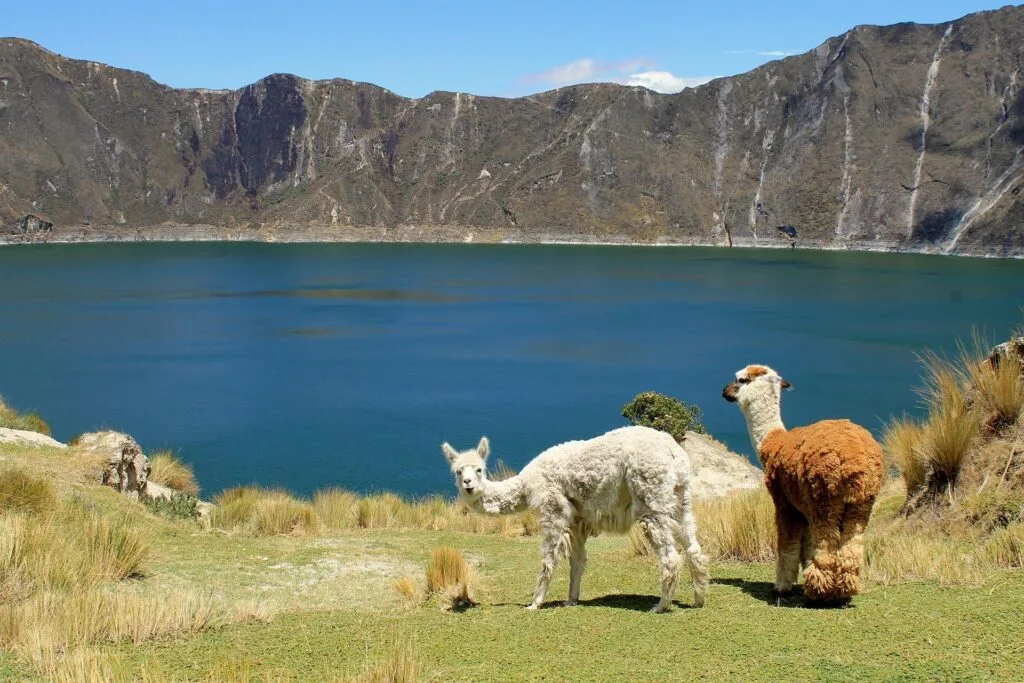
When planning an independent stay, you must decide whether to base yourself directly on the crater rim or explore the broader valley system. The small village clustered around the main entrance of Quilotoa has grown significantly, offering several rustic, family-run hostels and eco-lodges. Staying right on the rim allows you to wake up early and witness a spectacular sunrise over the caldera before day-trippers arrive. However, be aware that nights here are intensely cold, and the accommodation can be rustic; many rooms rely on traditional wood-burning fireplaces that require regular tending throughout the night to keep the frost at bay.
If you prefer a slightly more sheltered, community-focused vibe, consider staying a short bus or foot journey away in the nearby villages of Isinliví or Chugchilán. These quiet highland settlements host a wonderful network of independent lodges that operate on a half-board basis, meaning a wholesome, home-cooked dinner and a hearty breakfast are included in your nightly rate. Staying in these valleys provides a marvellous window into traditional Andean farming life, far removed from the primary tourist hubs.
The Ecuadorian Coast.
Where you’ll find the very best food
Highland etiquette and overlooked cultural quirks
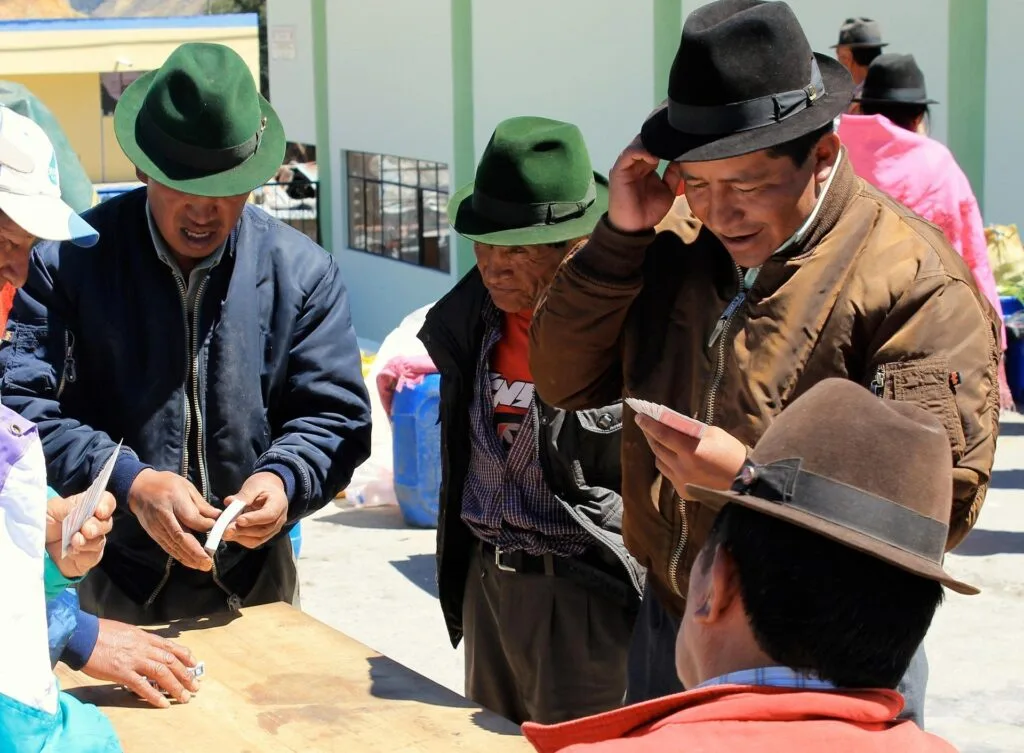
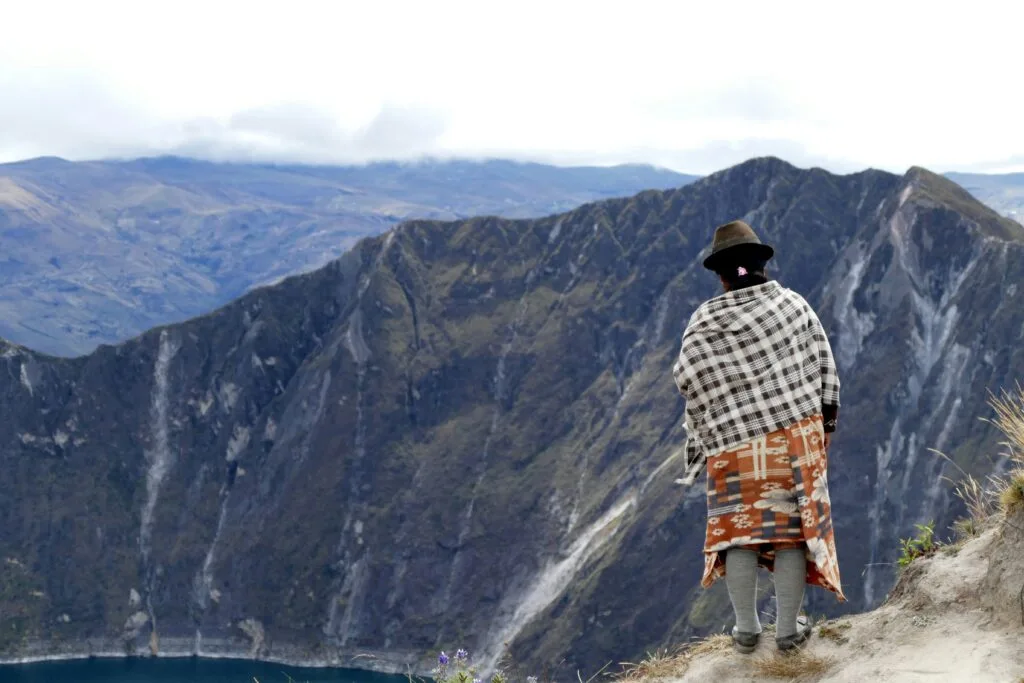
Travelling independently means interacting directly with the vibrant Kichwa-speaking communities that call this region home. The people of the Cotopaxi highlands are incredibly proud of their heritage, and a little respect goes a long way. Always ask politely before taking photos of locals, particularly women and children dressed in their beautiful, traditional felt hats and brightly coloured shawls.
One important cultural concept to understand before navigating rural Ecuador is the phrase ya mismo. While it translates literally to any minute now, in practice it embodies a relaxed approach to time, meaning it will happen when it happens. Highland life moves to its own natural rhythm; local buses may not always run precisely to the minute, and shopkeepers will not be rushed. Embrace this slow philosophy, relax, and let your schedule breathe.
Additionally, cash is absolute king in the mountains. There are no reliable automated teller machines around the crater or in the surrounding villages, and credit cards are virtually useless outside of major city hotels. You must stock up on US currency before leaving Quito or Latacunga. Crucially, ensure you bring small bills, specifically one-dollar and five-dollar notes, along with plenty of coins. Local families running small cafes or renting out kayaks simply cannot provide change for a twenty-dollar or fifty-dollar note, and having exact change will make your interactions seamless and respectful.
If your schedule aligns, try to plan your visit around a Monday. This allows you to visit the authentic local market in the nearby village of Guantualo. Unlike the heavily commercialised markets found closer to the major cities, this is a genuine community gathering where highland farmers trade livestock, fresh mountain produce, and handmade textiles, offering an unmatched immersion into the true heart of the Ecuadorian Andes.
Frequently asked questions about visiting Quilotoa Lake
Independent travellers should head to the Quitumbe bus terminal in the south of Quito and board a regular coach down the Avenue of the Volcanoes to Latacunga. From the Latacunga terminal, you can either catch a direct morning bus straight to Quilotoa village or board a vehicle bound for Zumbahua, where local drivers operate shared white pick-up trucks to ferry passengers up the remaining mountain switchbacks.
Soroche is the local term used across the Andes for altitude sickness, a common ailment caused by the thin air and low pressure at Quilotoa’s 3,900-metre elevation. To prevent it from disrupting your journey, ensure you spend a few days acclimatising at a moderate altitude beforehand, maintain high levels of hydration, avoid alcohol, and utilise traditional remedies like chewing coca leaves or drinking hot coca leaf tea.
Swimming in the lagoon is strictly forbidden. While the glassy, emerald-green surface looks inviting, the water is heavily saturated with dissolved volcanic minerals, maintaining high concentrations of carbon dioxide and sulphur that make it toxic to ingest and highly irritating to human skin.
The weather around the caldera is highly erratic, meaning you must dress in versatile layers. A typical day requires a thermal base layer, a warm fleece jacket, and a waterproof, windproof outer shell to block the biting afternoon gales, alongside sturdy hiking boots with excellent traction to navigate the loose, shifting volcanic sand along the trails.
The highland communities around Quilotoa operate entirely on a cash basis, and automated teller machines do not exist in the mountain villages. Because local family-run guest houses, small cafes, and transport drivers cannot provide change for larger notes, you must secure a plentiful supply of one-dollar and five-dollar notes, along with coins, before leaving Quito or Latacunga.
While translating literally to any minute now, the phrase ya mismo represents a relaxed, fluid approach to time that governs daily life in the Ecuadorian highlands. Independent travellers should embrace this slower cultural rhythm, understanding that bus departures, shop hours, and dining experiences move at their own natural pace rather than sticking to rigid, modern schedules.
Ecuador.
Pure wonder on the equator.