High-altitude flavours / An independent traveller’s culinary guide to Quilotoa Lake
The best places to eat and drink in Quilotoa Lake and along the Quilotoa Loop
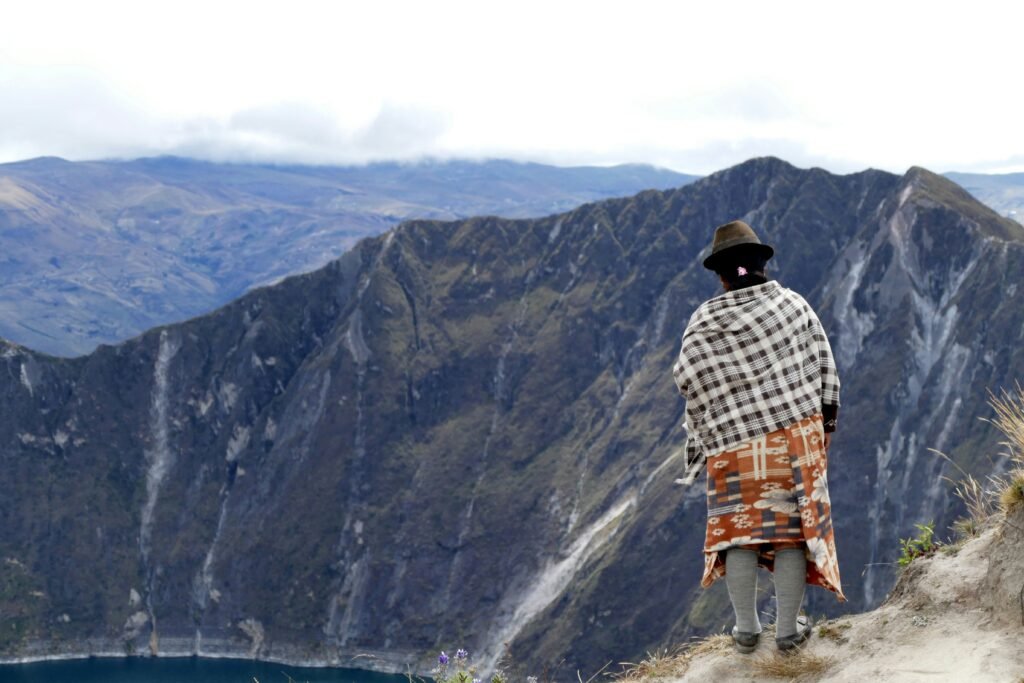
Savour the true taste of the Ecuadorian Andes
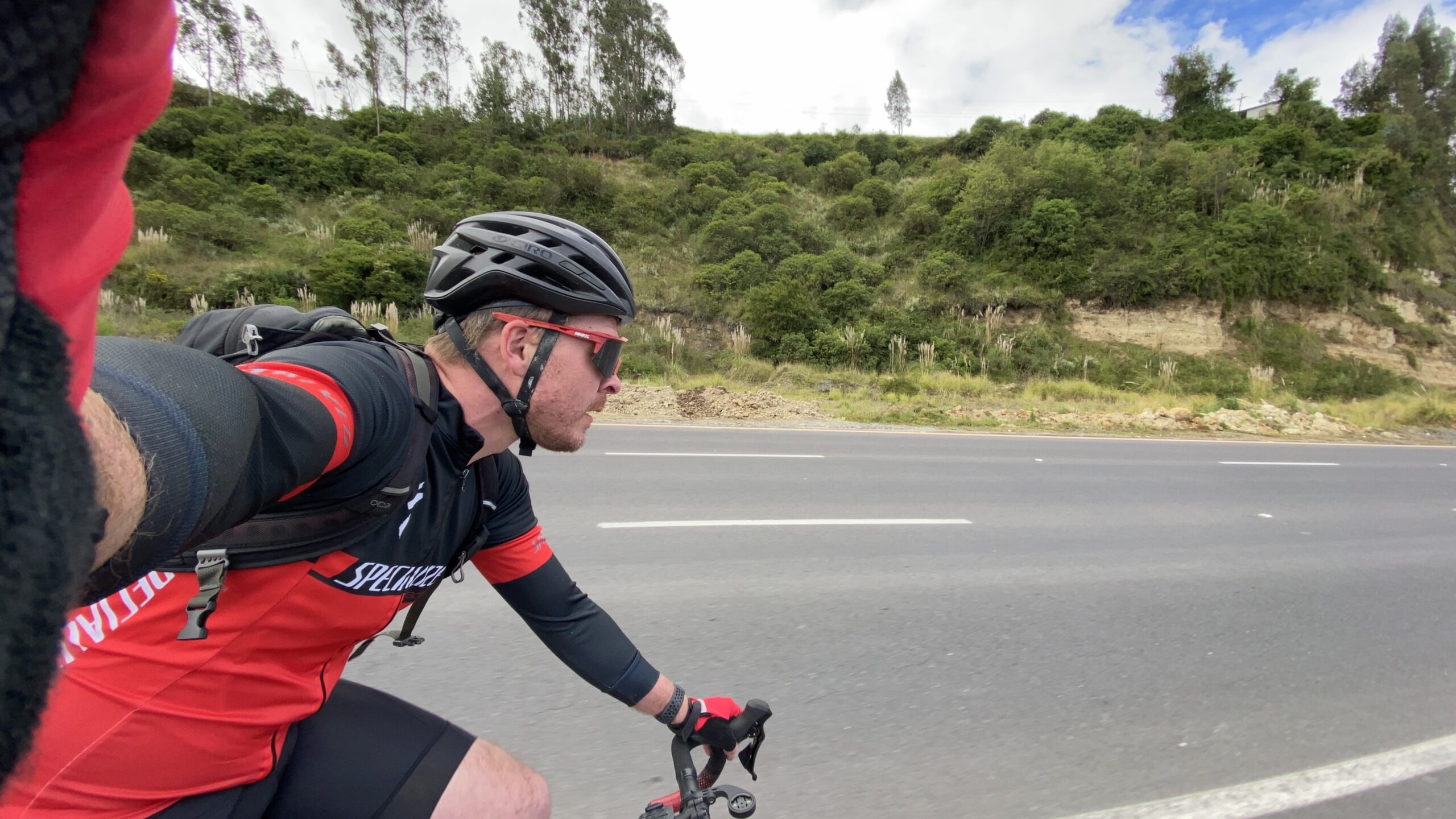
BEN FINCH
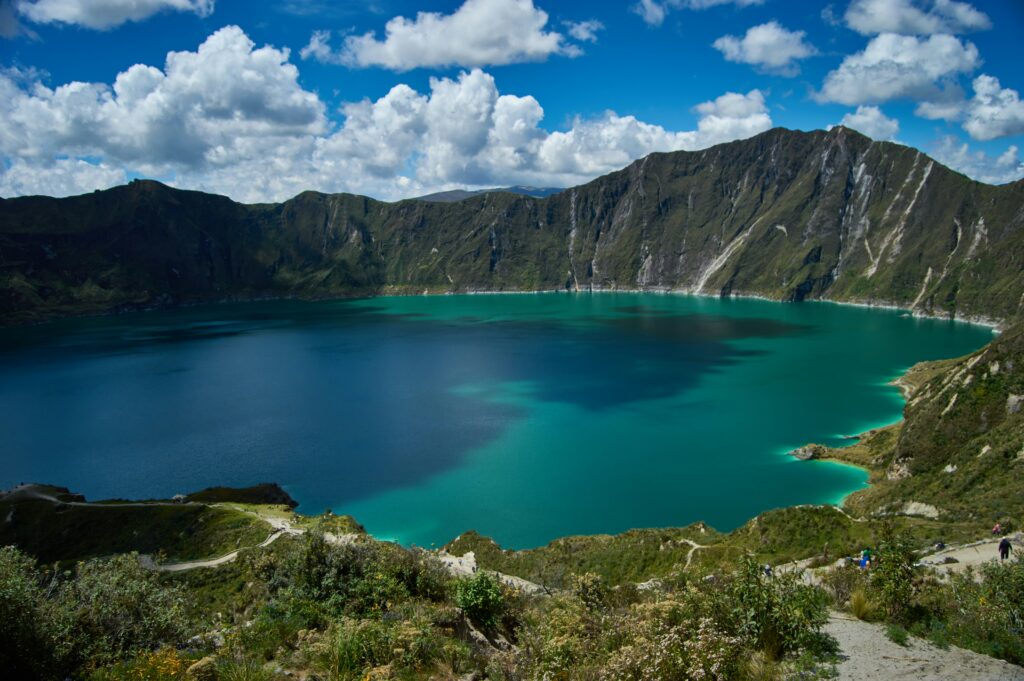
The majestic expanse of Quilotoa Lake, a massive volcanic caldera filled with shimmering turquoise water sitting nearly 4,000 metres above sea level, is one of the most breathtaking sights in Ecuador. Most visitors, unfortunately, experience this wonder through the window of a tightly scheduled tour bus. They file out at the main viewing platform, snap a flurry of photos, buy a generic souvenir, and depart before ever truly connecting with the land, the culture, or the people who call this rugged landscape home.
At Wheely Tyred, we believe the best way to experience the High Sierra is entirely at your own pace—whether navigating winding dirt tracks on a bicycle, catching local village buses, or trekking the rugged trails of the Quilotoa Loop on foot. Taking the slow route allows you to uncover the true identity of this region, an identity deeply rooted in its culinary traditions.
Eating well in this extreme high-altitude environment is essential. The crisp mountain air and challenging terrain demand hearty, soul-warming fuel. Andean cuisine here is an intimate reflection of indigenous farming heritage, utilising ancient grains, native potatoes, and rich, slow-cooked broths designed to shield you from the alpine chill. To help you navigate the culinary landscape of the crater rim and its surrounding mountain villages, we have uncovered the standout, authentic eateries where independent travellers can find genuine nourishment and local hospitality without the tourist crowds.
Culinary secrets of the Sierra / High-altitude dining around Quilotoa
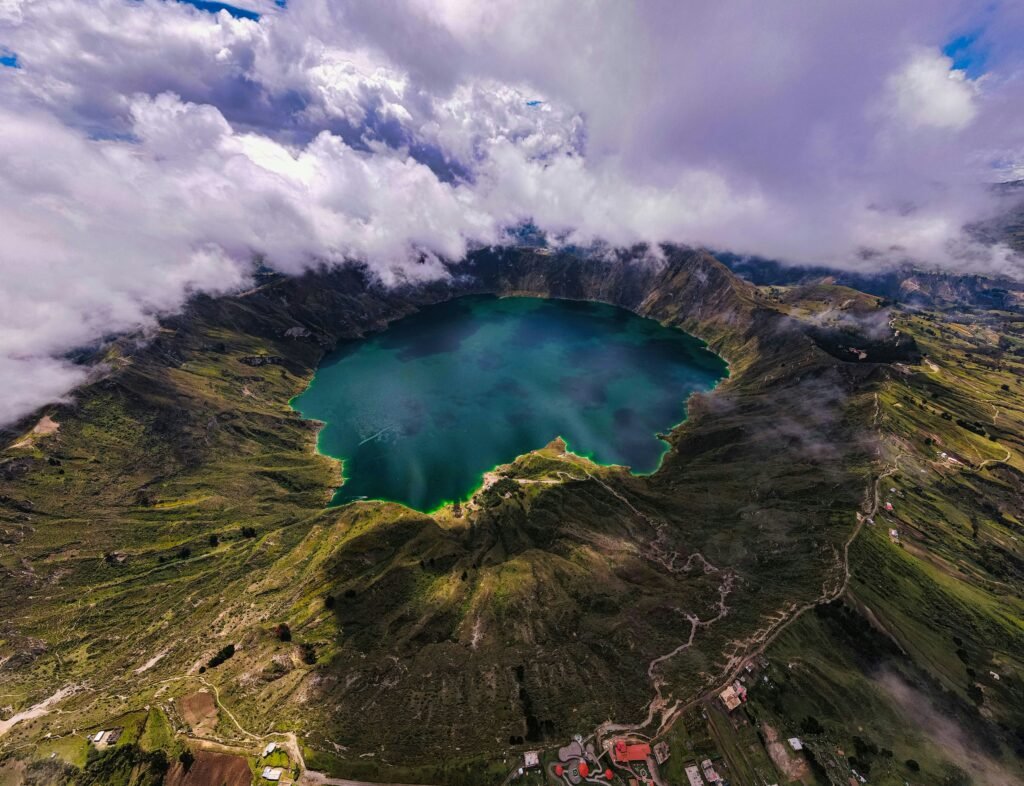
Navigating the rugged terrain and dramatic elevations of the Quilotoa Loop requires more than just a sense of adventure; it demands proper, soul-warming sustenance. From ancestral stews to off-grid organic kitchens, these standout establishments reward the self-guided explorer with a true taste of Andean hospitality.
- Karu Ñan Coffee & Grill: A welcoming sanctuary directly within Quilotoa village that pairs expertly roasted high-altitude coffee with robust, seasoned grilled platters
- Restaurante Sinchy Tupak: A modest, family-run eatery focusing on traditional cooking, renowned for its tender alpaca steaks and traditional Cotopaxi potato soup
- The Black Sheep Inn: An award-winning eco-lodge in Chugchilán operating a legendary farm-to-table vegetarian kitchen that utilises produce from its own organic gardens
- Llullu Llama Mountain Lodge: A beautifully restored farmhouse in Isinliví that brings independent travellers together over wholesome, scratch-made three-course communal dinners
- Hostal Mama Hilda: A timeless cornerstone of the Chugchilán community serving slow-cooked stews and Andean grains rooted in generational family recipes
- Shalala Lodge: A community-run, glass-fronted venue on the quieter edge of the crater rim, specialising in fresh mountain trout paired with unobstructed views of the lake
- The Fixed-Menu Tradition: Embracing the local almuerzo (lunch) or merienda (dinner) system ensures you receive the freshest seasonal ingredients while directly supporting sustainable village economies
The Ecuadorian Sierra.
Get lost in the hills
Karu Ñan Coffee & Grill
Karu Ñan Coffee & Grill provides an exceptional refuge for autonomous travellers arriving at the main crater rim. Situated directly within Quilotoa village, this welcoming spot expertly balances a modern appreciation for high-quality highland ingredients with classic mountain hospitality. The atmosphere inside is intensely cosy, filled with the rich aroma of freshly roasted Ecuadorian coffee and sizzling local meats.
It is the perfect spot to thaw out after a blustery trek down to the crater’s shoreline, giving visitors a chance to relax alongside local residents and gather insider knowledge about the surrounding trails without the frantic rush of organised tour groups.
- Artisanal Coffee: Exceptional hot brews made from locally sourced, high-altitude Ecuadorian beans, perfect for acclimatising to the elevation
- Hearty Platters: Generous grilled platters featuring perfectly seasoned meats, thick-cut local cheeses, and traditional Andean sides like corn and beans
- Welcoming Ambience: A warm, wood-infused interior that serves as a comforting sanctuary from the relentless mountain winds
Restaurante Sinchy Tupak
For a deeply authentic taste of traditional mountain fare, Restaurante Sinchy Tupak offers an unmissable culinary experience right in the heart of the village. This modest, family-run establishment sidesteps the generic, westernised menus found at tourist-heavy spots, focusing instead on the honest, ancestral cooking that has sustained families in Cotopaxi province for generations.
The dining room feels like a natural extension of a local home, filled with rustic wooden accents and a palpable sense of pride from the kitchen staff. It represents everything independent travel stands for: simple execution, local sourcing, and a genuine cultural connection.
- Alpaca Specialities: Exceptional, tender alpaca steaks served alongside native potatoes and fresh garden vegetables
- Authentic Soups: Rich, comforting bowls of locro de papa, a traditional Ecuadorian potato soup enriched with local cheese and fresh avocado
- Highland Chocolate: Steaming mugs of spiced hot chocolate made from pure Ecuadorian cacao, serving as excellent fuel for outdoor exploration
The Galápagos.
Ecuador’s Enchanted Isles
The Black Sheep Inn
Located just a short journey along the loop trail in Chugchilán, The Black Sheep Inn is an award-winning eco-lodge whose kitchen has earned legendary status among self-guided travellers. Long before sustainability became a mainstream marketing buzzword, this off-grid haven was perfecting the art of responsible tourism and farm-to-table dining.
The lodge operates a completely vegetarian kitchen that sources its produce directly from its own organic permaculture gardens and neighbouring family farms. Dining here is a communal affair where travellers swap route maps over a roaring fireplace, enjoying nutritious, beautifully presented dishes that prove Andean cuisine can be both innovative and deeply traditional.
- Garden-to-Table Dining: Creative vegetarian interpretations of classic Ecuadorian dishes, utilising fresh herbs and native grains like quinoa
- Artisanal Dairy: Locally produced Emmental and mozzarella cheeses sourced directly from the nearby Chinalo Alto artisanal cooperative
- Fresh Bakes: Homemade sourdough bread and wholesome baked goods served alongside rich, organic mountain coffee
Llullu Llama Mountain Lodge
Nestled beautifully in the quiet, pastoral hamlet of Isinliví, the restaurant at Llullu Llama Mountain Lodge provides one of the finest communal dining experiences available along the entire volcanic loop. This beautifully restored farmhouse celebrates slow travel in its purest form, encouraging guests to disconnect from the digital world and connect over home-cooked food.
Every evening, independent explorers gather at long wooden tables to share a set menu made entirely from scratch. The kitchen staff relies heavily on seasonal ingredients grown in the immediate valley, delivering wholesome, nutrient-dense meals that provide the ultimate restoration after a long day of independent navigating.
- Communal Feasts: Wholesome, three-course communal dinners featuring scratch-made soups, robust mains, and delicate desserts
- Organic Sourcing: A strict focus on organic, estate-grown vegetables and locally gathered mountain herbs
- Local Brews: An exceptional selection of regional craft beers and wines is available at the cosy lounge bar
The Ecuadorian Amazon.
The most biodiverse place in the world
Hostal Mama Hilda
A true cornerstone of the Chugchilán community, Hostal Mama Hilda offers an iconic dining experience rooted in generational family recipes. Mama Hilda was one of the very first locals to open her doors to independent hikers and cyclists decades ago, and her kitchen remains a testament to timeless Andean hospitality.
Guests eat in the historical heart of the property, where generations of travellers have gathered, surrounded by rustic architecture and a crackling hearth. The food here is unapologetically traditional, slow-cooked in heavy pots to lock in the deep, earthy flavours of the High Sierra.
- Generational Stews: Legendary family-recipe stews and slow-cooked Andean grains that define local home cooking
- Classic Comfort: Deeply authentic locro de papa soup, widely considered by regular travellers to be the finest on the loop
- Living History: A warm, familial atmosphere where the staff shares stories of the region’s unique agricultural history
Shalala Lodge
Perched dramatically on the lesser-visited edge of the volcanic crater rim, the dining venue at Shalala Lodge combines striking modern architecture with clean, authentic flavours. Run directly by the local indigenous community of Shalalá, this striking glass-and-wood structure offers an unparalleled vantage point over the turquoise expanse of Quilotoa Lake.
Unlike the crowded eateries near the main village viewpoint, this lodge provides a tranquil space where independent travellers can quietly contemplate the landscape. The menu highlights regional specialities executed with care, highlighting fresh catches and classic mountain comfort food.
- Fresh Trout: Perfectly prepared Andean trout (trucha), sourced fresh from regional mountain streams
- Caldera Views: A panoramic, glass-fronted dining space offering unobstructed views of the volcanic lake
- Native Infusions: Traditional herbal teas brewed from wild páramo plants to soothe digestion at high altitudes
The Ecuadorian Coast.
Where you’ll find the very best food
The independent traveller’s guide to Andean dining
When journeying through the high altitudes of the Cotopaxi region, dining is slightly different from the urban hubs of Quito or Guayaquil. Many of the best culinary experiences are found within the independent lodges and family-run hostals that anchor the communities along the route.
To get the most out of your culinary journey, embrace the fixed-menu system. Most authentic mountain kitchens offer an almuerzo (lunch) or merienda (dinner) consisting of a hearty soup, a main plate, and a fresh juice or herbal tea. This system ensures that ingredients are exceptionally fresh, reduces food waste in remote areas, and allows local cooks to showcase what is currently in season.
Additionally, pay close attention to high-altitude hydration. The air at 4,000 metres is incredibly dry, and digestion slows down significantly. Follow the local custom of ending your meals with an aromatic hot infusion, such as coca tea or horchata, to aid digestion and keep the alpine chill at bay. By choosing to eat at these community-led and family-owned establishments, your travel spend directly supports environmental conservation and sustainable livelihoods across the High Sierra.
Frequently asked questions about the best places to eat near Quilotoa Lake
Locro de papa is a classic, deeply comforting Ecuadorian soup made from native highland potatoes, flavoured with garlic and achiote, and enriched with local cheese and fresh avocado. It has been a staple of Sierra cooking for generations because potatoes thrive in the high-altitude soil, and the dense, warm broth provides immediate energy and warmth against the biting alpine chill.
In remote mountain villages, many traditional kitchens operate on a set-menu basis rather than an expansive à la carte options list. An almuerzo (lunch) or merienda (dinner) typically includes a hearty soup, a main plate featuring a protein, grains, and vegetables, and a fresh juice or herbal tea. This traditional format reduces food waste in isolated areas and guarantees that the ingredients used are exceptionally fresh and seasonal.
Yes, quite easily, provided you know where to look. While traditional Andean cuisine relies on meats like pork and chicken, it is deeply rooted in ancient grains and tubers like quinoa, corn, and native potatoes. Establishments like The Black Sheep Inn run entirely vegetarian kitchens, and most family-run hostals are highly accommodating to independent travellers if you notify them of your dietary needs when arriving.
At nearly 4,000 metres above sea level, atmospheric pressure drops and digestion slows down significantly. Following the local custom of finishing a meal with an aromatic hot infusion—such as coca tea or horchata—helps stimulate digestion, settles the stomach, and counteracts the effects of altitude sickness while keeping the mountain cold at bay.
Because the villages surrounding Quilotoa Lake are isolated, long-distance supply chains are impractical. Most authentic eateries rely heavily on hyper-local sourcing. Vegetables, herbs, and dairy products are often harvested from the properties’ own organic gardens or purchased directly from neighbouring family farms and local artisanal cooperatives, ensuring a genuinely low-impact, farm-to-table experience.
Ecuador.
Pure wonder on the equator.