The best Quilotoa multi-day tours / Exploring Ecuador’s volcanic heartlands
Complete guide to Quilotoa Crater Lake and Avenue of the Volcanoes multi-day expeditions
Deep valleys, emerald lakes, and High Andean passages
BEN FINCH
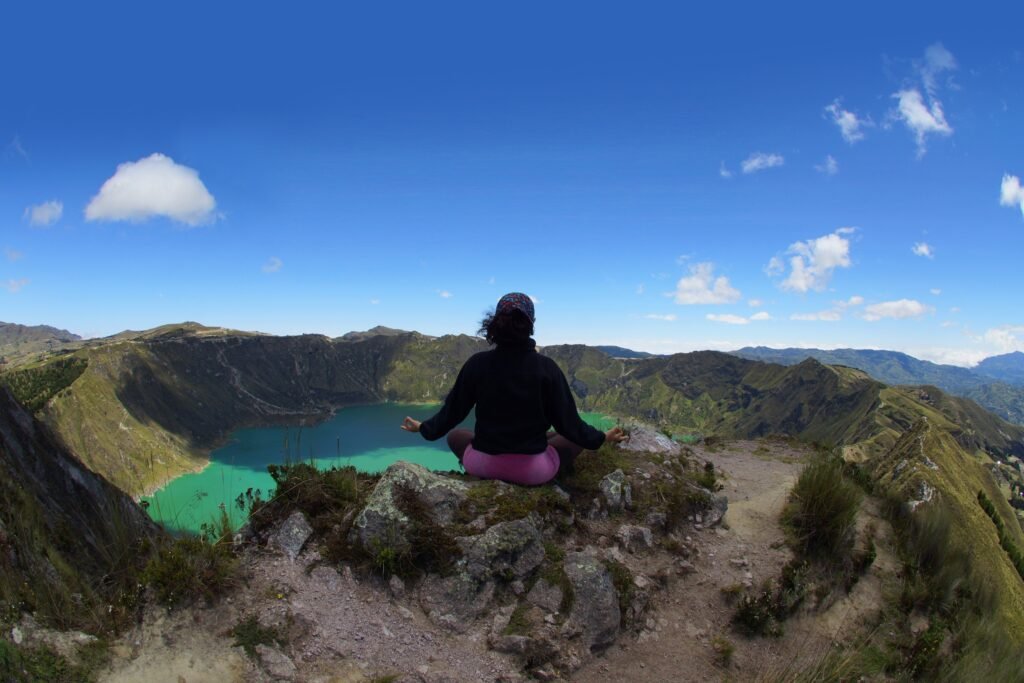
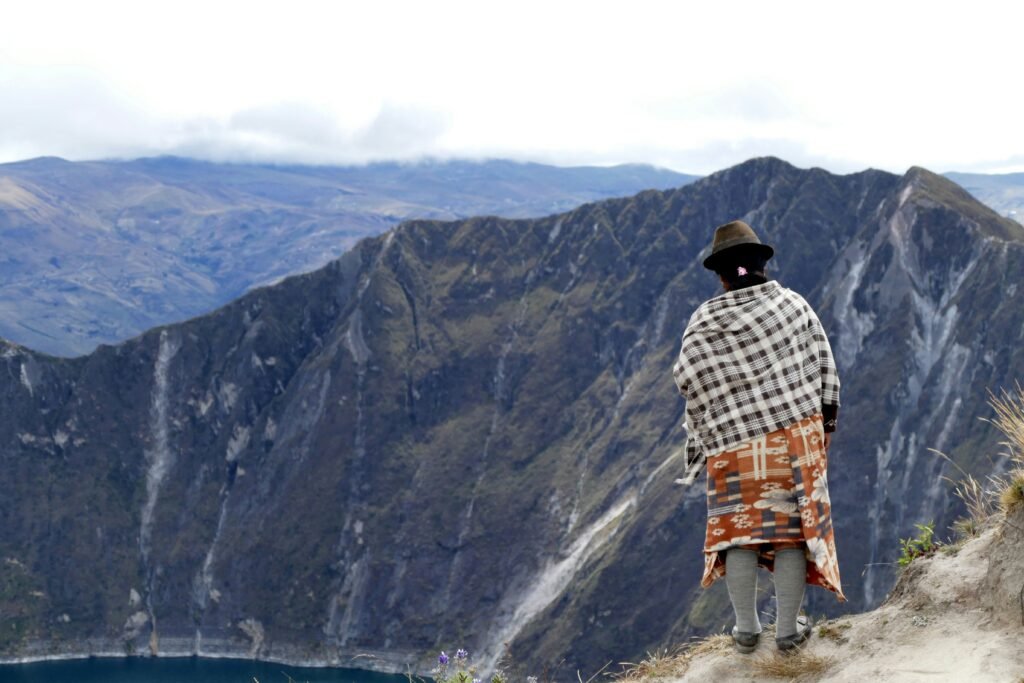
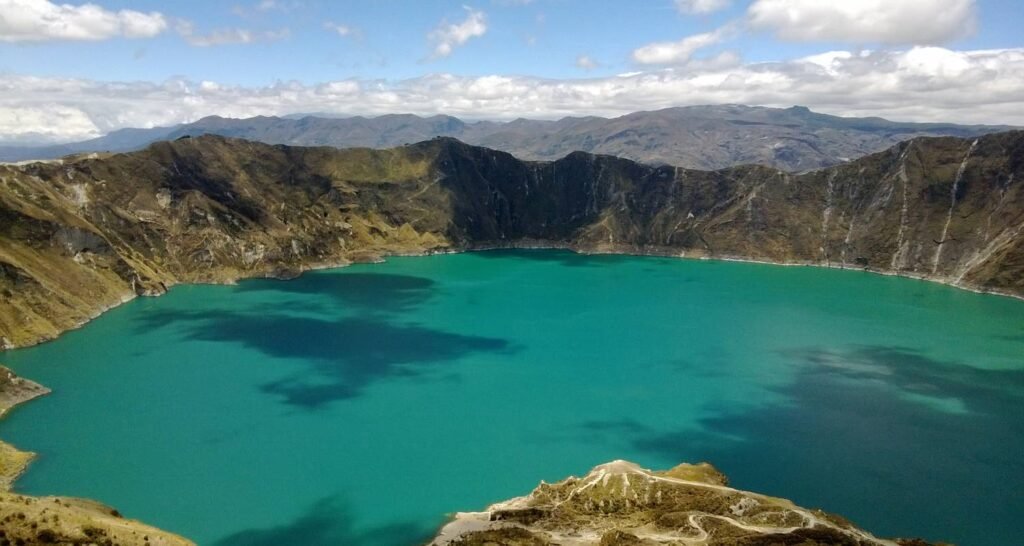
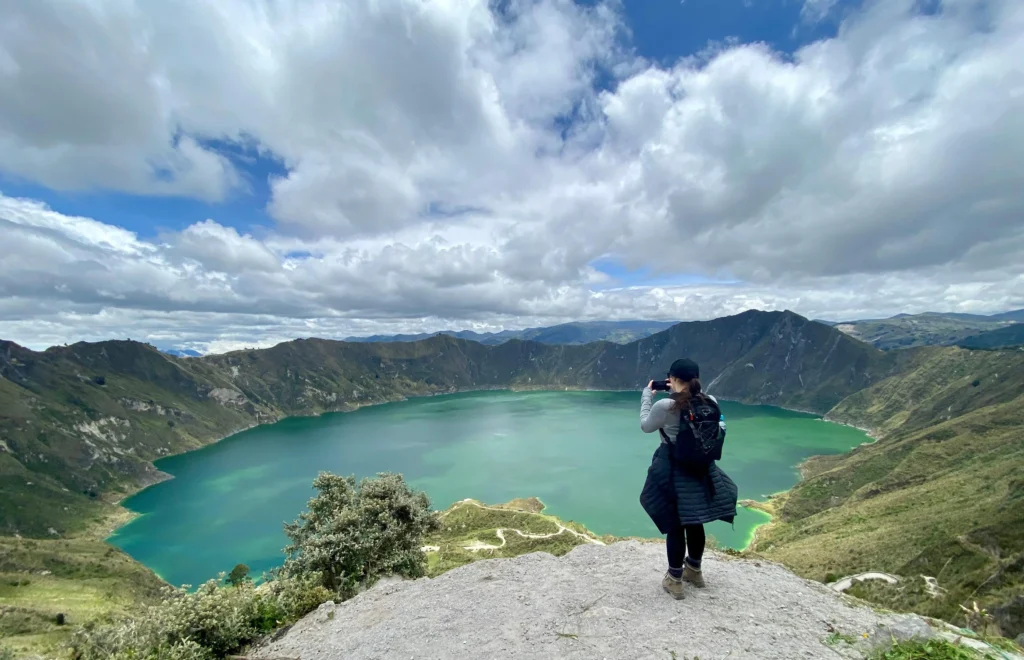
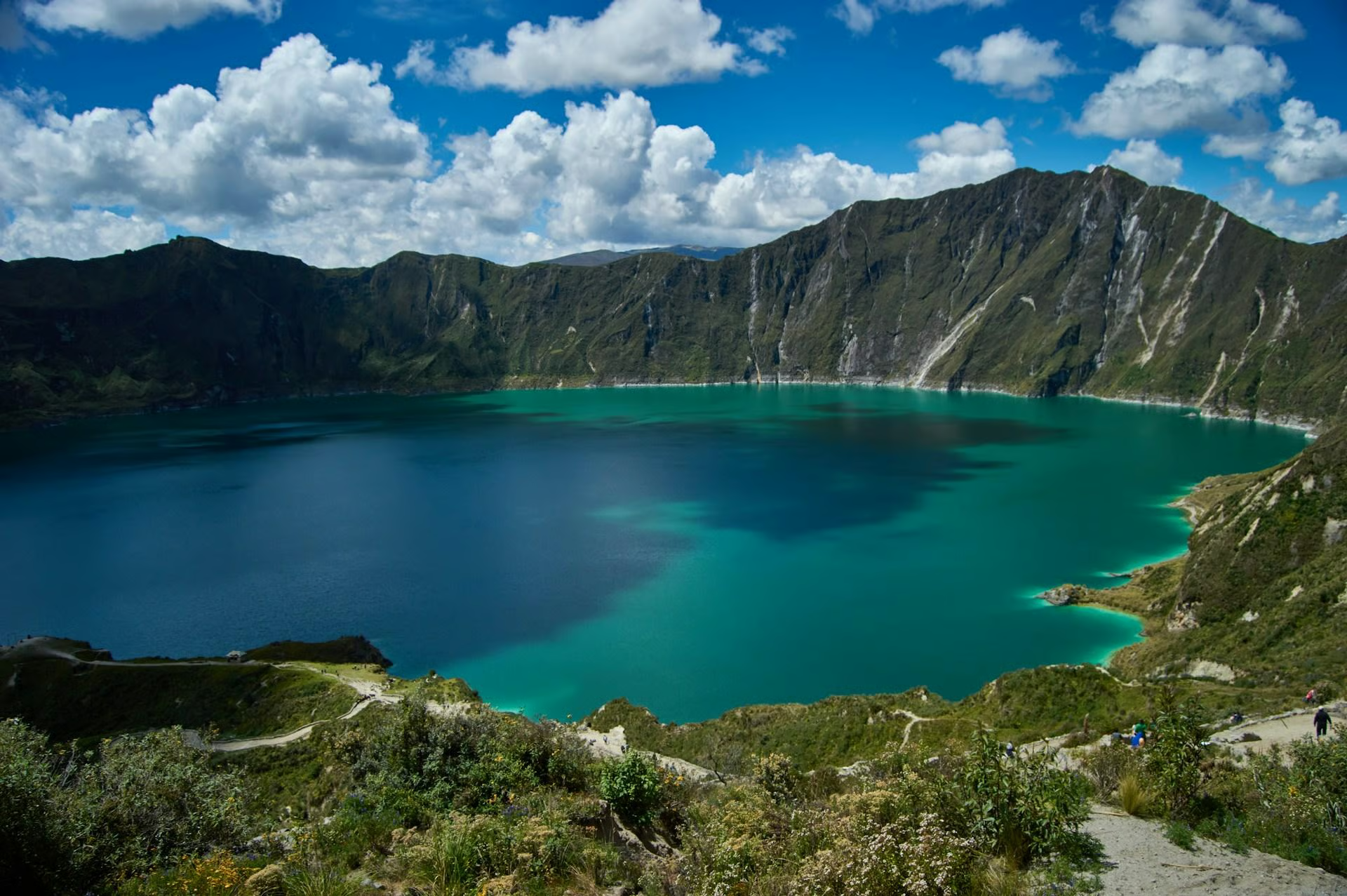
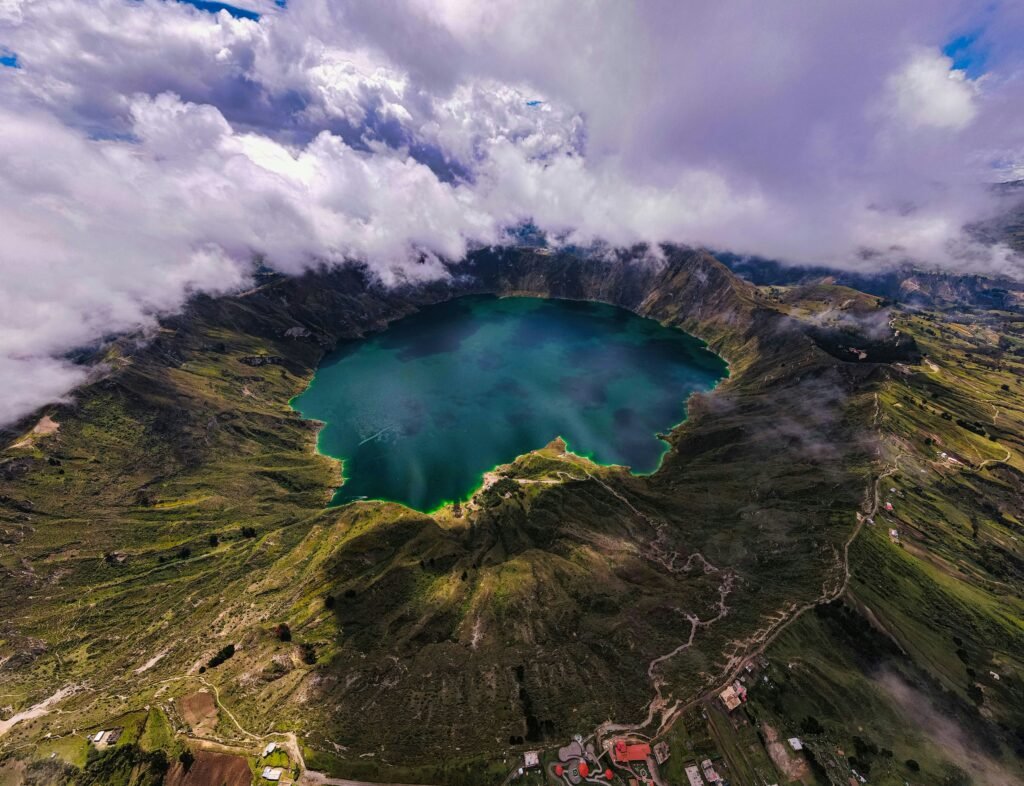
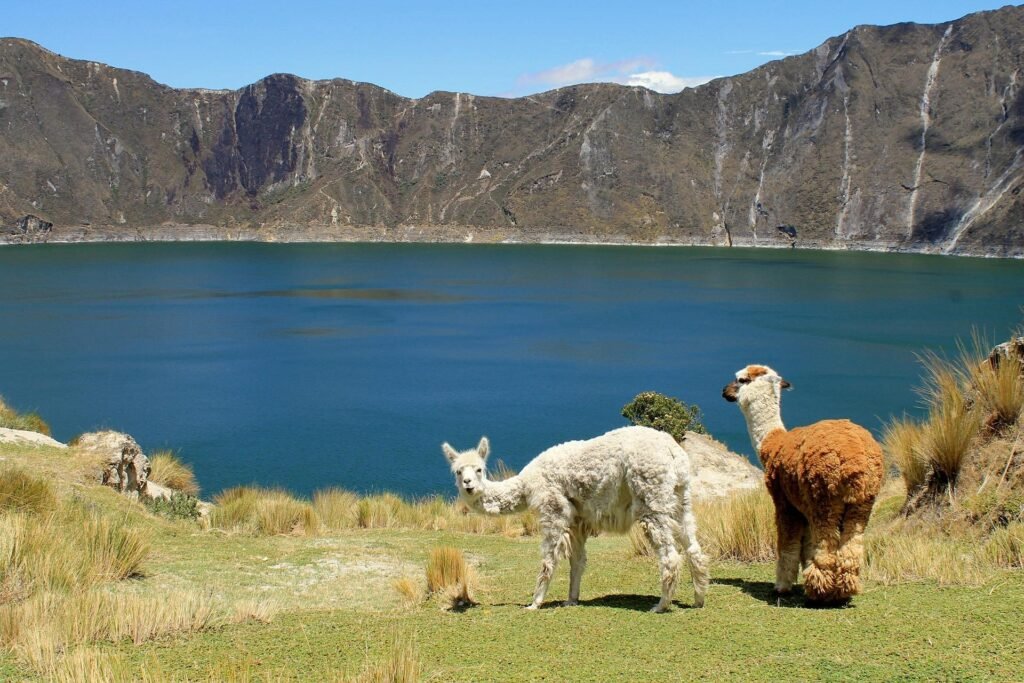
Perched high in the Western Cordillera of the Ecuadorian Andes at 3,914 metres above sea level, Laguna Quilotoa is one of South America’s most staggering geological wonders. This magnificent water-filled caldera, three kilometres wide and plunging to a depth of 250 metres, glows with a mesmerising emerald-turquoise hue caused by dissolved volcanic minerals.
Yet, to treat Quilotoa as a mere whistle-stop photo opportunity on a rushed day trip from Quito is to miss the entire soul of the Ecuadorian highlands.
The high-altitude páramo ecosystem surrounding Quilotoa is a rich tapestry of indigenous Kichwa culture, dramatic canyon topography, traditional agrarian communities, and ancient trade paths.
Journeying through this region requires a deliberate, considered pace. When you traverse the Avenue of the Volcanoes over multiple days, you give your body time to acclimatise safely while forging genuine connections with mountain communities—from the naive folk artists of Tigua to the organic farmers of Chugchilán.
At Wheely Tyred, our commitment to slow, immersive travel means we champion multi-day overland expeditions that leave the commercial tour buses behind. Navigating the mountain passes, unpredictable weather shifts, and complex regional transport between Cotopaxi, Quilotoa, Baños, and the Amazon can present severe logistical hurdles for independent travellers.
Joining an expertly guided, small-group multi-day tour resolves these logistical headaches seamlessly. Professional mountain drivers, experienced local guides, pre-arranged heritage accommodation, and curated route pacing allow you to immerse yourself fully in the landscape.
Below, our editorial team has researched, vetted, and curated the six absolute best bookable multi-day tour itineraries that feature Quilotoa, bringing together verified traveller proof, exceptional guiding standards, and authentic local experiences.
Key takeaways for the Avenue of the Volcanoes
Traversing Ecuador’s Andean spine demands respect for altitude, an appetite for rugged landscapes, and a commitment to slow exploration. Here are the core takeaways to keep in mind when planning your multi-day expedition through Quilotoa and the Avenue of the Volcanoes.
- Emerald Crater Basin: Laguna Quilotoa sits at 3,914 metres, offering an astounding water-filled caldera best experienced on foot and at a measured pace rather than a hasty day-trip photo stop
- Seamless Altitude Progression: Choosing a multi-day itinerary allows your body to acclimatise gradually as you travel between Quito, Cotopaxi, Quilotoa, and Mount Chimborazo
- Diverse Microclimates: Multi-day routes often descend from frosty alpine páramo directly into subtropical waterfall gorges in Baños or primary rainforests in the Amazon Basin
- Cultural Immersion: Spending nights in mountain villages like Isinliví or Chugchilán supports local Kichwa communities and provides direct access to Tigua folk art workshops
- Logistical Ease: Overland journeys running from Quito to Cuenca solve tricky regional transit hurdles while turning travel days into rich, narrative-driven routes
- Practical Preparation: Essential packing includes windproof, waterproof layers, high-altitude sun protection, and small US dollar bills for cash-only Andean villages
Quilotoa.
The emerald crater lake
Traverse the High Andes to the Amazon Basin
Rating & reviews
(13+ verified reviews on TourRadar)
Why this tour stands out
Operated by the highly regarded local outfit GUIDEcuador Travel, this 8-day expedition is a masterclass in regional contrast. Rather than rushing back to urban hubs each evening, the itinerary follows a continuous geographical arc that drops from the frosty peaks of Cotopaxi and the rim of Quilotoa Crater straight into the lush, subtropical valleys of Baños and the primary rainforests of the Napo River in the Amazon Basin.
What makes this journey exceptional for slow travellers is the accommodation selection. Instead of generic chain hotels, guests stay in boutique mountain lodges—such as the famed Llullu Llama Mountain Lodge in the Quilotoa loop village of Isinliví—where communal fireside dinners and local farm-to-table meals set the tone.
Small group sizes (capped to ensure intimate local access) mean your native guide can adapt daily walk timings based on weather and altitude comfort. The transition from high-altitude páramo down into indigenous Amazonian Kichwa communities provides a profound overview of Ecuador’s ecological diversity.
Key highlights
- Full day exploring Cotopaxi National Park, including guided walks around Limpiopungo Lagoon and optional ascents to the José Rivas Refuge
- Crater rim walk at Laguna Quilotoa with time to descend to the water’s edge or visit local craft workshops in Tigua
- Waterfall trail in Baños de Agua Santa, featuring the thundering Pailón del Diablo (Devil’s Cauldron)
- Two-night Amazonian immersive stays with motorised canoe rides, primary jungle trekking, and nocturnal wildlife walks
- Soak in the volcanic thermal springs of Papallacta before returning across the high pass to Quito
Ideal for
Active travellers and wildlife enthusiasts who want an all-encompassing, hassle-free journey bridging Ecuador’s three distinct geographical realms—High Andes, Subtropical Valleys, and Deep Amazon—in a single, seamless week.
Local expedition insight
The temperature swing on this 8-day journey is extreme, ranging from sub-zero mornings at Cotopaxi and Quilotoa to 30°C humidity in the Napo jungle. Pack a technical layering system with a windproof, waterproof hard-shell jacket for the crater rim, alongside lightweight, quick-drying, breathable garments for the Amazonian canoe transfers.
The Ecuadorian Sierra.
Get lost in the hills
From volcanic craters to cloud forests
Rating & reviews
(4+ verified reviews on TourRadar)
Why this tour stands out
Run by Responsible Travel South America, this itinerary focuses heavily on northern and central Ecuador’s mountain ecosystems and cloud forests. It is tailored specifically for travellers who prefer land-based overland exploration over internal flights.
Starting in Quito’s UNESCO-listed colonial core, the tour heads south into Cotopaxi National Park before tackling the rugged roads of the Quilotoa Loop. The itinerary allows ample time to explore Chugchilán and the dramatic Toachi Canyon, offering a deep dive into rural Andean life.
Following the volcanic leg, the route pivots northwest into the cloud forests of Mindo, famous worldwide for its endemic bird species, orchid sanctuaries, and artisan chocolate producers. The pacing allows for multi-hour day hikes without feeling hurried, supported by local drivers who know every bend of these mountain roads.
Key highlights
- Guided walking and mountain-cycling options down the flanks of Cotopaxi Volcano
- In-depth exploration of Quilotoa Caldera, including meetings with local Kichwa artisans
- Trekking through the Toachi River Canyon near Chugchilán
- Birdwatching and canopy ropeway rides in the mist-shrouded Mindo Cloud Forest
- Visits to sustainable organic coffee and cacao farms for private tastings
Ideal for
Ecotourists, birdwatchers, and mountain walkers seeking a balanced multi-day loop that showcases both the stark, high-altitude Andean peaks and the lush biodiversity of Ecuador’s cloud forest reserves.
Local expedition insight
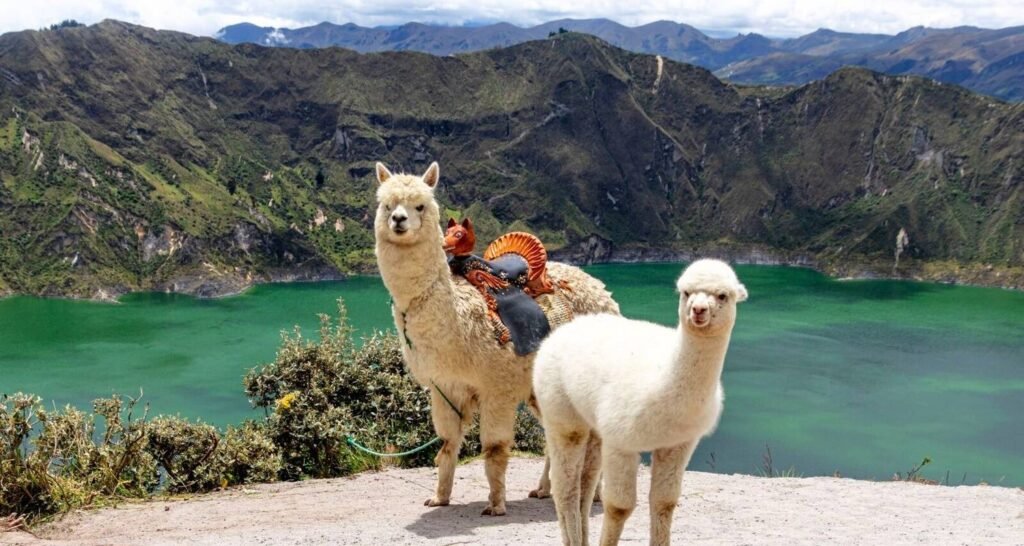
If you plan to hike down to the water’s edge inside Quilotoa Crater, remember that the climb back up gains over 300 vertical metres at an altitude pushing 4,000 metres. Local community members offer mule rides back to the rim for around $10–$15 USD; carrying small US dollar notes in cash is essential as card terminals do not exist at the crater floor.
The Galápagos.
Ecuador’s Enchanted Isles
Southbound along the Avenue of the Volcanoes
Rating & reviews
(2+ verified reviews on GetYourGuide)
Why this tour stands out
For travellers planning an extended journey through South America, backtrack travel is an unnecessary waste of time. Operated by Cuenca Bestours, this brilliant 4-day line-tour acts as both an adventure expedition and a seamless overland transfer service between Ecuador’s capital, Quito, and its southern cultural crown jewel, Cuenca.
Instead of taking a mundane public bus directly down the Pan-American Highway, this tour turns the transit into a four-day deep dive. You explore Cotopaxi on Day 1, stand on the edge of Quilotoa Crater on Day 2, experience the waterfall canyoning of Baños on Day 3, and ascend the slopes of Mount Chimborazo (the point on Earth closest to the sun) on Day 4 before arriving in Cuenca.
The private or small-group 4×4 transport means luggage is safely stowed throughout, leaving you free to hike during day stops.
Key highlights
- One-way southbound expedition solving all transit logistics between Quito and Cuenca
- High-altitude walk to Limpiopungo Lagoon beneath Cotopaxi’s glacier
- Excursion to Quilotoa Crater Lake combined with visits to the Tigua naive art galleries
- Overnight stays in Baños with entry to Pailón del Diablo waterfall and La Casa del Árbol
- Ascent to the high-altitude refuge on Mount Chimborazo (4,800m+) to spot wild vicuñas
Ideal for
Independent travellers, couples, and small groups looking to move southward through Ecuador efficiently while taking in the country’s most spectacular natural monuments with a dedicated driver-guide.
Local expedition insight
The high-altitude plateau around Mount Chimborazo is home to herds of wild vicuñas (the wild ancestor of the alpaca). Keep your camera ready during the drive between Riobamba and Chimborazo Reserve; your guide can spot these protected camelids grazing in the páramo straw.
Essential two-day Andean summit and crater loop
Rating & reviews
(19+ verified reviews on Viator)
Why this tour stands out
If you have limited time in Ecuador but refuse to settle for an exhausting 14-hour single-day marathon from Quito, this focused 2-day / 1-night trip operated by Quito Tour Bus is the ideal solution. It compresses the two biggest heavyweights of the northern Andes into a well-paced weekend getaway.
Day 1 is dedicated to Cotopaxi National Park, giving participants time to hike up to the José Rivas Refuge at 4,864 metres without feeling rushed. The group then retires to a cosy mountain hacienda in the countryside for a hot meal and proper acclimatisation.
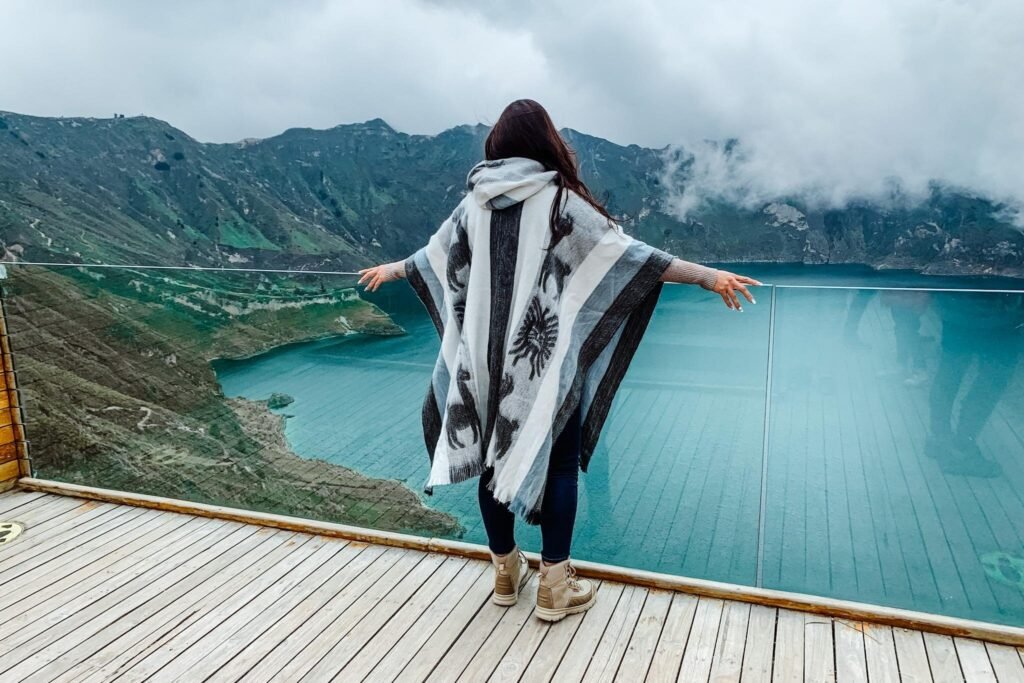
On Day 2, after waking up refreshed in the high country, the tour journeys along mountain backroads to Quilotoa, allowing several hours to hike the crater rim and explore the village of Shalalá before returning to Quito.
Key highlights
- Concentrated 2-day itinerary covering Ecuador’s premier high-altitude attractions
- Guided trek to the high glacier line on Cotopaxi Volcano
- Overnight stay in an authentic mountain hacienda with traditional dinner included
- Comprehensive visit to Laguna Quilotoa, Shalalá Viewpoint, and Tigua art workshops
- Small-group format with a bilingual English/Spanish guide throughout
Ideal for
Short-stay travellers, digital nomads based in Quito, or trekkers looking for a quick, high-value weekend trip into the high Andes with built-in accommodation logistics.
Local expedition insight
Cotopaxi’s José Rivas Refuge sits at 4,864 metres above sea level, where wind chill can plummet below freezing even on sunny afternoons. Bring lightweight gloves, a warm beanie hat, and lip balm; the combination of high UV exposure and thin, dry mountain air can quickly cause severe windburn.
The Ecuadorian Amazon.
The most biodiverse place in the world
Grand Andean odyssey across volcanic valleys
Rating & reviews
(New activity on GetYourGuide)
Why this tour stands out
Operated by Visiting Galapagos, this comprehensive 8-day expedition is designed for history buffs, culture seekers, and slow travellers who want to combine natural volcanic landscapes with Ecuador’s rich pre-Columbian and colonial heritage.
Starting in Quito, the route journeys through Cotopaxi National Park and Quilotoa Caldera before tracing the historic Royal Inka Highway southward. What sets this itinerary apart is its inclusion of Ingapirca—Ecuador’s most significant Inka-Cañari archaeological complex—where expert local guides unpack the astronomical and spiritual importance of the Temple of the Sun.
The trip finishes with multiple nights in Cuenca, allowing travellers to wander its cobbled streets, flower markets, and artisan Panamá hat factories at leisure.
Key highlights
- Comprehensive traversal of the entire Avenue of the Volcanoes corridor
- Quilotoa Crater rim hike with private cultural stops in indigenous highland communities
- Adventure day in Baños de Agua Santa, including cable car rides across river gorges
- Guided historical tour of the Ingapirca Inka-Cañari ruins
- Deep cultural immersion in UNESCO-listed Cuenca
Ideal for
Mature travellers, history enthusiasts, and culture seekers wanting an extended, comfortably paced expedition that integrates high mountain scenery with archaeological discovery and colonial history.
Local expedition insight
When visiting Ingapirca, take note of the stone masonry: you can clearly distinguish between the soft, rounded mortar work of the native Cañari civilisation and the mortarless, interlocking imperial stone carving brought by the Inkas during their expansion.
Three days of high-altitude trails and subtropical valleys
Rating & reviews
(189+ verified reviews on Viator)
Why this tour stands out
Provided by Quito Tour Bus, this 3-day / 2-night itinerary strikes a great balance for active travellers who want a mix of high-altitude trekking and outdoor sports.
Day 1 focuses on Cotopaxi’s volcanic plains and glacial hiking trails. Day 2 takes you across the rugged western ridge to Quilotoa Lagoon, where you can walk along the crater rim before riding a canyon swing over the Toachi Canyon and descending into the lush valley of Baños.
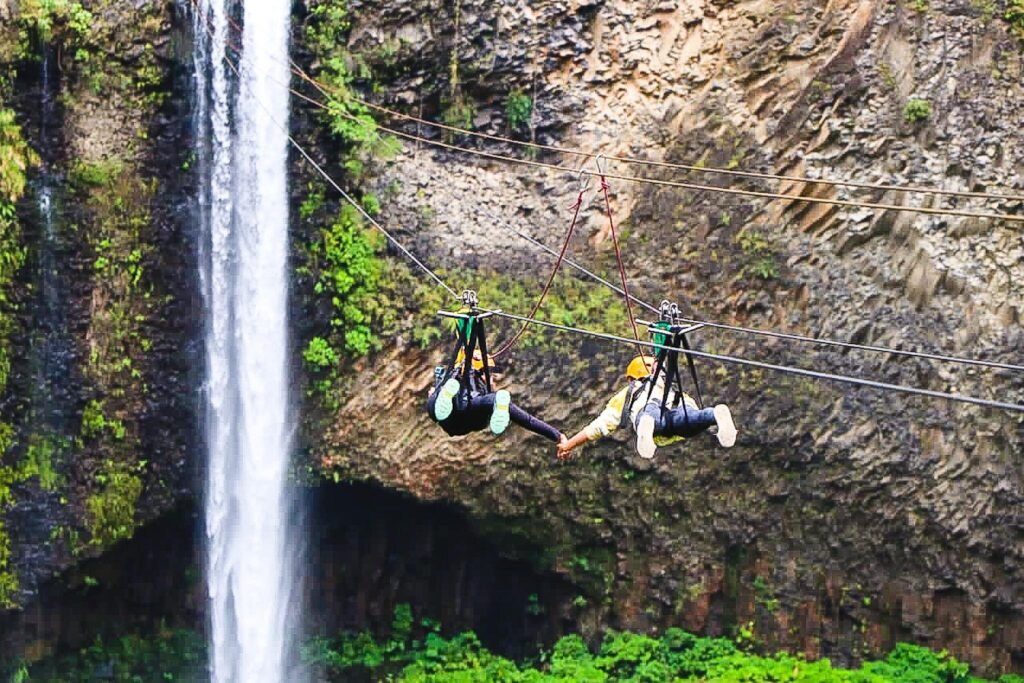
Day 3 is packed with action around Baños: zip-lining, walking under the roaring spray of Pailón del Diablo, and visiting the famous Casa del Árbol (Swing at the End of the World) before heading back to Quito. Hotel accommodations and activity entry tickets are fully included, eliminating on-the-ground booking hassles.
Key highlights
- All-in-one 3-day itinerary linking high peaks, volcanic lakes, and adventure valleys
- Glacial trekking in Cotopaxi National Park
- Crater rim walking at Laguna Quilotoa and Toachi Canyon viewpoint stops
- Full day of adventure in Baños: Pailón del Diablo, cable cars, and La Casa del Árbol
- Hassle-free hotel bookings and entrance fees included
Ideal for
Solo travellers, friend groups, and active adventurers looking for an action-packed 3-day escape from Quito that packs in mountain hikes, crater views, and waterfall thrill-seeking.
Local expedition insight
Baños de Agua Santa sits at 1,820 metres, nearly 2,000 metres lower than Quilotoa. Expect a sudden rise in temperature and humidity. Keep your swimwear packed near the top of your duffel bag so you can jump straight into the town’s hot thermal baths at the foot of Mount Tungurahua after a long day of hiking.
The Ecuadorian Coast.
Where you’ll find the very best food
Our practical Quilotoa multi-day expedition planning guide
Planning a multi-day journey across the Ecuadorian Andes requires careful preparation to ensure comfort, safety, and cultural respect. Here are five practical advice points curated by our editorial team:
Prioritise gradual altitude acclimatisation
Laguna Quilotoa sits at nearly 4,000 metres above sea level, and Cotopaxi’s refuge rests above 4,800 metres. Spending at least 48 hours in Quito (2,850m) prior to starting your multi-day tour is essential. Drink plenty of water, limit alcohol intake during your first two days, and consider carrying local coca tea or altitude tablets (sorojchi pills) purchased from local pharmacies.
Pack flexible, modular clothing systems
Overland transit through Ecuador moves quickly between harsh mountain microclimates. You will experience biting winds on the Quilotoa rim and tropical sunshine in Baños on the same 3-day tour. Pack a soft-sided duffel bag or medium rucksack (around 40–50 litres) rather than hard-shell suitcases, which are difficult to secure in 4×4 vehicles or mountain shuttle vans.
Manage cash and currency in remote villages
Ecuador uses the US dollar ($ USD). While main tour operators handle hotel and transport bookings, remote indigenous communities around Quilotoa, Isinliví, and Tigua do not accept credit cards. Carry $40–$60 USD in small denominations ($1, $5, and $10 bills). Merchants rarely have change for $20 bills, and $50 or $100 bills are virtually unusable in mountain villages.
Understand active travel insurance requirements
Standard travel insurance policies often cap coverage at 2,500 or 3,000 metres above sea level. Because these multi-day tours traverse passes reaching nearly 5,000 metres on Cotopaxi and Chimborazo, ensure your travel insurance policy explicitly includes high-altitude trekking and active outdoor sports.
Practice responsible tourism in fragile ecosystems
The high-altitude páramo is a fragile natural water collector for the Andes. Stick strictly to established walking trails around Quilotoa Crater to prevent severe soil erosion. Always purchase crafts directly from indigenous family workshops in Tigua or Shalalá to ensure your tourism spend directly supports the highland local economy.
Claim your seat on the ridge / Why slow exploration matters in the High Andes
Read this far?
The high Andes do not reveal their true character to those in a hurry. When you speed past volcanic peaks on a rushed day trip, you trade the deep texture of the mountains for a fleeting glance through a bus window. Quilotoa is far more than a photogenic crater; it is the beating heart of a living landscape shaped by centuries of indigenous heritage, ancient trade paths, and fragile high-altitude ecosystems. Taking the time to traverse these valleys on a multi-day expedition allows the rhythm of the highlands to sink in, turning a standard holiday into a deeply memorable journey.
By choosing small-group overland itineraries that linger in places like Isinliví, Chugchilán, and the lower slopes of Cotopaxi, you actively support the local communities that call these high passes home. Family-run guesthouses, local mountain guides, and regional artisans rely on travellers who choose to stay, eat, and explore locally. In return, you gain access to fireside storytelling, home-cooked Andean meals, and quiet early-morning walks along canyon edges long before day-tripper buses arrive from the capital.
Whether you choose an 8-day odyssey bridging the alpine páramo and the Amazon jungle, a 4-day line-tour down to historic Cuenca, or a focused weekend loop around Cotopaxi and Quilotoa, the key is to embrace the overland journey. Pack your warm layers, lace up your hiking boots, and prepare to be humbled by the sheer scale of Ecuador’s volcanic spine. The ridge is waiting—all that remains is to pick your route and step into the wild altitude of the Andes.
Affiliate Disclaimer: Some of the links on Wheely Tyred are affiliate links. If you click through and make a booking or purchase, we may earn a small commission at no extra cost to you. We only recommend gear, tours, stays, and services we genuinely use, trust, and stand behind — our editorial independence always comes first. These commissions help keep our independent cycling guides and travel stories free to read. You can also buy me a coffee here — thanks for supporting the ride!
Frequently asked questions about the best Quilotoa multi-day tours
The descent to the crater floor takes roughly 30–45 minutes down a steep, sandy trail. However, the return climb gains over 300 vertical metres at an altitude pushing 4,000 metres above sea level, taking most hikers between 1 and 2 hours. It is physically demanding on the lungs and legs. If you struggle with the steep incline or thin air, local Kichwa community members offer mule rides back to the rim for approximately 10–15 USD.
The Ecuadorian highlands can be visited year-round, but the dry season—typically running from June to September—offers the clearest skies and lowest rainfall. June and July can bring strong mountain winds along the crater rim. Even during drier months, mountain weather shifts rapidly; early mornings generally offer the best visibility before afternoon clouds roll across the volcanic peaks.
Proper acclimatisation is vital. Spend at least two days in Quito (2,850 metres) resting and taking light walks before embarking on a multi-day tour to higher elevations like Quilotoa (3,914 metres) or Cotopaxi (4,800+ metres). Drink plenty of water, avoid heavy meals and alcohol during your first forty-eight hours, and consider drinking local coca tea or carrying sorojchi pills (altitude medication available over the counter in Ecuadorian pharmacies).
While your tour operator covers main accommodation and transport bookings, you must carry cash for personal expenses, tips, craft purchases, and snacks. Credit card readers are virtually non-existent in remote mountain villages. Ensure you bring small US dollar notes ($1, $5, and $10 bills), as local vendors and mule drivers rarely have change for $20 bills or larger.
A soft-sided duffel bag or medium-sized rucksack (40–50 litres) is far better suited to overland transit than a hard-shell rolling suitcase. Vehicles navigating rough mountain backroads and compact 4×4 transport vans have limited boot space, making soft luggage much easier to stow. You should also bring a small 15–20-litre daypack for your water bottle, warm layers, and camera during day hikes.
Small-group multi-day tours are ideal for solo travellers. They eliminate the complex logistics of navigating rural Andean bus networks alone, provide built-in camaraderie with like-minded adventurers, and include the security of an experienced local guide. Most operators offer shared twin-room arrangements with fellow group members or reasonable single supplements if you prefer private quarters.
Ecuador.
Pure wonder on the equator.