A taste of the Andes / Foods to try in the Ecuadorian Sierra
A complete culinary guide to traditional food and drink in the Ecuadorian Andes
Savour the deeply rooted flavours of the mountain peaks
BEN FINCH
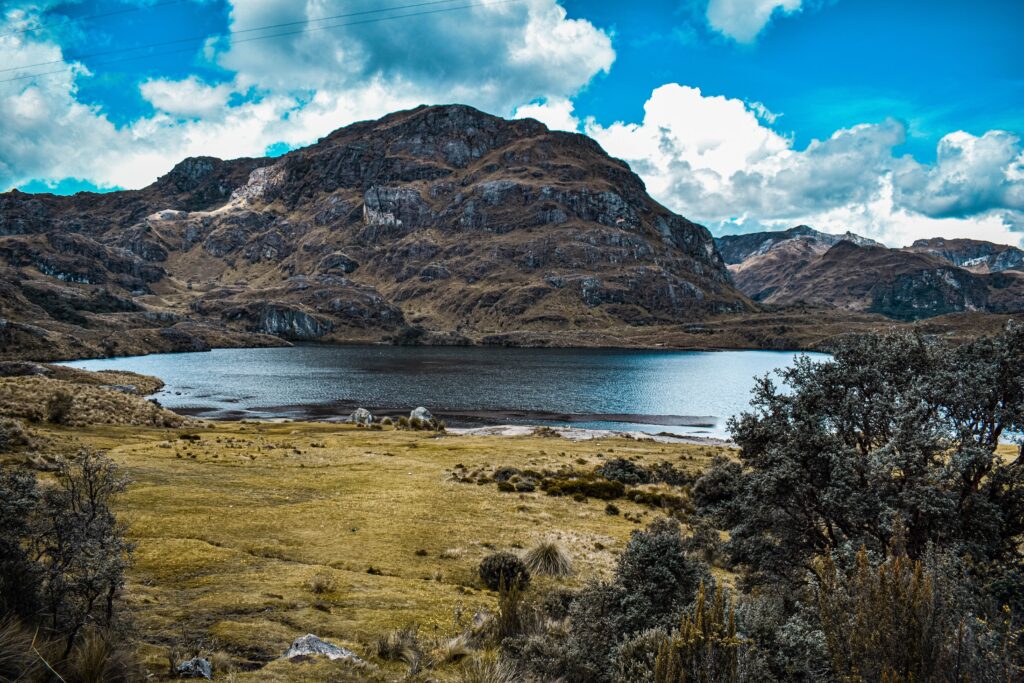
The Ecuadorian Sierra is a landscape shaped by dramatic altitude, fertile volcanic soils, and microclimates that can shift entirely within the space of a single mountain pass. For the independent traveller navigating this high-altitude backbone by local bus, train, or foot, the culinary landscape acts as a grounding anchor. This is a cuisine born of necessity, resilience, and heritage, where ancient pre-Columbian agricultural wisdom blends seamlessly with Spanish colonial techniques.
Unlike the fresh, citrus-heavy seafood palate of the Pacific coast or the dense, leaf-wrapped delicacies of the Amazon basin, highland cooking is deeply comforting. It relies heavily on native tubers, slow-roasted meats, ancient grains, and warming spices designed to combat the crisp mountain air. To travel through the Sierra without understanding its food is to miss the very fabric of Andean history.
The high-altitude heart of the Sierra
Travelling through the Ecuadorian highlands rewards those who move at their own pace with deep, slow-cooked flavours designed to combat the crisp mountain air. This summary captures the essential tastes, traditions, and independent establishments that define the culinary identity of the Andean peaks.
- Locro de Papa: A velvety potato soup made with native papa chola, naturally thickened by the starch of the tuber and enriched with highland cheese, avocado, and a spoonful of homemade ají chilli sauce
- Hornado vs Fritada: Two distinct expressions of slow-cooked pork—one roasted whole with chicha de jora in wood-fired clay ovens, the other braised and caramelised in its own rendered fat within a heavy bronze pan
- Canelazo Warmth: A spiced, hot beverage of cinnamon, panela, and tart naranjilla juice, spiked with local aguardiente to stave off the chill of the evening mountain mist
- Hasta La Vuelta, Señor: A colonial-era dining oasis in the heart of Quito’s Old Town, serving exemplary traditional dishes like seco de chivo above a quiet courtyard
- Tiesto’s Café Restaurant: A Cuencan landmark celebrating regional earthenware cooking, where meats are seared on blazing hot clay plates and desserts are intricately hand-painted
- Bandido Brewing: A pioneering craft brewery built into a 1850 colonial building in Quito, blending microbrewing with local ingredients right next to a historic chapel
- Slow Exploration: The philosophy that authentic Andean cuisine cannot be rushed, requiring independent travellers to engage directly with local markets and independent kitchens
The Ecuadorian Sierra.
Get lost in the hills
The terroir of the highlands
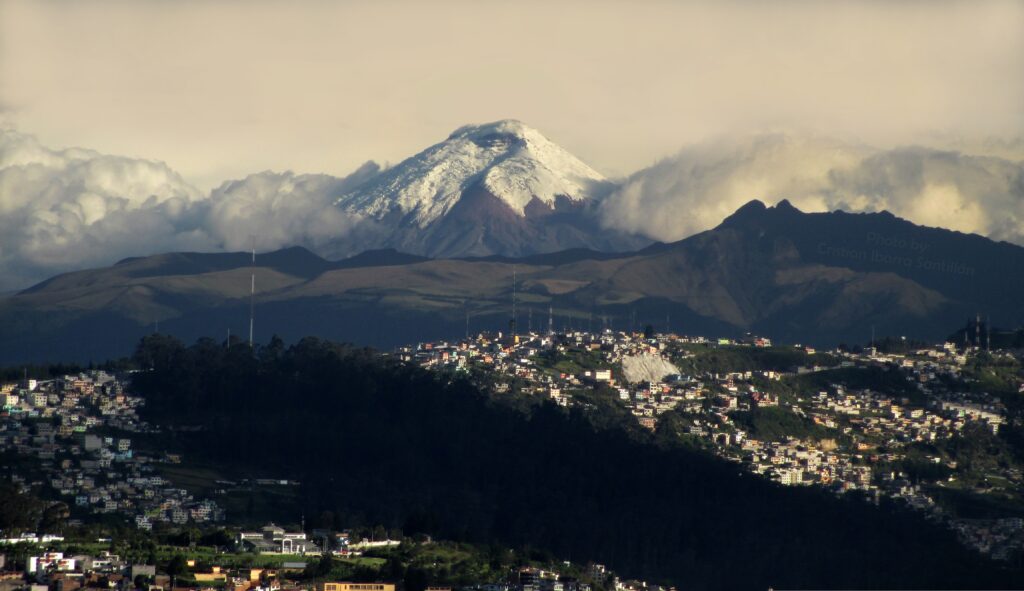
To truly appreciate the food of the Ecuadorian Sierra, one must look closely at the landscape. Agriculture here has been dictated for millennia by the vertical topography of the Andes. Up on the high plains, or páramos, communities have cultivated crops that resist freezing temperatures and thin air.
The ultimate comfort / Locro de Papa
The humble potato is the undisputed king of highland gastronomy. Long before Spanish contact, hundreds of native varieties proliferated across these valleys. This historical diversity is celebrated most famously in Locro de Papa, a velvety potato soup that remains a staple of almost every traditional kitchen in the region.
A proper locro is a masterclass in texture. It is made primarily with papa chola, a local variety known for its starchy, floury qualities that naturally break down to thicken the broth. Flavoured with a base of achiote (annatto oil), onions, and garlic, the soup is simmered slowly until it reaches a creamy consistency. Just before serving, generous chunks of fresh highland cheese are folded into the pot, melting into soft ribbons. It is traditionally garnished with fresh avocado slices and a spoonful of homemade ají (chilli sauce), offering a remarkable contrast between the hot, rich soup and the cool, creamy fruit.
The art of the roast / Hornado vs Fritada
For meat lovers, the Sierra offers an exceptional tradition of slow-cooked pork, split into two distinct regional expressions that cause passionate debates among locals.
Hornado features whole pigs marinated in a mixture of garlic, cumin, and chicha de jora—a traditional fermented corn beer that dates back to the Incan Empire. The meat is slow-roasted for hours in large, wood-fired clay ovens until it becomes incredibly tender, while the skin renders into a glassy, crisp brittle known as cuero reventado.
Fritada, by contrast, relies on an entirely different cooking technique. Chunks of pork are braised in a spiced broth inside a large, heavy bronze pan called a paila. As the water slowly evaporates, the meat begins to fry in its own rendering fat, developing a deeply caramelised, sweet, and savoury crust.
Both dishes are communal affairs, typically served alongside mote (peeled hominy corn), llapingachos (pan-seared potato cakes stuffed with cheese), toasted corn kernels known as tostado, and a vibrant onion and tomato salad.
The Galápagos.
Ecuador’s Enchanted Isles
Liquid warmth / Canelazo
When the sun dips below the volcanic peaks and the temperature plummets, the beverage of choice across the mountain towns is Canelazo. This hot, spiced drink is boiled using water, cinnamon sticks, cloves, and panela (unrefined sugar cane juice). In its traditional form, it is spiked with aguardiente, a potent local sugar cane spirit.
To add a bright, acidic counterpoint to the deep sweetness of the panela, brewers frequently infuse the mixture with the tart juice of the naranjilla, a native citrus-like fruit. For the independent traveller walking through cobblestone streets in the evening mist, holding a steaming cup of Canelazo is a rite of passage.
Essential dining in the Sierra
Finding authentic expressions of these traditions requires stepping away from international chains and hotel dining rooms. Wheely Tyred has curated three independent establishments across the major hubs of the Sierra that offer exceptional quality, deep cultural relevance, and an atmosphere that honours the history of the region.
Colonial heritage on a plate / Hasta La Vuelta, Señor — Quito
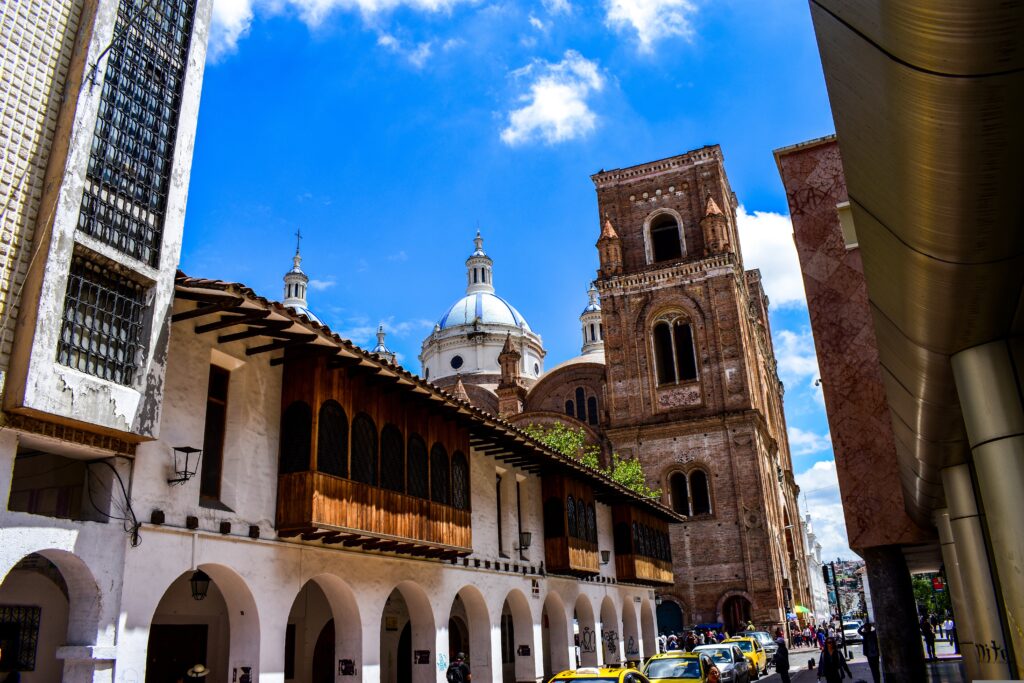
Tucked away on the upper floor of the historic Palacio Arzobispal, right in the architectural heart of Quito’s Old Town, Hasta La Vuelta, Señor provides a stunning window into traditional Quiteño cuisine. The restaurant overlooks a beautifully preserved colonial courtyard, offering an oasis of calm above the bustling streets of the historic centre.
The name itself pays homage to a classic local legend involving a rebellious colonial monk, setting the tone for an evening steeped in history. The kitchen specialises in preserving classic highland recipes with uncompromising attention to detail.
- What to Try: Their version of Locro de Papa is widely considered one of the finest in the capital, boasting a rich, authentic texture. For an extensive introduction to highland meats, order the Seco de Chivo (a slow-braised goat stew rich with chicha and spices) or their expertly prepared Fritada
- The Vibe: Elegant yet unpretentious, featuring high ceilings, warm wooden furnishings, and balcony seating that allows you to absorb the atmosphere of the historic architecture at your own pace
The Ecuadorian Amazon.
The most biodiverse place in the world
The gastronomic ritual / Tiesto’s Café Restaurant — Cuenca
In the southern gem of Cuenca, Chef Juan Carlos Solano has created something truly remarkable at Tiesto’s. The restaurant takes its name from the tiesto, a traditional earthenware clay plate used in Andean homes to roast corn, wheat, and coffee over open flames.
Dining here is treated not merely as a meal, but as a slow, shared ritual—making it a perfect match for travellers who like to absorb a destination deeply rather than rushing through it. The restaurant is highly decorated, celebrating local craftsmanship through its display of traditional ceramics and Panamá hats.
- What to Try: The signature dishes here are various cuts of beef, chicken, or prawns cooked and served directly on blazing hot clay tiestos. The meat caramelises beautifully against the earthenware, served alongside an array of seasonal highland vegetables and hominy. Do not skip dessert; the kitchen team is famous for hand-painting intricate, artistic patterns using fruit purées directly onto your dessert plates at the table
- The Vibe: Intimate, artistic, and deeply respectful of local materials. It feels like stepping into the home of an old friend who happens to be a master of Andean gastronomy
The liquid alchemy / Bandido Brewing — Quito
For the maximum single bar recommendation permitted by our strict independent guidelines, one must visit the historic neighbourhood of La Marín in Quito. Located inside a beautifully weathered colonial building dating back to 1850, Bandido Brewing is a pioneer of the Ecuadorian craft beer movement.
What makes this establishment extraordinary is its physical footprint: the pub shares its historic structure with an old, preserved church chapel. Rather than erasing the past, the owners have retained the eclectic, spiritual, and pagan-religious architectural charm of the space.
- What to Try: Bandido excels at taking classic American-style microbrewing techniques and infusing them with distinct local ingredients. Look out for brews incorporating local honey, guayusa leaves, or seasonal tropical fruits. To accompany the drinks, they serve excellent artisanal pizzas and small plates that provide perfect fuel after a day of walking through the hilly capital
- The Vibe: A fascinating, subterranean atmosphere where history meets modern independent culture. It is a natural gathering point for solo travellers, local artists, and anyone looking for great conversation without the loud, manufactured noise of commercial nightlife zones
The Ecuadorian Coast.
Where you’ll find the very best food
Taste the spirit of independent exploration
Savouring the food of the Ecuadorian Sierra requires a willingness to slow down. The complex flavours of a long-simmered seco or the rich crunch of a properly prepared hornado cannot be appreciated through the window of a tour bus. They require you to sit in a bustling market stall, to wait patiently for a clay pot to cool at an independent table, and to ask questions about the ingredients grown in the volcanic soil just beyond the city limits. By choosing independent establishments that invest back into their communities and uphold culinary heritage, you ensure that the rich traditions of the Andes continue to thrive.
Frequently asked questions about what to eat in the Ecuadorian Sierra
The secret lies entirely in the choice of potato. Traditional kitchens use papa chola, a native high-altitude variety with a high starch content. These potatoes naturally break down during the simmering process, creating a rich, velvety texture without the need for dairy thickeners.
The distinction lies in the cooking technique. Hornado is a whole pig slow-roasted in a wood-fired clay oven after being marinated in fermented corn beer. Fritada involves braising chunks of pork in a spiced broth within a heavy bronze pan until the water evaporates and the meat fries in its own rendered fat.
The geography of the Sierra is best explored using local buses, trains, or on foot. Moving independently allows travellers to cross shifting microclimates at their own pace and stop at small mountain towns that large tour buses bypass entirely.
Chicha de jora, a fermented corn beer that dates back to the Incas, remains a vital ingredient today. It is used both as a refreshing drink during festivals and as a deeply flavourful marinade base for roasted meats across the highlands.
The restaurant utilises a tiesto, which is a traditional Andean earthenware clay plate. Cooking directly on hot clay allows meats and vegetables to caramelise beautifully against the earthenware, honouring an ancient method of dry-roasting grain and coffee over open flames.
Yes, particularly if you seek out establishments located in historic buildings. Places like Bandido Brewing in Quito offer a relaxed, communal atmosphere where solo travellers, artists, and locals gather to share conversations over artisanal pizzas and locally infused craft beers, away from commercial nightlife zones.
Ecuador.
Pure wonder on the equator.