
Isla Floreana safety guide 2027 / Essential travel advice for Galápagos visitors
2027 travel safety tips, medical logistics, and crime rates for Isla Floreana, Ecuador
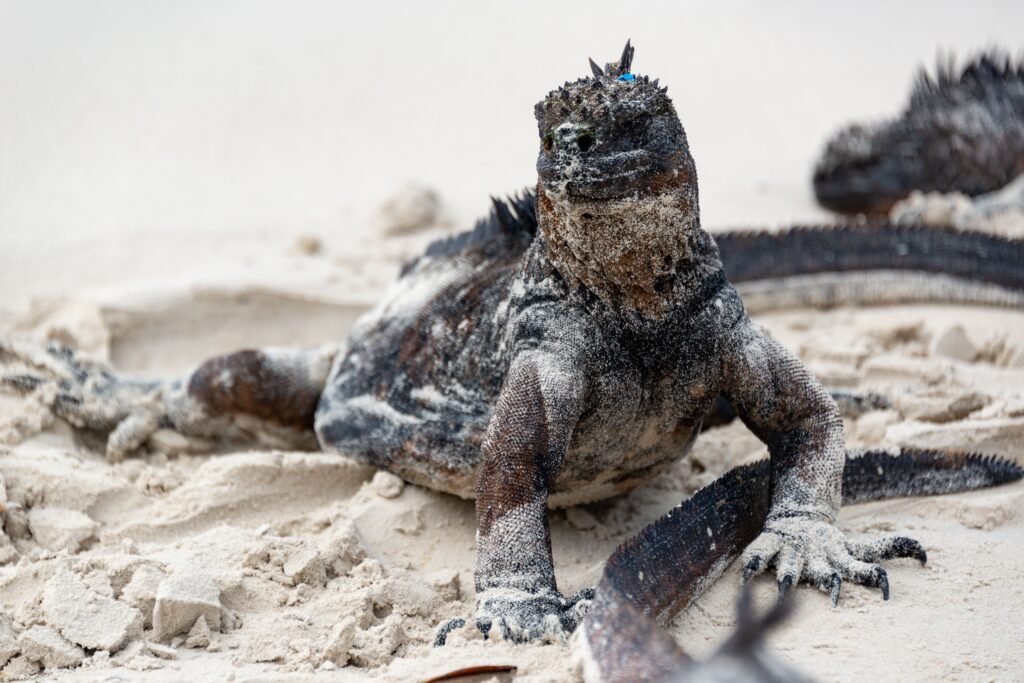
Tranquil shores, wild ocean currents, and the quietest inhabited island in the archipelago

BEN FINCH
Visiting Isla Floreana offers a rare glimpse into the quietest corner of the inhabited Galápagos Islands. Home to approximately 150 permanent residents clustered around the sleepy village of Puerto Velasco Ibarra, Floreana feels worlds away from the busier ports of Santa Cruz and San Cristóbal. However, its isolation presents a unique set of safety considerations.
In our previous 2026 Isla Floreana Safety Guide, we established that physical and logistical hazards—rather than criminal activity—pose the greatest risk to visitors. As we move through 2027, updated national park entry requirements, shifting maritime logistics, and updated national health protocols make a fresh look at safety essential for anyone planning a trip.
At Wheely Tyred, our mission is to ensure every journey is as secure as it is memorable. This updated guide details everything you need to know to stay safe on land and in the water when exploring Isla Floreana.
Key safety intelligence for Isla Floreana
Navigating Isla Floreana demands thoughtful preparation, respect for open ocean swells, and self-reliance in a village with minimal infrastructure. Here are the core safety takeaways for your 2027 journey.
- Low crime, high isolation: Puerto Velasco Ibarra is exceptionally peaceful with virtually zero violent crime, but the island’s isolation requires complete personal accountability
- Rigorous ocean crossings: Public speedboats (lanchas) from Santa Cruz face heavy Pacific swells; take seasickness medication beforehand and secure gear in dry bags
- Tidal hazards in the water: Snorkelling hotspots, such as Corona del Diablo, feature strong rip currents and demand a licensed guide; always perform the Galápagos shuffle when wading off Punta Cormorant
- Basic medical capabilities: The local health centre handles initial stabilisation only, making comprehensive travel insurance with emergency medical evacuation coverage mandatory
- Strictly cash-based economy: With zero ATMs and intermittent satellite internet for card processing, carry ample physical US dollars in small denominations
- Equatorial weather protection: Sun exposure is intense year-round; pack reef-safe SPF 50+ sunscreen, carry two litres of drinking water on walks, and never drink tap water
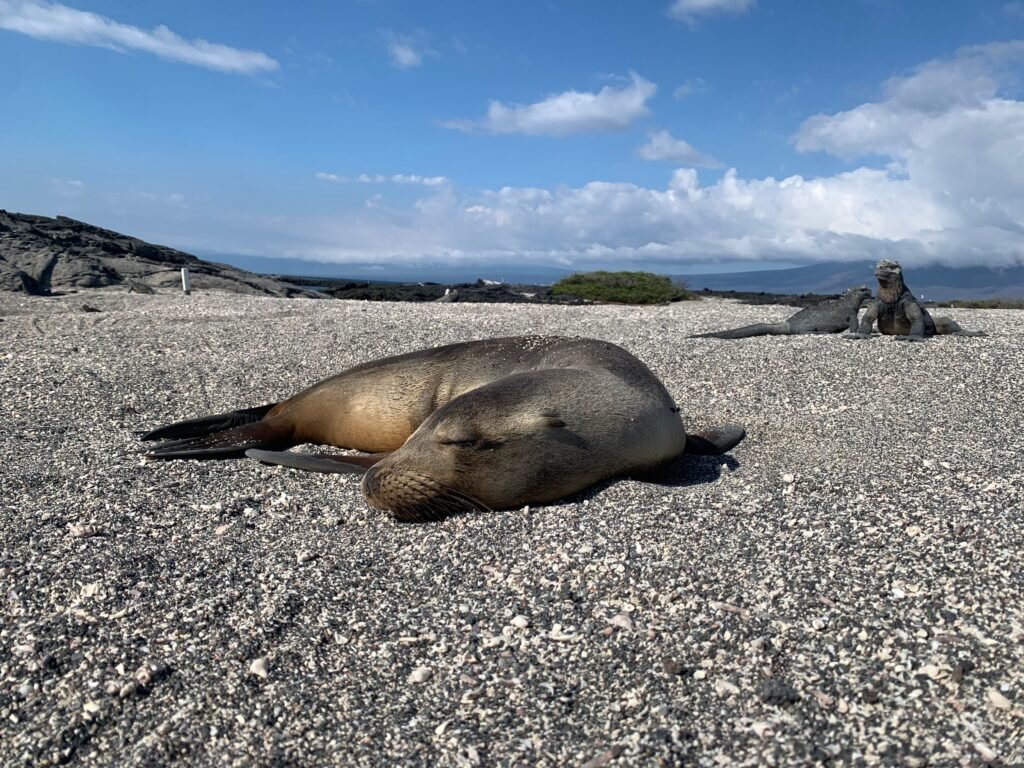
- Strict wildlife boundaries: Maintain a minimum distance of two metres from all wildlife, taking extra care around territorial male sea lions on landing beaches
Isla Floreana.
Murder mysteries and wild biodiversity
Evolving safety standards on Floreana Island for 2027
While mainland Ecuador has experienced fluctuating security concerns in recent years, the Galápagos archipelago maintains a distinct security climate. The isolated nature of the islands, combined with strict entry controls managed by the Galápagos Governing Council, isolates Floreana from urban crime trends seen in coastal cities such as Guayaquil.
For 2027, the primary regulatory updates affecting safety stem from tightened biosecurity, updated emergency protocol tracking, and increased national park fees ($200 USD for foreign adult visitors) implemented to fund local environmental and emergency infrastructure.
Visitors must register their Transit Control Card (TCT) before departure from Quito or Guayaquil and pass through strict luggage inspections to protect the delicate, fragile terrestrial environment.
The overall security environment on Floreana remains tranquil. However, self-reliance is crucial. The absence of large resorts, police precincts, or fully equipped hospitals means travellers must take personal responsibility for their well-being.
Understanding crime rates and personal security in Puerto Velasco Ibarra
Violent crime on Isla Floreana is virtually non-existent. The island community operates on mutual trust, and serious offences against tourists are almost unheard of.
Opportunistic petty theft
While crime rates are negligible, basic common-sense precautions remain necessary. Petty theft, though rare, can occur if high-value items are left unattended on public beaches such as Playa Negra or near landing piers.
- Keep electronics, passports, and cash secured in your accommodation’s safe or in locked luggage
- Do not leave camera gear or dry bags unattended while swimming or snorkelling at Punta Cormorant or Post Office Bay
- Always carry a small amount of physical cash in US dollars, as there are no cash machines (ATMs) on Floreana, and credit card processing is unreliable due to weak satellite internet connections
Scams and unlicensed guides
All tours into the interior highlands (Asilo de la Paz) or protected coastal zones require a certified Galápagos National Park guide. Ensure your excursions are arranged through licensed operators or directly via your guesthouse.
Avoid informal transportation offers from unlicensed boat operators for inter-island transfers.
The Galápagos.
Ecuador’s Enchanted Isles
Safety considerations for solo, female, and minority travellers
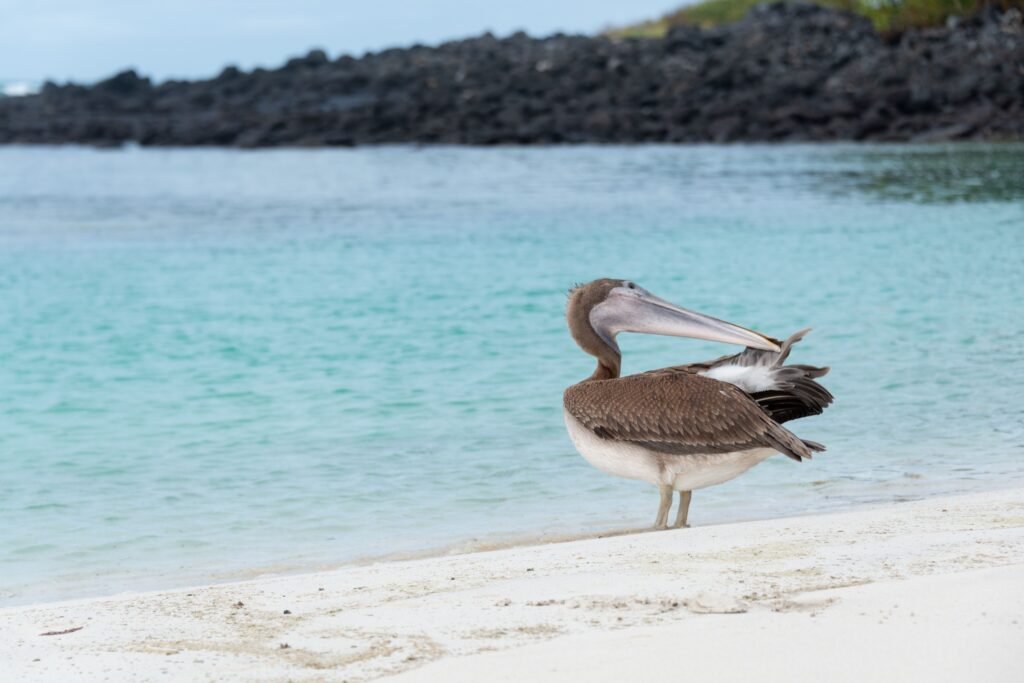
Isla Floreana is one of the most welcoming destinations in South America for independent travellers. The small community size fosters a naturally secure environment.
Demographic safety at a glance
- Solo Travellers: Low personal safety risk; main challenge is limited mobile signal and isolation during rural walks
- Female Travellers: Street harassment is non-existent; extremely safe walking alone at night in Puerto Velasco Ibarra
- LGBTQ+ & Minority Groups: Welcoming atmosphere; conservative social norms mean public displays of affection remain discreet
Solo travellers
Solo exploration on Floreana is safe regarding personal security. However, solo hikers and cyclists must take extra care when traversing trail networks toward the highlands.
Mobile phone coverage (primarily via Claro or Movistar) drops off significantly outside Puerto Velasco Ibarra. Always inform your host or a local park ranger of your planned route and estimated return time before heading out alone.
Solo female travellers
Female travellers report feeling exceptionally safe on Floreana. Street harassment and catcalling, which can occur in major South American mainland hubs, are absent here.
Walking through the village after dark is safe, though streets are dimly lit, so carrying a reliable headlamp or flashlight is essential to navigate uneven gravel paths safely.
Minority and LGBTQ+ travellers
Floreana residents are accustomed to international visitors from diverse backgrounds. Discrimination or overt hostility toward minority travellers is exceedingly rare.
Ecuador as a nation recognises equal rights, though island culture remains somewhat traditional and conservative. Public displays of affection are generally modest across all demographics.
Maritime transit, ocean currents, and snorkelling risks
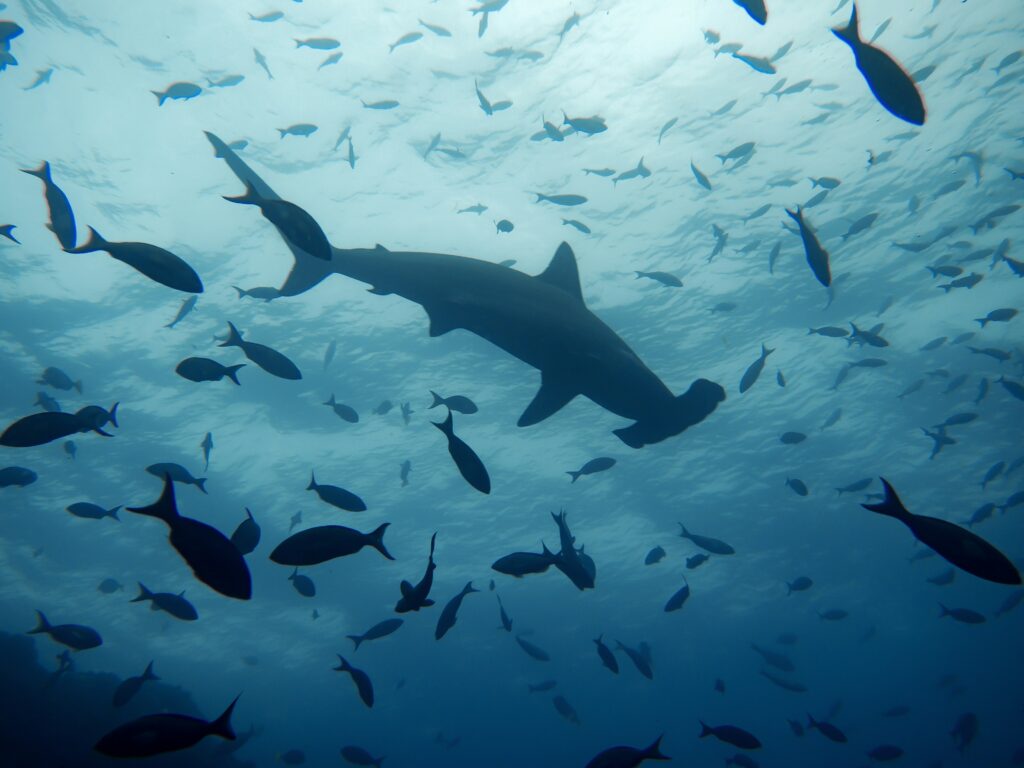
The ocean surrounding Floreana presents the single highest risk factor for visitors. Navigating open water and strong Pacific swells requires careful attention.
Inter-island boat crossings
Travelling to Floreana usually involves a two-hour journey aboard public speedboats (lanchas) from Santa Cruz. These fibreglass vessels travel over open ocean water where rough seas are common, particularly during the garúa season from June to December.
- Take motion sickness medication at least 45 minutes before embarking
- Sit toward the stern (rear) of the vessel where the motion is least intense
- Store electronic equipment inside waterproof dry bags to guard against heavy ocean spray
- Always wear the provided life jacket during the crossing and when transferring to small skiffs (pangas) for shore landings
Snorkelling hazards at Corona del Diablo and Punta Cormorant
Corona del Diablo (Devil’s Crown) is a submerged volcanic cone world-famous for marine life, but it features powerful, unpredictable tidal currents.
- Never snorkel at Corona del Diablo without an experienced naturalist guide and boat support nearby
- If caught in a rip current, stay calm, float to conserve energy, and signal your panga driver rather than swimming against the flow
- Wear a brightly coloured rash guard or flotation vest to ensure visibility in choppy water
- Perform the Galápagos shuffle—sliding your feet through the sand rather than stepping down—when entering shallow water at Punta Cormorant or La Lobería to avoid stepping on stingrays resting on the sea floor
The Ecuadorian Sierra.
Get lost in the hills
Environmental hazards / Sun exposure, water potability, and wildlife distance rules
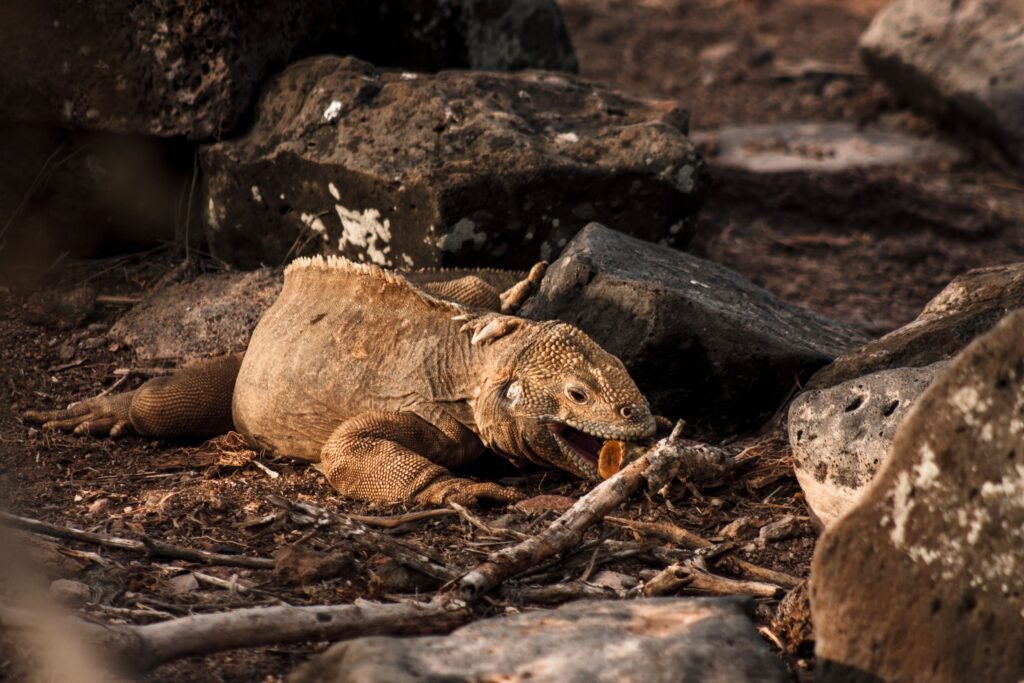
Floreana’s remote ecosystem requires respect for natural elements and local regulations.
Equatorial sun and heat exhaustion
Located near the equator, Floreana receives intense ultraviolet radiation year-round, even on overcast days. Dehydration and severe sunburn are among the most common reasons travellers require medical assistance in the Galápagos.
- Apply broad-spectrum, reef-safe sunscreen (SPF 50+) frequently throughout the day
- Wear a wide-brimmed hat, UV-blocking sunglasses, and lightweight long-sleeved clothing during coastal walks
- Carry a minimum of two litres of water per person on any excursion
Tap water safety
Tap water on Floreana is untreated and non-potable. Do not drink tap water, brush your teeth with it, or swallow water while showering. Use filtered or bottled water, which is available at local guesthouses and shops, or use a certified UV purifier or water filter bottle.
Strict wildlife regulations
Galápagos National Park rules strictly mandate maintaining a minimum distance of two metres (six feet) from all wild animals.
- Male sea lions during breeding season can be territorial and aggressive on beaches. Give them a wide berth, particularly near nurseries or crowded haul-outs
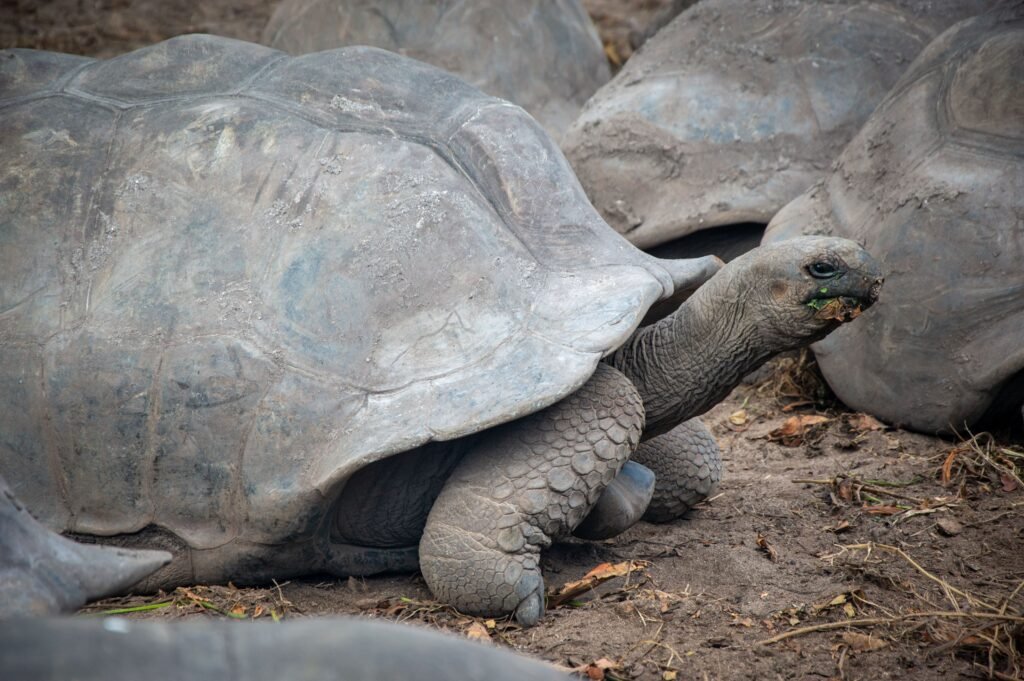
- Never touch, feed, or harass marine iguanas, giant tortoises, or seabirds
- Do not use flash photography or drones. Drones are strictly prohibited across the entire Galápagos National Park without specialised scientific permits
The Ecuadorian Amazon.
The most biodiverse place in the world
Health infrastructure, emergency evacuations, and insurance imperatives
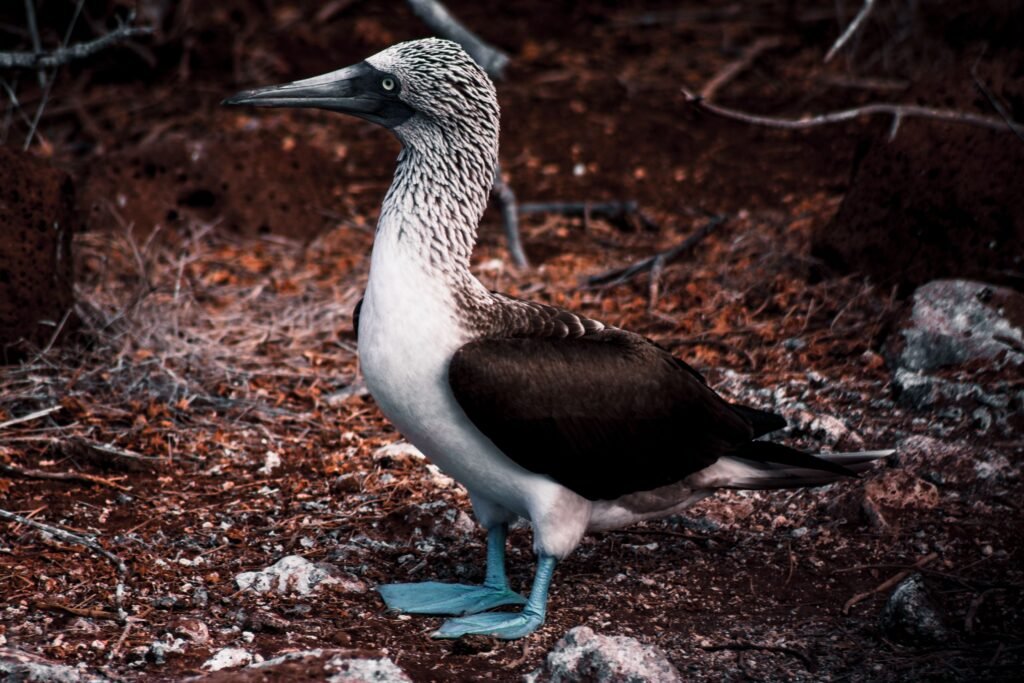
Understanding health logistics before arriving on Floreana is crucial. The island has no full hospital or complex surgical facilities.
Medical capabilities on island
Puerto Velasco Ibarra has a small public health centre (puesto de salud) staffed by a general practitioner and a community nurse. It is equipped for basic medical treatment, wound dressing, and initial stabilisation. However, there are no advanced imaging machines, operating rooms, or blood banks.
The nearest hyperbaric chamber for diving-related decompression sickness is located on Santa Cruz.
Comprehensive travel and evacuation insurance
Because emergency transport off Floreana requires coordinating speedboats, coast guard vessels, or specialised aircraft, costs can easily exceed tens of thousands of dollars. Travel insurance is mandatory to visit the Galápagos Islands.
- Verify that your travel insurance specifically covers emergency medical evacuation (medevac) from remote oceanic islands
- Ensure your policy includes coverage for adventure activities such as snorkelling, sea kayaking, and open-water swimming
- Pack a well-stocked personal medical kit containing prescription medications, seasickness tablets, rehydration salts, antiseptic wipes, and blister treatments, as pharmacy supplies on Floreana are extremely limited
Essential pre-departure safety checklist for Isla Floreana
Before boarding your ferry or boat charter to Floreana, run through this final safety check to ensure a smooth, worry-free visit:
- Physical Cash: Bring enough US dollars in small denominations ($5, $10, and $20 notes) to cover meals, tips, and incidentals, as card readers rarely work
- Medical Supplies: Bring all necessary prescription medications for your full stay plus three days of extra buffer stock
- Hydration Gear: Pack a durable, reusable water bottle and electrolyte tablets to counter equatorial heat loss
- Protective Footwear: Bring sturdy trail shoes for hiking over rough volcanic terrain and water shoes with thick soles for beach landings
- Waterproof Protection: Secure dry bags for electronics during boat transfers and ocean excursions
- Emergency Details: Keep a printed copy of your travel insurance emergency hotline, passport copy, and blood type recorded in your daypack
By preparing thoroughly and respecting the island’s unique natural environment, your visit to Isla Floreana will be a highlights-filled, safe adventure. Keep our safety checklist handy, travel responsibly, and enjoy the peace of one of the planet’s most fascinating island destinations.
The Ecuadorian Coast.
Where you’ll find the very best food
Essential preparation for your independent Floreana adventure
Read this far?
Isla Floreana remains one of the last true sanctuaries of the Galápagos, where wild coastline and history take precedence over modern tourist development. Securing a safe trip here does not require complex precautions, but rather a shift in mindset toward self-reliance, patience, and deep respect for the elements.
By taking basic measures—securing proper evacuation insurance, carrying sufficient physical currency, and respecting local park regulations—you clear the way for an unhurried, authentic experience. Whether you are wandering through the highlands of Asilo de la Paz or watching marine iguanas along Playa Negra, Floreana rewards travellers who arrive fully prepared.
Plan thoughtfully, pack light, and keep safety at the forefront of your logistical choices. The quiet beauty of the archipelago’s most tranquil inhabited island is best enjoyed with absolute peace of mind.
Affiliate Disclaimer: Some of the links on Wheely Tyred are affiliate links. If you click through and make a booking or purchase, we may earn a small commission at no extra cost to you. We only recommend gear, tours, stays, and services we genuinely use, trust, and stand behind — our editorial independence always comes first. These commissions help keep our independent cycling guides and travel stories free to read. You can also buy me a coffee here — thanks for supporting the ride!
Frequently asked questions about Isla Floreana travel safety
No, there are no cash machines on Isla Floreana. While a few small guesthouses nominally accept credit cards, satellite internet connections are frequently offline. You should bring enough physical US dollars in small bills ($5, $10, and $20 notes) to cover all accommodation, meals, guide fees, and incidentals.
The island has a small public health centre (puesto de salud) staffed by a general doctor and community nurse. It can handle basic first aid, wound care, and minor illness stabilisation. For serious injuries, surgical emergencies, or hyperbaric treatment, patients must be evacuated by boat or emergency vessel to Santa Cruz or San Cristóbal.
No, tap water on Isla Floreana is untreated and unsafe for drinking or brushing teeth. Always use filtered, boiled, or bottled water. Most guesthouses provide large jugs of purified water where you can refill your reusable water bottles.
The public speedboat (lancha) journey takes roughly two hours across open ocean. Swells can be rough, particularly during the garúa season from June to December. If you are prone to motion sickness, take medication at least 45 minutes before departure, sit near the stern of the boat, and keep sensitive electronics inside waterproof dry bags.
You can walk freely around the main village of Puerto Velasco Ibarra, Playa Negra, and the immediate coastline. However, visits to protected Galápagos National Park sites—including the highlands of Asilo de la Paz, Post Office Bay, and Corona del Diablo—require a certified naturalist guide.
National park rules mandate keeping a minimum distance of two metres (six feet) from all wildlife at all times. Give male sea lions plenty of space on landing beaches, as they can be territorial. Avoid blocking animal pathways, never feed or touch any creatures, and slide your feet through the sand when wading into shallow waters to avoid stepping on stingrays.
Ecuador.
Pure wonder on the equator.


