
Is Cuenca, Ecuador, safe in 2027? The complete travel safety guide
Comprehensive 2027 safety analysis, crime statistics, transport tips, and cycling advice for solo travellers, women, and expats in Cuenca, Ecuador
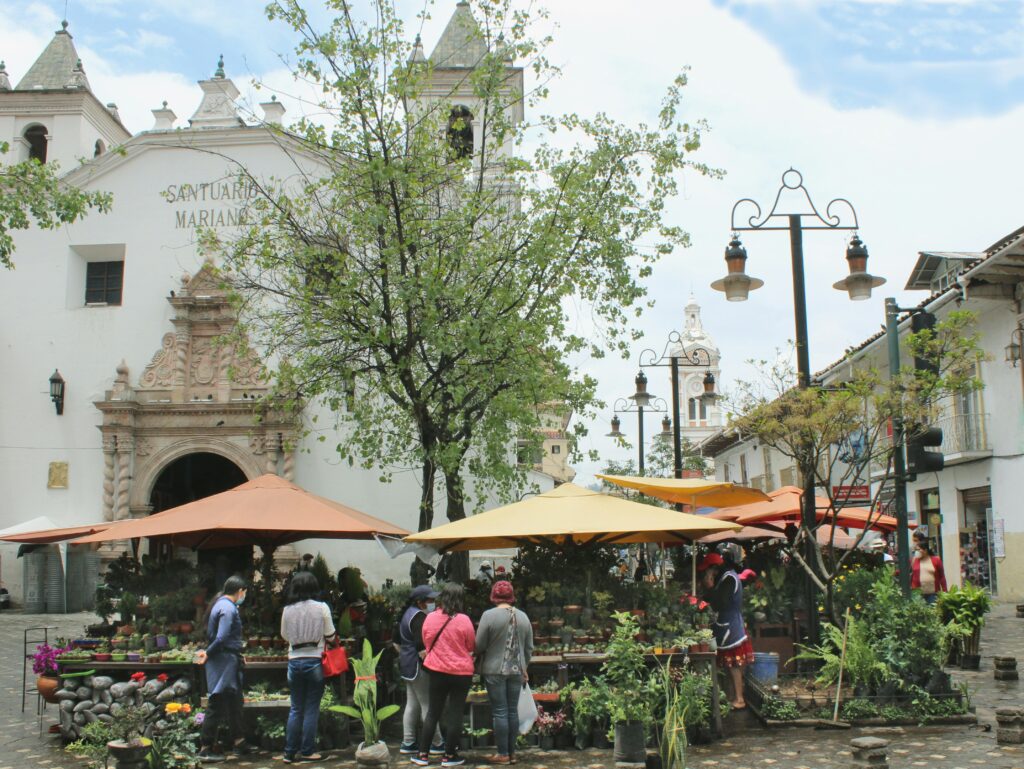
Understand the 2027 safety landscape in Cuenca

BEN FINCH
Nestled at 2,560 metres in the southern Andean highlands of Azuay province, Cuenca remains one of the most reassuring urban destinations in South America.
As we build upon the insights established in our 2026 safety guide for travellers, the fundamental character of Cuenca continues to stand in stark contrast to broader national trends across Ecuador. While media reports frequently highlight security challenges in coastal transit hubs, Cuenca operates under a distinctly calm, community-oriented rhythm.
Data from municipal health and security monitoring reveals that Azuay province maintains a homicide rate of approximately 1.4 per 100,000 residents, despite an increase in the number of murders in the city. This figure is significantly lower than the national average of the United States, which hovers around 6.4 per 100,000, and lower still than major North American and European urban centres.
For visitors arriving in 2027, Cuenca offers a peaceful atmosphere where historic cobblestone streets, colonial plazas, and scenic riverbanks can be enjoyed with normal, everyday mindfulness rather than heightened anxiety.
The enduring safety of Cuenca relies heavily on its unique geography and cultural infrastructure. Positioned roughly 400 kilometres south of Quito and high above the coastal plains, the city is geographically insulated from the transnational trade corridors that affect low-lying port regions.
Local authorities, backed by an active tourist police force and a vigilant community network, prioritise public order across the UNESCO World Heritage historical centre. Whether you are walking along the banks of the Río Tomebamba or setting up a temporary base as a digital nomad, Cuenca consistently delivers an environment where travellers can focus on discovery.
High-altitude security / Essential takeaways for Cuenca

Navigating Cuenca in 2027 requires balancing regional headline awareness with high-altitude reality. Here is a quick breakdown of key safety dynamics across Azuay province.
- Low Violent Crime Rates: Azuay province maintains a homicide rate of approximately 1.4 per 100,000 residents, keeping Cuenca vastly safer than coastal transit regions and most major urban centres across North America
- Geography as Protection: Positioned at 2,560 metres in the southern Andes, Cuenca is physically insulated from low-lying coastal transport corridors and border-zone security issues
- Awareness in Crowds: Non-violent opportunistic theft is the primary tourist risk, particularly in crowded markets such as Feria Libre or busy outdoor cafés along Calle Larga
- Verified Transportation: Use bright yellow taxis with active meters (taxímetros) or rideshare apps like Uber and Cabify rather than unmetered street hails late at night
- High-Altitude Preparation: Acclimate for two to three days in the historic centre before undertaking strenuous cycling routes or hikes in Parque Nacional Cajas above 4,000 metres
- Inclusive Community: Solo travellers, women, and minority visitors encounter a welcoming, university-driven cultural hub with high levels of public security
Cuenca.
The Athens of Ecuador
Distinguishing national headlines from high-altitude reality

One of the most persistent hurdles for travellers planning a journey to Ecuador in 2027 is untangling national news headlines from local on-the-ground reality.
Periodically, the central government in Quito may renew localised states of emergency or security declarations to manage security operations in distant coastal provinces such as Guayas, Esmeraldas, or Los Ríos. It is crucial for visitors to recognise that these measures are heavily concentrated in specific coastal transit corridors and border regions.
In Cuenca and the surrounding Azuay highlands, daily life proceeds without disruption. While travellers may occasionally observe military or police checkpoints along interprovincial highways, these presence-building exercises are designed to maintain regional stability and ensure safe transit for commerce and tourism.
Standard security protocols in Cuenca do not restrict daytime exploration, cultural activities, or outdoor excursions.
When planning your itinerary, the distinction between coastal ports and mountain enclaves should dictate your movement. Transiting through coastal airports, such as Guayaquil, requires structured logistics, such as using pre-booked airport transfers or staying within airport hotels.
Once you arrive in the Andean highlands, however, the security profile relaxes dramatically. For an in-depth look at how this spatial dynamic developed over recent seasons, our previous 2026 safety guide provides valuable historical context on regional security management.
Practical breakdown of crime and common risks
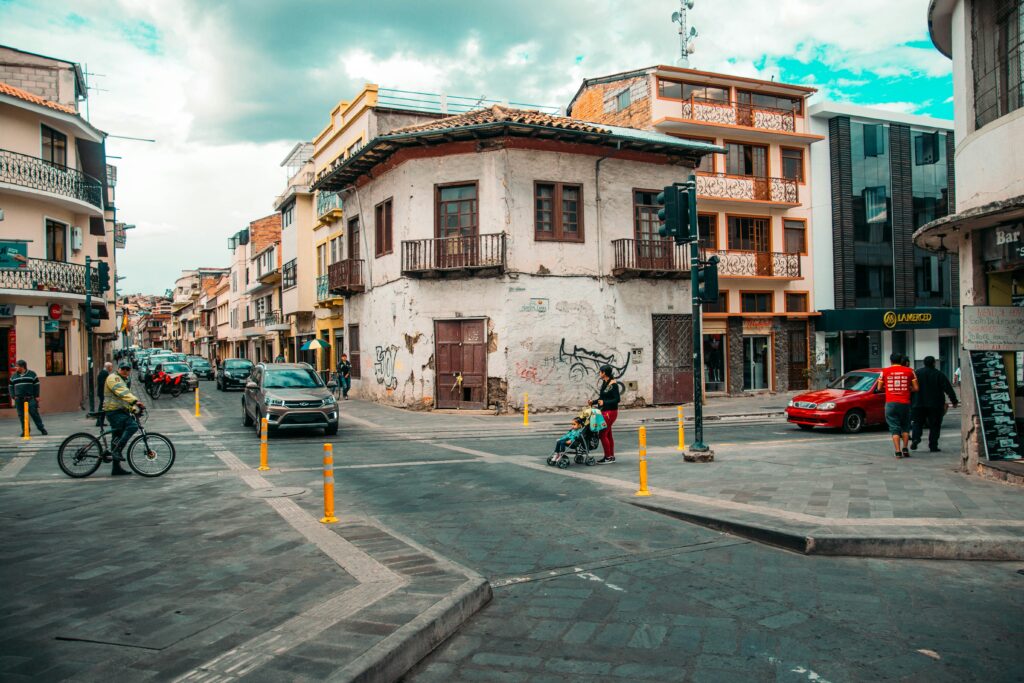
While violent crime targeting foreign visitors in Cuenca is exceptionally rare, opportunistic petty theft remains the primary concern for independent travellers. Understanding where and how these minor infractions occur is the most effective way to guarantee an incident-free trip.
Opportunistic theft and distraction scams
Petty theft in Cuenca is almost exclusively non-violent and relies on brief moments of dropped awareness. The most frequent scenarios include:
- Mobile phone snatching from open hands or outer pockets, particularly while sitting at outdoor street cafés along Calle Larga or Parque Calderón
- Bag slipping in crowded open-air markets, such as the bustling Feria Libre or the artisanal stalls at Plaza de San Francisco
- Unattended luggage movement at busy transport nodes, including the central bus terminal, Terminal Terrestre
Thieves occasionally operate in pairs using subtle distraction techniques. One individual may accidentally spill a liquid or drop items near you, while an accomplice quietly moves your bag or secures your phone.
If anyone unexpectedly bumps into you or creates a sudden commotion, your immediate instinct should be to secure your personal belongings and step away.
ATM and cash security
Ecuador uses the United States dollar as its official currency. Because cash transactions remain standard across local markets and small eateries, carrying small denominations is necessary. To avoid card skimming or unwanted attention:
- Use ATMs located inside physical bank branches during daylight operating hours rather than standalone street machines
- Store primary credit cards, original passports, and bulk currency inside your hotel safe
- Carry only a photocopy of your identification and sufficient cash for daily expenses in a secure, front-facing pocket or cross-body bag
The Ecuadorian Sierra.
Get lost in the hills
Inclusivity, in-depth / Solo travellers, women, and minorities

Cuenca has long cultivated an open, inclusive atmosphere, supported by a sizeable population of international residents, language students, and remote workers. This welcoming environment makes the city an ideal entry point for individuals navigating South America independently.
Solo travellers
Exploring Cuenca as a solo traveller is remarkably straightforward. The compact layout of the Centro Histórico allows for safe navigation on foot, and the abundance of local coffee shops, public libraries, and community cultural centres provides ample opportunity to connect with fellow visitors.
Solo explorers should observe basic street smarts: avoid unlit alleys late at night and inform your accommodation host when setting off on solitary day hikes into the surrounding mountains.
Female travellers
Women travelling independently in Cuenca generally report feeling very secure, with low levels of street harassment compared to many other regional hubs. Local culture is respectful, and catcalling is uncommon in daytime tourist areas.
For evening outings along popular corridors, such as Calle Larga or Avenida 12 de Abril along the Río Tomebamba, sticking to well-lit areas with active foot traffic is recommended. Returning to your lodging late at night is best done via official app-based transportation rather than walking alone through quiet residential neighbourhoods.
Minority and LGBTQ+ travellers
Minority travellers and members of the LGBTQ+ community will find Cuenca to be a tolerant and accommodating city. As a major cultural and university centre, Cuenca values civil discourse and hospitality.
While overt public displays of affection may draw curious looks in more traditional rural villages outside the city, urban residents are consistently polite and welcoming to international guests of all backgrounds.
The Galápagos.
Ecuador’s Enchanted Isles
Logistical security / Navigate streets, taxis, and transport
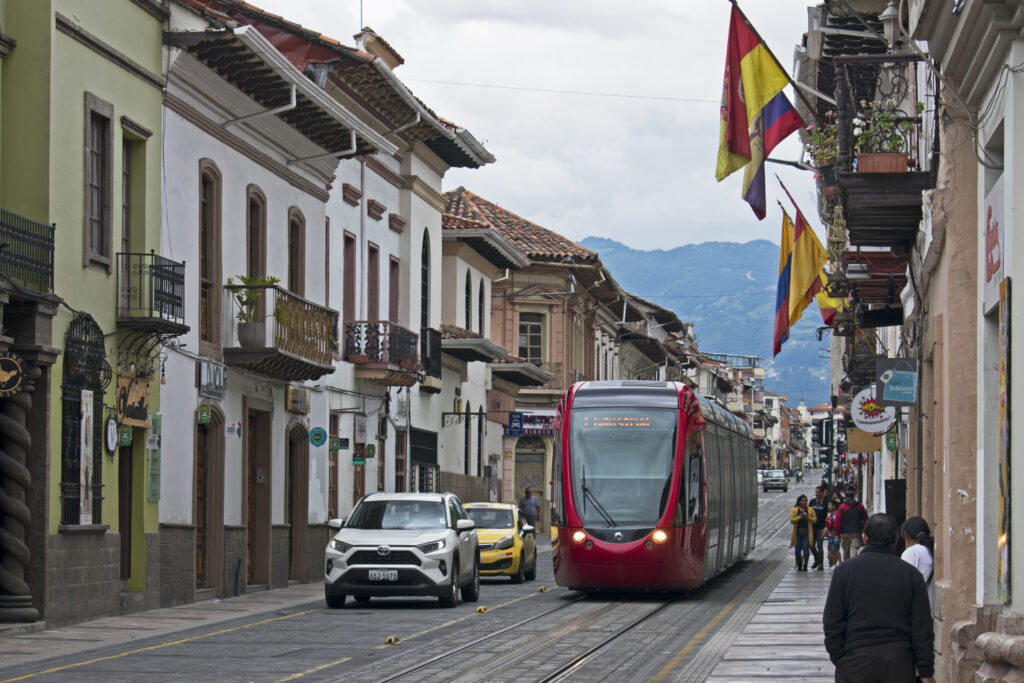
Moving around Cuenca efficiently and securely requires minimal preparation. The city features modern infrastructure, including the Tranvía light rail system, well-maintained yellow taxis, and active rideshare platforms.
Official yellow taxis versus street hails
Never hail an unverified, unmarked private vehicle off the street. Official taxis in Cuenca are painted bright yellow, display official registration numbers on their doors and windshields, and are equipped with taximeters.
- Always request that the driver activate the meter, locally known as the taxímetro, upon entering the vehicle
- During late-night hours or when departing locations outside the city centre, use verified smartphone applications such as Uber, Cabify, or inDrive. These platforms log your route digitally and ensure driver accountability
Public transit and intercity travel
The Tranvía is a clean, reliable, and highly secure light rail option connecting key city sectors, including the historic core and the airport. When riding the Tranvía or city buses during peak hours, keep your backpack worn on your front and store wallets in internal zipped pockets to deter pickpockets.
When travelling intercity by bus from Terminal Terrestre to destinations such as Baños, Quito, or Guayaquil, keep your small carry-on bag on your lap or between your feet. Avoid placing small backpacks in overhead luggage racks where they are out of your direct line of sight.
The Ecuadorian Amazon.
The most biodiverse place in the world
Pedals and páramo / Outdoor, altitude, and cycling safety
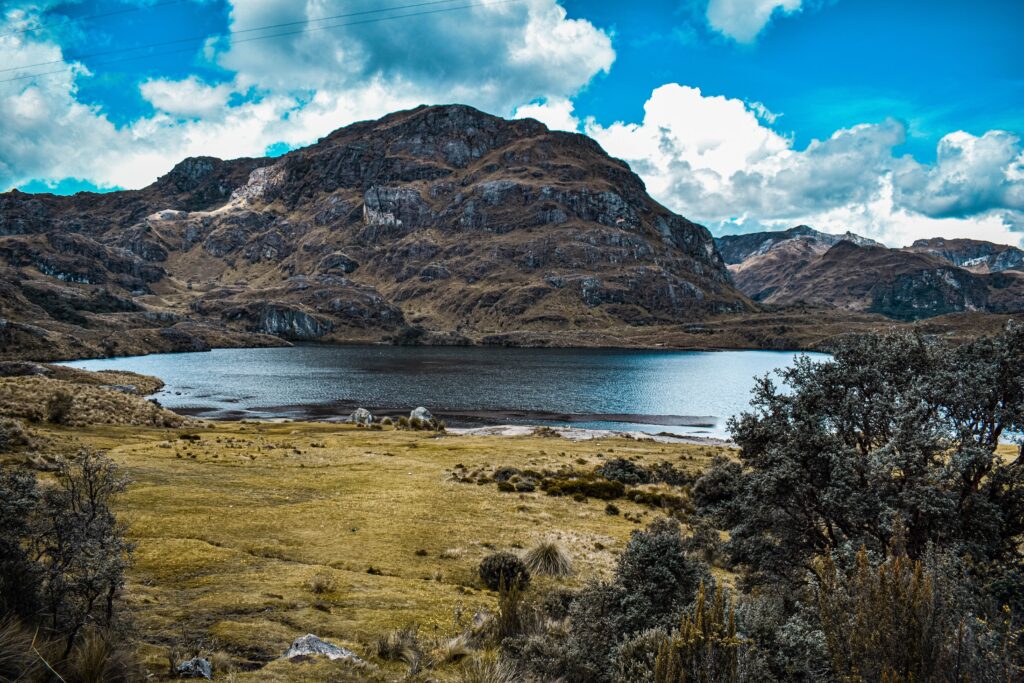
For cycling enthusiasts and outdoor adventurers, Cuenca serves as a premier launching point for high-altitude road riding and gravel exploration. The surrounding Azuay landscape offers dramatic mountain passes, lush river valleys, and pristine ecosystems.
However, operating in high-altitude environments introduces physical and environmental considerations that demand careful preparation.
High-altitude physical security
Cuenca sits at an elevation of 2,560 metres above sea level, with nearby routes rising rapidly into the high-altitude páramo ecosystems of Parque Nacional Cajas, which exceed 4,000 metres. Altitude sickness, or soroche, can affect even experienced athletes.
- Allow two to three days of light activity in the city to acclimate before undertaking strenuous mountain rides or multi-day treks
- Hydrate frequently and maintain adequate calorie intake, as high altitude accelerates metabolic fatigue
- Solar radiation is exceptionally strong near the equator at high elevations. Apply high-factor sun protection, wear UV-blocking eyewear, and use protective cycling apparel even on overcast days
Safe cycling practices
Riding rural roads surrounding Cuenca during daylight hours is largely safe and highly enjoyable. The local driving culture is generally accustomed to cyclists, though road shoulders can be narrow on mountain climbs.
- Equip your bicycle with bright front and rear daytime running lights to maximise visibility around sharp mountain curves
- Keep mobile phones and navigation devices secured in zipped pockets rather than mounted loosely on handlebars in dense city traffic
- Avoid riding after dusk on unlit rural mountain roads. Decreased visibility, sudden temperature drops, and loose gravel pose significant safety risks after dark
- Always pack emergency rain gear and thermal layers, as weather conditions in the high Andes can shift from warm sunshine to freezing rain within minutes
Essential travel precautions for 2027
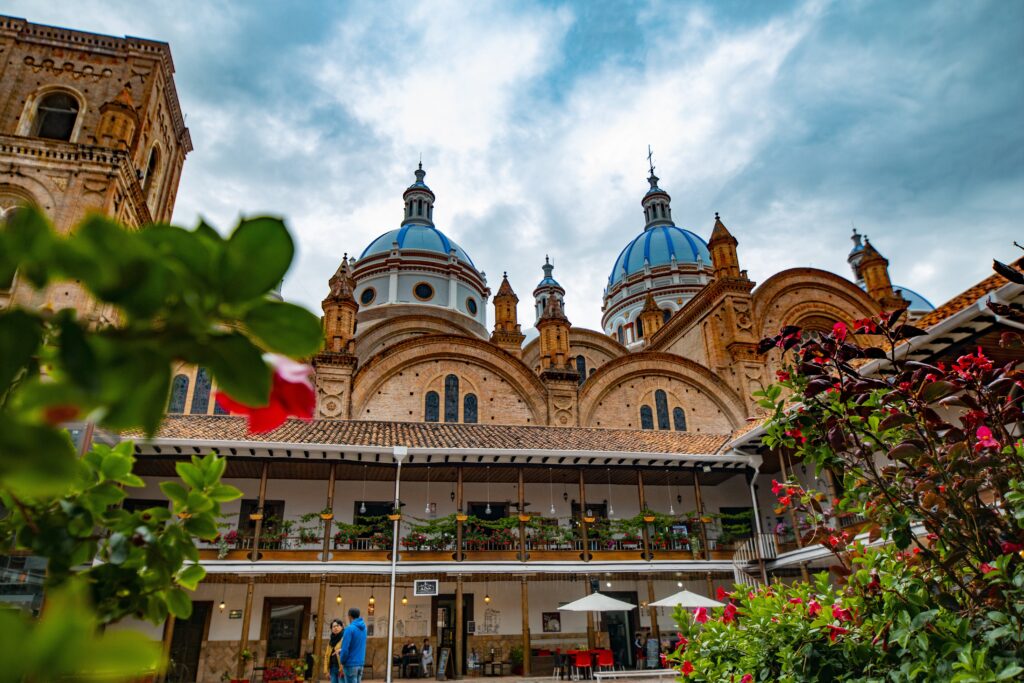
To summarise your safety strategy for visiting Cuenca in 2027, integrating these simple daily habits will ensure your trip remains focused on inspiring landscapes and rich cultural heritage:
- Keep Physical Copies of ID: Carry a clear paper photocopy of your passport entry stamp and photo page while leaving the original document locked in your hotel safe
- Practice Smart Device Habits: Refrain from walking with your mobile phone held out loosely in crowded markets or busy transit hubs. Step inside a shop or café to check maps or message contacts
- Select Secure Accommodations: Choose lodgings with 24-hour reception, keycard security, or controlled access, particularly if you are carrying expensive photography equipment or cycling gear
- Use Bank Branch ATMs: Withdraw cash exclusively inside bank lobbies during business hours to prevent card cloning and secure your funds privately
- Monitor Weather and Route Conditions: Check local park updates and weather forecasts before setting off into Parque Nacional Cajas or undertaking remote cycling routes across Cañar or Azuay provinces
By approaching your journey with basic urban awareness and respecting the mountain environment, Cuenca stands ready to deliver one of the most rewarding and safe travel experiences in Latin America for 2027.
The Ecuadorian Coast.
Where you’ll find the very best food
Embrace the calm rhythm of Azuay
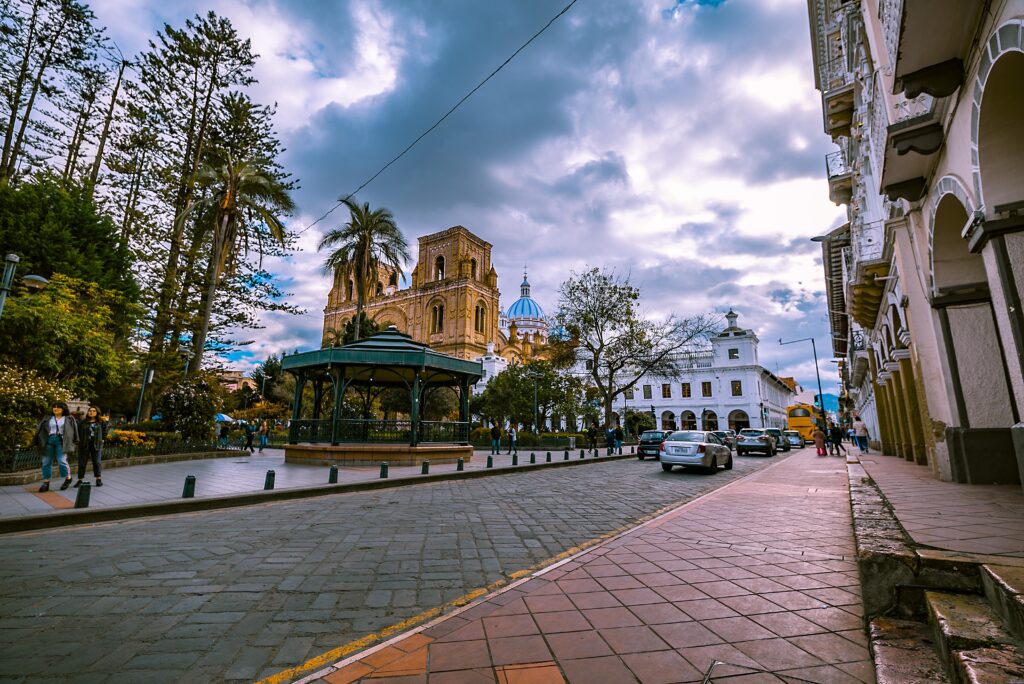
Read this far?
Cuenca remains a rare sanctuary for independent travellers navigating South America. While media coverage often paints Ecuador with a single broad brush during periods of national security declarations, stepping into the cobblestone streets of the Centro Histórico reveals a remarkably peaceful reality.
By applying standard urban mindfulness — keeping personal belongings secure in crowded spaces and using verified transport — visitors can experience the rich cultural tapestry of Azuay province without unnecessary anxiety.
For outdoor enthusiasts and cyclists, the city provides an unmatched gateway to high-altitude exploration. From rolling road ascents out of the valley to gravel adventures skirting high páramo lakes, the region rewards thoughtful preparation.
Respecting the physical demands of elevation, carrying proper thermal gear, and planning mountain routes well before sunset ensures that your rides remain both thrilling and secure.
As travel dynamics evolve across the region, Wheely Tyred continues to monitor local safety profiles, road conditions, and community feedback. Cuenca is not merely a safe stopover; it is a vibrant mountain home for curious minds, slow travellers, and dedicated riders. Pack your bike, bring your walking shoes, and step into the high Andes with confidence.
Affiliate Disclaimer: Some of the links on Wheely Tyred are affiliate links. If you click through and make a booking or purchase, we may earn a small commission at no extra cost to you. We only recommend gear, tours, stays, and services we genuinely use, trust, and stand behind — our editorial independence always comes first. These commissions help keep our independent cycling guides and travel stories free to read. You can also buy me a coffee here — thanks for supporting the ride!
Frequently asked questions about staying safe in Cuenca
Yes, Cuenca is significantly safer. Located high in the southern Andean highlands of Azuay province, Cuenca is geographically removed from coastal transit routes. Its homicide rate hovers around 1.4 per 100,000 residents, making violent crime exceptionally rare compared to larger transport hubs such as Guayaquil or northern entry points like Quito.
The Tranvía light rail system is clean, modern, and well-monitored, connecting the airport directly to the historic centre. When carrying luggage or riding local city buses during peak commuting hours, wear small backpacks on your front and keep zipped pockets secured to guard against opportunistic pickpocketing.
Altitude and rapid weather shifts are the main considerations. Parque Nacional Cajas rises above 4,000 metres, where temperatures drop quickly, and freezing rain can strike without warning. Cyclists should carry high-visibility daytime running lights, full windproof and waterproof apparel, plenty of hydration, and acclimate in Cuenca for two to three days prior to heavy exertion.
Always use official bright yellow taxis with registered municipal numbers displayed on the doors and windshield. Confirm that the driver activates the taxímetro upon entering. For early morning airport transfers or late-night returns along Calle Larga, booking via app platforms such as Uber or Cabify provides added route tracking and accountability.
Cuenca operates one of the most advanced water treatment systems in Ecuador, and tap water within the urban core is generally considered safe to drink. However, travellers with sensitive digestive systems or those venturing into smaller rural villages nearby may still prefer using a UV filter bottle or boiled water during their stay.
Ecuador uses the United States dollar as its official currency. While hotels, upscale restaurants, and supermarkets in the Centro Histórico accept credit cards, local artisan markets such as Plaza de San Francisco and small eateries rely on cash. Carry small denominations, such as $1, $5, and $10 notes, and withdraw funds exclusively from ATMs inside bank branch lobbies.
Ecuador.
Pure wonder on the equator.