
Is Ecuador safe to visit in 2027? A comprehensive travel safety breakdown
Updated 2027 Ecuador travel safety advice covering crime rates, safe regions, solo travel safety, and cycling guidance
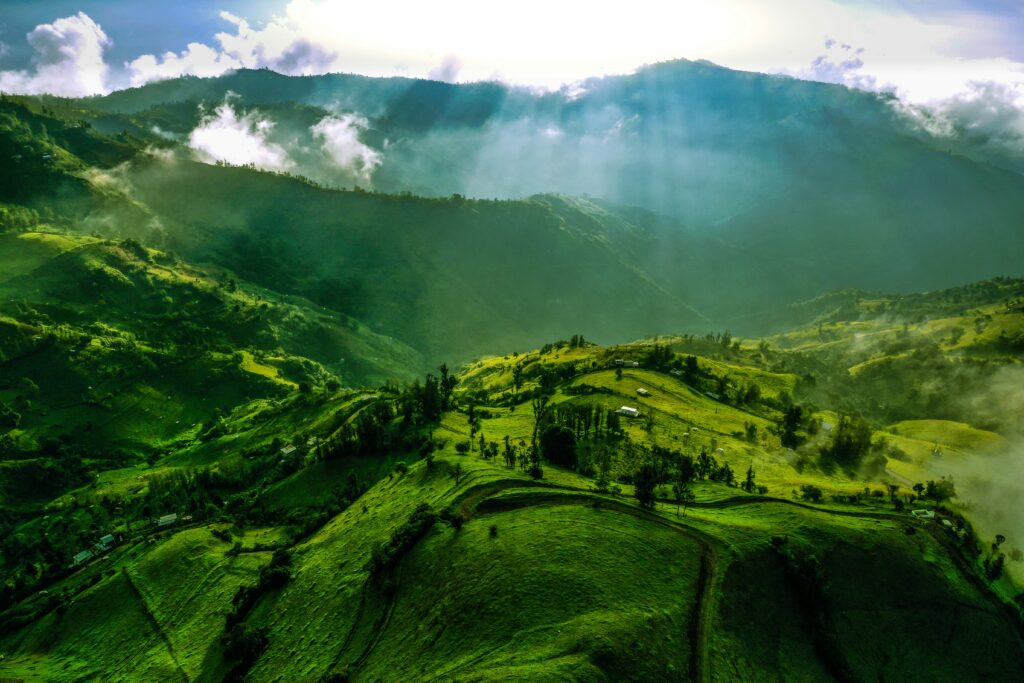
Navigate high-altitude trails, colonial towns, and changing security realities

BEN FINCH
Ecuador remains one of the most geographically diverse and rewarding destinations in South America. From the soaring volcanic peaks of the Sierra and the ancient cobbled avenues of Cuenca to the biological sanctuaries of the Galápagos Islands, the nation presents extraordinary terrain for explorers.
Following up on our 2026 security assessment, this full 2027 travel safety update provides the precise regional knowledge, tactical advice, and route intelligence required to journey through the country with absolute peace of mind.
Over recent years, shifting transnational trade routes and security measures have created a stark divide in Ecuador’s security profile. While specific coastal shipping hubs and border corridors experience ongoing security operations, vast stretches of the Andean highlands, Amazonian gateways, and island territories operate with calm stability.
A single national headline rarely captures the real conditions on the ground. Millions of international visitors continue to travel across Ecuador safely by sticking to well-defined regional boundaries and observing sensible personal security routines.
At Wheely Tyred, the core mission is clear: travel safe. Whether planning a multi-week gravel bikepacking expedition across high-elevation páramo trails or navigating historic urban centres on foot, this guide delivers objective security intelligence, detailed regional breakdowns, and practical precautions for a seamless journey.
Essential takeaways for exploring Ecuador in 2027
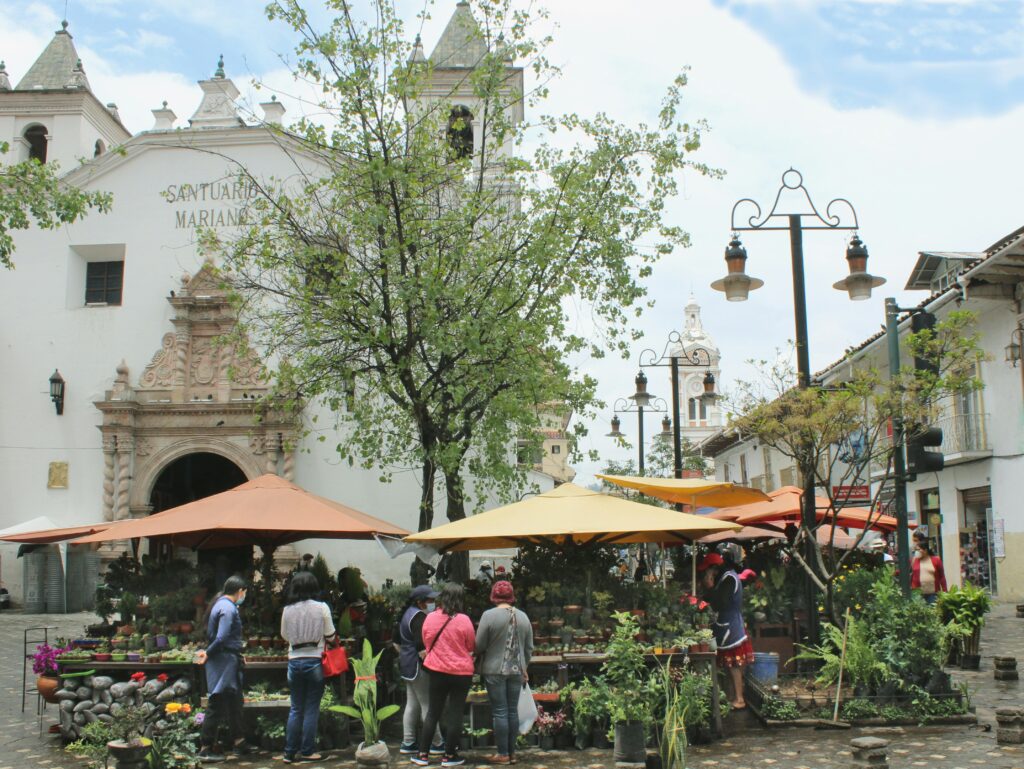
Navigating Ecuador safely comes down to regional awareness, thorough preparation, and knowing where to focus your journey. Here is a quick breakdown of the core safety essentials from our 2027 guide.
- The Sierra sanctuary: Focus your itinerary on highland destinations like Cuenca, Cotopaxi, Baños, and Otavalo, where community security networks are strong, and tourism infrastructure thrives
- Coastal caution: Avoid high-risk coastal corridors—including Guayaquil, Esmeraldas, and rural coastal Manabí—or keep strictly to airport transit when connecting to flights
- Transit tactics: Keep small daypacks containing passports and electronics on your lap with straps wrapped around your arm during intercity bus rides; never store valuables in overhead racks
- High-altitude riding: Acclimatise for two to three days in Quito or Cuenca before tackling mountain passes above 3,000 metres in the páramo, and always carry full waterproof layers
- App-based transport: Use verified ride-hailing services like Uber or Cabify at night rather than hailing unflagged street taxis in major cities
- Pacific sanctuary: The Galápagos Islands remain completely insulated from mainland security issues, offering world-class safety and peace of mind for independent travellers
- Checkpoint readiness: Carry your physical passport, printed flight itineraries, and an apostilled background check (if crossing via land borders) for routine military and police road checks
The Galápagos.
Ecuador’s Enchanted Isles
Security landscape across regional lines in 2027
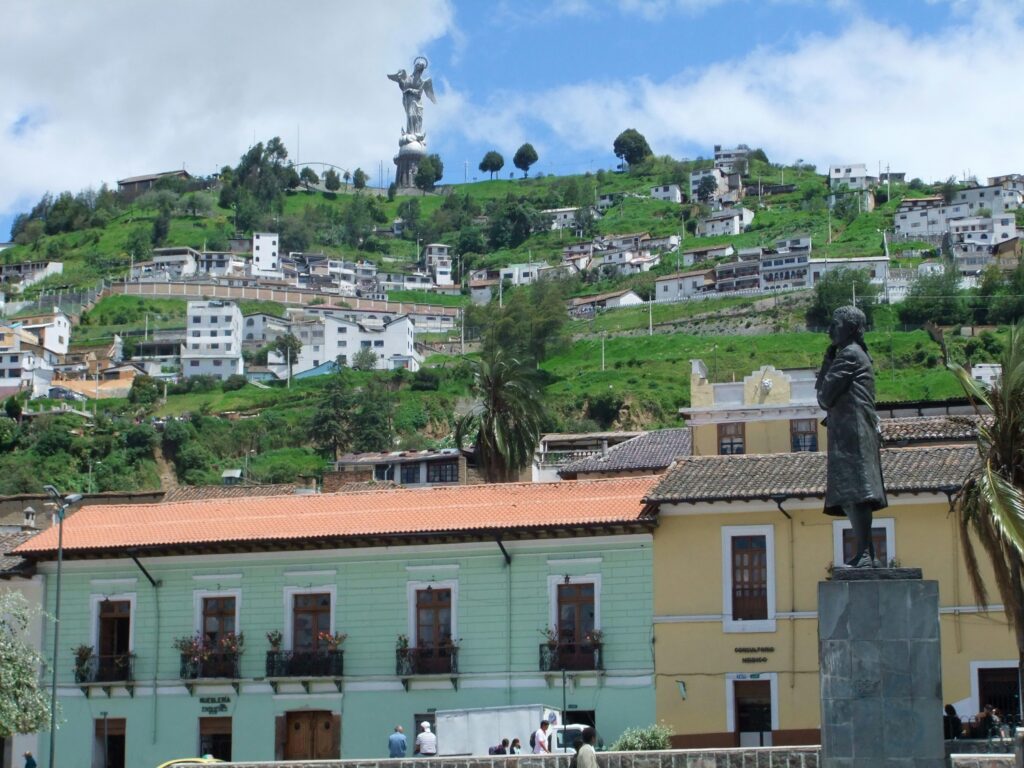
Evaluating safety in Ecuador requires setting aside broad national generalisations. Security conditions across the country vary significantly based on province, municipality, and neighbourhood.
Major international travel advisories maintain detailed regional ratings that reflect this geographic reality, distinguishing high-risk coastal transit corridors from stable highland districts.
The primary security focus in Ecuador remains concentrated along specific Pacific maritime export hubs and isolated northern border routes. In these areas, targeted security enforcement and periodic regional decrees are utilised by state authorities to maintain order.
For travellers, these measures manifest chiefly as routine police checkpoints, military visibility along major interprovincial highways, and heightened security protocols at transport hubs.
Inland, the situation is markedly different. The central Andean corridor—home to the majority of cultural landmarks, trekking routes, and cycling itineraries—maintains a consistent tourism infrastructure and low levels of violent crime targeting foreign visitors. Understanding this geographic distinction is the most important step in planning a secure trip.
Safe havens and zones requiring heightened caution
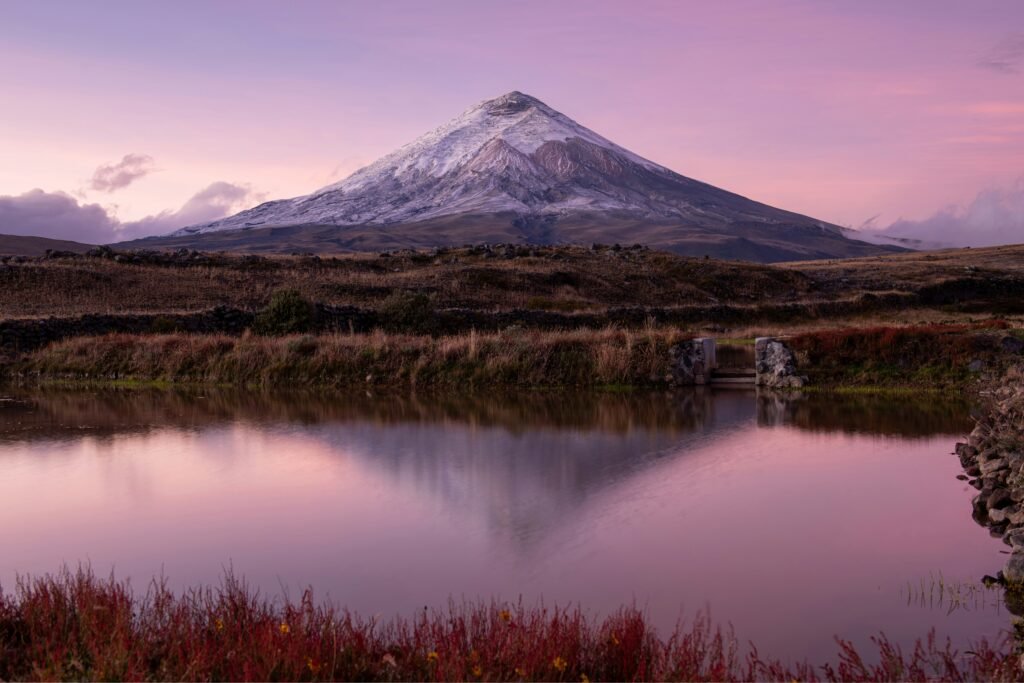
Choosing where to travel and identifying areas to bypass forms the foundation of safe travel in Ecuador.
| Regional Zone | Destinations Include | Security Status | Primary Safety Recommendation |
| Safe Havens | Galápagos Islands, Cuenca, Azuay, Cotopaxi, Baños, Otavalo, Cajas | Stable / High Security | Normal travel precautions; safe for independent exploration |
| Heightened Vigilance | Quito (Historic Centre / Transit Hubs), Mindo, Tena, Misahuallí | Moderate Risk | Stay alert in crowded areas; use app-based transport after dark |
| Avoid Unnecessary Travel | Guayaquil Coastal Hubs, Esmeraldas, Manabí, Northern Border Zone | Elevated Risk | Bypass completely or keep strictly to airport transit |
High-safety destinations for travellers
- The Galápagos Islands: Located 1,000 kilometres off the mainland coast, the archipelago remains completely separate from mainland security issues. It is one of the safest destinations in the world, with virtually no violent crime and exceptionally strong local protection
- Cuenca and Azuay Province: Cuenca maintains its reputation as Ecuador’s safest major city. Its colonial centre, riverside walkways, and nearby Cajas National Park provide a tranquil environment ideal for walking and cycling
- The Central and Northern Sierra: The famous Avenue of the Volcanoes—including Cotopaxi National Park, Baños de Agua Santa, Quilotoa, and Otavalo—continues to welcome visitors with established tourist services, community oversight, and active tourist police patrols
Areas requiring heightened vigilance
- Quito: The capital city is fully active and open to travellers, but requires sharp situational awareness. The UNESCO-listed historic centre, La Floresta, and González Suárez are pleasant during daylight hours. However, opportunistic theft, pickpocketing, and bag-snatching occur frequently near busy bus terminals, crowded plazas, and viewpoints like Panecillo. Avoid walking unescorted through the historic centre or La Mariscal after dark
- Amazonian Gateway Towns: Destinations such as Tena, Misahuallí, and Puyo are generally welcoming, but travellers should book river excursions and jungle treks through certified local operators rather than independent outfitters
Regions to avoid
- Guayaquil and Coastal Lowlands: Guayaquil functions as a primary commercial port, making it a focal point for security operations and elevated crime rates. Districts including Nueva Prosperina, Pascuales, and southern industrial corridors should be avoided entirely. Travellers transiting through José Joaquín de Olmedo International Airport to reach the Galápagos should remain inside the terminal or use pre-arranged, secure hotel shuttles
- Northern Coastal Strip: Non-essential travel to Esmeraldas and rural coastal sections of Manabí province should be avoided due to ongoing security operations and elevated crime statistics
- Northern Border Zone: Avoid all travel within 20 kilometres of the Colombian border across the provinces of Sucumbíos and Esmeraldas, excluding the official international border crossing point at Rumichaca near Tulcán
The Ecuadorian Sierra.
Get lost in the hills
Safety considerations for solo, female, and minority travellers
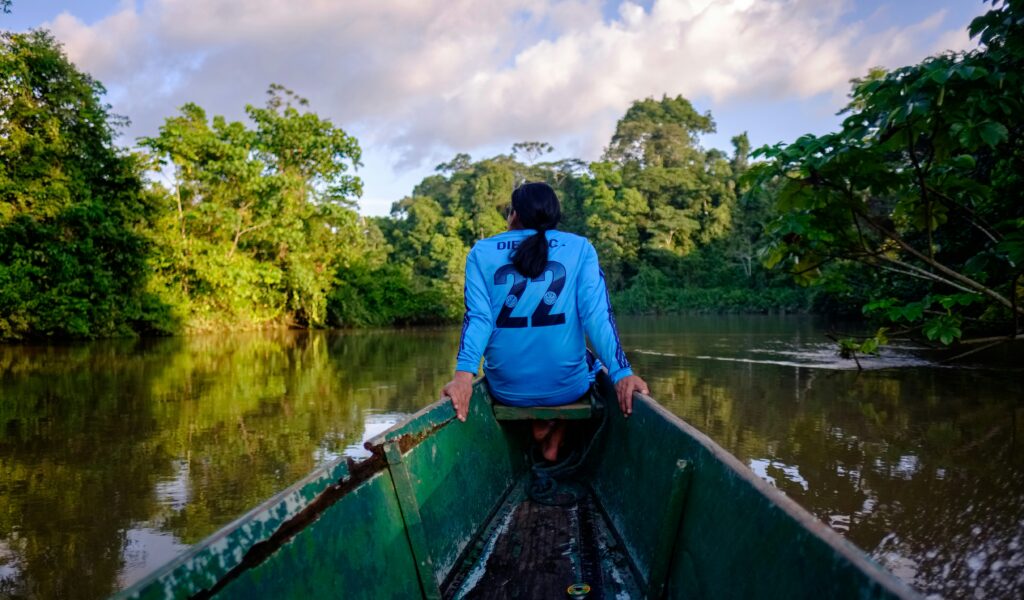
Ecuador offers memorable experiences for all types of travellers, but personal safety strategies should be tailored to your travel style and demographic context.
Solo travellers
Independence demands consistent routines. The most frequent inconvenience faced by solo visitors is petty theft during intercity transit or at crowded bus terminals.
- Never store small daypacks containing valuables in overhead luggage racks on long-distance buses; hold your pack on your lap with straps secured around your arm
- When arriving at a new bus terminal late at night, secure a registered taxi or rideshare from inside the terminal station rather than stepping out onto the street to find transport
- Keep digital backups of your identification, insurance details, and primary contacts stored securely online
Solo female travellers
Solo female travellers regularly report positive experiences, particularly throughout highland destinations like Cuenca, Baños, and Otavalo. However, unwanted verbal comments or persistent attention can occur in dense urban settings.
- Use established ride-hailing applications like Uber or Cabify instead of hailing unverified street taxis, particularly during nighttime hours
- Exercise caution in nightlife districts; keep drink consumption moderate and never leave beverages unattended to guard against chemical contamination
- Join small group excursions or hire certified local guides when trekking isolated high-altitude trails such as the Rucu Pichincha climb or remote sections of the Quilotoa Loop
LGBTQ+ travellers
Ecuador’s constitution protects individuals against discrimination based on sexual orientation. Larger metropolitan areas like Quito and Cuenca feature inclusive spaces, diverse cafes, and active social venues. In smaller rural towns and traditional highland communities, social attitudes remain conservative, and public displays of affection are generally uncommon across all demographics.
Coastal dynamics, Puerto López, and precautions for North American Travellers
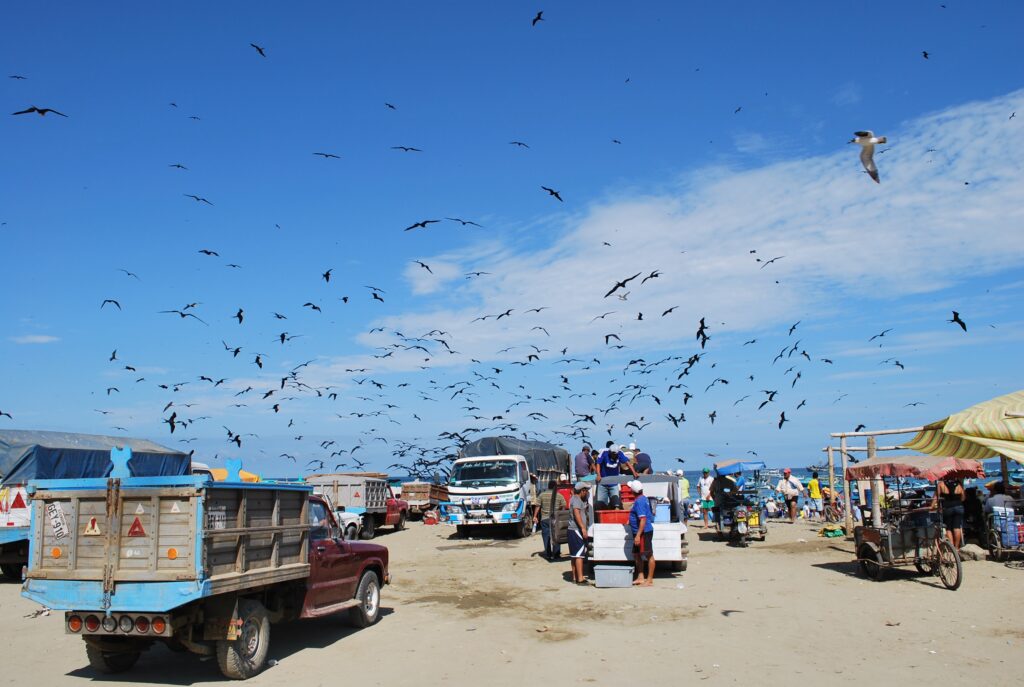
While much of the Pacific coast requires careful navigation, smaller eco-tourism hubs like Puerto López remain open to visitors interested in whale watching, diving, and exploring Machalilla National Park. However, travellers must understand recent developments affecting local sentiment along the Manabí coastline.
Impact of joint maritime operations on local sentiment
A central concern for many North American visitors stems from reported security operations off the Manabí coast. Investigations by international rights organisations, including Human Rights Watch, have highlighted controversial joint counternarcotics operations and interdictions in the Eastern Pacific targeting suspected illicit sea traffic.
These operations have directly affected coastal fishing communities in Manabí, where several small-scale fishing vessels and crew members from nearby ports were intercepted or reported missing during maritime actions.
These incidents have created deep anxiety and frustration within traditional fishing communities along the Manabí coast. Fishing is not merely an industry here; it is the economic and social foundation of towns like Puerto López, Jaramijó, and San Mateo. When local fishermen face loss of life, destroyed vessels, or detention, community grief often translates into mistrust toward foreign military involvement.
For North American travellers—specifically citizens of the United States and Canada (who we know are not involved, but people frequently confuse Canadians with those from south of the border)—it is essential to understand how this dynamic influences local perceptions:
- Distinction between governments and tourists: Local residents generally draw a clear line between foreign military policies and individual international travellers. North Americans are not targeted simply because of their nationality when visiting Puerto López
- Sensitivity in working fishing areas: Tensions exist primarily within working port zones and maritime sector discussions rather than tourist venues. Displaying military-style clothing, discussing international political affairs, or photographing working fishing boats without explicit permission can cause unnecessary friction, especially if using drones
- Low-profile travel is essential: Maintaining a modest, respectful presence and focusing on local interactions ensures that your identity remains that of an appreciative visitor rather than a representative of foreign policy
Essential daily protocols for North American travellers in 2027
To ensure a safe and rewarding visit to Puerto López and surrounding coastal areas, North American travellers should incorporate these practical daily protocols into their itinerary:
- Adopt a low-profile presence: Avoid wearing clothing with prominent national flags, military emblems, or high-conspicuous branding. Keep high-value electronics, expensive cameras, and jewellery secured when walking through local markets or fishing ports
- Respect working fishing zones: The beach in Puerto López is shared between tourist establishments and working fishermen hauling in their daily catch. Observe fishing operations from a respectful distance, refrain from intrusive photography, and maintain a polite, neutral demeanour
- Support local businesses directly: Engage with community-run whale watching tour companies, local eco-lodges, and family-owned seafood restaurants. Showing genuine respect for local livelihoods builds immediate mutual trust
Common scams, street crime, and prevention strategies

Recognising common criminal methods enables you to identify warning signs early and take preventive action. Most incidents involving visitors involve non-violent distraction tactics.
Distraction techniques
Opportunistic thieves often operate in small groups around transport hubs, busy markets like Mercado Central in Quito, or crowded city plazas.
- The Liquid Distraction: A passerby intentionally spills mustard, water, or foam onto your clothes or jacket. Immediately, a secondary individual steps in, offering to help wipe away the stain while attempting to lift your daypack or phone. If liquid lands on you, keep moving, hold your bags firmly against your body, and clean off in a secure indoor environment
- Unauthorised Station Handlers: Unofficial handlers at bus bays may claim to be station personnel and demand to weigh or store your small carry-on bag. Legitimate bus staff will never remove personal hand luggage from your possession inside the passenger cabin
Chemical spiking risks
Scopolamine is an odourless chemical substance occasionally used by criminals to impair a victim’s judgement and memory. It is typically administered through spiked drinks, offered food, or occasionally via dust on paper flyers distributed on busy streets. Never accept open beverages, snacks, or promotional leaflets from strangers, and politely decline unverified offers of assistance in nightlife venues.
Express kidnapping and taxi safety
Hailing unverified street taxis in major coastal hubs or unlit urban areas carries a risk of express kidnapping, where victims are briefly detained and forced to withdraw funds from multiple ATMs. Always request taxis through established hotel reception desks, official taxi booking applications, or verified rideshare platforms that monitor transit routes via satellite navigation.
The Ecuadorian Amazon.
The most biodiverse place in the world
Cycling, bikepacking, and road safety in the Ecuadorian Andes
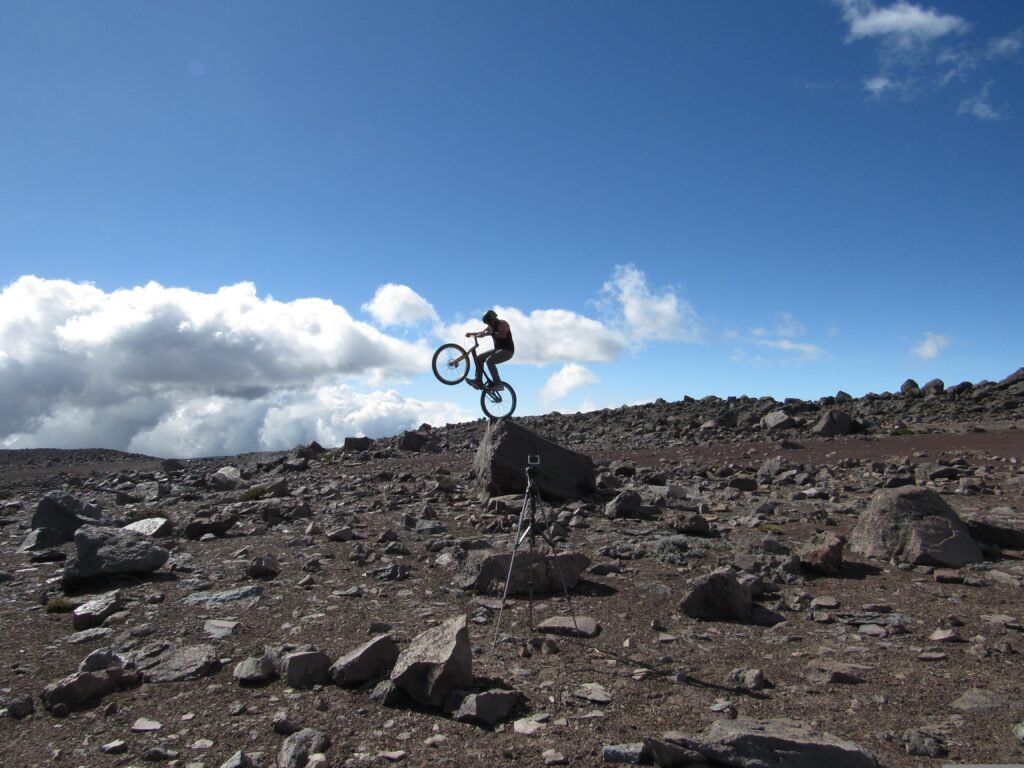
Ecuador offers world-class dirt roads, challenging mountain passes, and stunning volcanic landscapes for cycling enthusiasts. However, riding safely requires strategic route selection and self-sufficient preparation.
Our Ecuadorian route evaluation for cyclists (2027)
| Route criteria | Highland Sierra network | Coastal corridors |
| Traffic Density | Low to Moderate | High Heavy Commercial Freight |
| Road Conditions | Mixed Asphalt, Cobble, Dirt | Variable Asphalt & Shoulder |
| Security Profile | Strong Community Safety | Elevated Risk Profile |
| Route Status | HIGHLY RECOMMENDED | AVOID BICYCLE TRAVEL |
Route planning and Sierra priorities
Wheely Tyred strongly recommends concentrating all cycling itineraries within the Sierra mountain range.
Iconic routes such as the Trans-Ecuador Mountain Bike Route (TEMBR), dirt roads around Cotopaxi and Chimborazo, and backcountry tracks connecting Sigchos to Quilotoa pass through high-altitude agricultural communities with exceptional local hospitality and strong community security networks.
Long-distance road cycling along low-elevation coastal highways in Guayas, El Oro, and Esmeraldas should be avoided due to heavy freight traffic, narrow shoulders, and heightened security risks.
Environmental precautions and alpine conditions
- Altitude Management (Soroche): Riding mountain passes between 2,800 and 4,200 metres in the páramo puts heavy physical demands on the body. Allow two to three days for acclimatisation in Quito or Cuenca before undertaking major climb profiles
- Rapid Weather Changes: Equatorial high-altitude weather transitions quickly from intense sunlight to freezing rain, hail, and heavy fog. Always pack waterproof outer shells, thermal layers, and high-SPF sun protection
- Rural Canine Encounters: Free-roaming farm dogs are common along rural agricultural roads. Keep a bicycle water bottle easily accessible to spray water toward approaching dogs, or carry a small loud whistle to deter them without compromising your bike control. I have been bitten twice, and the clinics will give you the rabies shot for free
Essential rules, documentation, and emergency preparedness
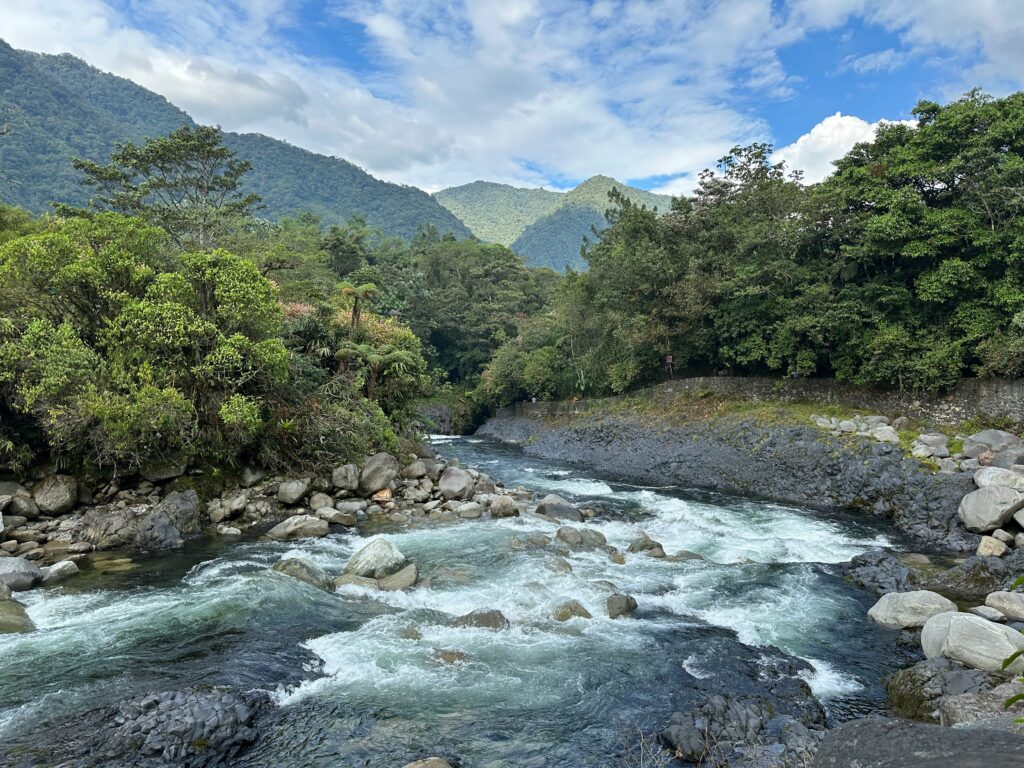
Establishing your logistics and documentation protocols ensures smooth transit through regional checkpoints.
Pre-departure safety checklist
- Physical Passport + Printed Travel Itinerary: Required at security checks
- Apostilled Police Record Certificate: Mandatory for land border entry
- Government Travel Registration: STEP or local national equivalent
- Travel Insurance Policy: Including mountain emergency rescue coverage
- Emergency Contacts Saved: ECU 911 covers police, fire, and medical response
Carry physical identification
Keep your physical passport and a printed copy of your onward travel itinerary accessible during interprovincial journeys. Police and military personnel conduct routine vehicle checks along major highways. Presenting valid travel documentation and flight details ensures seamless passage through regional security control points.
Land border formalities
Travellers entering Ecuador via land border crossings from Colombia or Peru must present an official, apostilled criminal background certificate covering the prior five-year period.
Emergency numbers
Dial 911 for all emergency services across Ecuador. The centralised ECU 911 network coordinates emergency medical response, police intervention, and fire department support nationwide.
Government registration
Register your travel itinerary with your national government’s travel advisory portal, such as the Smart Traveler Enrollment Program (STEP) for US citizens or the equivalent service for UK and Commonwealth travellers, to receive immediate security notifications and localised travel updates.
The Ecuadorian Coast.
Where you’ll find the very best food
Explore Ecuador with clarity and confidence
Read this far?
Ecuador remains a profoundly rewarding destination for independent travellers, bikepackers, and mountain explorers who approach its landscapes with thorough preparation rather than apprehension.
The nation’s varied geography demands a nuanced perspective: while specific coastal transit corridors require bypass or heightened caution, the soaring dirt roads of the Sierra and the quiet sanctuaries of the island territories continue to offer extraordinary hospitality, vibrant indigenous culture, and dramatic alpine scenery.
Safe travel across the country is rarely a matter of luck; it is the result of intentional, informed decisions. By anchoring your journey in highland provinces, booking verified transport, maintaining simple situational awareness in urban centres, and respecting local community customs, you create the space to experience Ecuador on your own terms.
Whether tackling steep cobblestone passes or wandering historic colonial plazas, clear intelligence transforms potential hazards into routine logistics.
At Wheely Tyred, our belief is simple: the best journeys happen when reliable security facts meet the open road. Keep your eyes on the terrain, support the local communities welcoming you along the way, and ride with confidence into one of South America’s most dynamic landscapes.
Affiliate Disclaimer: Some of the links on Wheely Tyred are affiliate links. If you click through and make a booking or purchase, we may earn a small commission at no extra cost to you. We only recommend gear, tours, stays, and services we genuinely use, trust, and stand behind — our editorial independence always comes first. These commissions help keep our independent cycling guides and travel stories free to read. You can also buy me a coffee here — thanks for supporting the ride!
Frequently asked questions about travel safety in Ecuador in 2027
Yes, provided you plan your route around stable regions. The central Andean highlands (the Sierra), Amazonian gateway towns like Tena, and the Galápagos Islands remain welcoming, active, and safe for independent exploration. Avoiding high-risk coastal transport hubs like Guayaquil and northern border corridors is key to a smooth trip.
If entering Ecuador via land border crossings from Colombia or Peru, an official, apostilled criminal background certificate covering the prior five years is required by border authorities. If arriving by air at international airports in Quito or Guayaquil, this land-border requirement does not currently apply.
Acclimatisation is vital for mountain riding. Spend at least two to three days resting and taking light urban walks or flat rides in high-elevation hubs like Quito (2,850m) or Cuenca (2,560m) before tackling high passes above 3,500 metres. Drink plenty of fluids, consume local herbal teas like coca or mate de cedrón, and keep your physical exertion steady.
Intercity buses are generally reliable, but opportunistic theft can occur on busy routes. Always keep your daypack containing passports, cameras, and money on your lap with the shoulder straps secured around your leg or arm. Main luggage stored in the lower hold underneath the bus is generally secure; just ensure you receive a luggage claim ticket from the handler before boarding.
Routine security checkpoints along major interprovincial highways are standard state practice to maintain regional security. Keep your physical passport and printed flight or onward travel itinerary easily accessible in your daypack. Officers are simply verifying identity and travel purpose; remain polite, cooperative, and present your documents when requested.
It is best to use ATMs located inside well-lit bank branches, secure shopping centres, or major hotel lobbies during daylight hours rather than standalone street machines. Withdraw reasonable amounts, store your cash immediately in an internal pocket or money belt, and avoid carrying large sums while visiting busy markets or bus terminals.
Ecuador.
Pure wonder on the equator.


