
The best Galápagos travel insurance / Ecuador 2027 guide
Travel insurance for the Galápagos Islands / 2027 rules, medical cover, and provider comparison

Protect yourself from high seas and hard landings

BEN FINCH
Situated roughly 1,000 kilometres off the coast of mainland Ecuador, the Galápagos archipelago comprises 19 major islands surrounded by a vast marine reserve.
Whether you are navigating inter-island passenger ferries between Santa Cruz and Isabela, embarking on a luxury liveaboard cruise to Wolf and Darwin Islands, or trekking across the hardened basalt of San Cristóbal, the region presents unique environmental factors.
In our 2026 Galápagos travel insurance guide, we detailed the operational and legal realities of visiting one of the most ecologically precious and geographically isolated archipelagos on Earth.
As we move through 2027, the fundamental equation of Galápagos travel remains unchanged: pristine wildlife encounters and volcanic landscapes are balanced by significant distance from modern medical facilities.
Under Ecuadorian law, foreign tourists entering the Galápagos Special Regime territory must hold valid medical travel insurance for the full duration of their stay.
Beyond regulatory compliance, a suitable policy protects your health and your financial investment against emergency air evacuations, boat transfer delays, and missed vessel departures.
Navigating the international insurance market to find a policy that satisfies both government transit requirements and the active demands of island travel can be complex.
Dedicated insurance comparison platforms such as VisitorsCoverage and Insubuy have emerged as the premier resources for sourcing compliant cover. Both platforms allow travellers to filter, compare, and instantly secure high-limit medical and evacuation policies tailored specifically for remote South American itineraries.
Essential takeaways for navigating the archipelago
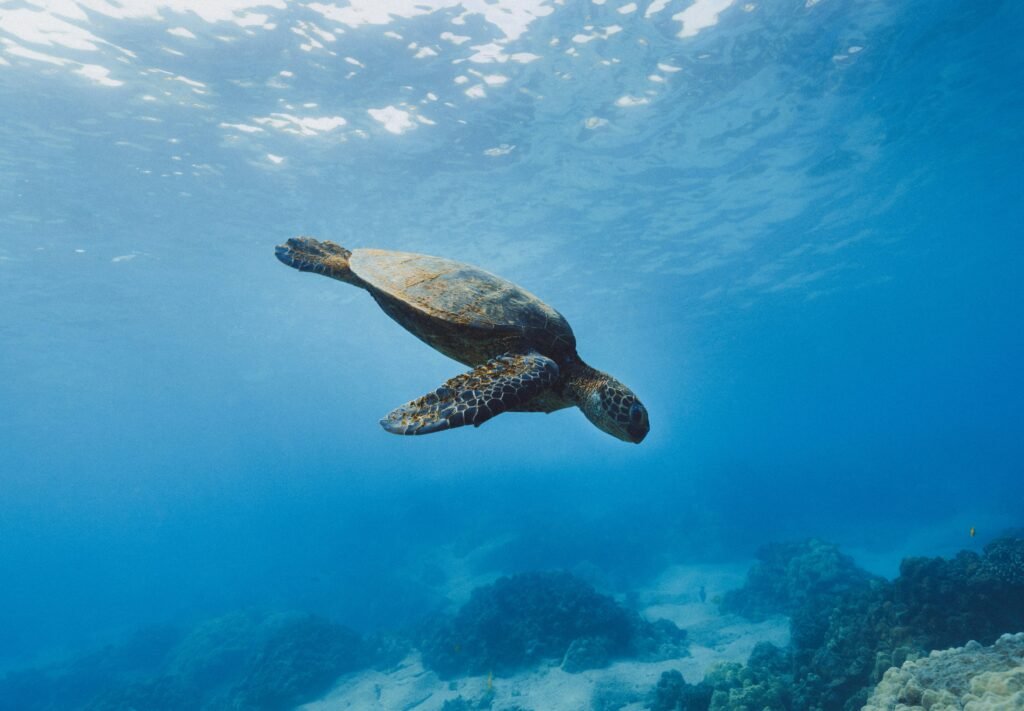
Protecting your journey across Ecuador’s most fragile volcanic realm requires more than ticking a bureaucratic box. Here is everything you need to keep your island logistics seamless and your expedition fully covered.
- Mandatory entry verification: Proof of active medical travel insurance is legally required by the Galápagos Governing Council and verified at airport transit desks in Quito and Guayaquil before you board your flight
- High-limit medevac: Emergency air ambulance transport from isolated islands such as Isabela or Santa Cruz to mainland hospitals in Quito or Guayaquil costs upwards of $100,000 without dedicated medical evacuation cover
- Active recreation protection: Everyday island pursuits—from panga boat transfers and lava field trekking to snorkelling off Santa Cruz—require policies that include water sports as standard
- Marketplace flexibility: Using platforms such as VisitorsCoverage and Insubuy allows travellers to compare side-by-side medical limits, zero-deductible options, and active sports riders across top international underwriters
- Zero-deductible advantages: Choosing a policy with 0 per cent excess prevents unexpected out-of-pocket payments at regional health clinics in Puerto Ayora or Puerto Baquerizo Moreno
- Liveaboard disruption safeguards: Robust trip interruption clauses protect your investment against flight delays or bad weather that could cause you to miss a fixed cruise departure
The Galápagos.
Ecuador’s Enchanted Isles
Why remote island logistics demand serious medical cover
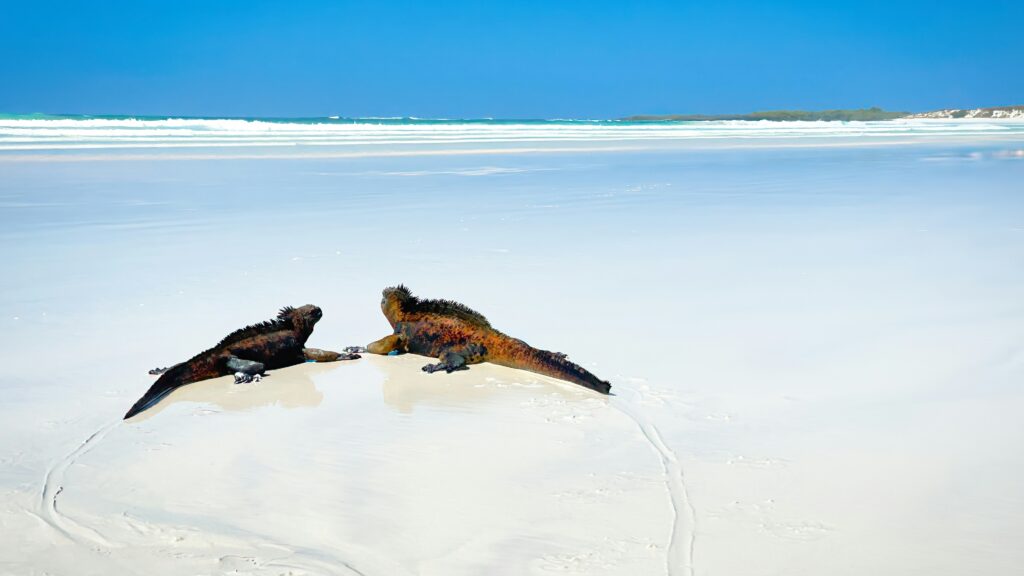
The physical reality of island exploration in the Galápagos requires realistic risk management. Days spent in the archipelago revolve around active transport: stepping from wooden jetties into bobbing inflatable boats (pangas), swimming alongside sea lions in tidal currents, and hiking across exposed volcanic trails on rugged highlands.
Galápagos medical reality check
- Puerto Ayora / Santa Cruz: Basic outpatient clinics & triage
- Puerto Baquerizo Moreno / San Cristóbal: Small regional hospital & basic care
- Puerto Villamil / Isabela: Minimal rural health post
- Critical / Trauma Cases: Mandatory air ambulance evacuation to tertiary hospitals in Guayaquil or Quito
While the archipelago attracts travellers of all ages, its medical infrastructure remains modest.
Small public clinics in Puerto Ayora (Santa Cruz) and Puerto Baquerizo Moreno (San Cristóbal) handle basic outpatient care, minor trauma, and initial stabilisation. Isabela maintains only a minimal rural health post. None of these facilities can provide advanced intensive care, complex orthopaedic surgery, or specialised cardiac treatment.
In these circumstances, emergency air evacuation via private air ambulance to major hospital networks in Guayaquil or Quito is mandatory. Without comprehensive insurance featuring dedicated medical evacuation cover, private air transport from Baltra Island or San Cristóbal to mainland Ecuador can exceed $100,000 in direct out-of-pocket expenses.
Securing appropriate travel insurance before departure is a vital operational safeguard.
Mandatory entry regulations and transit verification in 2027

To maintain strict control over visitor numbers and local security, the Special Council for the Galápagos (Consejo de Gobierno del Régimen Especial de Galápagos) and the Ministry of Tourism enforce mandatory entry requirements for all foreign visitors.
Galápagos entry documentation 2027
- Passport: Valid for at least six months beyond travel dates
- Transit Control Card (TCC): Tarjeta de Control de Tránsito (TCC) obtained at Quito (UIO) or Guayaquil (GYE) transit desks ($20). You can begin the process here
- National Park Fee Payment: Official entrance fee ($200 USD for international adults) payable in cash upon landing at GPS or SCY
- Return Flight: Confirmed round-trip air tickets (Mainland to GPS)
- Medical Insurance Certificate: Proof of valid medical travel insurance covering all active dates in Ecuador and the Galápagos
Where policy documents are inspected
Proof of medical travel insurance is verified during the pre-departure process on mainland Ecuador.
Before boarding a domestic flight to Baltra Island (GPS) or San Cristóbal Island (SCY), all passengers must visit the Galápagos Governing Council counter at either Mariscal Sucre International Airport in Quito (UIO) or José Joaquín de Olmedo International Airport in Guayaquil (GYE) to register and secure their Transit Control Card (TCC).
Transit officers at these counters regularly request proof of valid medical cover. Furthermore, small-ship cruise operators and liveaboard captains verify insurance documentation during vessel embarkation.
If you cannot present a valid certificate displaying your full legal name and active policy dates, you risk being refused passage on your flight or vessel.
Essential criteria for policy certificates
To ensure your documentation passes verification without administrative delays, your insurance certificate should meet the following parameters:
- Legal name alignment: The name on your policy document must match the legal name printed on your passport
- Continuous coverage: The policy active dates must cover your entire itinerary, from your initial landing in mainland Ecuador through your final departure flight
- Digital and physical availability: While digital PDF certificates stored on smartphones are routinely accepted at airport transit desks, carrying printed paper backups is strongly advised due to intermittent mobile data coverage across the outer islands
- Medical coverage limits: The policy must explicitly cover emergency hospitalisation, doctor consultations, and medical repatriation within Ecuador
The Ecuadorian Sierra.
Get lost in the hills
Essential coverage types for an archipelago itinerary
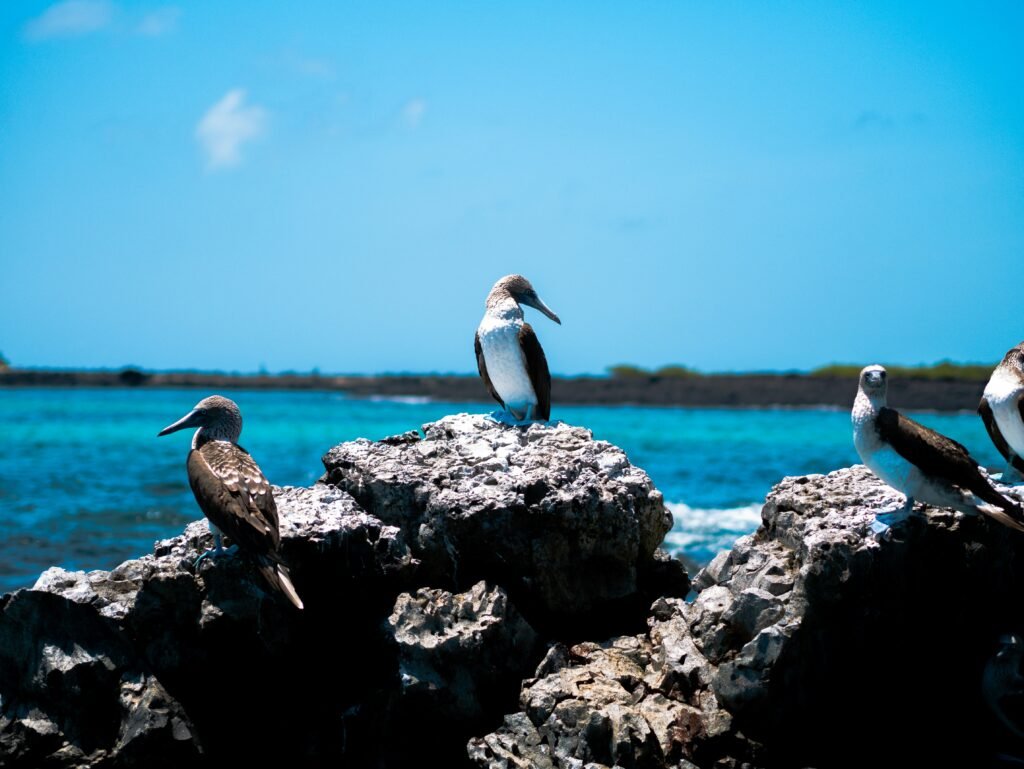
Selecting an insurance policy for the Galápagos requires reviewing specific clauses that address the distinct environmental and logistical conditions of the region.
Critical coverage pillars for 2027
- Emergency Medevac: Minimum $100,000 limit for air ambulance transport
- Active Recreation: Snorkelling, sea kayaking, hiking, panga transfers
- Cruise Interruption: Fixed vessel departures, weather delays, water tax
- Baggage & Gear: Coverage for cameras, optical gear, sports kit
Emergency medical evacuation and repatriation
As outlined, emergency medical evacuation (medevac) is the most vital clause in any policy bound for the archipelago. Ensure your contract specifies a dedicated medical evacuation limit of at least $100,000—with $250,000 or more preferred for total peace of mind.
This clause must cover air ambulance transport from island airstrips (Baltra or San Cristóbal) to mainland medical centres in Guayaquil or Quito, as well as international repatriation to your home country if medically required.
Active leisure, water sports, and trail hiking
Daily activities in the Galápagos involve active movement over uneven ground and open water. Standard travel insurance policies frequently classify water-based excursions or wet landings as excluded adventure activities.
When evaluating policies, ensure cover extends to:
- Open-water snorkelling and ocean swimming
- Sea kayaking and stand-up paddleboarding along coastal mangroves
- Guided hiking across uneven volcanic basalt, loose cinder, and trail networks
- Panga boat transfers between main ships and shore jetties
- Inter-island passenger ferry journeys across open sea corridors
If your itinerary includes scuba diving in the Galápagos Marine Reserve, confirm that your policy covers open-water diving depths down to 30 metres, as well as emergency hyperbaric chamber treatment for decompression sickness.
Liveaboard cruise interruption and missed embarkation
Liveaboard cruises operate on strict sailing itineraries regulated by the Galápagos National Park authority. Vessels depart on fixed schedules and cannot wait for delayed passengers.
If a domestic flight from Quito or Guayaquil is delayed due to severe weather, technical issues, or strike action, missing your ship’s departure can result in lost booking fees and substantial transport costs to catch up with the vessel at an offshore anchorage.
A policy with robust trip interruption and missed connection cover reimburses non-refundable cruise bookings and funds emergency water taxi or private transport arrangements required to rejoin your itinerary.
Luggage delays and specialised equipment protection
Reaching the Galápagos usually requires connecting flights through continental hubs before flying onward from Quito or Guayaquil to Baltra or San Cristóbal. Multi-leg journeys elevate the risk of delayed or misplaced luggage.
Many travellers carry high-value items, including underwater camera housings, telephoto lenses, optical binoculars, and technical trail gear. Policies with strong baggage delay allowances ensure you can buy essential clothing and toiletries in transit port towns without disrupting your schedule, while personal effects protection covers loss or damage to technical equipment.
Source the best cover / Why VisitorsCoverage and Insubuy lead the market
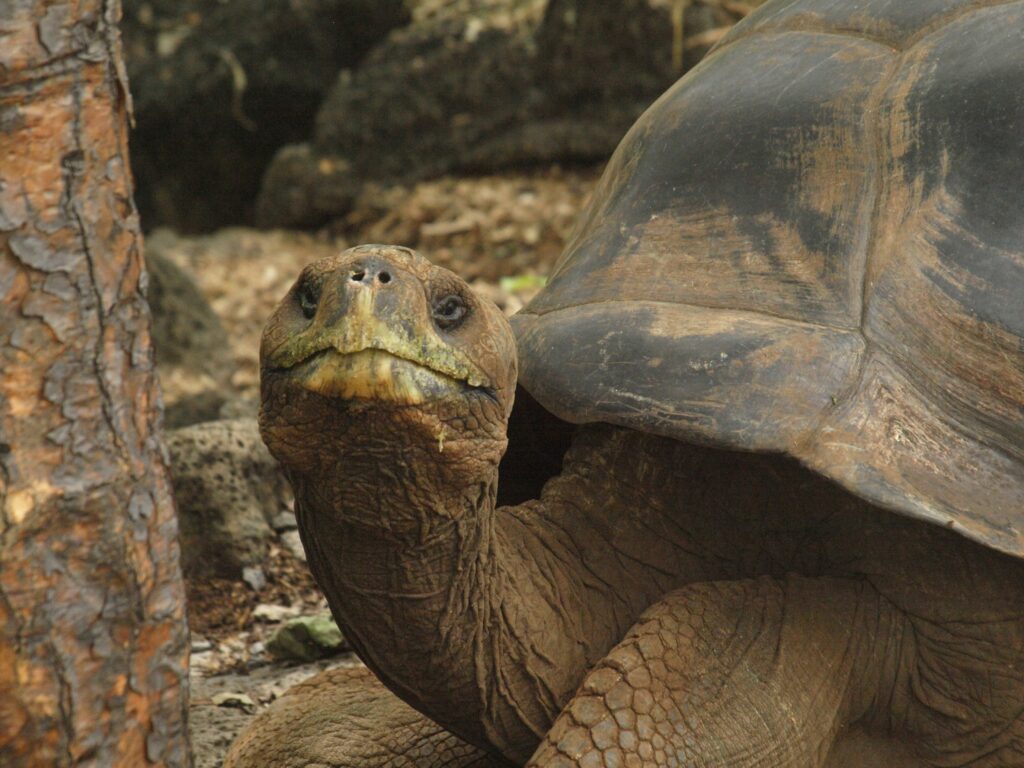
Rather than relying on generic single-provider plans that may contain hidden exclusions for island travel, booking through specialised insurance marketplaces allows you to compare multiple international underwriters side by side.
VisitorsCoverage and Insubuy represent the two finest platforms for securing comprehensive travel medical insurance for South America.
- VisitorsCoverage: Intuitive search engine, instant digital policy delivery, flexible adventure sports riders, policy management app
- Insubuy: Side-by-side plan comparisons, explicit medevac limits, zero-deductible options, robust post-purchase support
VisitorsCoverage / intuitive search and instant digital delivery
VisitorsCoverage is an established global travel insurance marketplace renowned for its user-friendly interface and extensive portfolio of travel medical plans.
- Instant policy issuance: Upon completing your purchase online, your official visa letter and policy certificate are generated immediately and sent to your email as downloadable PDFs—providing instant proof of insurance for airport transit desks in Quito or Guayaquil
- Customizable active leisure options: VisitorsCoverage allows you to filter plans specifically by activity coverage, making it easy to select policies that include water sports, sea kayaking, and trail trekking as standard or via affordable add-on riders
- Trip protection integration: The platform offers specialised trip cancellation and interruption plans alongside international medical coverage, allowing travellers booking expensive liveaboard cruises to protect their financial investment
Insubuy / Transparent policy comparisons and high-limit medical plans
Insubuy is a leading insurance broker platform known for its transparent, detailed policy breakdowns and focus on high-limit travel medical insurance.
- Detailed side-by-side plan analysis: Insubuy provides clear, unbiased comparisons of policy terms, deductible structures, and emergency medical evacuation caps across top-rated international insurers
- Zero-deductible plan availability: The platform makes it straightforward to filter for zero-deductible (0 per cent excess) policies. Choosing a zero-deductible plan ensures that eligible medical expenses incurred at island clinics or mainland hospitals are covered from the first dollar
- Dedicated claims support: Insubuy provides direct post-purchase customer support and claims assistance, helping travellers navigate language barriers or documentation requirements when filing claims for treatment received in South America
The Ecuadorian Amazon.
The most biodiverse place in the world
Comparing alternative travel insurance options
To provide a complete market view, we have evaluated three other prominent international travel insurance options for 2027: SafetyWing, World Nomads, and Heymondo.
SafetyWing (Nomad Insurance)
SafetyWing remains popular among remote workers, digital nomads, and long-term travellers due to its flexible monthly subscription framework.
- Strengths: High flexibility with recurring monthly rolling billing; policies can be purchased after entering Ecuador; cost-effective for long-term stays on the mainland
- Weaknesses: Emergency medical evacuation limits ($100,000) are lower than dedicated expedition plans; active water sports and hiking require purchasing an optional adventure rider; standard plans include a $250 deductible per claim
World Nomads
World Nomads is a well-known brand catering to extreme adventure sports, high-altitude mountaineering, and expedition travel.
- Strengths: High coverage limits for high-risk activities, deep-sea diving, and technical sports; generous allowances for trip cancellation and high-value equipment
- Weaknesses: Higher premium rates compared to competitors; complex policy terms that require careful reading of sub-limits; policies carry standard deductibles
Heymondo
Heymondo offers a modern, app-centric travel insurance experience tailored for vacationers and family travellers.
- Strengths: User-friendly mobile app featuring free internet calls to emergency medical teams; customizable policy limits and optional equipment add-ons; zero-deductible options available
- Weaknesses: Premiums rise significantly when adding high trip-cancellation coverage for expensive liveaboard cruises; coverage parameters vary depending on your country of residence
2027 Galápagos travel insurance provider comparison
The table below outlines key policy features across top platforms and providers for 2027:
| Insurance Provider / Platform | Emergency Medevac Limit | Active Leisure & Water Sports Cover | Digital Document Issue | Zero-Deductible Option | Primary Best-Use Case |
| VisitorsCoverage | High ($100,00–2,000,000) | Filterable / Add-on available | Instant (PDF email) | Yes (Selectable) | Best Marketplace for Custom Trip Cover |
| Insubuy | High ($100,00–2,000,000) | Filterable / Policy dependent | Instant (PDF email) | Yes (Selectable) | Best Broker for High-Limit Medical & Medevac |
| SafetyWing | Moderate ($100,000) | Requires Adventure Rider | Instant (App / Web) | No ($250 excess) | Digital Nomads on Extended Mainland Stays |
| World Nomads | High ($300,000+) | Included in Explorer Plan | Standard | No (Varies by tier) | Extreme High-Risk Sports & Technical Diving |
| Heymondo | High ($250,000+) | Included in Premium Tiers | Instant (App) | Yes | App-Focused Vacationers |
Match policy coverage to your 2027 itinerary
Selecting the right insurance structure depends on your planned travel style within the Galápagos archipelago. The operational requirements of a land-based island-hopping journey differ from those of a luxury liveaboard cruise or a dedicated diving expedition.
Policy by travel style
- Land-based island hopping: Focus on Ferry Delays, Inter-Island Speedboats, and Active Trail/Water Sports Coverage
- Liveaboard cruise: Focus on High Trip Interruption Limits, Missed Embarkation, and Marine Medevac Protection
- Scuba diving expedition: Focus on Hyperbaric Chamber Cover, Depth Limits, and Emergency Marine Transport
Land-based island hopping
Land-based travel involves staying in local guesthouses or eco-lodges on Santa Cruz, San Cristóbal, or Isabela, using public speedboats or small inter-island aircraft to move between islands.
- Key policy priorities: Focus on policies covering inter-island ferry delays, missed domestic connections, baggage protection during boat transfers, and everyday outdoor activities such as sea kayaking and volcanic trail trekking
- Recommended approach: Use VisitorsCoverage or Insubuy to select a zero-deductible travel medical policy that includes water sports protection as standard
Luxury and liveaboard cruises
Liveaboard cruises represent a major financial commitment, with prices frequently ranging from $4,000 to over $12,000 per person.
- Key policy priorities: Prioritise high trip interruption, trip cancellation, and missed embarkation limits. If domestic flight delays prevent you from reaching Quito or Guayaquil on schedule, your policy must cover the expenses of arranging private water transport to catch up with your ship at an offshore anchorage
- Recommended approach: Sourcing a comprehensive travel insurance policy through VisitorsCoverage allows you to combine high medical evacuation limits with robust cancellation protection for high-value cruise deposits
Scuba diving expeditions
The waters surrounding Wolf and Darwin Islands offer world-class diving, drawing experienced divers to encounter hammerhead pods, whale sharks, and spotted eagle rays.
- Key policy priorities: Standard travel medical insurance policies often cap diving depth limits at 10 to 18 metres. Dedicated diving itineraries require specialised coverage with depth limits extending to 30 or 40 metres, as well as explicit coverage for hyperbaric chamber treatment and specialised medical transport
- Recommended approach: Confirm that your policy explicitly covers open-water diving at depth, or pair a primary travel medical policy sourced via Insubuy with specialised diving insurance such as DAN (Divers Alert Network)
The Ecuadorian Coast.
Where you’ll find the very best food
Secure peace of mind on Ecuador’s volcanic frontier
Read this far?
Exploring the Galápagos Islands is an exercise in wonder and self-reliance. Whether you are stepping off a wooden jetty into a bobbing panga, navigating the dusty backroads of San Cristóbal on two wheels, or paddling a sea kayak along the mangrove inlets of Santa Cruz, the sheer remoteness of the archipelago is what preserves its wild magic.
That same isolation, however, demands respect and pragmatic preparation long before you board your domestic flight from Quito or Guayaquil.
Navigating the administrative entry checks at transit control is simply the first step in honouring the local regulations designed to safeguard both visitors and the fragile island infrastructure.
A medical emergency or logistical delay in the middle of the Pacific Ocean can quickly transform a dream expedition into an overwhelming financial burden, making comprehensive cover an essential companion alongside your sturdy walking boots and dry bag.
By evaluating your options through trusted marketplaces such as VisitorsCoverage and Insubuy, you gain instant digital verification, essential medical evacuation limits, and zero-deductible protection for every leg of your journey.
With the administrative details sorted and your policy safely stored on your phone, you can focus on what truly matters: watching giant tortoises graze in the misty highlands and soaking in the untouched stillness of Ecuador’s iconic sanctuary.
Affiliate Disclaimer: Some of the links on Wheely Tyred are affiliate links. If you click through and make a booking or purchase, we may earn a small commission at no extra cost to you. We only recommend gear, tours, stays, and services we genuinely use, trust, and stand behind — our editorial independence always comes first. These commissions help keep our independent cycling guides and travel stories free to read. You can also buy me a coffee here — thanks for supporting the ride!
Frequently asked questions about the best Galápagos travel insurance
Yes. Officials at Mariscal Sucre International Airport in Quito (UIO) and José Joaquín de Olmedo International Airport in Guayaquil (GYE) regularly inspect proof of valid medical insurance when you purchase your mandatory Transit Control Card (TCC). Tour operators and liveaboard cruise captains also verify documentation prior to embarkation.
The islands have basic medical clinics located in Puerto Ayora on Santa Cruz and Puerto Baquerizo Moreno on San Cristóbal, along with a minimal health post on Isabela. These facilities handle outpatient care and minor injuries, but severe illnesses or major trauma require emergency medical evacuation to tertiary hospitals in Quito or Guayaquil.
A digital PDF policy certificate stored on your smartphone is accepted by airport transit officers. However, because cellular service and Wi-Fi can be sparse across outer islands and marine corridors, carrying two printed paper copies is strongly recommended—one in your daypack and another stored with your passport.
Insurance comparison marketplaces such as VisitorsCoverage and Insubuy allow you to filter policies by medical limits, medevac caps, zero-deductible options, and active sports riders. This ensures you find a plan that satisfies Ecuadorian legal requirements without overpaying for unnecessary add-ons.
Most standard policies only cover recreational snorkelling or shallow diving down to 10 or 12 metres. If you plan to join liveaboard diving expeditions to Wolf and Darwin Islands, you must ensure your policy explicitly includes deep-water diving down to 30 metres, hyperbaric chamber treatments, and specialised marine evacuation.
Galápagos cruise ships operate on fixed schedules dictated by the National Park authority and will not hold departure for delayed passengers. A policy featuring strong trip interruption and missed connection cover reimburses non-refundable booking fees and pays for speedboats or water taxis required to catch up with your vessel at its next island anchorage.
Ecuador.
Pure wonder on the equator.


