Isla Floreana safety guide / Essential advice for a secure Galápagos journey
A complete safety, health, and travel advisory for visiting Floreana Island in the Galápagos Archipelago
Navigate Ecuador’s historic island sanctuary with peace of mind and local insight
BEN FINCH
Visiting Isla Floreana offers an extraordinary glimpse into the raw beauty and eccentric history of the Galápagos Archipelago. As one of the earliest inhabited islands in the region, Floreana holds a unique place in Ecuadorian heritage, featuring tales of 18th-century whalers, eccentric European pioneers, and mysterious disappearances.
Today, it remains one of the quietest and most tranquil inhabited outposts in the eastern Pacific Ocean.
For travellers exploring Ecuador, understanding the local safety environment is essential to enjoying a stress-free adventure. While news reports concerning mainland Ecuador may cause concern, the reality on the ground in the Galápagos Islands is vastly different.
At Wheely Tyred, safety and clear route preparation are at the core of everything we create. This comprehensive guide outlines the security situation, environmental conditions, demographic considerations, and medical realities of visiting Isla Floreana to ensure a secure, rewarding journey.
Floreana safety at a glance
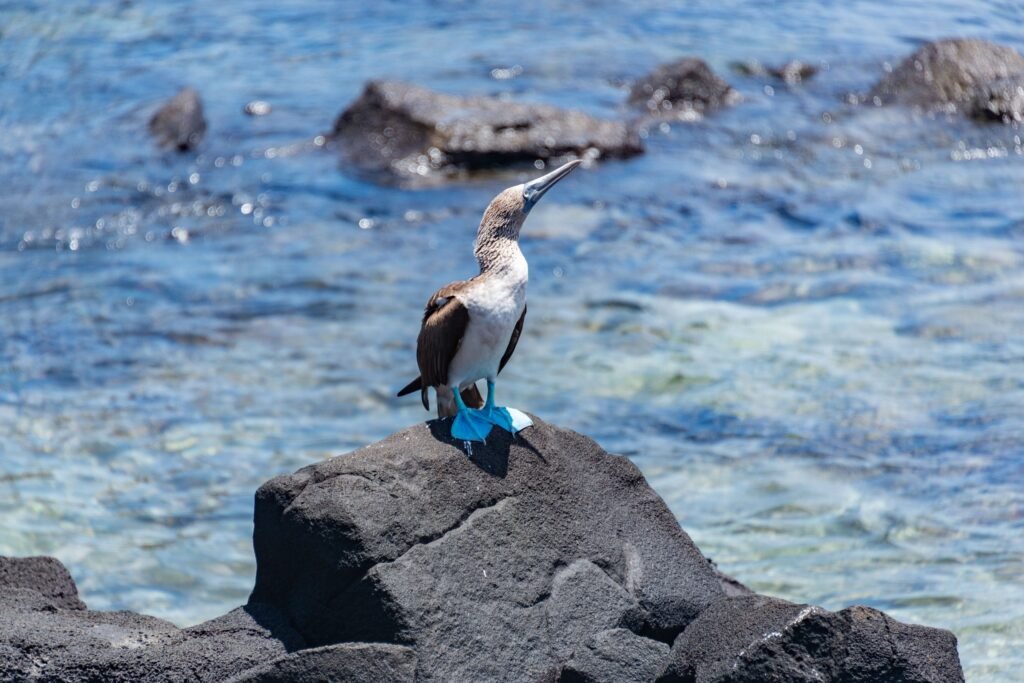
Exploring Isla Floreana requires balancing complete peace of mind with a keen respect for the elements. From village tranquillity to offshore marine conditions, here is what every independent traveller needs to know before stepping ashore.
- Crime Landscape: Violent crime and petty theft are virtually non-existent in Puerto Velazco Ibarra, offering one of the safest travel environments in Latin America
- Wildlife Buffer: Maintain a strict two-metre separation from all animals at all times, giving territorial male sea lions plenty of berth during coastal walks
- Ocean Hazards: Respect strong offshore currents near sites such as Corona del Diablo by swimming or snorkelling only under experienced local guidance
- Cash Essential: Carry sufficient US dollar cash from Santa Cruz or San Cristóbal, as Floreana has no ATMs or credit card payment facilities
- Equatorial Sun: Shield against intense UV radiation by applying reef-safe sunscreen, wearing protective headwear, and carrying ample drinking water on trails
- Medical Readiness: Prepare for limited rural health facilities on the island by securing comprehensive travel insurance covering emergency evacuation
Isla Floreana.
Murder mysteries and wild biodiversity
Understanding the safety landscape of Isla Floreana
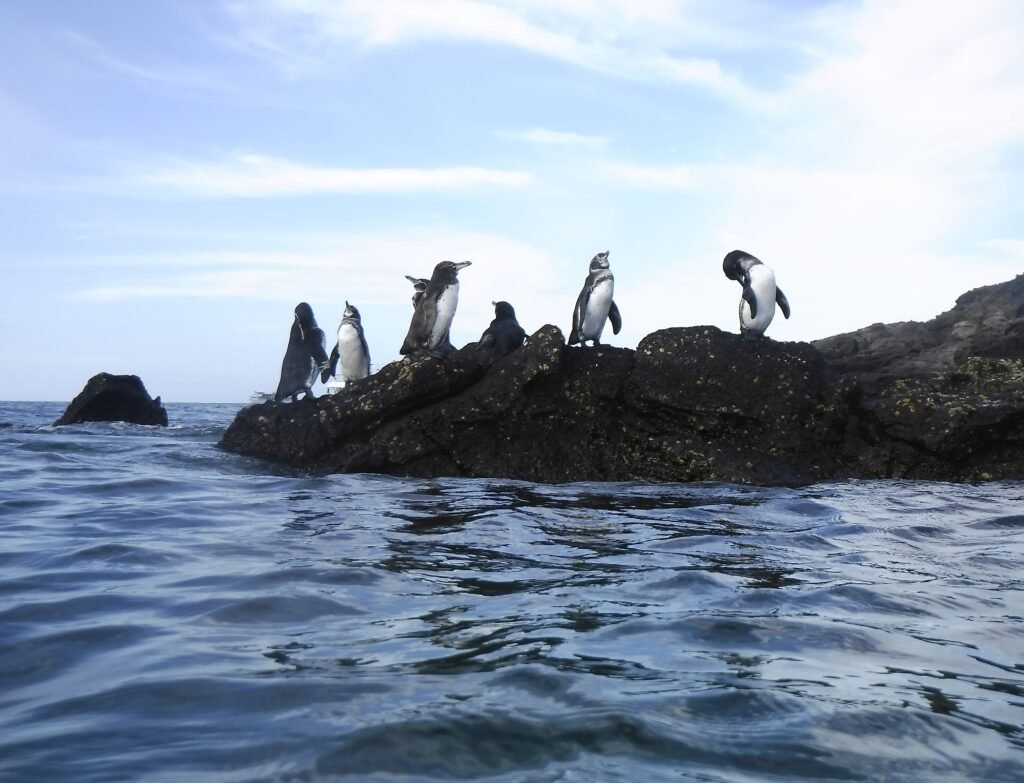
To accurately evaluate safety on Isla Floreana, one must distinguish between mainland Ecuador and the isolated environment of the Galápagos Archipelago. In recent years, parts of mainland Ecuador—particularly coastal transport hubs such as Guayaquil and Esmeraldas—have experienced elevated crime rates and governmental security advisories.
However, the Galápagos Islands exist within a strictly controlled, highly protected national park system situated nearly 1,000 kilometres off the South American coast.
Violent crime on Isla Floreana is virtually non-existent. The island has a tiny permanent population of approximately 150 residents, centred around the sleepy hamlet of Puerto Velazco Ibarra. Because access to the archipelago requires special transit control cards and national park registration, opportunistic criminals cannot easily operate here. The violent crime rate for visitors on the island stands at essentially zero.
Petty theft is also extremely rare compared to major mainland tourist destinations. In Puerto Velazco Ibarra, locals often leave doors unlocked and bicycles leaning against fences without worry.
Nevertheless, basic vigilance is always recommended. Keeping daypacks closed, securing expensive camera equipment, and locking hotel rooms when absent ensure that personal belongings remain safe while exploring local trails or visiting historical sites like Post Office Bay.
Demographic safety / Advice for solo, female, and minority travellers
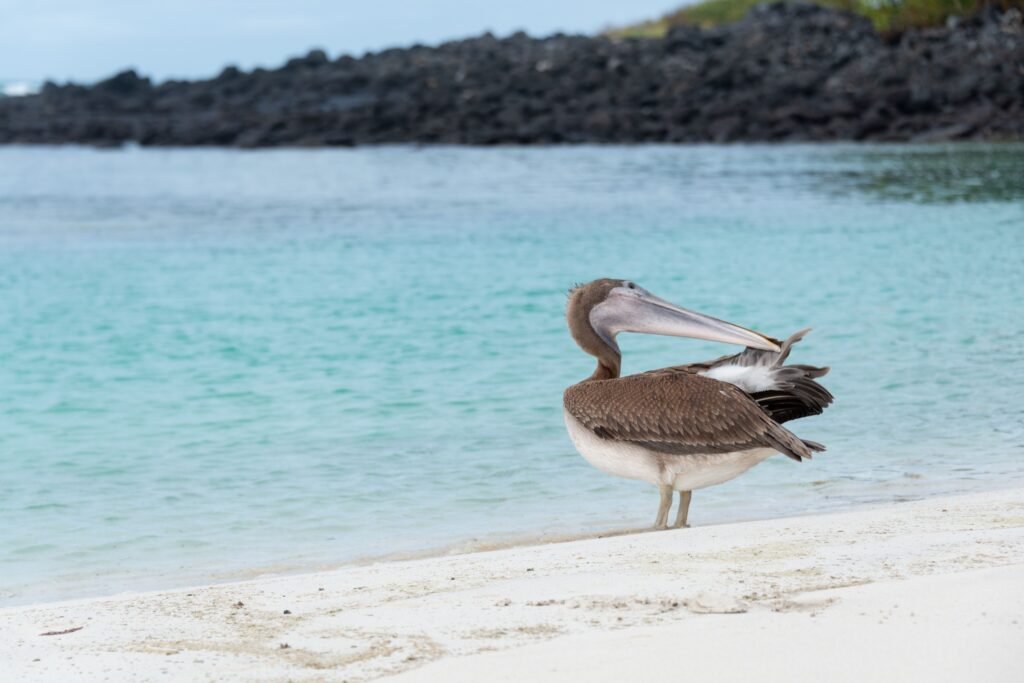
The Galápagos Archipelago is widely recognised as one of the most secure travel destinations in Latin America for diverse groups of visitors. Isla Floreana provides an extraordinarily peaceful setting where personal safety concerns are minimal.
Solo travellers
Solo adventurers will find Isla Floreana welcoming and straightforward to navigate. The small size of Puerto Velazco Ibarra means getting lost is almost impossible, and community members are accustomed to assisting visitors.
The primary precaution for solo travellers is ensuring that someone—whether a guesthouse owner, local guide, or boat captain—knows your planned itinerary if you embark on longer walks or self-guided interior hikes.
Solo female travellers
Solo female travellers report exceptionally high feelings of security throughout Isla Floreana. Unlike busy urban transit hubs on the mainland where unwanted street attention can occasionally occur, the atmosphere on Floreana is respectful, calm, and community-focused.
Women can comfortably walk through the village alone at night without safety concerns. Standard precautions apply when moving through mainland connection points, such as Quito or Guayaquil airports, but upon arrival in Floreana, female travellers can relax completely.
Minority and LGBTQ+ travellers
The local population on Isla Floreana interacts regularly with international tourists from across the globe. Racial, ethnic, and LGBTQ+ travellers are greeted with warm hospitality.
While Ecuadorian rural culture remains somewhat conservative in traditional family values, public attitudes toward international tourists are open, friendly, and inclusive.
The Galápagos.
Ecuador’s Enchanted Isles
Respecting wildlife regulations and navigating marine risks
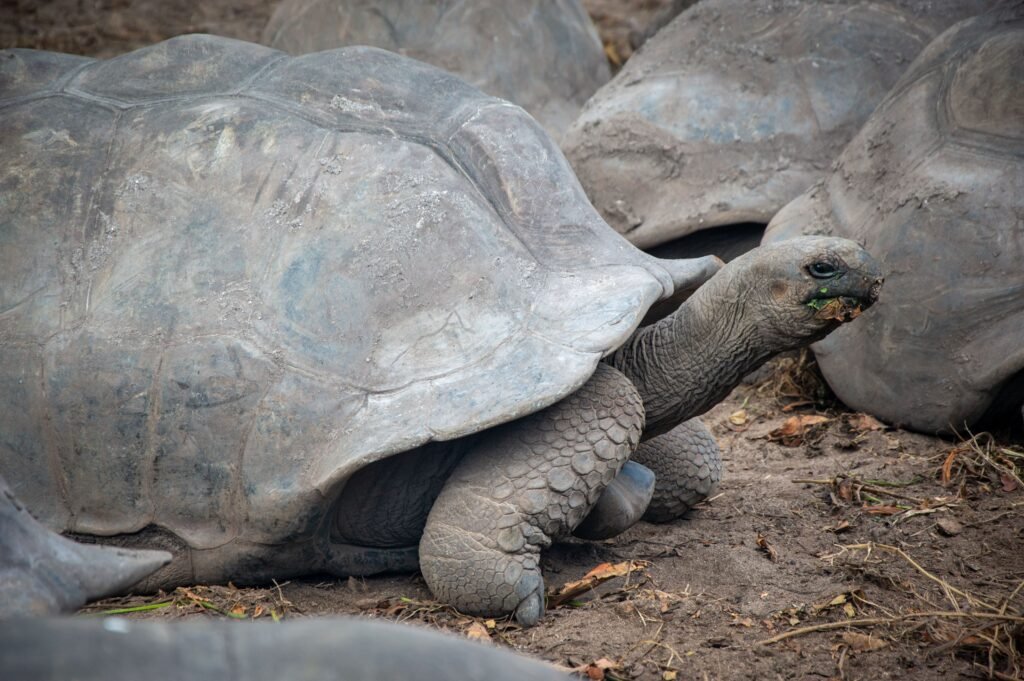
In the Galápagos, the primary safety considerations often involve natural elements rather than human threats. The endemic wildlife and oceanic conditions require respect and careful preparation.
Galápagos National Park wildlife regulations
The animals on Isla Floreana evolved without natural land predators, resulting in an absence of fear toward humans. While this allows for incredible close encounters, it requires strict adherence to conservation safety rules set by the Galápagos National Park Authority:
- Maintain a minimum distance of two metres from all wildlife at all times, even if animals approach you
- Never touch, pet, or feed any animal, bird, or marine organism
- Do not block the path of sea lions moving between the shore and the ocean
- Give male Galápagos sea lions a wide berth, particularly during breeding seasons, as bull sea lions can become territorial and aggressive if defended territory is breached
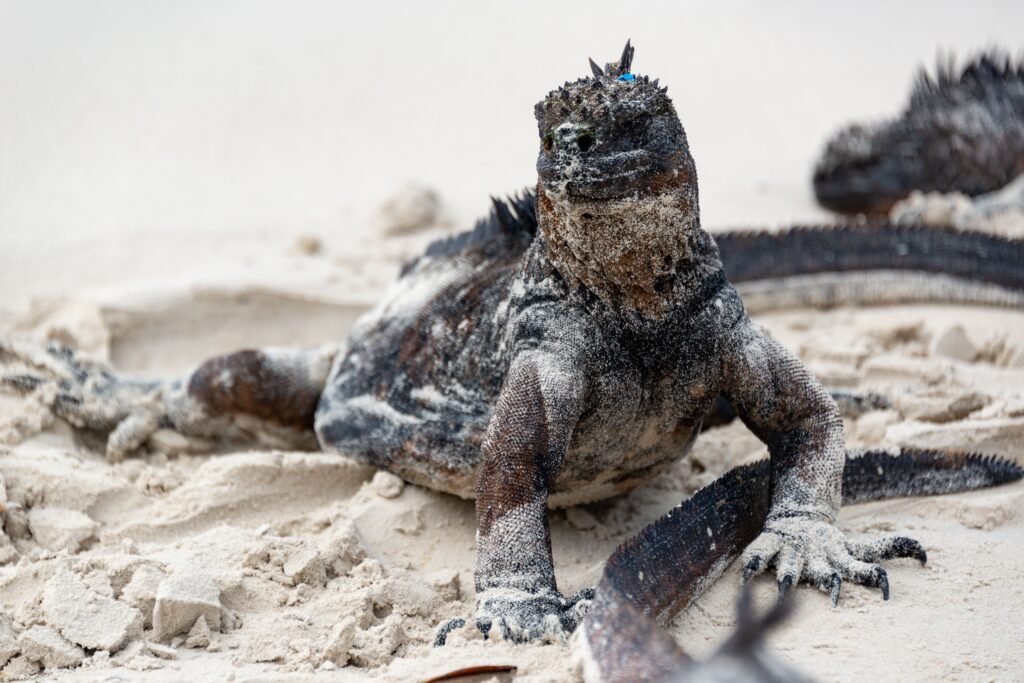
- Use designated walking trails at visitor sites like Punta Cormoran to avoid disturbing nesting seabirds or fragile marine iguana burrows
Ocean and swimming safety
The waters surrounding Isla Floreana are influenced by powerful ocean currents, including the cold Humboldt Current and the deep Cromwell Current. These nutrient-rich waters support abundant marine life but present specific ocean hazards:
- Strong Currents: Snorkelling spots such as Corona del Diablo, an eroded volcanic crater off the coast, feature fast-moving currents. Swimmers should be confident in open water and always follow the instructions of licensed naturalist guides
- Water Temperature: During the cool Garúa season from June to November, water temperatures drop significantly. Wearing a neoprene wetsuit or rash guard is recommended to prevent hypothermia during extended snorkelling sessions
- Surf and Landing Conditions: Accessing landing sites often involves small panga boats. Wet landings require stepping into shallow surf onto uneven, slippery volcanic rocks. Careful footing and sturdy water shoes are necessary to prevent falls and ankle sprains
The Ecuadorian Sierra.
Get lost in the hills
Essential health, environmental, and infrastructure safeguards
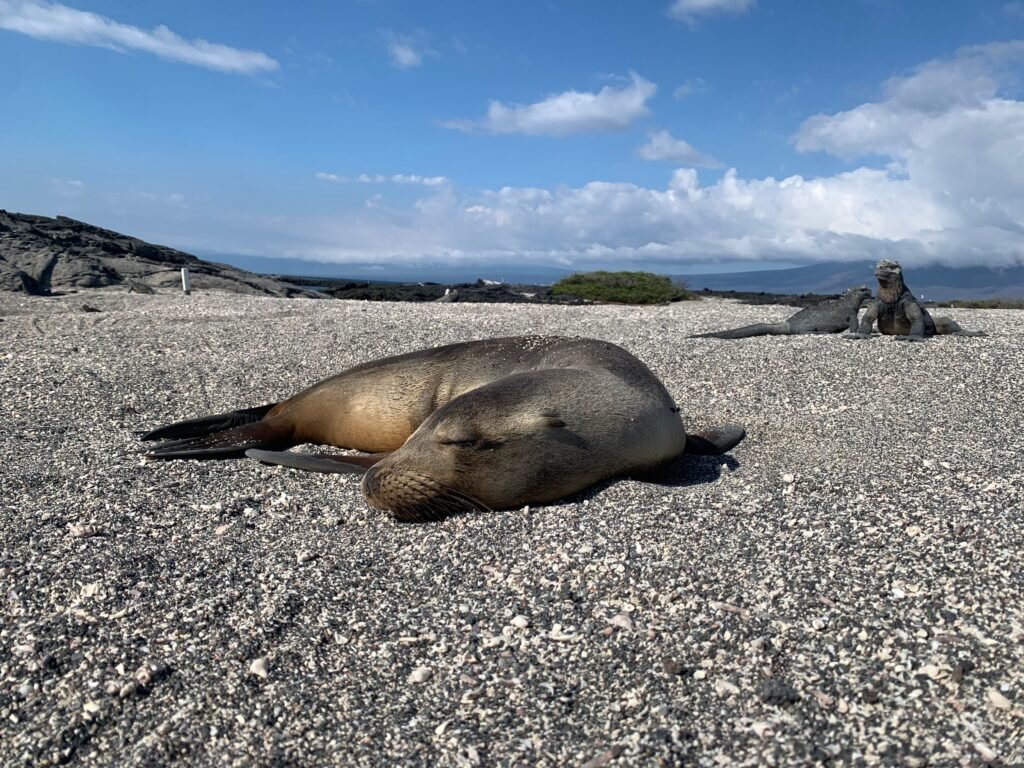
Isla Floreana is isolated, meaning medical infrastructure and municipal services are limited compared to larger islands like Santa Cruz or San Cristóbal.
Medical facilities and emergency preparedness
The medical facilities in Puerto Velazco Ibarra consist of a basic rural health clinic capable of managing minor cuts, scrapes, and routine ailments. There are no full-scale hospitals, advanced trauma centres, or surgical units on the island.
In the event of a severe medical emergency, illness, or traumatic injury, patients must be evacuated by speedboat or air ambulance to Santa Cruz or mainland hospitals in Guayaquil or Quito. For this reason, comprehensive travel insurance that includes emergency medical evacuation cover is vital for all travellers visiting Isla Floreana.
Equatorial sun and hydration
Located virtually on the equator, Isla Floreana experiences intense ultraviolet radiation throughout the year, even on overcast days. Sunburn, heat exhaustion, and dehydration are among the most common health issues affecting visitors:
- Apply broad-spectrum, reef-safe sunscreen with an SPF of 30 or higher multiple times daily
- Wear a wide-brimmed hat, UV-blocking sunglasses, and lightweight long-sleeved protective clothing
- Carry a refillable water bottle and consume at least two to three litres of water daily during outdoor activities
Tap water and food hygiene
Tap water on Isla Floreana is unpasteurised and non-potable. Drinking untreated tap water can cause gastrointestinal upset. Travellers should consume only filtered, boiled, or commercially bottled water. Brushing teeth should also be done with purified water. Cooked meals served at local family-run restaurants and guesthouses in Puerto Velazco Ibarra are generally safe and prepared with high standards of cleanliness.
The Ecuadorian Amazon.
The most biodiverse place in the world
Logistical planning, cash requirements, and island mobility
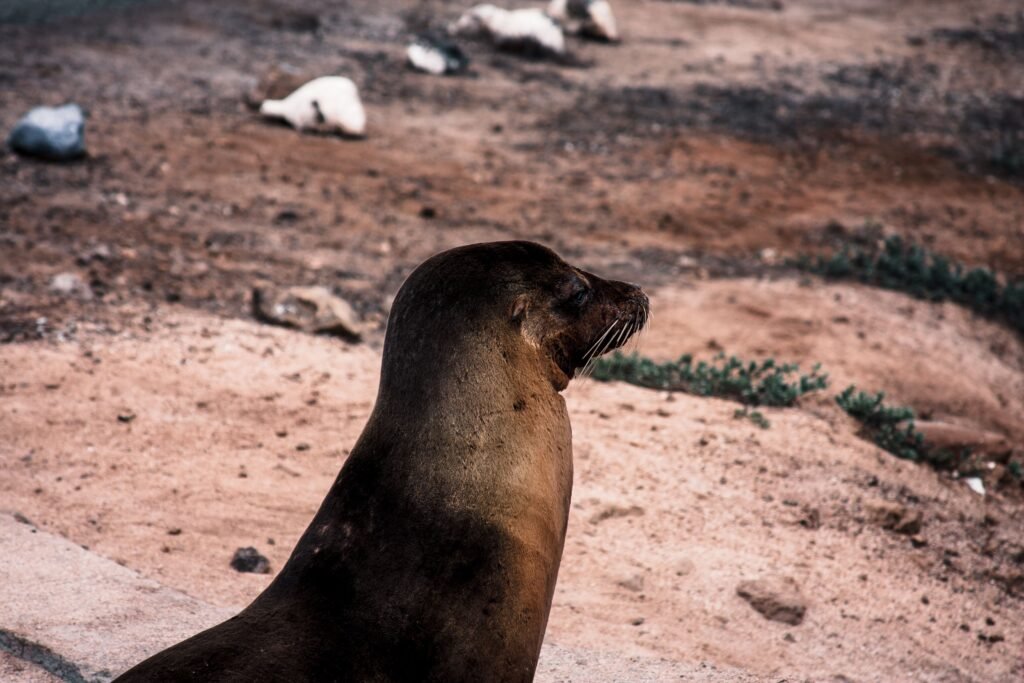
Proper logistical planning prevents inconvenience and safety hazards while staying on Isla Floreana.
Cash-only environment
One of the most important logistical realities of Isla Floreana is the complete absence of cash machines or banking services. There are no ATMs on the island, and local establishments rarely accept credit or debit cards due to limited internet connectivity.
Travellers must carry sufficient US dollar cash from Santa Cruz or San Cristóbal to cover all expenses, including meals, accommodations, guide fees, local transport, and tips. Carrying small denominations, such as ten- and twenty-dollar notes, is helpful as change can be limited.
Cycling and hiking safety
Exploring the dirt tracks and scenic paths of Isla Floreana by foot or bicycle is a wonderful experience. However, road conditions are rustic:
- Unpaved roads can feature loose gravel, volcanic dust, and steep inclines leading up to the highlands
- Ensure rental bicycles are fitted with working brakes and sturdy tyres before departing Puerto Velazco Ibarra
- Wear proper footwear, carry a basic puncture kit or pump if cycling independently, and stay hydrated on exposed rural stretches
Practical checklist for a secure Floreana journey
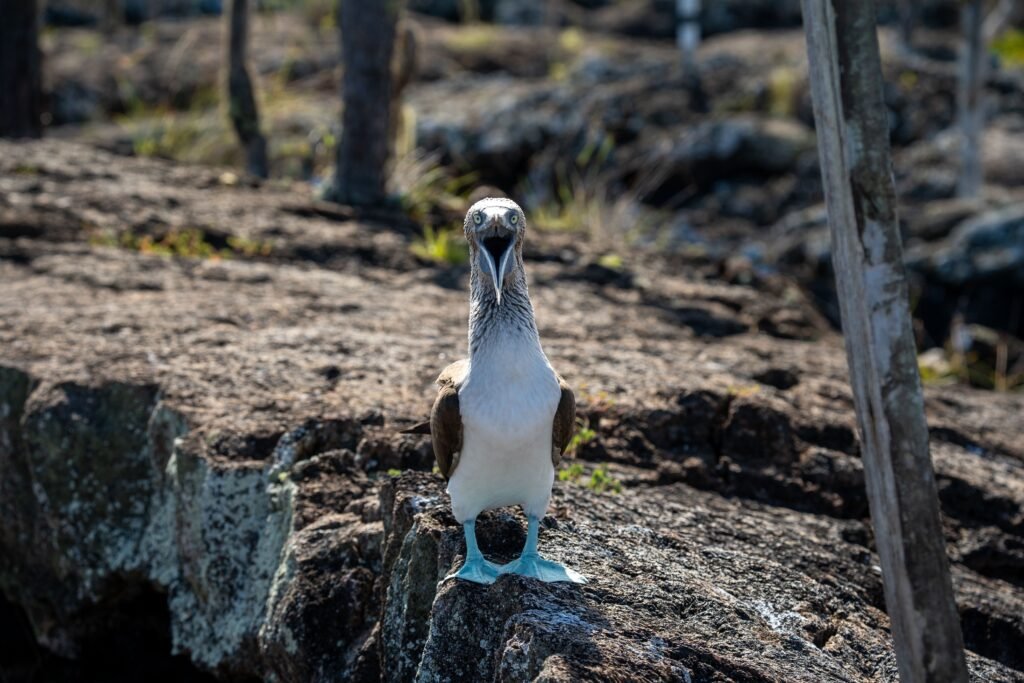
Before setting sail for Isla Floreana, review this essential safety and logistics checklist:
- Travel Insurance: Verify that your policy covers active travel, water sports, and emergency medical evacuation from remote islands
- Cash Preparation: Withdraw adequate US Dollar cash before leaving major island hubs like Puerto Ayora
- Sun Protection: Pack reef-safe sunscreen, UV sunglasses, and equatorial headwear
- Footwear: Bring sturdy hiking shoes for volcanic trails and grippy water shoes for wet panga landings
- Wildlife Awareness: Remember the mandatory two-metre buffer zone around all local fauna
- Hydration & Water: Drink only purified water and carry a durable water bottle on all excursions
- Document Safety: Keep physical copies of your passport, national park entrance card, and insurance details stored separately from originals
By keeping these straightforward safety guidelines in mind, travellers can focus entirely on immersing themselves in the natural wonders, rich history, and serene community life of Isla Floreana.
The Ecuadorian Coast.
Where you’ll find the very best food
Embrace the quiet majesty of Floreana
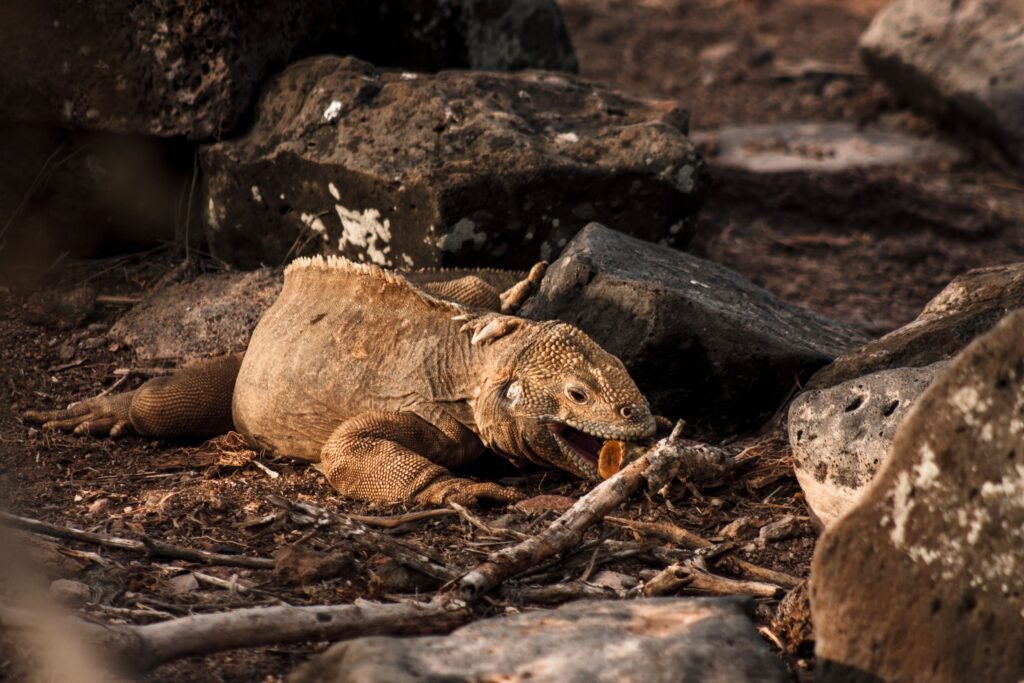
Isla Floreana stands as a remarkable testament to the untamed, pristine character of the Galápagos Archipelago. Stepping ashore at Puerto Velazco Ibarra feels like entering a different era, where the rhythmic ebb of the Pacific and the calls of native seabirds replace the noise of modern urban traffic.
Navigating this historic island offers independent travellers a rare chance to disconnect, immerse themselves in raw volcanic landscapes, and experience authentic community warmth without the security pressures typical of mainland transport hubs.
Safety on Floreana is rarely about managing human threats; instead, it centres on respecting the forces of nature. Preparing for strong ocean currents, staying well-hydrated beneath the equatorial sun, and observing strict conservation rules around endemic wildlife ensure that your journey remains safe and rewarding.
By taking simple, practical precautions before setting sail, you protect both your own well-being and the fragile ecological balance that makes this island so extraordinary.
Whether you choose to pedal quiet dirt tracks toward the highlands, snorkel through clear coastal waters alongside sea turtles, or drop a handwritten card into the historic barrel at Post Office Bay, Floreana delivers an unforgettable journey.
Equipped with proper preparation, adequate cash reserves, and sound environmental awareness, you can explore every corner of this historic sanctuary with complete confidence.
Affiliate Disclaimer: Some of the links on Wheely Tyred are affiliate links. If you click through and make a booking or purchase, we may earn a small commission at no extra cost to you. We only recommend gear, tours, stays, and services we genuinely use, trust, and stand behind — our editorial independence always comes first. These commissions help keep our independent cycling guides and travel stories free to read. Thanks for supporting the ride!
Frequently asked questions about Isla Floreana safety
No, there are no ATMs, banks, or reliable credit card processing facilities on Isla Floreana. All travellers must bring adequate US dollar cash from larger island hubs such as Santa Cruz or San Cristóbal to cover accommodation, meals, transport, and local tours.
Tap water on Isla Floreana is untreated and non-potable. Travellers should strictly consume filtered, boiled, or commercially bottled water, and use purified water when brushing teeth to prevent stomach upset.
Isla Floreana is exceptionally safe for solo female travellers. The small community of Puerto Velazco Ibarra is welcoming, peaceful, and respectful, allowing visitors to walk around comfortably at any time of day or evening without concern.
The island has a small rural health post suitable for basic first aid and minor ailments. For serious medical conditions, injuries, or emergencies, patients must be evacuated by water or air to Santa Cruz or mainland Ecuador, making emergency evacuation insurance vital.
A combination of sturdy, closed-toe walking or trail shoes for gravel paths and volcanic dirt tracks, along with grippy water shoes or sandals for wet boat landings on slippery rocks, provides ideal protection.
Ecuador.
Pure wonder on the equator.