The ultimate guide to Cuenca, Ecuador / Top sights for the independent explorer
Master the Andes at your own pace / The independent guide to Cuenca’s top sights
Discovering the heart and soul of the Athens of Ecuador
BEN FINCH
Cuenca, nestled high in the Andes Mountains of southern Ecuador, is a city that captures the heart of every independent traveller who crosses its threshold. Known fondly as the Athens of Ecuador, this vibrant metropolis effortlessly balances its rich colonial heritage with a lively, modern pulse. For those who prefer to travel on their own schedule, avoiding the rigid itineraries of large touring groups, Cuenca presents an absolute paradise of discovery. It is a place where every cobbled lane tells a story, and every terracotta roof reflects centuries of complex history.
Wheely Tyred knows that the best way to experience a new destination is to immerse yourself completely, taking the time to pause whenever a particular sight catches your eye. Whether you have brought your own reliable bicycle on your travels or plan to hire one locally to traverse the broader valleys, understanding the lay of the land and the most iconic landmarks is essential before you set off on your adventure. Here are the absolute must-visit attractions in Cuenca, expertly curated for the discerning, independent explorer who values autonomy and deep local knowledge.
Highlights of your independent Cuenca adventure
Wheely Tyred has curated the following list of iconic locations that define the Cuenca experience, providing the perfect framework for a self-guided adventure that lets the destination—not a schedule—set the pace.
- El Centro Histórico: A UNESCO World Heritage site filled with colonial architecture and vibrant plazas, best explored by slow wandering
- Catedral de la Inmaculada Concepción: The iconic blue-domed cathedral that defines the skyline; a marvel of marble and stained glass
- Pumapungo Archaeological Park: A site of ancient Incan ruins and a world-class ethnographic museum situated right in the city
- The Banks of the Rio Tomebamba: The scenic dividing line between the old and new city, perfect for a peaceful afternoon by the water
- Mirador de Turi: The city’s finest vantage point, offering panoramic views of the terracotta rooftops and Andean peaks
- Cajas National Park: A high-altitude wilderness of 200 glacial lakes located just a short distance from the city centre
Cuenca.
The Athens of Ecuador
El Centro Histórico
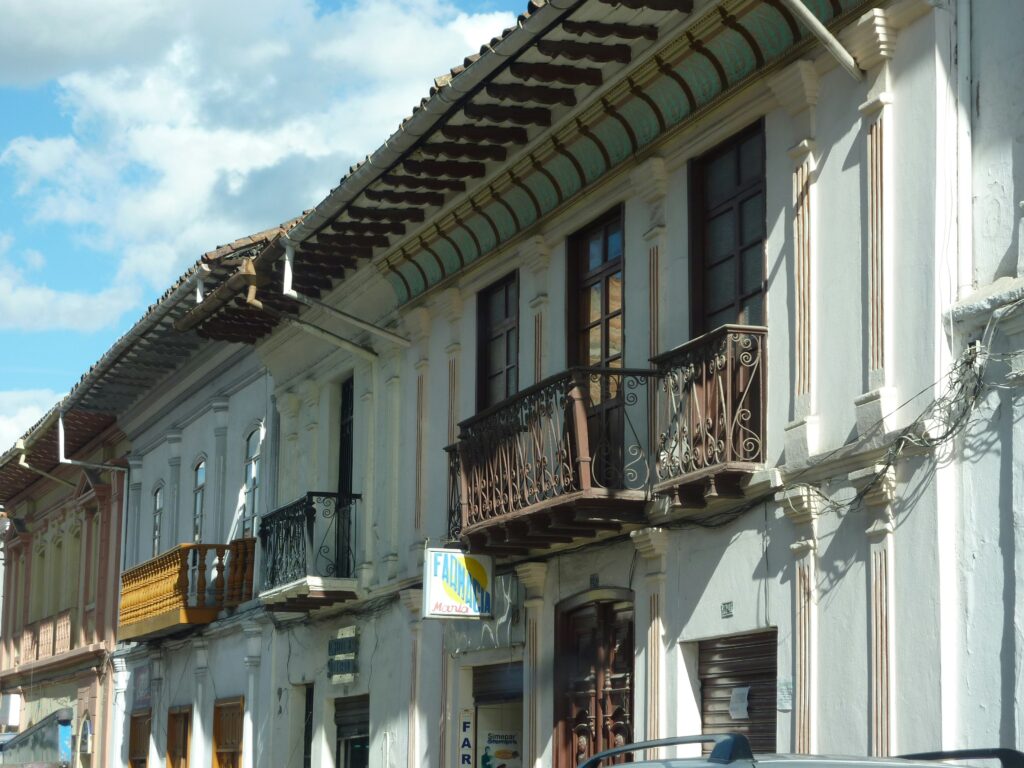
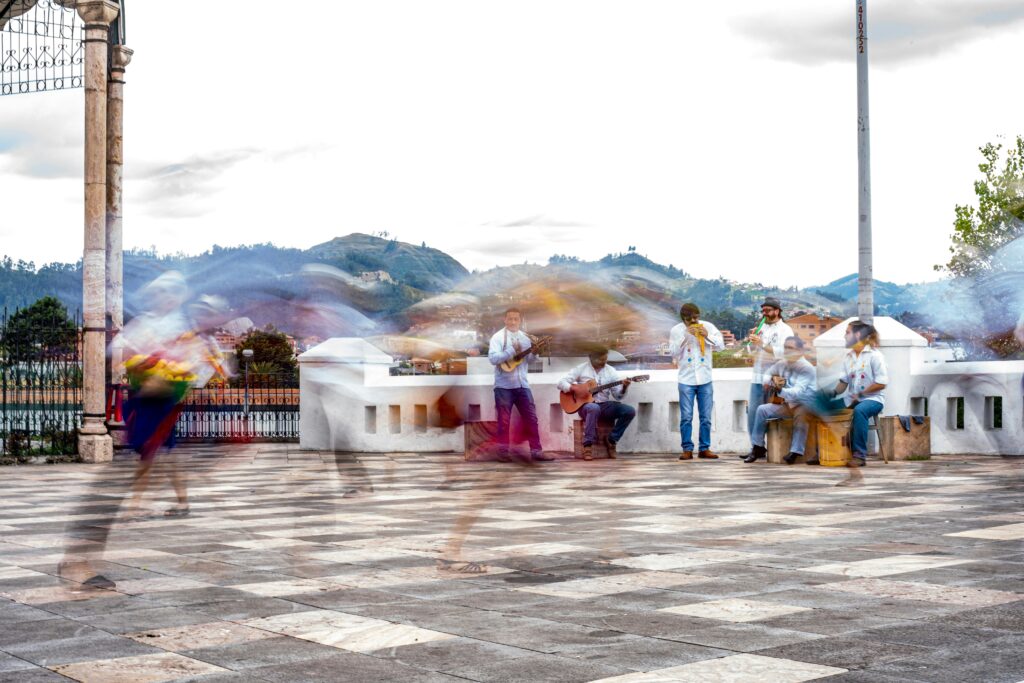
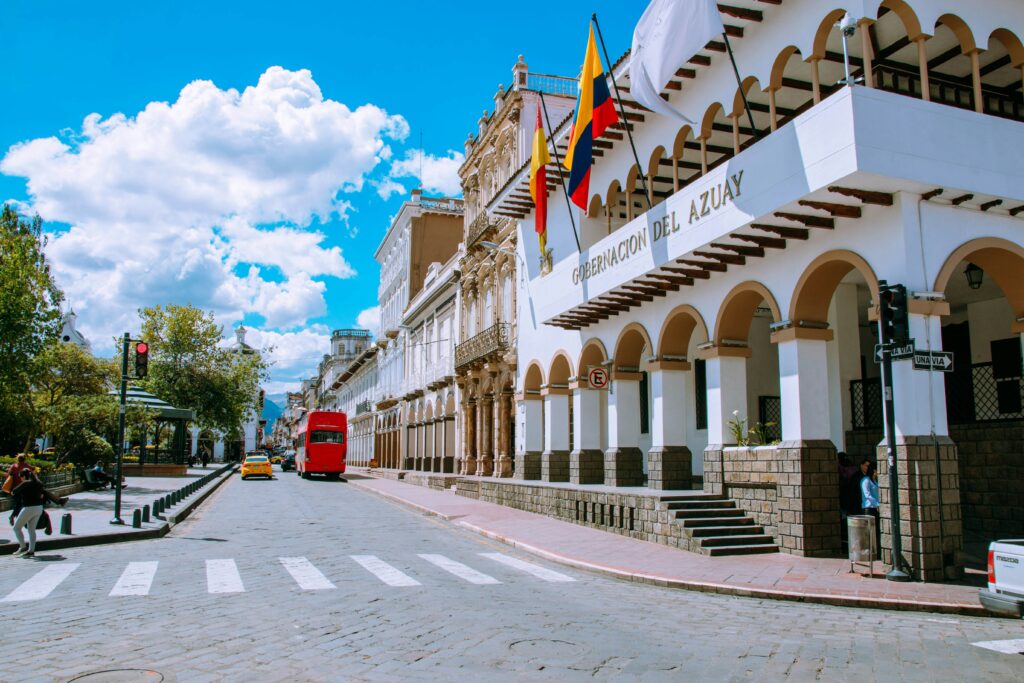
The beating heart of Cuenca is undeniably its Historic Centre, a masterpiece of urban planning that rightfully earned the city its prestigious UNESCO World Heritage status in 1999. Wandering through this grid of beautifully preserved streets is akin to stepping back in time. The architecture is a breathtaking blend of Spanish colonial and republican styles, characterised by ornate wrought-iron balconies, imposing wooden doorways, and interior courtyards bursting with vibrant bougainvillaea. As an independent traveller, you will deeply appreciate the freedom to explore at your own pace. You can take a moment to sit in Parque Calderón, the central plaza, to simply watch the world go by beneath the shade of towering trees.
The true beauty of the Historic Centre lies not just in its grand buildings, but in the intricate, everyday details. You will notice the handcrafted street signs, inhale the scent of freshly baked panela bread wafting from traditional bakeries, and hear the gentle hum of daily life. A short stroll from the main square leads you to the Plaza de las Flores, a bustling outdoor flower market where local vendors, many dressed in the traditional attire of the Chola Cuencana, sell staggering displays of orchids and roses. It is an environment that profoundly rewards the observant and the patient, far removed from the rushed pace of a guided bus tour.
Catedral de la Inmaculada Concepción
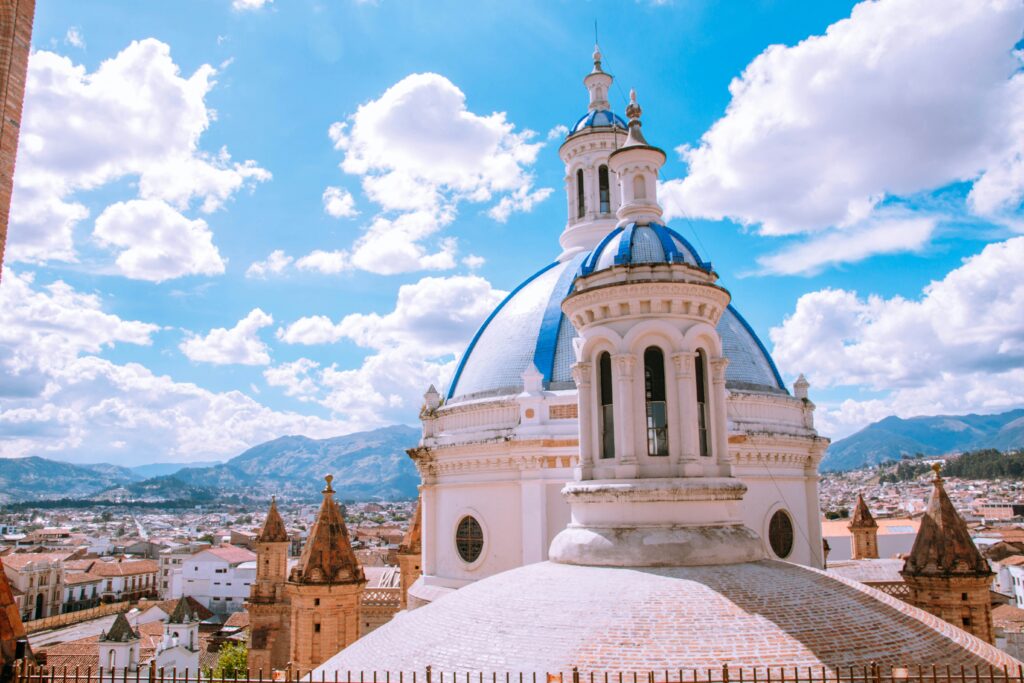
Dominating the skyline of Cuenca are the breathtaking sky-blue domes of the Catedral de la Inmaculada Concepción, universally referred to by locals as the New Cathedral. Construction of this magnificent religious edifice began in the late nineteenth century and took nearly nine decades to complete, resulting in a fascinating amalgamation of Romanesque Revival and Neo-Gothic architectural styles. The sheer scale of the cathedral is awe-inspiring, as it was originally designed to accommodate thousands of worshippers, reflecting the deep spiritual roots of the city.
When you step inside, the grandeur continues with stunning stained glass windows illuminating the nave, massive marble pillars imported directly from Italy, and a spectacular altar that gleams with applied gold leaf. Interestingly, the iconic tiled domes are actually truncated. The original architect, a German-born brother named Johannes Stiehle, had planned for much taller towers, but a later engineering miscalculation revealed that the foundation would simply not support the immense weight. Exploring this monumental structure independently allows you to linger over the intricate craftsmanship without feeling hurried. You might even choose to climb the narrow spiral stairs to the upper terrace for a closer look at those famous blue domes and a splendid vantage point over the bustling Parque Calderón below.
The Ecuadorian Sierra.
Get lost in the hills
Museo y Parque Arqueológico Pumapungo
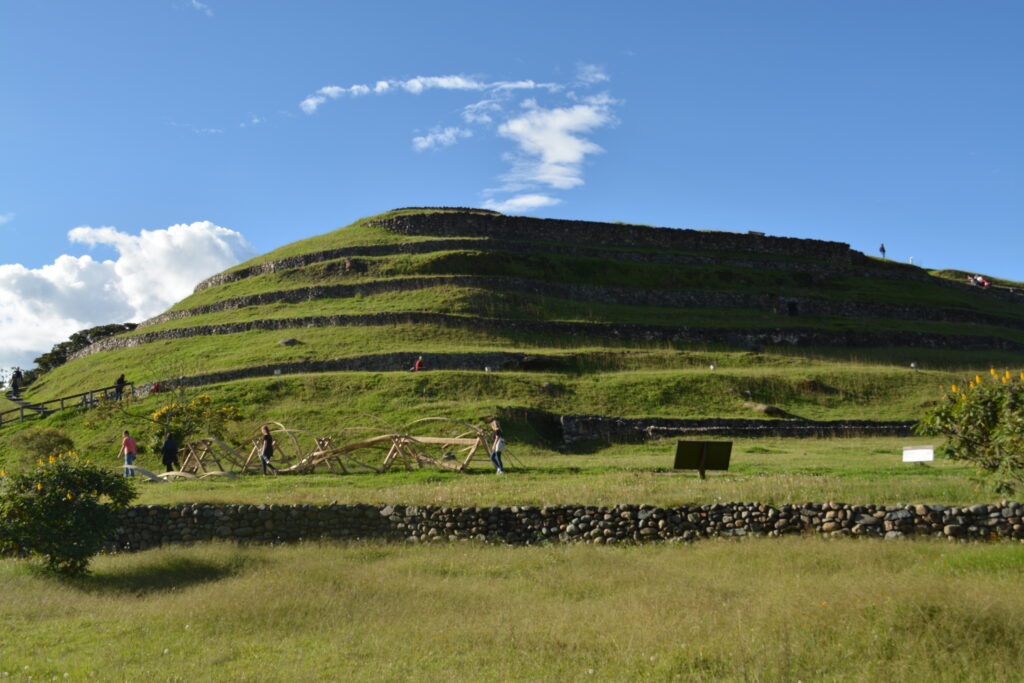
For a deep dive into the pre-Columbian history of the region, the Pumapungo Museum and Archaeological Park stands as an unmissable destination. Located on the eastern edge of the historic centre, this expansive site was once an incredibly important Incan stronghold, built by the Inca ruler Huayna Capac and famously destroyed before the Spanish conquistadors ever arrived. Today, you can wander freely through the excavated ruins of the ancient city, tracing the outlines of military barracks, sacred temples, and terraced agricultural plots.
The accompanying ethnographic museum indoors is equally fascinating and highly regarded across South America. It offers comprehensive exhibits on the diverse indigenous cultures of Ecuador, including the intriguing, albeit slightly macabre, display of traditional shrunken heads, known as tzantzas, created by the Amazonian Shuar people. Behind the museum, beautiful botanical gardens feature native Andean flora and a dedicated aviary rescuing local bird species. Taking the time to absorb the history here gives you a profound connection to the land and the powerful civilisations that shaped it long before the colonial era began.
The Banks of the Rio Tomebamba
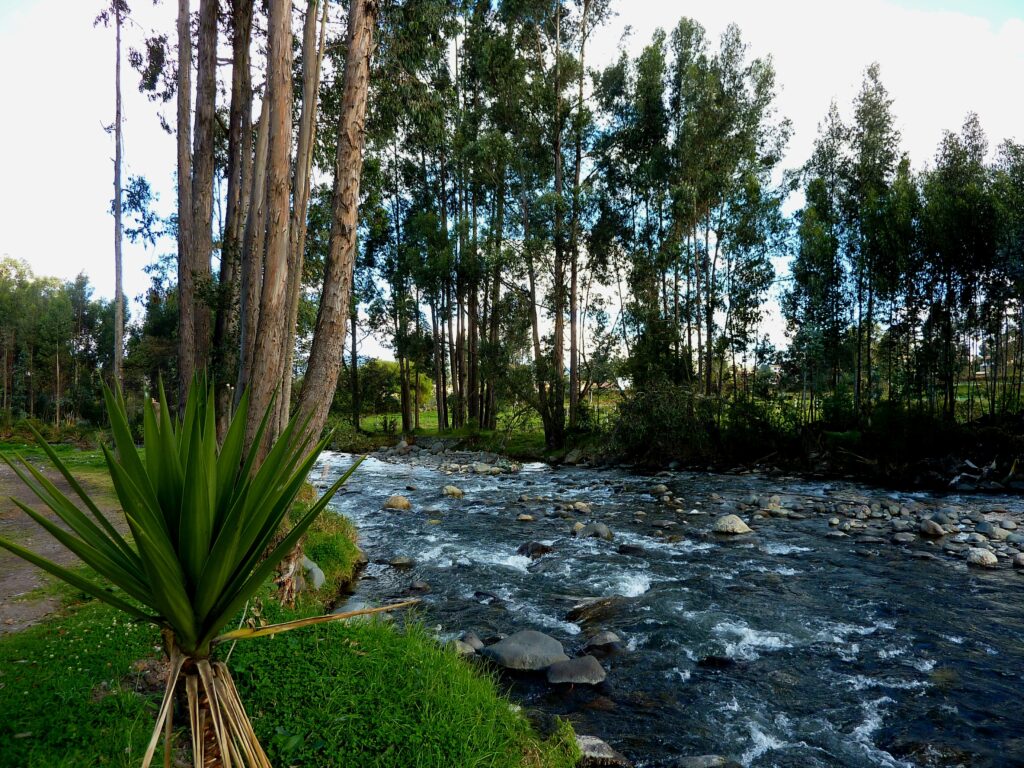
Cuenca is gracefully intersected by four rivers, but the Rio Tomebamba is perhaps the most beloved, acting as a natural dividing line between the historic colonial centre to the north and the modern, developing city to the south. The riverbanks, locally known as the barrancos, offer one of the most picturesque and serene environments in the entire city. Grassy slopes plunge down to the rushing water, lined closely with weeping willows and towering eucalyptus trees.
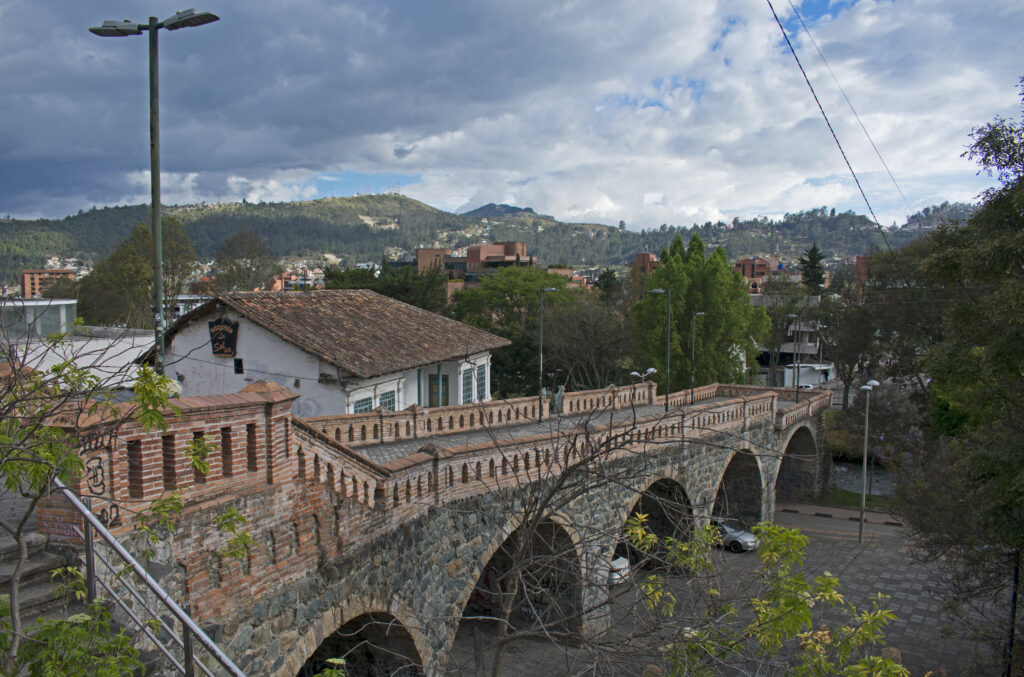
Walking along the stone-paved paths beside the river is a quintessential Cuenca experience. It is here that you will see the historic architecture seemingly tumbling down the hillside, creating a stunning visual contrast with the lush greenery of the riverbank. Independent travellers often find this area perfect for a peaceful afternoon, stopping to inspect the Puente Roto, a historic stone bridge partially destroyed by a flood, or simply listening to the soothing sound of the rushing water. It is an ideal spot to reflect on your travels, free from the constraints of a rigid itinerary, and a brilliant prelude to planning the next leg of your journey.
Quito.
Explore the Middle of the World
Mirador de Turi
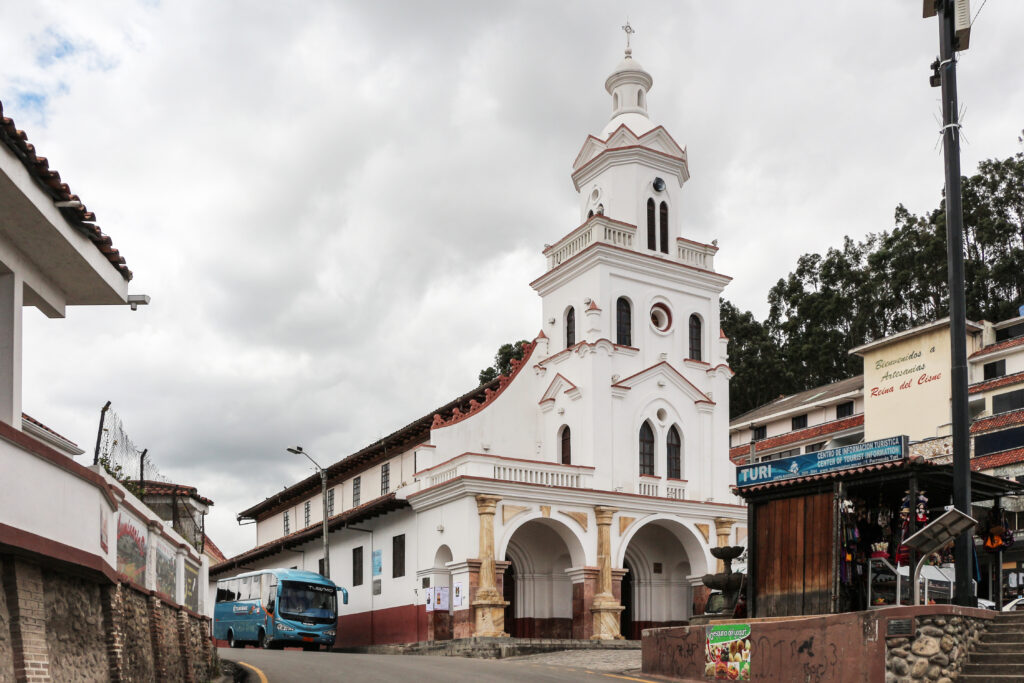
To truly grasp the layout and the spectacular geographical setting of Cuenca, a visit to the Mirador de Turi is absolutely essential. Perched high on a steep hill to the south of the city, this elevated viewpoint offers sweeping, panoramic vistas of the entire metropolis nestled securely within its surrounding Andean peaks. The red-tiled roofs of the historic centre, the unmistakable blue domes of the New Cathedral, and the winding, ribbon-like paths of the rivers are all laid out before you like an intricate map.
Reaching Turi is a miniature adventure in itself, whether you choose to challenge yourself with a rigorous ascent up the hillside stairs, ride a bike up through the backroads, or take a more leisurely route. Once at the top, the small, charming church of Turi provides a picturesque foreground to the sprawling city below, flanked by small artisanal shops selling local crafts. It is particularly magical to visit as the late afternoon light softens and the city begins to twinkle with early evening lights. This offers a moment of quiet awe that is best experienced at your own pace, without an impatient tour guide ushering you back to a waiting coach.
Parque Nacional Cajas
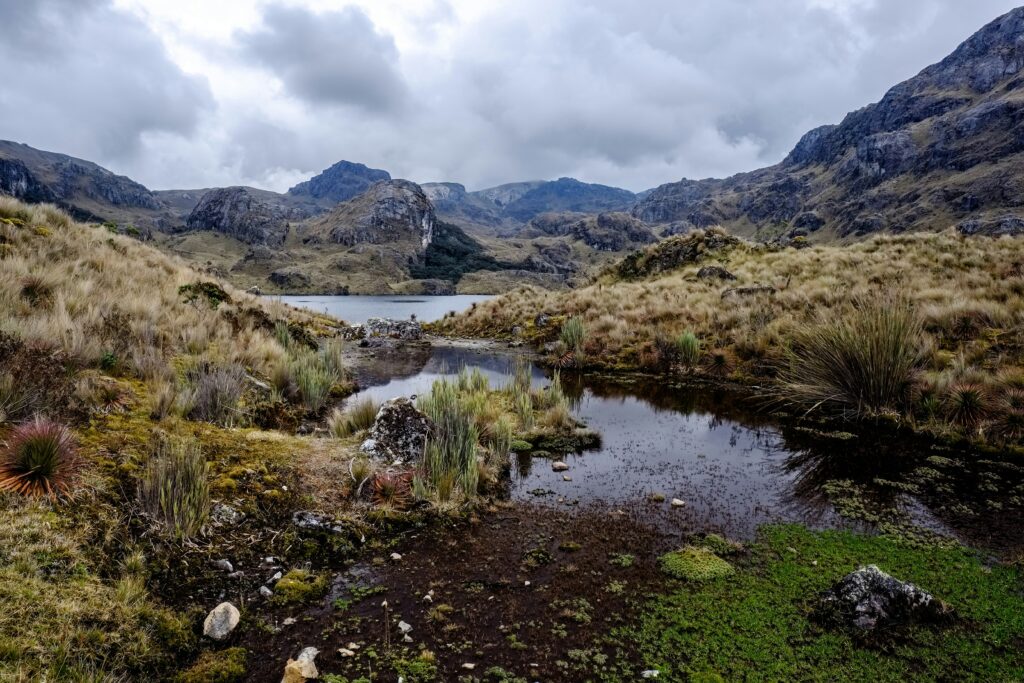
While technically situated just outside the immediate city limits, no comprehensive list of Cuenca attractions would be complete without mentioning the stark, otherworldly beauty of Cajas National Park. A relatively short journey westward from the city centre transports you to a high-altitude paramo ecosystem, dotted with over two hundred glacial lakes that shimmer like scattered jewels across the rugged terrain.
The landscape is a dramatic tapestry of rolling tundra, jagged peaks, and ancient polylepis forests, often shrouded in a mystical, atmospheric mist. For the active, independent traveller, Cajas offers a multitude of trails ranging from gentle walks around Laguna Toreadora to highly demanding multi-day treks. The flora and fauna are unique and resilient, adapting remarkably well to the harsh Andean conditions, with opportunities to spot wild alpacas or even the elusive Andean condor. Exploring Cajas requires preparation and a healthy respect for the altitude, but the ultimate reward is a profound sense of isolation and a pure connection with nature, entirely on your own terms.
The Ecuadorian Amazon.
The most biodiverse place in the world
Taking to the saddle in Cuenca
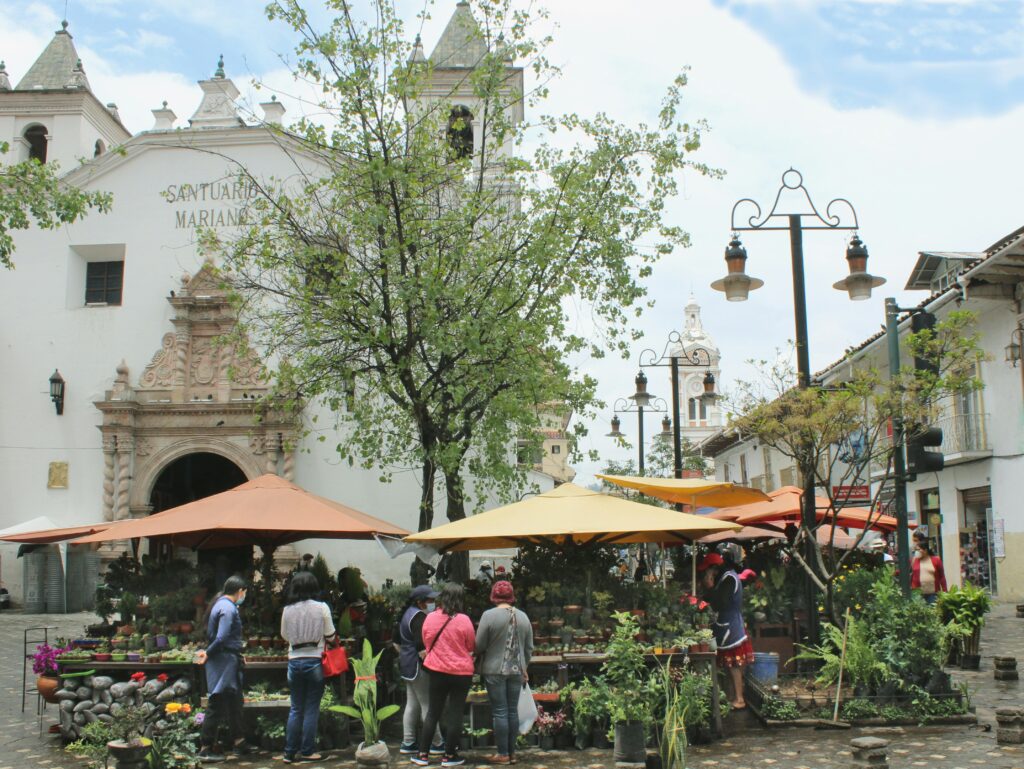
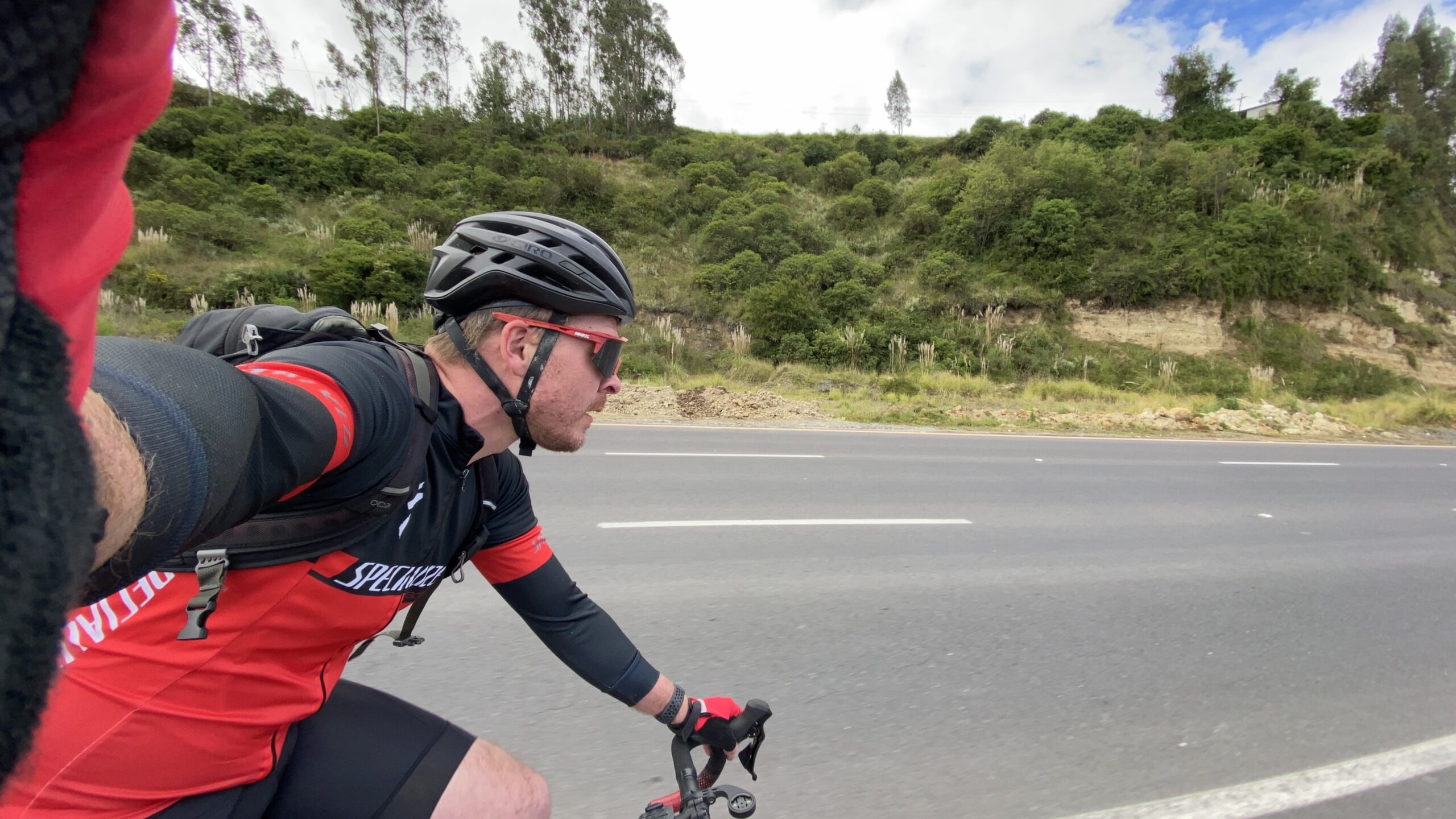
While walking is undoubtedly wonderful for exploring the dense, cobblestone streets of the historic centre, the true joy for the Wheely Tyred traveller lies in taking to the saddle.
Cuenca and its surrounding valleys are incredibly welcoming to cyclists, offering crisp mountain air and stunning vistas at every turn. Once you have absorbed the major attractions within the city, climbing onto your bike opens up a whole new realm of exploration. Within a 20-kilometre radius, you can easily pedal out to the thermal baths of Baños de Cuenca, a perfect spot to soothe tired muscles after a long, rewarding ride.
Alternatively, cycle west towards San Joaquin, an area renowned for its traditional basket weaving and hearty, locally sourced cuisine. You might also choose to head south into the picturesque Tarqui Valley, where rolling green hills and historic dairy farms provide a spectacular backdrop for a scenic day trip.
By choosing a self-guided approach, you maintain total control over your itinerary, allowing you to linger at a roadside artisan workshop or tackle that extra hill climb just for the spectacular view at the summit. Your journey, your pace, your adventure.
Frequently asked questions about visiting Cuenca
Cuenca is widely regarded as one of the safest cities in Ecuador and South America. While it is always wise to remain aware of your surroundings—particularly in crowded markets or at night—the city has a very welcoming atmosphere for those travelling without a guide. The locals are generally helpful, and the city’s layout is easy to navigate on your own.
Cuenca is known for having four seasons in one day, but the most stable weather typically occurs during the dry season from June to September. However, because it is located near the equator, temperatures remain relatively consistent year-round. It is best to pack layers and be prepared for a sudden afternoon shower, regardless of when you visit.
Not at all. Most of the primary attractions, including the Historic Centre and the Pumapungo ruins, are within walking distance of each other. For sights further afield like Turi or Cajas, local taxis and buses are very affordable. For the Wheely Tyred traveller, a bicycle is often the most rewarding way to see the city and its surrounding valleys at a pace that suits you.
Yes, it is entirely possible to visit Cajas independently. Public buses run regularly from the main terminal to the park entrance. Once there, you must register at the ranger station. While some trails are well-marked, the weather can change rapidly, so independent hikers should ensure they have proper gear, a map, and a clear understanding of the trail’s difficulty before setting off.
To truly appreciate the top sights and soak in the culture without rushing, we recommend at least three to four days. This allows you enough time to explore the historic centre, spend a full day in Cajas National Park, and have a leisurely day for a bike ride or a visit to the nearby thermal springs.
Ecuador.
Pure wonder on the equator.