
Is San Cristóbal safe in 2027? The complete travel safety guide for cyclists and explorers
Comprehensive 2027 San Cristóbal, Ecuador, travel safety analysis covering crime rates, solo female travel, cycling routes, and medical logistics
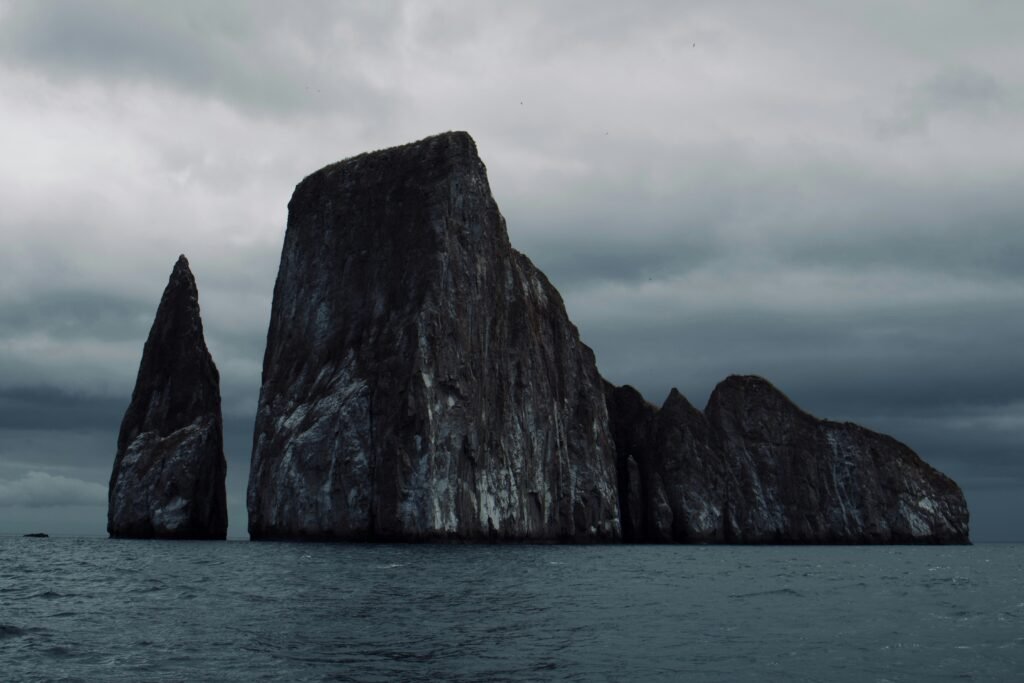
Clear-eyed guidance for navigating island life and volcanic trails with peace of mind

BEN FINCH
Understanding safety in San Cristóbal requires an immediate distinction between continental Ecuador and the remote Galápagos archipelago. Moving into 2027, international headlines regarding security in South America frequently cite mainland challenges, including state-of-emergency declarations and heightened gang activity in coastal port cities, such as Guayaquil or Esmeraldas.
However, as highlighted in our 2026 edition, these mainland security dynamics do not extend across the 600 miles of Pacific Ocean to San Cristóbal.
San Cristóbal operates under an exceptionally strict administrative and environmental management regime. Entry to the island is tightly regulated via mandatory transit control cards, biometric verification at arrival airports, and thorough biosecurity screening.
Puerto Baquerizo Moreno, the provincial capital located on the southwestern coast of San Cristóbal, remains one of the quietest and most secure municipal jurisdictions in Latin America.
Violent crime, organised gang presence, carjackings, and express kidnappings simply do not occur on San Cristóbal. The permanent population forms a close-knit community where local authorities maintain a visible, reassuring presence.
For travellers, cyclists, and outdoor enthusiasts arriving in 2027, the primary security baseline is not dodging violent crime, but rather practising sensible personal asset protection and respecting local marine and environmental guidelines.
Essential San Cristóbal safety at a glance
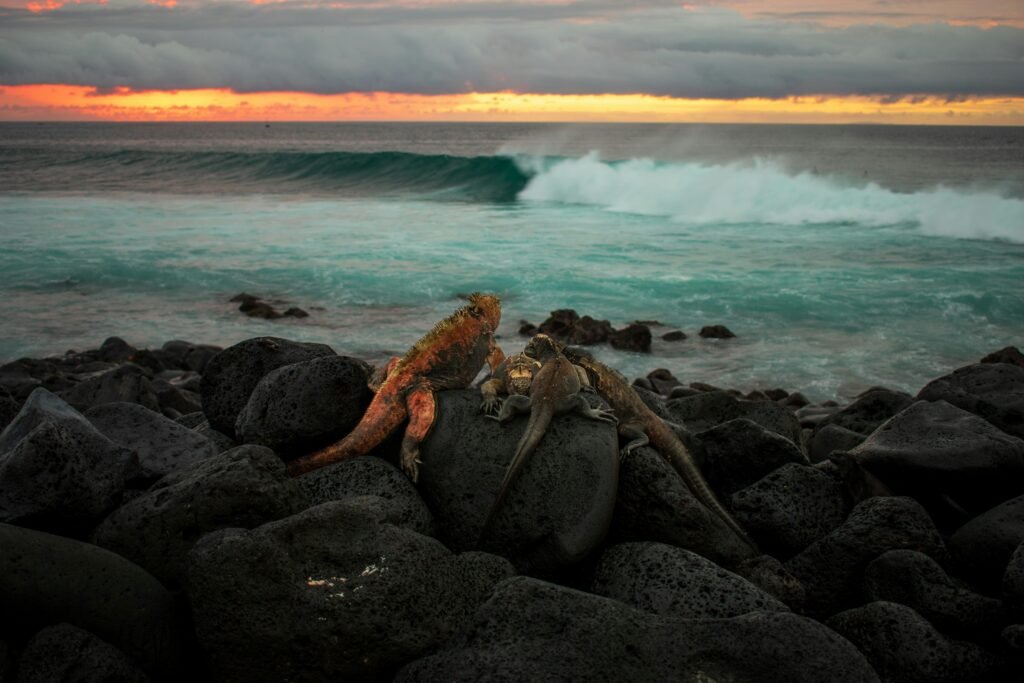
Navigating San Cristóbal in 2027 combines pristine natural solitude with one of the most reassuring security profiles in Latin America. Here are the core safety takeaways for independent travellers and cyclists planning their island itinerary.
- Mainland distinction: Security challenges affecting continental Ecuador do not cross the ocean, as island access remains strictly controlled by transit cards and biosecurity checks
- Petty theft prevention: Violent crime is practically non-existent, though leaving valuables unattended in busy spots, such as Playa Mann or La Lobería, risks opportunistic theft
- Solo and female travel: Puerto Baquerizo Moreno provides an exceptionally secure environment for solo travellers, with low street harassment and a welcoming community
- Highland cycling conditions: Riding from Puerto Baquerizo Moreno to El Progreso and Puerto Chino demands defensive riding, strong brakes for steep descents, and daytime running lights
- Equatorial sun exposure: Extreme UV levels require broad-spectrum reef-safe sunscreen, UV-rated riding gear, and generous water carrying capacity on long routes
- Wildlife boundaries: National park rules require maintaining a strict two-metre buffer from sea lions and giant tortoises, particularly aggressive bull sea lions on beaches
- Financial and health readiness: ATMs frequently run dry over weekends, making US dollar cash reserves and medical evacuation coverage essential prerequisites
San Cristóbal.
Laid-back in the Galápagos
Crime rates and realities in Puerto Baquerizo Moreno
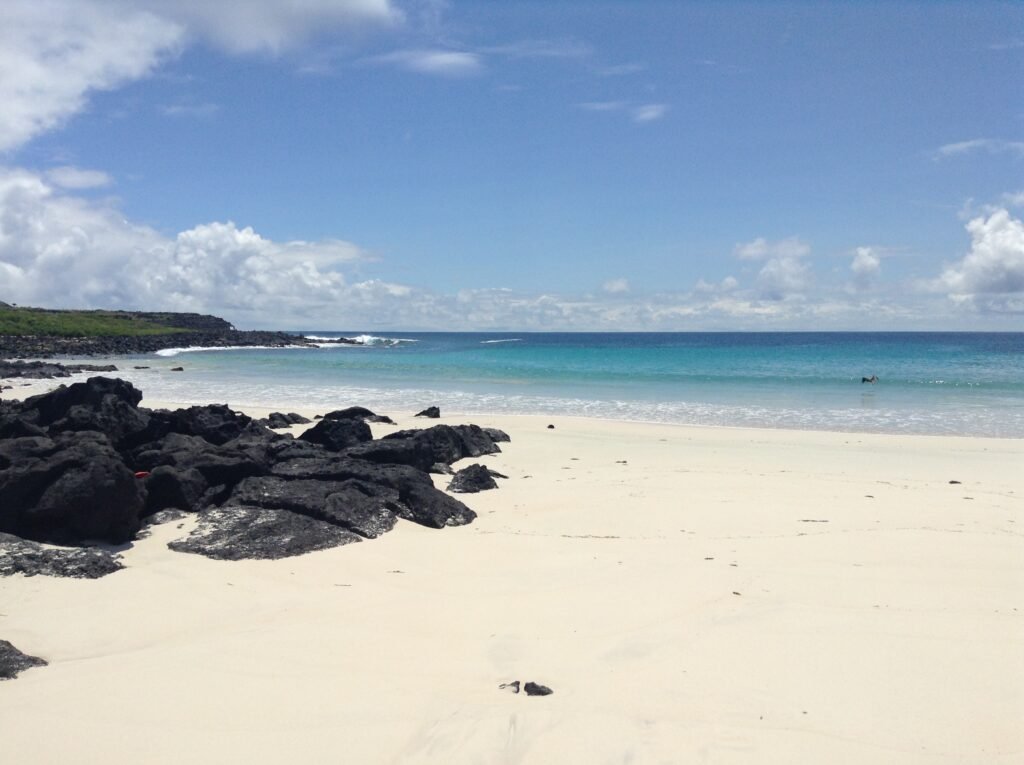
Statistical analysis of tourist experiences on San Cristóbal shows an overwhelmingly safe profile. Over 95 per cent of recorded security incidents on the island fall under the category of non-violent, opportunistic petty theft. Violent crime rates against tourists remain practically zero.
The primary venue for opportunistic crime is not isolated back alleys, but popular public beaches and transit hubs where visitors let their guard down. Locations such as Playa Mann, La Lobería, and Playa de los Marinos attract both locals and visitors. Leaving an expensive camera, smartphone, or wallet unattended on a beach towel while swimming or snorkelling creates the single largest risk factor on the island.
For cyclists touring the island, bicycle security requires basic precaution. While bike carjacking or highway robbery is non-existent, leaving an unlocked bike outside a grocery store or resting at a viewpoint can invite opportunistic tampering or theft.
At Wheely Tyred, we recommend carrying a lightweight cable lock and using secure panniers that can be detached easily when stepping away from your frame.
Detailed safety breakdown for solo, female, and minority travellers
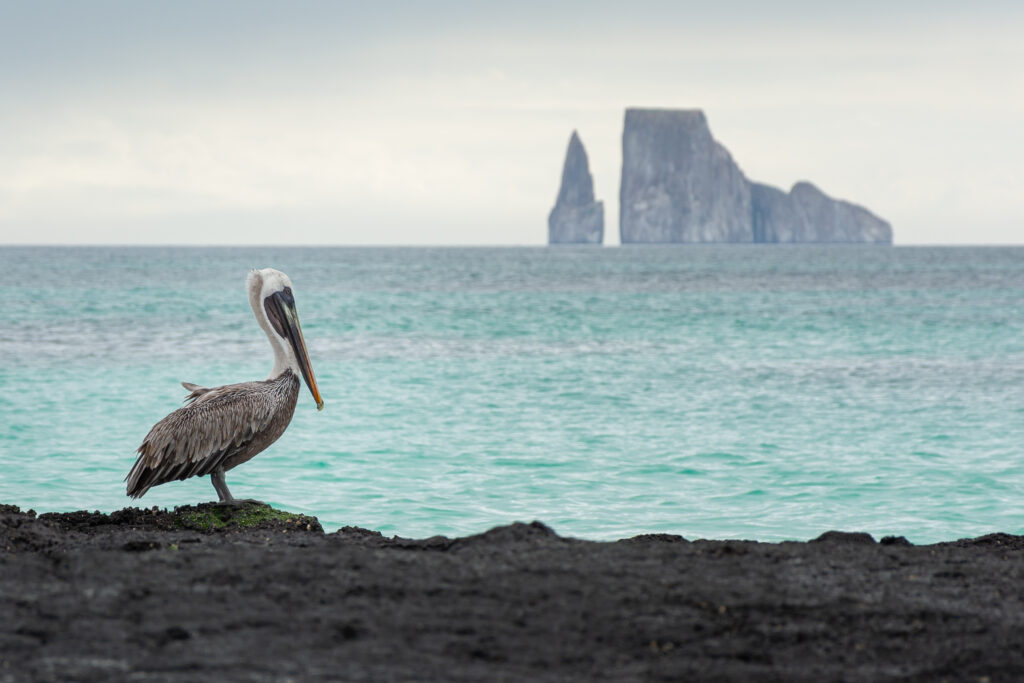
San Cristóbal stands out as an exceptionally safe destination for diverse categories of independent travellers, offering a level of personal freedom that can be rare in regional urban hubs.
Solo travellers
Navigating San Cristóbal alone is straightforward and stress-free. Navigation through Puerto Baquerizo Moreno is simple, and local residents are naturally helpful toward independent visitors. Because the island hosts a steady community of scientists, conservation workers, and adventure tourists, dining or exploring alone is completely normal and culturally comfortable.
Female travellers
San Cristóbal ranks among the safest destinations in South America for solo female travellers. The widespread street harassment and aggressive machismo sometimes encountered in large mainland transit hubs are notably absent here. Walking along the illuminated Malecón in Puerto Baquerizo Moreno after dark is generally safe.
Standard precautions still apply:
- Avoid walking alone along unlit, remote beach stretches or unpaved trailheads late at night
- Never leave drinks unattended in social bars or beach restaurants
- Inform your accommodation host or riding partner if embarking on extended solo backcountry rides toward Puerto Chino
Minority and LGBTQ+ travellers
San Cristóbal offers a welcoming environment for racial minorities and LGBTQ+ travellers. The local economy relies heavily on international ecotourism, fostering a culture of tolerance, dignity, and respect.
While public displays of affection among all couples tend to be modest outside tourist venues, minority travellers consistently report feeling secure and respected throughout their stay on the island.
The Galápagos.
Ecuador’s Enchanted Isles
Cycling, road conditions, and shared thoroughfares
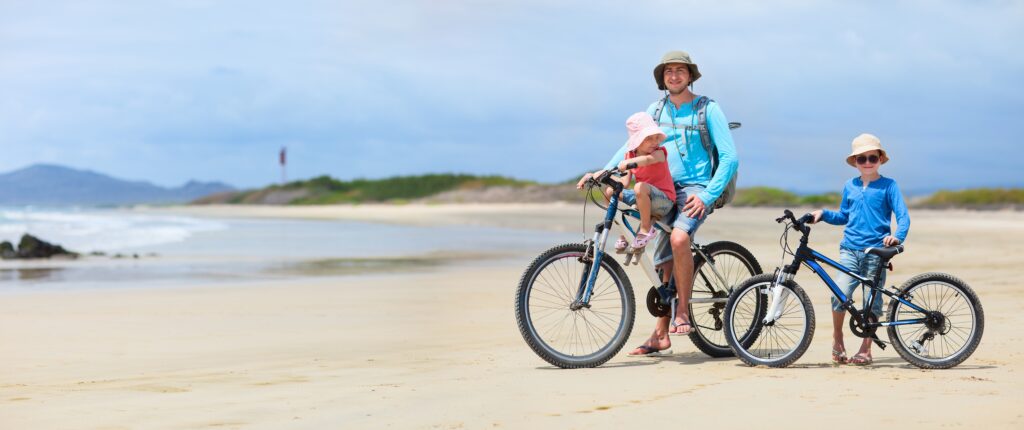
Exploring San Cristóbal by bicycle is one of the most rewarding ways to experience the island, but it introduces distinct physical hazards that require proactive safety measures.
The main paved artery connects Puerto Baquerizo Moreno with the highland town of El Progreso, continuing onward to La Galapaguera and the coastal cove of Puerto Chino. This route features significant elevation gains, sweeping turns, and variable road surfaces.
Key cycling safety considerations include:
- Shared Roadways and Traffic Habits: While traffic volume on San Cristóbal is low compared to mainland cities, pickup truck taxis and local supply buses move quickly along narrow highland roads. Driving habits can occasionally be unpredictable. Always ride defensively, maintain a single file when in groups, and stay well to the right side of the road lane
- Descending and Speed Control: The long descent from the highlands back to Puerto Baquerizo Moreno offers steep gradients. Ensure your brake pads are in top condition before tackling the highland road, as damp morning mists can reduce tyre traction on paved corners
- Visibility and Dusk Riding: Tropical daylight fades quickly in the equatorial Pacific. If returning from an afternoon ride near Cerro Tijeretas or Puerto Chino, ensure your bicycle is equipped with bright front and rear LED lights. Street lighting outside the main town centre is minimal
The Ecuadorian Sierra.
Get lost in the hills
Environmental hazards, wildlife boundaries, and marine safety
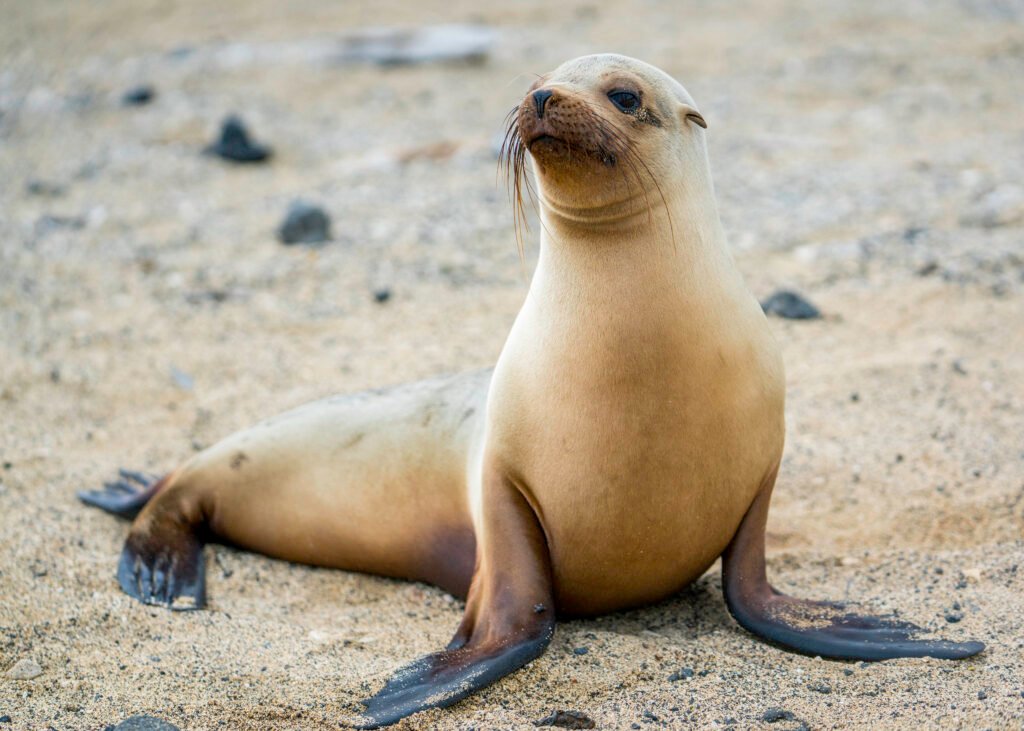
In San Cristóbal, environmental factors often represent a higher practical risk to your health than human activity. Respecting natural conditions is essential for an injury-free journey.
Equatorial solar radiation
Situated directly on the equator, San Cristóbal experiences intense solar exposure, with the UV index regularly exceeding 11. Dehydration, severe sunburn, and heat exhaustion can develop rapidly during long days in the saddle.
- Apply broad-spectrum, reef-safe sunscreen with an SPF of 50 or higher every two hours
- Wear lightweight, UV-rated long-sleeve cycling jerseys and protective eyewear
- Carry a minimum of two litres of water on long rides, supplementing with electrolyte solutions
Wildlife boundaries and animal protocols
The wildlife on San Cristóbal is famously fearless, but maintaining proper distance is vital for both human safety and animal protection.
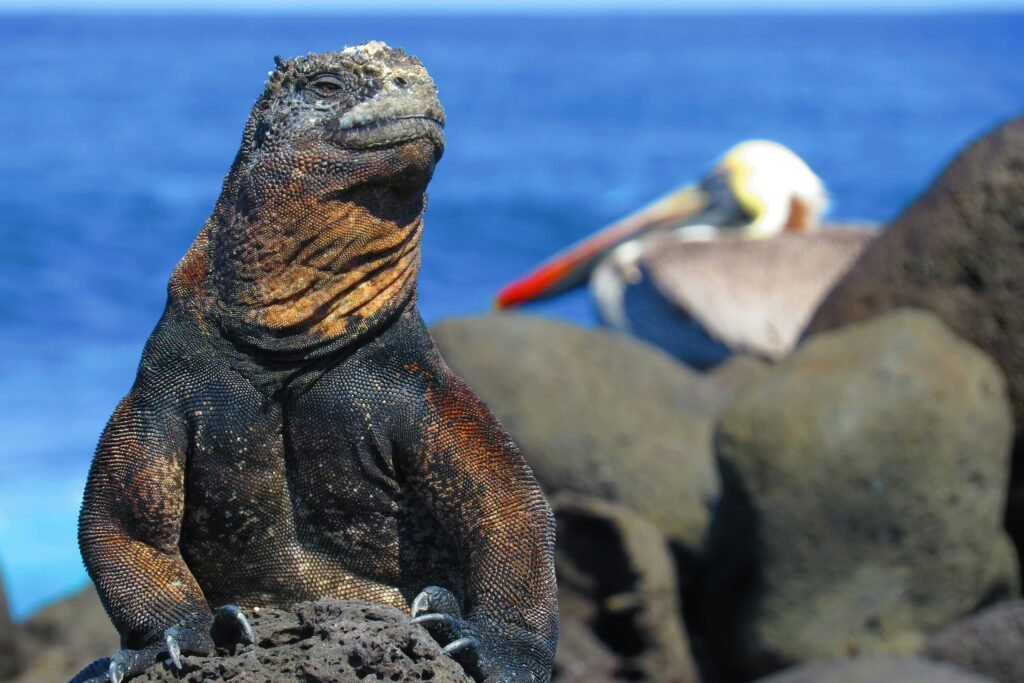
- The Mandatory Two-Metre Rule: National Park regulations strictly mandate maintaining at least two metres of distance from all wild animals, including sea lions, marine iguanas, and giant tortoises
- Sea Lion Dynamics: Galapagos sea lions dominate local beaches, docks, and walkways. Large male bull sea lions guarding harems can become territorial and aggressive if approached too closely. Never block a sea lion’s path to the water or attempt to touch pups
Ocean currents and water safety
Snorkelling and swimming at spots, such as Muelle Tijeretas or Puerto Chino, involve open ocean conditions. Swells can be powerful, and rip currents occur along exposed coastal coves. Always evaluate water conditions before entering, wear a snorkel vest if you are not a confident ocean swimmer, and never swim alone in unmonitored zones.
The Ecuadorian Amazon.
The most biodiverse place in the world
Logistical readiness / Cash, ATMs, and medical evacuation
Proper logistical planning forms the final pillar of safe travel in San Cristóbal. Island isolation presents distinct operational challenges that travellers must prepare for in advance.
Financial security and cash dependency
While credit cards are increasingly accepted at larger hotels and restaurants in Puerto Baquerizo Moreno, small local eateries, bicycle repair shops, and water taxi operators rely exclusively on cash. The national currency of Ecuador is the United States dollar.
ATMs on San Cristóbal are notoriously unreliable. Machines frequently run out of cash over weekends or experience network outages due to satellite connectivity issues. Arrive on the island with sufficient physical cash in small denominations ($5, $10, and $20 bills) to cover daily expenses, park fees, and emergency contingencies.
Health facilities and emergency medical evacuation
Medical infrastructure on San Cristóbal is basic. The local hospital in Puerto Baquerizo Moreno can handle minor injuries, basic prescriptions, and routine ailments. However, severe medical emergencies, complex surgical interventions, or major trauma require specialised care on the Ecuadorian mainland.
At Wheely Tyred, we strongly advise securing comprehensive travel insurance before departure. Ensure your policy specifically covers:
- Active cycling and sports activities
- Emergency medical evacuation and air ambulance transportation back to Quito or Guayaquil
- Trip interruption and ferry or flight delay coverage due to weather disruptions
Essential checklist for a secure San Cristóbal journey
To ensure a smooth, secure, and memorable visit to San Cristóbal in 2027, keep this core reference checklist in mind:
- Asset Care: Lock your bike frame when resting at beaches or viewpoints, and never leave camera gear or bags unattended on open sand
- Hydration and Sun Safety: Drink water regularly, apply high-SPF reef-safe sunscreen, and protect yourself against intense equatorial UV rays
- Wildlife Respect: Maintain a minimum two-metre distance from sea lions and native fauna at all times
- Financial Reserve: Bring ample US dollar cash in small bills to navigate frequent ATM shortages
- Evacuation Insurance: Verify that your travel insurance policy explicitly includes emergency medical airlifts
San Cristóbal remains a premier, serene, and remarkably safe destination for travellers who prepare thoughtfully. By combining standard common-sense habits with respect for the island’s unique ecosystem, your journey through this Galápagos paradise will be both safe and unforgettable.
The Ecuadorian Coast.
Where you’ll find the very best food
Explore with confidence across San Cristóbal
Read this far?
San Cristóbal stands as a remarkable exception in modern South American travel, offering a tranquil environment where the greatest concerns revolve around ocean swells and equatorial heat rather than human threat. For those exploring on two wheels, the island serves up dramatic volcanic gradients, coastal vistas, and an unhurried rhythm that rewards self-reliant travellers.
By respecting the island’s natural boundaries, preparing for modest infrastructure, and securing your gear when stepping away from the saddle, you can focus entirely on the landscape. The key to a smooth journey lies in simple, disciplined habits: carry sufficient cash, keep your distance from territorial sea lions, and stay well hydrated as you ride into the highlands.
Whether you are retracing coastal roads, cutting through lava fields or setting out solo along the Malecón at dusk, San Cristóbal delivers an experience that is both wild and safe. Prepare thoughtfully, pack the right gear, and enjoy every mile of this unique Pacific outpost.
Affiliate Disclaimer: Some of the links on Wheely Tyred are affiliate links. If you click through and make a booking or purchase, we may earn a small commission at no extra cost to you. We only recommend gear, tours, stays, and services we genuinely use, trust, and stand behind — our editorial independence always comes first. These commissions help keep our independent cycling guides and travel stories free to read. You can also buy me a coffee here — thanks for supporting the ride!
Frequently asked questions about San Cristóbal safety
San Cristóbal is considered one of the safest destinations in South America for solo female travellers. Street harassment is minimal, and walking around Puerto Baquerizo Moreno after dark is generally safe, provided standard precautions are followed.
San Cristóbal is isolated by 600 miles of Pacific Ocean and operates under strict entry controls, transit card requirements, and local governance. The crime issues and security alerts affecting mainland coastal cities do not extend to the Galápagos archipelago.
The main hazards for cyclists stem from environmental factors and road conditions rather than crime. Steep highland descents, sudden tropical rain, strong equatorial sun, and occasional fast-moving pickup trucks on narrow roads require high-quality brakes, visibility gear, and defensive riding habits.
Cash is essential on San Cristóbal. While larger hotels and established restaurants accept credit cards, smaller eateries, water taxis, and local shops accept only physical US dollars. Island ATMs often run out of money or suffer satellite outages, so bringing small bills from the mainland is necessary.
The local hospital in Puerto Baquerizo Moreno handles basic medical needs and minor injuries. For serious medical emergencies or major trauma, patients must be evacuated by air to mainland Ecuador. Securing comprehensive travel insurance with medical airlift coverage is crucial before visiting.
Sea lions are generally harmless if observed from a distance, but large male bulls defending territory or females with young pups can react aggressively if approached. Visitors must maintain the mandatory two-metre buffer required by national park regulations at all times.
Ecuador.
Pure wonder on the equator.


