
Galápagos Islands travel safety guide / Essential advice for 2027
The definitive 2027 Galápagos Islands safety guide covering entry rules, island crime, solo travel, and wildlife precautions

Explore Ecuador’s enchanted archipelago with confidence, clarity, and total peace of mind

BEN FINCH
When planning an adventure to the Galápagos Islands, understanding the local safety landscape is the most effective way to ensure a seamless journey. Following our popular 2026 Galápagos safety overview, this updated 2027 guide brings you the latest administrative entry rules, health logistics, environmental regulations, and practical security insights for exploring these isolated volcanic islands on two wheels or on foot.
While mainland Ecuador continues to face security challenges in specific urban corridors, the Galápagos archipelago operates as an almost entirely distinct entity. Strict provincial entry controls, an active conservation presence, and isolated island geography maintain one of the lowest crime rates in Latin America.
However, visiting in 2027 presents a unique set of logistical, environmental, and physical considerations.
Core essentials / Galápagos Islands safety & travel highlights
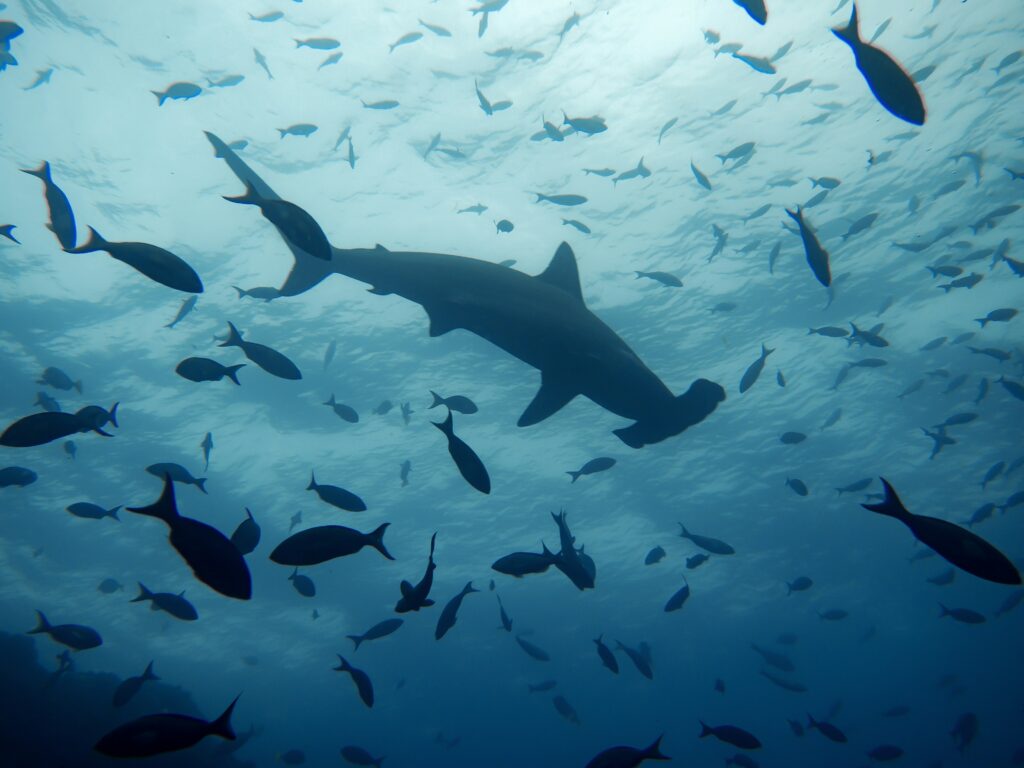
Here is the quick-reference breakdown of essential safety, transit, and exploration insights for your 2027 journey across the archipelago.
- Mainland Vigilance: Maintain strict situational awareness in Quito and Guayaquil airports, use official transport, and ensure your biosecurity bag seals remain intact until reaching your island destination
- Entry Fees & TCT: Prepare physical, untorn US dollar bills to cover the $200 USD Galápagos National Park fee and $20 USD Transit Control Card upon arrival
- Wildlife Boundaries: Maintain a strict two-metre distance from all sea lions, marine iguanas, and nesting birds, respecting wild animal behaviour at all times
- Extreme Solar Protection: Counteract extreme ultraviolet radiation indices above 11 by wearing UV-protective clothing and applying mineral, reef-safe sunscreens
- Bicycle & Highway Safety: Exercise caution on single-file coastal routes and highland descents, always securing your bike frame to fixed points with heavy cable locks
- Medical Readiness: Carry comprehensive travel insurance that explicitly covers emergency medical evacuation, as complex trauma requires airlift to the mainland
- Cash-Only Realities: Stock up on physical currency before flying to the islands, as local ATMs frequently experience outages and smaller vendors rely entirely on cash
The Galápagos.
Ecuador’s Enchanted Isles
Mainland transit and updated 2027 entry rules

Your safety and security in the Galápagos Islands begin before you even step onto an aeroplane. Because all commercial flights depart from mainland Ecuador via Quito or Guayaquil, travellers must navigate specific administrative procedures designed to protect both visitor security and fragile island ecosystems.
Airport logistics in Quito and Guayaquil
Mainland transit points require heightened situational awareness compared to the islands. When moving through airports or staying overnight in Quito or Guayaquil before your flight to Baltra or San Cristóbal, stick to registered hotel transfers or official yellow airport taxis. Keep personal belongings secured, avoid displaying expensive electronics in crowded terminals, and maintain a close watch on luggage during baggage screening.
Mandatory documentation and fee structures for 2027
Ecuadorian immigration and the Consejo de Gobierno del Régimen Especial de Galápagos maintain strict entry controls. Arrive at the mainland departure airport at least three hours prior to flight departure to complete the mandatory step-by-step entry protocol:
- Transit Control Card (TCT): Prior to check-in, visit the INGALA counter in the departures hall to purchase your TCT for $20 USD per person. You can do it online too. This document tracks visitor duration across the province
- Biosecurity screening (ABG): Your checked and carry-on luggage must be inspected by Agrocalidad biosecurity officers. Bags are sealed with a plastic tag to prevent the movement of restricted biological items, seeds, or organic matter into the islands. Do not break this seal before arriving at your island destination
- Galápagos National Park entrance fee: Upon landing at Baltra or San Cristóbal airports, international adult visitors must pay the Galápagos National Park entry fee. The updated fee remains $200 USD for adults and $100 USD for children under twelve years old. This fee must be paid in physical cash using clean, untorn US dollar bills, as card processing terminals at island airports are frequently offline
- Digital Biosafety Declaration: Travellers are required to complete an online sworn declaration 48 to 72 hours before departure, confirming they carry no prohibited agricultural items
- Passport and ticket validity: Your passport must possess a minimum of six months’ validity beyond your intended departure date, and immigration officers may require proof of a return air ticket and confirmed local accommodation
Understanding crime rates and local security
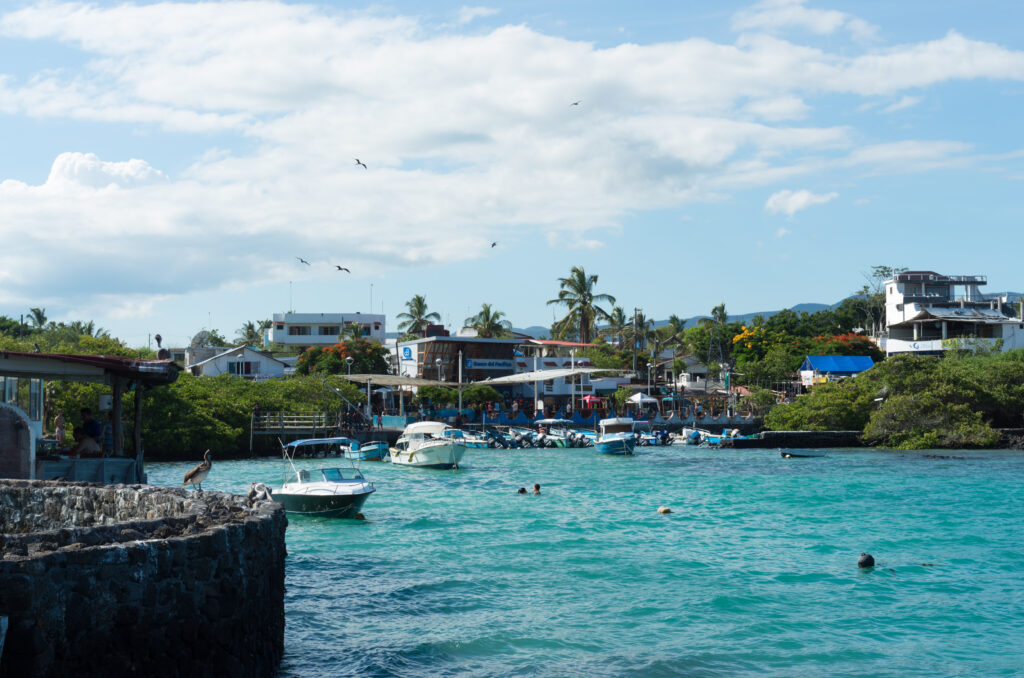
The contrast in security between mainland Ecuador and the Galápagos Islands is stark. Violent crime targeting tourists within the populated towns of Santa Cruz, San Cristóbal, and Isabela is practically non-existent.
Opportunistic theft and personal protection
While violent infractions are rare, opportunistic crime accounts for nearly all reported tourist incidents across the inhabited islands. Petty theft typically occurs when personal items are left unattended in public spaces.
- Beach safety: Never leave cameras, smartphones, or wallets unattended on popular beaches such as Tortuga Bay on Santa Cruz or Playa Mann on San Cristóbal while swimming. Use dry bags or take turns guarding valuables with travel partners
- Bicycle security: If you hire a bicycle to ride from Puerto Ayora to the highlands or explore the coastal paths of Isabela, always secure your frame to a fixed point using a heavy cable lock. Never leave loose items in handlebar baskets or panniers when walking away from your bike
- Accommodation security: Ensure hotel room windows and balcony doors are locked when leaving your room, especially on ground-floor properties near town centres
The Ecuadorian Sierra.
Get lost in the hills
Essential safety for solo travellers, women, and minorities
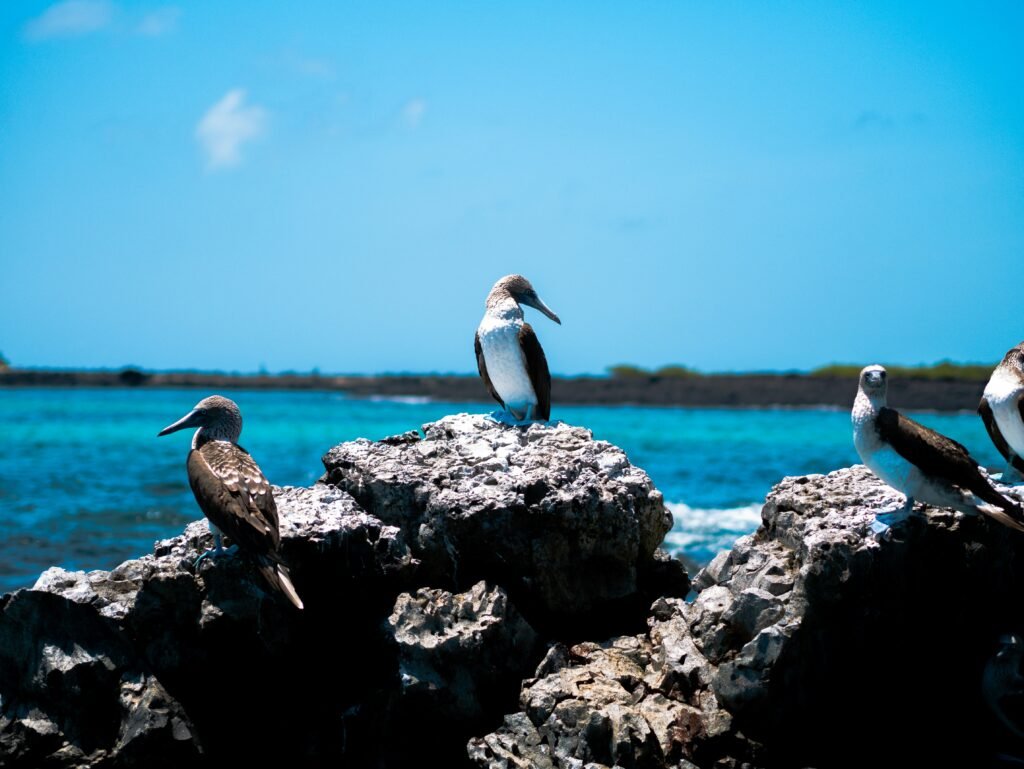
The Galápagos Islands are widely recognised as one of the safest destinations in South America for solo adventurers, female travellers, and minority groups.
Solo female travellers
Solo female travellers consistently report high levels of comfort and safety across Santa Cruz, San Cristóbal, and Isabela. The close-knit island communities foster an environment where street harassment is uncommon. Standard precautionary habits remain recommended:
- Avoid walking unlit beach trails or isolated dirt roads alone after dark
- Stick to well-lit main streets in Puerto Ayora, Puerto Baquerizo Moreno, and Puerto Villamil during nighttime hours
- Keep trusted contacts informed of your daily itinerary, especially when embarking on independent day hikes or cycling trips into rural highland areas
LGBTQ+ travellers and racial minorities
Local communities across the islands are accustomed to hosting international visitors from every corner of the globe. Diversity is welcomed, and minority travellers report feeling safe and respected throughout local establishments, guided tours, and transport services.
While public displays of affection are generally modest across regional Ecuadorian culture, LGBTQ+ couples can expect a welcoming reception across reputable hotels, restaurants, and excursion operators.
Ocean, wildlife, and environmental safety
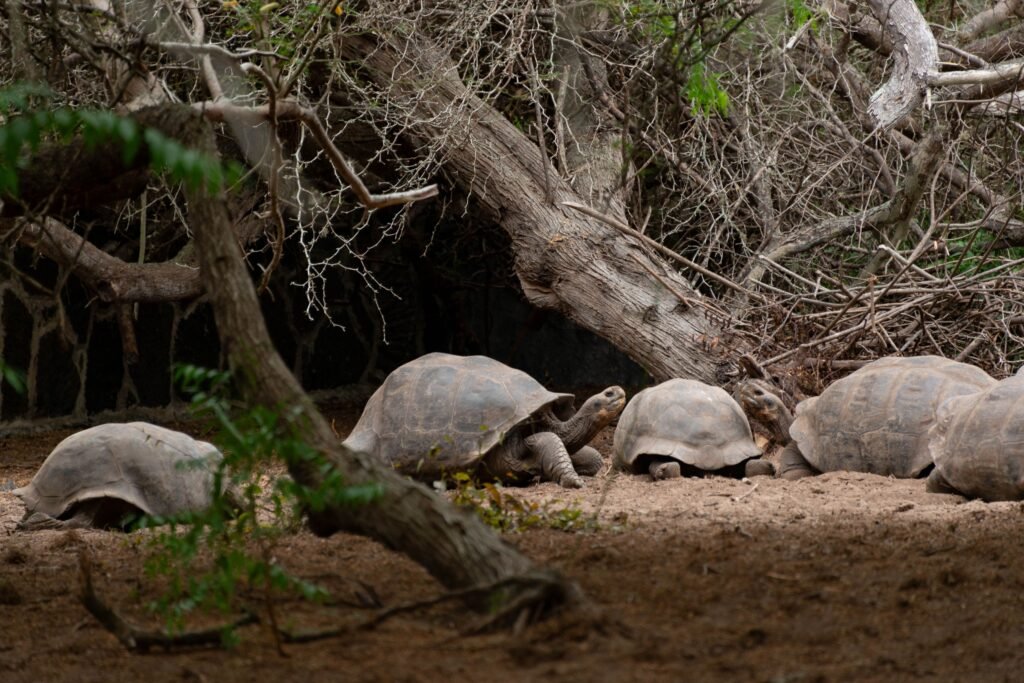
In the Galápagos, environmental conditions and natural wildlife interactions pose far greater practical risks to travellers than human activity.
Extreme solar radiation and heat protection
Positioned directly on the equator, the archipelago receives intense ultraviolet radiation throughout the year. The UV index regularly exceeds 11, classified as extreme. Sunburn, severe heat exhaustion, and dehydration represent the primary reasons tourists seek medical assistance on the islands.
- Reef-safe sun protection: Apply broad-spectrum mineral sunscreen containing zinc oxide or titanium dioxide frequently throughout the day. Traditional chemical sunscreens containing oxybenzone or octinoxate are restricted to prevent damage to fragile marine ecosystems
- Protective clothing: Wear lightweight long-sleeved UV shirts, wide-brimmed hats, and polarised sunglasses during cycling or trekking activities
- Hydration strategy: Carry a minimum of two litres of water per person on active excursions. Tap water on the islands is not suitable for drinking; carry reusable insulated bottles and refill them from purified water carboys provided by hotels and tour operators
Wildlife interactions and the two-metre rule
Galápagos wildlife is famously fearless, often resting directly on footpaths, benches, and docks. However, these remain wild animals capable of unpredictable defensive behaviours.
- Maintain distance: Galápagos National Park regulations mandate keeping a minimum distance of two metres (six feet) from all animals at all times, including sea lions, marine iguanas, giant tortoises, and nesting birds
- Sea lion caution: Male sea lions guarding harems or young pups can become surprisingly fast and aggressive on land or in shallow water if they feel threatened. Give them wide berth on docks and landing sites
- No touching or feeding: Touching or feeding wildlife is strictly prohibited, carrying heavy fines and risk of prosecution by national park wardens
Marine safety and inter-island water transit
Navigating between islands involves boarding small boats known locally as pangas, or taking speedboats across open marine channels.
- Panga transfers: Always keep both hands free during transfers between main vessels and panga dinghies. Follow crew instructions carefully and use the sailor step grip (holding wrists rather than hands) when stepping on or off wet vessels.
- Ocean currents and snorkelling: Water conditions can feature strong currents and swell, particularly between July and November. Always wear a life jacket or flotation belt during ocean excursions if you are not an expert swimmer
- Diving protocols: Deep diving in Galápagos waters involves cool ocean temperatures and powerful currents. Hyperbaric decompression chambers operate in Puerto Ayora on Santa Cruz. Ensure your dive operator is certified and your personal insurance explicitly covers deep-water scuba activities and hyperbaric treatment
The Ecuadorian Amazon.
The most biodiverse place in the world
Cycling and active transport safety across the islands
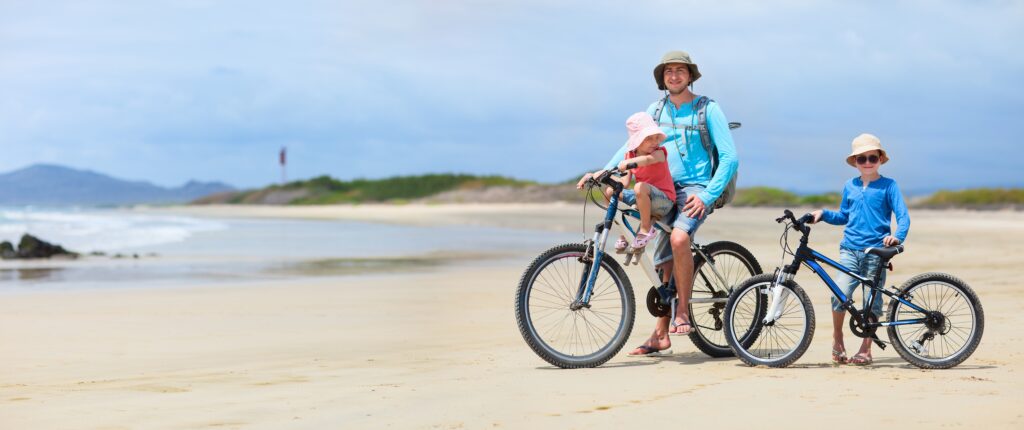
Exploring the inhabited islands on two wheels offers unparalleled freedom, but requires specific preparation depending on terrain and traffic patterns.
Santa Cruz paved highway navigation
Santa Cruz features a smooth, paved 42-kilometre highway running north-south from the Itabaca Channel to Puerto Ayora.
- Traffic awareness: While traffic density is low, you will share the roadway with regional taxis, supply trucks, and tour buses. Always ride single file on the right side of the road
- Speed management: The highway includes long descents from the moist highlands down to coastal ports. Monitor your bicycle’s brake pads before descending, as sudden heavy rain showers in the highlands can reduce braking efficiency on wet tarmac
San Cristóbal and Isabela terrain
- San Cristóbal: The paved route connecting Puerto Baquerizo Moreno to El Progreso and La Soledad climbs steeply into rural agricultural zones. Be prepared for sudden changes in weather, foggy highland conditions, and loose gravel along road shoulders
- Isabela: Road surfaces outside Puerto Villamil quickly transition to soft sand tracks and crushed volcanic cinder. Wide gravel or mountain bike tyres are essential for traction. Watch out for marine iguanas warming themselves on dark volcanic paths during early morning and late afternoon hours
Medical facilities, cash reserves, and emergency logistics
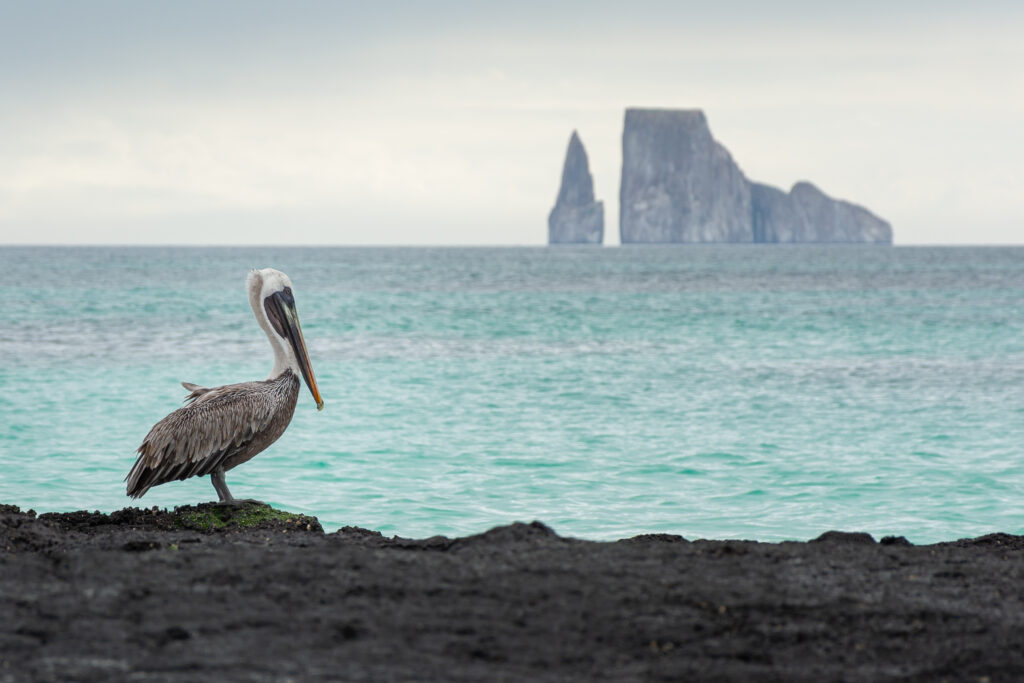
Being well-prepared for health emergencies and financial logistics prevents minor setbacks from interrupting your journey.
Medical capacity and medical evacuations
Hospitals in Puerto Ayora and Puerto Baquerizo Moreno offer basic emergency care, general consultation, and minor surgical capabilities. However, severe trauma, complex cardiac events, or advanced medical emergencies require air medical evacuation back to mainland facilities in Quito or Guayaquil.
- Travel insurance mandate: Ecuadorian law requires foreign visitors to carry active health insurance upon entry. Wheely Tyred strongly advises securing a comprehensive policy that includes emergency medical evacuation, trip cancellation coverage, and specific coverage for cycling or adventure activities
- Personal medications: Bring a complete supply of required prescription medications in their original labelled bottles, along with basic supplies such as rehydration salts, blister pads, motion sickness remedies, and antiseptic ointment
Cash management and financial safety
While larger hotels and established tour operators accept credit card payments, smaller cafés, local water taxis, bike rentals, and entrance fee counters operate strictly in cash.
- ATM reliability: Automated teller machines in Puerto Ayora and Puerto Baquerizo Moreno frequently run out of physical cash or experience network outages, particularly on weekends. Isabela has extremely limited ATM access
- Cash reserves: Withdraw sufficient US dollars in clean, undamaged notes while at mainland airports or major cities before flying to the islands. Keep emergency cash reserves stored securely in a travel pouch inside your accommodation safe
The Ecuadorian Coast.
Where you’ll find the very best food
2027 Galápagos safety quick-reference checklist
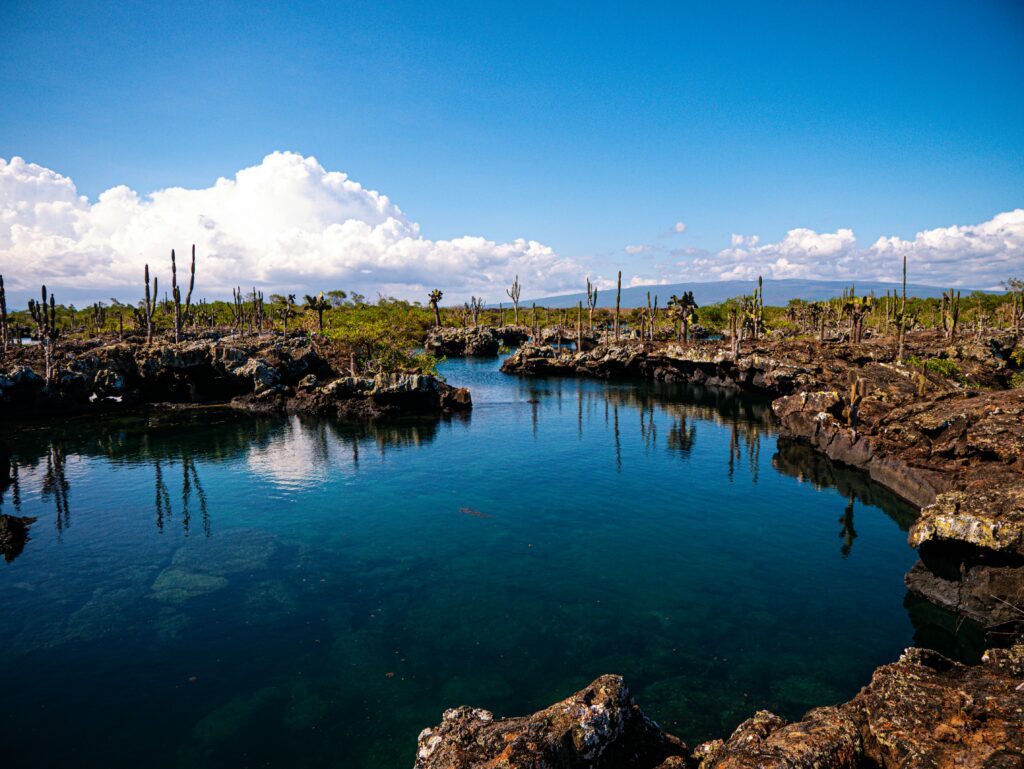
| Safety area | Key rule or requirement | Practical advice |
| Mainland transit | Maintain vigilance in Quito and Guayaquil airports | Use official airport transport; keep bags sealed at ABG check |
| Entry fees | $200 Park fee & $20 TCT card per adult | Pay in physical, crisp US dollar cash upon arrival |
| Wildlife distance | Maintain 2 metres (6 feet) from all animals | Never touch, feed, or corner sea lions or iguanas |
| Solar safety | Extreme UV index (>11) daily | Wear UV clothing; use mineral, reef-safe sunscreen |
| Bicycle safety | Wear helmets; lock frames to fixed points | Avoid riding dark rural paths without adequate lighting |
| Medical care | Basic local facilities; complex care requires airlift | Secure travel insurance with medical evacuation coverage |
By understanding these essential guidelines, respecting the unique island ecosystem, and exercising common-sense active travel precautions, your 2027 visit to the Galápagos Islands will be smooth, secure, and truly unforgettable.
Master the Galápagos Islands on your own terms
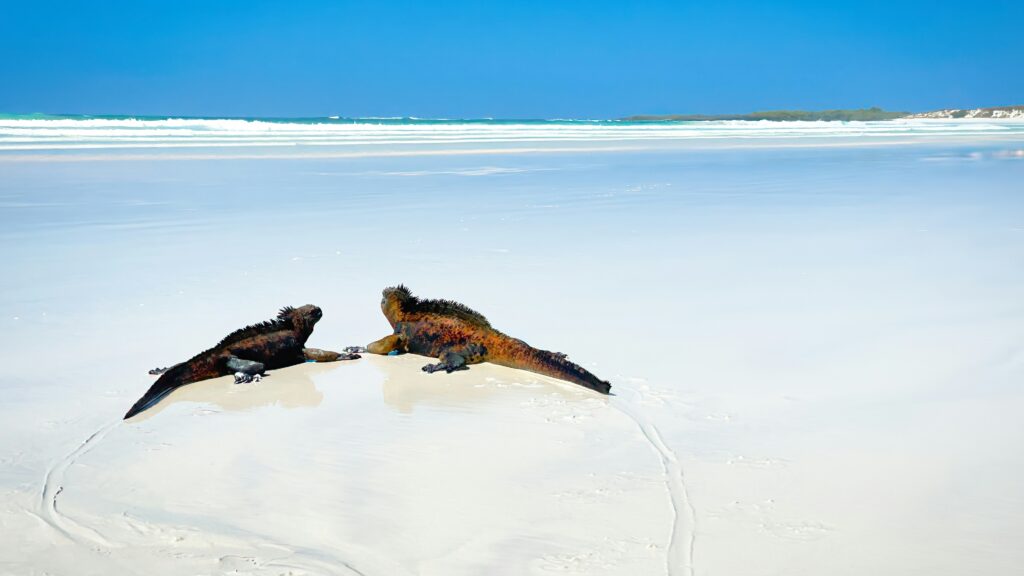
Read this far?
Exploring the Galápagos Islands independently offers a rare glimpse into one of the planet’s most pristine volcanic landscapes, far removed from the sterile confines of large-scale resort tourism.
By understanding the administrative protocols, respecting local wildlife boundaries, and staying mindful of basic island logistics, independent travellers can experience the true spirit of the archipelago safely and sustainably.
Whether you are navigating the paved highland climbs of Santa Cruz on two wheels, tracking marine iguanas along the volcanic shores of Isabela, or walking the pristine sands of San Cristóbal, preparation remains your greatest asset.
Slow travel in the Galápagos is about moving with intention, supporting local communities, and treating fragile ecosystems with absolute respect.
Equipped with the right gear, up-to-date entry knowledge, and a grounded approach to active transport, your 2027 journey will be as secure as it is unforgettable. Keep your tyres rolling, stay curious, and embrace the adventure ahead.
Affiliate Disclaimer: Some of the links on Wheely Tyred are affiliate links. If you click through and make a booking or purchase, we may earn a small commission at no extra cost to you. We only recommend gear, tours, stays, and services we genuinely use, trust, and stand behind — our editorial independence always comes first. These commissions help keep our independent cycling guides and travel stories free to read. You can also buy me a coffee here — thanks for supporting the ride!
Frequently asked questions about Galápagos Islands travel safety
While larger hotels and tour operators accept credit cards, many local water taxis, bike rental shops, rural eateries, and souvenir vendors operate strictly on a cash-only basis. ATMs in Puerto Ayora and Puerto Baquerizo Moreno frequently experience network outages or run out of physical bills, and Isabela has extremely limited banking access. We recommend withdrawing sufficient US dollars in clean, undamaged notes while on the mainland before your flight.
Yes. The inhabited islands of Santa Cruz, San Cristóbal, and Isabela boast some of the lowest crime rates in South America, making them exceptionally safe for solo adventurers and solo female travellers. Violent crime is virtually non-existent, though standard common-sense precautions—such as avoiding unlit beach paths alone after dark and securing personal belongings—remain essential.
International adult visitors must pay a $200 USD Galápagos National Park entry fee upon arrival at Baltra or San Cristóbal airports (reduced to $100 USD for children under twelve). Additionally, travellers must purchase a $20 USD Transit Control Card (TCT) at the mainland departure airport prior to checking in for their flight.
Absolutely. Cycling is a fantastic way to explore paved routes like the north-south highway on Santa Cruz or the rolling terrain connecting Puerto Baquerizo Moreno to the highlands of San Cristóbal. Always inspect your brakes before tackling steep descents, wear a helmet, and use a heavy cable lock whenever you step away from your bike.
Galápagos wildlife is famously fearless and frequently rests directly on walking paths, docks, and benches. National park regulations require travellers to maintain a minimum distance of two metres (six feet) from all animals. Never touch, feed, or attempt to move wildlife, especially male sea lions guarding territory or mothers with pups.
No. Tap water across the inhabited islands is not suitable for drinking. Travellers should avoid consuming untreated tap water or ice made from tap water. Bring durable, insulated reusable water bottles and refill them from purified water stations provided by your accommodation or local tour operators.
Ecuador.
Pure wonder on the equator.


