
Isla Isabela
Things to do on Isla Isabela.
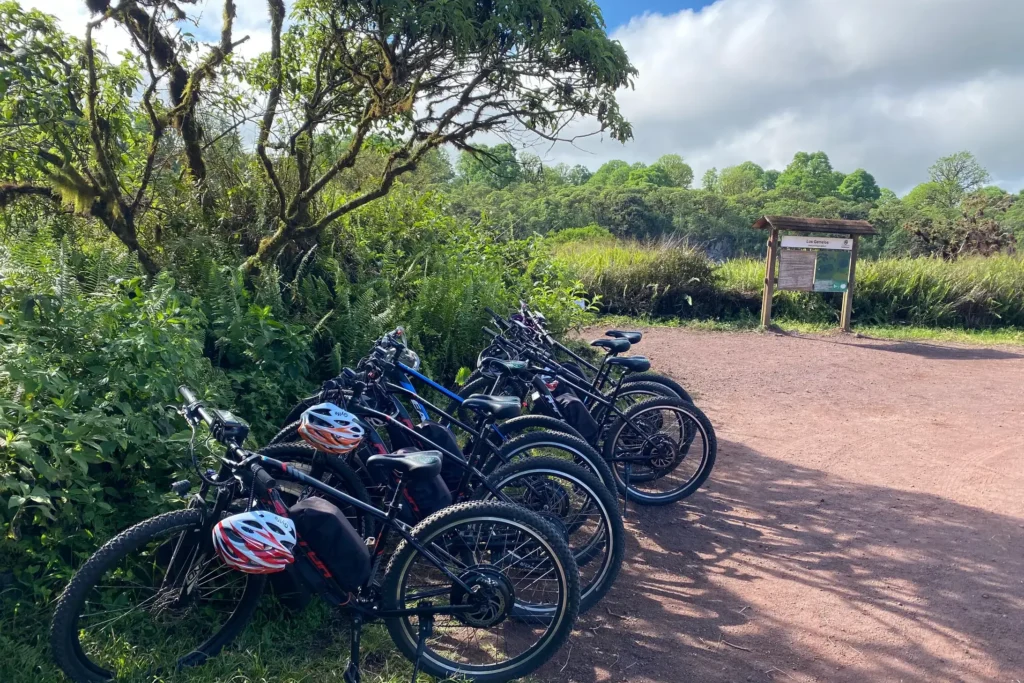
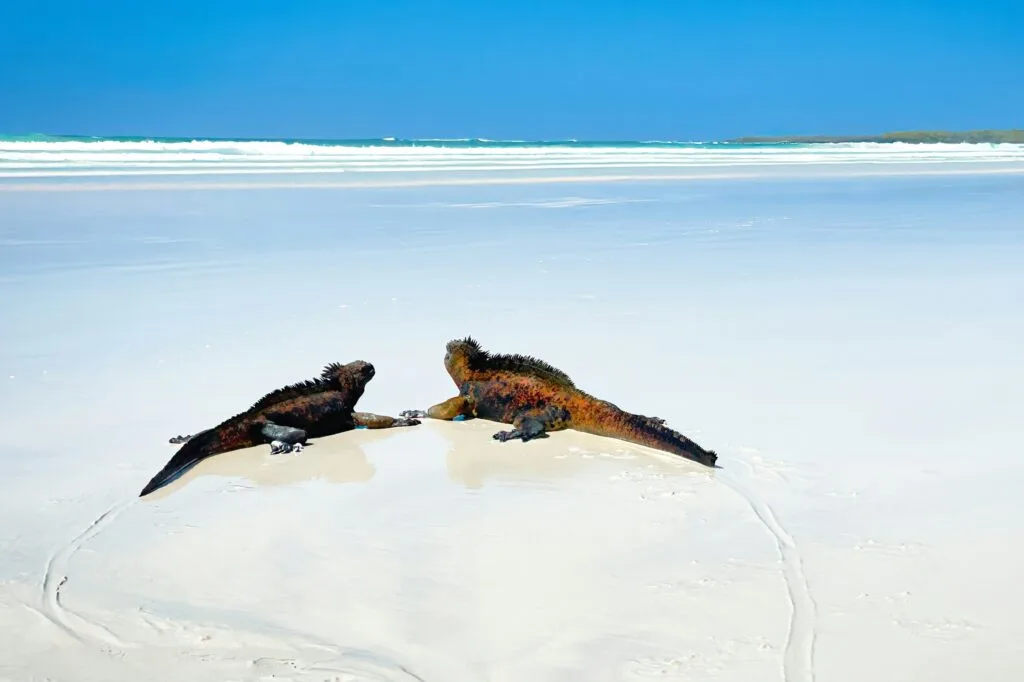
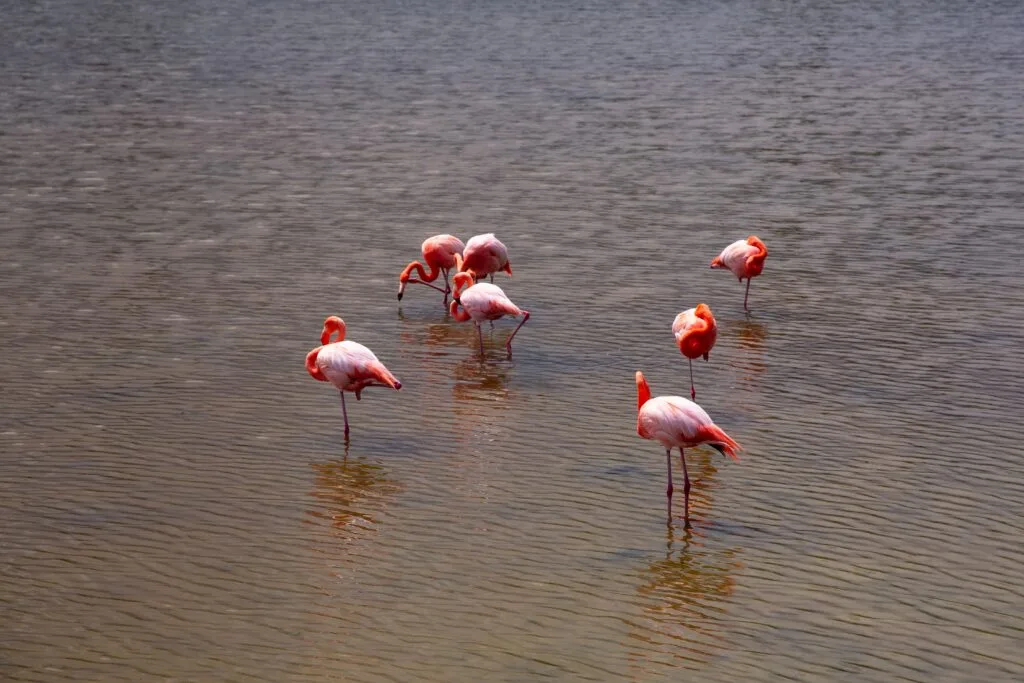
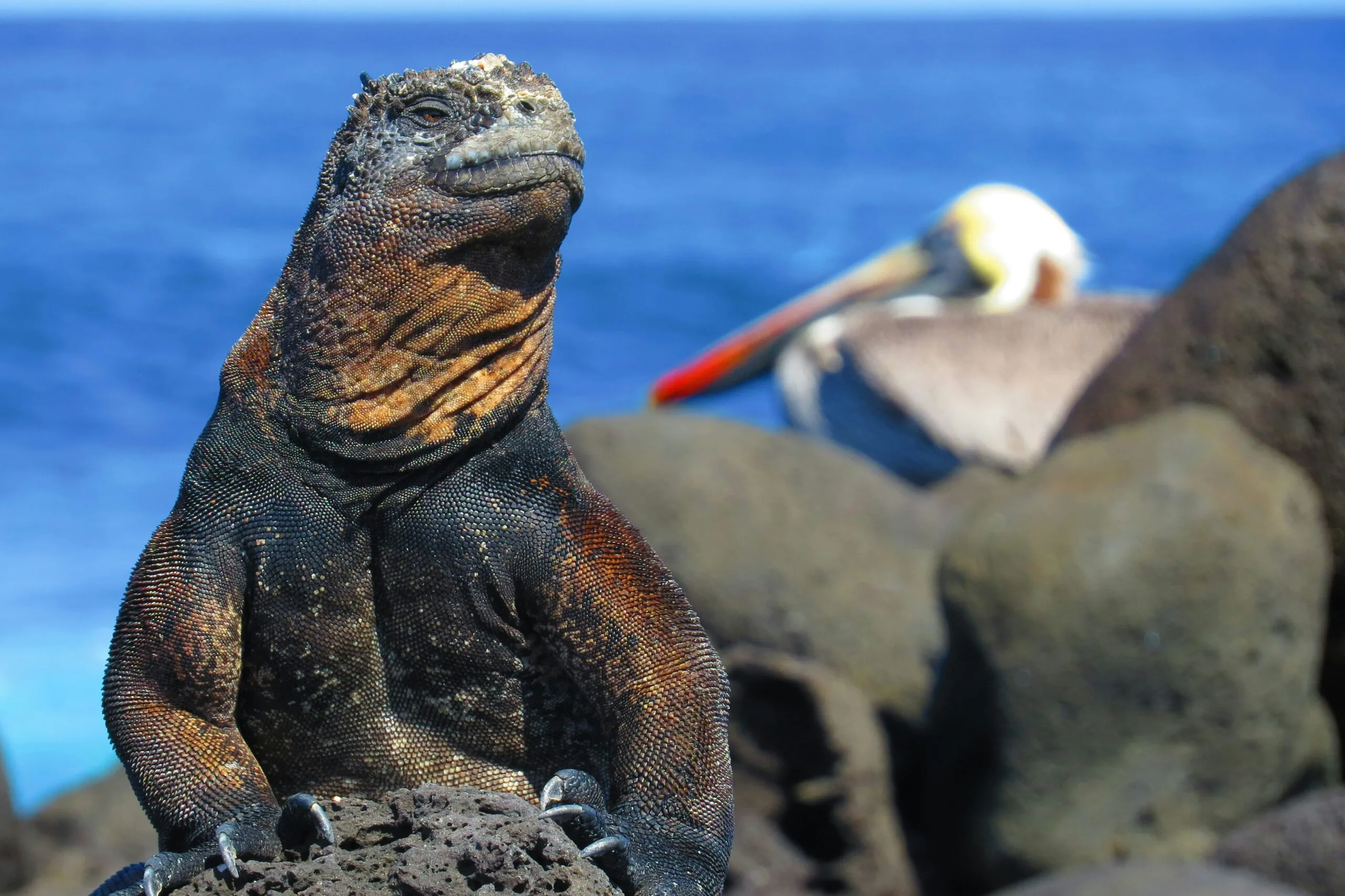
Renting a creaky hardtail bicycle in Puerto Villamil offers far more satisfaction than chasing a tour guide’s raised flag around crowded embarkation docks. Pedal along sandy, lava-edged tracks towards mangrove lagoons where pink flamingos ignore the mid-afternoon heat, or drift across the calm waters of Concha de Perla. The true luxury on Isla Isabela is moving entirely on your own schedule alongside sunbathing marine iguanas
Isla Isabela travel guide / The ultimate first-timer guide to independent Galápagos travel
The quiet coastal soul of the Galápagos
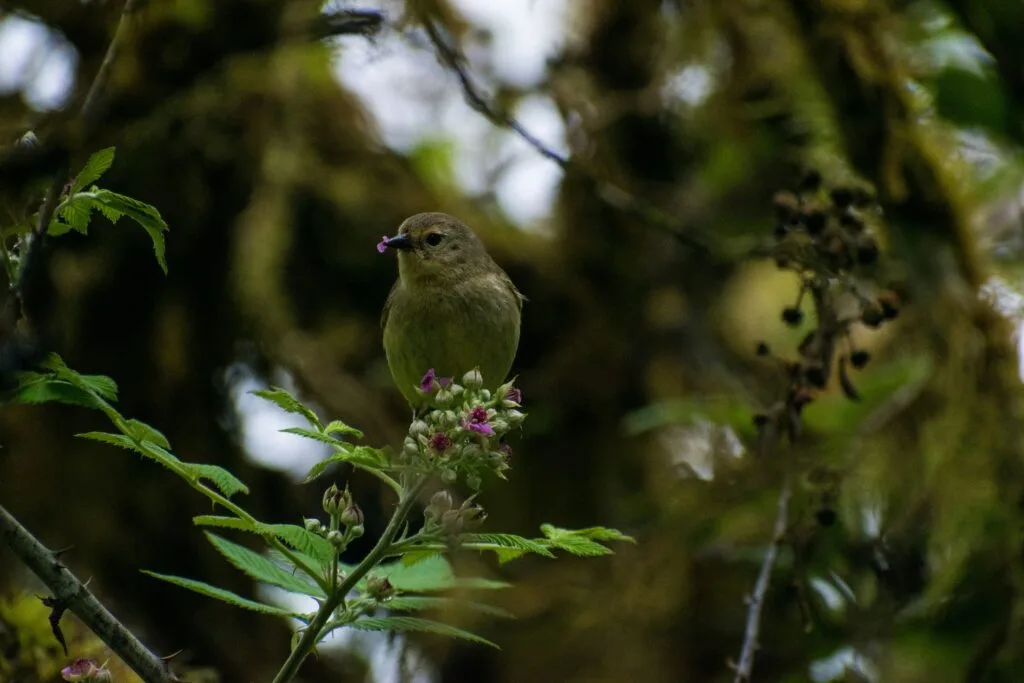
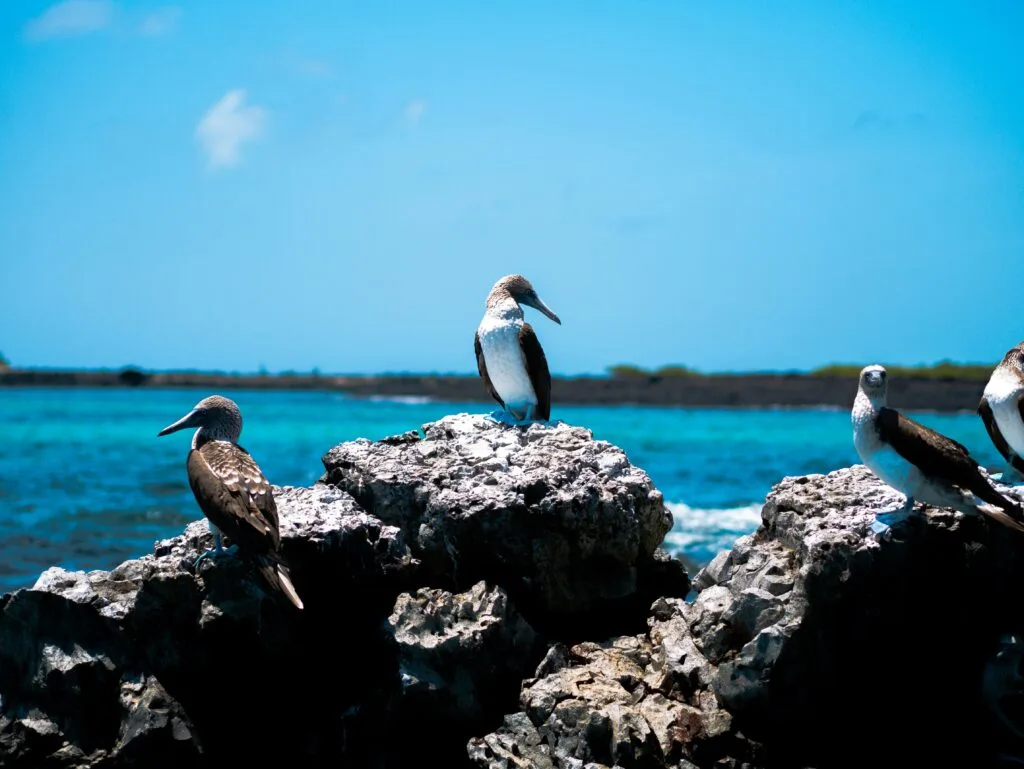
Top attractions on Isla Isabela / Uncovering the crown jewel of the Galápagos Islands
Raw volcanic horizons, fearless wildlife, and the art of autonomous island travel
Uncovering the secret side of Isla Isabela / 5 hidden gems in the Galápagos
Lava walls, secluded mangrove lagoons and highland caves
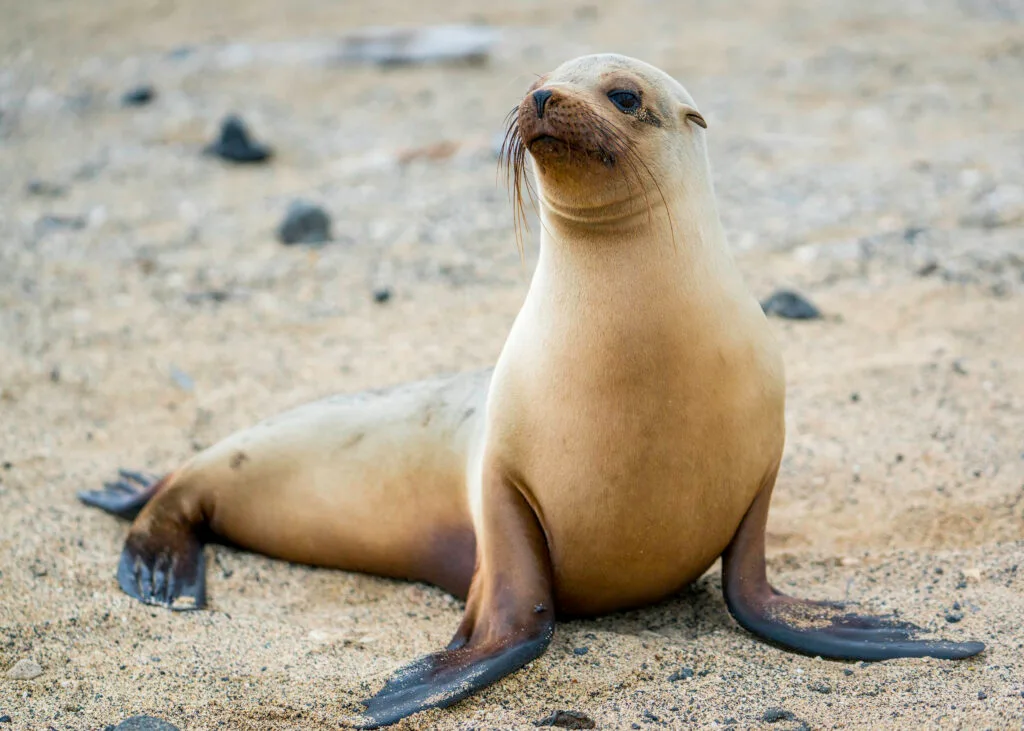
The best Isla Isabela tours and activities.
Multi-day tours
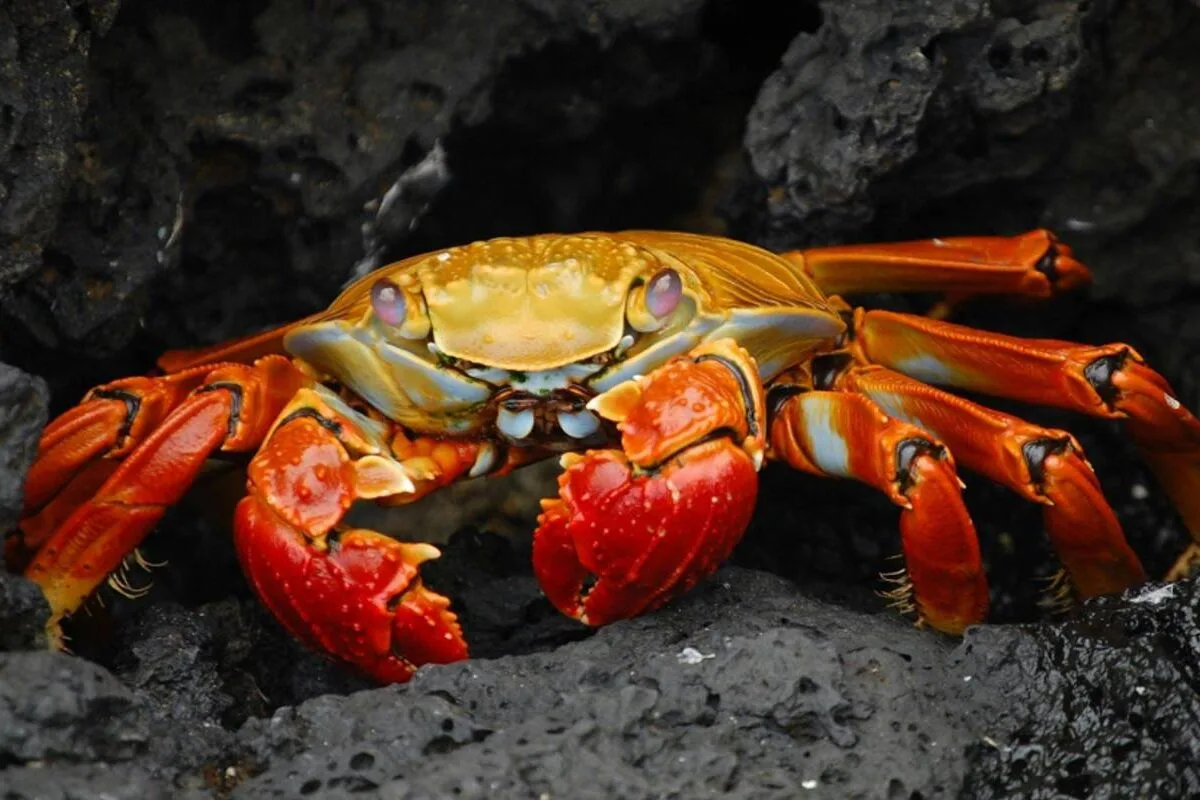
Bike tours
Day tours
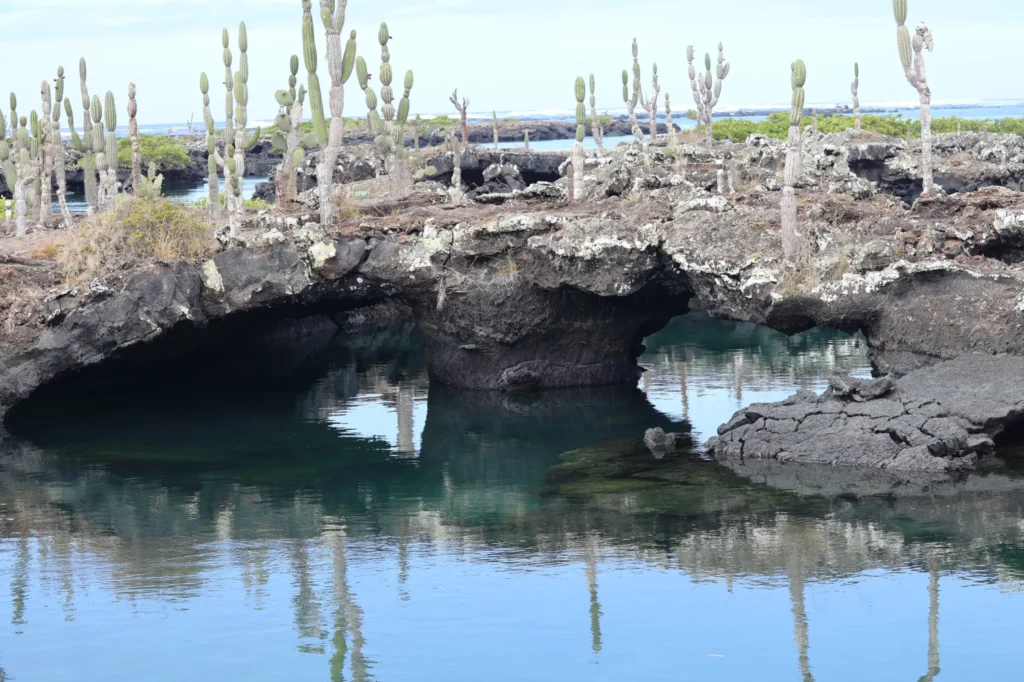
Attractions
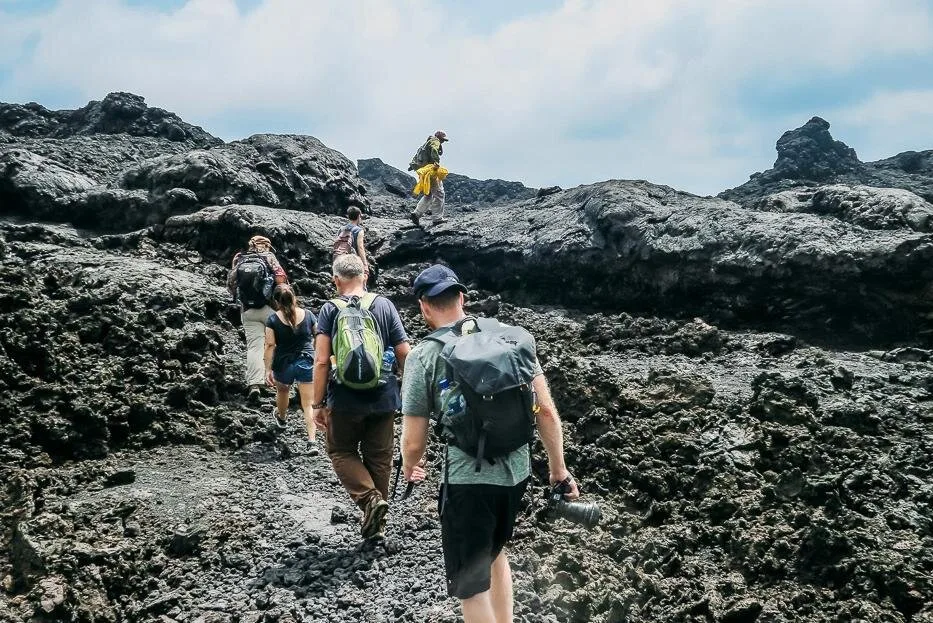
Walking tours
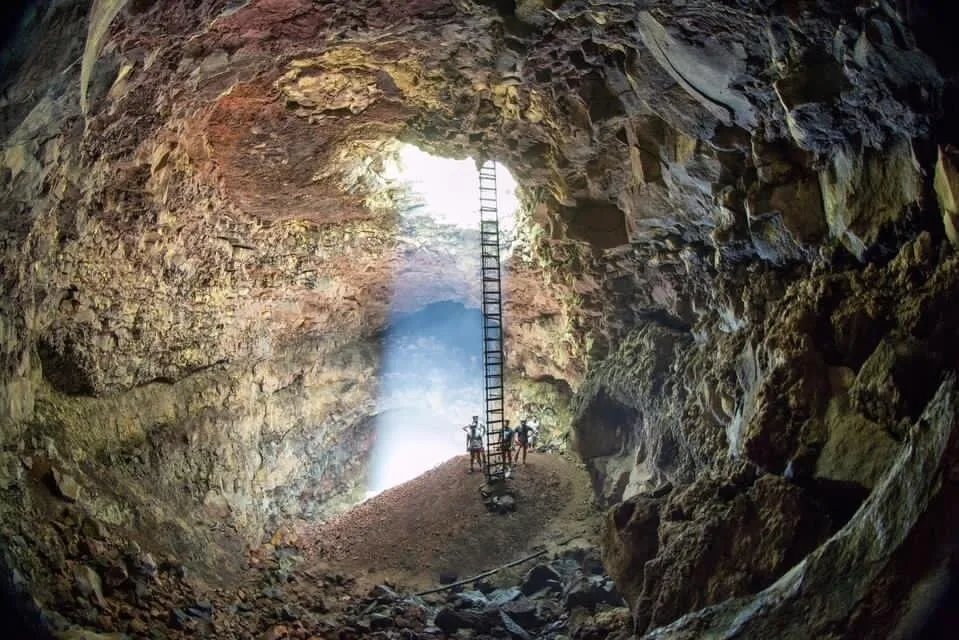
More things to do in the Galápagos.
Escape Isabela’s sand streets on island-hopping speedboats toward Santa Cruz, where highland lava tunnels and giant tortoises break up Puerto Ayora’s lively harbourfront grit. On San Cristóbal, trade quiet lagoons for crashing surf swells, barking sea lion colonies, and crater lakes reached by empty roads. Finish on Floreana, an eerie outpost of eccentric history and tide-dependent dining where a hundred locals share volcanic shores with diving sea turtles
Santa Cruz
The heart of the Galápagos
San Cristóbal
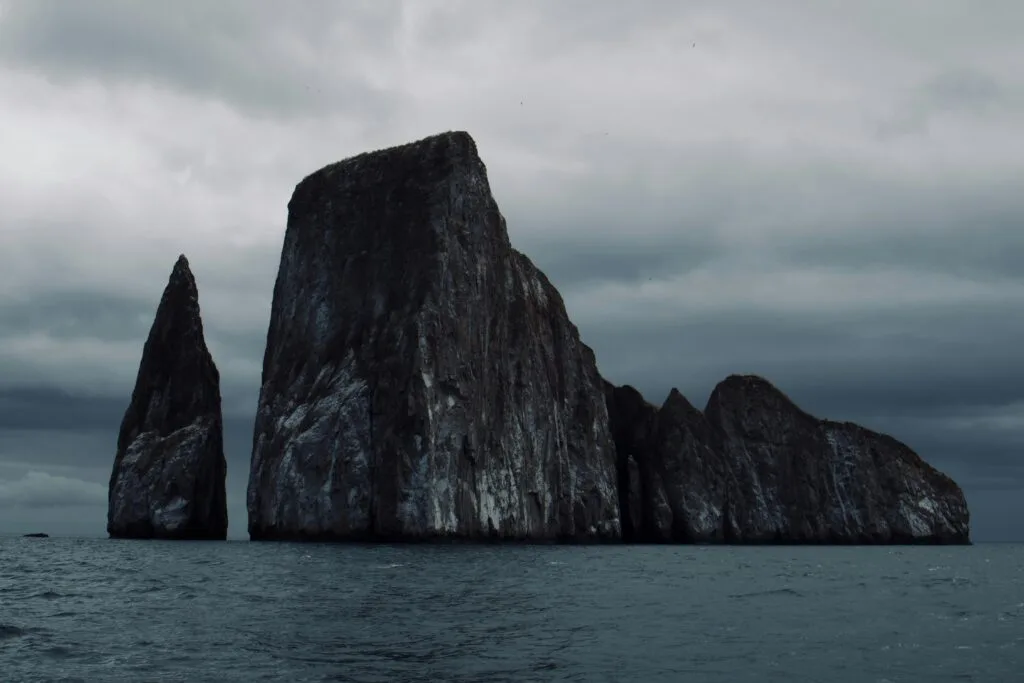
Find the authentic island
Isla Floreana
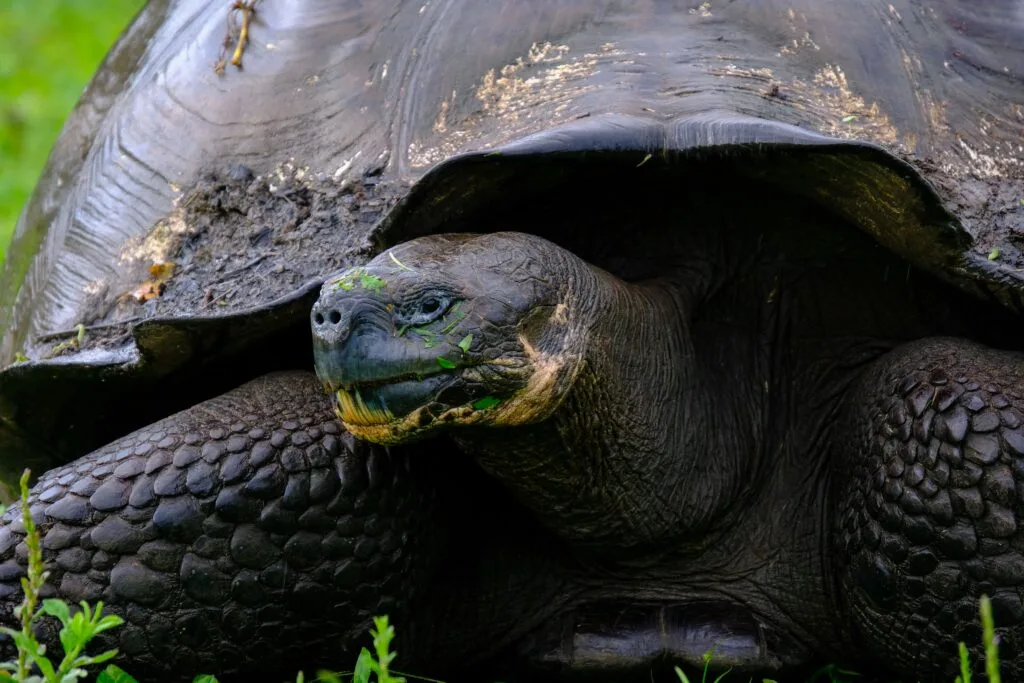
A mysterious enigma
Where to stay on Isla Isabela.
Skip the overpriced eco-lodges with artificial infinity pools and seek out family-run guesthouses nestled along Puerto Villamil’s unpaved sand avenues. These simple timber structures offer hammocks on shaded verandas, cold shower water that cools the equatorial afternoon, and hosts who know exactly which fisherman landed today’s catch. Staying here means waking to crowing roosters rather than hotel buffet announcements, perfectly matching the town’s grounded, authentic pace of life
Where to stay on Isla Isabela / Boutique hotels and eco-lodges for independent travellers
Wake up to sea lions, volcanic vistas and pristine Pacific tides
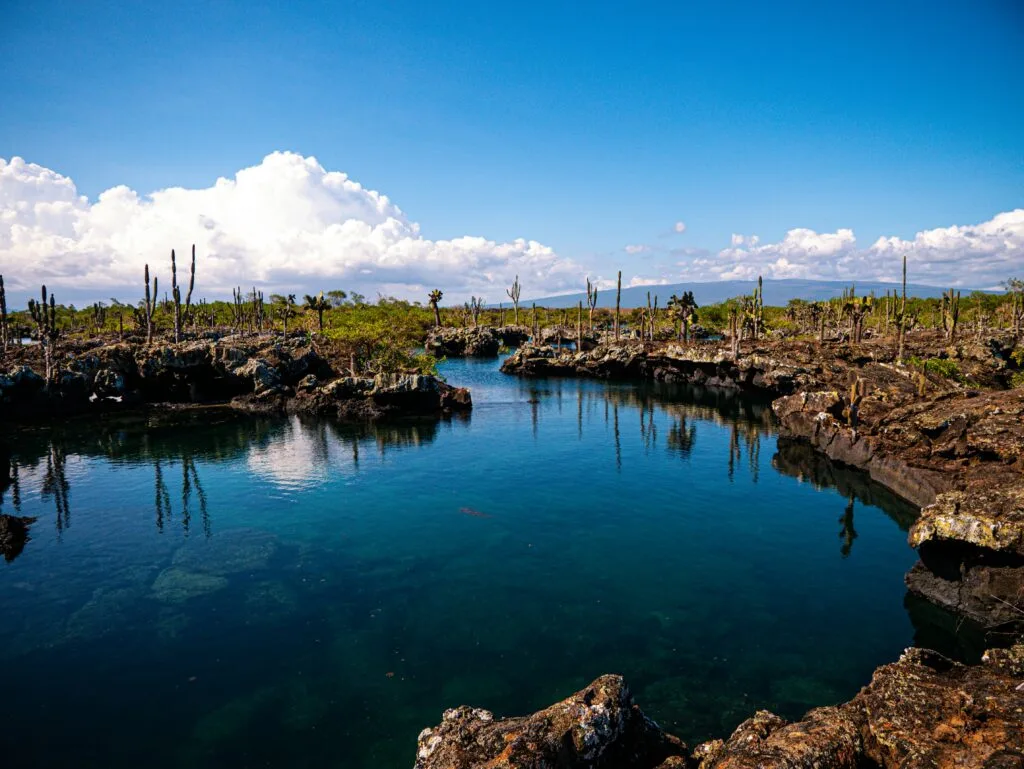
The ultimate guide to camping on Isla Isabela and the Galápagos Islands
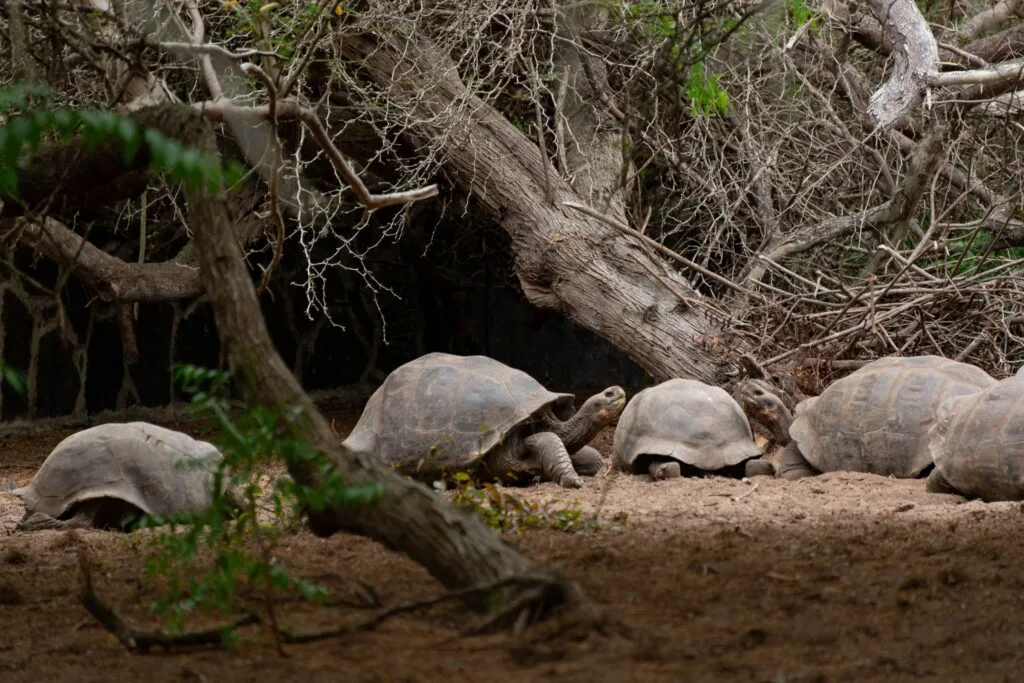
Sleep beside giant tortoises under the equatorial stars
Essential Ecuador logistics.
SIM cards
Packing
Insurance
Overlanding
What to eat on Isla Isabela.
Culinary pride on Isabela revolves around whatever arrived on harbour boats earlier that morning. Order a bowl of sharp fish ceviche, heavy on red onion and sour lime, accompanied by crunchy plantain chifles. Rich seafood encocado simmered with fresh coconut milk delivers proper coastal comfort after a long afternoon in the saddle. Pair your meal with an ice-cold local pilsner and leave white tablecloths behind
What to eat in Isla Isabela / An independent traveller’s guide to galápagos food and drink
Slow dining on volcanic shores
Where to eat and drink on Isla Isabela.
Bypass the row of brightly lit establishments catering to touring groups along the main strip. Instead, head two streets inland towards the local market, where unpretentious comedores serve set daily lunches off plastic tables. As twilight settles, grab a cold bottle of beer at a timber beach bar where the air smells of salt and wood smoke, watching locals gather on the sand courts
Escape the cruise ship buffet / Where to eat on Isla Isabela, Galápagos
Savour the volcanic soil and wild seas of the largest Galápagos island
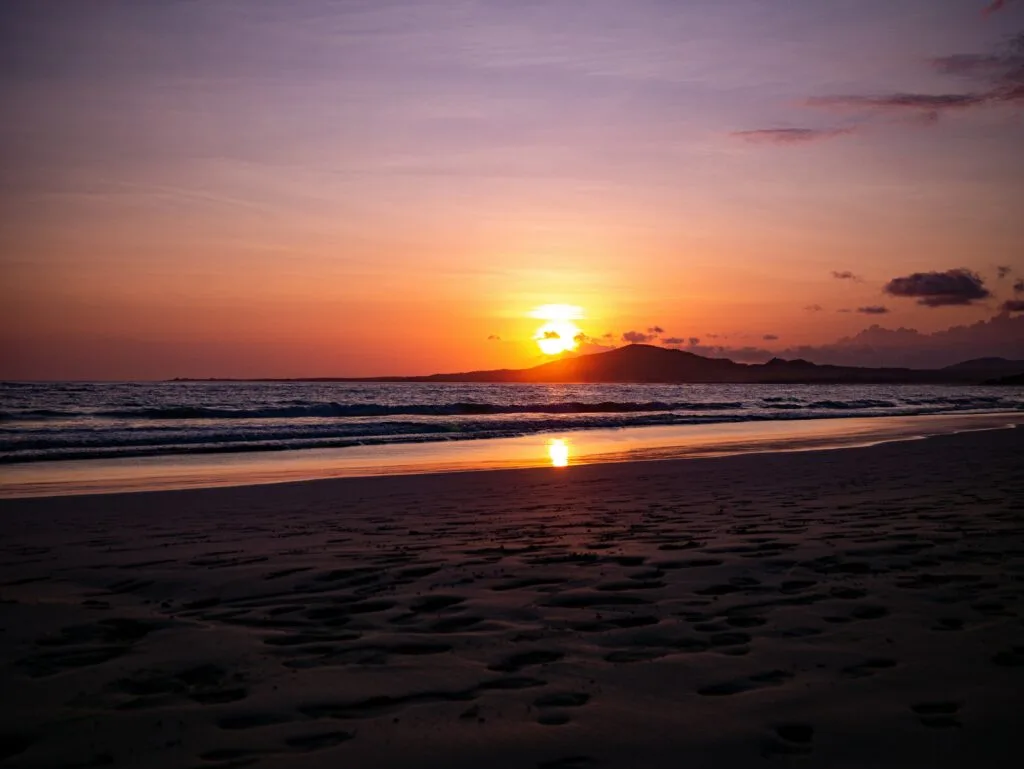
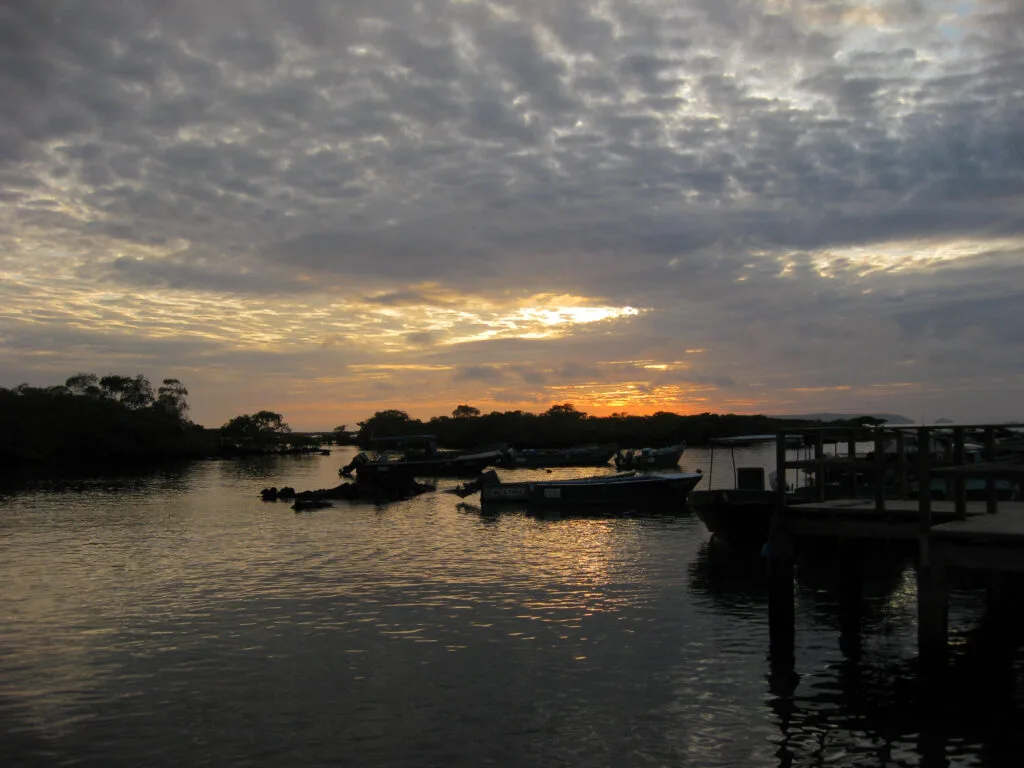
Island rhythms and ocean pours / The independent traveller’s guide to the best bars on Isla Isabela
Pacific sunsets and a Galápagos cocktail
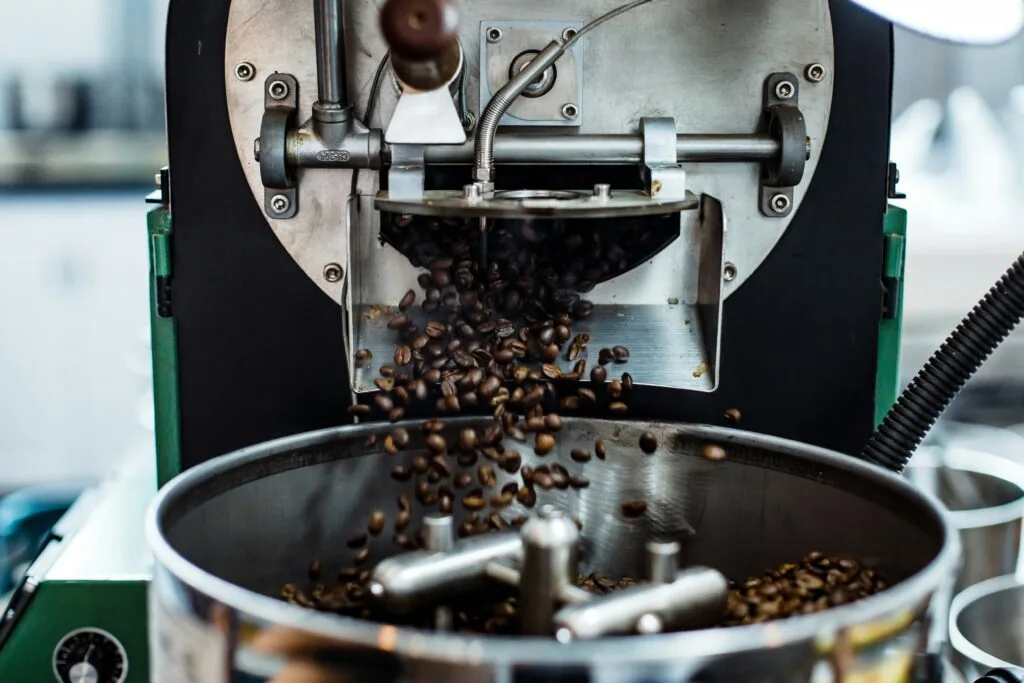
The best coffee on Isla Isabela / Where to find authentic island brews in Puerto Villamil
Savouring the terroir and sea breeze
When to visit Isla Isabela.
Timing here depends on whether you prefer baking under equatorial sunshine or riding through cool coastal drizzle. The warm season from December to May brings calm ocean seas, bright skies, and tropical afternoon downpours that clear quickly. Between June and November, the Garúa mist cools the air, creating ideal temperatures for tackling upland gravel tracks, though the sea temperature drops sharply. Choose your compromise and pack accordingly
Decoding the Galápagos / A month-by-month guide to Ecuador’s Enchanted Isles
Uncover the rhythm of the archipelago and time your voyage to perfection
Is Isla Isabela safe?
Crime on Isabela is practically non-existent; the island operates under a communal scrutiny that deters misbehaviour entirely. Your main safety hazards involve misjudging equatorial sun exposure, puncturing an inner tube on jagged volcanic gravel, or tripping over a sleeping sea lion occupying the wooden boardwalk. Maintain respect for the fragile ecosystem and carry ample drinking water when heading into remote areas, and you will remain completely unbothered
A comprehensive guide to safety on Isla Isabela, Galápagos Islands
Navigate the pristine landscapes and volcanic trails of Ecuador’s largest island
The history of Isla Isabela.
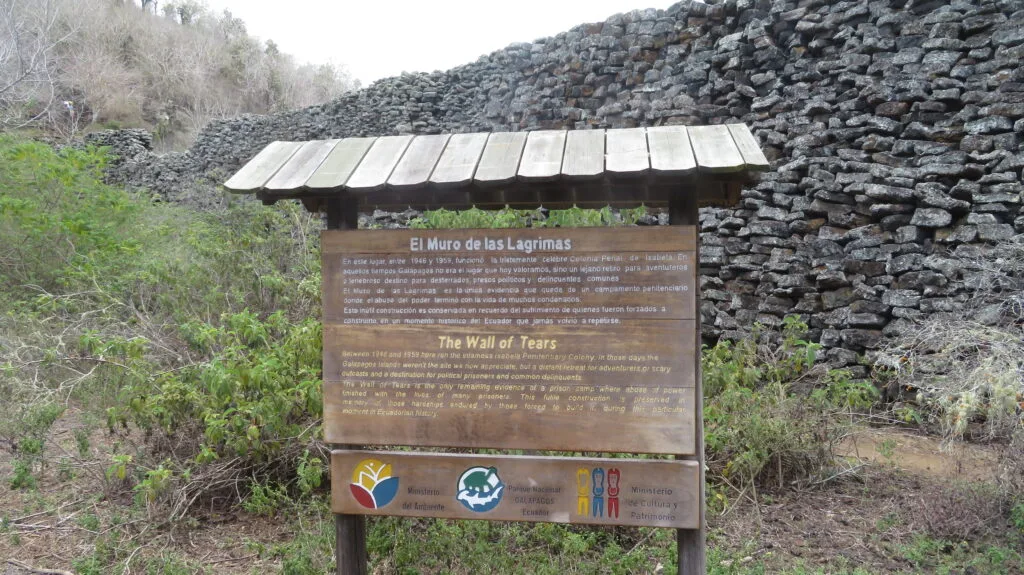
Long before conservationists arrived, Isabela served as an isolated, unforgiving penal colony in the mid-twentieth century. Inmates were forced to construct El Muro de las Lágrimas—a grim monument of stacked volcanic basalt built without mortar under gruelling conditions. Today, this decaying wall stands uselessly in the scrubland, offering a quiet, sobering reminder that human tragedy once shared space with the island’s celebrated natural wildness
Unearthing the raw history and volcanic soul of Isla Isabela
Explore the wild past of the largest island in the Galápagos
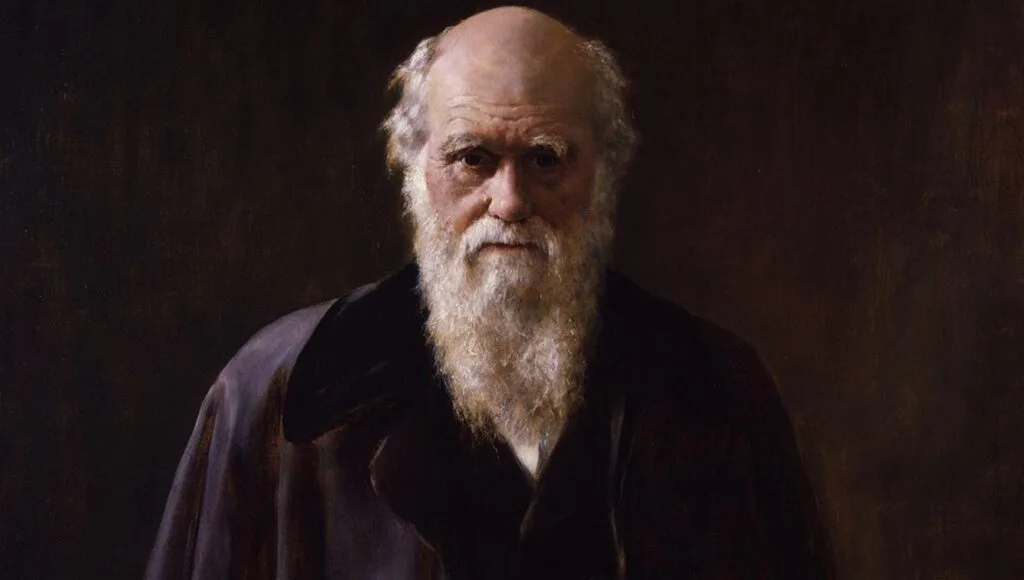
How five weeks in the Galápagos changed our understanding of life on Earth
A journey that inspired the theory of evolution by natural selection
Ecuadorian cycling culture.
Cycling across Ecuador is defined less by sleek carbon fibre and more by utilitarian resilience against dramatic topography. From highland farm hands grinding up cobblestone switchbacks to islanders commuting along unpaved volcanic trails, bicycles remain practical tools of independence. People respect anyone willing to earn their elevation by muscle power, making two-wheeled exploration an ideal way to break through superficial tourist boundaries and connect directly with locals
Epic cycling in Ecuador
The ultimate guide to cycling in Ecuador / Routes, culture, and infrastructure
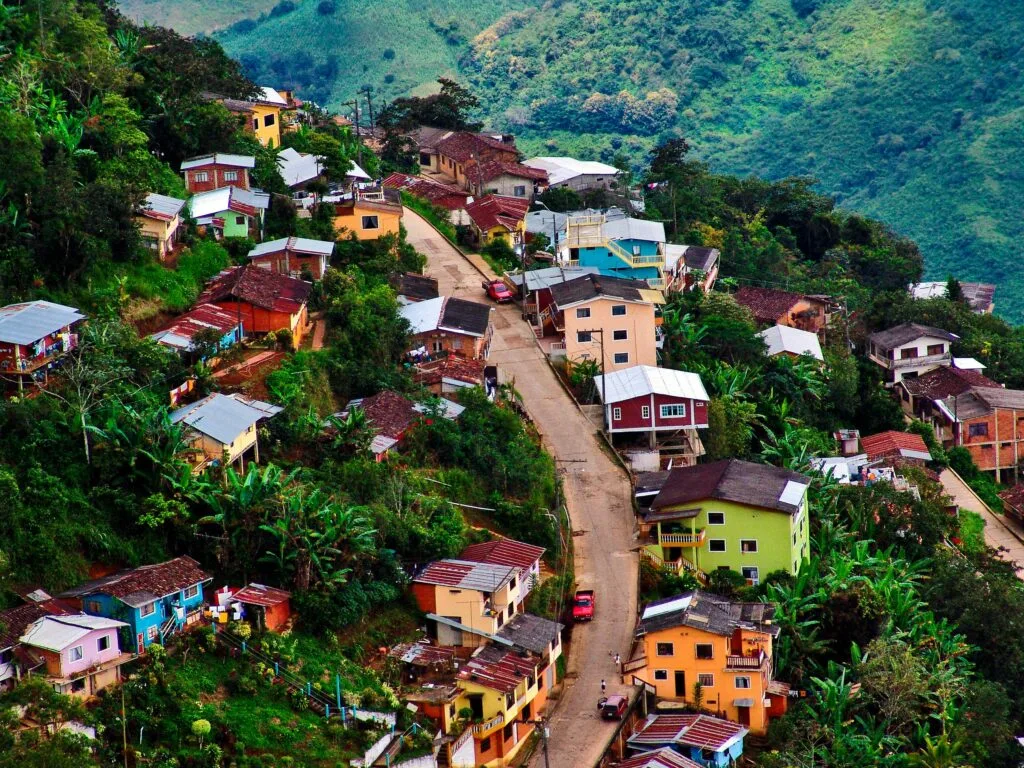
Driving culture and road safety

Driver attitudes, road traffic statistics, and road safety laws for cyclists
Cycling laws in Ecuador
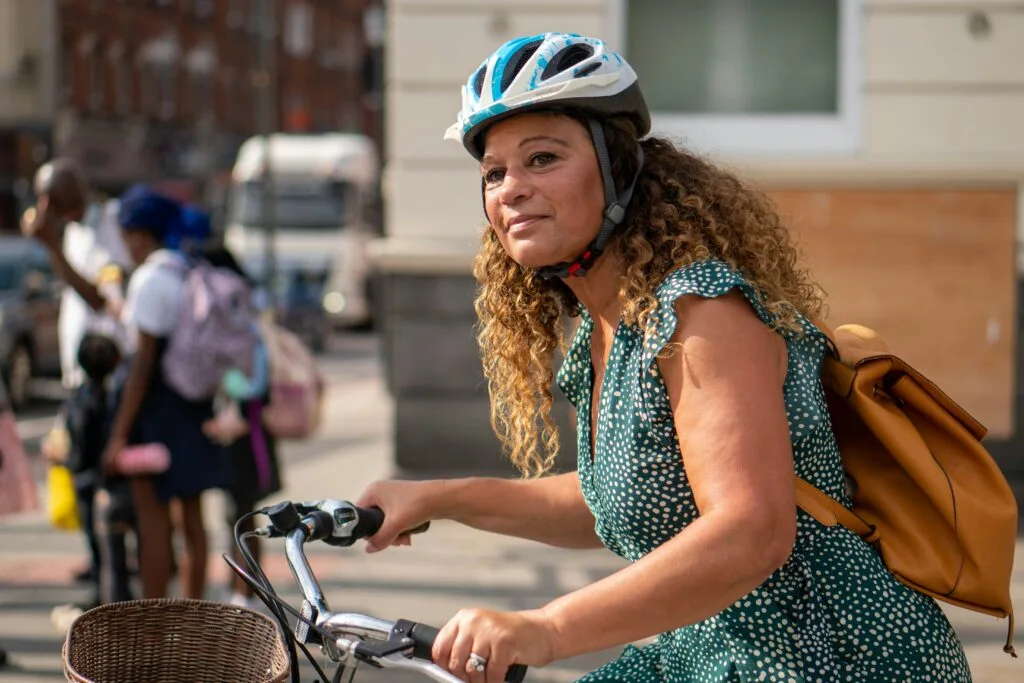
Everything you need to know about cycling laws and regulations in Ecuador
Ecuador’s cycling history
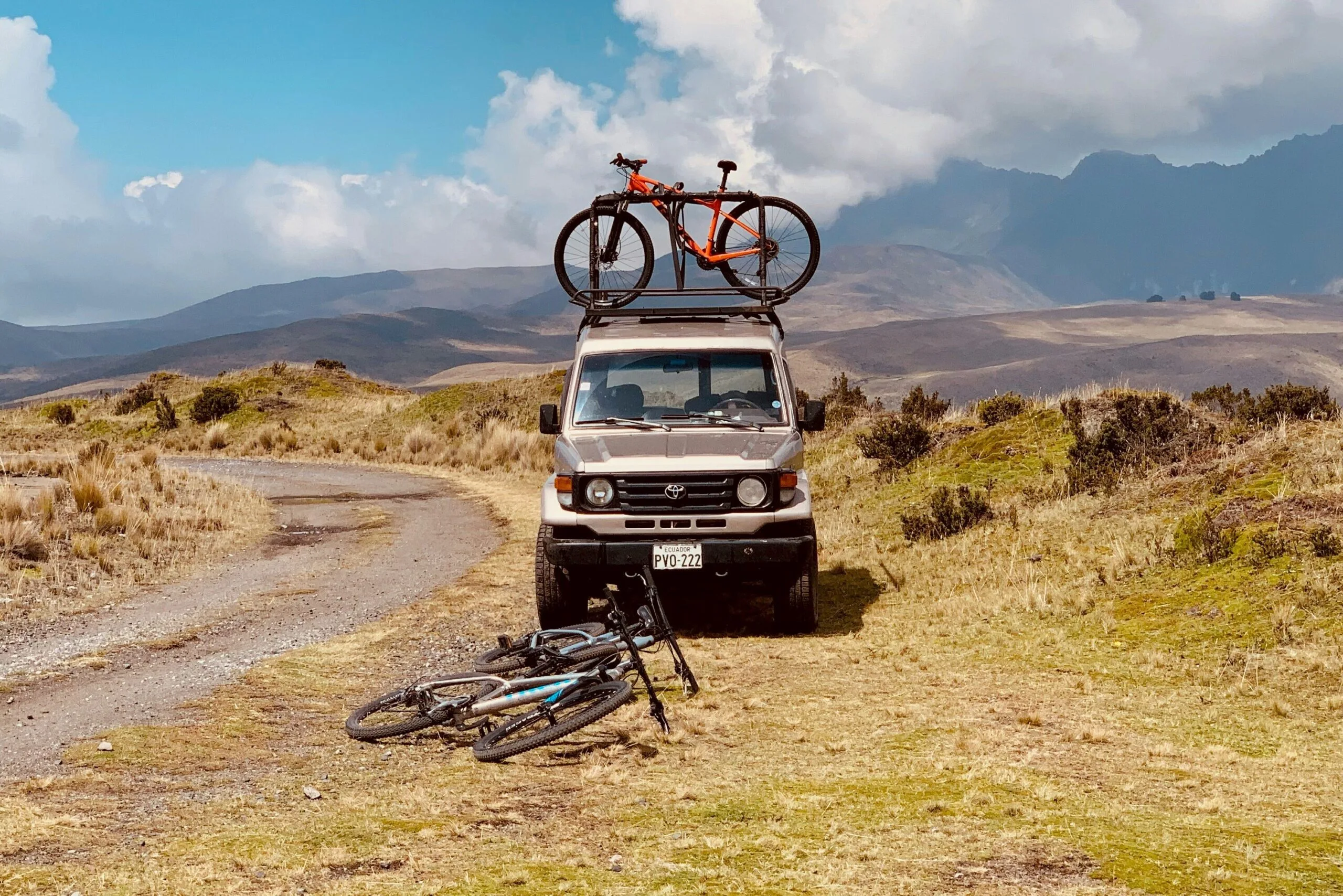
A guide to the cycling history, bicycle culture, and bike routes
Everything we’ve written about Isla Isabela.
History of Isla Isabela: Volcanoes, Darwin & penal colonies
What to eat in Isla Isabela: Food and drink guide
Where to eat on Isla Isabela: The best restaurants in Puerto Villamil
The best campsites on Isla Isabela, Galápagos
Best Isla Isabela walking tours 2026
Isla Isabela bike tours: Best Galápagos cycling guides
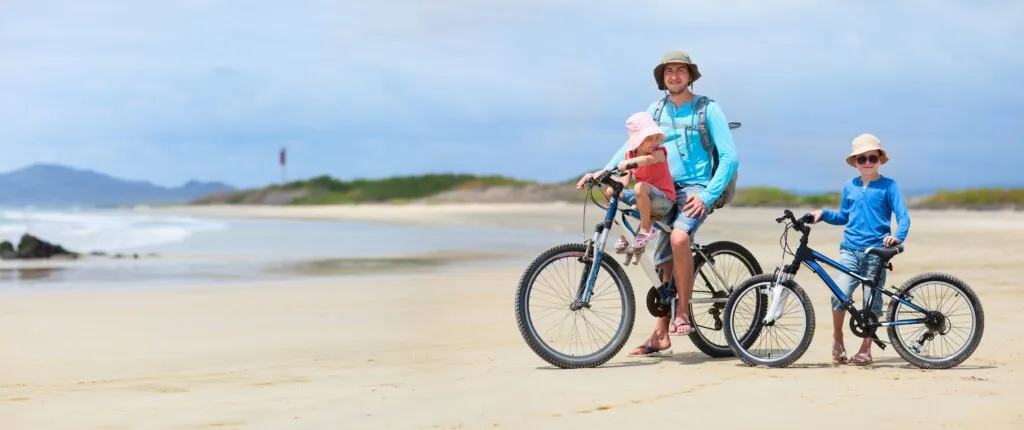
5 best hidden gems on Isla Isabela, Galápagos
Isla Isabela travel guide: Essential first-timer tips for independent visitors
Best coffee in Isla Isabela, Galápagos: A guide for independent travellers
Best Isla Isabela day tours: Galápagos excursions guide
Best Isla Isabela tours & tickets: Galápagos guide 2026
Isla Isabela safety guide: Travel safely in the Galápagos
Best bars in Isla Isabela, Galápagos: Where to drink well in Puerto Villamil
Best Isla Isabela multi-day tours: Your Galápagos guide
Top things to do in Isla Isabela | Galápagos Islands travel guide
Charles Darwin and the Galápagos Islands: The history of a revolution
Where to stay on Isla Isabela: 6 best eco-lodges & boutique hotels
Ecuador.
Pure wonder on the equator.