Unlocking Isla Isabela / The ultimate guide to Galápagos’s rawest natural wonders
Best Isla Isabela tickets, guided tours, and excursions in Galápagos
Authentic island exploration, pre-booked marine access, and volcanic treks
BEN FINCH
Spanning over 4,500 square kilometres, Isla Isabela is the undisputed titan of the Galápagos archipelago. Shaped like a giant seahorse formed by six merged shield volcanoes, Isabela remains one of the most geologically active and ecologically pristine places on Earth.
Here, where black basalt lava fields meet turquoise equatorial Pacific waters, wildlife thrives with an astounding lack of fear. Marine iguanas bask in dense colonies along the rocky shoreline, Galápagos penguins dart through underwater lava arches, and ancient giant tortoises roam the humid highland slopes.
However, exploring this enchanted outpost requires strategic preparation. As part of the strictly managed Galápagos National Park, every offshore marine site, volcanic caldera, and protected wildlife sanctuary requires a licensed naturalist guide and authorised vessel access.
Daily slots for prime excursions—most notably the world-famous lava arches of Los Túneles and the crater rim of Volcán Sierra Negra—are capped by strict park quotas to safeguard delicate ecosystems. Attempting to secure last-minute tickets or permits upon arrival in Puerto Villamil often leads to sold-out excursions and missed opportunities.
At Wheely Tyred, our philosophy centres on smart, autonomous, and respectful travel. By securing pre-booked, timed-entry tours and small-group guided tickets in advance, you bypass logistical bottlenecks, secure certified naturalist guides, and ensure your precious travel time is spent immersed in nature rather than negotiating at dusty port agencies. Below is our curated selection of the absolute best bookable attractions and ticketed experiences across Isla Isabela.
Unshackled wilderness on Galápagos’s volcanic frontier
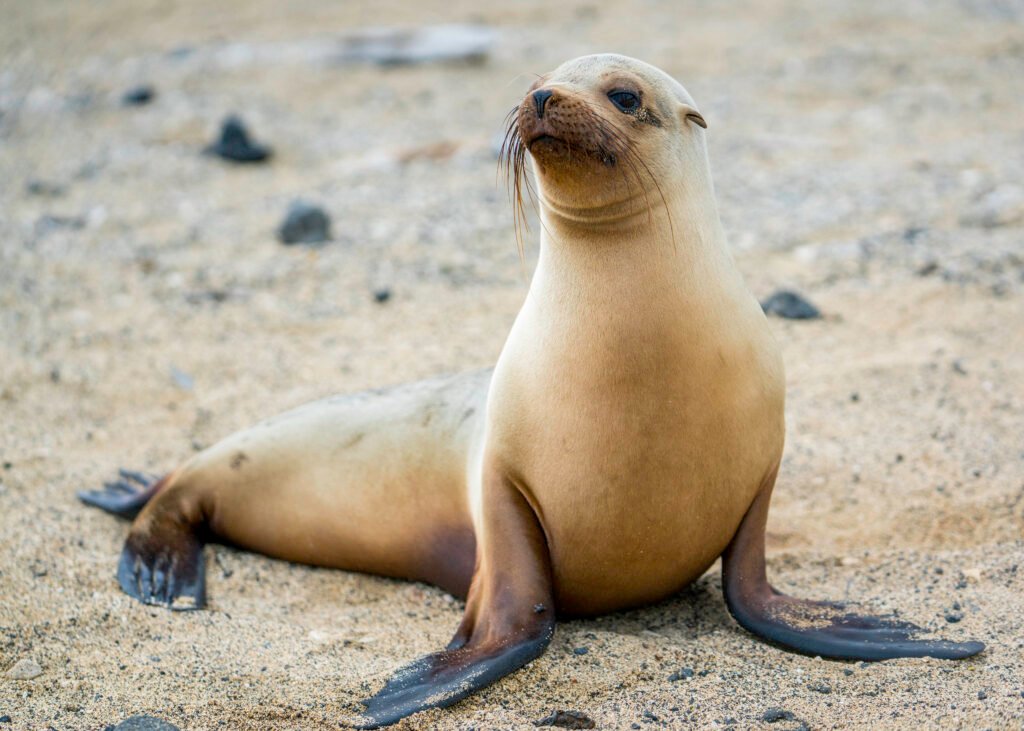
Isla Isabela remains the raw, beating heart of the Galápagos archipelago, where volatile geology meets remarkably fearless wildlife. Navigating this vast seahorse-shaped island requires advance planning, but rewards autonomous travellers with some of the planet’s most astonishing natural encounters.
- Underwater Volcanic Mazes: Snorkel through the submerged basalt arches of Los Túneles alongside green sea turtles, resting white-tip reef sharks, and Galápagos penguins in crystal-clear waters
- Monumental Caldera Treks: Hike the 16-kilometre trail along the rim of Volcán Sierra Negra—boasting a massive 10-kilometre crater floor—and cross the steaming sulfur vents of Volcán Chico
- Shark Sanctuaries & Iguana Colonies: Venture to Islote Las Tintoreras to peer into shallow lava channels filled with resting reef sharks and navigate shorelines dense with endemic marine iguanas
- Silent Coastal Paddling: Kayak through the quiet mangrove channels and sheltered bays of Puerto Villamil, coming face-to-face with inquisitive young sea lions and diving boobies
- Smart Permit Logistics: Avoid sold-out excursions and strict national park daily quotas by pre-booking timed entries and certified naturalist guides weeks before arrival
Isla Isabela.
Escape the tourist traps and explore
1. Navigating the volcanic marine arches of Los Túneles
Rating & reviews
(70+ verified user reviews on Viator)
Why this specific attraction stands out
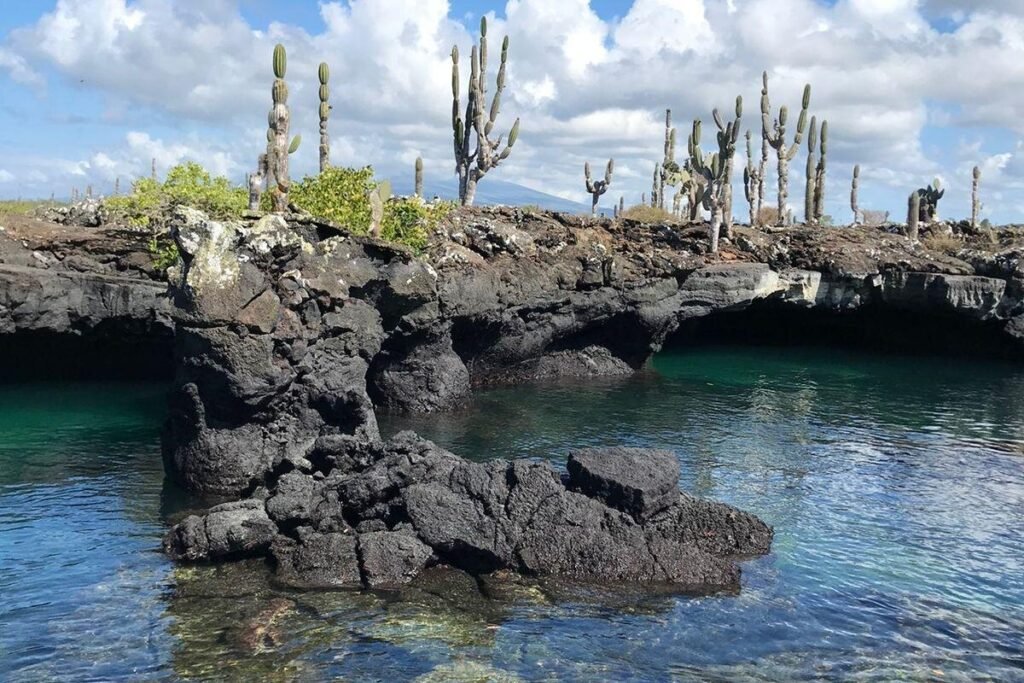
Located near Cabo Rosa on Isabela’s southern coastline, Los Túneles is widely celebrated as the premier snorkelling site in the Galápagos Islands. This unique geological labyrinth was created centuries ago when molten lava flows collided with cold ocean currents, forming a series of natural stone bridges, submerged tunnels, and tranquil lava platforms sheltered from open sea swells.
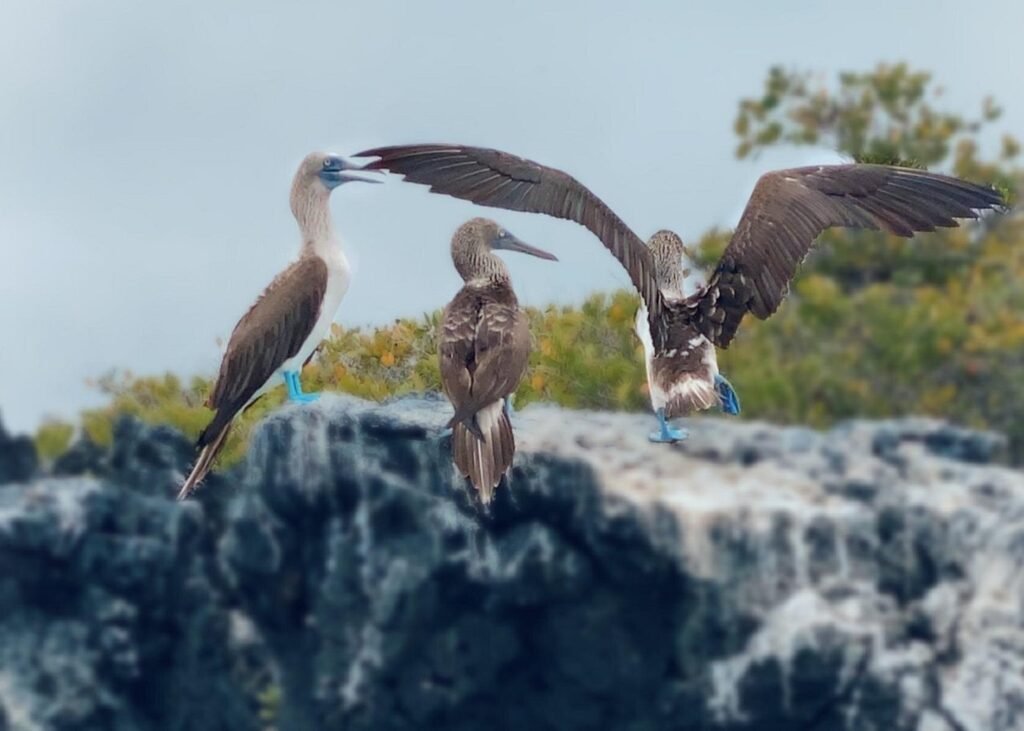
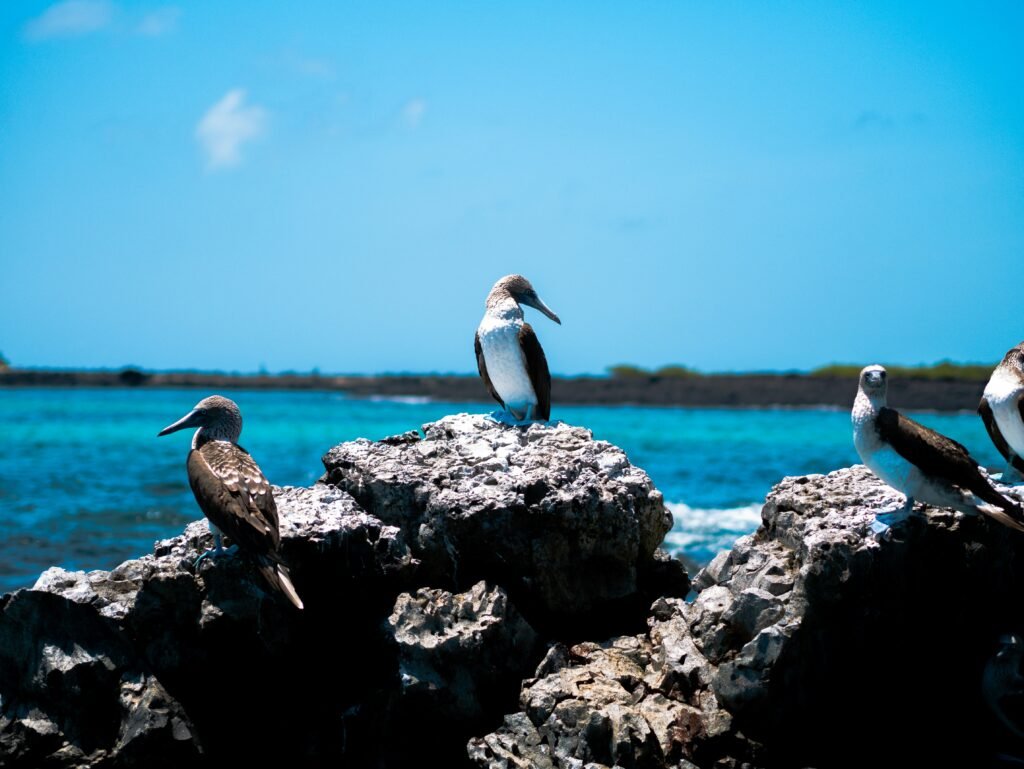
Booking this dedicated tour guarantees seamless round-trip boat transport from Puerto Villamil with an authorised Galápagos National Park naturalist guide. The excursion takes you on an unforgettable underwater safari—and maybe you’ll see Blue-footed Boobies perform their intricate courtship dances.
Because water visibility inside the calm tunnels is exceptionally clear, you will glide effortlessly alongside Pacific green sea turtles, white-tip reef sharks resting in underwater caverns, golden rays, seahorses, and curious Galápagos penguins.
Key highlights
- Natural Lava Architecture: Marvel at gravity-defying natural stone bridges and crystal-clear turquoise lagoons carved by volcanic eruptions
- Blue-Footed Booby Nesting Ground: Observe nesting pairs of Blue-footed Boobies at arm’s-length distance along the dry lava crust
- Rich Underwater Biodiversity: Snorkel through shallow lava tunnels populated by sleeping white-tip reef sharks, Pacific green sea turtles, and seahorses
- All-Inclusive Equipment: Includes full mask and fin hire, wetsuit, neoprene boots, light snacks, and breakfast aboard the vessel
Ideal for
Marine biology lovers, confident snorkelers, wildlife photographers, and travellers seeking Isabela’s single most iconic natural spectacle.
Local ticket insight
Water temperatures at Los Túneles can fluctuate between 18°C and 23°C depending on the Humboldt Current (June to November). Ensure your booking includes a full 3mm neoprene wetsuit for maximum thermal comfort during the 60-minute snorkelling session.
The Galápagos.
Ecuador’s Enchanted Isles
2. Trekking the rim of Volcán Sierra Negra and Volcán Chico
Rating & reviews
(9 verified user reviews on Viator)
Why this specific attraction stands out
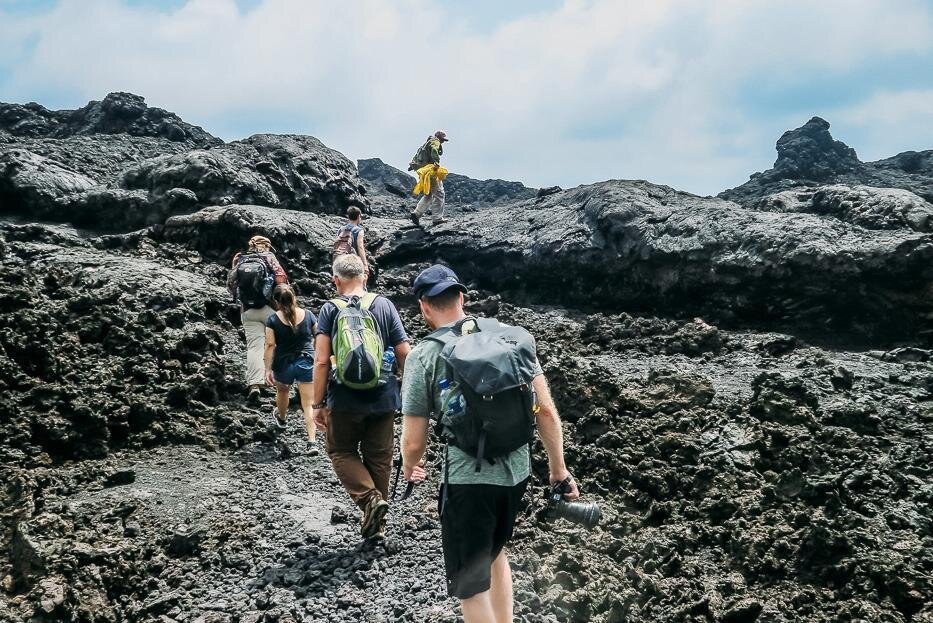
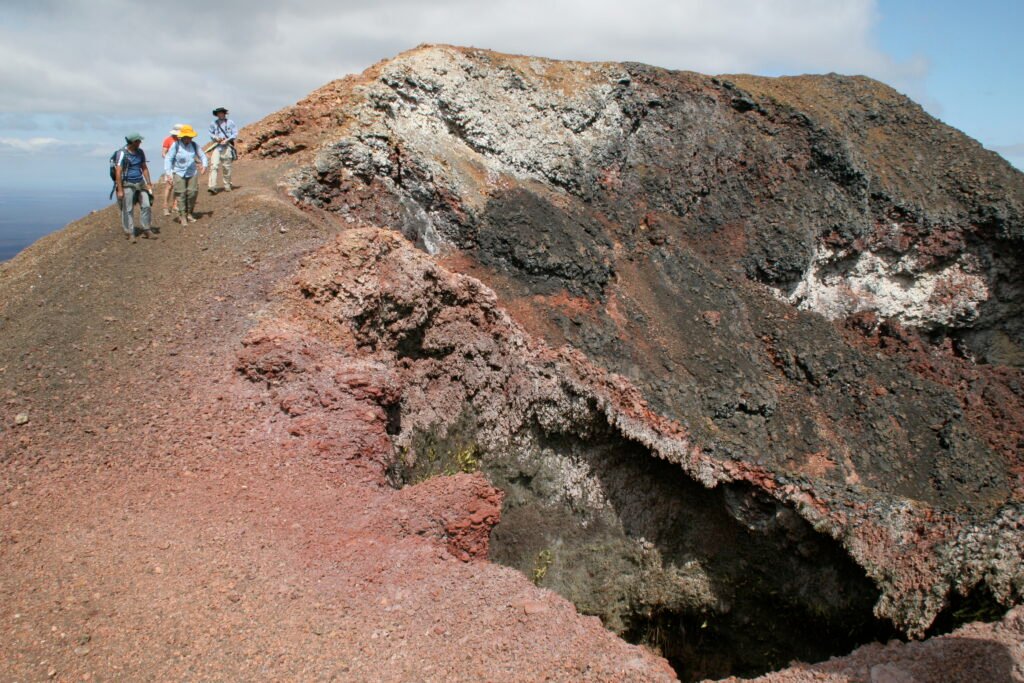
Rising 1,124 metres above sea level, Volcán Sierra Negra boasts the second-largest active volcanic caldera on Earth, measuring an astonishing 10 kilometres in diameter. This immersive 16-kilometre guided trek takes travellers from the lush, verdant highland forests up to the stark, apocalyptic basalt landscapes of the caldera rim and the steaming fumaroles of Volcán Chico.
Securing a pre-booked ticket ensures your excursion includes official national park transit from Puerto Villamil to the trailhead, alongside a certified bilingual naturalist guide expert in volcanology and island ecology. As you traverse raw lava fields from the 2018 eruption, your guide reveals how life slowly recolonises bare volcanic rock.
The elevated vantage points deliver breathtaking 360-degree views across Isabela’s northern volcanoes—including Volcán Alcedo and Volcán Darwin—and out toward Fernandina Island.
Key highlights
- Monumental Volcanic Caldera: Stand on the edge of a massive 10-kilometre-wide crater floor featuring fresh black basalt flows
- Volcán Chico Fumaroles: Walk amidst active sulfur vents, colourful iron deposits, and otherworldly parasitic cinder cones
- Highland Microclimates: Experience Isabela’s rapid transition from humid Scalesia cloud forests to barren, moon-like lava fields
- Panoramic Archipelago Views: Capture expansive vistas of Elizabeth Bay, Perry Isthmus, and neighbouring Pacific islands
Ideal for
Active hikers, trekking enthusiasts, geology buffs, and visitors looking to explore Isabela’s interior terrestrial landscapes.
Local ticket insight
The highland weather on Sierra Negra is notoriously variable. The trail starts in cool mist (garúa) before opening into intense, unshaded equatorial sun on the lava fields. Wear sturdy, broken-in trekking boots, bring at least two litres of water, and apply broad-spectrum reef-safe sunscreen.
The Ecuadorian Sierra.
Get lost in the hills
3. Exploring the reef sharks and islets of Las Tintoreras
Rating & reviews
(16+ verified user reviews on Viator)
Why this specific attraction stands out
Situated just a short ten-minute boat ride from Puerto Villamil’s harbour, Islote Las Tintoreras is a small chain of jagged volcanic islets named after the tintoreras (white-tip reef sharks) that gather in its shallow, turquoise basalt crevices. This half-day ticketed excursion offers one of the most accessible yet rewarding wildlife encounters in the entire archipelago.
Upon landing on the islet’s dark lava shores, your guide leads a small group along a wooden boardwalk crossing raw lava fields densely populated by hundreds of endemic marine iguanas—the world’s only ocean-swimming lizard.
The walk culminates at a narrow, clear volcanic crevasse where dozens of white-tip reef sharks can be seen resting peacefully in the crystal-clear water during low tide. The experience concludes with a boat ride and snorkelling session in the calm bay waters, where Galápagos penguins, sea lions, and marine turtles regularly swim alongside visitors.
Key highlights
- White-Tip Reef Shark Crevasse: Observe dozens of resting reef sharks from an elevated viewing platform directly above a clear lava channel
- Massive Marine Iguana Colonies: Walk alongside thousands of marine iguanas nesting on black volcanic rock
- Galápagos Penguin Sightings: Spot the northernmost penguin species in the world perching on mangrove roots and basalt ledges
- Calm Water Snorkelling: Ideal for all skill levels, with frequent close encounters with sea lion pups and green sea turtles
Ideal for
Families, first-time snorkelers, wildlife photographers, and travellers seeking a rich, low-intensity half-day excursion.
Local ticket insight
Morning departures generally offer calmer sea conditions and brighter sunlight for viewing sharks inside the volcanic crevasse. Ensure you wear closed-toe walking shoes or sturdy sandals with straps for the sharp lava walk on the islet.
4. Ocean kayaking and bay exploration in Puerto Villamil
Rating & reviews
(9+ verified user reviews on Viator)
Why this specific attraction stands out
For travellers seeking an active, low-impact perspective of Isabela’s coastal ecosystem, this guided ocean kayaking tour provides an intimate connection with marine life. Departing directly from the sandy shores of Puerto Villamil, you will paddle sea kayaks through sheltered mangrove channels, calm bays, and around shallow volcanic islets.
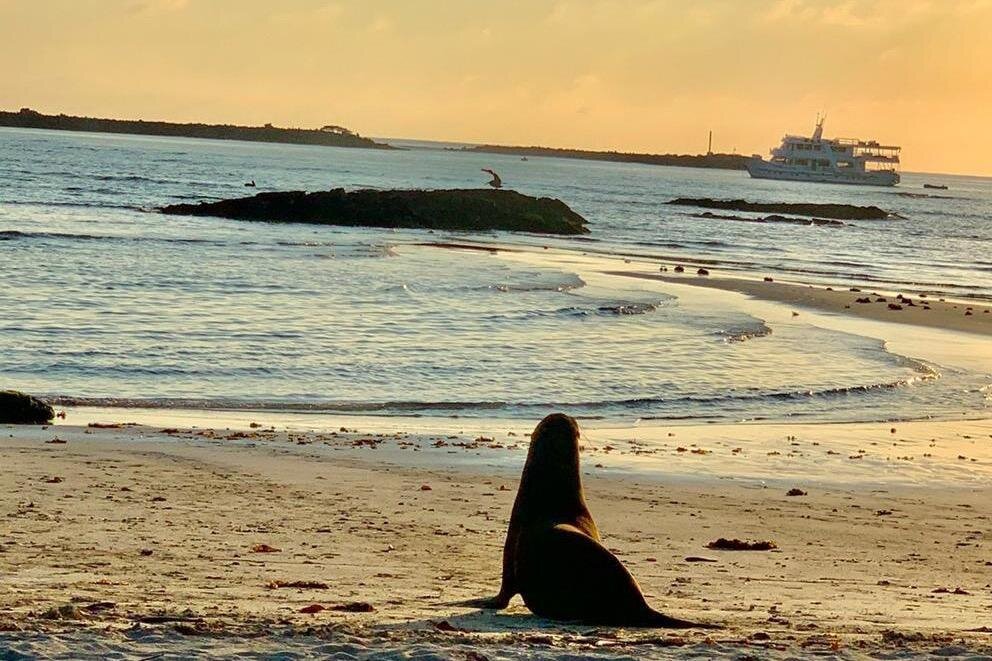
Paddling quietly without engine noise allows for remarkable proximity to sensitive wildlife. Playful young sea lions frequently dart around the kayaks, blue-footed boobies dive for fish nearby, and pelicans skim the water’s surface.
Guided by a certified park naturalist, this experience includes a stop near Concha de Perla or the outer bay reefs for a guided snorkelling session, offering a complete dual-perspective exploration of Isabela’s aquatic ecosystems.
Key highlights
- Silent Ocean Navigation: Kayak seamlessly through quiet mangrove corridors and coastal coves without disturbing wildlife
- Interactive Wildlife Encounters: Experience curious sea lions, flightless cormorants, and sea turtles approaching your kayak
- Guided Marine Snorkel: Slip into the tranquil bay waters to explore vibrant coral formations and reef fish
- Top-Tier Safety & Gear: Includes high-quality sit-on-top sea kayaks, buoyant life jackets, dry bags, and professional instruction
Ideal for
Active travellers, outdoor enthusiasts, eco-conscious adventurers, and couples looking for a dynamic maritime experience.
Local ticket insight
Opt for the early morning slot when wind speeds across Puerto Villamil Bay are minimal, resulting in glass-like water conditions that make paddling easy and underwater visibility superior.
The Ecuadorian Amazon.
The most biodiverse place in the world
Wheely Tyred practical attraction booking & visiting guide
1. Reserve marine and volcanic permits well in advance
Galápagos National Park strictly limits daily visitor capacity for premium sites like Los Túneles and Volcán Sierra Negra to protect delicate ecosystems. Boat operators are assigned specific departure slots. To avoid missing out on top-tier experiences during high season (June to August and December to January), book your certified tours online at least 4 to 8 weeks prior to arrival.
2. Master the inter-island maritime transit logistics
Isla Isabela does not have a commercial airport for standard commercial jets. Most travellers arrive via public fast-ferry (lancha) from Puerto Ayora on Santa Cruz Island. Ferries run twice daily (07:30 and 15:00) and take roughly 2 to 2.5 hours across open ocean. Water can be rough; take seasickness medication 30 minutes before departure and keep your electronic tickets easily accessible on your mobile phone.
3. Respect national park biosecurity protocols
To protect Isabela’s fragile biosphere, strict biosecurity checks are conducted upon departure from Santa Cruz and arrival at Puerto Villamil. Never bring fresh organic produce, seeds, or soil onto the island. Additionally, maintain a mandatory minimum distance of 2 metres (6.5 feet) from all wildlife at all times, and never use flash photography near animals or inside breeding facilities.
4. Prepare specialised equipment for volcanic and marine terrain
Isabela’s terrain is rugged and sun-exposed. For land tours, pack sturdy hiking shoes with good tread for sharp basalt rock, UV-protective long-sleeve rash guards, wide-brimmed hats, and broad-spectrum reef-safe sunscreen (chemical sunscreens harm coral and marine life). For water tours, bringing your own properly fitted mask and snorkel guarantees comfort, though high-quality gear is supplied on top-rated booked tours.
The Ecuadorian Coast.
Where you’ll find the very best food
Claim your front-row seat to nature / Seamless planning for Isla Isabela
Read this far?
Isla Isabela is not a destination for passive sightseeing—it is an immersive, living sanctuary where the boundary between human observer and wild habitat effortlessly dissolves. From standing on the smoking brim of Volcán Sierra Negra to gliding alongside green sea turtles beneath the natural lava arches of Los Túneles, the island rewards those who arrive with a sense of adventure and a commitment to thoughtful exploration.
Yet, because Isabela’s fragile ecosystems are protected by some of the most rigorous environmental quotas on Earth, spontaneous travel here carries real risks. Waiting until your boat docks at Puerto Villamil to arrange guides, permits, or marine transport often means settling for second-best alternatives or facing sold-out excursions altogether.
At Wheely Tyred, we believe that true travel freedom comes from smart preparation. By securing your certified naturalist tours, timed marine permits, and volcanic trekking entries well before setting foot on the island, you eliminate logistical friction and ensure every single moment is spent connecting with Isabela’s extraordinary landscapes.
Pack your sturdy boots, prime your camera, and lock in your advance bookings early. Isabela’s ancient volcanic shores, turquoise lagoons, and legendary wildlife are waiting for you.
Affiliate Disclaimer: Some of the links on Wheely Tyred are affiliate links. If you click through and make a booking or purchase, we may earn a small commission at no extra cost to you. We only recommend gear, tours, stays, and services we genuinely use, trust, and stand behind — our editorial independence always comes first. These commissions help keep our independent cycling guides and travel stories free to read. You can also buy me a coffee here — thanks for supporting the ride!
Frequently asked questions about Isla Isabela tours
Access is primarily via public fast-ferry (lancha) departing from Puerto Ayora on Santa Cruz. Vessels run twice daily—typically at 07:30 and 15:00—and take roughly 2 to 2.5 hours across open ocean. Because conditions can be choppy, taking motion sickness medication prior to boarding is strongly advised.
The Galápagos National Park strictly caps daily visitor numbers at sensitive marine and terrestrial sites like Los Túneles and Volcán Sierra Negra to prevent environmental degradation. Permits and certified guides sell out rapidly, meaning walk-up bookings upon arrival in Puerto Villamil are rarely available during busy periods.
To protect Isabela’s delicate biosphere from non-native species, mandatory biosecurity inspections take place before departure and upon landing. Travellers are strictly prohibited from bringing fresh organic produce, seeds, plants, or foreign soil onto the island.
For volcanic hikes like Sierra Negra, wear sturdy, broken-in trekking boots and carry ample drinking water. For snorkelling, a 3mm neoprene wetsuit is recommended during the cooler Humboldt Current months (June to November). Always bring broad-spectrum, reef-safe sunscreen and UV-protective clothing.
The flat gravel trail extending west from Puerto Villamil through the Humboldt Wetlands Reserve can be explored on foot or by hiring a bicycle or e-bike in town. The 6-kilometre route passes coastal lagoons, wild giant tortoises, and lava formations before terminating at the historical stone wall.
National park regulations require all visitors to maintain a minimum distance of two metres (6.5 feet) from all wild animals at all times. Touch is strictly forbidden, and flash photography is prohibited near nesting birds, marine life, and inside tortoise breeding facilities.
Ecuador.
Pure wonder on the equator.