Exploring Isla Isabela on foot / The ultimate guide to guided walks & local excursions
The best small-group walking tours and naturalist-led trails in Isla Isabela, Galápagos
Authentic, slow-paced land trails and island heritage in Puerto Villamil
BEN FINCH
When travellers imagine the Galápagos Islands, their minds often jump to large cruise vessels anchored offshore, shuttling hundreds of passengers on rigid, tightly timed schedules. At Wheely Tyred, we advocate for a fundamentally different way of exploring urban and natural landscapes: slow, autonomous, and grounded travel. Isla Isabela—the largest yet most delightfully laid-back island in the archipelago—is the ultimate sanctuary for this philosophy.
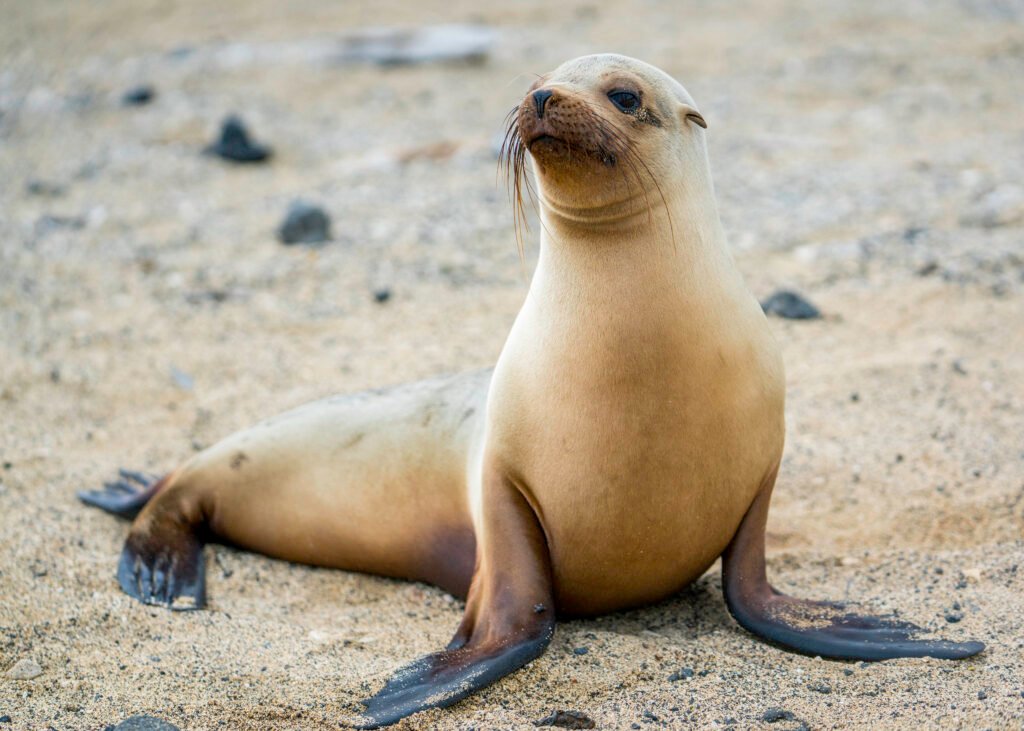
Centred around the dusty, unpaved sand streets of Puerto Villamil, Isla Isabela offers a tranquil rhythm where marine iguanas hold the right of way and sea lions snooze peacefully on wooden benches. Beyond the sleepy coastal hamlet lies a dramatic volcanic wilderness shaped by six active shield volcanoes, sprawling coastal wetlands, and a complex human history marked by early penal colonies and conservation triumphs.
Navigating Isla Isabela on foot alongside a certified Galápagos National Park naturalist guide reveals details that rapid cruise stops inevitably miss. Small-group walking tours allow you to tune into the subtle nuances of the island’s fragile ecosystems, understand the intricate volcanic geology underfoot, and respect the strict conservation boundaries that keep this living laboratory wild.
Whether you are trekking along the lip of one of the world’s largest volcanic calderas, exploring historic penal colony trails, or walking alongside blue-footed boobies on jagged lava arches, these top bookable guided walks offer the most authentic connection to Isla Isabela.
Top bookable guided walks & excursions on Isla Isabela
Uncover the essential highlights, ecological marvels, and practical insights for navigating Isla Isabela on foot. These core takeaways summarise the very best of the island’s land-based adventures and heritage trails.
- Volcanic Scale: Treading the vast rim of Sierra Negra, home to the world’s second-largest volcanic caldera, before traversing the active lunar landscape of Volcán Chico
- Living Heritage: Walking the historic penal colony path to the Wall of Tears (Muro de las Lágrimas), winding through pristine coastal wetlands filled with wild flamingos
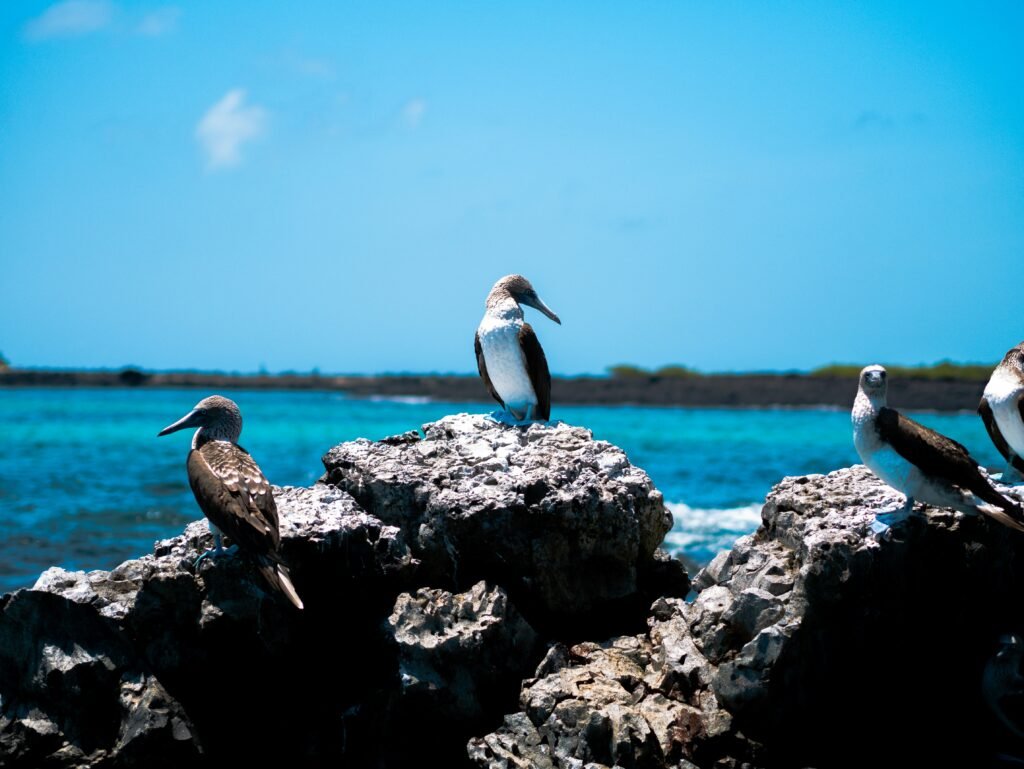
- Lava Architecture: Navigating the intricate basalt arches of Los Túneles (Cabo Rosa) to watch blue-footed boobies nest alongside tranquil sea turtle lagoons
- Marine Sanctuaries: Observing resting white-tip reef sharks and dense marine iguana colonies along the volcanic crevices of Las Tintoreras islet
- Highland Cloud Forest: Trekking down into the lush, plant-filled pit craters of The Triplets (Los Tres Melliços) surrounded by native Scalesia forest and endemic birdlife
- Cash Essentiality: Carrying sufficient US Dollars in cash from the mainland or Santa Cruz, as Isabela lacks working ATMs and reliable card processing
- Footprint-Conscious Travel: Embracing Puerto Villamil’s unpaved sand streets on foot while strictly observing the mandatory two-metre wildlife distance rule
Isla Isabela.
Escape the tourist traps and explore
Volcanic caldera exploration / Rim walk & lava fields
Rating & reviews
(24+ verified reviews on Viator)
Why this specific tour stands out
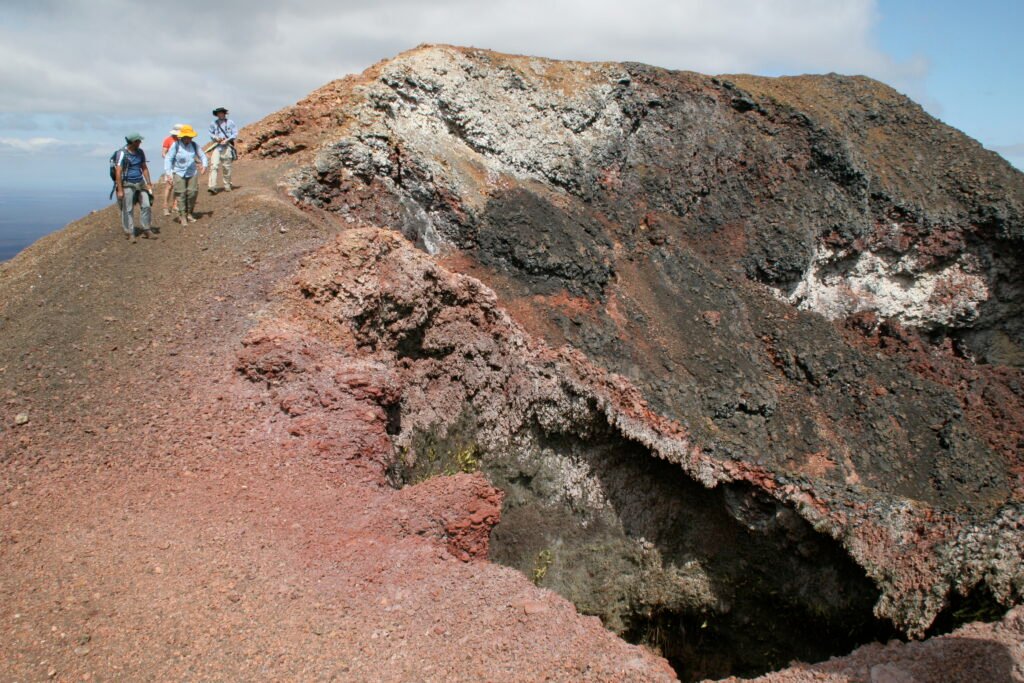
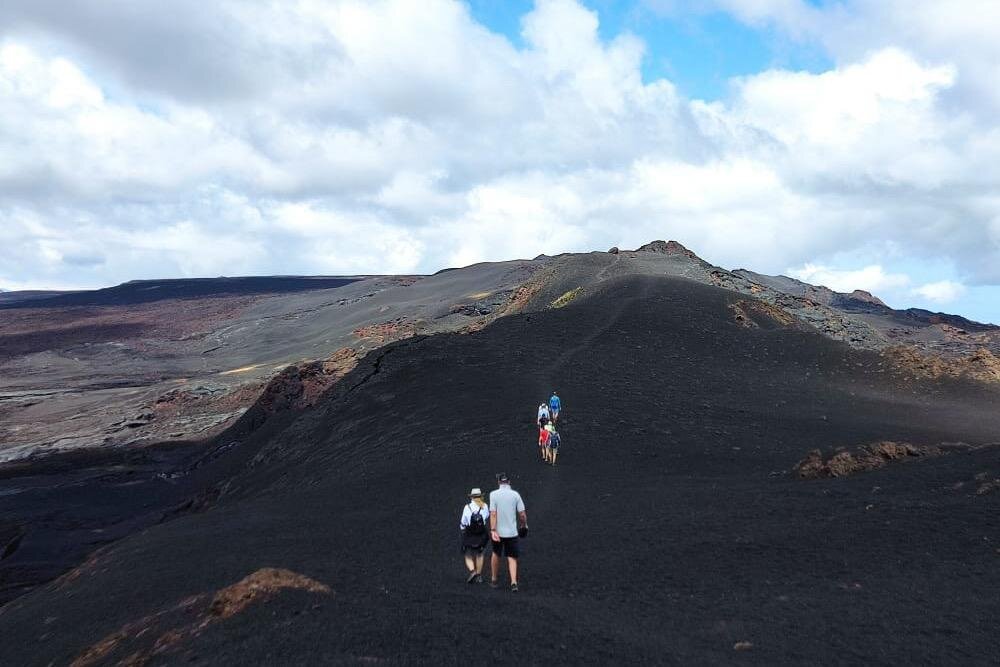
Ascending from the humid coast into the mist-shrouded highlands of Isla Isabela, this small-group trek offers an unforgettable journey across active volcanic terrain. Sierra Negra boasts the second-largest volcanic caldera on Earth, spanning a staggering ten kilometres across.
While many generic island excursions merely take travellers to a single lookout point, this guided hike continues along the desolate, lunar-like landscapes of Volcán Chico. Your certified local naturalist guide provides expert commentary on the 2005 and 2018 eruptions, pointing out active thermal vents, colourful mineral deposits, and the remarkable pioneer plant species slowly recolonising the basalt lava fields.
Key highlights
- Panoramic ridge-line walk along the vast 10-kilometre caldera rim of Sierra Negra
- Deep dive into the geothermal landscape of Volcán Chico, featuring steaming fumaroles and multi-coloured mineral formations
- Spectacular views stretching across northern Isla Isabela towards Fernandina Island and Elizabeth Bay
- Intimate group size (maximum 15 participants) ensuring personalised naturalist interpretation
Ideal for
Active travellers, geology enthusiasts, and keen hikers who want a rigorous, educational walk far removed from tourist crowds.
Local insight
Highland weather on Isla Isabela is famously fickle. The trail often transitions from bright tropical sunshine to cooler drizzle (garúa) within minutes. Pack sturdy, broken-in hiking boots with good grip for slick basalt rocks, and bring a lightweight waterproof shell layer alongside sunscreen.
The Galápagos.
Ecuador’s Enchanted Isles
Coastal lava arches & avian nesting trail
Rating & reviews
(70+ verified reviews on Viator)
Why this specific tour stands out
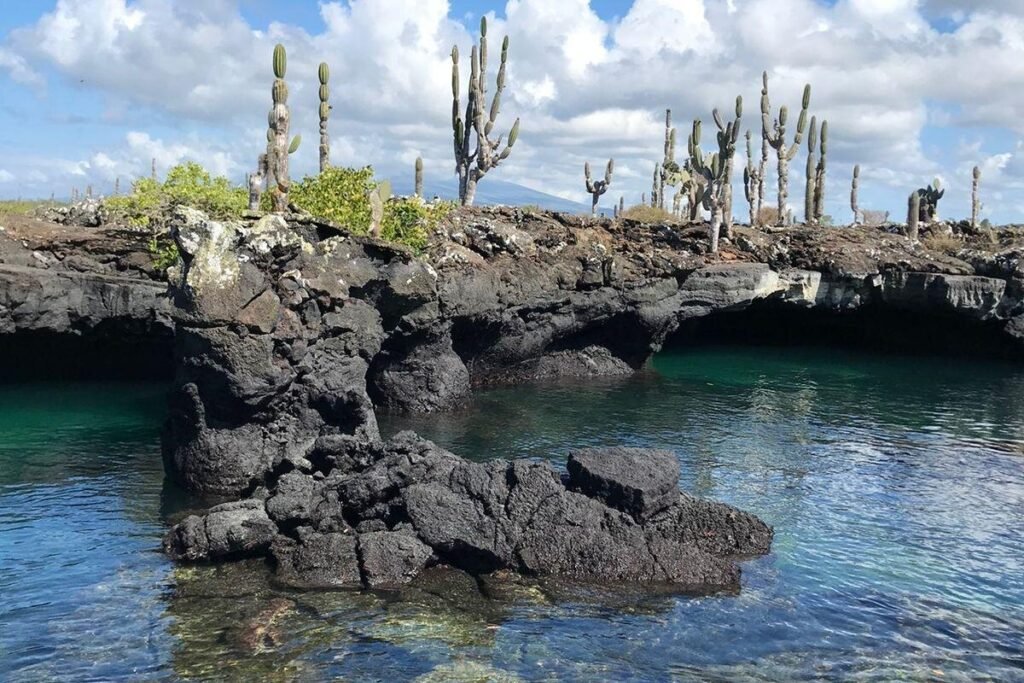
Located along the southern coast of Isla Isabela, Los Túneles (Cabo Rosa) is a natural masterpiece formed by ancient lava flows collapsing into the Pacific Ocean. This excursion combines a scenic boat ride with a guided terrestrial walk across delicate lava arches and natural rock bridges suspended over crystal-clear water.
Unlike chaotic mass tours, this small-group walk takes you directly through the nesting grounds of the iconic blue-footed booby. Your guide explains the complex courtship rituals and nesting habits of these seabirds before leading a calm, shallow-water snorkel session to spot sea turtles, white-tip reef sharks, and Galápagos penguins.
Key highlights
- Guided walking trail atop natural basalt arches and lava platforms surrounded by cacti
- Close-range, non-intrusive observation of blue-footed booby courtship displays and nesting sites
- Guided shallow-water snorkel in calm, glass-like lava lagoons home to seahorses and green sea turtles
- Professional naturalist guide ensuring strict adherence to Galápagos National Park visitor rules
Ideal for
Wildlife lovers, wildlife photographers, and first-time visitors seeking an iconic blend of coastal walking and marine observation.
Local insight
The walk over the lava arches involves stepping across uneven basalt with sharp edges. Reef shoes or secure sports sandals with good rubber traction are essential. Always stay strictly on the path marked by your guide to protect fragile lava tubes beneath your feet.
The Ecuadorian Sierra.
Get lost in the hills
Highland volcanic pits & native forest trail
Rating & reviews
(10+ verified reviews on Viator)
Why this specific tour stands out
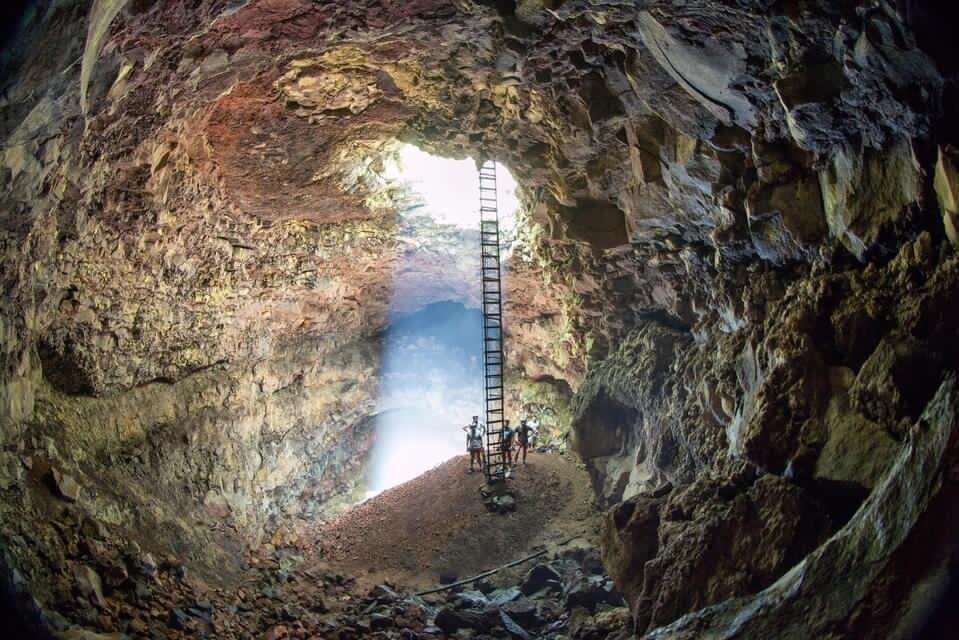
For an alternative highland walk that explores Isabela’s unique geological formations, this guided excursion ascends into the damp, lush slopes of Los Tres Melliços (The Triplets). Unlike the wide, exposed caldera of Sierra Negra, this trail leads through native Scalesia cloud forests into the collapsed pit craters and lava sinks created during ancient volcanic subsidence. Led by an expert naturalist, you will descend into cool, plant-filled volcanic pits while learning about the island’s distinct botanical zones and endemic bird life.
Key highlights
- Guided trail descent into the lush interior of extinct volcanic pit craters.
- Interpretive walk through Isabela’s highland Scalesia forest, home to Darwin’s finches and vermilion flycatchers.
- A quiet, shaded hiking alternative to the sun-drenched, exposed coastal paths.
- Small-group format with personalised commentary on island botany and volcanic formation
Ideal for
Botany enthusiasts, keen walkers, and travellers seeking a tranquil, green highland trail far removed from standard tour groups.
Local insight
The highland forest is frequently damp due to garúa mist. Wear sturdy boots with good tread for muddy paths, and pack a light windbreaker or rain shell layer.
The Ecuadorian Amazon.
The most biodiverse place in the world
Isla Isabela practical city & island exploration guide
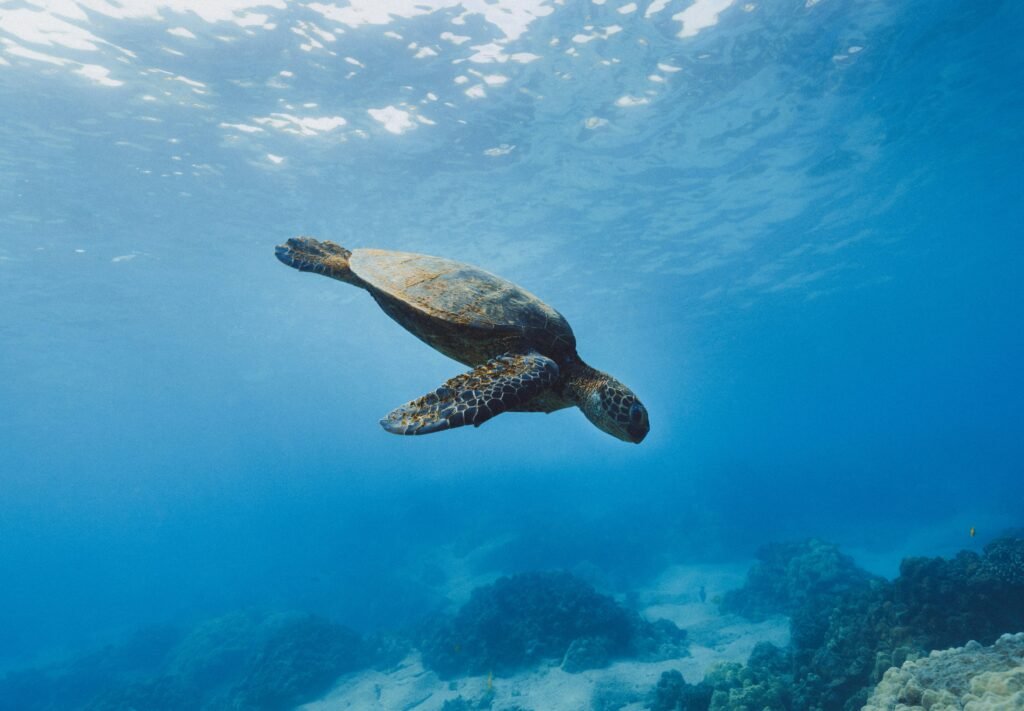
Exploring Puerto Villamil and the wider landscapes of Isla Isabela on foot is a rewarding experience, but island logistics require thoughtful preparation:
Navigating Puerto Villamil on foot
Puerto Villamil is wonderfully walkable. The entire town consists of sandy streets, so leave formal shoes behind. Light breathables or sturdy walking sandals are ideal for walking through town, but closed-toe footwear is mandatory for national park walking trails.
Respecting wildlife distance
The wildlife on Isla Isabela has evolved without a fear of humans. However, Galápagos National Park rules mandate maintaining a strict minimum distance of 2 metres (6.5 feet) from all animals. Never block an animal’s path—especially sea lions or nesting birds—and never touch or feed wildlife.
Hydration & sun protection
Being directly on the equator, the solar intensity on Isla Isabela is extreme, even on overcast days. Single-use plastic water bottles are prohibited in the national park; carry a durable stainless steel bottle and refill it at your hotel or local eateries before setting out.
Tipping culture & local currency
Ecuador uses the US Dollar ($). Cash is king on Isla Isabela, as credit card terminals frequently lose connectivity due to limited satellite internet, and there are no reliable ATMs on the island. Bring sufficient cash from Quito, Guayaquil, or Santa Cruz. Tipping your naturalist guide ($10–$15 USD per person for a full-day tour) and crew ($5–$10 USD) in cash is customary and deeply appreciated.
Timing & avoiding heat
The equator heat reaches its peak between 11:30 and 14:30. Plan your independent walks—such as strolling to the Concha de Perla boardwalk or visiting the Arnaldo Tupiza Breeding Centre—for early morning or late afternoon when light is golden and wildlife is most active.
The Ecuadorian Coast.
Where you’ll find the very best food
Stepping softly across Isabela’s living volcanic frontier
Read this far?
Stepping off the boat onto the quiet shores of Puerto Villamil, it becomes immediately obvious that Isla Isabela operates on a completely different rhythm from the rest of the archipelago. Here, the frantic pace of multi-island cruise schedules gives way to dusty sand streets, the gentle rustle of mangrove forests, and the unhurried movements of marine iguanas drying themselves on sun-baked lava rocks. Exploring this island on foot is not merely a logistical choice; it is an invitation to slow down and attune your senses to one of the most dynamic ecological landscapes on Earth.
By choosing targeted, small-group walking excursions led by local naturalist guides, you gain direct access to stories etched into the very geology of the island. From the quiet solemnity of the Wall of Tears (Muro de las Lágrimas) to the fiery depths of the Sierra Negra caldera, walking allows you to observe how life persistently reclaims black basalt fields. It offers a front-row seat to intricate bird courtship dances, marine nurseries hidden in quiet lava tunnels, and the subtle shifts in climate as you ascend from coastal scrub to mist-shrouded highlands.
At Wheely Tyred, we champion travel that honours both the landscape and the host communities preserving it. Choosing land-based exploration over massive floating hotels ensures your financial footprint directly supports local guides, family-run eateries, and sustainable conservation initiatives on Isabela. It allows you to be an active, conscious participant in the island’s daily life rather than a distant observer behind a panoramic deck window.
As you prepare to lace up your hiking boots and step onto these ancient trails, remember that the true magic of the Galápagos lies in the quiet details. Walk softly, keep a respectful distance, and let the wild, untamed spirit of Isla Isabela reveal itself one deliberate step at a time.
Affiliate Disclaimer: Some of the links on Wheely Tyred are affiliate links. If you click through and make a booking or purchase, we may earn a small commission at no extra cost to you. We only recommend gear, tours, stays, and services we genuinely use, trust, and stand behind — our editorial independence always comes first. These commissions help keep our independent cycling guides and travel stories free to read. You can also buy me a coffee here — thanks for supporting the ride!
Frequently asked questions about the best Isla Isabela walking tours
While independent walks around Puerto Villamil, the Concha de Perla mangrove boardwalk, and the initial sections of the wetlands trail can be explored self-guided, all official Galápagos National Park visitor sites legally require a licensed park naturalist guide. Sites such as Sierra Negra, Volcán Chico, Los Túneles, Las Tintoreras, The Triplets, and Minas de Azufre are strictly protected and can only be accessed as part of an authorised tour.
Ecuador uses the US Dollar ($). Cash is absolute king on Isla Isabela. Internet connectivity across Puerto Villamil relies on satellite links that frequently drop out, rendering credit card machines unreliable. Furthermore, there are no operating ATMs on the island. You should withdraw all the cash you will need for meals, tips, national park entry fees, and incidentals in Quito, Guayaquil, or Puerto Ayora (Santa Cruz) prior to your arrival.
The hike across Sierra Negra and Volcán Chico covers approximately 16 kilometres return over uneven, rocky volcanic terrain. While the incline is generally gradual rather than steeply vertical, the length of the trek, combined with exposed equatorial sun and unpredictable highland mist (garúa), requires a moderate level of physical fitness. Sturdy, broken-in hiking boots with strong ankle support are essential.
Galápagos National Park regulations strictly mandate maintaining a minimum distance of two metres (6.5 feet) from all wild animals at all times. You must never touch, feed, or corner any animal, nor use flash photography. On paths where marine iguanas or sea lions rest directly on the walkway, give them a wide berth and wait patiently for them to move rather than forcing your way past.
No. Single-use plastic drink bottles are banned within the Galápagos National Park to prevent plastic pollution from reaching fragile marine and terrestrial habitats. You must bring a durable, reusable water flask or stainless steel bottle, which can be refilled with filtered water at your accommodation or local restaurants before setting off on any trek.
Early morning (between 06:30 and 09:00) and late afternoon (after 15:30) are the ideal times for self-guided walking. Equatorial sun intensity reaches its peak during midday, making exposed trails uncomfortably hot. Walking early or late not only spares you the harsh heat but also aligns with the peak activity hours for local birdlife, marine iguanas, and giant tortoises.
Ecuador.
Pure wonder on the equator.