Isla Isabela travel guide / The ultimate first-timer guide to independent Galápagos travel
Practical advice, local logistics, and self-guided itineraries for first-time independent travellers visiting Isla Isabela, Galápagos
The quiet coastal soul of the Galápagos
BEN FINCH
The Galápagos Islands often carry a reputation for rigid cruise itineraries, synchronised tour group movements, and regimented schedules. However, for travellers who prefer setting their own rhythm, Isla Isabela offers a refreshing alternative. As the largest island in the archipelago, Isabela stretches across more than 4,500 square kilometres of raw volcanic terrain, shaped like a seahorse and forged by six shield volcanoes.
Despite its vast physical size, human settlement here is clustered almost entirely in Puerto Villamil, a low-key coastal village with unpaved sandy streets, sleepy beachside cafés, and a resident population of around 2,000 people. While neighbouring Santa Cruz bustles with souvenir shops and tour operators hustling for day trippers, Isabela remains grounded in a slower, more authentic pace of life.
If your idea of a memorable trip involves watching sea lions doze on wooden benches, cycling through lava fields toward historic vistas, and swimming in crystal-clear mangrove lagoons without a guide waving an umbrella overhead, Isabela is where you belong. This guide delivers everything first-time visitors need to know to navigate the island autonomously, efficiently, and respectfully.
Raw volcanic shores and slow living
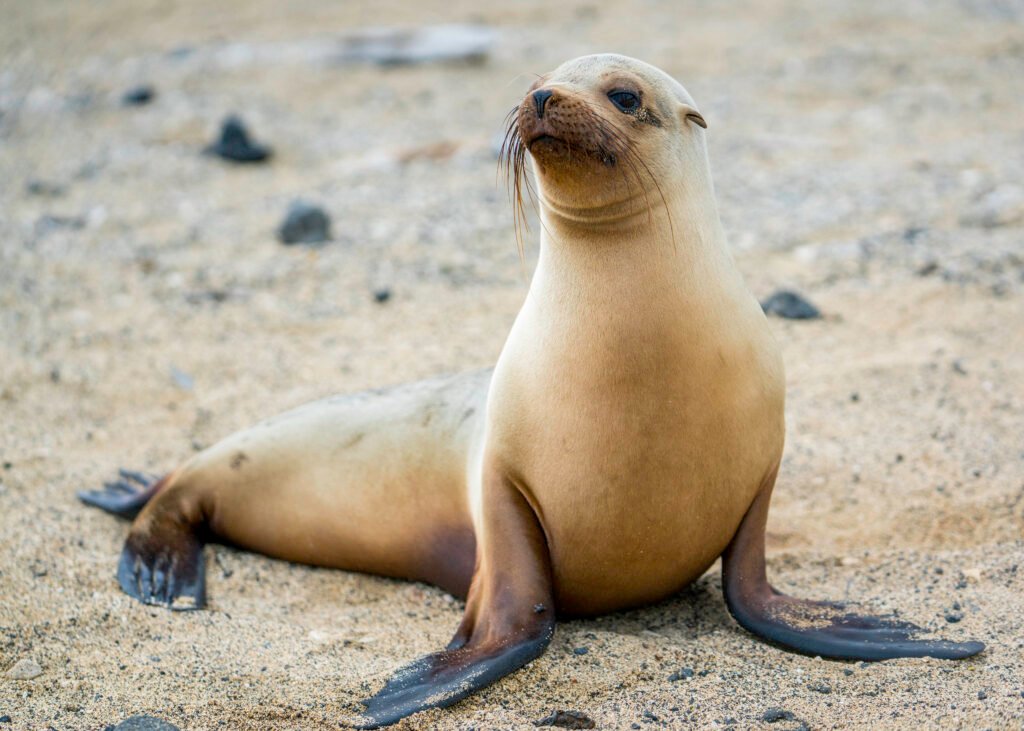
Isla Isabela offers a tranquil, self-paced sanctuary far removed from the regimented schedules and packed buses of standard cruise itineraries. From volcanic cycling trails to untamed marine sanctuaries, here is what makes this island an exceptional destination for independent exploration.
- Cash logistics: Carry sufficient US dollar cash in small denominations from Santa Cruz, as Puerto Villamil has only one notoriously unreliable ATM and card payment facilities are virtually non-existent
- Concha de Perla: Swim alongside wild sea turtles, penguins, and sea lion pups for free in a protected mangrove lagoon situated just a short stroll from the main pier
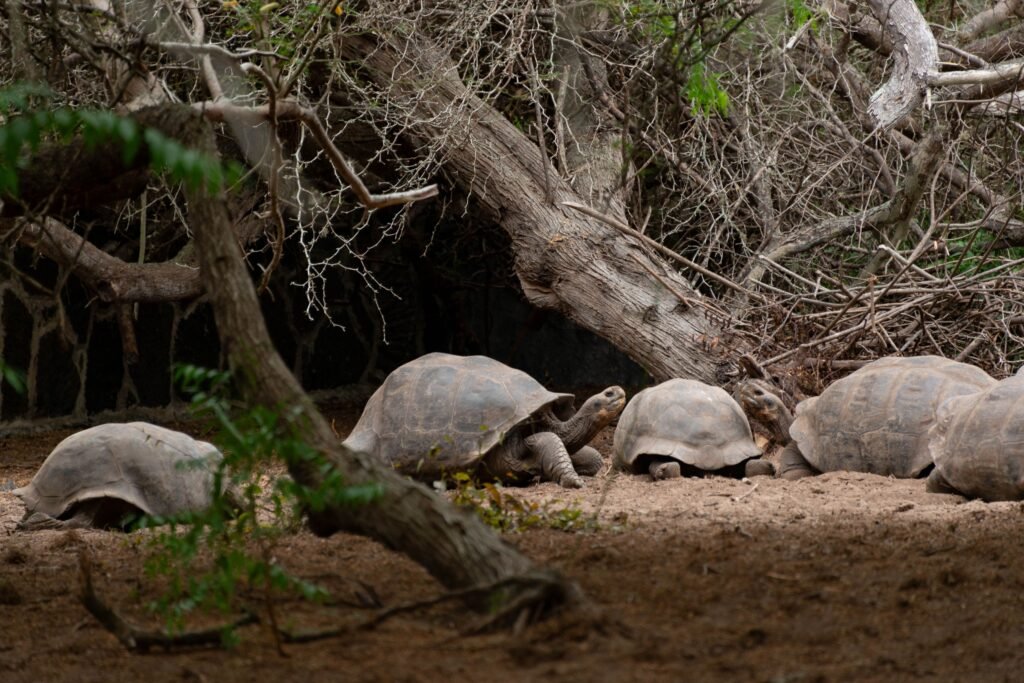
- The Wall of Tears trail: Rent a mountain bike in town to cover the five-kilometre coastal path past lava tubes, wild giant tortoises, and quiet beaches to a historic stone monument built by penal colony prisoners
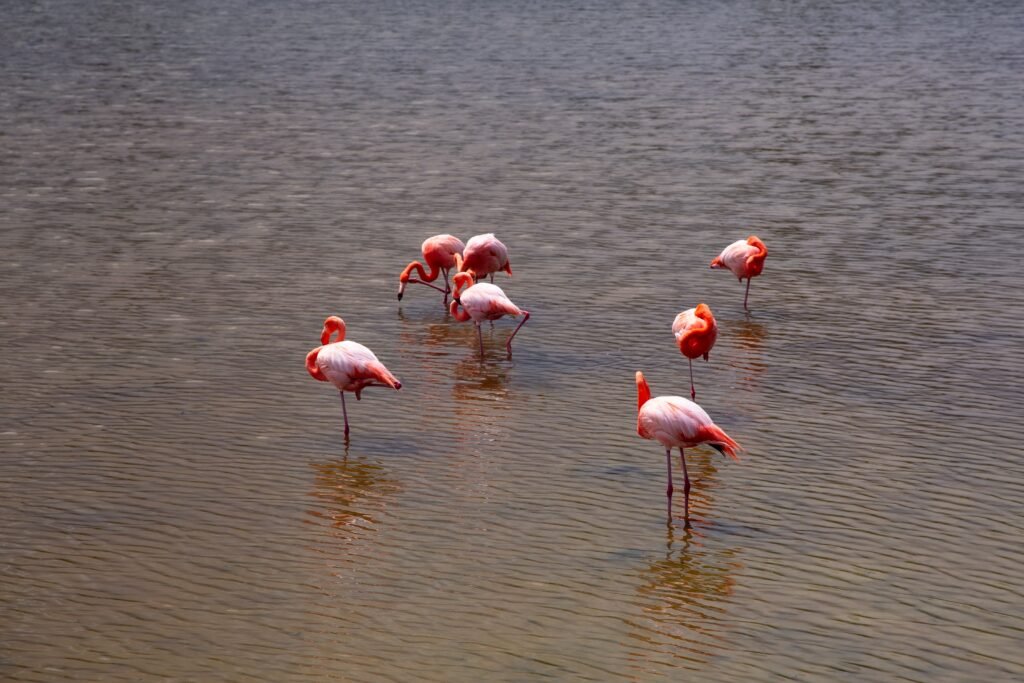
- Wetland boardwalks and tortoise conservation: Stroll along raised wooden walkways over brackish lagoons to spot feeding American flamingos before visiting the Arnaldo Tupiza breeding centre to observe giant tortoises
- Microclimates and seasons: Visit between December and May for warm seas and calm snorkelling conditions, or pack a wetsuit during the cool, nutrient-rich Garúa season from June to November when marine life is at its most active
- Local dining and almuerzos: Skip expensive hotel venues in favour of small family-run eateries serving traditional set lunches (almuerzos ejecutivos) featuring fresh fish, rice, plantains, and tropical fruit juices
- Ecosystem etiquette: Keep a mandatory two-metre distance from all wildlife, eliminate single-use plastics, and leave no trace across delicate volcanic and marine habitats
Isla Isabela.
Escape the tourist traps and explore
Step one / Essential arrival logistics and cash realities
Reaching Isla Isabela requires a little preparation, but the journey across the water is part of the experience. Because there are no direct international or mainland commercial flights landing in Puerto Villamil, almost all independent travellers arrive via inter-island public ferry from Puerto Ayora on Santa Cruz Island.
The public ferry ride
Speedboat ferries operate twice daily between Puerto Ayora and Puerto Villamil, typically departing early in the morning around 06:00 to 07:00 and mid-afternoon around 14:00 to 15:00. The crossing takes between two and two and a half hours across open ocean.
- Sea conditions: The Pacific swell can be choppy, particularly during the Garúa season between June and November. If you are prone to motion sickness, take preventative medication before boarding
- Water taxis: At both ends of the journey, large ferries cannot dock directly at the pier. Small water taxis transfer passengers between the pier and the ferry boat. Keep small change ready, as water taxis cost between $1 and $2 per person each way
- Island entrance fee: Upon stepping onto the dock at Puerto Villamil, all visitors must pay a local municipal entrance tax of $10 in cash
Cash is king / Do not rely on cards or ATMs
The single most critical piece of advice for first-timers visiting Isla Isabela is to bring ample cash from the mainland or Santa Cruz. Puerto Villamil has only one ATM, which frequently runs out of banknotes, suffers from network outages, or imposes low withdrawal limits accompanied by high fees. Card transaction facilities across local family-run guesthouses, bakeries, and water taxis are virtually non-existent, or come with hefty card processing surcharges.
Calculate your expected daily expenses for food, bike rentals, national park fees, and local transport, then carry extra US dollar notes in smaller denominations such as 5-, 10-, and 20-dollar bills.
Microclimates and packing essentials
Isabela experiences two distinct weather seasons, each offering a different atmosphere and requiring specific gear.
Warm and rainy season / December to May
Characterised by warmer air temperatures ranging between 26°C and 30°C, sunny skies, tropical downpours, and calm, warm sea waters. Snorkelling visibility is at its peak during these months, making wetsuits optional for most swimmers.
Cool and dry garúa season / June to November
Driven by the Humboldt Current, this season brings cooler sea temperatures, overcast skies, cool breezes, and a persistent misty rain known locally as garúa. While sea life is exceptionally active due to nutrient-rich cold currents, water temperatures drop significantly.
What first-timers must pack
- Reef-safe sunscreen: Sun exposure on the Equator is intense, even on overcast days. Sunscreen is expensive in small island shops, so bring a solid supply of high-SPF, reef-friendly sunblock
- Snorkelling gear: While gear can be hired in town, having your own well-fitting mask and snorkel gives you the freedom to pop into the water whenever you spot an intriguing lagoon
- Light wetsuit or rash guard: Essential for extended snorkelling during the cooler Garúa months
- Insect repellent: Sandy beaches and mangrove trails can harbour biting sandflies (no-see-ums), especially near dusk
- Sturdy walking shoes: Volcanic lava rocks are sharp and uneven. Leave delicate sandals behind when hiking toward volcanic craters or inland trails
The Galápagos.
Ecuador’s Enchanted Isles
Independent highlights for self-guided exploration
One of the greatest joys of Isla Isabela is how much you can experience completely on your own, without paying for expensive group tours or adhering to rigid schedules.
1. Concha de Perla / Free, world-class snorkelling
Located just a short walk to the east of the main dock, Concha de Perla is a natural marine lagoon encircled by protective mangroves. Access is via a wooden boardwalk that weaves through coastal vegetation, where you will frequently encounter sea lions napping directly on the walkway.
- Independent Tip: Visit during mid-to-high tide for optimal water depth and visibility. Entrance is completely free. Slide gently into the water to swim alongside Pacific sea turtles, playful sea lion pups, marine iguanas, rays, and occasionally Galápagos penguins
2. Muro de las Lágrimas (Wall of Tears) by bicycle
Stretching five kilometres west from Puerto Villamil, the trail to the Wall of Tears makes for one of the finest half-day independent cycling or walking excursions on the island. Local shops along the main street in town rent sturdy mountain bikes for around $10 to $15 per day.
The trail winds along sandy coastlines, through arid scrublands, and past historic lava tube formations. Constructed between 1945 and 1959 by prisoners of the island penal colony, the massive stone wall stands as a tragic monument to local history.
Along the route, keep an eye out for wild giant tortoises grazing near the path. Take time to branch off onto side trails leading to La Playita, El Faro, and the elevated lookout at Mirador Cerro Radar, which offers panoramic views across the island coast.
3. Poza de los Flamingos and tortoise breeding centre
Starting from the edge of Puerto Villamil, a raised wooden boardwalk crosses brackish wetlands and coastal lagoons where vibrant American flamingos feed. The path continues to the Centro de Crianza Arnaldo Tupiza, a dedicated giant tortoise breeding facility run by the Galápagos National Park.
Here, you can learn about conservation efforts to restore tortoise populations across different volcanic zones of Isabela, observing hatchlings alongside massive adult tortoises. Admission is free, and the flat boardwalk path makes it easily accessible for travellers of all fitness levels.
4. Playa de Puerto Villamil
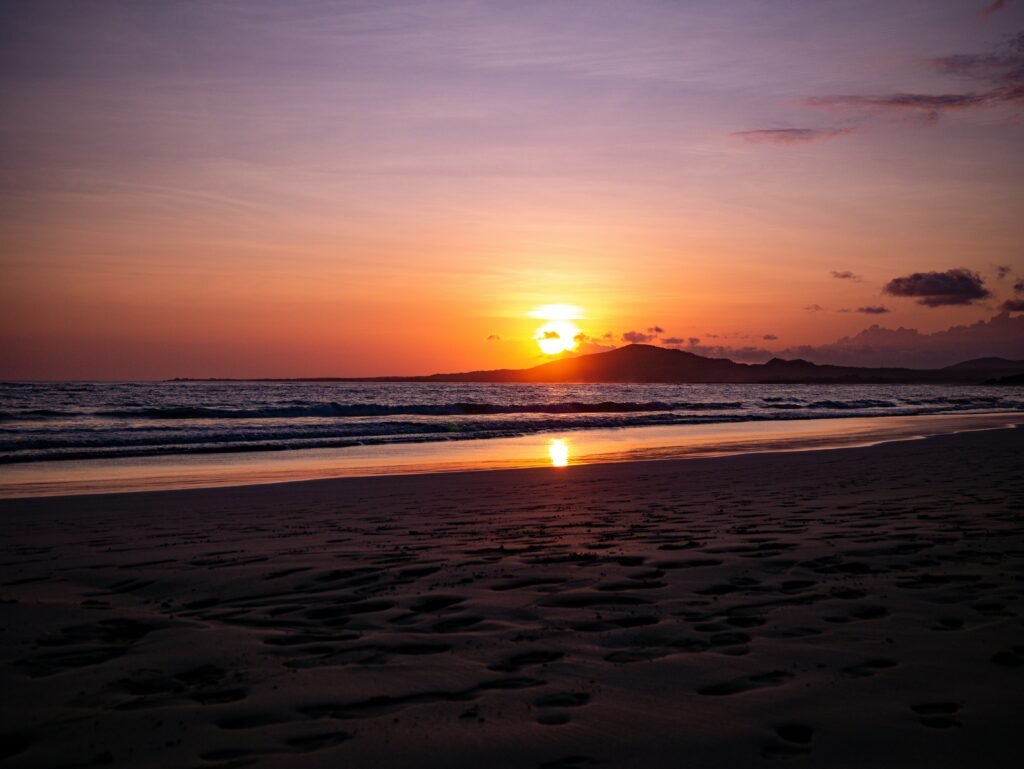
The town beach stretches for three kilometres of soft, white coral sand. Unlike overcrowded resort beaches, Playa de Puerto Villamil remains quiet throughout the day. It is ideal for an unhurried morning walk, watching brown pelicans dive for fish, or enjoying sunset views over the Pacific Ocean.
The Ecuadorian Sierra.
Get lost in the hills
Choosing guided excursions wisely
While self-guided activities are abundant, certain protected ecological zones on Isabela require a certified national park guide. To maintain your independence, look for small-group operators in town rather than booking mass tours in advance.
Los Túneles / Cabo Rosa
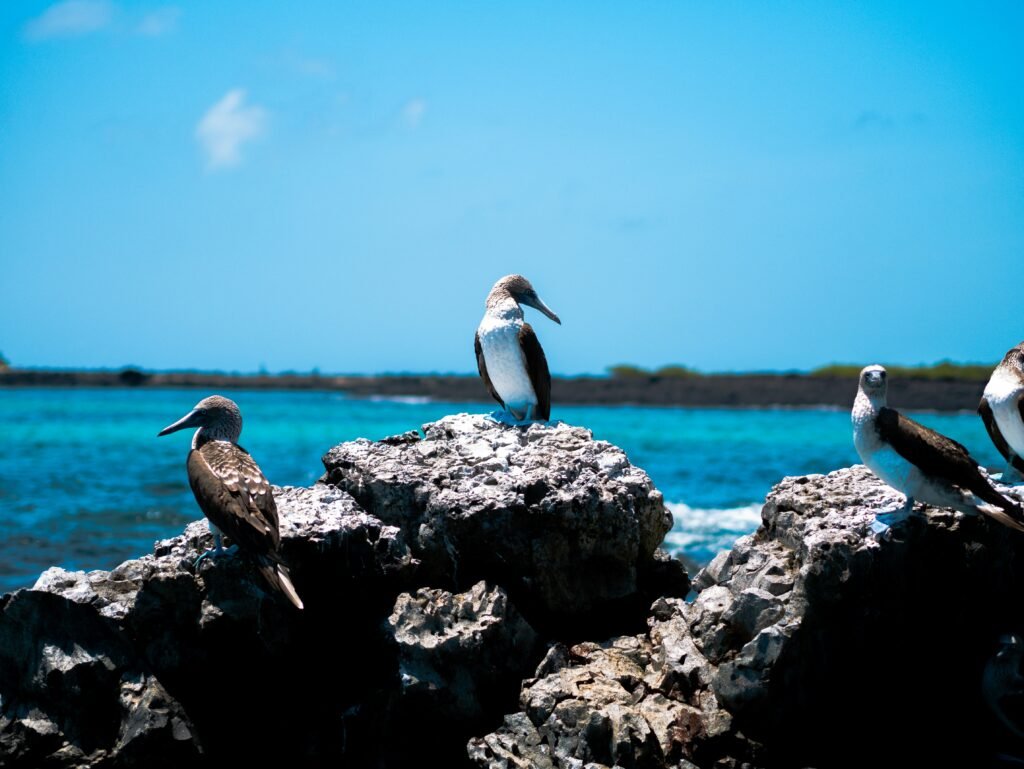
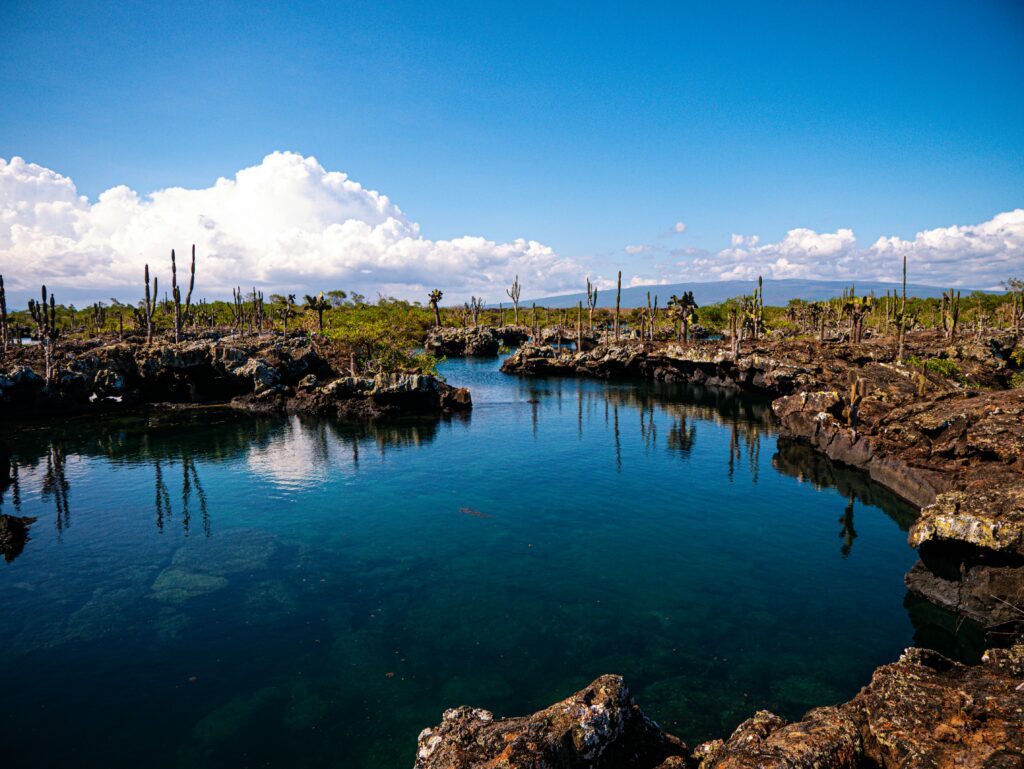
Formed by historic lava flows meeting the sea, Los Túneles is a unique marine maze of natural lava arches, stone bridges, and calm turquoise pools. It is widely regarded as one of the best snorkelling locations in the Galápagos, offering opportunities to spot white-tip reef sharks resting in underwater caves, seahorses clinging to mangroves, blue-footed boobies nesting on lava bridges, and green sea turtles.
- Independent Travel Tip: Book your trip directly with a small local operator in Puerto Villamil a day or two in advance. Request an early departure time if possible to enjoy calmer water before wind picks up in the afternoon
Volcán Sierra Negra and Volcán Chico Hike
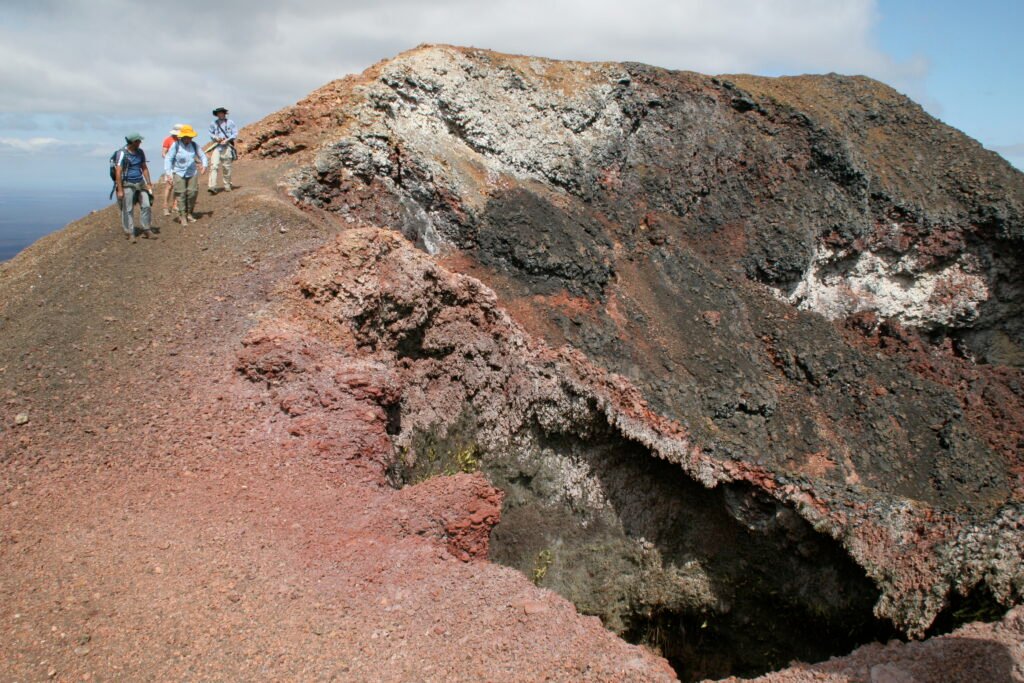
For active travellers, hiking the rim of Sierra Negra offers an impressive encounter with Galápagos geology. Sierra Negra boasts the second-largest volcanic caldera in the world, measuring roughly ten kilometres across. The trek continues across the lunar lava fields of Volcán Chico, where active fumaroles vent steam into the air.
The full round-trip hike covers approximately 16 kilometres over uneven terrain. Sturdy hiking footwear, plenty of drinking water, and effective sun protection are absolute necessities.
The Ecuadorian Amazon.
The most biodiverse place in the world
Where to stay, eat, and support the local economy
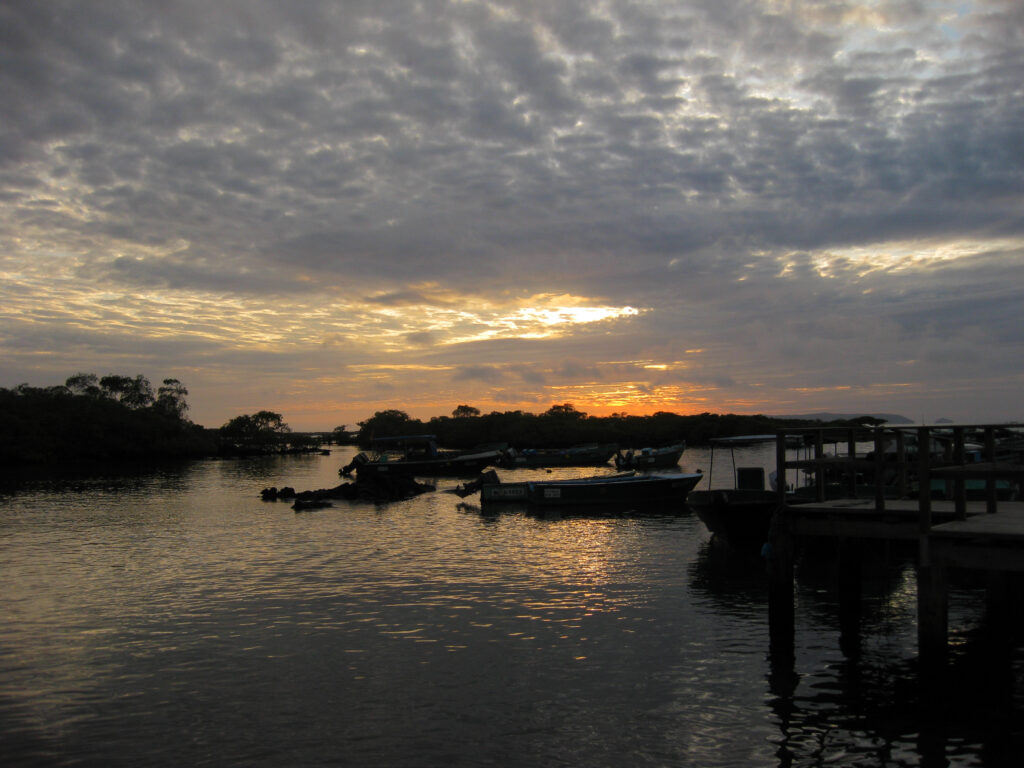
Choosing locally owned establishments ensures that your travel spending directly supports the resident community of Puerto Villamil.
Independent accommodation
Avoid large resort chains and seek out family-operated posadas, eco-lodges, or guesthouses located within two or three blocks of the main square. Many local guesthouses provide communal kitchen access, purified drinking water refills, and bike storage, which helps keep daily travel costs manageable while providing helpful first-hand advice from resident hosts.
Dining and local flavours
Seafood on Isabela is fresh, simple, and locally caught.
- Almuerzos: For an authentic and affordable lunch, visit local family eateries set slightly back from the main beachfront strip. Ordering an almuerzo ejecutivo provides a set menu featuring fresh soup, a main plate of fresh fish or chicken with rice and fried plantains, and fresh fruit juice for a modest price
- Evening Seafood: In the evening, sample fresh fish ceviche or grilled brujo (red snapper) prepared with local spices. Always pair your meal with locally grown Ecuadorian coffee or fresh fruit juices made from maracuyá (passion fruit) or naranjilla
Local etiquette and responsible visitor rules
The wildlife on Isabela has evolved without a natural fear of humans, creating intimate encounters found in few other places on Earth. Preserving this delicate harmony requires strict adherence to national park regulations:
- Maintain distance: Always stay at least two metres (six feet) away from all wild animals, including sea lions, marine iguanas, tortoises, and birds. Never touch, feed, or corner wildlife
- Give way on paths: If a sea lion or iguana is resting across a boardwalk or bicycle track, wait patiently or find a wide path around them
- Single-use plastics: Single-use plastic bags and disposable plastic water bottles are banned in the Galápagos. Carry a durable, reusable water bottle and fill it from purified water stations at your accommodation
- Leave no trace: Take all rubbish back to town with you, stay on marked trails, and refrain from collecting shells, lava rocks, or sand
The Ecuadorian Coast.
Where you’ll find the very best food
Embracing the slow rhythm of Isabela
Read this far?
Visiting Isla Isabela independently allows you to step away from predictable tourist itineraries and experience the Galápagos at your own pace. By taking time to walk the coastal boardwalks at high tide, cycling out to historic lava vistas, supporting small local businesses, and respecting the native wildlife, you unlock a depth of travel that group tours simply cannot deliver.
At Wheely Tyred, we believe that the best journeys are those planned on your own terms. Whether exploring by bicycle, ferry, or on foot, taking control of your itinerary leads to deeper connections and richer stories.
Affiliate Disclaimer: Some of the links on Wheely Tyred are affiliate links. If you click through and make a booking or purchase, we may earn a small commission at no extra cost to you. We only recommend gear, tours, stays, and services we genuinely use, trust, and stand behind — our editorial independence always comes first. These commissions help keep our independent cycling guides and travel stories free to read. You can also buy me a coffee here — thanks for supporting the ride!
Frequently asked questions about visiting Isla Isabela
Public speedboat ferries run twice daily between Puerto Ayora on Santa Cruz and Puerto Villamil on Isabela, usually departing early in the morning around 06:00 to 07:00 and mid-afternoon around 14:00 to 15:00. The journey takes between two and two and a half hours across open ocean. Small water taxis transfer passengers between the dock and the ferry at both ends for $1 to $2 per person in cash. Additionally, all arriving visitors must pay a local municipal entrance tax of $10 in cash upon stepping onto the pier in Puerto Villamil.
Yes. Isabela is arguably the most suitable island in the Galápagos for self-guided exploration. Key locations such as Concha de Perla, the trail to the Wall of Tears, Poza de los Flamingos, the giant tortoise breeding centre, and the main white-sand beach are completely free and accessible on foot or by bike without a guide. Guided tours are only required for specific protected ecological sites like Los Túneles or the Volcán Sierra Negra crater.
Puerto Villamil relies heavily on cash transactions. The island has only one ATM, which frequently runs out of banknotes or experiences technical network dropouts. Credit card processing is rare and often subject to high transaction surcharges. Independent travellers should calculate their full daily budget for meals, bicycle rentals, water taxis, and site entrance fees before leaving Santa Cruz or the mainland, carrying small bills such as 5, 10, and 20 US dollar notes.
The warm and rainy season from December to May brings warmer sea temperatures, sunny skies, and clear water, making it ideal for swimming and snorkelling without a wetsuit. The cool Garúa season from June to November brings cold currents driven by the Humboldt Current; while water visibility drops slightly and temperatures cool down, these nutrient-dense waters attract higher concentrations of marine wildlife, making a light wetsuit or rash guard essential.
While Puerto Villamil itself is compact and easily navigated on foot, hiring a bicycle is the best way to explore the coastal area west of town. The trail to the Wall of Tears covers five kilometres each way over gravel and sand. Renting a sturdy mountain bike from a local shop gives you the flexibility to visit side tracks, coastal lookouts, and secluded beaches at your own pace.
To eat well without overspending, look for family-owned restaurants located a block or two back from the main beach strip. During lunchtime, these establishments serve set menus called almuerzos ejecutivos, which typically include a bowl of fresh soup, a main dish of local fish or chicken accompanied by rice and plantains, and freshly blended fruit juice such as maracuyá or naranjilla. In the evening, fresh ceviche and locally roasted Ecuadorian coffee offer delicious, authentic sustenance.
Ecuador.
Pure wonder on the equator.