Cycling Isla Isabela / The ultimate Galápagos bike tour guide
Best Isla Isabela bike tours, Galápagos e-bike routes & guided cycling excursions
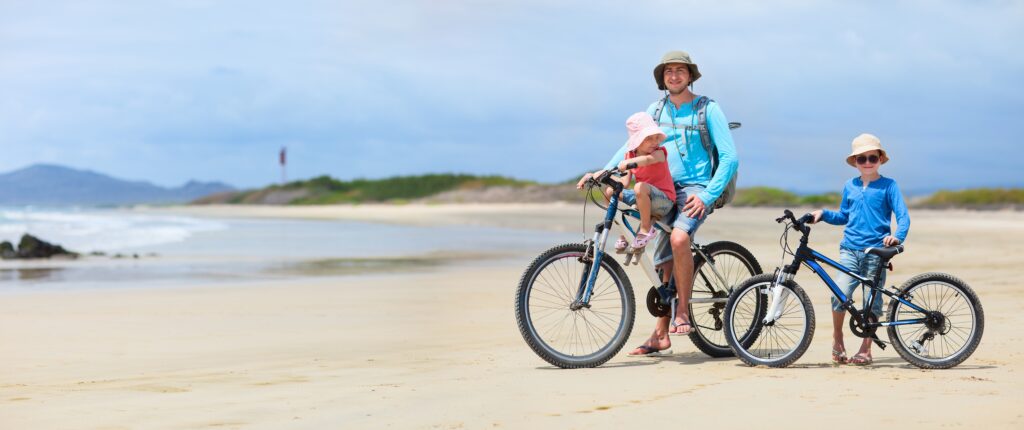
Two wheels unlock the true volcanic soul of the Galápagos
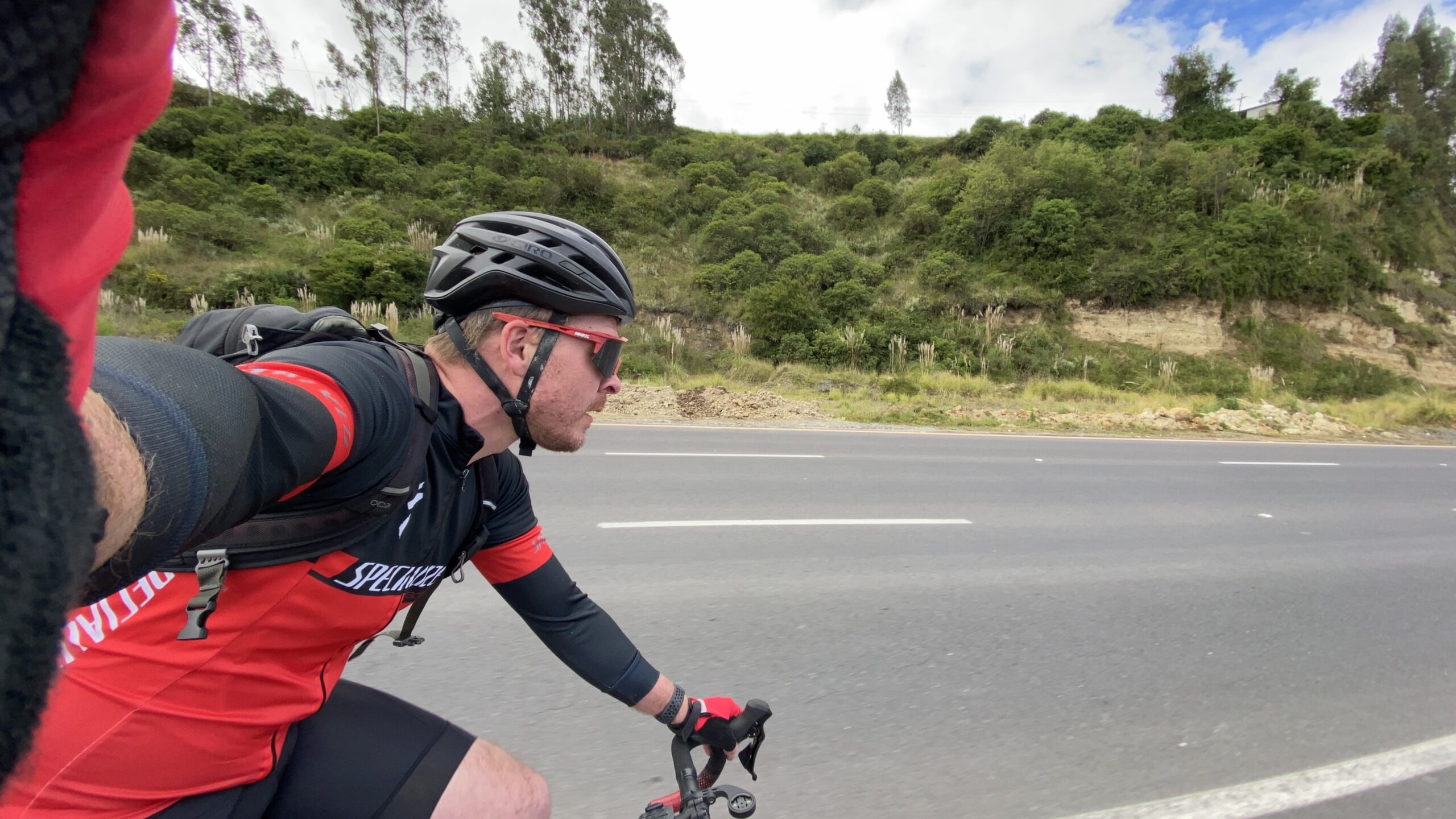
BEN FINCH
There is a distinct, unhurried magic to rolling across the crushed lava trails of Isla Isabela. As the largest and geologically youngest island in the Galápagos archipelago, Isabela remains wonderfully wild, defined by imposing volcanic shields, expansive wetlands, and low-key dirt roads where giant tortoises regularly claim right of way.
While most visitors experience this enchanted outpost from the cramped confines of a diesel tour bus or a hurried group vessel, exploring by bicycle restores the essential ethos of slow travel.
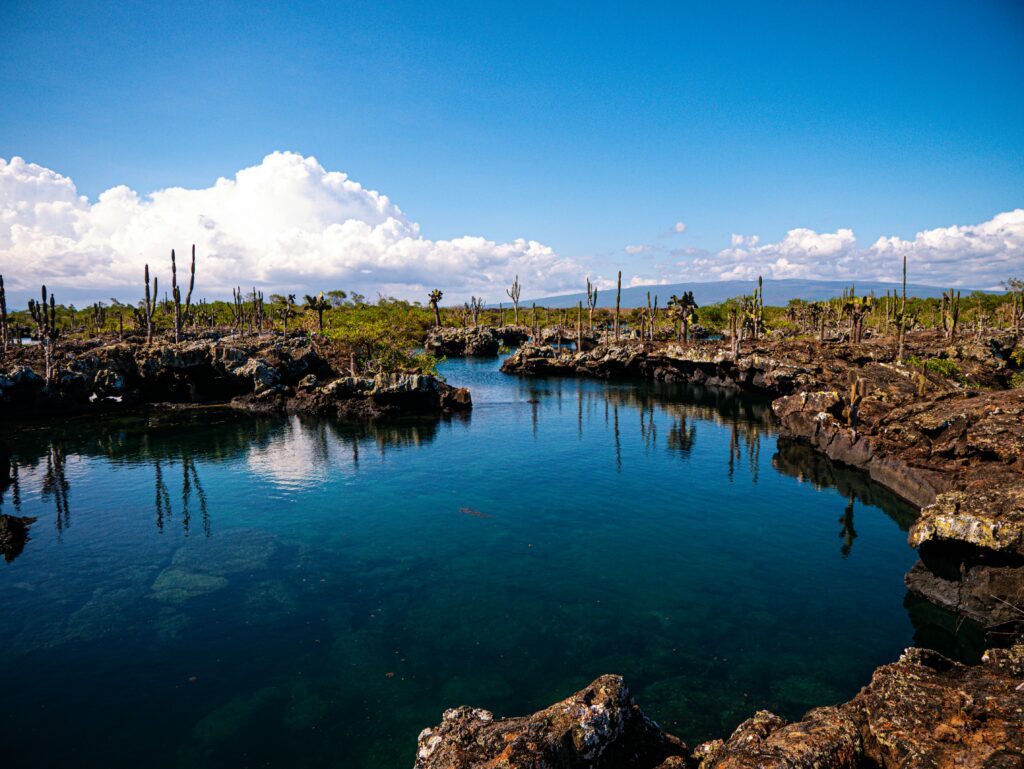
At Wheely Tyred, we believe that riding a bicycle is the most intimate, respectful, and invigorating way to connect with a landscape. On two wheels, the subtle rhythm of the environment opens up completely: the earthy scent of coastal mangroves gives way to brackish lagoons filled with feeding flamingos, while marine iguanas sunbathe directly along sandy track edges.
Bicycles allow you to match the slow pace of the native wildlife while covering significantly more ground than walking alone. Whether you are navigating the historic gravel path to the poignant Muro de las Lágrimas (Wall of Tears), gliding up highland cloud forests on a pedal-assisted e-bike, or descending volcanic rims toward secluded ocean coves, a guided bike tour offers an authentic, low-impact perspective that commercial sightseeing loops simply cannot replicate.
Below is our curated, independently vetted guide to the absolute finest bookable bicycle tours and guided rides on Isla Isabela and its neighbouring island gateways.
Essential tracks / Volcanic trails, cloud forests, and giant tortoises
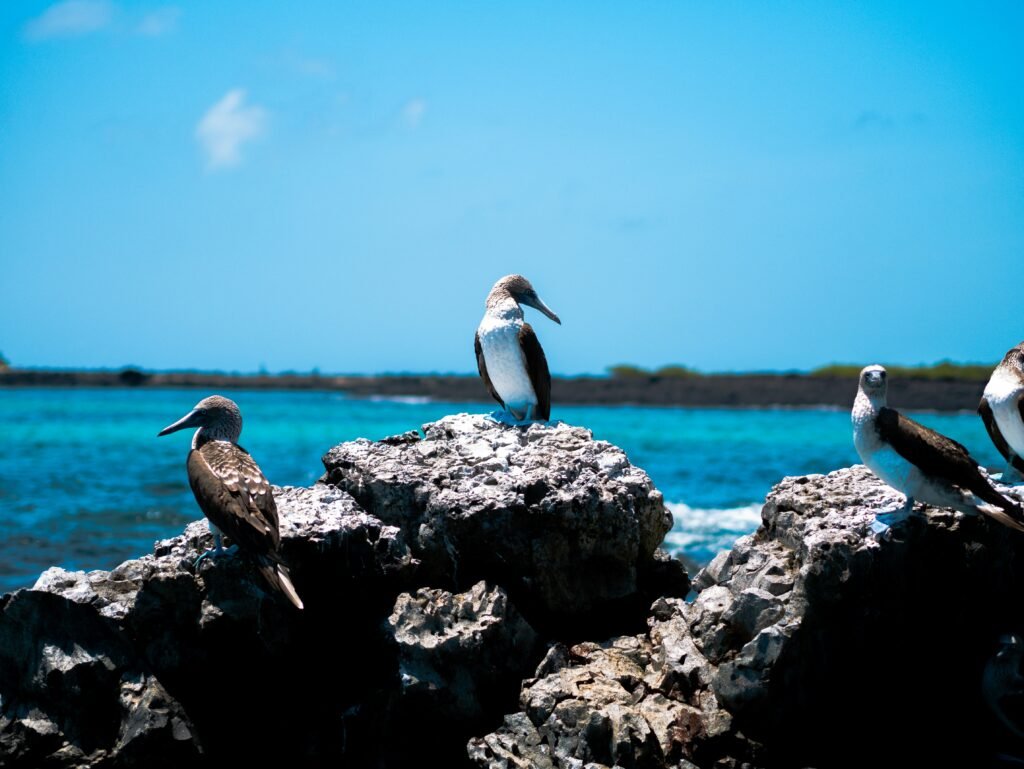
Exploring the Galápagos on two wheels unlocks an unhurried, intimate perspective on the archipelago’s youngest and wildest islands. From coastal lava paths to misty highland cloud forests, cycling replaces diesel fumes with the quiet crunch of volcanic gravel.
- Volcanic Wetlands & History: The coastal track out of Puerto Villamil winds past brackish flamingo lagoons and mangrove habitats, ending at the Muro de las Lágrimas—a stark stone wall built by penal colony prisoners between 1945 and 1959
- Wildlife Right of Way: Giant tortoises and marine iguanas regularly claim the middle of dirt trails; national park regulations require cyclists to yield immediately and maintain a minimum distance of three metres
- Highland Cloud Forests: Pedal-assisted e-bike routes ascend through misty Scalesia forests to agricultural reserves like El Chato, where tortoises roam unhindered through mud wallows
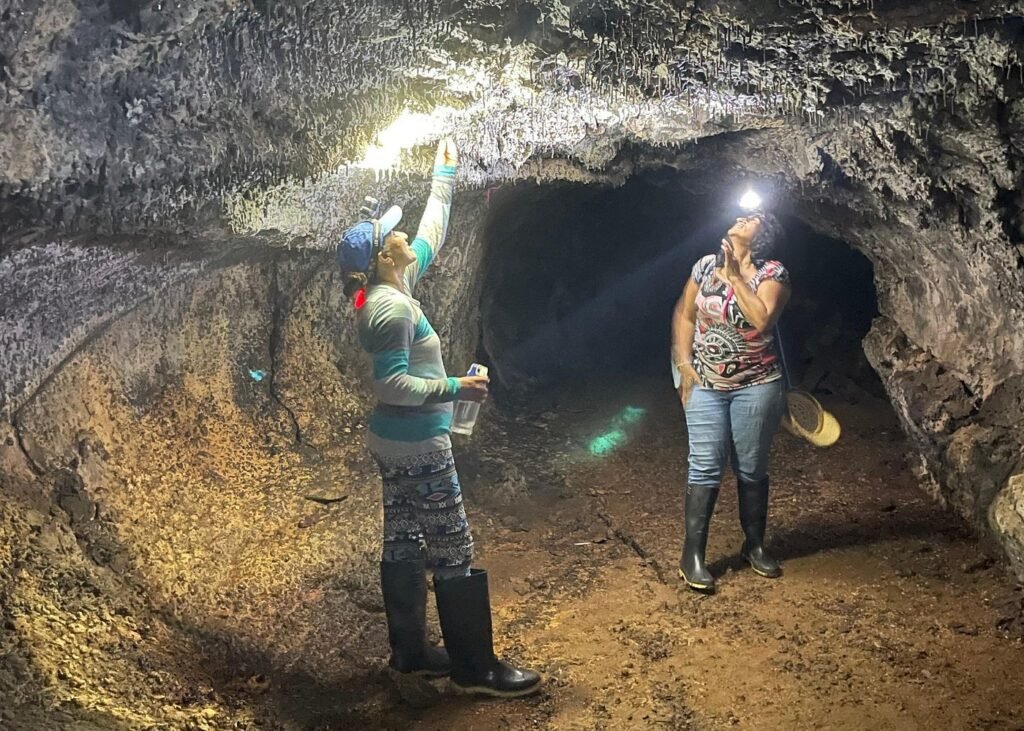
- Subterranean Lava Tunnels: Highland excursions venture deep underground into ancient, cavernous volcanic tubes formed millions of years ago by flowing basaltic lava
- San Cristóbal High-to-Low Descent: Mountain bike routes starting at the El Junco freshwater crater lake drop 700 metres through agricultural zones and tortoise breeding grounds before finishing at Puerto Chino Beach
- Terrain & Tyre Setup: Loose lava gravel and soft coastal sand demand front-suspension mountain bikes fitted with wide, knobby tyres run at lower pressures (30–35 PSI) for reliable traction
Isla Isabela.
Escape the tourist traps and explore
Autonomous coastal exploration & wetland trail exploration
Rating & reviews
(Verified reviews on Civitatis)
Why this specific tour stands out
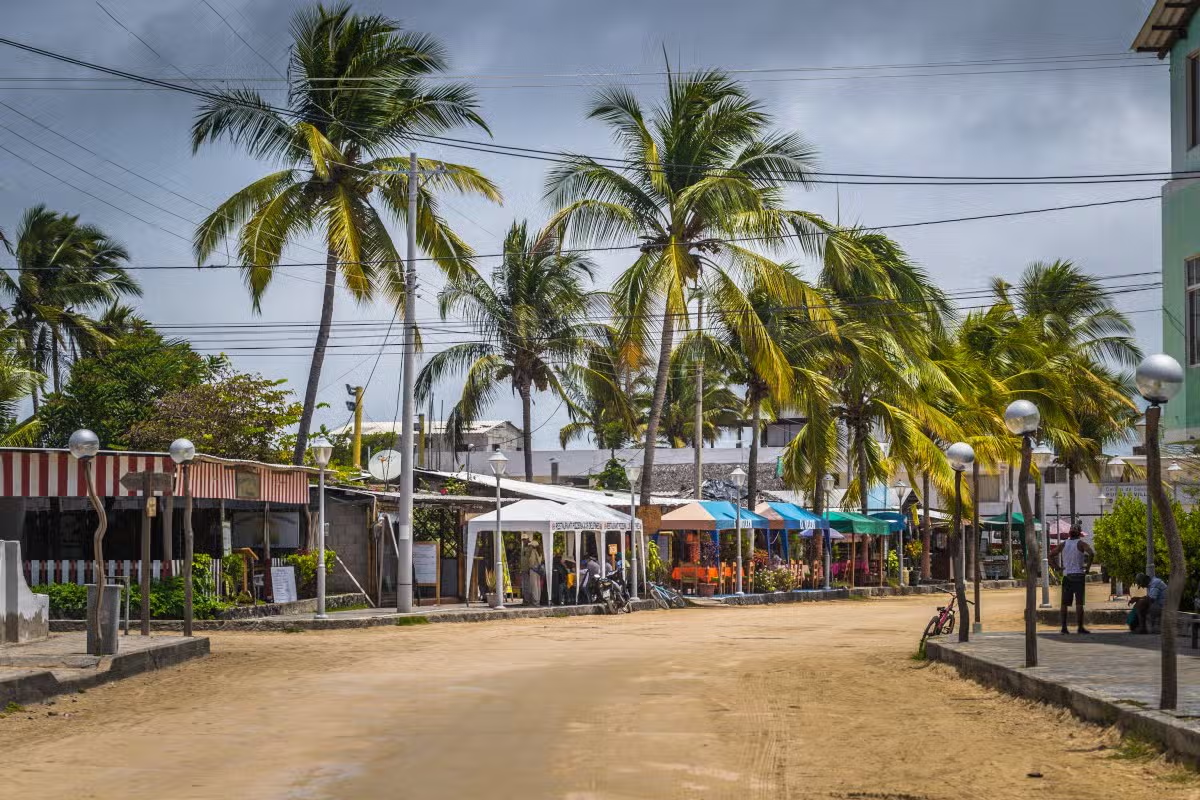
For self-reliant cyclists who prefer to chart their own course without a rigid group schedule, this independent bike rental package provides complete freedom backed by top-tier local equipment. Operated out of Puerto Villamil, the service supplies sturdy, well-maintained front-suspension mountain bikes fitted with puncture-resistant tyres, comfortable saddles, and essential safety equipment including helmets and frame pumps.
With rental coverage extending from 8.00 am until 6.00 pm, riders have ample time to explore the entire southern coastline of Isla Isabela at an unhurried pace. You can pause whenever a wild giant tortoise crosses your path, spend hours photographing flamingos in the salt lagoons, or cool off with a swim at Playa del Amor. The local shop staff provide updated trail maps, current tide charts for beach passages, and insider advice on where to spot roosting blue-footed boobies.
Key highlights
- Full-day bike hire granting total autonomy from 8.00 am to 6.00 pm
- High-grade mountain bikes ideal for sandy roads and loose volcanic soil
- Flexibility to ride to Laguna de las Flamingos, Playa del Amor, and Las Tintoreras lookouts
- Includes helmets, trail orientation, repair kits, and safety lights
- Zero-carbon footprint exploration of Puerto Villamil and its surrounding protected trails
Ideal for
Independent, autonomous cyclists, photography enthusiasts, and slow travellers who value total flexibility and personal pacing.
Local cycling insight
When riding along the sandy tracks around Playa del Amor and El Estero, keep your eyes trained on the path directly ahead. Marine iguanas are dark volcanic-grey and frequently blend seamlessly into the gravel or lay across the trail to absorb ambient warmth. Always maintain a respectful three-metre distance from all wildlife and never ride over exposed tree roots or mangrove shoots.
The Galápagos.
Ecuador’s Enchanted Isles
Highland cloud forest safari by electric bike
Rating & reviews
(7+ verified reviews on GetYourGuide)
Why this specific tour stands out
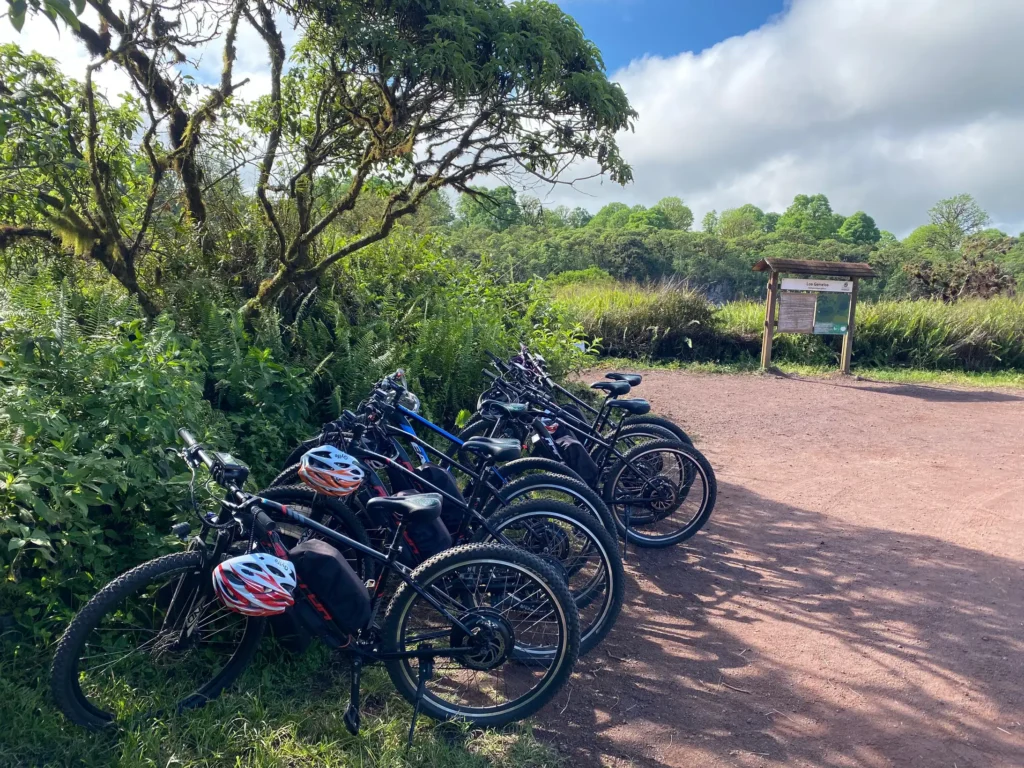
Serving as the premier e-bike expedition in the archipelago, this tour offers a seamless blend of effortless pedal-assisted cycling and raw wildlife encounters. Starting with a private transfer to the misty highland village of Santa Rosa, guests mount modern, mid-drive electric mountain bikes tailored for gravel lanes and rural climbs.
The pedal assistance neutralises steep highland gradients, allowing riders of all fitness levels to enjoy the lush, green canopy of the Scalesia cloud forest. The route winds away from standard tourist thoroughfares onto quiet agricultural lanes, leading directly to the private El Chato Reserve.
Here, cyclists dismount to walk alongside wild giant tortoises roaming free through pastures and natural muddy wallows, before descending into subterranean lava tunnels formed millions of years ago by ancient volcanic eruptions.
Key highlights
- Premium electric mountain bike ride through lush highland agricultural zones
- Guided walk through El Chato Reserve to observe giant tortoises in their natural habitat
- Exploration of massive underground lava tubes and volcanic rock formations
- Visit to a traditional local artisan workshop to witness authentic Galápagos crafts
- Bilingual naturalist guide providing rich geological and botanical commentary
Ideal for
Casual cyclists, families, and eco-travellers who want to explore highland terrain without strenuous physical exertion.
Local cycling insight
The Galápagos highlands experience a unique microclimate known locally as the garúa—a delicate, misty drizzle that keeps the vegetation verdant and lush. Trails can be slick and muddy. Wear a lightweight, water-resistant cycling jacket and closed-toe riding shoes with solid tread to prevent slipping when walking through lava tunnels.
The Ecuadorian Sierra.
Get lost in the hills
Adrenaline downhill mountain biking & lava underground excursions
Rating & reviews
(45+ verified reviews on Viator)
Why this specific tour stands out
If you crave the exhilaration of standard, pedal-powered mountain biking across rugged terrain, this guided downhill tour delivers an unforgettable fix. The journey begins high in the island interior, where riders are outfitted with front-suspension mountain bikes calibrated to their height and riding preference.
The itinerary features a sweeping 16-kilometre descent along tranquil backroads and agricultural dirt tracks, passing guava orchards and organic coffee farms. Because the route is predominantly downhill, it allows riders to focus entirely on the dramatic scenery and wildlife spotting.
The tour includes guided stops at giant tortoise sanctuaries and subterranean lava tubes, concluding with a delicious bowl of traditional local encebollado soup or fresh organic coffee at a family-run farmstead.
Key highlights
- Exhilarating 16-kilometre guided downhill ride through rural island highlands
- Heavy-duty front-suspension mountain bikes equipped for off-road dirt tracks
- Direct encounters with giant tortoises roaming unhindered across rural farmlands
- Guided underground exploration of ancient, cavernous lava tunnels
- Post-ride culinary refreshment featuring authentic local cuisine
Ideal for
Active cyclists, mountain bike enthusiasts, and adventurous families seeking a physical, thrill-filled ride.
Local cycling insight
Downhill gravel riding requires careful speed control and proper weight distribution. Keep your weight centred over the saddle, stay loose in your arms, and feather both front and rear brakes evenly. Avoid locking your rear wheel on loose lava scree, as volcanic rocks can quickly slice through soft tyres.
The Ecuadorian Amazon.
The most biodiverse place in the world
Highland crater lakes to ocean cove downhill descent
Rating & reviews
(1 verified review on GetYourGuide)
Why this specific tour stands out
San Cristóbal serves as the eastern cycling hub of the Galápagos, and this half-day guided mountain bike tour offers one of the most complete island-traversing itineraries in Ecuador. The trip transports cyclists up to El Junco—the only permanent freshwater crater lake in the entire Galápagos archipelago—perched 700 metres above sea level.
After taking in panoramic views of the highland crater, you mount specialised mountain bikes for a thrilling downhill ride toward the eastern shore. The trail passes through La Galapaguera tortoise breeding centre before continuing down to the white sands of Puerto Chino Beach.
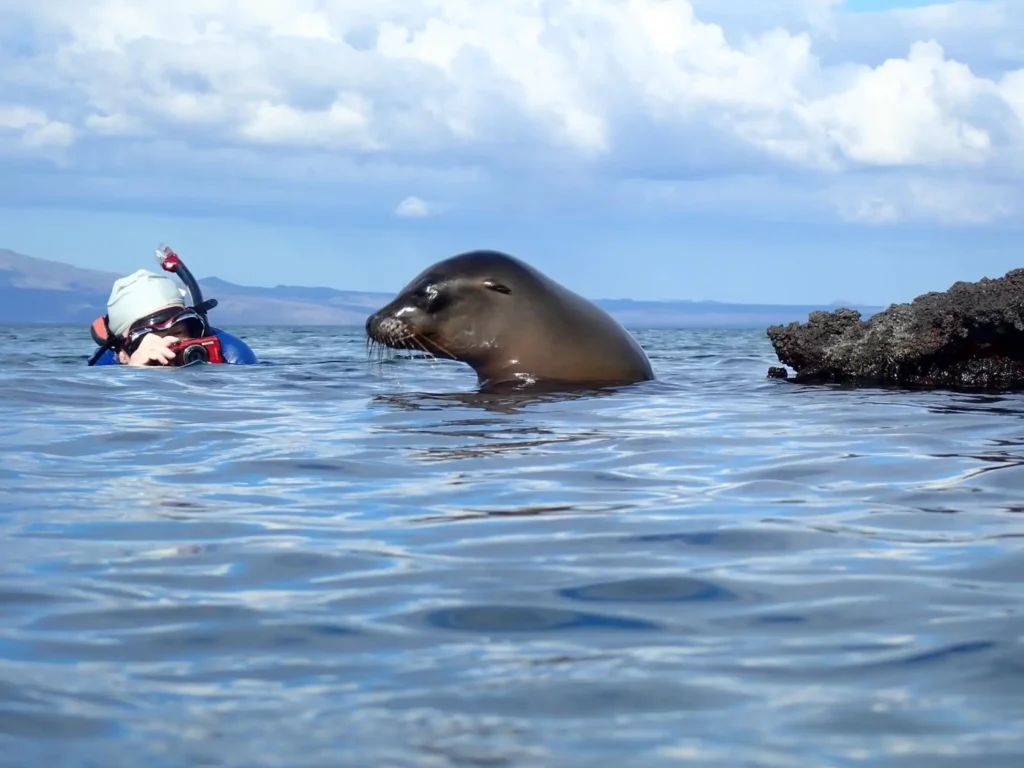
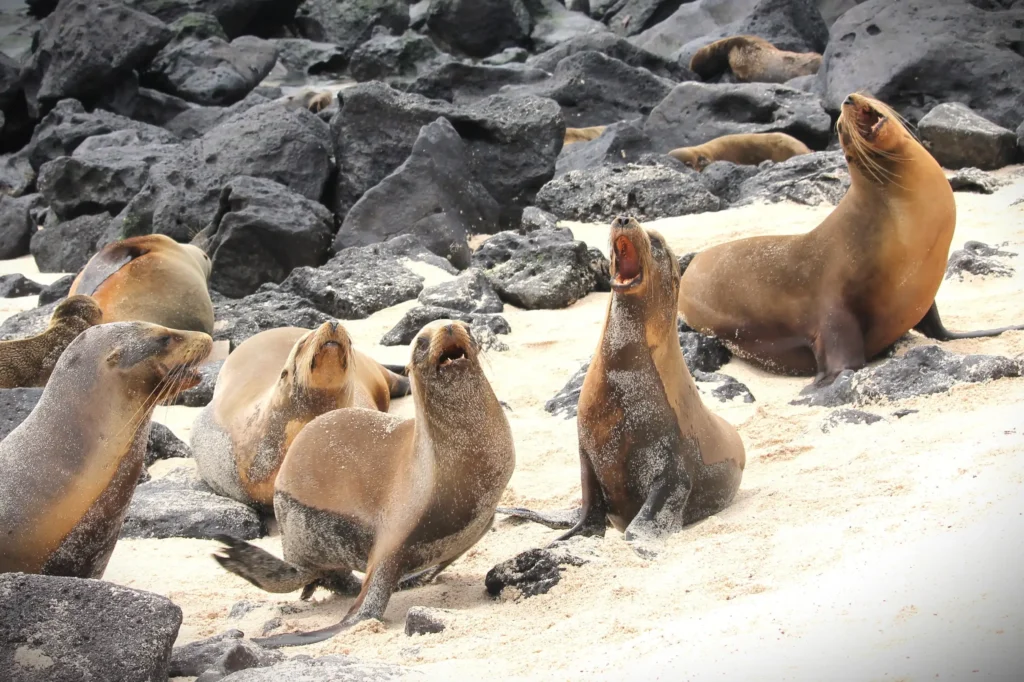
Here, riders strip off their cycling gear for a refreshing swim in crystal-clear turquoise waters alongside playful sea lion pups. A full farm-to-table lunch at a local highland estate is included.
Key highlights
- Visit El Junco crater lake, the archipelago’s sole permanent freshwater lake.
- Long downhill mountain bike ride through agricultural and coastal ecosystem zones.
- Guided stop at La Galapaguera to learn about tortoise conservation efforts.
- Swim and snorkel at the pristine, secluded Puerto Chino Beach.
- Traditional organic farm lunch included in the highland countryside.
Ideal for
Cyclists looking to combine high-altitude scenery, wildlife encounters, downhill riding, and a beach swim.
Local cycling insight
The transition from misty highland ridges at El Junco down to sea level at Puerto Chino involves rapid temperature and humidity changes. Layer your clothing with a breathable base layer beneath a lightweight windbreaker. Pack your swimwear and a microfibre towel in a small dry-bag backpack for the beach stop.
The ultimate multi-island active biking & marine wildlife expedition
Rating & reviews
(3+ verified reviews on GetYourGuide)
Why this specific tour stands out
For travellers who want a fully orchestrated, multi-day active itinerary without the rigid confines of a mega-cruise ship, this small-group adventure integrates the very best island cycling routes across Isabela and San Cristóbal.
The itinerary features guided bike rides along Isabela’s wetland trails and the Wall of Tears, mountain biking down from San Cristóbal’s crater lakes, and snorkelling excursions at Kicker Rock and Los Túneles. Handled entirely by certified Galápagos National Park naturalist guides, all inter-island logistics, high-quality bike fittings, safety briefings, and equipment transfers are seamlessly coordinated. This allows you to experience the wild archipelago actively, sustainably, and in total comfort.
Key highlights
- Combined multi-day island-hopping journey focusing on active cycling and marine exploration
- Guided bike rides along Isabela’s coastal wetlands, lagoons, and historical penal trails
- Highland mountain biking on San Cristóbal with visits to tortoise breeding reserves
- Snorkelling at world-class marine sites including Kicker Rock and Los Túneles
- All ground transport, park guides, bike gear, and gear fittings included
Ideal for
Adventure travellers, multi-sport enthusiasts, and long-haul visitors wanting a comprehensive active island itinerary.
Local cycling insight
Inter-island speedboats between Santa Cruz, Isabela, and San Cristóbal can be bumpy. Keep your cycling gear and helmet securely packed in a padded dry bag during transit to protect delicate mechanical components, gear shifters, and helmet foam from saltwater spray and boat vibration.
The Ecuadorian Coast.
Where you’ll find the very best food
Isla Isabela practical cycling & ride planning guide
1. Respect wildlife rights of way absolutely
In the Galápagos Islands, native animals have total priority on all roads and trails. Giant tortoises move slowly but unpredictably across dirt tracks, and marine iguanas often sunbathe in the middle of warm gravel paths. Maintain a minimum distance of three metres from all land animals at all times. Never drop your bike near nesting birds or iguanas, and always ride at a moderate speed that allows you to stop instantly if an animal enters the path.
2. Prepare for volcanic surface conditions
Trails on Isla Isabela consist primarily of packed dirt, loose sand, and sharp volcanic lava gravel. Standard narrow road bike tyres are unsuited for this terrain. Always ensure your bike is fitted with wide, knobby mountain bike tyres with tyre pressures set slightly lower (around 30–35 PSI) to maximise traction over soft sand sections and absorb vibrations from rough lava rocks.
3. Hydration & sun protection strategy
Equatorial sun exposure on Isla Isabela is intense, even on overcast days. Shade is virtually non-existent along coastal routes like the Wall of Tears. Carry at least two litres of water in reusable stainless steel or BPA-free bottles on every ride. Apply broad-spectrum, reef-safe mineral sunscreen liberally before setting off, and wear UV-blocking cycling sunglasses to protect your eyes from equatorial glare and airborne volcanic dust.
4. Selecting between standard pedal bikes & e-bikes
If your focus is exploring the flat, coastal wetland routes of Puerto Villamil and the Wall of Tears, a conventional, multi-gear mountain bike is ideal. However, if you plan to venture into the island interior or tackle the steep highland climbs of Santa Cruz and San Cristóbal, opting for a pedal-assisted e-bike will make your ride infinitely more enjoyable, allowing you to focus on the cloud forest scenery rather than steep gradients.
5. Park regulations & trail hours
All cycling routes on Isla Isabela pass through designated Galápagos National Park zones. Trails strictly open at 6.00 am and close at 6.00 pm. Riding after dark is prohibited to protect nocturnal fauna. Always stay strictly within marked trail boundaries; off-trail riding damages fragile lava soil crusts and delicate native flora.
Saddle up / Unlocking the wild soul of Isla Isabela on two wheels
Read this far?
Exploring Isla Isabela from the saddle of a bicycle is far more than a simple logistical choice; it is an invitation to slow down and align your rhythm with one of the most remarkable ecosystems on Earth. When you trade noisy engine fumes and rigid coach itineraries for the quiet whir of a chainset, the Galápagos unfolds in entirely unexpected ways. You notice the sudden drop in temperature as you ascend into the highland cloud forest, the distinct crunch of volcanic gravel beneath your tyres, and the quiet dignity of a giant tortoise claiming the right of way along a sandy track.
Whether you choose to tackle the historic coastal route out to the Wall of Tears, cruise through misty agricultural reserves on a pedal-assisted e-bike, or combine multi-island hopping with downhill mountain descents, riding a bicycle allows you to tread lightly while experiencing deeply. In a destination as fragile and extraordinary as the Galápagos archipelago, two wheels offer the ultimate balance of personal independence, active adventure, and genuine environmental respect. Pack your dry bag, adjust your helmet, and set off early—Isabela’s ancient lava paths are waiting to be explored, one unhurried pedal stroke at a time.
Affiliate Disclaimer: Some of the links on Wheely Tyred are affiliate links. If you click through and make a booking or purchase, we may earn a small commission at no extra cost to you. We only recommend gear, tours, stays, and services we genuinely use, trust, and stand behind — our editorial independence always comes first. These commissions help keep our independent cycling guides and travel stories free to read. You can also buy me a coffee here — thanks for supporting the ride!
Frequently asked questions about Isla Isabela bike tours
You can choose either option depending on your travel style. Joining a guided excursion provides safety oversight and rich environmental context from an expert naturalist guide. However, full-day independent bike rentals from Puerto Villamil give self-reliant travellers total freedom to explore the Los Humedales coastal trail and stop for photos at their own pace between 8.00 am and 6.00 pm.
For the mostly flat coastal trails around Puerto Villamil and the Wall of Tears on Isla Isabela, a standard multi-gear mountain bike is ideal. If you intend to tackle the humid, steep highland ascents on Santa Cruz or San Cristóbal, a pedal-assisted electric mountain bike is strongly recommended to render the microclimate climbs effortless.
All native animals have absolute priority on Galápagos trails. Marine iguanas blend into dark volcanic gravel, while giant tortoises move slowly across agricultural tracks. Keep your speed controlled, maintain a three-metre buffer zone, and never lean a bicycle against vegetation or near animal nesting areas.
Highland regions frequently experience the garúa—a persistent, fine mist that keeps the vegetation lush but turns trails slick. Pack a lightweight water-resistant windbreaker, breathable base layers, and sturdy closed-toe riding shoes with deep tread to prevent slipping inside damp lava tunnels.
Designated park trails are strictly open from 6:00 am and close at 6.00 pm. Night riding is entirely prohibited throughout the archipelago to protect nocturnal fauna and avoid disturbing nesting birds or wildlife moving across roads.
Keep your body weight centred over the saddle and maintain a relaxed, fluid grip on the handlebars. Feather both front and rear brakes gently rather than pulling sharply, which can cause tyres to skid on loose lava scree or dig into soft sand patches.
Ecuador.
Pure wonder on the equator.