A comprehensive guide to safety on Isla Isabela, Galápagos Islands
Isla Isabela safety guide / Crime rates, solo travel tips, and wildlife rules in the Galápagos
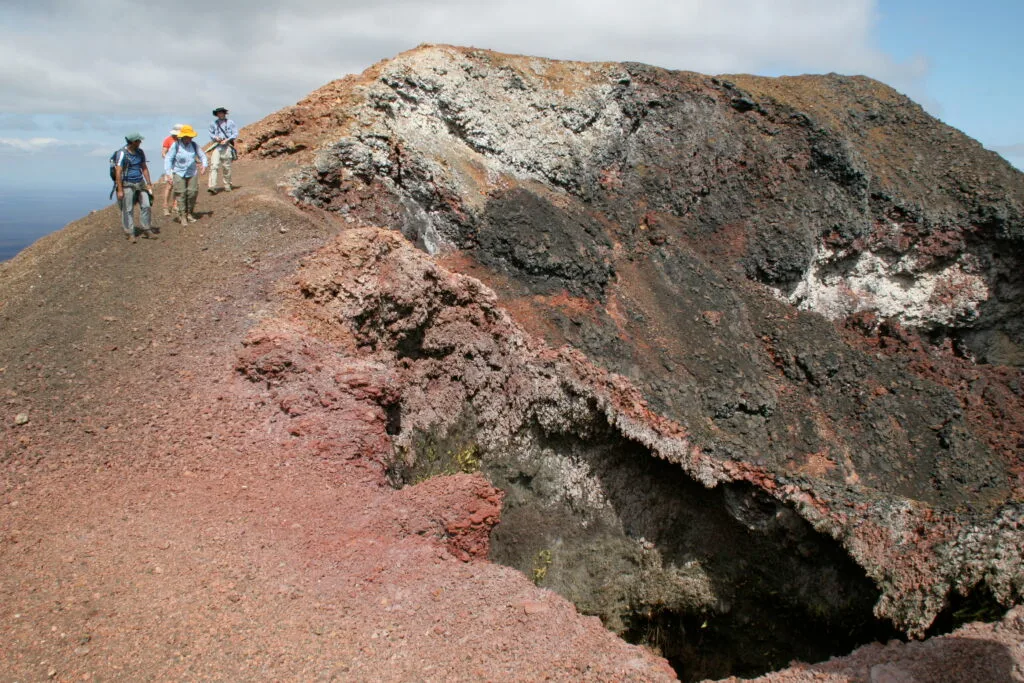
Navigate the pristine landscapes and volcanic trails of Ecuador’s largest island
BEN FINCH
Isla Isabela is the largest island in the Galápagos archipelago, renowned for its dramatic volcanic terrain, abundant endemic wildlife, and the exceptionally laid-back atmosphere of its main settlement, Puerto Villamil. For those who champion independent exploration and slow travel, this seahorse-shaped island offers an unparalleled opportunity to disconnect and immerse oneself in nature. However, venturing into such a pristine and remote environment requires a thorough understanding of local safety dynamics.
Unlike bustling urban centres, the primary safety considerations on Isla Isabela revolve far less around human threats and significantly more around the formidable power of the equatorial environment. Whether you are planning to cycle the rugged coastal paths, hike the caldera of an active volcano, or simply navigate the sandy streets of Puerto Villamil as a solo traveller, preparation is essential. This guide outlines everything you need to know to ensure your time on Isla Isabela is as secure as it is unforgettable.
Untamed beauty and volcanic trails
Isla Isabela offers a rare chance to disconnect on Ecuador’s largest and most rugged Galápagos island. Here is what you need to know before cycling its coastal paths or navigating Puerto Villamil.
- Low crime rates: Puerto Villamil is a tranquil, tight-knit community where violent crime is virtually non-existent, leaving only opportunistic petty theft as a minor concern
- Solo and minority travel: A globally diverse, welcoming atmosphere makes the island exceptionally safe for solo female travellers, minorities, and those travelling independently
- Two-wheeled exploration: Cycling is the definitive way to reach sites like the Wall of Tears, provided you manage the loose volcanic gravel and check your tyre pressure
- Equatorial sun: The midday heat is fierce with minimal shade on the trails; early morning or late afternoon rides are essential to avoid heat exhaustion
- Wildlife boundaries: Maintaining a strict two-metre distance from all animals, including territorial bull sea lions, protects both you and the fragile local ecosystem
- Ocean currents: Independent snorkelling spots like Concha de Perla require vigilance against strong tidal shifts; never swim alone or without a life jacket if unconfident
- Water safety: Tap water on the island is not safe for human consumption, making purified or heavily filtered water vital for drinking and brushing teeth
Isla Isabela.
Escape the tourist traps and explore
Understanding crime rates on Isla Isabela
When evaluating travel safety, the Galápagos Islands sit in stark contrast to mainland Ecuador. While mainland cities require a heightened degree of vigilance regarding theft and personal security, Isla Isabela remains a tranquil haven with incredibly low crime rates. Puerto Villamil is a small, close-knit community where locals and travellers mingle in a relaxed, slow-paced environment.
Violent crime directed at tourists is virtually non-existent. The most pertinent, albeit rare, security issue is petty theft. This is entirely opportunistic and usually occurs when belongings are left unattended on beaches or unsecured in bicycle baskets while swimming.
The solution is straightforward: only take essential items with you when heading to the beach or embarking on a snorkelling excursion. Leave passports, excess cash, and unnecessary electronics locked safely in your accommodation. By exercising basic common sense, your experience on the island will remain overwhelmingly positive and secure.
Safety for solo travellers, women and minorities
Isla Isabela is widely regarded as an exceptionally safe destination for solo travellers. The island attracts a diverse, international community of wildlife enthusiasts, cyclists, and slow-travel advocates, fostering an inclusive and welcoming atmosphere.
For minorities and travellers of colour, the heavy presence of global visitors and the hospitality of the local Ecuadorian population mean that the island feels safe, accepting, and free from the prejudice occasionally encountered in less frequented global destinations.
For solo female travellers, Puerto Villamil offers a reassuringly secure environment. The streets are safe to walk during the day and in the early evening after dinner. The local culture is family-oriented and respectful, and the typical anxieties associated with navigating foreign transit hubs or busy city streets simply do not apply here.
As always, it is wise to adhere to standard global safety practices: avoid walking alone in completely unlit, isolated areas late at night, and ensure someone knows your itinerary if you are heading out for an independent day hike or long-distance bike ride.
The Galápagos.
Ecuador’s Enchanted Isles
Cycling the volcanic trails / Two-wheeled safety
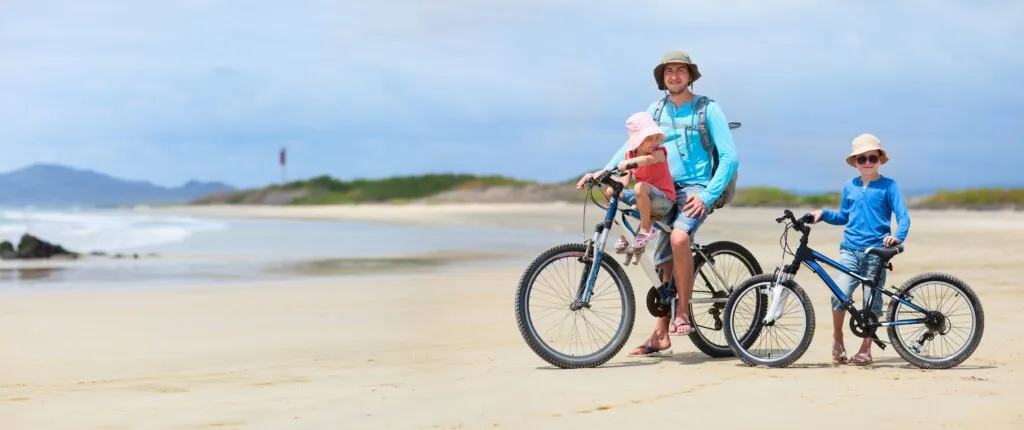
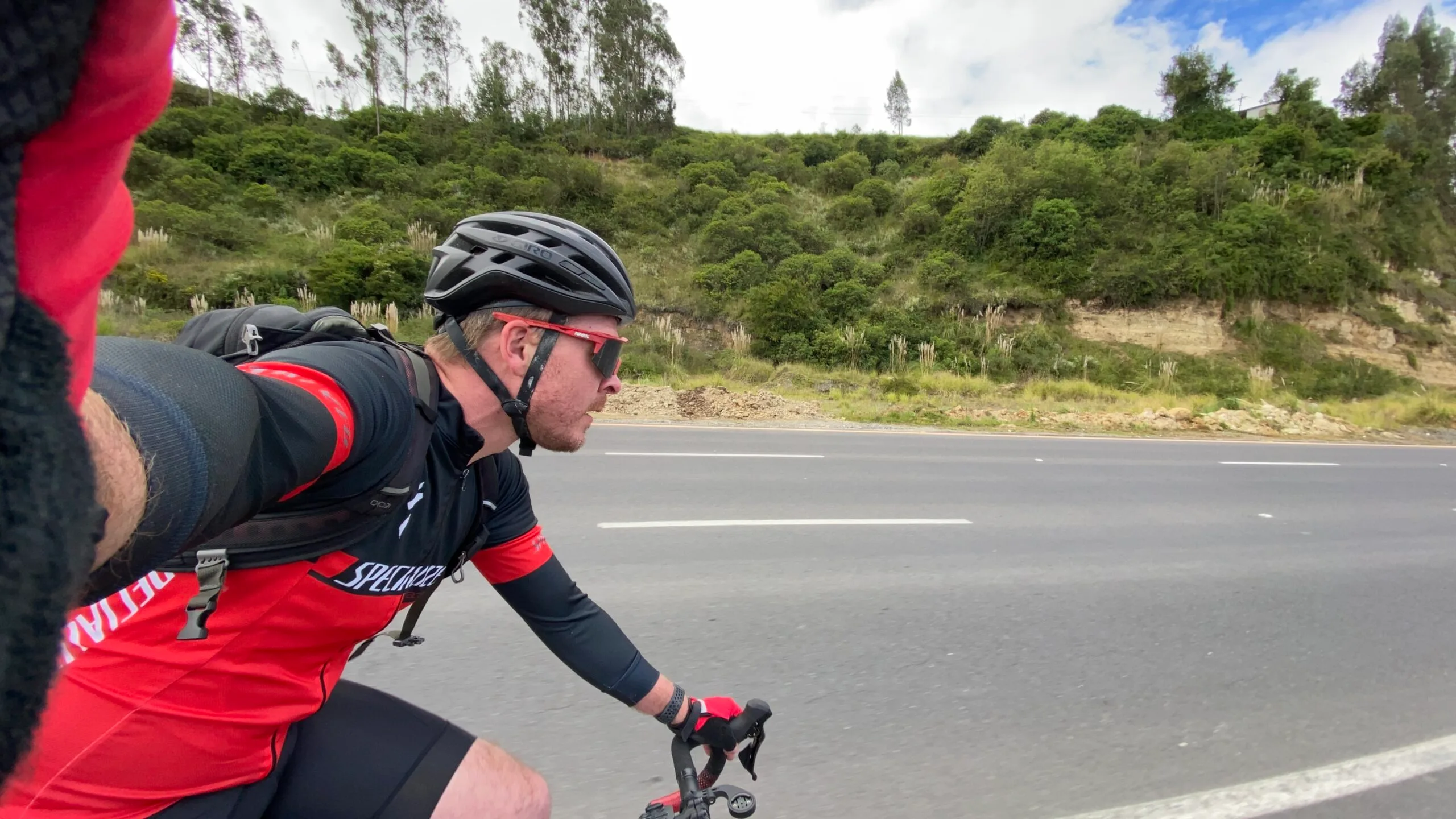
For the Wheely Tyred community, cycling is the premier way to experience the rugged beauty of Isla Isabela. Hiring a mountain bike in Puerto Villamil gives you the ultimate freedom to explore the island at your own pace, perfectly aligning with the ethos of slow travel. The most popular route is the coastal trail leading to the Wall of Tears, a historic penal colony site.
While the cycling itself is not overly technical, the environment demands respect. The paths are composed of loose volcanic gravel and sand, which can easily cause a skid if you brake too sharply. Always check your rental bicycle thoroughly before departing, paying close attention to the brakes and tyre pressure. Wearing a helmet is an absolute necessity, even if you see others choosing to ride without one.
Environmental safety is your biggest adversary on these trails. The Galápagos Islands sit directly on the equator, and the midday sun is famously unforgiving. There is almost no natural shade along the coastal cycling routes. To travel safely, begin your rides early in the morning or late in the afternoon.
You must carry significantly more water than you think you will need; dehydration and heat exhaustion are the most common ailments suffered by cyclists here. Apply high-factor, reef-safe sunscreen generously and wear lightweight, long-sleeved clothing to protect your skin from the intense UV rays.
Environmental safety and wildlife rules
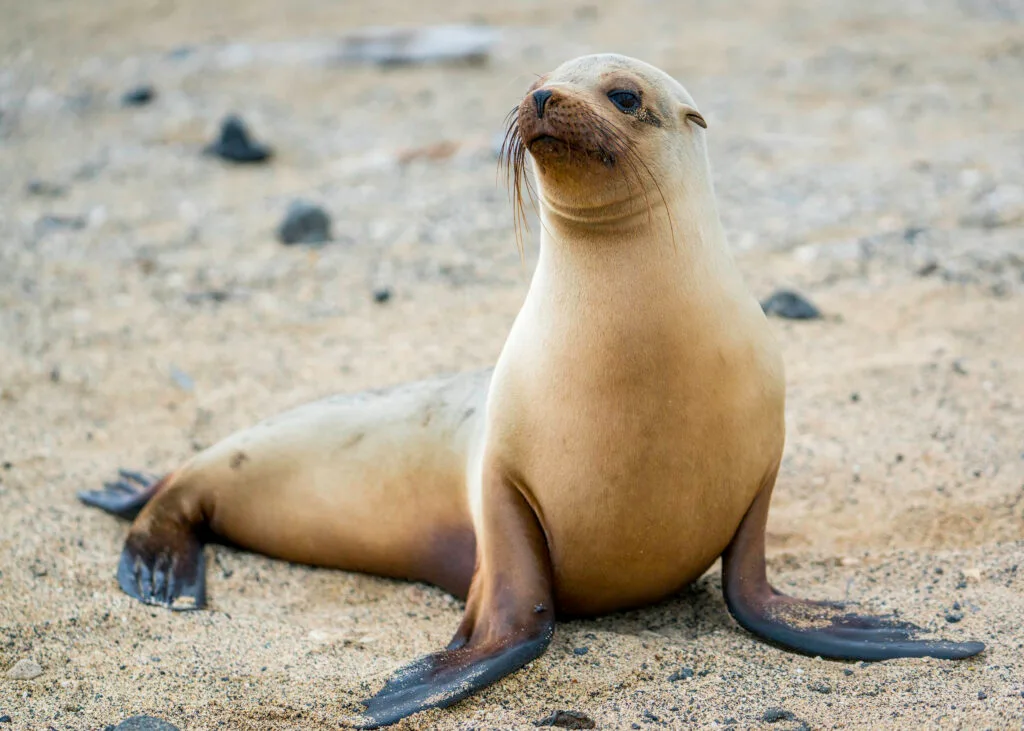
The Galápagos National Park is one of the most protected ecological zones on the planet. Here, safety is a two-way street: you must protect yourself from the environment, and you are legally obligated to protect the environment from your presence.
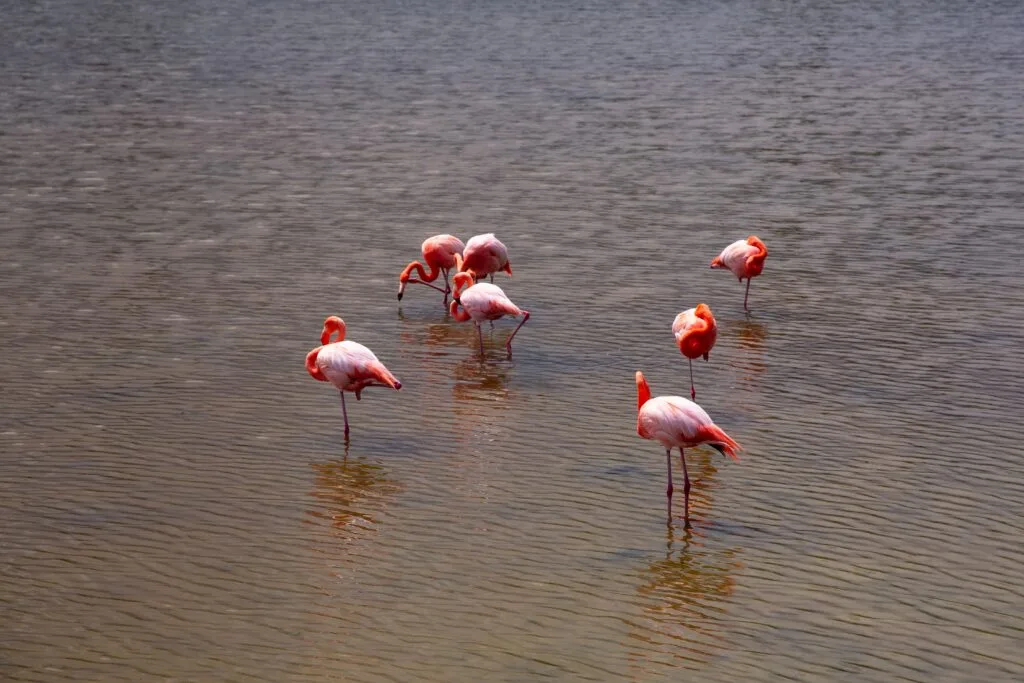
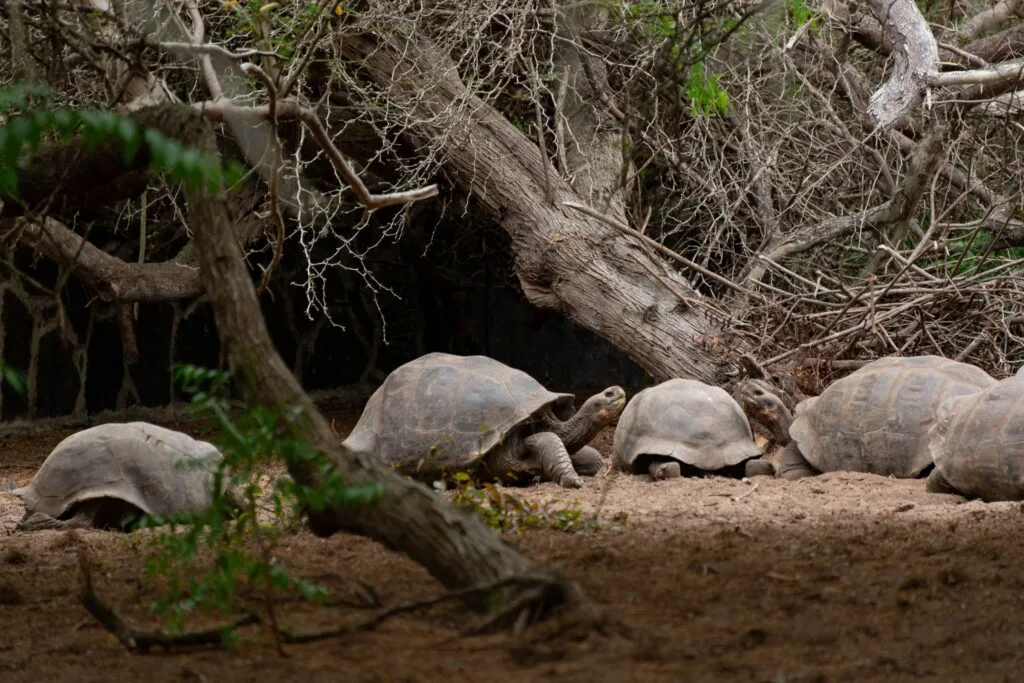
The wildlife on Isla Isabela is famously docile and lacks a natural fear of humans, but they are still wild animals. National park rules strictly mandate that all visitors maintain a minimum distance of two metres from any animal. This is for your safety as much as theirs. While juvenile sea lions might seem playful, adult bull sea lions are highly territorial and can inflict dangerous, potentially deadly bites if they feel their harem is threatened. If a bull approaches you while you are swimming or walking on the beach, calmly and slowly move away.
Marine safety is another critical factor. The waters surrounding Isla Isabela, particularly at independent snorkelling spots like Concha de Perla, can experience strong currents and unpredictable tidal shifts. Never swim alone, and if you are a less confident swimmer, always wear a life jacket. It is also important to note that touching, feeding, or attempting to remove any flora or fauna from the islands is a severe environmental crime carrying heavy penalties under Ecuadorian law.
The Ecuadorian Sierra.
Get lost in the hills
Health, hydration and the tap water rule
Medical infrastructure on Isla Isabela is highly limited. Puerto Villamil has a basic medical clinic equipped to handle minor injuries and ailments, but any serious medical emergency will require an expensive evacuation to Santa Cruz or mainland Ecuador. It is absolutely vital to travel with comprehensive health insurance that specifically covers emergency medical evacuation.
Furthermore, under no circumstances should you drink the tap water on Isla Isabela. The local water supply is not purified for human consumption and will cause severe gastrointestinal illness. Rely exclusively on bottled or heavily filtered water for drinking, and remember to use it when brushing your teeth as well.
Most reputable accommodations will provide large purified water dispensers where you can refill your reusable bottles, which is a fantastic way to minimise single-use plastic waste while staying hydrated.
The Ecuadorian Amazon.
The most biodiverse place in the world
Embracing slow, safe travel
Read this far?
Isla Isabela rewards those who take their time. By understanding the unique environmental challenges, respecting the strict wildlife regulations, and taking sensible precautions under the equatorial sun, your visit will be completely secure.
Travelling safely here means shifting your focus from the anxieties of urban crime to the raw, untamed power of the natural world. Prepare your cycling gear, pack plenty of water, and get ready to experience one of the most remarkable independent travel destinations on earth.
Affiliate Disclaimer: Some of the links on Wheely Tyred are affiliate links. If you click through and make a booking or purchase, we may earn a small commission at no extra cost to you. We only recommend gear, tours, stays, and services we genuinely use, trust, and stand behind — our editorial independence always comes first. These commissions help keep our independent cycling guides and travel stories free to read. You can also buy me a coffee here — thanks for supporting the ride!
The Ecuadorian Coast.
Where you’ll find the very best food
Frequently asked questions about safety on Isla Isabela
While violent crime is incredibly rare, petty theft can occur opportunistically. Only bring essentials to the beach and leave passports, extra cash, and electronics locked securely in your accommodation.
Yes, cycling is highly recommended, but the terrain demands respect. The volcanic gravel can be loose, so check your brakes beforehand, always wear a helmet, and be prepared for zero shade along the routes.
Absolutely not. National park rules legally mandate a minimum distance of two metres from all animals. This protects the endemic species and keeps you safe from highly territorial animals, such as adult bull sea lions.
Puerto Villamil has a basic clinic for minor injuries, but serious emergencies require costly evacuation to Santa Cruz or the mainland. Comprehensive health insurance with medical evacuation cover is absolutely essential.
No, tap water on Isla Isabela is not purified and will cause severe gastrointestinal issues. Stick to bottled water or refillable dispensers provided by your accommodation for drinking and brushing your teeth.
The island is incredibly secure and family-oriented, making it an ideal destination for solo female travellers. The sandy streets of Puerto Villamil are safe to walk day and night, though standard travel precautions—like letting someone know your itinerary before a long hike or ride—still apply.
Ecuador.
Pure wonder on the equator.