Unlocking Otavalo / The definitive guide to Ecuador’s cultural heart
Top sights and best attractions to visit in Otavalo, Ecuador
Woven traditions, volcanic calderas, and the freedom of the Andean highlands
BEN FINCH
The northern highlands of Ecuador possess a rare, magnetic quality. As the air turns crisp and the dramatic outlines of prehistoric volcanoes frame the horizon, you enter the Imbabura province, a region defined by ancestral pride and breathtaking geography. At the absolute centre of this landscape sits Otavalo. Situated at an altitude of 2,500 metres above sea level, this historic market town is far more than a convenient day trip from Quito. It is a vibrant cultural powerhouse where the indigenous Otavaleño people have preserved their weaving traditions, language, and distinct attire for generations.
For the independent traveller who rejects the hurried pace of tour buses and the predictability of crowded excursions, Otavalo offers an invitation to slow down. It is a place meant to be absorbed deeply, where the transition from bustling artisan squares to silent, windswept alpine lakes happens in a matter of kilometres. Whether you are navigating the energetic corridors of its world-famous markets or tracking the flight of an endangered condor over a mountain ridge, discovering Otavalo on your own terms reveals the true spirit of the Andes.
Wheely Tyred has compiled the ultimate guide to the most iconic, can’t-miss attractions in Otavalo, ensuring your itinerary balances cultural immersion with the raw, untamed beauty of the Ecuadorian highlands.
High-altitude heritage / The essential Otavalo experience
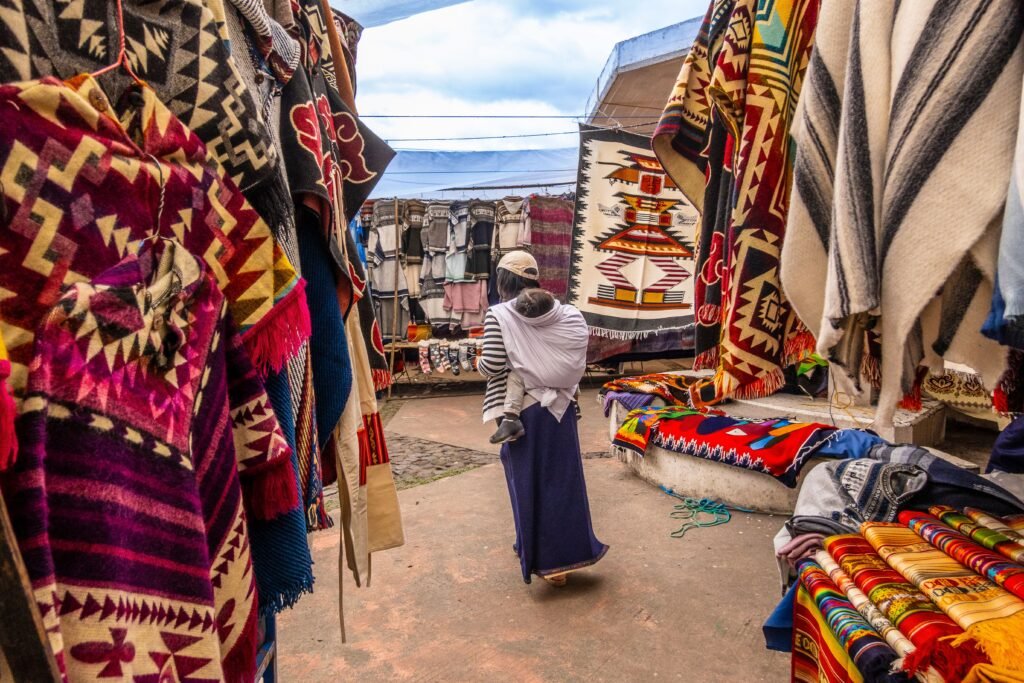
To truly understand the northern Ecuadorian highlands, one must step away from the tour groups and map out an independent route through its rich cultural landscapes. This collection captures the essential encounters that await when exploring Otavalo and its surrounding volcanic valleys at your own pace.
- Plaza de los Ponchos: Immerse yourself in Latin America’s largest indigenous market, where ancestral weaving traditions come alive through vibrant textiles and hand-crafted alpaca blankets
- Cascada de Peguche: Discover a sacred 18-metre-high waterfall nestled within a fragrant eucalyptus forest, deeply revered by local communities as a place of spiritual purification
- Parque Cóndor: Witness the incredible sight of rescued birds of prey, including the critically endangered Andean condor, catching thermal currents over the deep valleys during daily flight demonstrations
- Laguna de Cuicocha: Challenge yourself to a spectacular 14-kilometre rim hike around this dramatic volcanic crater lake, known for its distinctive guinea pig-shaped islands
- Lagunas de Mojanda: Escape to the silent, windswept solitude of the high-altitude páramo to see three ink-black alpine lakes tucked inside a collapsed caldera
- Fuya Fuya Summit: Conquer the steep, demanding trek up to 4,263 metres above sea level for a staggering 360-degree panorama of the entire Imbabura province
- Regional Day Trips: Use your bike to venture beyond the market square to nearby artisan havens like the leather-working town of Cotacachi or the woodcarving village of San Antonio de Ibarra
Otavalo.
Home to Plaza de Ponchos
Plaza de los Ponchos

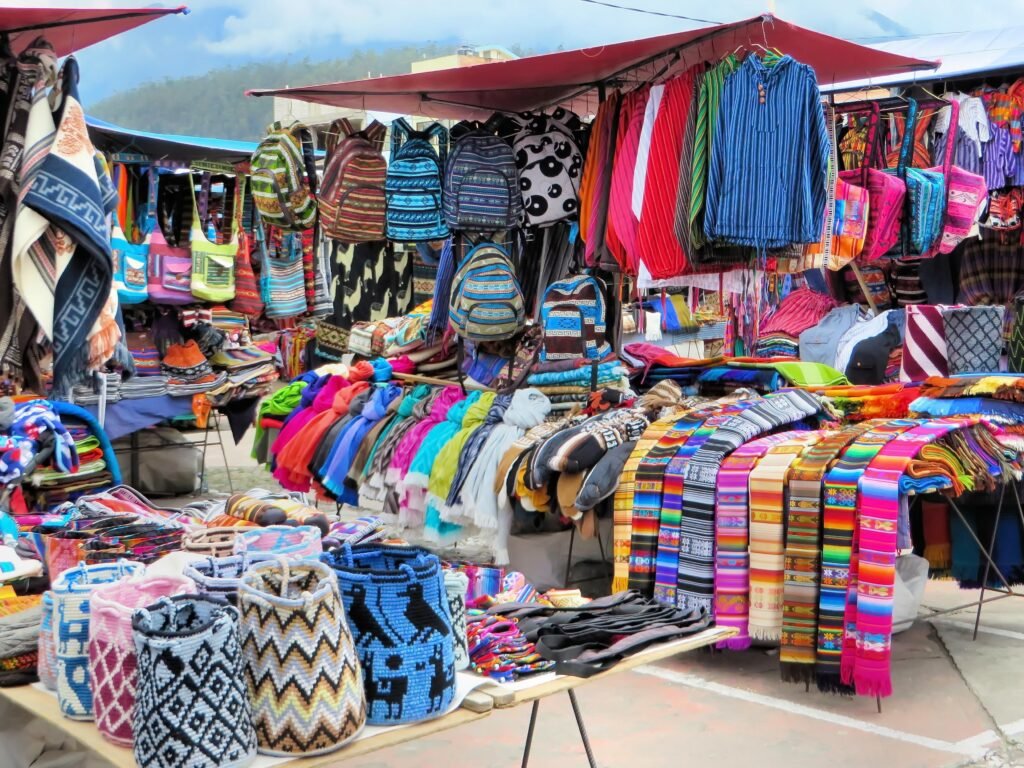
No exploration of Otavalo can begin anywhere other than the Plaza de los Ponchos, the undisputed beating heart of the town. This open-air market is widely celebrated as the largest indigenous handicraft market in Latin America, operating daily but reaching an extraordinary crescendo every Saturday. The tradition of textile production here stretches back to pre-Inca times, when the local population utilised backstrap looms to create intricate garments. Today, the square is an absolute explosion of colour, texture, and rhythm.
Wandering through the maze of stalls reveals an incredible display of artistry. You will find hand-woven woollen ponchos, heavy alpaca blankets, intricately patterned tapestries, embroidered blouses, and traditional musical instruments. The Otavaleño vendors, instantly recognisable by the men’s long braided hair and the women’s beautiful dark skirts and gold-beaded necklaces, operate with a calm, dignified professionalism.
While Saturday brings an influx of regional traders and energy, exploring the market on a weekday offers a completely different, intimate experience. It allows you to converse with the artisans, learn about the symbolic meanings behind the geometric textile designs, and admire the craftsmanship without the frantic weekend crowds.
Cascada de Peguche
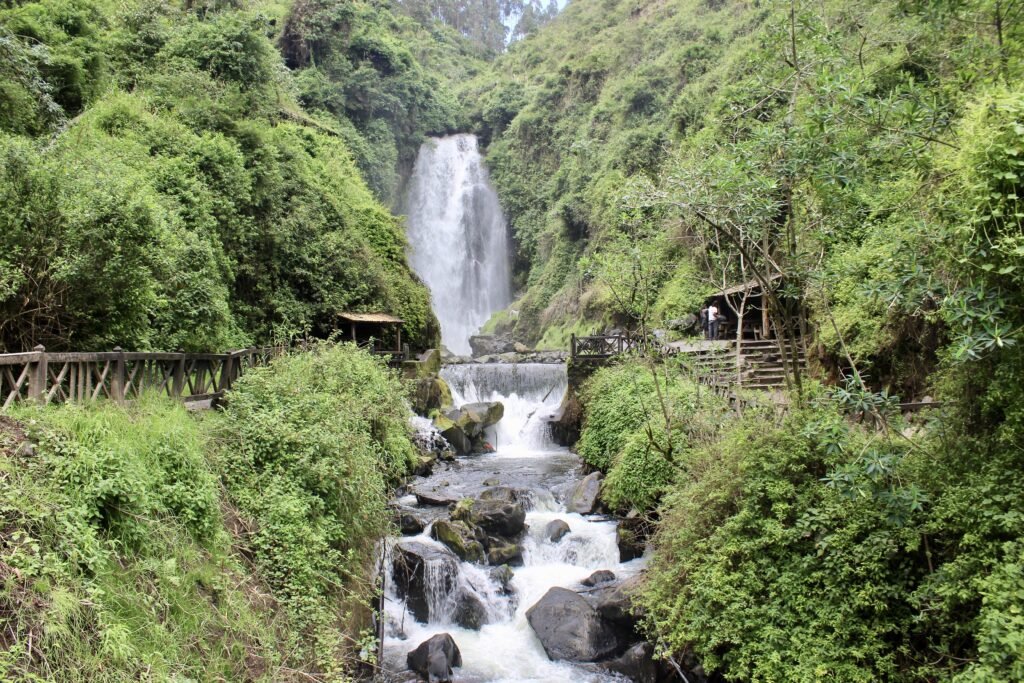
Located a short distance from the town centre, the Cascada de Peguche is a stunning 18-metre-high waterfall that holds immense cultural and spiritual significance. Tucked inside a protected, fragrant forest of eucalyptus and native trees, the approach to the waterfall is half the experience. A peaceful, well-maintained stone path follows the rushing river, guiding visitors through a shaded canopy filled with the songs of highland birds.
For the local indigenous communities, Peguche is not merely a scenic landmark; it is a sacred site of purification. During the annual Inti Raymi solstice celebrations in June, locals gather at the falls in the dead of night to partake in ritual baths, cleansing their energy and connecting with the earth. For the independent explorer, a visit at any time of year offers a profound sense of tranquillity. Beyond the main viewing platform, steep trails lead higher up the forested slopes, offering alternative vantage points of the torrent and access to a series of small, mysterious caves tucked behind the heavy curtain of water.
The Ecuadorian Sierra.
Get lost in the hills
Parque Cóndor
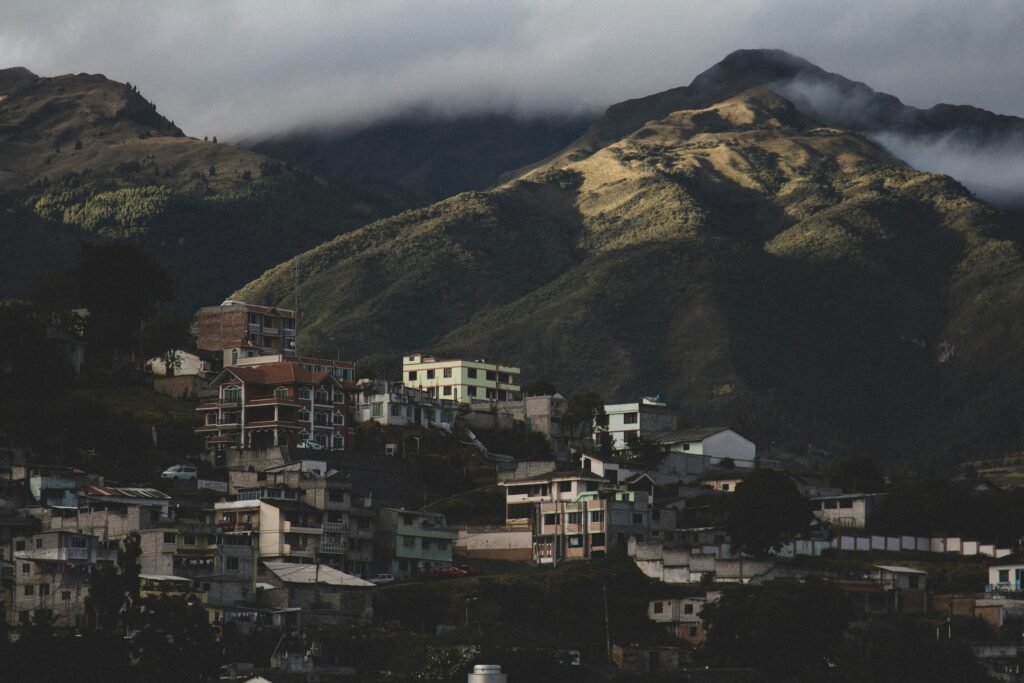
Perched high on a strategic hilltop known as Pucará Alto, Parque Cóndor is a wildlife rescue and rehabilitation centre that offers some of the most spectacular panoramic views in the entire province. On a clear day, the site commands sweeping vistas over the valley, the town of Otavalo, and the shimmering expanse of San Pablo Lake. However, the true draw of this beautifully designed facility is its vital conservation mission.
The park serves as a sanctuary for rescued birds of prey that have been saved from illegal trafficking, poaching, or unsuitable domestic captivity. Here, dedicated conservationists care for hawks, eagles, falcons, and several species of owls. Most importantly, the park plays a crucial role in protecting the critically endangered Andean condor, the majestic national symbol of Ecuador.
Visiting the spacious, thoughtfully constructed enclosures provides deep insight into the challenges facing highland wildlife. The absolute highlight of a visit is the twice-daily flight demonstration. Watching these massive raptors launch from the hilltop to catch the thermal currents, soaring effortlessly over the deep valleys before returning to their handlers, is an unforgettable demonstration of natural power.
Laguna de Cuicocha
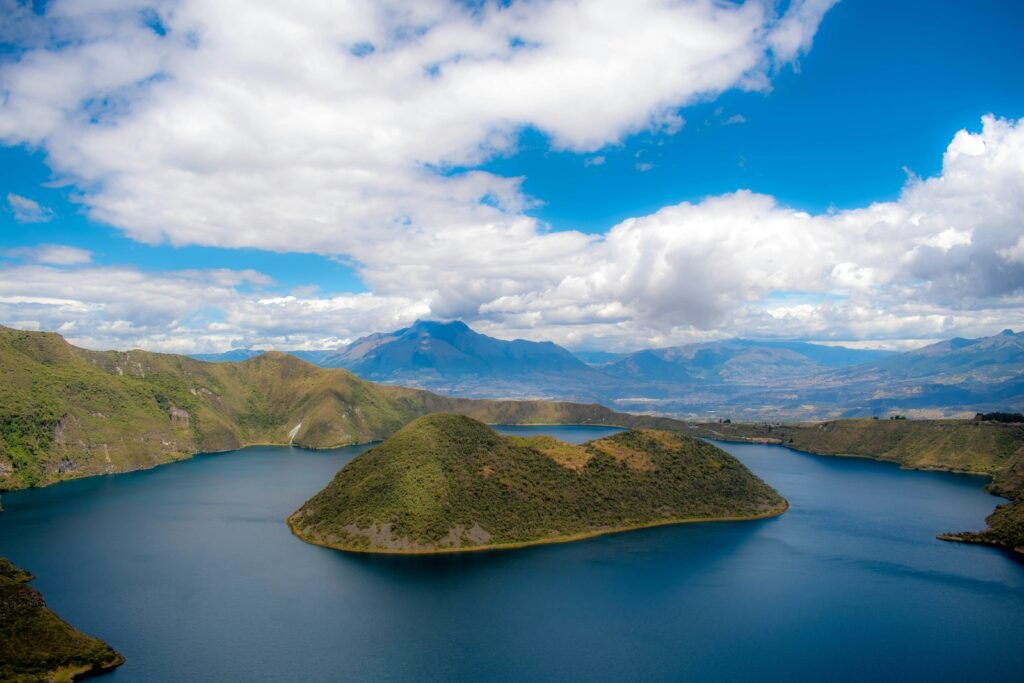
For a dramatic shift into the volcanic history of the Andes, a trip to the Laguna de Cuicocha is essential. Situated roughly 15 kilometres from Otavalo at the southern base of the extinct Cotacachi Volcano, this breathtaking crater lake sits at an altitude of 3,100 metres. The caldera was formed during a massive eruption thousands of years ago, leaving behind a deep, crystal-clear body of water that shifts in hue from brilliant turquoise to deep emerald depending on the sunlight.
Rising steeply from the centre of the lake are two forested volcanic islets. Because the shapes of these islands closely resemble the rounded backs of guinea pigs, the lake was given its name in the native Kichwa language, translating directly to the lagoon of the guinea pigs. A state-of-the-art visitor centre at the entrance provides an excellent geological overview of the region.
For active travellers, the ultimate way to experience Cuicocha is by conquering the spectacular 14-kilometre rim trail. This undulating path loops around the entire edge of the crater, demanding a solid four to five hours of hiking but rewarding you with unmatched, expansive views of the crater walls, the alpine páramo flora, and the towering peaks of the surrounding cordillera.
The Ecuadorian Amazon.
The most biodiverse place in the world
Laguna de San Pablo
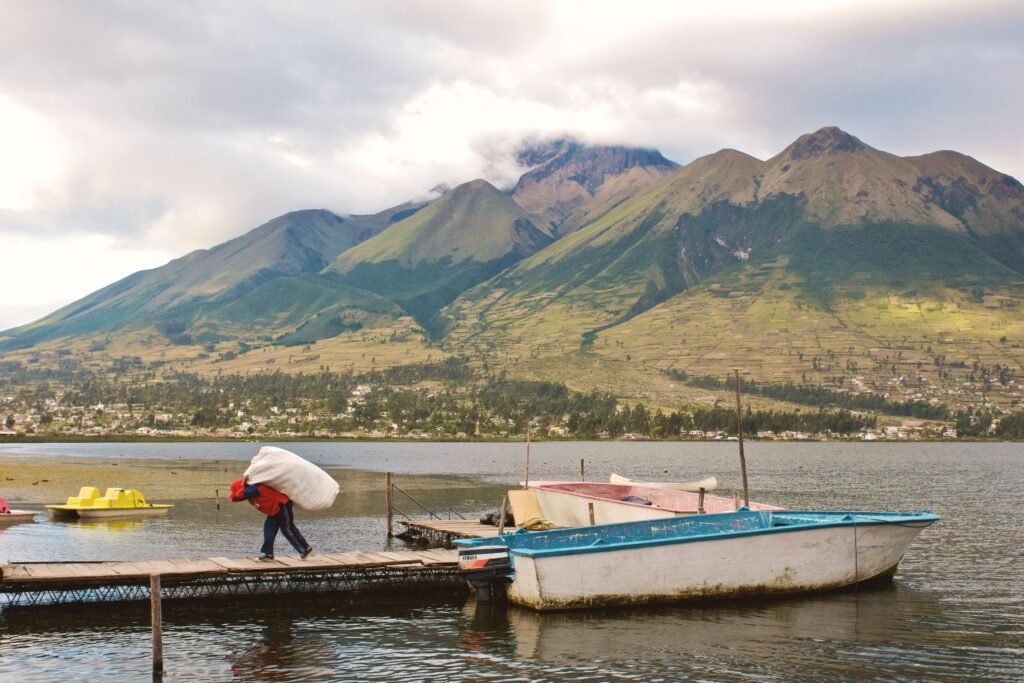
Sprawling peacefully at the foot of the imposing Imbabura Volcano, Laguna de San Pablo is one of the largest and most picturesque lakes in Ecuador. This vast body of water is an integral part of the local ecosystem and daily life, acting as a tranquil counterpoint to the energetic commercial streets of nearby Otavalo. The lake is surrounded by a patchwork of fertile agricultural fields and small, traditional indigenous villages.
Independent travellers can explore the lake shores at their own leisure, taking in the mirrored reflections of the volcano on the water’s surface. The lake is also home to unique local industries, particularly the harvesting of totora reeds. In villages along the water’s edge, skilled artisans harvest these long, durable reeds to weave traditional mats, baskets, and even small boats, keeping an ancient craft alive. Whether you choose to enjoy a peaceful walk along the quiet western shores, watch local fishermen navigate the waters, or simply sit at a lakeside vantage point to watch the clouds roll over the peak of Imbabura, San Pablo offers pure Andean serenity.
Lagunas de Mojanda and Fuya Fuya
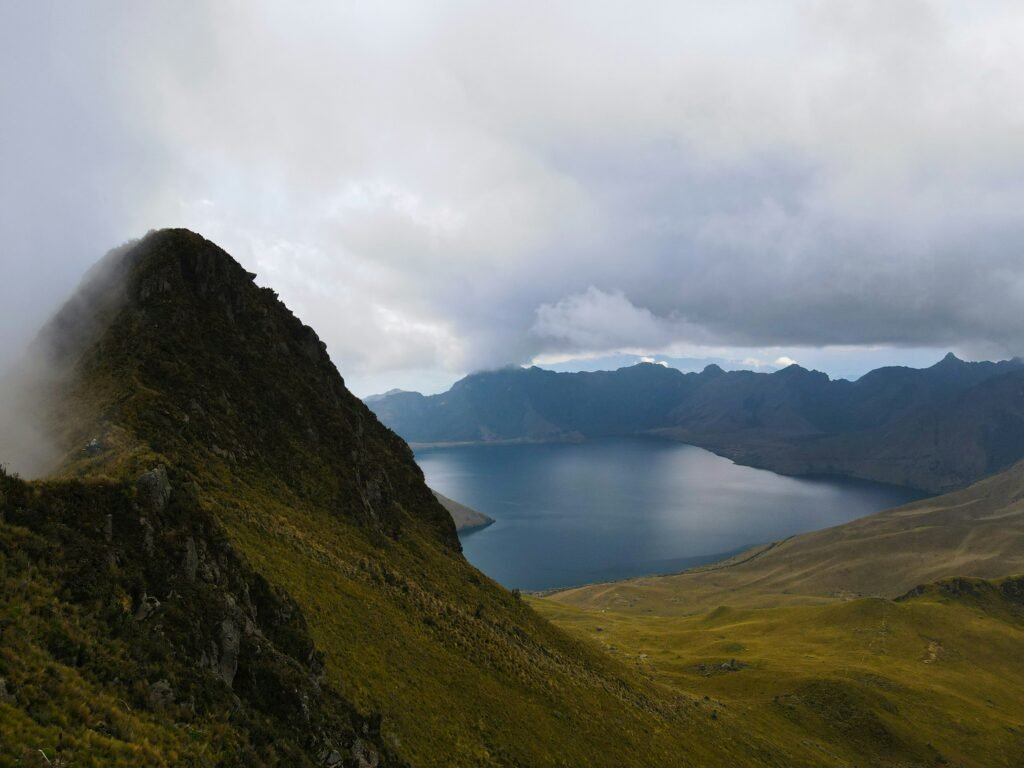
To experience the raw, windswept solitude of the high-altitude páramo, you must journey south of Otavalo into the high country to visit the Lagunas de Mojanda. This complex consists of three pristine, ink-black alpine lakes—Karikucha, Yanakucha, and Warmikucha—nestled inside a collapsed volcanic caldera at over 3,700 metres above sea level. The landscape here is stark, dramatic, and intensely quiet, covered in golden chuquiragua bushes and tall paramo grasses.
Dominating the skyline above the main lake is the jagged, rocky peak of Fuya Fuya. For those seeking an exhilarating physical challenge, the trek up Fuya Fuya is highly rewarding. The trail is steep and demanding due to the thin mountain air, leading hikers up to a summit of 4,263 metres. Standing on the peak on a clear morning offers a staggering reward: a true 360-degree view that encompasses the entire Imbabura province, the shimmering Mojanda lakes far below, and the snow-capped peaks of distant Andean giants cutting through the clouds.
The Galápagos.
Ecuador’s Enchanted Isles
Independent exploration beyond the town centre
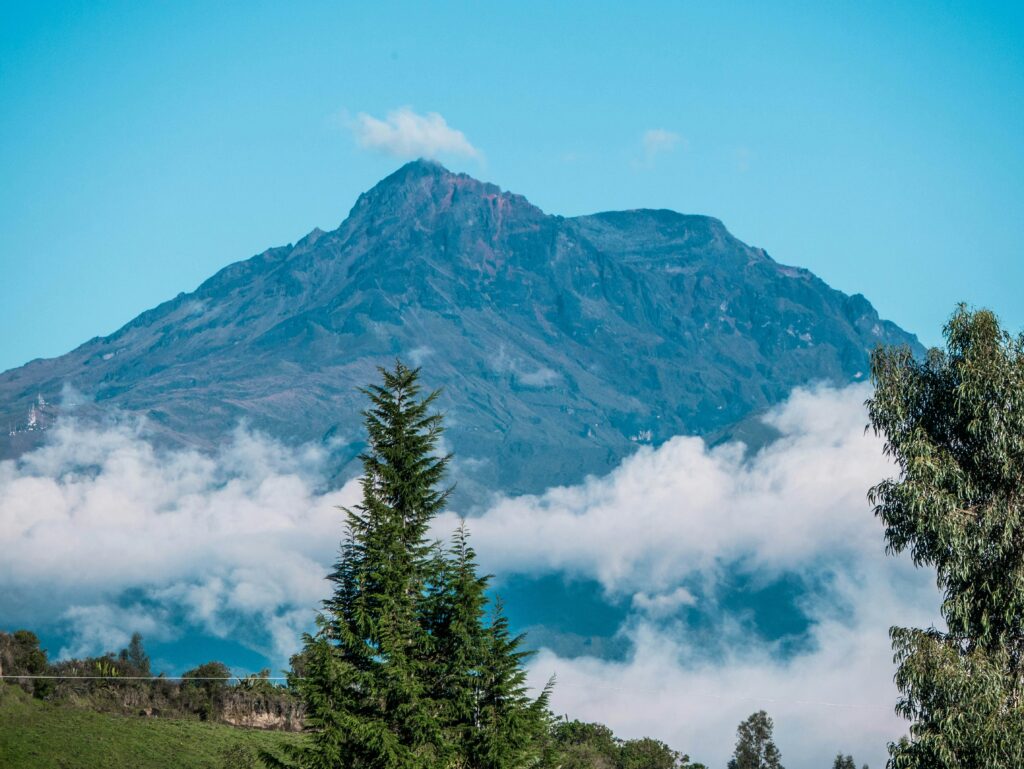
The beauty of Otavalo lies in how effortlessly these world-class attractions connect with the surrounding countryside, making it a dream destination for travellers who prefer the complete autonomy of two wheels. Travelling by bike allows you to bypass the standard tourist routes entirely, transitioning seamlessly from the textiles of Plaza de los Ponchos to the quiet rural tracks that cross the valley.
Within a comfortable 20-kilometre radius of the town centre, excellent cycling routes lead to fascinating nearby destinations. You can easily ride to the peaceful town of Cotacachi, renowned throughout the country for its high-quality leather workshops and quiet colonial plazas. Alternatively, a scenic ride along the eastern shores of Laguna de San Pablo leads to the woodcarving village of San Antonio de Ibarra, where the streets double as open-air galleries for local sculptors.
For a rewarding local day trip, a loop connecting the ancestral weaving villages of Agato and Ilumán offers an authentic glimpse into rural workshops where traditional techniques remain unchanged. By choosing to explore Otavalo independently, you ensure that every stop is yours to choose, every interaction is authentic, and the journey unfolds entirely at your own pace.
Affiliate Disclaimer: Some of the links on Wheely Tyred are affiliate links. If you click through and make a booking or purchase, we may earn a small commission at no extra cost to you. We only recommend gear, tours, stays, and services we genuinely use, trust, and stand behind — our editorial independence always comes first. These commissions help keep our independent cycling guides and travel stories free to read. Thanks for supporting the ride!
The Ecuadorian Coast.
Where you’ll find the very best food
Frequently asked questions about the top attractions in Otavalo
While the market operates daily with a fantastic selection of crafts, Saturday is the main market day when regional traders arrive and the energy peaks. For a quieter, more intimate experience where you can chat easily with the weavers, a weekday visit is highly recommended.
The waterfall is a highly sacred site of purification for the indigenous Kichwa communities. During the annual Inti Raymi solstice celebrations in June, locals gather here at midnight to partake in ritual cleansing baths to renew their energy.
The undulating rim trail stretches across 14 kilometres and demands a solid four to five hours of hiking. Given the high altitude of 3,100 metres, a steady pace, sun protection, and plenty of water are essential for independent walkers.
The name translates directly to the lagoon of the guinea pigs in the native Kichwa language. This stems from the distinctive rounded shape of the two forested volcanic islets that rise from the centre of the lake, which resemble the backs of guinea pigs.
Absolutely. The countryside within a 20-kilometre radius of the town centre is ideal for independent cyclists. You can easily ride to Cotacachi for leather goods, San Antonio de Ibarra for woodcarvings, or the rural workshops of Agato and Ilumán to see traditional backstrap weaving.
Parque Cóndor, situated on the hilltop of Pucará Alto, focuses on rescuing and rehabilitating birds of prey that have been affected by illegal trafficking or poaching, with a strong emphasis on protecting the endangered Andean condor.
Ecuador.
Pure wonder on the equator.