Where to stay in Otavalo / Historic haciendas and secret courtyards
Best places to stay in Otavalo, Ecuador, for an authentic independent journey
Rest your head where history breathes and the Andean night goes quiet
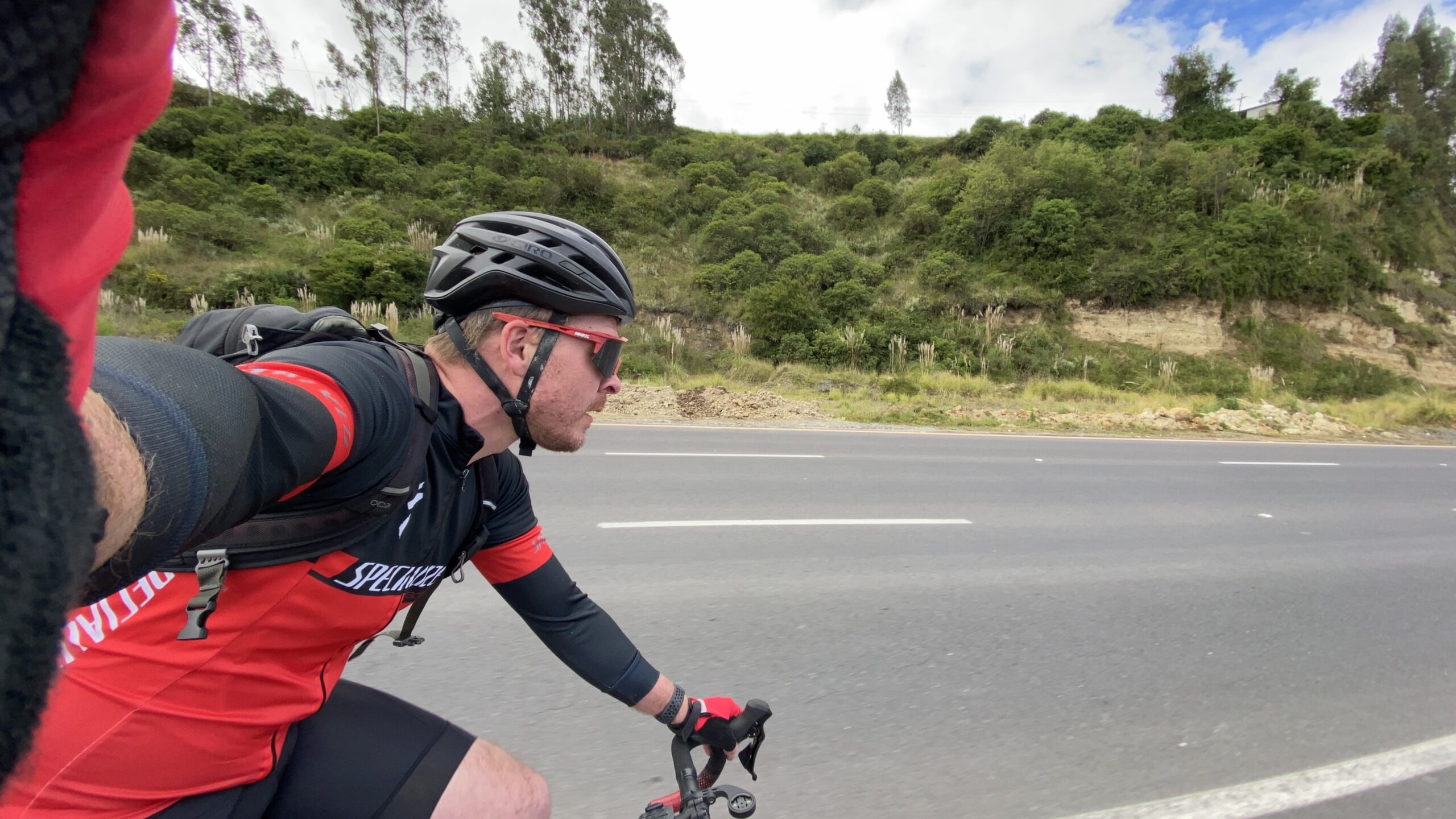
BEN FINCH
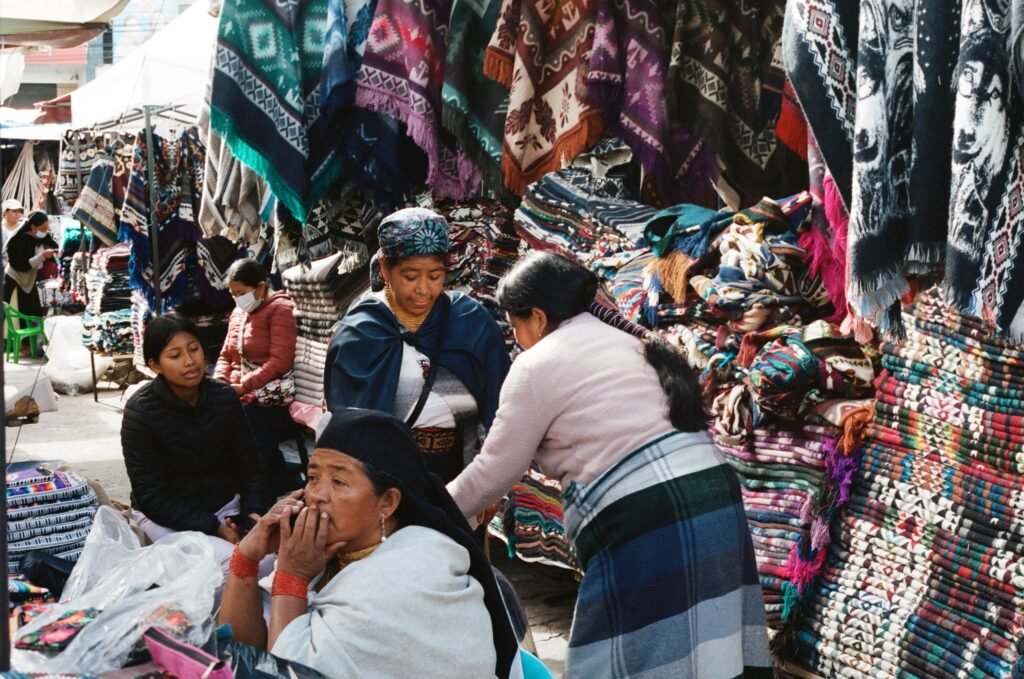
Most travellers treat Otavalo as a frantic day trip from Quito. They arrive on a crowded tour bus mid-morning, navigate the kaleidoscope of the famous Saturday textile market at Plaza de los Ponchos, purchase a hand-woven alpaca blanket, and head back across the hemisphere before the sun dips behind the mountains. By choosing this rushed itinerary, they miss the true magic of the northern Sierra.
When the day-trippers leave, Otavalo exhales. The air grows crisp, the smell of wood smoke rises from mountain chimneys, and the real rhythm of this ancient northern crossroads reveals itself. To truly understand this region—from the sacred waters of Peguche Waterfall to the high alpine páramo of the Mojanda Lakes—travellers need to slow down and stay a while.
Choosing the right base makes all the difference. For those who travel independently by bike or bus, the freedom to explore at an autonomous pace is everything. There is no desire to follow a tour guide’s umbrella or be forced onto a bus before properly absorbing a location. At the end of a long day of self-guided exploration, the priority is simple: to sleep well.
Wheely Tyred has bypassed the predictable national chains and noisy tourist hubs to select six distinctive, highly reviewed properties. Each option offers deep cultural relevance, architectural charm, and a peaceful sanctuary to recharge.
Mountain sanctuaries and historical hideaways
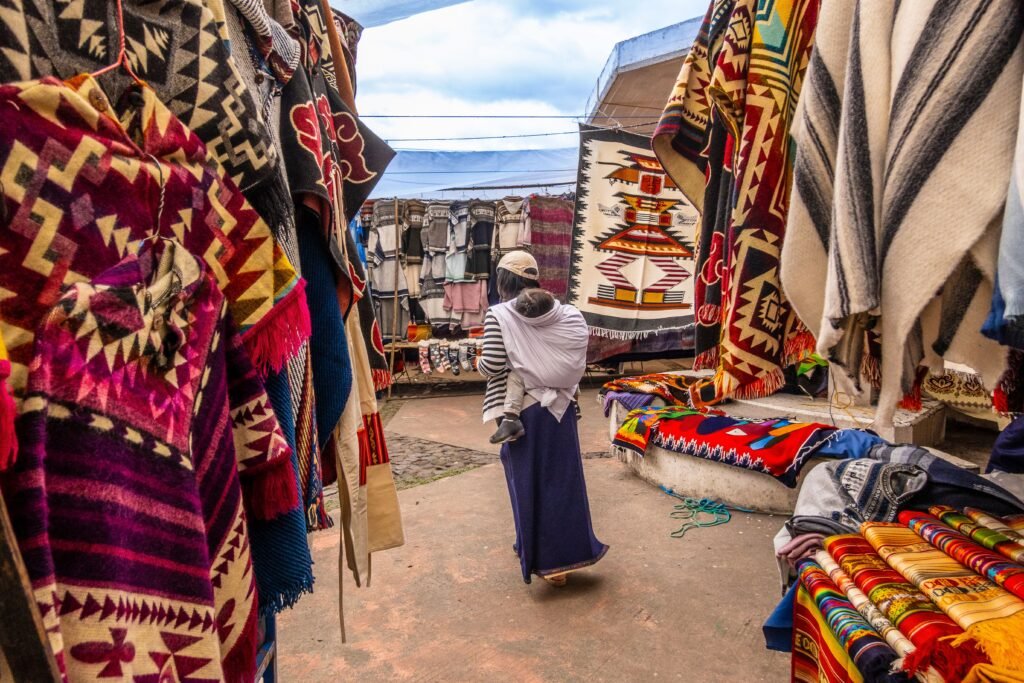
Slowing down in the Otavalo valley reveals a quiet Andean world far removed from the frantic pace of single-day coach tours. Choosing the right base ensures a deep connection to local heritage and a genuinely peaceful night’s sleep.
- Hotel Otavalo: A refined urban gallery in a restored heritage building, offering double-glazed windows and heavy historic walls to keep the lively town sounds outside
- Hacienda Cusin: A timeless 17th-century colonial estate in San Pablo del Lago, complete with log-burning fireplaces and an extensive library dedicated to Andean history
- Hacienda Pinsaquí: A grand rural base rich in historical legend where General Simón Bolívar once rested, serving traditional regional specialities like locro de papa
- Hotel Doña Esther: An affordable, centrally located downtown option centred around a peaceful Mediterranean-style courtyard with a trickling fountain
- Hacienda Zuleta: A vast, isolated working farm south-east of Otavalo that grants independent travellers access to private mountain trails and the Condor Huasi condor rehabilitation project
- Hostal Flying Donkey: A practical, budget-friendly hostel that rejects the typical party atmosphere by enforcing strict evening quiet hours for self-guided explorers
- Andean climate adaptation: A critical reminder that at over 2,500 metres above sea level, properties offering structural warmth—like open fires or artisan-woven wool blankets—are vital for a restorative rest
Otavalo.
Home to Plaza de Ponchos
The curated selection / Six exceptional places to stay
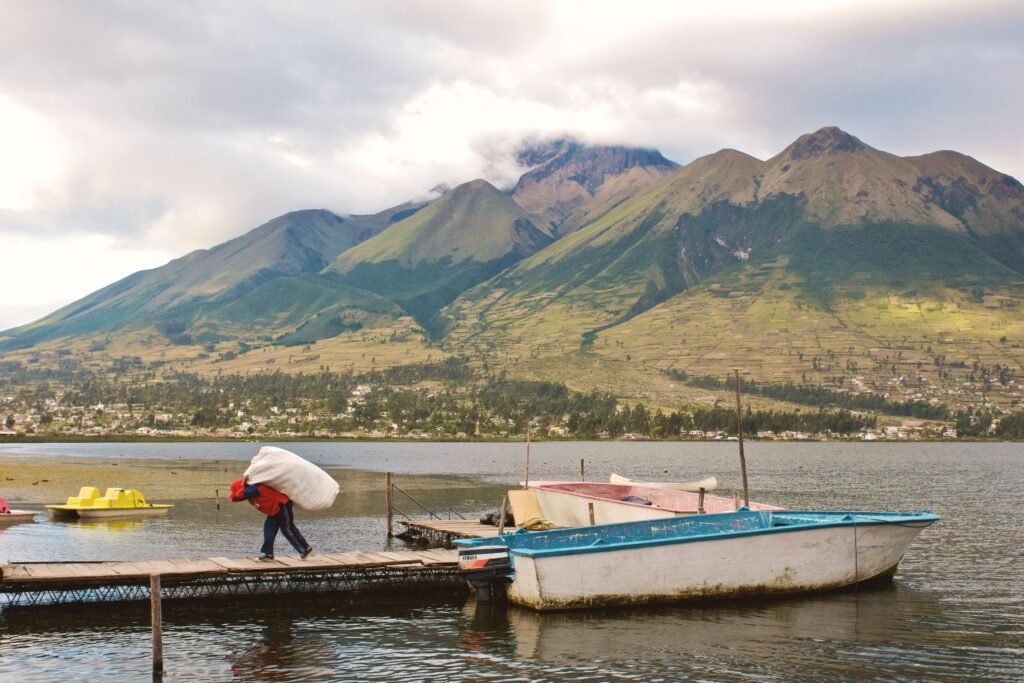
1. Hotel Otavalo by Art Hotels Ecuador
For travellers who want to stay in the heart of the town without sacrificing peace and quiet, Hotel Otavalo offers an exceptional blend of historic preservation and contemporary comfort. Housed in a beautifully restored heritage building that once served as a historic social club, this boutique property functions as a living art gallery, celebrating the rich artistic traditions of the Imbabura Province.
The architecture features a striking blend of colonial foundations and modern design elements, creating an atmosphere that is both refined and deeply respectful of local heritage. It sits just a short walk from the central plazas and local transport links, providing a sophisticated, secure haven to return to after a day of independent exploration.
Thick historic walls, premium linens, and double-glazed windows ensure that the lively sounds of the Andean mornings remain outside until guests are ready to wake. The sleep experience here is highly protected, making it an excellent urban sanctuary. For dinner, the on-site restaurant is highly regarded across the region for its modern interpretations of traditional Ecuadorian highland dishes, using locally sourced grains, tubers, and cheeses.
2. Hacienda Cusin
Located a short distance outside the town centre in San Pablo del Lago, Hacienda Cusin is a magnificent 17th-century colonial estate that captures the romance of ancient Ecuador. Surrounded by seven acres of meticulously landscaped perennial gardens that attract dozens of species of highland birds, this estate has been restored with an extraordinary eye for historical detail.
The vibe here is timeless, academic, and deeply atmospheric. It serves as an ideal retreat for those travelling by bus or bike who want to escape urban noise and immerse themselves in ancient history. The property features an extensive library stocked with rare volumes on Andean history, geography, and culture, perfect for the independent traveller looking to gain a deep knowledge of their location.
Guest rooms are individually decorated with centuries-old antiques, local hand-woven textiles, and private log-burning fireplaces that are lit every evening to stave off the high-altitude chill. This traditional heating method ensures an incredibly cosy, restful night. The estate is frequently highlighted in international travel press for its conservation of local heritage and botanical gardens.
The Ecuadorian Sierra.
Get lost in the hills
3. Hacienda Pinsaquí
If the goal is to sleep where history was actively written, Hacienda Pinsaquí is unmatched. Founded in 1790 as a historical textile workshop, this grand estate has hosted legendary figures of South American history, including General Simón Bolívar, who used the hacienda as a base during his liberation campaigns.
The atmosphere is aristocratic yet rustic, characterised by centuries of memory and legend. Situated near the village of Ilumán, which is famous for its traditional weavers and spiritual healers, Pinsaquí serves as an excellent base for travellers eager to learn about indigenous traditions away from commercial routes.
The expansive, high-ceilinged bedrooms feature original heavy dark wood floors, historical oil paintings, and massive freestanding beds that promise a deep, peaceful sleep. The historic dining room serves local specialities like locro de papa, a rich potato and cheese soup that has earned mentions in regional culinary guides and provides the perfect warmth after a day in the mountain air.
4. Hotel Doña Esther
Tucked away on a quiet side street in downtown Otavalo, Hotel Doña Esther is a family-run gem built around a beautiful, verdant Mediterranean-style courtyard. It offers an intimate, highly personalised atmosphere that makes guests feel like invited friends rather than temporary tourists.
The design emphasises simple elegance and unpretentious charm. It provides the ultimate balance of affordability, central location, and independent freedom. The hosts possess a wealth of knowledge regarding self-guided hikes, hidden artisan workshops, and navigating the local bus networks to nearby villages like Cotacachi.
Rooms are simple but impeccably clean, arranged thoughtfully around the central courtyard where the gentle trickle of a stone fountain lulls guests to sleep. The hotel’s restaurant, Árbol de la Vida, is locally famous for its wood-fired pizzas and fresh, innovative salads, drawing independent foodies from across the province who appreciate high-quality, locally sourced ingredients.
The Ecuadorian Amazon.
The most biodiverse place in the world
5. Hacienda Zuleta
For an extraordinary, immersive rural experience, Hacienda Zuleta sits on a massive 4,000-acre working farm in a spectacular, isolated valley south-east of Otavalo. Belonging to the family of the former President of Ecuador, Galo Plaza Lasso, for over a century, this historic 17th-century hotel offers unparalleled access to conservation projects and traditional communities.
The experience is prestigious, authentic, and deeply connected to land conservation. It is a dream destination for those who want to spend days exploring mountain trails on foot or horseback at their own pace. Guests can visit the on-site Condor Huasi project, a prominent rehabilitation centre for the endangered Andean condor, gaining deep insights into local wildlife protection.
With zero light or noise pollution in the valley, the absolute silence of the night combined with hand-embroidered linens and roaring fireplaces guarantees a restorative sleep. Meals are served family-style, featuring fresh trout from the hacienda’s streams, organic vegetables from the garden, and artisanal cheeses from their own dairy factory.
6. Hostal Flying Donkey
For travellers keeping an eye on their budget without wanting to compromise on a good night’s rest, Hostal Flying Donkey is the standout choice in the hostel category. It deliberately avoids the chaotic, party-centric atmosphere of typical backpacker stops, focusing instead on comfort, quiet, and community for autonomous explorers.
The setup is highly practical, welcoming, and relaxed. It features excellent communal kitchens for those who prefer to cook their own meals using fresh market ingredients, alongside a superb rooftop terrace offering panoramic views of Mount Imbabura.
The property enforces strict quiet hours in the evening. Whether booking a budget-friendly dorm or a private en-suite room, guest sleep is well protected from the standard disruptions of hostel travel, making it a reliable base for early-rising cyclists and hikers.
The Galápagos.
Ecuador’s Enchanted Isles
Key elements of an authentic Otavaleño stay
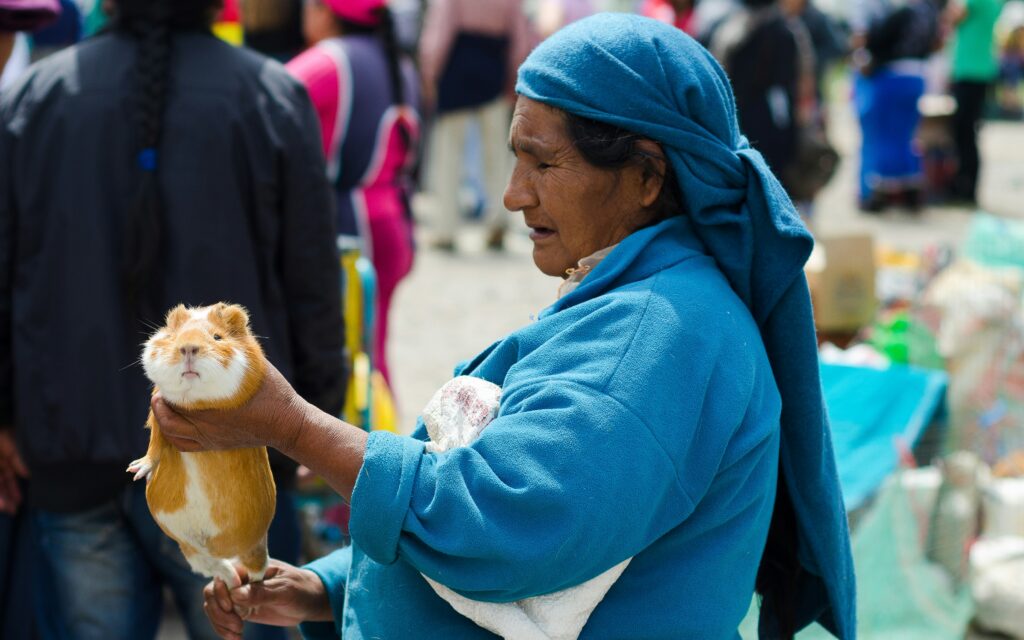
When planning a journey through the northern Ecuadorian Andes, accommodation is more than just a place to park a bag. To get the most out of the visit, consider these essential elements:
| Accommodation Feature | Benefit for Independent Travellers |
| Traditional Fireplaces | Combats the sharp high-altitude drop in temperature after sunset, ensuring a warm, comfortable environment for deep sleep. |
| Central Courtyards | Creates a natural acoustic buffer from street noise, allowing for peaceful resting conditions in urban areas. |
| Local Ownership | Ensures travel expenditure directly supports the preservation of heritage architecture and authentic community employment. |
| Autonomous Location | Allows easy access to public transport networks and cycling routes without relying on pre-packaged tour groups. |
The Ecuadorian Coast.
Where you’ll find the very best food
Cultivating a deeper Andean experience

To truly appreciate Otavalo, one must adapt to the altitude and the climate. Sitting at over 2,500 metres above sea level, the equatorial sun makes the days pleasantly warm, but the thin mountain air cools rapidly the moment the sun drops behind the peaks. Seeking out accommodation that values structural warmth—whether through heavy woollen blankets woven by local artisans or authentic log fires—is not just a matter of luxury, but a requirement for waking up refreshed.
Furthermore, staying outside the immediate commercial market zone allows for a more authentic interaction with the community. It provides the space to observe the morning mist rising off Lake San Pablo or to hear the distant morning calls of rural life before the roads fill with traffic. This slower pace allows independent travellers to build a genuine understanding of the valley, its history, and its people.
By choosing places to stay that honour the architectural and cultural history of the region, the journey becomes part of a broader effort to sustain independent travel culture. Wheely Tyred believes that travel should be dictated by curiosity, not by the rigid schedules of a tour operator. Protecting your sleep in a high-quality, independent establishment is the first step toward a successful, self-guided adventure in the high Andes.
Affiliate Disclaimer: Some of the links on Wheely Tyred are affiliate links. If you click through and make a booking or purchase, we may earn a small commission at no extra cost to you. We only recommend gear, tours, stays, and services we genuinely use, trust, and stand behind — our editorial independence always comes first. These commissions help keep our independent cycling guides and travel stories free to read. Thanks for supporting the ride!
Frequently asked questions about the best places to stay in Otavalo
Otavalo is well-connected by local bus networks to nearby artisan villages like Cotacachi and Ilumán. Choosing a base within the town centre or near major transport links allows you to travel autonomously at your own pace, entirely free from rigid commercial tour schedules.
Due to the elevation of over 2,500 metres, the equatorial sun keeps daytime temperatures pleasantly spring-like. However, the thin mountain air cools rapidly after sunset. It is essential to choose lodging that features traditional log-burning fires or heavy, locally woven woollen blankets to stay comfortable.
Locro de papa is a traditional, rich Ecuadorian highland soup made from potatoes and cheese, often served with fresh avocado. It is a staple of regional culinary guides and can be sampled in its most authentic form at the historic dining room of Hacienda Pinsaquí.
Yes. Properties like Hostal Flying Donkey cater specifically to self-guided hikers and autonomous explorers by enforcing strict evening quiet hours. This provides a peaceful alternative to standard, loud backpacker hostels while maintaining fair rates and excellent communal kitchen facilities.
Located on the grounds of Hacienda Zuleta, the Condor Huasi project is a prominent rehabilitation and conservation centre dedicated to protecting the endangered Andean condor. Staying at the hacienda provides independent access to the valley trails leading directly to this wild bird sanctuary.
Selecting locally owned boutique hotels, family-run townhouses, or historic haciendas ensures that your travel expenditure stays within the Imbabura Province. This directly funds the ongoing physical preservation of heritage architecture and provides authentic employment for local residents.
Ecuador.
Pure wonder on the equator.