Is Otavalo safe to visit in 2027? Complete Ecuador safety guide
Otavalo travel safety guide 2027 / Ecuador crime rates, solo female safety, transport, and mountain route advice
High-altitude culture, vibrant market squares, and navigating the Andes with confidence
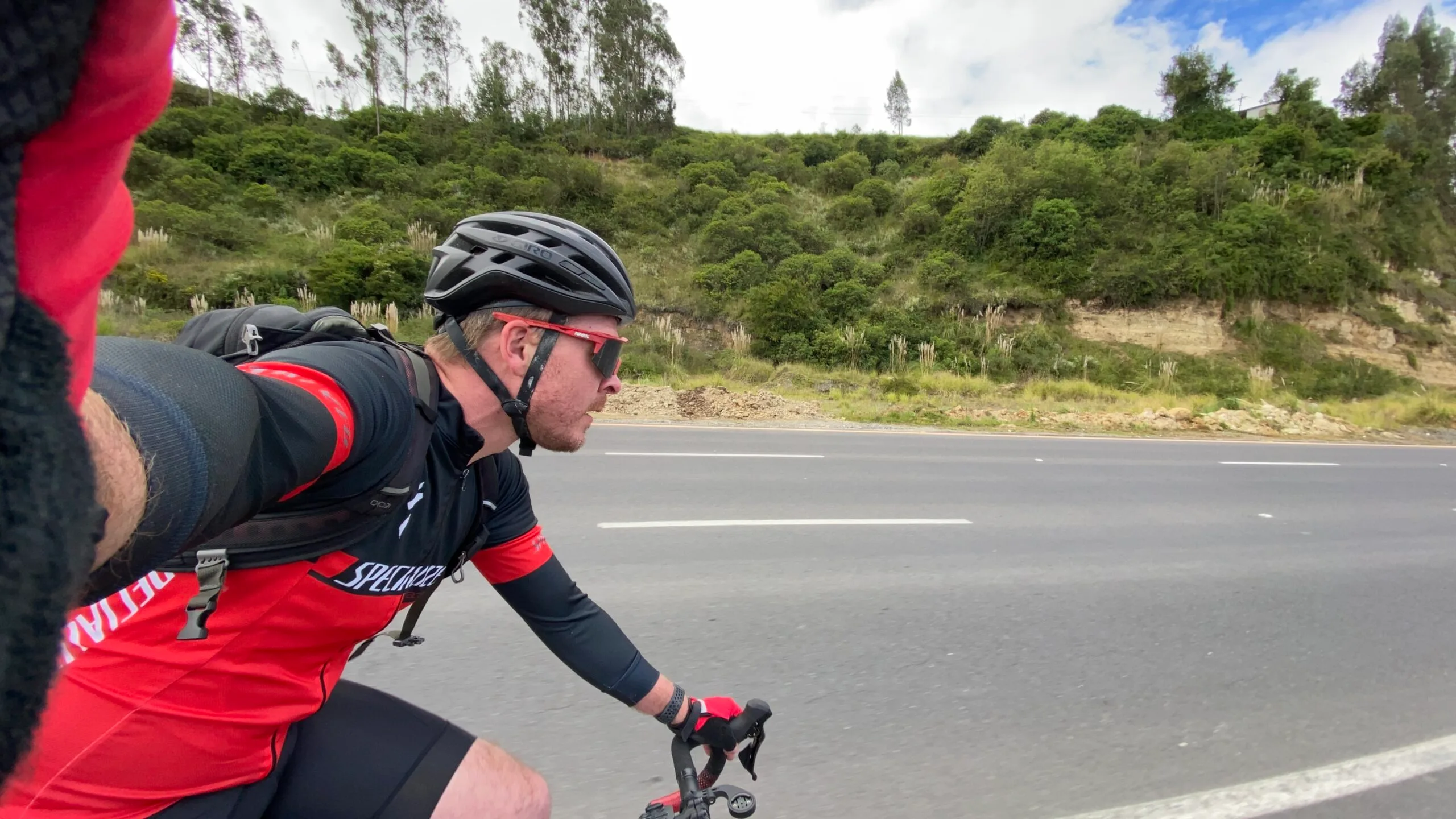
BEN FINCH
Travelling through Ecuador requires an understanding of regional geography and distinct security zones. While headlines in recent years have highlighted security challenges across the nation, national statistics often obscure the reality on the ground in the Andean highlands.
Imbabura province, home to the market town of Otavalo, maintains a distinctly calm atmosphere compared to coastal transport hubs or northern border districts.
In our previous 2026 guide to visiting Otavalo, Wheely Tyred examined how high-altitude Indigenous communities maintain strong collective security practices.
That foundational dynamic remains intact for 2027. The local Kichwa community takes immense pride in their cultural heritage and public security, creating a self-regulating environment that naturally deters organised criminal networks.
The broader security landscape in Ecuador in 2027 continues to show a sharp divide between coastal maritime corridors and highland cultural capitals. While certain coastal regions face heightened government oversight and security measures, Otavalo remains welcoming, accessible, and generally safe for international visitors who practice standard travel vigilance.
Violent crime targeting foreign tourists in Otavalo is extremely rare. The vast majority of safety concerns involve opportunistic property crime, minor distraction schemes, or environmental factors such as high altitude and mountain weather.
Knowing the difference between national security alerts and local conditions allows travellers to plan with confidence. Wheely Tyred continuously monitors route security across the Ecuadorian Andes to ensure cycle touring, road trips, and walking itineraries remain safe, fulfilling, and enjoyable.
The highlights / Essential Andes intelligence
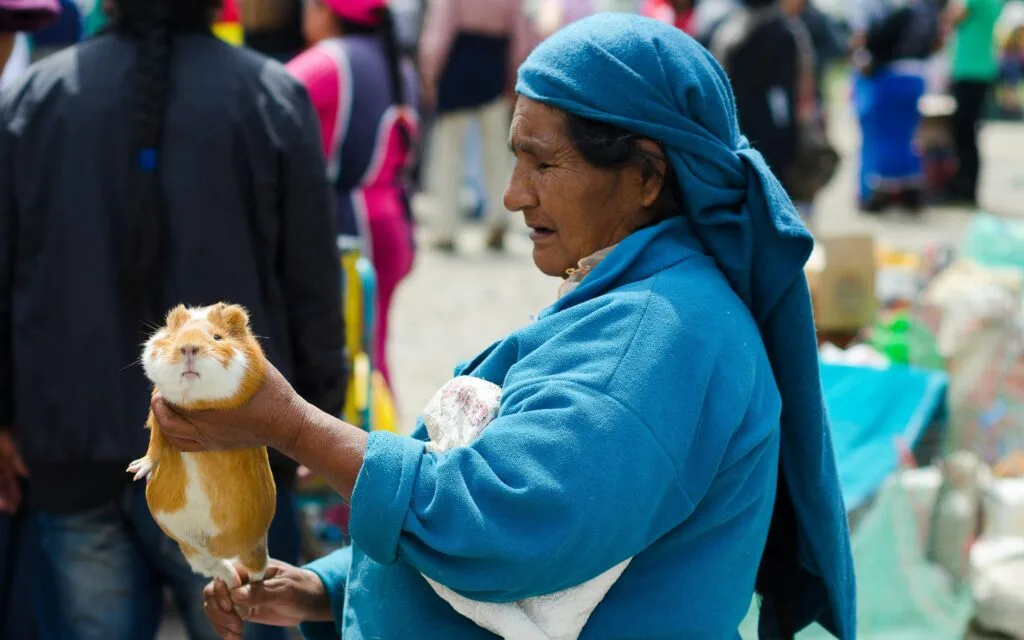
Navigating Otavalo and the Imbabura highlands requires balancing deep cultural respect with smart, low-profile travel habits.
- Plaza Vigilance: Market day awareness is vital when browsing crowded artisanal stalls where opportunistic pickpockets operate during peak Saturday hours
- Cash Management: Small denomination bills keep transactions smooth and discreet while preventing unwanted attention from vendors
- Transit Security: Daytime bus travel along the Pan-American Highway ensures scenic views and safer luggage monitoring compared to overnight routes
- Solo Confidence: Welcoming local communities make solo and female travel comfortable, supported by strong traditional social structures
- Altitude Acclimation: High-elevation preparation helps travellers safely conquer crater rim trails and mountain passes without physical distress
- Evening Limits: Central street navigation after dark keeps nighttime strolls secure within well-lit municipal zones
Otavalo.
Home to Plaza de Ponchos
Essential safety advice for everyday exploration in Otavalo
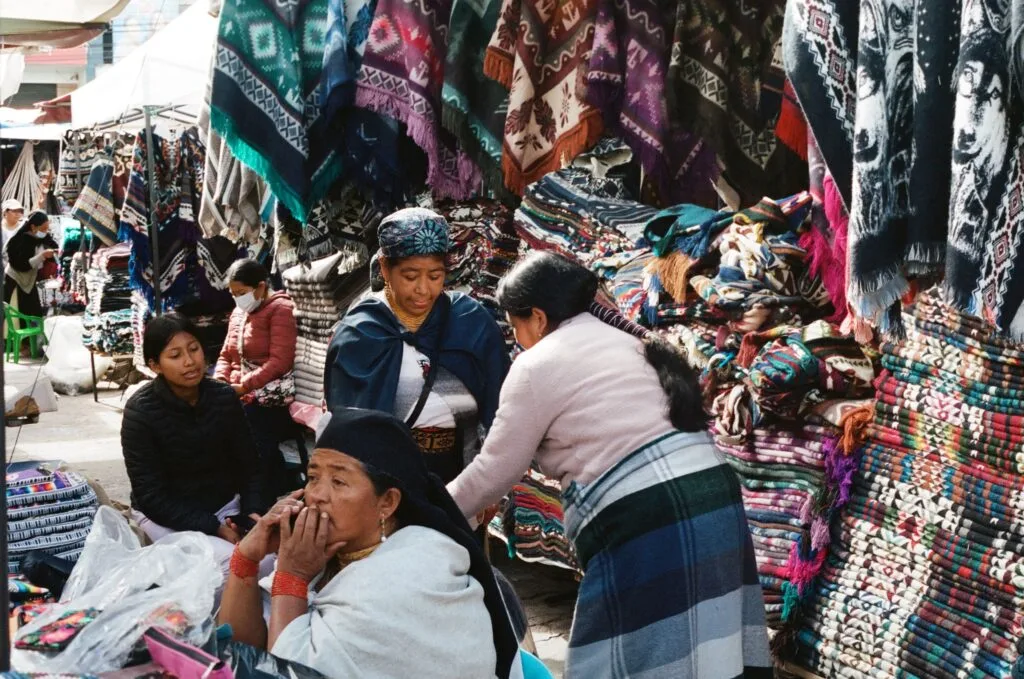
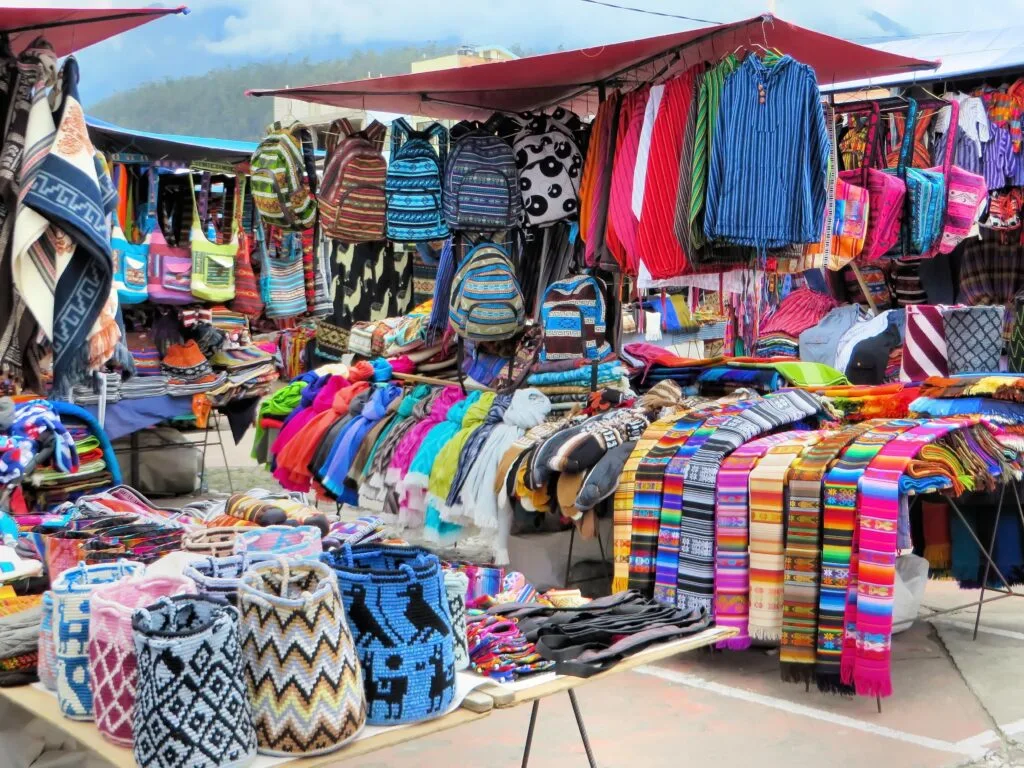
Everyday safety in Otavalo is primarily about protecting personal belongings in high-density areas. The main focus of tourist activity is the famous Plaza de Ponchos, where craft vendors assemble daily, peaking on Saturdays when the market expands across surrounding streets.
Plaza de Ponchos attracts thousands of shoppers, creating ideal conditions for pickpockets and bag slashers. Criminals in market environments rely almost exclusively on distraction techniques.
A common tactic involves one individual accidentally dropping an item or spilling a liquid nearby while an accomplice accesses open pockets or unzipped daypacks. Keeping high-value items in a front-facing chest pack or hidden money belt eliminates most risk.
Cash management requires deliberate attention. Ecuador uses the United States dollar, and small bills are essential. Paying for an inexpensive woven blanket or street snack with a fifty-dollar bill marks a visitor as unprepared and forces vendors to search for change, drawing unnecessary attention to stored cash.
Carrying small denominations, ideally one-, five-, and ten-dollar bills, ensures quick transactions. ATMs should only be accessed inside secure bank branches along Parque Bolívar rather than standalone street kiosks.
Counterfeiting remains a minor issue in rural markets. Visitors should inspect change for unusual texture or discolouration, particularly when receiving twenty-dollar notes. Carrying a minimal amount of daily cash, usually around fifty dollars, keeps potential losses relatively insignificant.
Transport and travel logistics / Reach Imbabura province safely
Arriving safely in Otavalo depends on choosing reputable transit options from main transport hubs. Most visitors travel north from Quito, a journey of approximately two to two-and-a-half hours across the Pan-American Highway.
Public intercity buses departing from Quito’s Terminal Carcelén are economical and frequent. However, long-distance buses are common sites for opportunistic theft if bags are placed in overhead racks or left unmonitored on the floor.
Travellers carrying camera equipment, laptops, or vital documents must keep daypacks on their laps at all times. Placing a leg through a bag strap while seated adds an effective layer of physical security.
Avoid taking night buses across interprovincial routes; daytime travel offers vastly superior safety and stunning views of Volcán Imbabura.
For cyclists and road travellers, the paved routes between Quito, Cayambe, and Otavalo are generally in good repair, though road margins can narrow sharply along mountain passes. Cycling early in the morning reduces exposure to heavy transport truck traffic and afternoon mountain rainstorms.
Within Otavalo, legitimate taxis display yellow paint, registration numbers on the doors, and visible official licensing decals on the windscreen. Unregulated private cars offering rides outside bus stations should be avoided.
When moving around town at night, ordering a taxi via accommodation staff is always preferable to hailing a vehicle on an unlit side street.
The Ecuadorian Sierra.
Get lost in the hills
Safety considerations for solo travellers, female visitors, and minorities
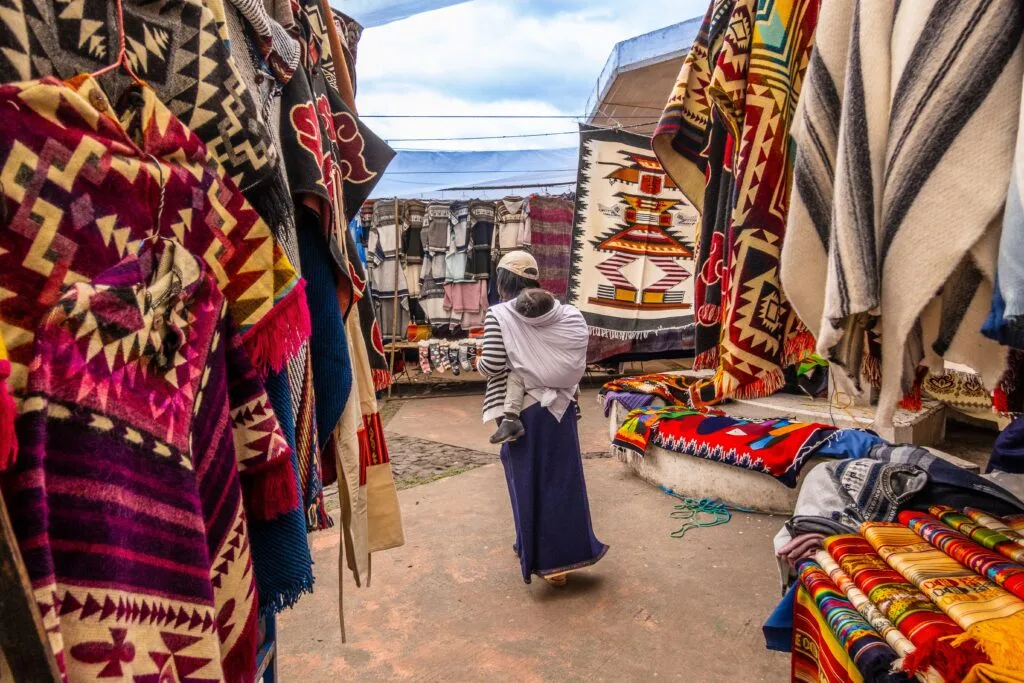
Otavalo is generally considered one of the most welcoming destinations in South America for solo travellers, female visitors, and diverse groups. The strong presence of international visitors alongside a self-reliant local community creates an inclusive, respectful atmosphere.
Solo female travellers will find Otavalo significantly more comfortable than many larger Latin American cities. Street harassment, catcalling, and intrusive attention are relatively rare due to regional cultural norms that emphasise family and community respect.
However, taking standard precautions remains important. Walking alone on unlit residential outskirts after dark is not advised. Staying near well-lit central areas such as Parque Bolívar or Parque Cóndor access routes ensures a secure experience.
Members of minority groups and LGBTQ+ travellers will encounter a polite and reserved environment.
While traditional rural Andean culture can be conservative regarding public displays of affection, overt discrimination or hostility towards foreign tourists is extremely uncommon. Local Indigenous Kichwa communities are accustomed to international tourism and value respectful, courteous interactions.
Understanding local customs goes a long way towards fostering mutual respect. Asking permission before taking photos of market vendors, particularly elders and young children, is a fundamental courtesy that protects local dignity and builds immediate goodwill.
The Galápagos.
Ecuador’s Enchanted Isles
Outdoor trail safety / Cuicocha, Fuya Fuya, and Peguche Waterfalls
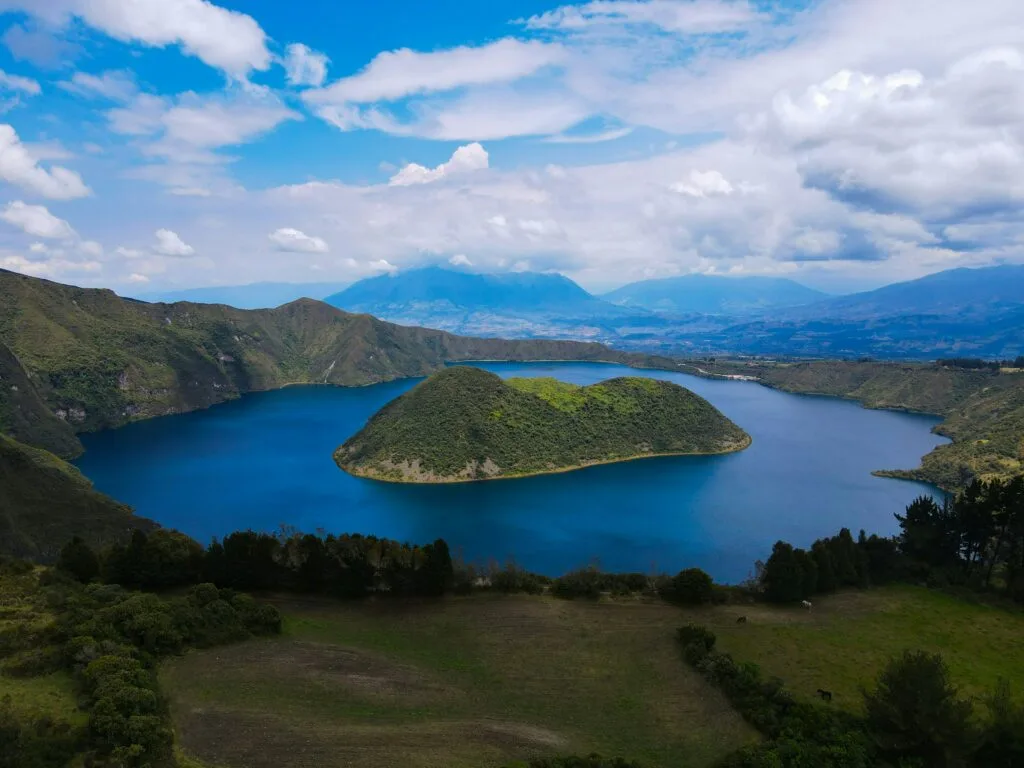
The natural landscape surrounding Otavalo offers world-class hiking, trail running, and mountain cycling. Maintaining safety outdoors requires preparation for environmental conditions and trail geography.
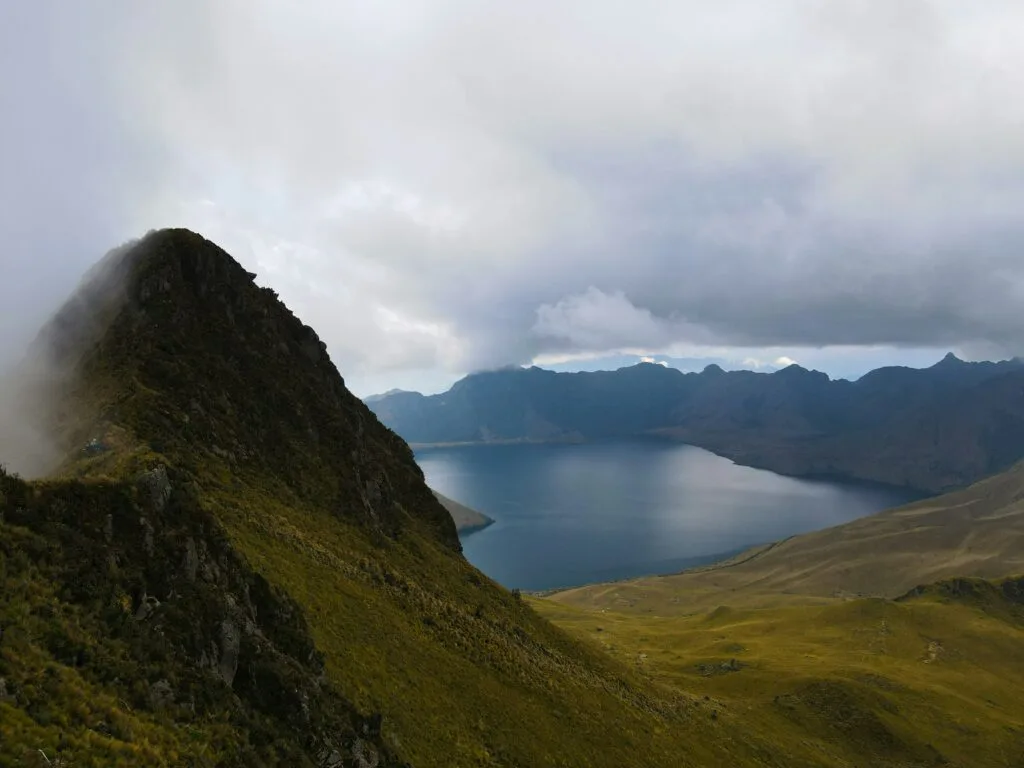
Laguna de Cuicocha
Laguna de Cuicocha, a crater lake situated at over 3,000 metres above sea level, features a popular crater rim loop trail. The hike takes roughly four to five hours and presents minimal crime risk due to managed park access.
However, altitude sickness, locally referred to as soroche, poses a real physical challenge. Visitors arriving from sea level should spend at least two days acclimating in Otavalo before attempting high-elevation ridge hikes.
Equipping daypacks with warm layers, waterproof shells, and sufficient water is essential, as weather in the Andes can shift from warm sunshine to freezing rain in minutes.
Fuya Fuya & the Mojanda Lakes
Fuya Fuya peak, overlooking the Mojanda Lakes, offers a steeper ascent reaching over 4,200 metres. The primary risk on Fuya Fuya is sudden cloud cover that can completely obscure trail markers.
Straying off marked paths on steep grassy slopes presents slip hazards. Hiring a certified local mountain guide through an established Otavalo agency ensures route safety and supports the local economy.
Peguche Waterfalls
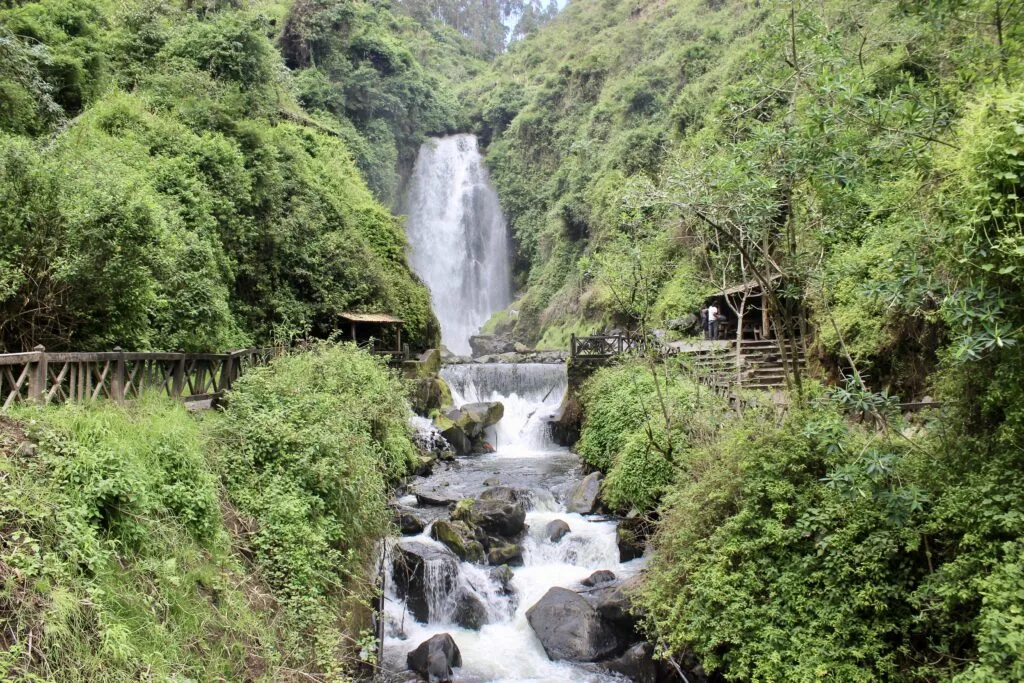
The walk to Peguche Waterfalls is an accessible day outing through ancient eucalyptus forests. While the main park area is secure and regularly visited during daylight hours, isolated side trails connecting Peguche to surrounding villages can occasionally see opportunistic thefts.
Sticking to primary marked tracks and completing visits before late afternoon ensures a safe excursion.
The Ecuadorian Amazon.
The most biodiverse place in the world
Evening safety and nighttime guidelines in Otavalo

Nightlife in Otavalo is modest and centred around cosy restaurants, craft cafes, and occasional live traditional music venues. The town does not feature the intense late-night party culture found in larger urban hubs, which keeps late-night safety risks relatively low.
After dark, pedestrian traffic naturally concentrates around Parque Bolívar and nearby dining streets such as Calle Sucre and Calle Jaramillo. These central blocks are well lit and regularly patrolled by municipal police officers. Staying within these illuminated sectors ensures a secure evening outing.
Walking back to accommodations located outside the central district, such as eco-lodges situated in rural hillsides or near San Juan, should always be done via taxi after 21:00. Dimly lit cobble lanes lack regular foot traffic at night, increasing the chance of minor muggings or encounters with territorial street dogs. Carrying a small, powerful torch or using a phone flashlight helps navigate uneven pavements safely.
Alcohol consumption should be managed with care at high altitude. The combination of elevation and alcohol impairs judgment and physical coordination much faster than at sea level, making navigation back to lodging unnecessarily complicated.
The Ecuadorian Coast.
Where you’ll find the very best food
Master Imbabura’s highlands on your own terms
Read this far?
Independent travel thrives on preparation, curiosity, and respect for local rhythms. Otavalo offers a rare chance to experience rich Kichwa heritage, stunning volcanic landscapes, and bustling traditional markets without the sterile barriers of mass tourism.
By keeping a low profile, respecting community customs, and staying mindful of changing mountain weather, your journey through Ecuador’s highland gem will be as rewarding as it is secure.
Wheely Tyred is built for travellers who prefer the rhythm of the pedals and the independence of the open road over pre-packaged itineraries. Whether you are planning a multi-day bikepacking loop around Imbabura or simply walking the ancient paths of Peguche, preparation remains your best travel companion.
Take your time exploring the side streets, support local artisans directly, and let the road unfold naturally. The Andes reward those who move with intention, awareness, and an open mind.
Affiliate Disclaimer: Some of the links on Wheely Tyred are affiliate links. If you click through and make a booking or purchase, we may earn a small commission at no extra cost to you. We only recommend gear, tours, stays, and services we genuinely use, trust, and stand behind — our editorial independence always comes first. These commissions help keep our independent cycling guides and travel stories free to read. You can also buy me a coffee here — thanks for supporting the ride!
Frequently asked questions about Otavalo travel safety
The paved roads connecting Cayambe, Otavalo, and Ibarra are generally suitable for road touring, but traffic can be heavy with transport trucks. Cycling early in the morning helps avoid peak traffic and afternoon mountain rainstorms. Always maintain a visible position on the shoulder and wear high-visibility gear. There’s a beautiful cobbled road around the other side of Lago San Pablo.
Carrying around fifty dollars in small denominations (one-, five-, and ten-dollar bills) is ideal for daily market shopping. Large bills draw unwanted attention and make it difficult for vendors to provide change, as many rely on exact cash for daily commerce.
Night buses on interprovincial routes are generally discouraged due to occasional luggage theft and reduced visibility of road conditions. Daytime bus services running from Quito’s Terminal Carcelén are much safer, highly frequent, and offer incredible views of the Andean highlands.
Otavalo is widely regarded as one of the safest and most welcoming towns in the region for solo female visitors. Standard urban precautions apply: avoid unlit residential streets late at night, keep valuables secure in crowded markets, and rely on registered yellow taxis when moving between neighbourhoods after dark.
The crater rim trail at Laguna de Cuicocha is well-marked and easily completed independently if you are properly acclimated to the altitude. However, hiking Fuya Fuya peak near the Mojanda Lakes can present navigation hazards if sudden cloud cover rolls in, making a certified local guide a wise investment for safety and route-finding.
Ecuador.
Pure wonder on the equator.