Under the volcanoes / The absolute best campsites in Otavalo, Ecuador
A comprehensive guide to the top-rated campsites and independent pitching spots near Otavalo for slow travellers
Starlit Andean horizons and the deep, silent rhythms of the Ecuadorian highlands
BEN FINCH
There is a distinct moment in the northern Ecuadorian highlands when the true character of the landscape reveals itself. It does not happen while navigating the crowded pathways of the central textile markets, nor does it occur through the scratched glass of a commercial tour bus window. Instead, it happens at dawn, when the morning mist clears from the slopes of Volcán Imbabura, and the only sound is the wind rustling through the high-altitude paramo grass.
For the independent traveller, the true spirit of Otavalo is found by slowing down, stepping away from the pre-packaged itineraries, and choosing to sleep closer to the earth. Camping in this region of the Imbabura province offers an unmatched opportunity to gain deep local knowledge, move at your own pace, and experience the ancient landscapes on your own terms.
Whether you are navigating the continent by bicycle, utilising the local network of regional buses, or simply trekking from valley to valley, finding the right place to pitch your tent is the key to an authentic Andean adventure. Our absolute priority at Wheely Tyred is ensuring you find those rare, distinctive spaces where you can disconnect completely and sleep well.
Here are five standout campsites within the orbit of Otavalo that promise exceptional views, local character, and the peace required for a perfect night of rest.
Echoes of the Andes / A guide to slow travel in Imbabura
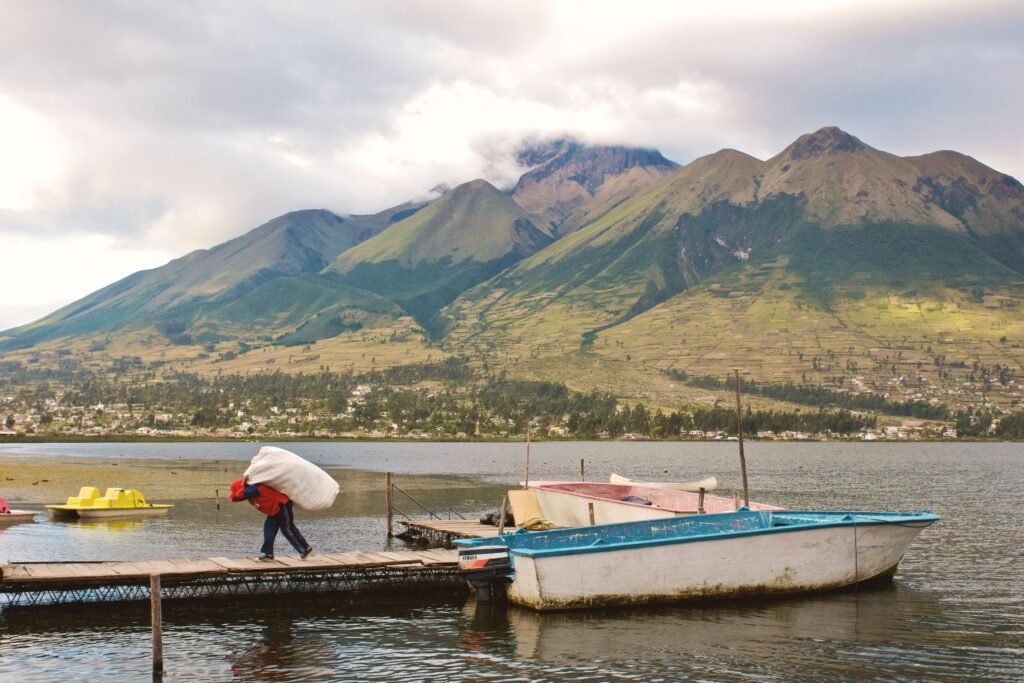
Pitching a tent in the shadow of northern Ecuador’s volcanoes offers a rare window into authentic highland life. Here is what you need to know to secure a peaceful, self-contained night of rest around Otavalo.
- Hostal & Camping La Luna: A high-altitude, overlander-friendly sanctuary on the road to the Mojanda Lakes, perfect for crisp mountain air, communal fireplace warmth, and reliable hot showers
- Hostería Rose Cottage: An intimate hillside estate offering panoramic views of four volcanic peaks, keeping large tour groups at bay while providing spacious lawns and a restorative outdoor hot tub
- El Tío Hostal: A regenerative organic farm in Ilumán run by a local Kichwa family, offering deep cultural connections, herbal gardens, and peaceful pitches on fertile highland soil
- Hospedaje Campo Lago: A tranquil lakeside retreat in the indigenous village of Araque, situated directly beneath Volcán Imbabura with soft, misty morning water views
- Bosque Protector Peguche: A community-run eucalyptus forest campsite beside a sacred waterfall, ideal for self-sufficient travellers seeking total natural immersion and early-morning trail access
- Thermal preparation: The equatorial sun is intense by day, but high-altitude temperatures plunge rapidly at night, requiring high-quality insulation to guarantee a deep night of sleep
- Direct local support: Choosing community-managed campsites and shopping at village tiendas directly benefits the families who preserve these magnificent highland landscapes
Otavalo.
Home to Plaza de Ponchos
1. Hostal & Camping La Luna
Tucked away 4.5 kilometres above the town centre along the winding stone road leading toward the sacred Mojanda Lakes, Hostal & Camping La Luna is a legendary haven for independent overlanders and backpackers. Situated at an altitude that sharpens the mountain air, this lodge deliberately distances itself from the standard tourist track, making it an ideal base for those who prefer to travel on their own schedule.
The dedicated camping area consists of beautifully terraced green lawns that look directly out across the undulating landscape of the dawn valley. Because it sits well above the valley floor, the nighttime temperatures drop significantly, providing the crisp, fresh atmosphere that makes climbing into a high-quality sleeping bag an absolute joy.
Facilities here are tailored brilliantly for self-sufficient travellers. Campers gain full access to the main lodge’s common areas, which feature roaring stone fireplaces, a well-curated library, and a communal kitchen that serves as a quiet hub for sharing regional travel intelligence. The hot water showers are consistently reliable—a luxury that cannot be overstated after a demanding day of high-altitude walking. For those arriving by foot or regional transport, the local village bus passes nearby irregularly, but a simple hike up from the town centre rewards you with total insulation from urban noise.
2. Hostería Rose Cottage
Situated just three kilometres outside the Otavalo city limits, Hostería Rose Cottage offers a striking balance between rustic outdoor living and breathtaking volcanic panoramas. Perched on a hillside at 2,800 metres above sea level, this independent property is renowned for its panoramic views that encompass four distinct volcanic peaks, including the dramatic outlines of Cotacachi and Imbabura.
While the property features traditional rooms and self-catering chalets, the management maintains a deep commitment to the camping community. Independent travellers are warmly welcomed to pitch their tents on the expansive, manicured lawns that form the perimeter of the estate. The environment is explicitly designed to keep large tour groups at bay, ensuring that the atmosphere remains intimate and unhurried.
Choosing to camp at Rose Cottage means you can enjoy the simple autonomy of tent life alongside several key comforts. Campers can access the on-site restaurant for wholesome breakfasts and dinners, unwind on the expansive wooden viewing terraces, or utilise the communal garden spaces. For a small additional fee, a soak in their outdoor hot tub under the star-filled Ecuadorian sky provides the ultimate physical restoration before turning in for a deep, undisturbed sleep.
The Ecuadorian Sierra.
Get lost in the hills
3. El Tío Hostal / Ilumán
For travellers eager to swap commercial environments for deep cultural relevance, El Tío Hostal in the small village of Ilumán—located roughly seven kilometres north of Otavalo—is an extraordinary find. Run directly by a traditional Kichwa family, this eco-friendly organic farm functions as a living classroom for regenerative agriculture and indigenous heritage.
The camping options here are spread across extensive ecological spaces shaded by native trees and surrounded by organic crop plots. There are no rigid, concrete parking slips or commercial grids; instead, you pitch your tent directly onto fertile highland soil within a working farm ecosystem. The setting is profoundly peaceful, interrupted only by the natural sounds of the farm animals and the gentle rustle of the wind.
What makes this spot truly distinctive is the opportunity for authentic cultural interaction. The host family frequently shares their extensive knowledge of local shamanic healing traditions, regional textile arts, and traditional food systems. Campers have access to a well-equipped communal kitchen built from natural, locally sourced materials and can enjoy fresh, home-grown herbal teas gathered straight from the garden plots. It is a sublime location for those who want to understand the soul of the Imbabura province while enjoying absolute tranquillity.
4. Hospedaje Campo Lago y Glamping / Araque
If your ideal mountain morning involves looking out over a vast body of water, Hospedaje Campo Lago provides an idyllic lakeside retreat. Situated in the indigenous community of Araque on the shores of San Pablo del Lago, this unique site sits comfortably within the 10-kilometre radius of Otavalo, resting directly beneath the northern face of Volcán Imbabura.
The property offers dedicated green spaces for traditional tent camping right near the water’s edge. The microclimate around the lake is slightly softer than the higher mountain passes, creating a serene environment where the morning mist rolls gently across the water as the sun rises over the peaks.
The facilities are well-maintained, offering clean sanitary blocks, free Wi-Fi connectivity across the grounds, and a terrace framework that maximises the sweeping views of the lake. The adjacent community of Araque allows independent travellers to experience authentic lakeside village life, entirely free from the orchestrated entertainment of massive holiday resorts. It is a clean, quiet, and secure environment where the gentle lap of the water ensures you sleep exceptionally well.
The Ecuadorian Amazon.
The most biodiverse place in the world
5. Bosque Protector Peguche / Peguche Waterfall Forest
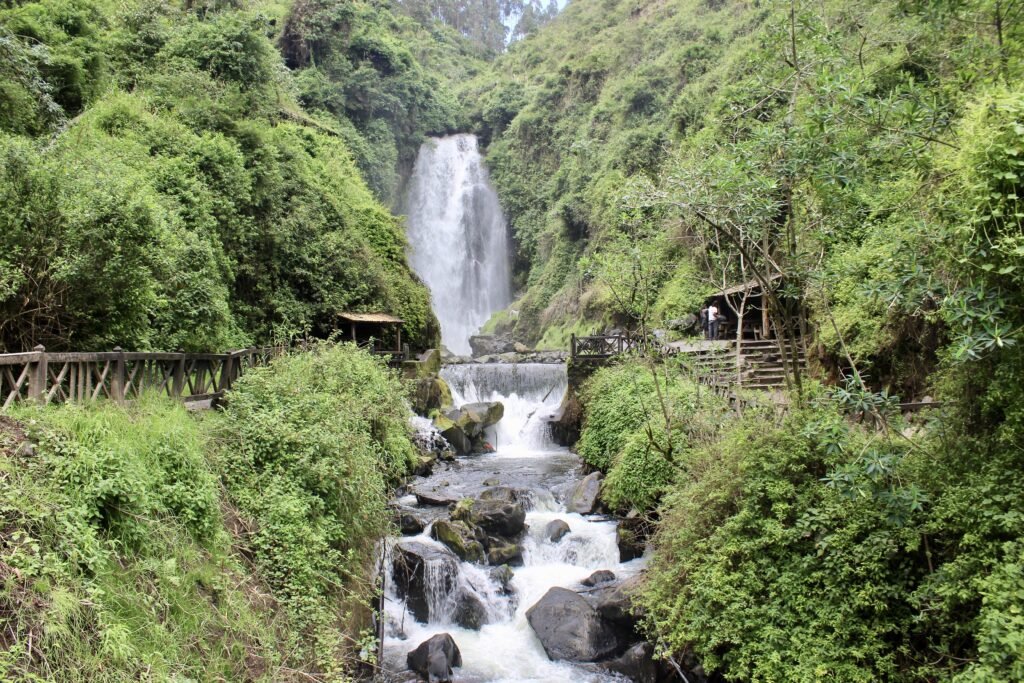
For the ultimate nature-first experience, the designated camping area within the Bosque Protector Peguche provides an unforgettable overnight stay. Located just three kilometres from Otavalo, this protected forest ecosystem surrounds the sacred Cascada de Peguche, a waterfall of immense spiritual significance to the local Kichwa people.
Rather than operating as a commercial business, this site is managed directly by the indigenous Faccha Llacta community. Independent campers are permitted to set up their shelters within designated clearings in the towering eucalyptus forest. Sleeping here means immersion in a sensory landscape dominated by the aromatic scent of eucalyptus leaves and the continuous, soothing white noise of the nearby waterfall.
Because this is a protected community reserve, the amenities are intentionally basic, catering to travellers who carry their own self-sufficiency with pride. There are basic sanitary facilities near the main entrance archway, and campers must register their presence at the community welcome centre to pay a nominal overnight maintenance fee. The reward for this simplicity is unparalleled: you have early morning and late evening access to the sacred forest trails completely to yourself, long before any day-trippers arrive from Quito.
The independent camper’s guide to the Andes
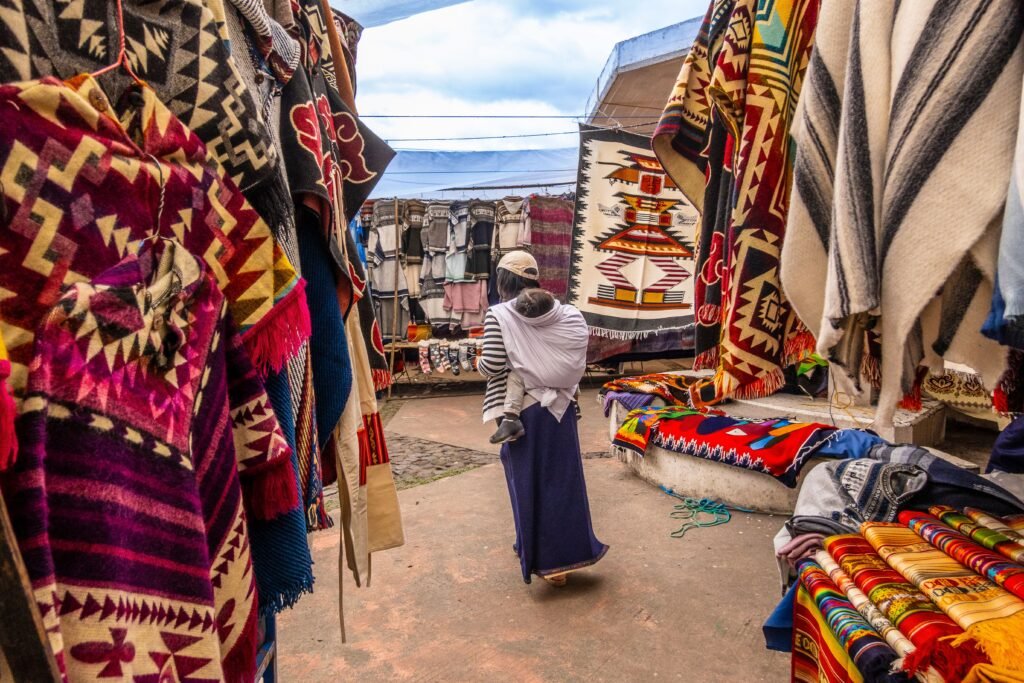
To get the absolute most out of your time camping in the Otavalo region, a few practical considerations will ensure your journey remains smooth and comfortable:
- Respect the Altitude: Otavalo sits at roughly 2,530 metres, and several of the surrounding campsites push closer to 3,000 metres. Give your body two to three days to acclimatise before attempting heavy uphill treks to places like Fuya Fuya or the Mojanda caldera
- Prepare for Thermal Swings: The equatorial sun can feel intensely warm at midday, but the high altitude means temperatures plunge rapidly the moment the sun drops behind the western ridges. A high-quality insulated sleeping mat and a sleeping bag rated down to freezing are essential for ensuring you sleep well
- Support the Local Economy Directly: When staying in community-managed spaces like Ilumán or Peguche, purchase your produce from the small village tiendas and bakeries. It builds immediate goodwill and ensures your travel spend directly benefits the families who preserve these beautiful landscapes
By choosing to bypass the conventional hotel structures and embracing the autonomy of the highland campsites, you grant yourself the ultimate travel luxury: time. Time to watch the light shift across the volcanic rock faces, time to speak with local weavers without a guide hurrying you along, and time to appreciate the deep, restorative silence of the Andean night.
The Galápagos.
Ecuador’s Enchanted Isles
Rest under highland skies
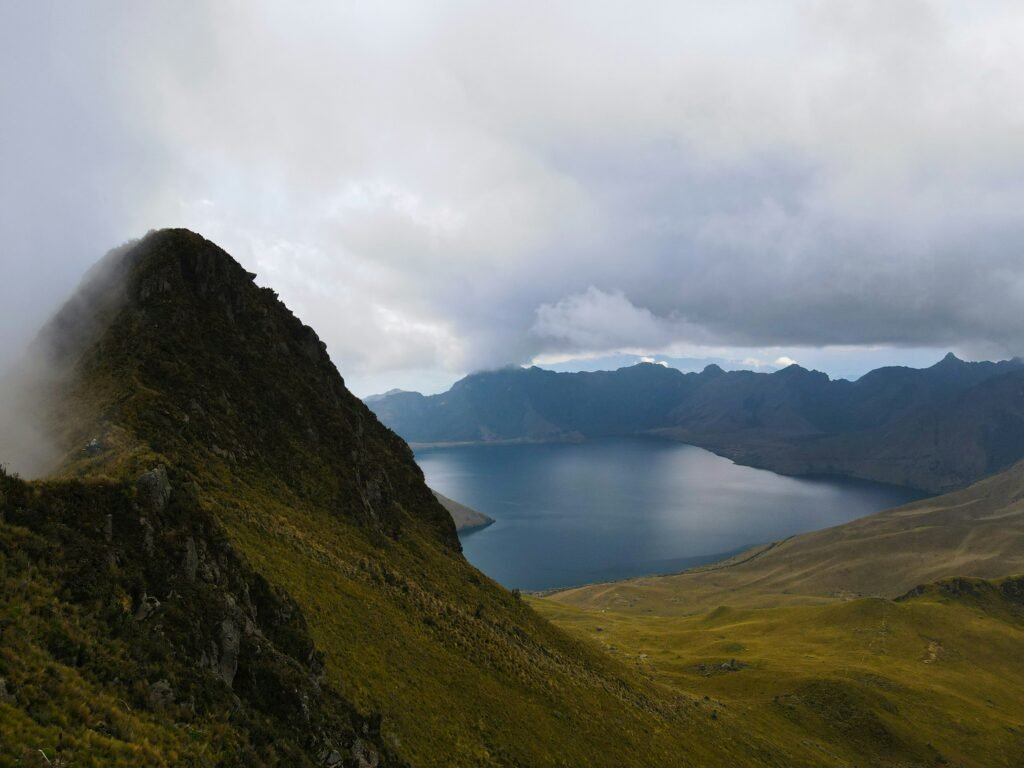
Choosing to experience the Imbabura province from the threshold of a tent is about more than just budget travel; it is a deliberate choice to align yourself with the natural geography of the Andes. When you remove the barriers of concrete walls and scheduled tour groups, the rewards are immediate. You gain the freedom to watch the late afternoon shadows lengthen across the volcanic jagged ridges, to sit with a flask of local herbal tea as the stars appear, and to wake precisely when the morning light hits the canvas.
At Wheely Tyred, we believe that the foundation of any great independent journey is the quality of your rest. High-altitude travel demands physical resilience, and you cannot appreciate the depth of an ancient culture or the complexity of a mountain trail if you are exhausted. By selecting campsites that prioritise tranquillity, natural spaces, and community respect, you ensure that you sleep well every single night. Pack your thermal layers, respect the high-altitude climate, and allow the quiet rhythms of Otavalo to deliver the ultimate restorative adventure.
Affiliate Disclaimer: Some of the links on Wheely Tyred are affiliate links. If you click through and make a booking or purchase, we may earn a small commission at no extra cost to you. We only recommend gear, tours, stays, and services we genuinely use, trust, and stand behind — our editorial independence always comes first. These commissions help keep our independent cycling guides and travel stories free to read. Thanks for supporting the ride!
The Ecuadorian Coast.
Where you’ll find the very best food
Frequently asked questions about the best campsites in Otavalo
Most of the highlighted sites, such as Rose Cottage and the Peguche forest, are situated within a three-to-four-kilometre walk or a brief taxi ride from Otavalo’s town centre. For more remote spots like La Luna, local village buses run up the mountain road irregularly. Travelling by foot, bicycle, or local regional transport remains the most rewarding way to navigate the terrain on your own schedule.
Because these campsites sit between 2,500 and 3,000 metres above sea level, nighttime temperatures drop significantly. You will need a high-quality insulated sleeping mat to block the ground chill and a sleeping bag rated down to freezing (0°C/32°F) to guarantee a comfortable, restorative night of sleep.
For traditional tent camping, advance booking is rarely necessary, which fits the spontaneous nature of independent travel. However, registering your presence at community-managed sites like Peguche is mandatory, and sending a quick message to family-run spots like El Tío Hostal beforehand is a polite way to ensure someone is there to welcome you.
It is best to treat tap water throughout the region. While some hostels have filtered water available in their communal kitchens, independent travellers should carry a reliable water filter or purification tablets to maintain complete self-sufficiency.
Respecting community guidelines is essential, particularly at sacred natural sites like the Peguche waterfall. Always ask for permission before taking photographs of local people, pay the nominal overnight maintenance fees directly to community representatives, and buy your fresh produce from small village shops to ensure your money stays in the local economy.
Give your body at least two to three days of light activity before attempting strenuous high-altitude climbs. Stay well-hydrated, avoid heavy meals on your first night, and enjoy the local herbal teas—such as sunfo or coca tea—which are traditional and highly effective remedies for highland acclimatisation.
Ecuador.
Pure wonder on the equator.