The independent traveller’s guide to Otavalo, Ecuador
Essential tips for visiting Otavalo Market and exploring Imbabura’s slow travel highlights

Crisp Andean mornings, volcanic paths, and deep-woven heritage
BEN FINCH
When people plan a journey to Ecuador, their thoughts naturally drift to the pristine wilderness of the Galápagos Islands, the historic cobblestones of Quito, or the dense canopy of the Amazon basin. Yet, just two hours north of the capital, nestled in a dramatic volcanic valley, lies a destination that captures the very soul of the Andes. Otavalo is a place of mist-shrouded peaks, ancient traditions, and the home of the most famous indigenous textile market in South America.
For the majority of visitors, however, Otavalo is reduced to a frantic, whistle-stop day trip. They are whisked in on tour buses from Quito, given a few hours to haggle in the midday heat, and then hurried back across the equator before dusk. To experience Otavalo this way is to miss its magic entirely.
To truly understand this Andean gem, you must slow down. Staying overnight allows you to witness the town when the day trippers depart, when the mountain air turns delightfully crisp, and when the local Kichwa people reclaim their quiet plazas. Whether you are travelling by local bus, foot, or bicycle, this guide is designed to help you navigate Otavalo at your own pace.
A slower view of the valley / Otavalo at a glance
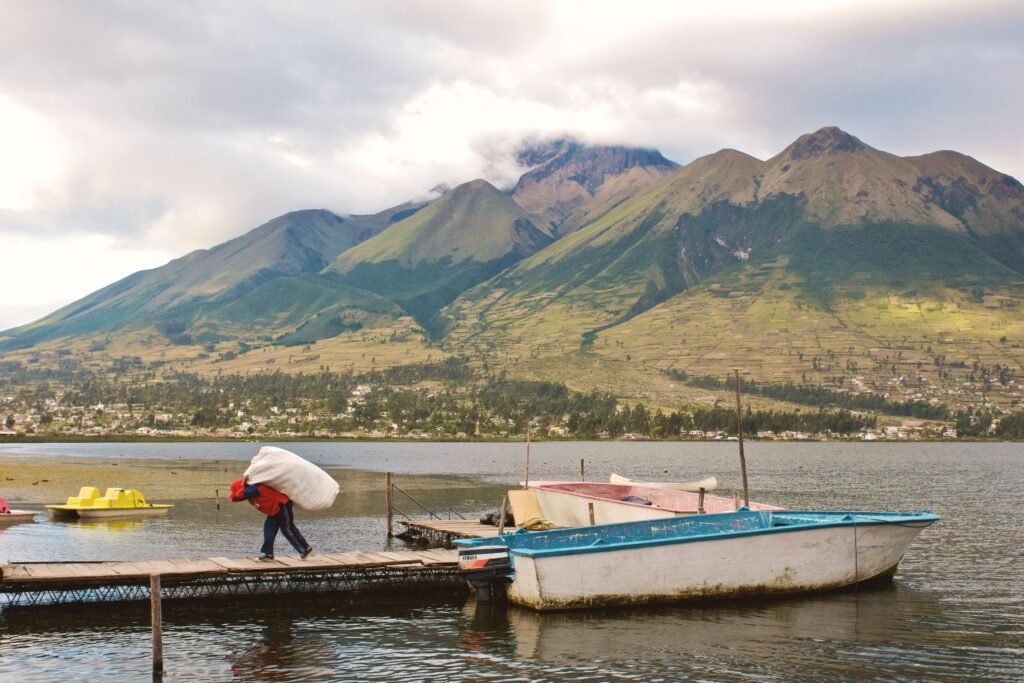
To truly understand this high-altitude Andean valley, one must look beyond the single-day market rush. Here is a curated guide to the essential places, cultural nuances, and logistics that define Otavalo.
- Terminal Carcelén transport hub: The starting point for an independent journey, where frequent local buses offer a direct and scenic route from northern Quito into the heart of the Sierra
- Plaza de Ponchos rhythm: The world-famous market that peaks on Wednesdays and Saturdays, requiring a patient browse-first approach to appreciate the fine Kichwa craftsmanship
- High-altitude climate shift: A sub-tropical highland environment where intense equatorial sunshine quickly gives way to single-digit temperatures and sudden downpours as evening falls
- Kichwa cultural pride: A self-sufficient community deeply proud of its weaving heritage, traditional attire, and customs, requiring mindful etiquette and polite communication.
- Peguche Waterfall sanctuary: A short walk from the centre leads to an 18-metre sacred cascade, a deeply spiritual site utilised for indigenous cleansing rituals
- Cuicocha volcanic caldera: A challenging high-altitude trek around a dramatic crater lake, offering sweeping views of the Andes for prepared hikers
- Highland food traditions: An authentic culinary landscape ranging from hearty slow-roasted pig (hornado) at the local market to traditional fermented corn beer (chicha de jora)
Otavalo.
Home to Plaza de Ponchos
Reaching the northern highlands
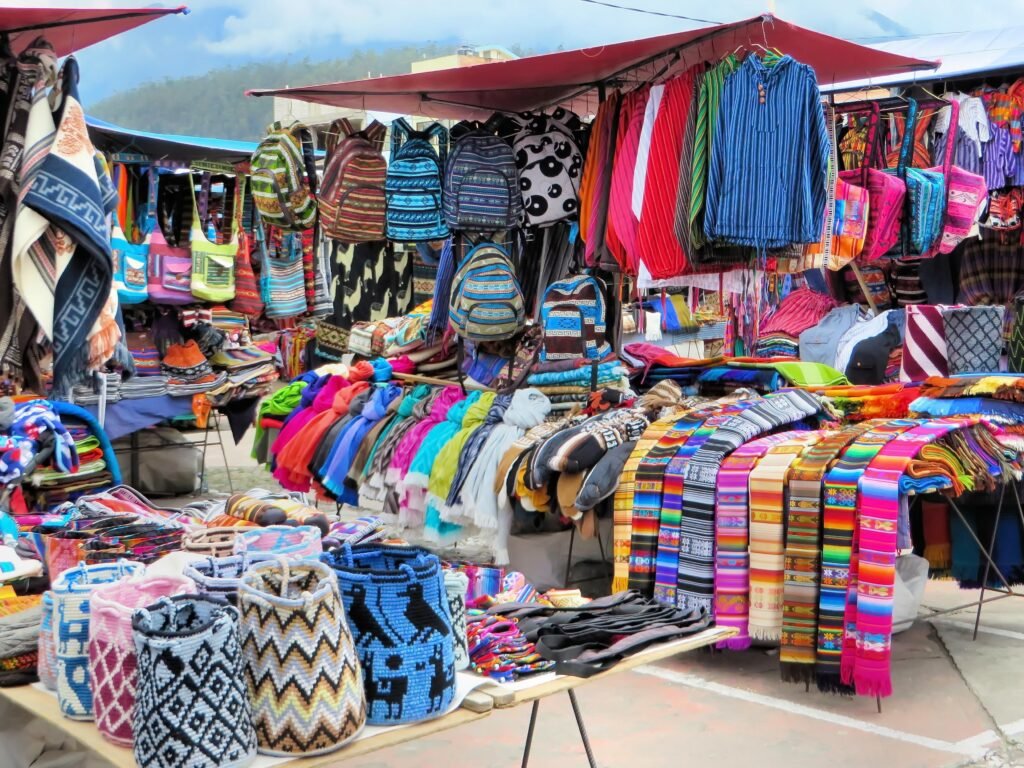
Skip the expensive private transfers and tour agencies in Quito. Navigating public transport in Ecuador is straightforward, exceptionally cheap, and far more rewarding for those who value autonomy.
To begin your journey, head to Terminal Carcelén, which is the main bus terminal serving northern destinations, located in the north of Quito. You can easily reach Carcelén via a local taxi or by using the city’s trolleybus system. Once inside the terminal, head to the ticket booths marked Otavalo or Ibarra. Buses depart roughly every 15 minutes, and a one-way ticket will cost you approximately $3.
The journey itself is a spectacular introduction to the geography of the Sierra. As the bus snakes along the Pan-American Highway, the urban sprawl of Quito quickly gives way to dry gorges, rolling hills, and eventually, the lush green volcanic slopes of the Imbabura province. The ride takes about two hours. The bus will drop you at the main terminal in Otavalo, which is situated just a short, flat walk from the town centre.
Navigating the rhythms of the Plaza de Ponchos
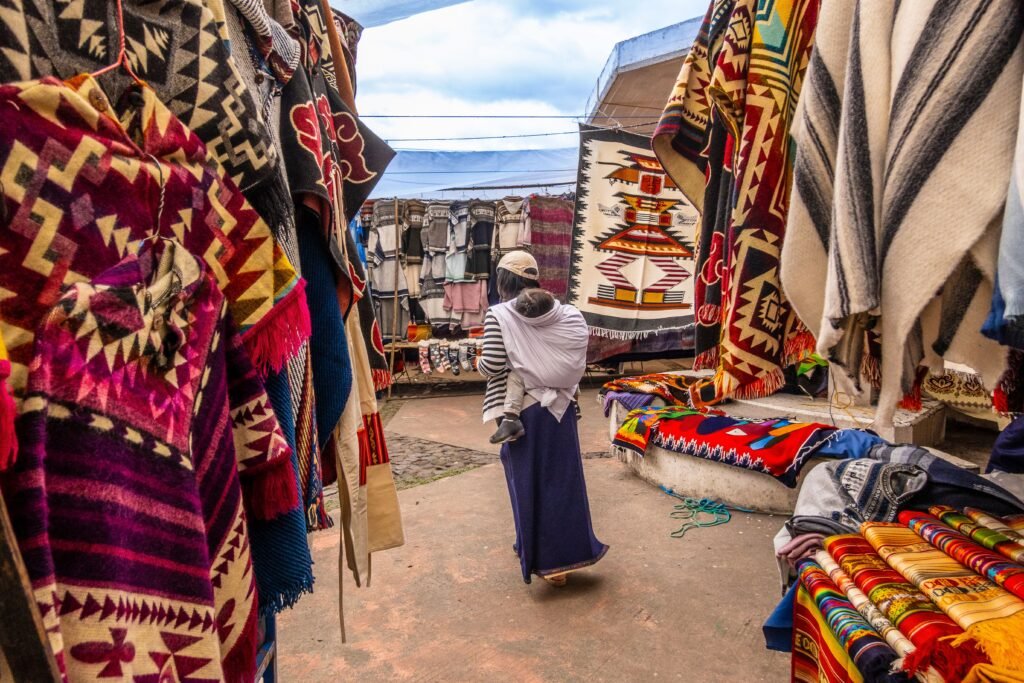
The beating heart of Otavalo is the Plaza de Ponchos. While a handful of artisan stalls operate here every single day, the market explodes in size on Saturday, with a secondary, slightly smaller peak on Wednesday. On these key days, the vibrant displays of hand-woven alpaca blankets, intricate embroidery, musical instruments, and silver jewellery spill out from the concrete plaza and take over the surrounding cobblestone streets.
For first-time visitors, the sheer scale of the market can be overwhelming. Vendors will greet you with a friendly, sing-song hola, a la orden, which translates to hello, at your service.
The golden rule for independent travellers is simple: walk through the entire market first before you even think of purchasing. Many stalls sell identical or highly similar items, and a leisurely, unpressured stroll will help you gauge the average quality and price.
| First-timer market rules | Action plan |
| Browse first | Compare quality and price across stalls before committing to buy. |
| Negotiate gently | Aim for a fair, respectful middle ground (starting around 60% to 70% of the initial price) with a polite smile. |
| Carry small change | Keep $1 and $5 notes handy; merchants rarely have change for $20 notes. |
Bargaining is a normal and expected part of the market culture, but it should always be approached as a polite social interaction rather than a battle. Always keep small denominations of US dollars on hand, as local merchants will struggle to make change for larger notes.
If you want to experience the true, non-tourist local economy, rise early on Saturday morning and take a short taxi ride to the animal market (Mercado de Animales) on the outskirts of town. Arriving by 6 am allows you to witness local farmers trading sheep, cattle, and guinea pigs in a bustling, sensory experience that has remained virtually unchanged for centuries. Afterwards, head to the Mercado 24 de Mayo in the town centre to see mountains of fresh Andean produce and local families gathering for breakfast.
The Ecuadorian Sierra.
Get lost in the hills
Understanding the Andean climate and altitude
Otavalo sits at an elevation of roughly 2,500 metres (8,200ft) above sea level. While this is slightly lower than Quito, the altitude still demands respect. If you have just arrived in the highlands, take your first afternoon easy, drink plenty of water, and opt for a warm cup of mate de coca (coca leaf tea) to help your body adjust.
The weather in the northern highlands is famously mercurial. Because Otavalo is situated so close to the equator, the midday sun is incredibly strong and can easily burn unprotected skin. However, the mountain air remains cool, and the moment a cloud passes over the sun, the temperature drops rapidly.
Prepare to experience all four seasons in a single day. You will need high-factor sunscreen, a wide-brimmed hat, and a lightweight waterproof jacket for sudden afternoon downpours, which are common between October and April. When night falls, the temperature regularly dips to single figures, making a thick alpaca jumper—which you can easily source at the market—an essential piece of daily wear.
Where to stay (and what to avoid)
To get the most out of your stay, choose your accommodation wisely. Avoid the hotels situated directly on the busy Pan-American Highway, as heavy truck traffic can make for a very noisy night’s sleep.
If you prefer to stay in the town centre, look for family-run guesthouses with interior courtyards, which offer a peaceful refuge from the bustling streets. Café Pachamama, a lovely organic café with an adjoining guesthouse, is a fantastic choice. It features cosy fireplaces, local artwork, and a relaxed atmosphere that immediately makes you feel at home.
For those who prefer a more tranquil, nature-focused experience, consider staying just outside the town limits. The nearby village of Peguche offers gorgeous eco-lodges surrounded by fragrant eucalyptus forests. Alternatively, the historic haciendas scattered around San Pablo Lake (Lago San Pablo) offer a glimpse into the region’s colonial past, complete with roaring fires and dramatic views of Volcán Imbabura.
The Ecuadorian Amazon.
The most biodiverse place in the world
Etiquette, respect, and Kichwa heritage
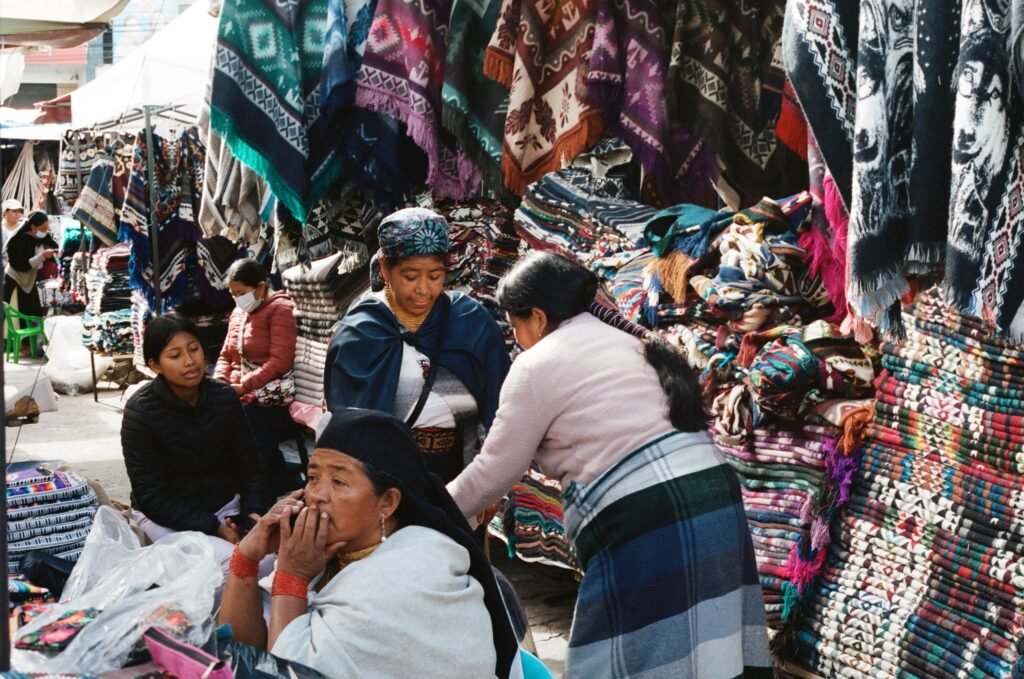
Unlike many global destinations where indigenous culture is treated as a performance for tourists, the Kichwa people of Otavalo have maintained a highly successful, self-sufficient society based on their world-famous weaving and textile trade. They are immensely proud of their heritage, language, and traditional dress.
You will see men wearing their hair in a single, long braid (trenza), accompanied by calf-length white trousers and dark blue ponchos. Women wear beautiful, hand-embroidered white blouses, dark woollen wrap skirts (anacos), and collars of gold glass beads.
When interacting with locals, simple politeness goes a long way. Always greet vendors and shopkeepers with a friendly “Buenos días” (good morning) or “Buenas tardes” (good afternoon).
Photographing people requires careful discretion. Always ask for permission before taking a photo of a local resident, particularly older women or children. A simple, polite question like “¿Puedo tomar una foto?” accompanied by a smile is usually well-received. If they decline, respect their wishes without hesitation.
Volcanic lakes and sacred forests / Slow-travel gems
Once you have explored the markets, it is time to venture into the breathtaking natural landscape that cradles the town.
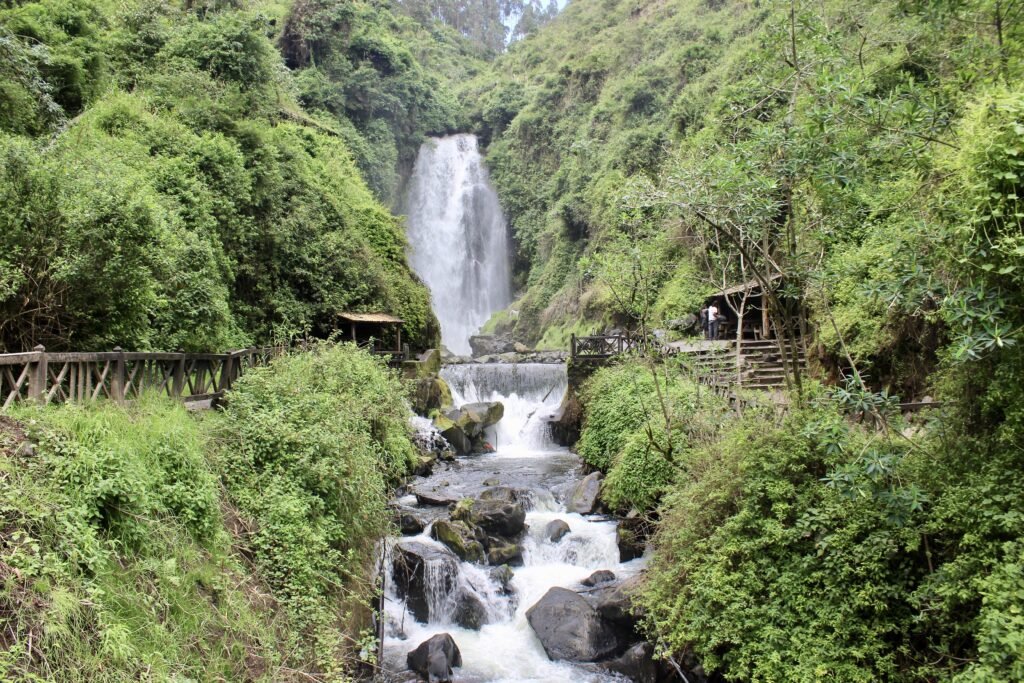
First, head to the Cascada de Peguche, a sacred 18-metre waterfall located in a beautiful forested reserve just a short taxi ride or a scenic 45-minute walk from the centre of Otavalo. For the local Kichwa communities, this waterfall is a deeply spiritual site used for cleansing rituals, particularly during the summer solstice festival of Inti Raymi in June. The walk through the towering eucalyptus trees is peaceful, flat, and highly recommended for families.
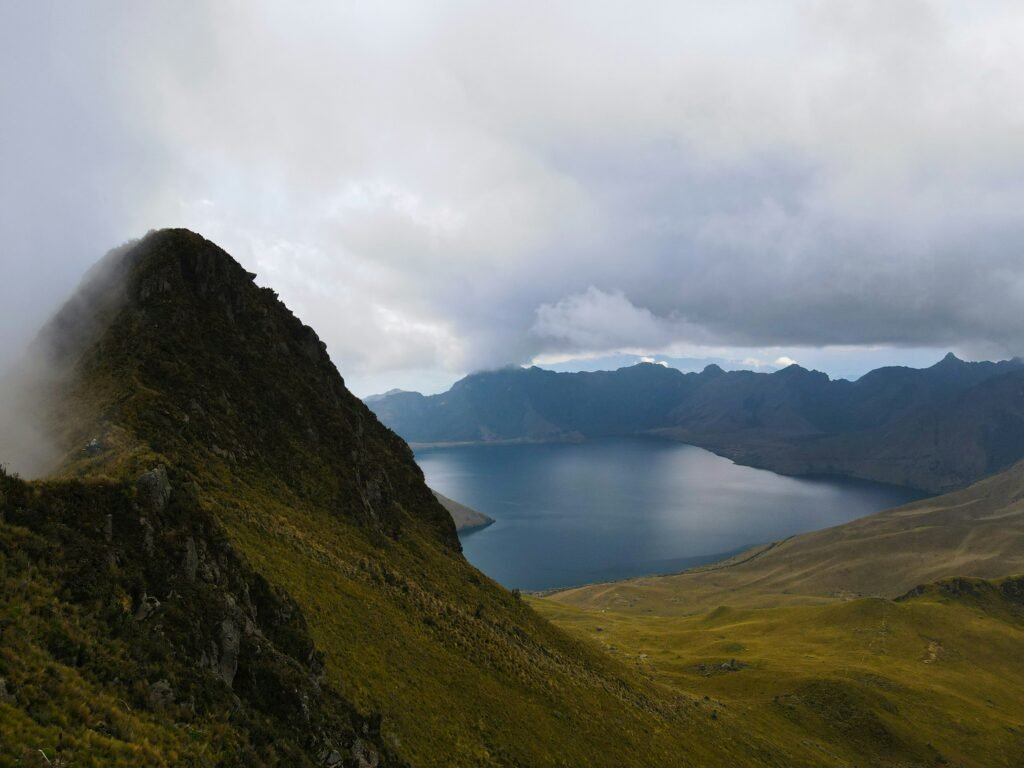
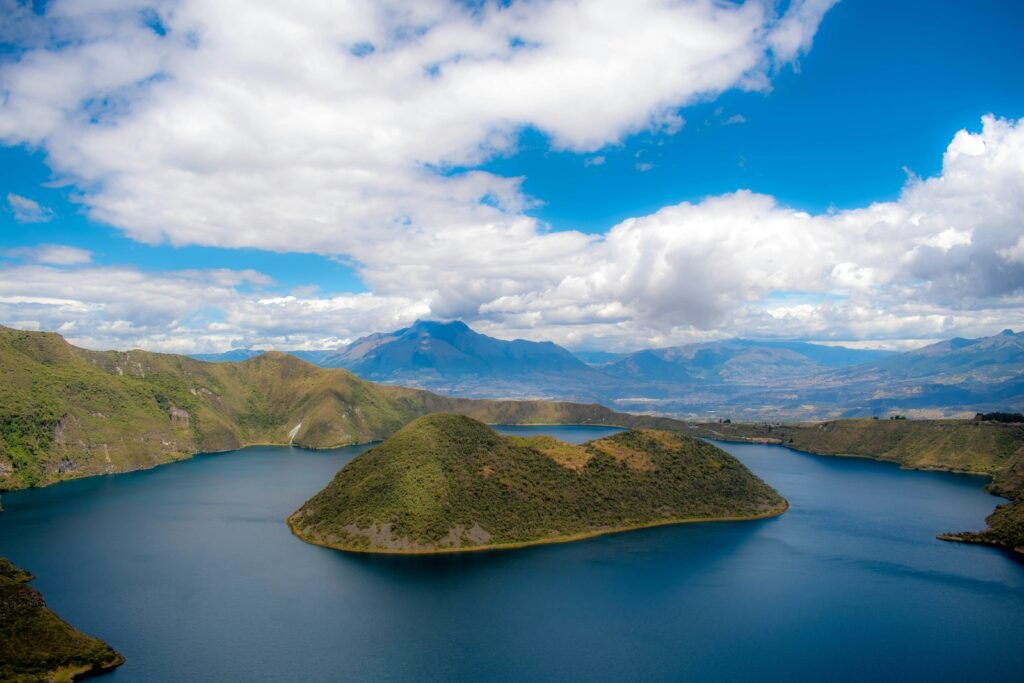
For a more challenging adventure, make a day trip to Laguna de Cuicocha, a jaw-dropping crater lake situated at the foot of the Cotacachi volcano. The name means guinea pig lake in the Kichwa language, inspired by the shape of the two forested volcanic islands rising from the deep blue water.
To get there independently, take a local bus from Otavalo to the nearby town of Cotacachi, which is famous for its high-quality leather artisanry. From Cotacachi, you can easily hire a taxi to the park entrance. The trail around the crater rim is a spectacular 8-mile hike that takes roughly five hours. At an altitude of over 3,000 metres (9,800ft), the hike requires a decent level of fitness and plenty of water, but the sweeping views of the caldera and the surrounding valley are spectacular.
The Galápagos.
Ecuador’s Enchanted Isles
Authentic highland flavours in Otavalo
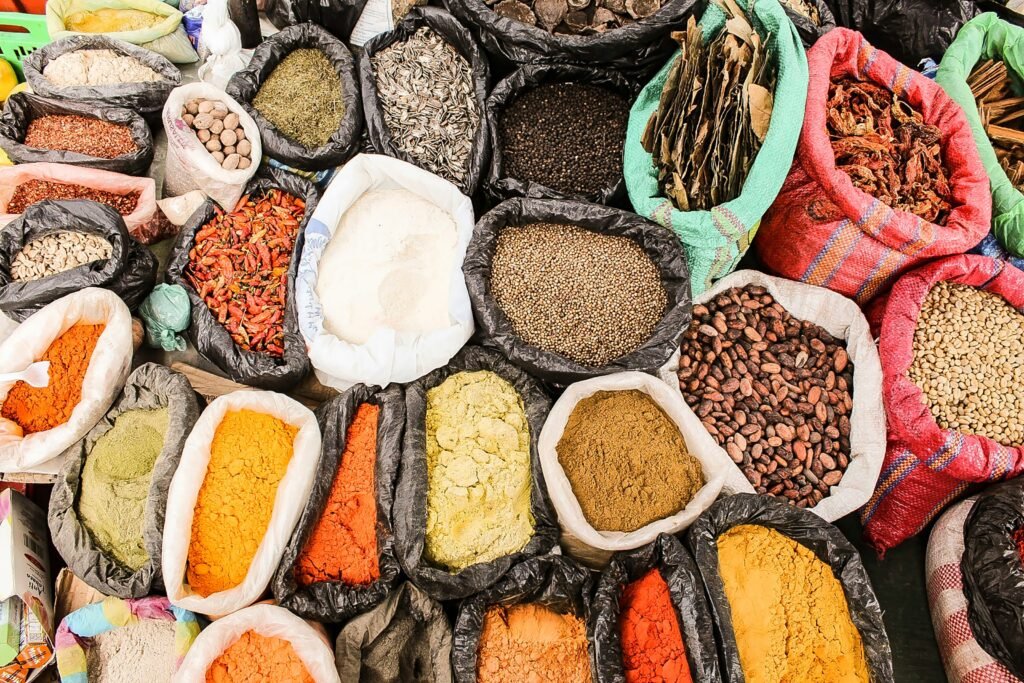
When hunger strikes, steer clear of the tourist-oriented spots offering generic international menus. Instead, dive into the comforting, hearty world of Andean cuisine.
Start your culinary exploration at the Mercado 24 de Mayo. Here, you can try hornado, a classic highland dish consisting of tender, slow-roasted whole pig served with llapingachos (crispy potato cakes pan-fried with cheese), hominy corn (mote), and a tangy avocado salad. It is incredibly cheap, filling, and packed with traditional flavours.
If you prefer a sit-down dining experience, seek out local spots that highlight regional ingredients. Café Pachamama serves fantastic organic breakfasts, complete with fresh juices, artisanal bread, and excellent vegetarian options that make use of local highland crops like quinoa and amaranth.
For dinner, many independent travellers head to local eateries near San Pablo Lake to try fresh trucha (rainbow trout), which is often grilled and served with plantains and a simple salad. Do not leave the region without trying chicha de jora, a traditional fermented corn beverage that has been brewed in the Andes since the time of the Incas.
A slow travel note: By choosing to stay overnight, travel by public bus, and buy directly from independent artisans, you are ensuring that your travel spend directly supports the local Kichwa community. This is travel at its most respectful and rewarding.
Embracing the slow rhythm of the valley
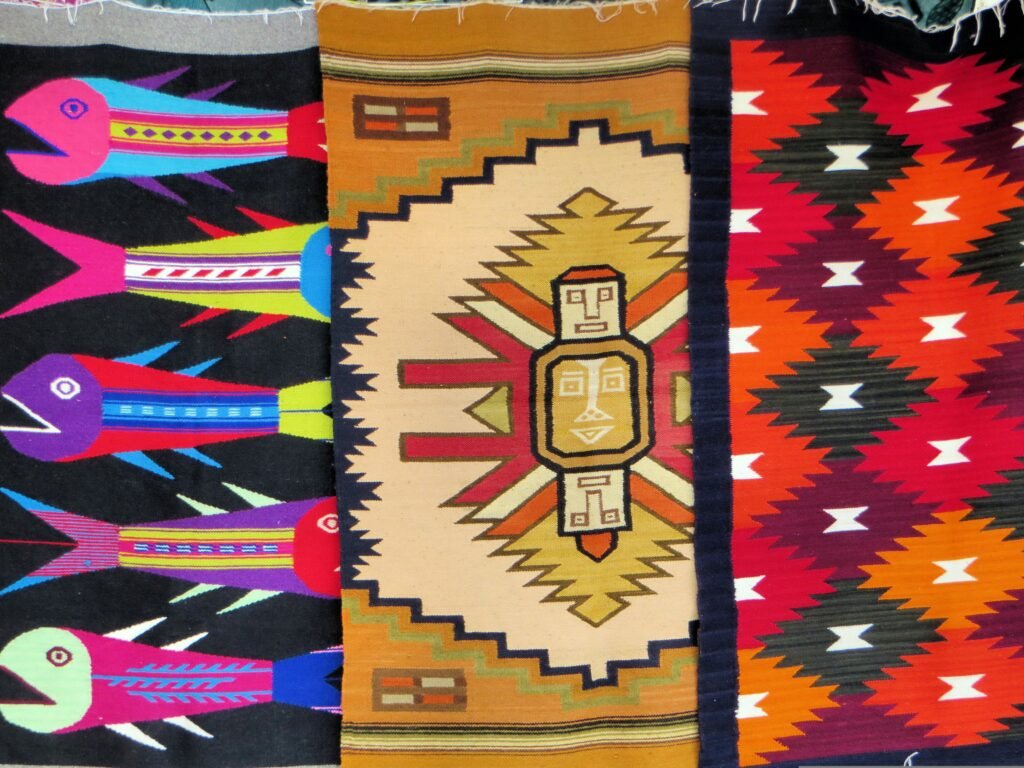
As the afternoon sun dips behind the jagged peak of Volcán Imbabura, a quiet settles over Otavalo. The day-trippers have long since departed, their tour buses climbing back up the highway towards Quito. In the plaza, the remaining stalls fold away their colourful fabrics with practised, rhythmic ease, and the smell of roasting maize drifts through the cool mountain air.
By choosing to spend a night or two in this high-altitude valley, you transition from a mere spectator to a participant in its daily rhythm. You get to see the town at its most genuine: in the quiet mist of an Andean morning, during a solitary walk through a eucalyptus forest, or whilst sharing a simple meal in a bustling local market. Independent travel is not just about avoiding the crowds; it is about creating space for those spontaneous, quiet encounters that define a truly memorable journey.
When it is finally time to leave, you will find that the northern highlands have a way of lingering in your thoughts. As you board the local bus back to Quito or venture further north towards the quiet streets of Ibarra, you will carry more than just hand-woven blankets and silver jewellery in your pack. You will leave with a deeper appreciation for the resilient spirit of the Kichwa people and the timeless beauty of the Ecuadorian Andes—rewards that only reveal themselves when you dare to slow down.
Affiliate Disclaimer: Some of the links on Wheely Tyred are affiliate links. If you click through and make a booking or purchase, we may earn a small commission at no extra cost to you. We only recommend gear, tours, stays, and services we genuinely use, trust, and stand behind — our editorial independence always comes first. These commissions help keep our independent cycling guides and travel stories free to read. Thanks for supporting the ride!
The Ecuadorian Coast.
Where you’ll find the very best food
Frequently asked questions about visiting Otavalo
You can catch a direct bus from Terminal Carcelén in northern Quito. Buses run approximately every 15 minutes to Otavalo or Ibarra, and a one-way ticket costs about $3. The journey takes roughly two hours along the scenic Pan-American Highway.
Bargaining is a polite social interaction rather than a conflict. It is best to wander through the market first to compare quality, then negotiate gently, aiming for a fair middle ground—often starting around 60% to 70% of the initial asking price. Ensure you carry small denominations of US dollars, as vendors rarely have change for larger notes.
The animal market (Mercado de Animales) takes place on the outskirts of the town early on Saturday mornings. To witness this authentic trade of livestock, sheep, and guinea pigs, you should aim to arrive by 6 am.
Due to the high elevation of 2,500 metres, the climate shifts rapidly. You will need high-factor sunscreen and a wide-brimmed hat to protect against the intense equatorial midday sun, a lightweight waterproof jacket for afternoon rain, and warm layers—such as a local alpaca jumper—for cold nights.
Always ask for permission before photographing anyone, especially children or older women. A polite “¿Puedo tomar una foto?” with a friendly smile is the respectful way to engage, and you must always respect their decision if they decline.
Head to the Mercado 24 de Mayo to sample hornado, a slow-roasted whole pig served with crispy potato cakes (llapingachos) and hominy. To drink, try chicha de jora, a traditional fermented corn beverage that has been crafted in the Andes since the Inca Empire.
Ecuador.
Pure wonder on the equator.