Otavalo on two wheels / The ultimate guide to Ecuador’s northern highlands by bike
Best Otavalo bike tours, e-bike excursions, and mountain bike trails
Kichwa culture, crater lakes and páramo trails
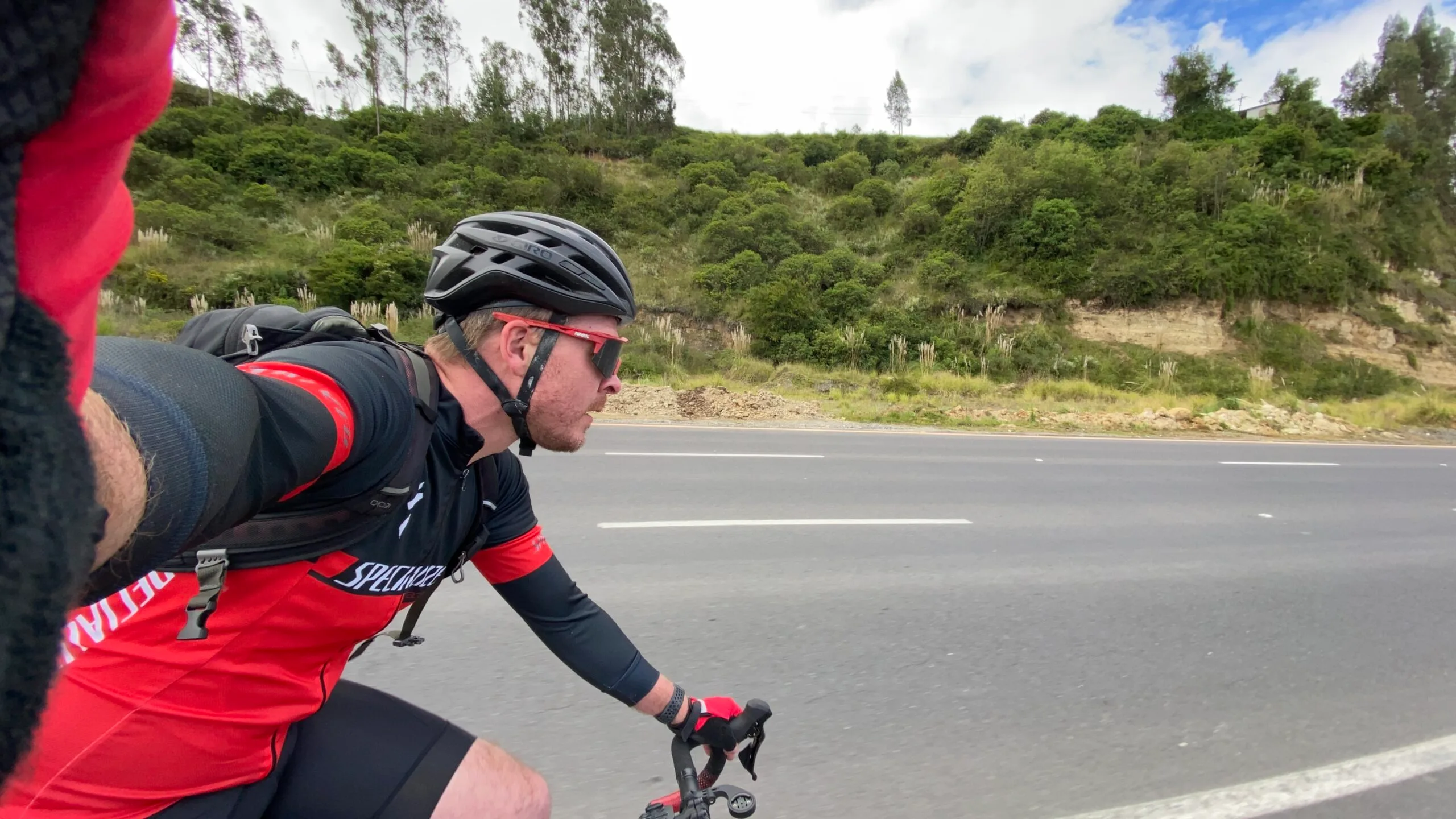
BEN FINCH
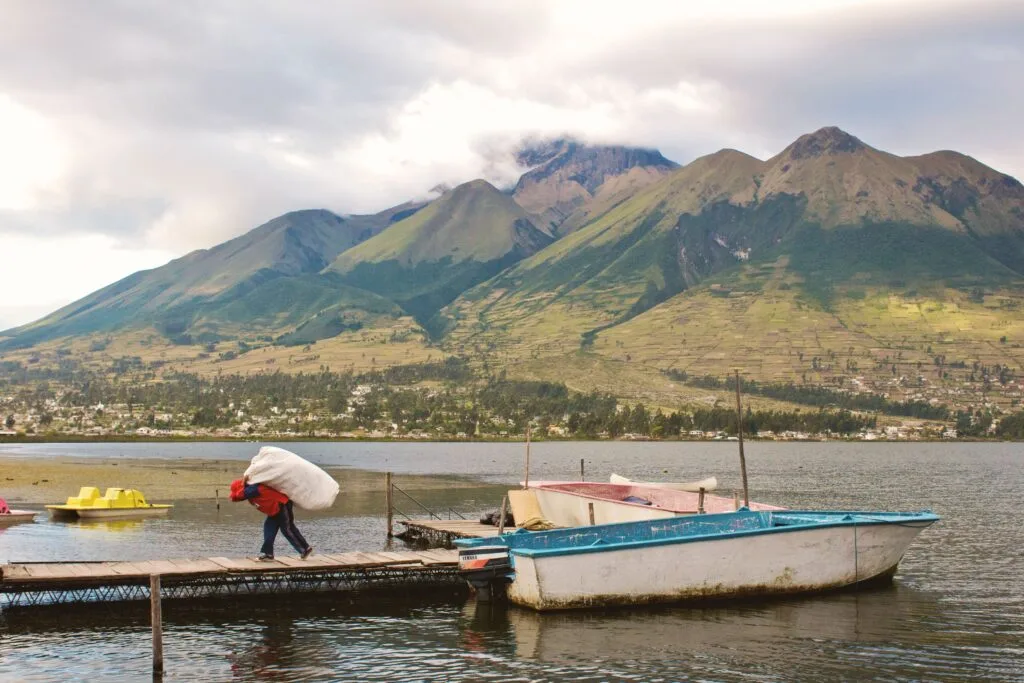
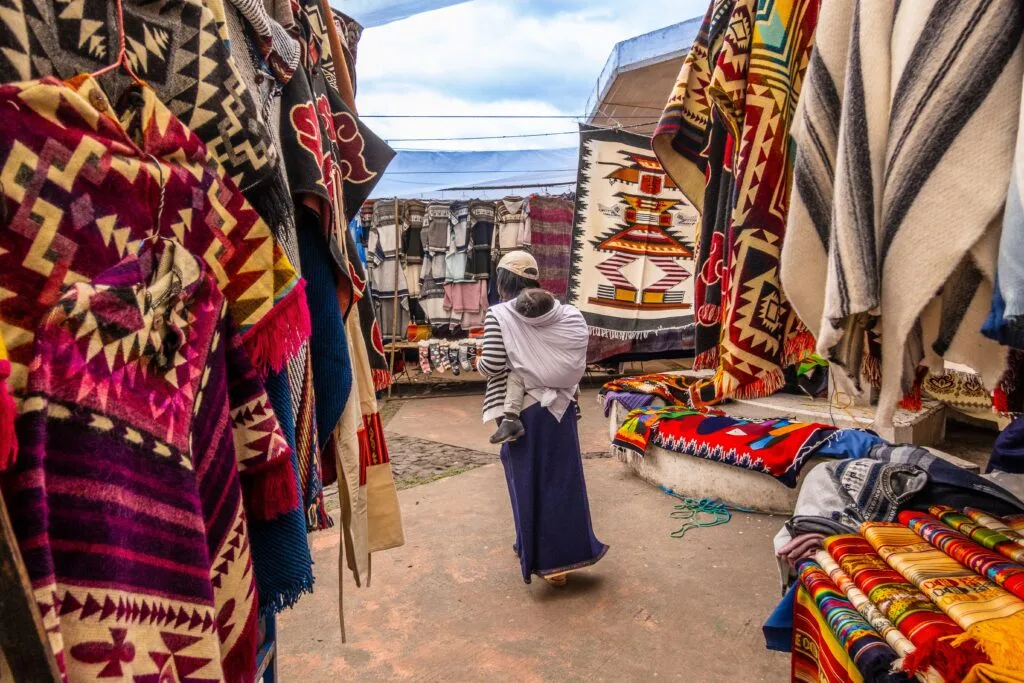
Nestled in the green amphitheatre of the Ecuadorian Andes beneath the jagged peak of Taita Imbabura (4,630 metres), Otavalo is world-renowned for its colourful Saturday textile market at Plaza de los Ponchos. Yet, for independent travellers willing to look past the market stalls, the true soul of Imbabura Province—a designated UNESCO Global Geopark—lies in its dramatic surrounding topography.
Here, centuries-old cobbled tracks (empedrado) link traditional Kichwa weaving hamlets, while volcanic ridge lines yield breathtaking views of cobalt crater lakes and rolling páramo grasslands.
At Wheely Tyred, we firmly believe that the bicycle is the ultimate tool for slow, immersive travel. High-roofed tourist minibuses hurtle past rural life at 80 km/h, isolating passengers behind tinted glass. Walking, while delightful, limits your reach across this vast mountain basin. A guided bicycle tour strikes the perfect equilibrium: it gives you the range to conquer high-altitude valleys and remote mountain shoulders while keeping you intimately connected to the sights, sounds, and scents of the Andes.
You can feel the crisp mountain air, smell the eucalyptus groves, hear the rhythmic clack of backstreet handlooms in Agato, and stop for fresh tortillas de tiesto whenever the fancy takes you.
Whether you are looking to carve down fast gravel paths from high alpine lakes or cruise effortlessly along tranquil lakeshores on an electric mountain bike, guided cycling in Otavalo offers expert local navigation, top-tier mechanical safety, and genuine peer-to-peer cultural connection.
Below are six exceptional, highly rated guided bike tours in and around Otavalo that showcase the absolute best of Northern Ecuador on two wheels.
Imbabura from the saddle / Essential Otavalo takeaways
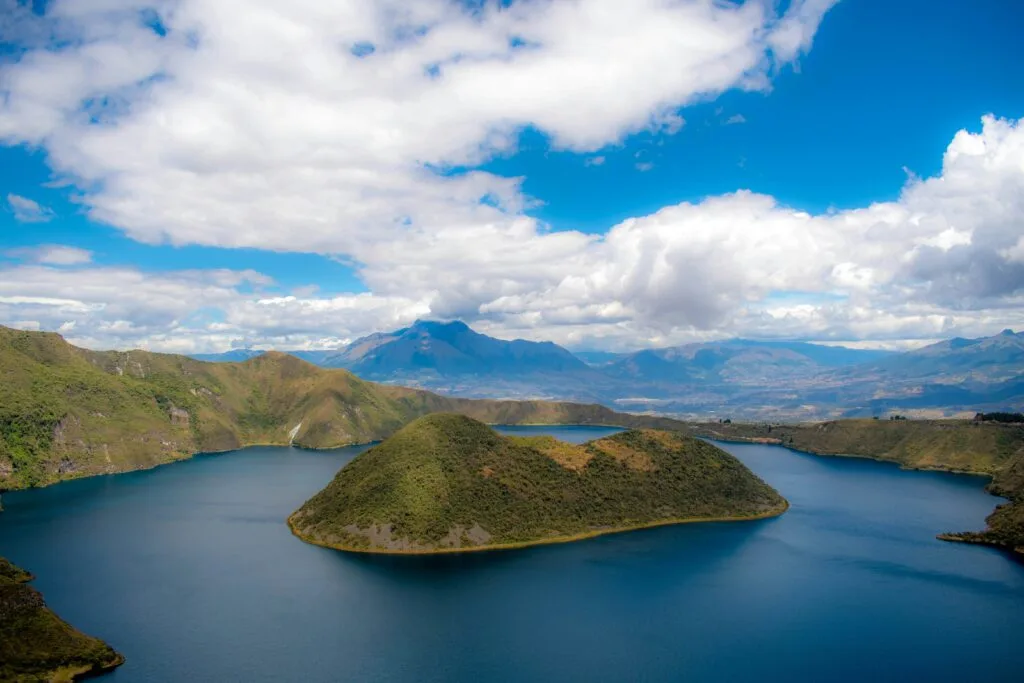
Riding through Ecuador’s northern highlands reveals a landscape shaped by volcanic force and rich indigenous heritage. Here are the core highlights and practical insights for exploring Otavalo on two wheels.
- Kichwa Cultural Heritage: Pedal through historic artisan hamlets such as Agato, Quinchuquí, and Ilumán to witness traditional backstrap weaving, hat-making, and botanical healing practices firsthand
- Volcanic Crater Lakes: Experience the dramatic geology of the Imbabura UNESCO Global Geopark, from the shimmering alkaline waters of Laguna de Cuicocha to the high alpine shores of Mojanda Lakes (Lagunas de Mojanda)
- Páramo Downhill Trails: Ascend into windswept Andean grasslands at 3,700 metres before tackling thrilling, gravity-assisted descents that drop over 1,000 vertical metres back into the valley
- Cobblestone Mastering: Prepare for traditional empedrado stone roads by riding with relaxed limbs, slightly lower tyre pressure (35–40 PSI), and padded bib shorts to absorb shock smoothly
- E-MTB Accessibility: Electric mountain bikes open up steep, high-altitude climbs to riders of all fitness levels, granting easy access to remote lookouts without exhaustion in thin mountain air
- Highland Weather Readiness: Pack versatile layers for equatorial mountain weather, where bright morning sunshine can swiftly give way to cool mountain breezes and sudden highland showers
Otavalo.
Home to Plaza de Ponchos
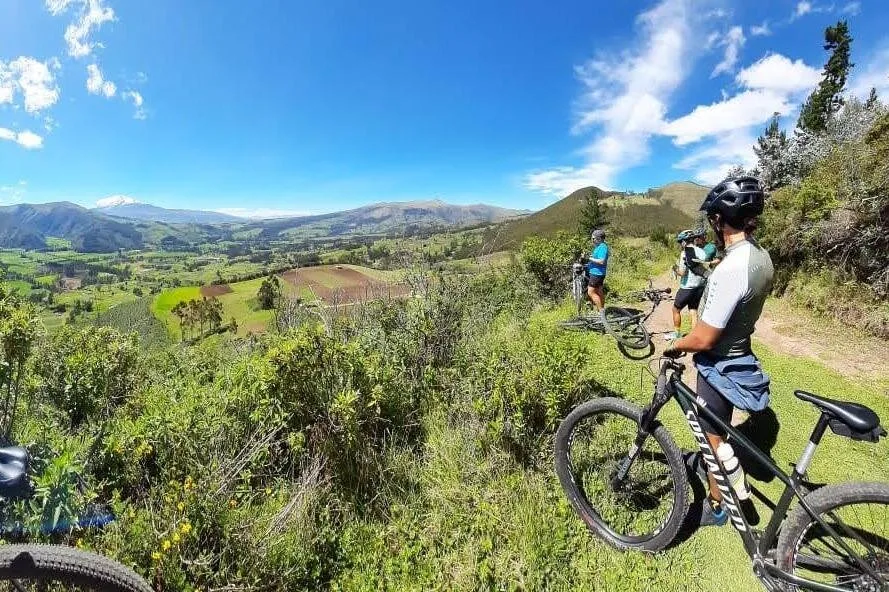
Explore high-altitude valleys and artisan villages
Rating & reviews
(8+ verified reviews on Viator)
Why this tour stands out
This signature ride provides the ultimate orientation to the Otavalo Valley, blending rewarding physical effort with deep cultural immersion.
Led by experienced local guides who know every inch of Imbabura’s backroads, the route uses front-suspension mountain bikes equipped with hydraulic disc brakes—essential for handling the shifting transitions between smooth asphalt, loose dirt, and ancient stone cobblestones.
The ride strikes a brilliant balance, bypassing major motorways in favour of quiet agricultural paths and historic village lanes where motor vehicles simply cannot fit.
Key highlights
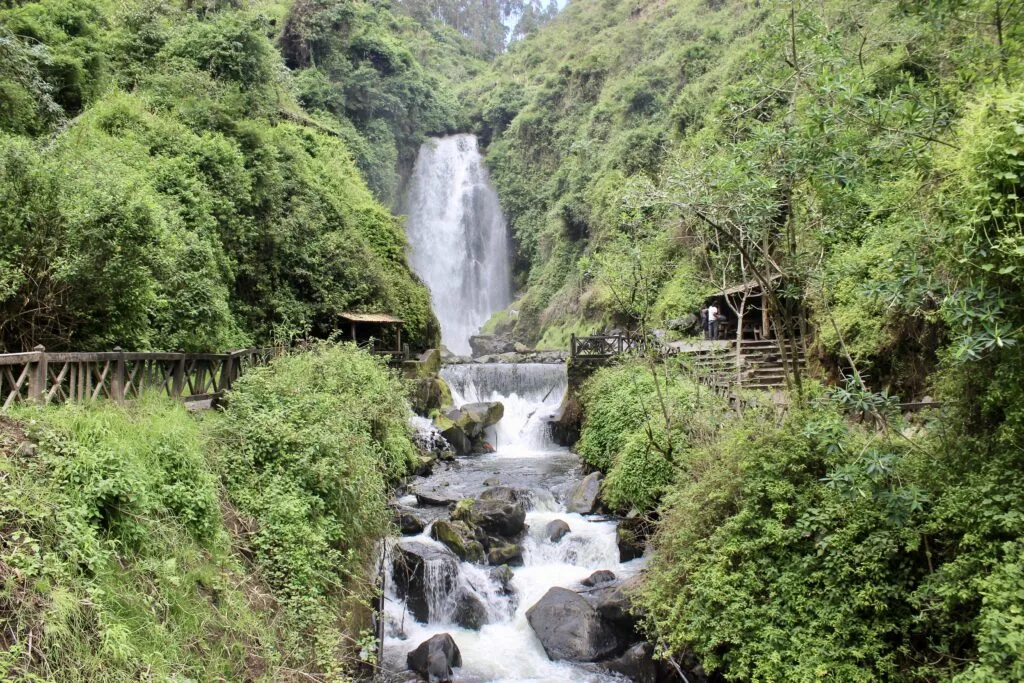
- Shaded rides through the sacred eucalyptus forest leading to the revered Peguche Waterfall (Peguche Pakcha)
- Visits to authentic weaver workshops in the Kichwa communities of Agato and Quinchuquí to see traditional backstrap looms in action
- Panoramic trail perspectives over Lake San Pablo (Imbakucha) framed by the looming silhouette of Mount Imbabura
- Refreshment stops at small, family-run fruit orchards and local artisan studios
Ideal for
Active travellers, independent culture seekers, and casual cyclists looking for a well-rounded introduction to highland scenery and Kichwa heritage without extreme technical mountain biking.
Local cycling insight
Andean cobblestones (empedrado) can feel rigid on standard tyres. Keep your tyre pressure around 35–40 PSI for this route; a slightly softer tyre absorbs vibration far better over the cobbles, giving you vastly superior grip and saving your wrists from fatigue.
The Ecuadorian Sierra.
Get lost in the hills
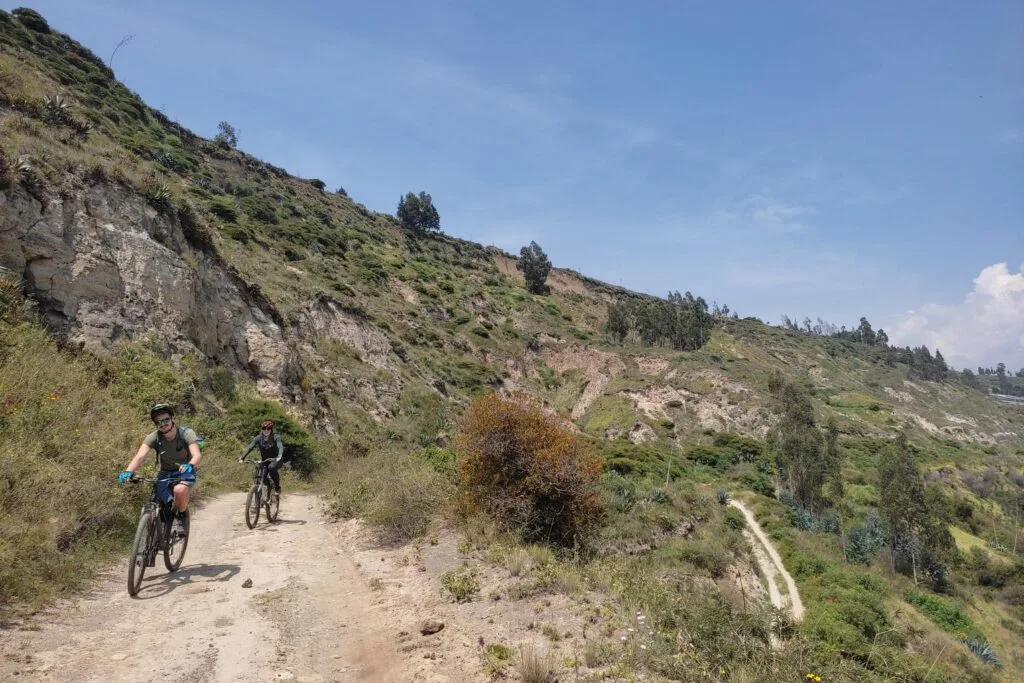
Descend equatorial volcanic ridge lines
Rating & reviews
(17+ verified reviews on Viator)
Why this tour stands out
Positioned along the high-altitude volcanic corridor connecting Northern Quito to the approaches of Otavalo, this ride offers a thrilling gravity-assisted descent along the rim of the Pululahua Geobotanical Reserve—one of only two inhabited volcanic craters in the world.
The tour operator provides high-spec hardtail or full-suspension mountain bikes, full safety gear, and a dedicated 4×4 support vehicle that follows the group, allowing riders to focus purely on enjoying the sweeping views and mountain air.
Key highlights
- Cycling across the Equatorial divide (La Mitad del Mundo) at high altitude
- Exhilarating downhill riding along pristine dirt tracks bordering cloud-forest ecosystems
- Unmatched views into the caldera of Pululahua, where agricultural plots cover the crater floor
- Full vehicle support throughout, making it easy to hop off if the altitude begins to push your limits
Ideal for
Intermediate cyclists and adventurous travel enthusiasts seeking high-altitude downhill excitement with full vehicle backing and professional safety oversight.
Local cycling insight
Descending from over 3,000 metres means rapid temperature shifts. Although you will work up a sweat on the upper trail, the wind chill on long downhills can drop your core temperature quickly. Pack a windproof, breathable outer shell and full-finger cycling gloves.
The Galápagos.
Ecuador’s Enchanted Isles
Our practical Otavalo cycling & ride planning guide
Riding in the Ecuadorian Andes is an extraordinary experience, but high altitude, dramatic topography, and equatorial weather require a bit of preparation. Here is our practical advice for planning a smooth, memorable ride in Otavalo:
1. Acclimatise first, ride second
Otavalo sits at approximately 2,550 metres above sea level, with surrounding bike routes climbing well past 3,500 metres. Give your body at least 24 to 48 hours to acclimatise in Quito or Otavalo before embarking on strenuous uphill cycling. Drink plenty of water and keep electrolyte tablets in your bidon—dry mountain air dehydrates you faster than you think.
2. Layer up for all four seasons
Andean mountain weather is notoriously changeable. A sunny equatorial morning can quickly turn into a brisk, cloudy afternoon with localised mountain showers. Follow the three-layer rule: a moisture-wicking base layer, an insulating mid-layer (such as a light fleece or merino top), and a packable, windproof, waterproof outer jacket.
3. Master the cobblestones (empedrado)
Many historic village trails in Imbabura are paved with hand-laid volcanic stone. When riding over cobbles, keep your body relaxed, bend your elbows and knees slightly to absorb shock, and sit slightly back in the saddle. Padded cycling shorts (bib shorts) are worth their weight in gold on these routes.
4. Mind the local etiquette & shared roads
You will share rural backroads with walking locals, freely grazing livestock, dogs, and local pickup trucks (camionetas). Always yield to livestock, slow down and ring your bell when passing pedestrians in rural Kichwa villages, and greet people with a friendly “Buenos días” or “Alli punchalla” (Good morning in Kichwa).
5. Choose the right rig for your goals
If you love physical exercise and technical trail feedback, standard front-suspension mountain bikes are ideal for Otavalo’s dirt paths. However, if your main focus is photography, culture, and stress-free sightseeing, do not hesitate to choose an e-bike—they completely eliminate altitude fatigue on steep climbs.
The Ecuadorian Amazon.
The most biodiverse place in the world
Altitude in Imbabura’s mountain heart
Read this far?
Otavalo is far more than a convenient day-trip destination for market shoppers. When you step away from the crowded stalls of Plaza de los Ponchos and mount a bicycle, the true rhythm of the Northern Ecuadorian Andes reveals itself. The hum of spinning wheels along quiet agricultural lanes replaces the noise of engine brakes, bringing you face-to-face with an ancient landscape where farming terraces cling to volcanic slopes, and traditional Kichwa culture remains vibrant and immediate.
Riding here has challenges and rewards in equal measure. Whether you are navigating the historic empedrado alleys between artisan workshops, banking through dusty doubletrack around crater lake rims, or taking advantage of e-bike pedal assistance to conquer high-altitude climbs, two wheels give you complete autonomy over your journey. You set the pace, stop where local life catches your eye, and experience the Imbabura UNESCO Global Geopark with an intimacy that motor transport can never replicate.
At Wheely Tyred, we champion this style of travel because it leaves a positive imprint on the communities you visit while delivering unmatched personal adventure. By choosing local guides and supporting rural artisan hamlets on pedal power, your journey directly sustains the heritage and livelihoods of the valley. Pack your windproof shell, give yourself time to acclimatise to the altitude, and prepare to discover one of South America’s most rewarding cycling frontiers.
Affiliate Disclaimer: Some of the links on Wheely Tyred are affiliate links. If you click through and make a booking or purchase, we may earn a small commission at no extra cost to you. We only recommend gear, tours, stays, and services we genuinely use, trust, and stand behind — our editorial independence always comes first. These commissions help keep our independent cycling guides and travel stories free to read. You can also buy me a coffee here — thanks for supporting the ride!
The Ecuadorian Coast.
Where you’ll find the very best food
Frequently asked questions about the best Otavalo bike tours
Otavalo sits at approximately 2,550 metres above sea level, with surrounding trails reaching past 3,700 metres in the high páramo. To prevent altitude sickness, spend at least 24 to 48 hours acclimatising in Quito or Otavalo before taking on strenuous climbs. Drink plenty of water infused with electrolytes, avoid alcohol before riding, and listen closely to your body. If steep ascents feel daunting, opting for an electric mountain bike (e-MTB) drastically reduces physical exertion in thin air.
The dry season runs from June to September, offering the clearest mountain views, driest trails, and most stable riding conditions. However, cycling is possible year-round in the Ecuadorian Andes. If you ride during the wet or shoulder seasons (October to May), expect clear, sunny mornings followed by afternoon rain showers. Starting your ride early in the morning allows you to complete most of your route before afternoon cloud cover rolls over the peaks.
It depends on your fitness level and travel objectives. Experienced cyclists who enjoy a physical workout will thrive on standard hardtail or full-suspension mountain bikes, particularly on technical descents from Mojanda Lakes or Cuicocha. However, if your primary goal is sightseeing, cultural interaction, or managing the high elevation without fatigue, an e-bike provides invaluable pedal-assist support, allowing mixed-fitness groups to stay together effortlessly.
Equatorial mountain weather can shift through four seasons in a single morning. We recommend a moisture-wicking base layer, a warm mid-layer (such as merino wool or lightweight fleece), and a packable, windproof and waterproof outer jacket. Full-finger gloves are essential for long downhill descents to keep your hands warm, while padded cycling shorts (bib shorts) make riding over ancient cobblestones significantly more comfortable. Don’t forget broad-spectrum SPF 50 sunscreen and UV-blocking sunglasses, as high-altitude sun is extremely intense.
Rural backroads around Otavalo generally feature low vehicle traffic, though you should always be mindful of local pickup trucks (camionetas), free-roaming livestock, and pedestrians. Traditional empedrado (cobblestone) roads require careful speed control, especially when damp. Joining a reputable guided tour ensures you have expert local navigation, proper mechanical backup, trail safety management, and an experienced guide who understands local Kichwa customs and road etiquette.
Always ride at a respectful speed when passing through rural villages like Agato, Quinchuquí, or Ilumán. Give livestock plenty of space, ring your bell gently to alert pedestrians, and offer a warm greeting (“Buenos días” or the Kichwa “Alli punchalla”). Always ask for permission before taking photographs of local artisans, elders, or children, and consider purchasing crafts or snacks directly from family-run workshops along your route.
Ecuador.
Pure wonder on the equator.