Santa Cruz, Galápagos, travel safety guide 2027 / Practical security and route advice for island exploration
Comprehensive 2027 Santa Cruz, Galápagos, safety guide covering crime rates, solo female security, cycling paths, and emergency protocols
Discover volcanic tracks, coastal ports, and pristine beaches with confidence
BEN FINCH
Travel advisories for South America frequently highlight safety concerns on the Ecuadorian mainland, where coastal urban areas have experienced elevated security measures. However, applying mainland safety statistics to Santa Cruz Island creates an inaccurate picture of island reality.
Located nearly 1,000 kilometres off the Pacific coast of Ecuador, the Galápagos archipelago maintains a distinct security environment governed by strict naval controls, environmental oversight, and small-town community vigilance.
As detailed in our earlier 2026 Santa Cruz Travel Safety Guide, the physical isolation of Santa Cruz remains its strongest protection against organised crime. In 2027, the island continues to rank among the safest destinations in Latin America.
While mainland transport hubs require heightened alertness, arriving at Baltra Airport brings an immediate transition to a peaceful, tightly monitored province. The main safety hazards on Santa Cruz stem from environmental conditions, sun exposure, and ocean currents rather than interpersonal crime.
Nonetheless, understanding local dynamics ensures your journey remains smooth and trouble-free.
Essential safety takeaways for Santa Cruz
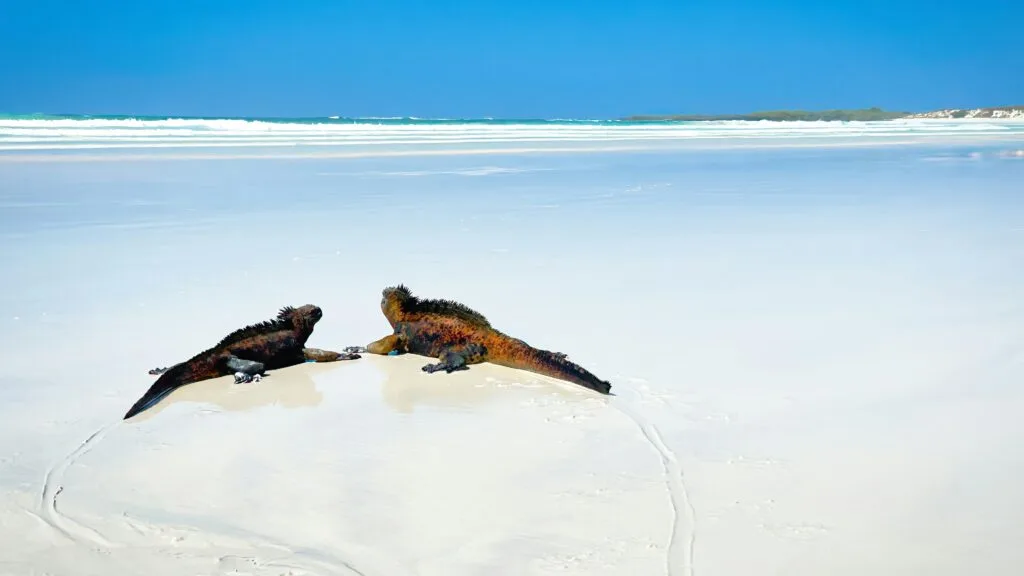
Planning an independent journey across the volcanic landscapes of Santa Cruz requires balancing local security awareness with environmental respect. Here is a quick reference guide to the core safety rules and route tips for 2027.
- Mainland versus island security: Physical isolation and naval oversight keep the Galápagos archipelago calm and protected from the security challenges affecting coastal mainland Ecuador
- Urban precautions in Puerto Ayora: Violent crime is non-existent for visitors, but keep daypacks zipped and never leave camera gear unattended along public beaches or harbour docks
- Cycling the cross-island path: A paved 45-kilometre route links Puerto Ayora to the Itabaca Channel, though damp highland curves require sharp brakes and alertness for crossing giant tortoises
- Coastal currents and ocean safety: Avoid swimming at wave-battered Playa Brava due to severe undertows, heading instead to the tranquil mangrove waters of Playa Mansa
- Essential entry cash: Electronic payment readers at Baltra Airport frequently drop connection, making crisp US cash essential for the $200 national park entry fee
- Wildlife space protocols: Always keep a minimum distance of two metres from sea lions, iguanas, and giant tortoises to ensure animal welfare and personal safety
- Emergency medical planning: Local clinics manage minor ailments, but mandatory travel insurance with air evacuation coverage is required for serious medical emergencies
Santa Cruz
Explore highlands full of giant tortoises
Crime rates and urban security in Puerto Ayora
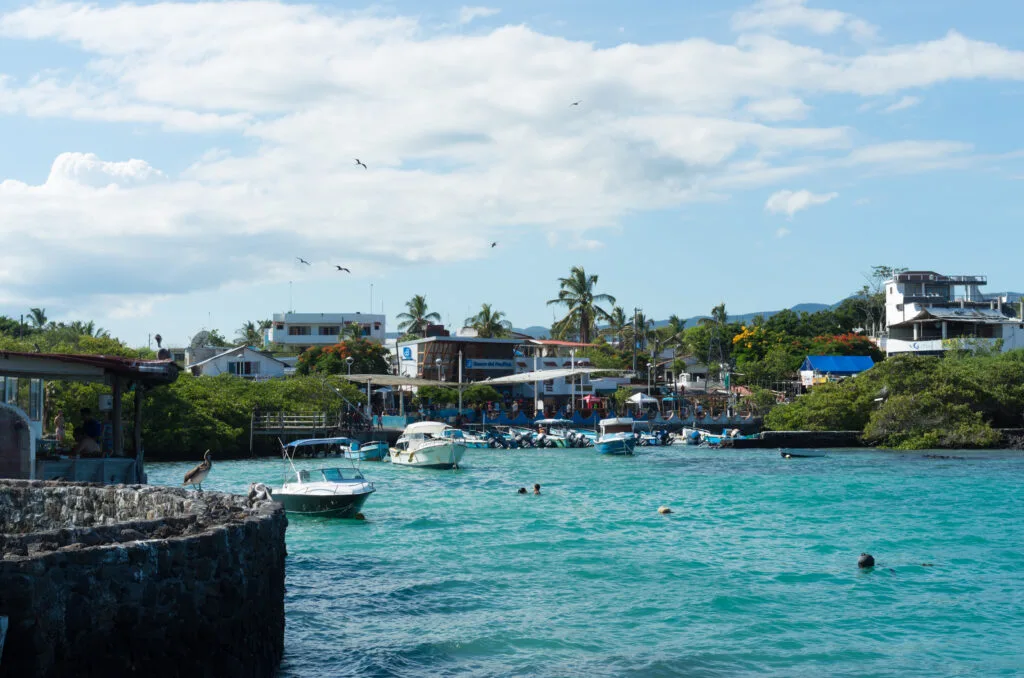
Puerto Ayora is the main town on Santa Cruz, housing approximately 12,000 residents along with a steady population of scientists, conservationists, and international travellers.
Violent crime against tourists is extraordinarily rare. The overall crime rate remains low, with local law enforcement and National Park rangers maintaining a visible presence throughout the urban harbour area.
Opportunistic petty theft represents the primary security risk for visitors. Incidents usually involve unattended items left on public beaches, such as Playa de los Alemanes, or bags left on benches along Avenida Charles Darwin.
To protect your belongings, observe basic security practices:
- Cash and ATM Safety: US dollars serve as the official currency in Ecuador. ATMs are located along the main strip in Puerto Ayora, but network outages occur occasionally. Withdraw cash during daytime hours at bank-adjacent ATMs. Keep small denominations ($1, $5, and $10 bills) on hand, as local vendors rarely have change for $50 or $100 notes
- Valuables and Electronics: Avoid leaving expensive camera gear or smartphones unattended while swimming or boarding water taxis. Store passports, backup credit cards, and flight confirmation details in your hotel safe
- Nighttime Walking: Walking through central Puerto Ayora late at night is generally safe. Streets connecting the main dock to local restaurants are well-lit and active. However, avoid unlit coastal paths or deserted beach stretches after dark
Cycling safety, trail conditions, and road infrastructure across Santa Cruz
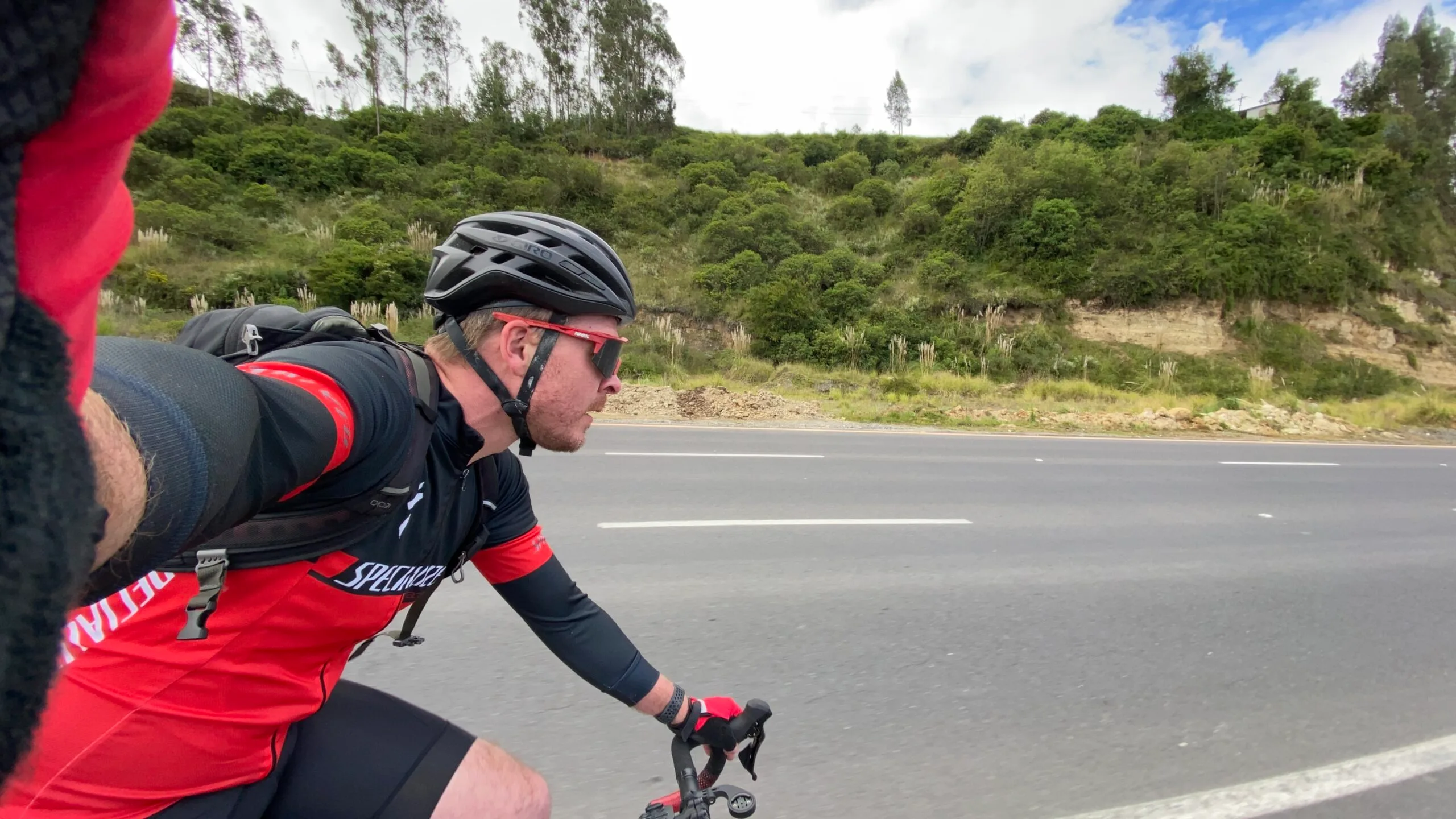
At Wheely Tyred, route planning and two-wheeled exploration are central to our work. Santa Cruz offers some of the finest cycling terrain in the Galápagos, featuring a paved cycle path that spans the island from the southern port of Puerto Ayora up into the lush highlands and across to the Itabaca Channel.
Navigating these routes safely in 2027 requires awareness of local road sharing and terrain shifts:
The highway and dedicated cycle lane
The main highway running north to south covers roughly 45 kilometres. A dedicated, multi-use asphalt path runs parallel to significant portions of this road. While the path protects cyclists from heavy vehicular traffic, it is shared with pedestrians, local farmers, and occasionally stray livestock. Maintain moderate speeds, particularly on sweeping downhill turns approaching Bellavista.
Highland microclimates and road conditions
As you climb from the arid coastal zone at sea level into the highland mist zone around Bellavista and Santa Rosa, weather conditions change rapidly. Damp asphalt, loose volcanic gravel, and lingering drizzle reduce tyre traction. Ensure your bicycle brakes are fully adjusted before tackling highland descents, and carry a compact, high-visibility rain jacket.
Wildlife hazards on routes
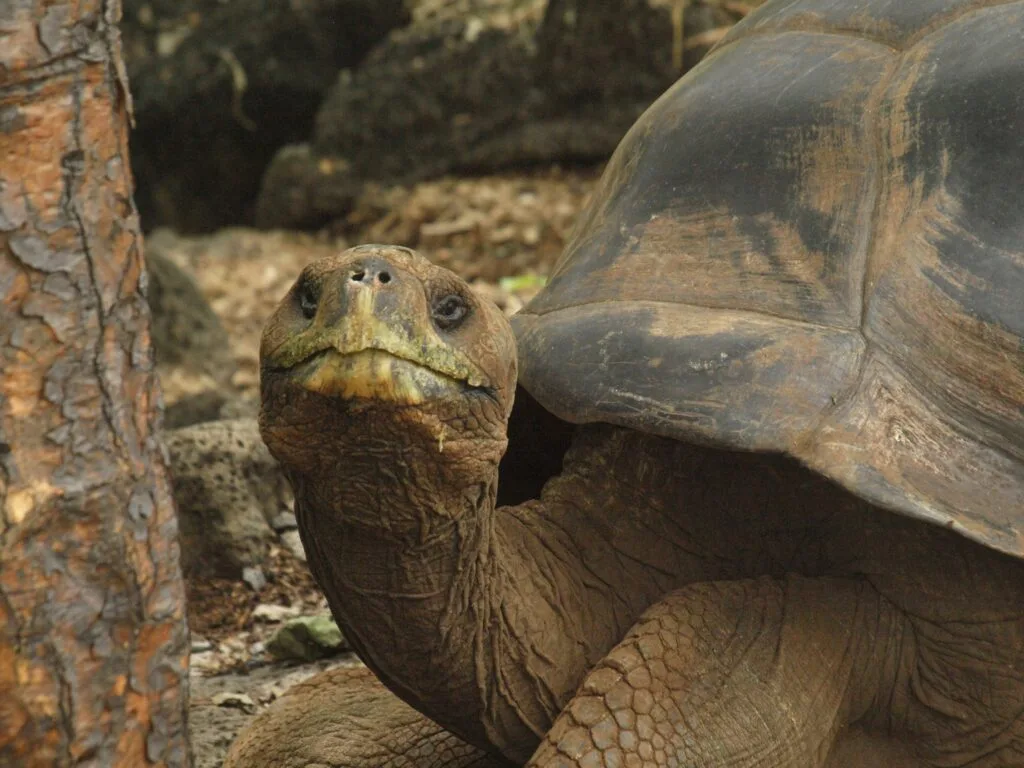
Giant tortoises frequently wander across rural roads and unpaved farm tracks in the highlands, particularly near private reserves such as El Chato and Primicias. Hitting a tortoise or swerving suddenly to avoid one poses a severe danger to both rider and animal. Keep your eyes on the road ahead, control your speed around blind corners, and give tortoises at least two metres of clearance at all times.
Bicycle rental quality control
Rental shops in Puerto Ayora supply mountain bikes and electric bicycles of varying quality. Before setting off on an island crossing, inspect tyre tread, test front and rear brakes, check chain lubrication, and confirm that a functional helmet, frame pump, and spare inner tube are included. Puncture assistance in remote highland sectors is unavailable.
The Galápagos.
Ecuador’s Enchanted Isles
Coastal hazards, ocean currents, and wildlife protocols
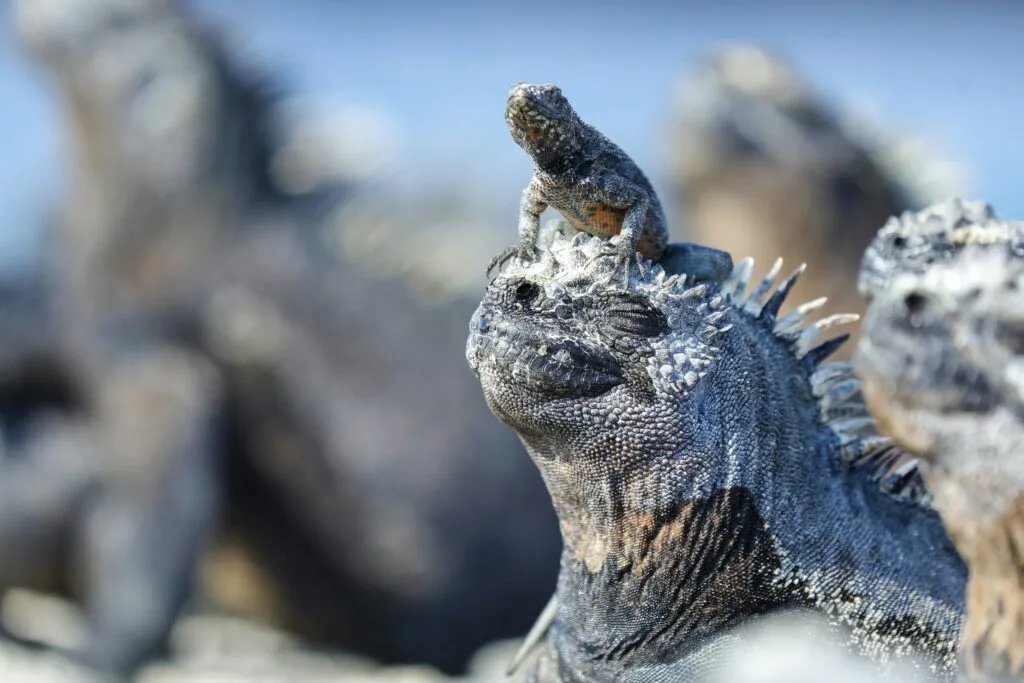
The natural environment on Santa Cruz demands respect. Most medical incidents reported by travellers involve marine activities, thermal exhaustion, or failure to follow national park regulations.
Beach safety and dangerous rip currents
Tortuga Bay is one of the most stunning coastlines in South America, reached via a 2.5-kilometre stone pedestrian trail from Puerto Ayora. The expanse of white sand is divided into two areas:
- Playa Brava: Facing the open ocean, this beach features powerful breaking waves, severe undertows, and dangerous rip currents. Swimming is strictly prohibited on Playa Brava due to the high risk of drowning
- Playa Mansa: Located at the end of Playa Brava, this sheltered mangrove lagoon offers calm, shallow waters ideal for swimming, snorkelling, and kayaking. Always use Playa Mansa for water activities
When snorkelling at other sites around Santa Cruz, such as Las Grietas or Punta Estrada, pay attention to local tide schedules and marine safety Briefings. Wear a bright rash guard or flotation vest if you are not a strong swimmer.
Wildlife distance regulations
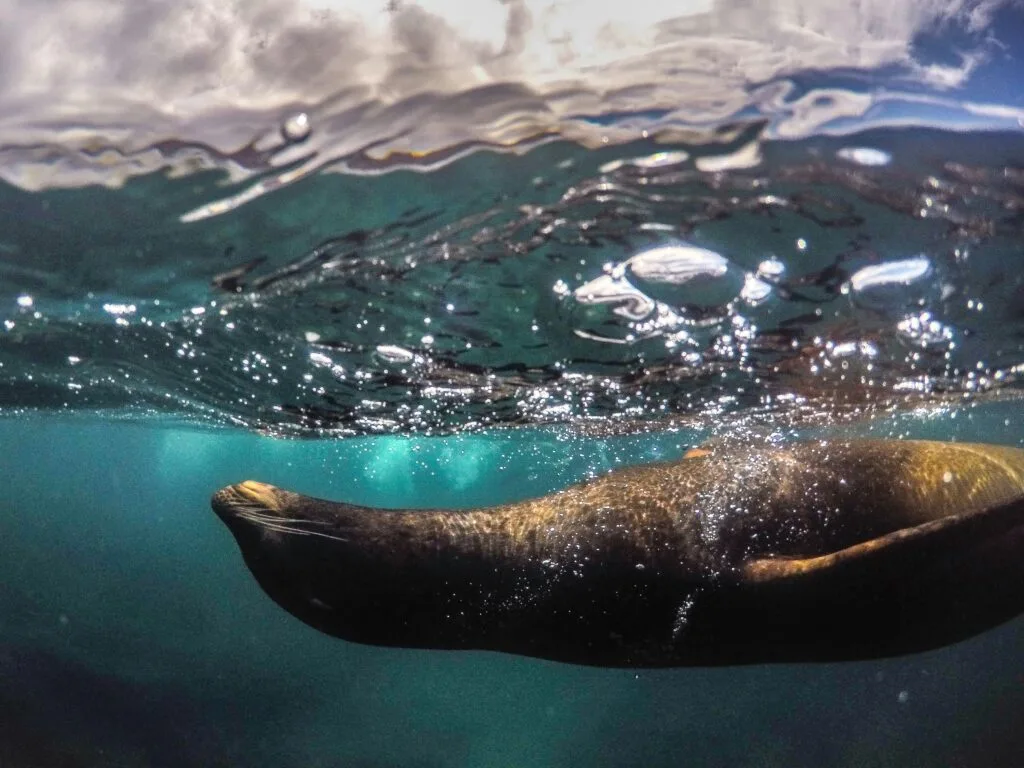
Galápagos National Park rules require all visitors to maintain a minimum distance of two metres (six feet) from all wild animals. Sea lions on the Puerto Ayora passenger dock may appear habituated to humans, but territorial males and mothers with pups can react aggressively if crowded. Never touch, feed, or corner any marine or terrestrial wildlife.
Inter-island boat transfers
Ferries operating between Santa Cruz, San Cristóbal, and Isabela consist of small, open-water speedboats carrying 20 to 30 passengers. The two-hour crossings cross open ocean swells that can be rough, particularly between July and November.
Take preventative motion sickness medication 30 minutes before boarding. Wear your life jacket throughout the journey, keep personal electronics sealed in dry bags, and choose seats toward the stern of the boat to reduce the impact of heavy swells.
Guidance for solo travellers, female visitors, and diversity
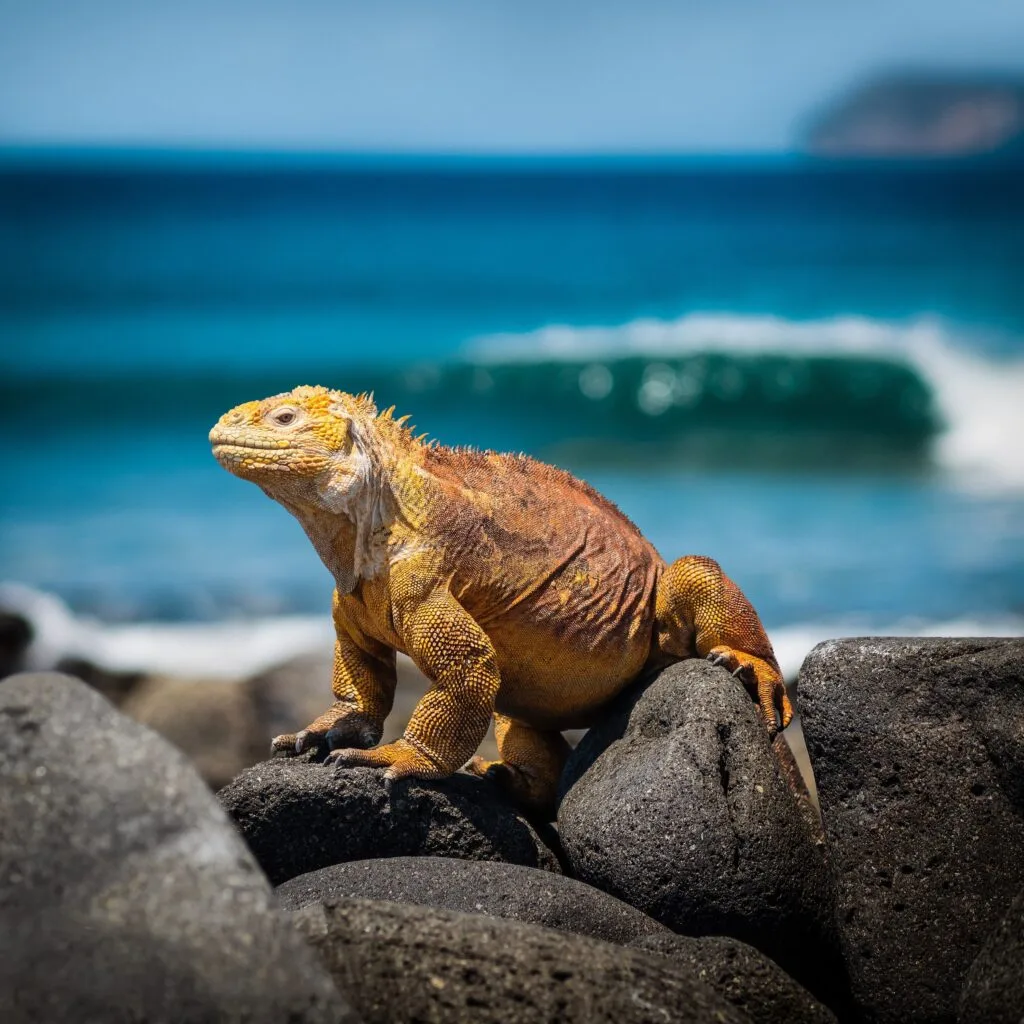
Santa Cruz is an exceptionally welcoming destination for solo travellers, female adventurers, and diverse visitors. The compact scale of Puerto Ayora creates a friendly environment where connecting with other travellers and locals is easy.
Solo female travellers
Solo female travellers report high levels of comfort on Santa Cruz compared to many continental destinations. Street harassment and catcalling are minimal in Puerto Ayora. Recommended safety habits include:
- Night Transport: Use licensed white pickup truck taxis when returning to accommodation outside the town centre late at night
- Excursion Grouping: Join licensed group tours or hire accredited Galápagos National Park guides when exploring isolated highland trails or remote coastal bays
- Communication: Share your daily itinerary with your guesthouse staff or family back home before heading out on long bike rides or hikes into the island interior
LGBTQ+ travellers
Ecuador’s constitution protects against discrimination based on sexual orientation. Puerto Ayora is open, cosmopolitan, and accustomed to global tourism. Same-sex couples will find hotels, restaurants, and tour operators polite and professional.
Discretion is respected in small, traditional highland communities, though open hostility is extremely rare.
Minority travellers
International scientists, volunteers, and eco-tourists from around the world visit Santa Cruz year-round. Visitors of all racial and ethnic backgrounds will find an inclusive, tourism-focused community.
The Ecuadorian Sierra.
Get lost in the hills
Biosecurity rules, park fees, and entry logistics
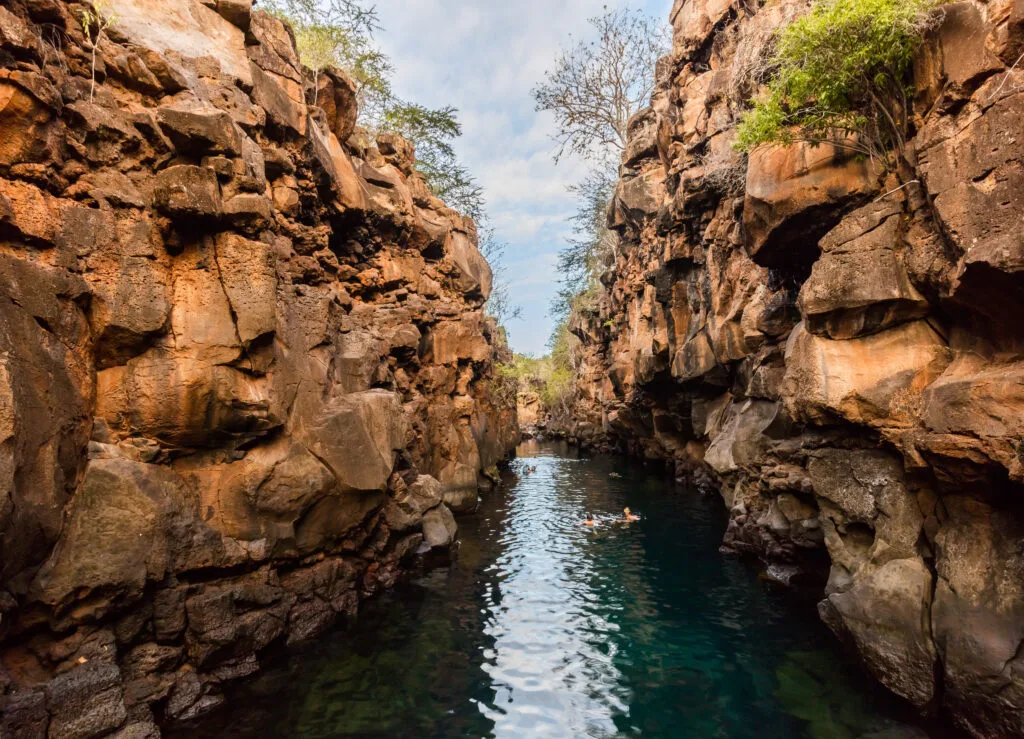
Security in the Galápagos extends directly to preserving its delicate ecological balance. Violating environmental protocols carries significant penalties.
- Transit Control Card (TCT): All non-resident travellers must purchase a TCT card ($20 US dollars) at Quito or Guayaquil airport, for which you can register online, prior to flying to Baltra
- National Park Entry Fee: Foreign adult visitors must pay the national park entrance fee upon arrival at Baltra Airport. Ensure you carry $200 US dollars per adult in crisp cash bills, as electronic payment terminals at the airport entry gates are unreliable
- Biosecurity Inspection: Luggage is thoroughly scanned at both origin airports and upon arrival in the islands. Bringing fresh fruits, vegetables, seeds, unpasteurised dairy, or organic soil into Santa Cruz is strictly prohibited to prevent invasive species from entering the ecosystem
Health precautions, water safety, and medical evacuation realities
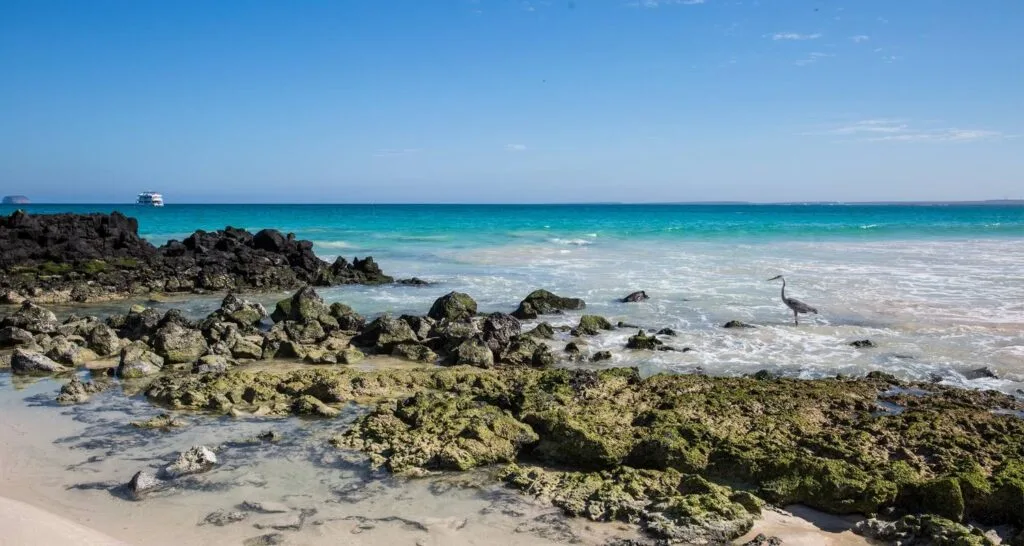
Health management is a key aspect of travel security on Santa Cruz. Being far from continental infrastructure means self-care and preparation are vital.
Water and food hygiene
Tap water on Santa Cruz is non-potable and unfit for direct drinking. Use purified, boiled, or filtered water for drinking and brushing teeth. Most hotels and restaurants provide filtered water refilling stations. Cooked seafood and meals served in established Puerto Ayora restaurants follow reliable hygiene standards.
Sun exposure and equatorial heat
Located directly on the equator, Santa Cruz receives intense solar radiation even on overcast days. Heat exhaustion and severe sunburn are common risks for active cyclists and hikers. Apply broad-spectrum, reef-safe sunscreen (SPF 50+) regularly, wear a wide-brimmed hat, use UV-blocking sunglasses, and drink at least two to three litres of water daily while active.
Medical facilities and insurance
Puerto Ayora has basic medical clinics and a small provincial hospital capable of handling routine ailments, minor trauma, and prescription needs. However, severe medical emergencies, complex surgeries, or specialised trauma treatment require emergency air evacuation to mainland hospitals in Guayaquil or Quito.
Travel insurance with explicit emergency medical evacuation coverage is mandatory for all visitors to the Galápagos Islands. Ensure your policy explicitly includes coverage for adventure activities, cycling, and offshore water sports.
The Ecuadorian Amazon.
The most biodiverse place in the world
Final checklist for a safe adventure on Santa Cruz
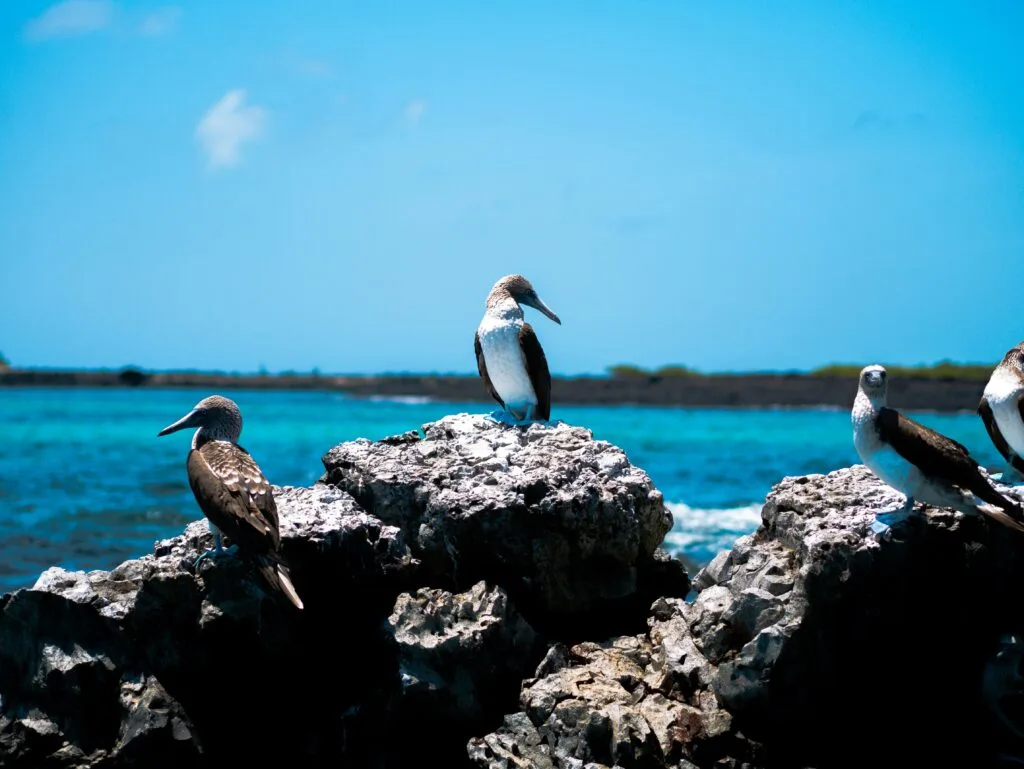
Before embarking on your 2027 trip to Santa Cruz, review this quick security preparation checklist:
- Cash Preparation: Bring sufficient cash in clean $10 and $20 bills to cover your national park entrance fee ($200) and daily spending, as local card readers can experience connectivity issues
- Biosecurity Compliance: Double-check your daypacks and luggage to ensure no restricted plant matter, seeds, or fresh produce are packed
- Hydration and Sun Protection: Pack a durable, reusable water bottle, UV-protective long-sleeve riding shirts, and reef-safe sunscreen
- Route Verification: Review trail conditions and weather forecasts in Puerto Ayora before cycling into the highlands or walking to Tortuga Bay
- Emergency Contacts: Save local emergency numbers (911 operates in Ecuador) and store digital copies of your passport and insurance policies in cloud storage accessible offline
Explore the heart of Santa Cruz
Read this far?
Exploring Santa Cruz by bicycle or on foot reveals an island of extraordinary contrast. From the salty harbourfront of Puerto Ayora to the cool, mist-shrouded Scalesia forests of the highlands, the island rewards travellers who choose to move at a deliberate, observant pace.
By keeping safety fundamentals in mind—respecting ocean currents, monitoring bike mechanics on steep descents, and securing personal gear—you clear the way for an unhurried, immersive experience.
The true charm of the Galápagos lies in its wild, unscripted moments. Whether you are coasting down a paved mountain track through coffee plantations or watching lava lizards scamper across sun-warmed basalt rocks, safety precautions quickly become second nature. They form the quiet background structure that allows you to focus fully on the surrounding ecosystem.
As you prepare your itinerary, remember that independent travel in this archipelago relies on foresight and adaptability. Check bike components thoroughly, carry clean cash for park fees, and remain mindful of the fragile environments you pass through. With these preparations complete, Santa Cruz stands open as one of the most remarkable and secure island destinations in the world.
Affiliate Disclaimer: Some of the links on Wheely Tyred are affiliate links. If you click through and make a booking or purchase, we may earn a small commission at no extra cost to you. We only recommend gear, tours, stays, and services we genuinely use, trust, and stand behind — our editorial independence always comes first. These commissions help keep our independent cycling guides and travel stories free to read. You can also buy me a coffee here — thanks for supporting the ride!
The Ecuadorian Coast.
Where you’ll find the very best food
Frequently asked questions about Santa Cruz travel safety
Tap water throughout Santa Cruz is non-potable and unsafe for direct consumption. Always drink filtered, purified, or boiled water. Most local accommodations, cafés, and guesthouses provide free purified water refilling stations for reusable bottles.
You can cycle independently along the paved main highway and dedicated bike path between Puerto Ayora, Bellavista, and the Itabaca Channel without a guide. However, visiting specific protected zones, national park reserves, or restricted coastal tracks requires an accredited Galápagos National Park guide.
The $200 national park entry fee for foreign adult visitors must be paid in cash upon landing at Baltra Airport. Credit card terminals at the airport checkpoint are unreliable due to intermittent satellite connection, so carry crisp, undamaged US dollar bills.
Giant tortoises frequently cross rural roads and unpaved farm tracks in the highlands near Bellavista and Santa Rosa. Always reduce your speed on descents, maintain a distance of at least two metres, and wait patiently for the animal to move clear of the path. Never attempt to touch or herd a tortoise.
Public speedboats running between Santa Cruz, San Cristóbal, and Isabela travel across open ocean waters where swells can be significant, especially from July to November. To ensure a comfortable ride, take motion sickness medication 30 minutes before departure, choose a seat near the stern where movement is minimised, and keep all valuables in waterproof dry bags.
Puerto Ayora is remarkably secure at night, with active, well-lit streets connecting the harbour to local eateries along Avenida Charles Darwin. Basic urban common sense applies: stick to lit thoroughfares, avoid unlit beach paths after dark, and take a licensed white pickup truck taxi if returning late to lodging on the town outskirts.
Ecuador.
Pure wonder on the equator.