
Isla Isabela travel safety guide 2027 / How to explore the Galápagos safely
Comprehensive 2027 Isla Isabela safety guide covering local crime rates, ferry transit rules, solo female travel, and medical preparedness in the Galápagos
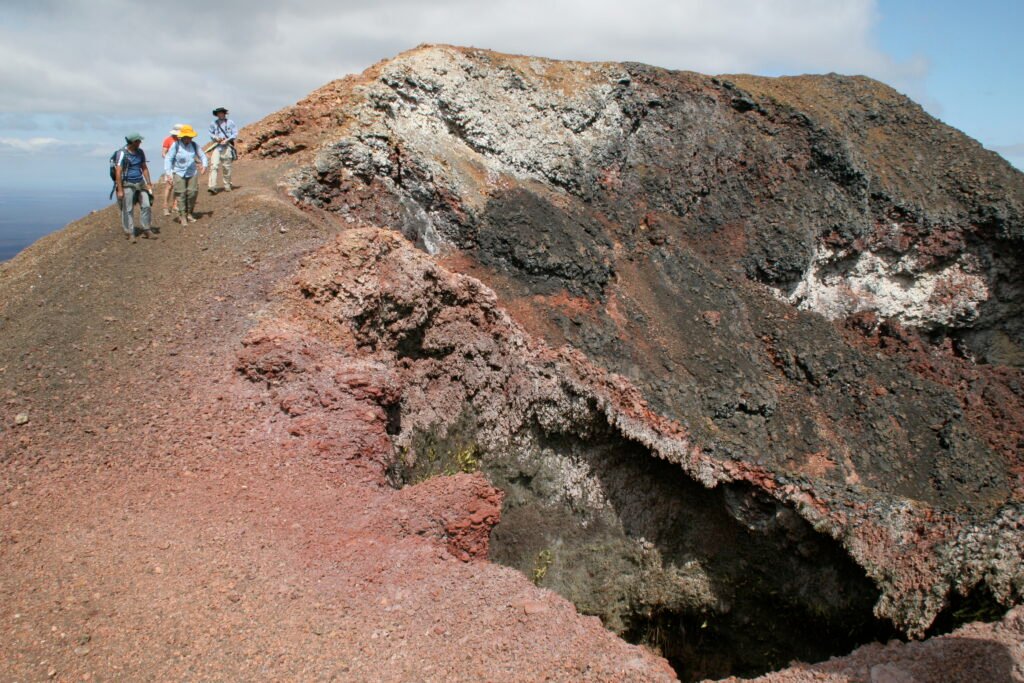
Unpaved sand streets, volcanic horizons, and total peace of mind in the archipelago

BEN FINCH
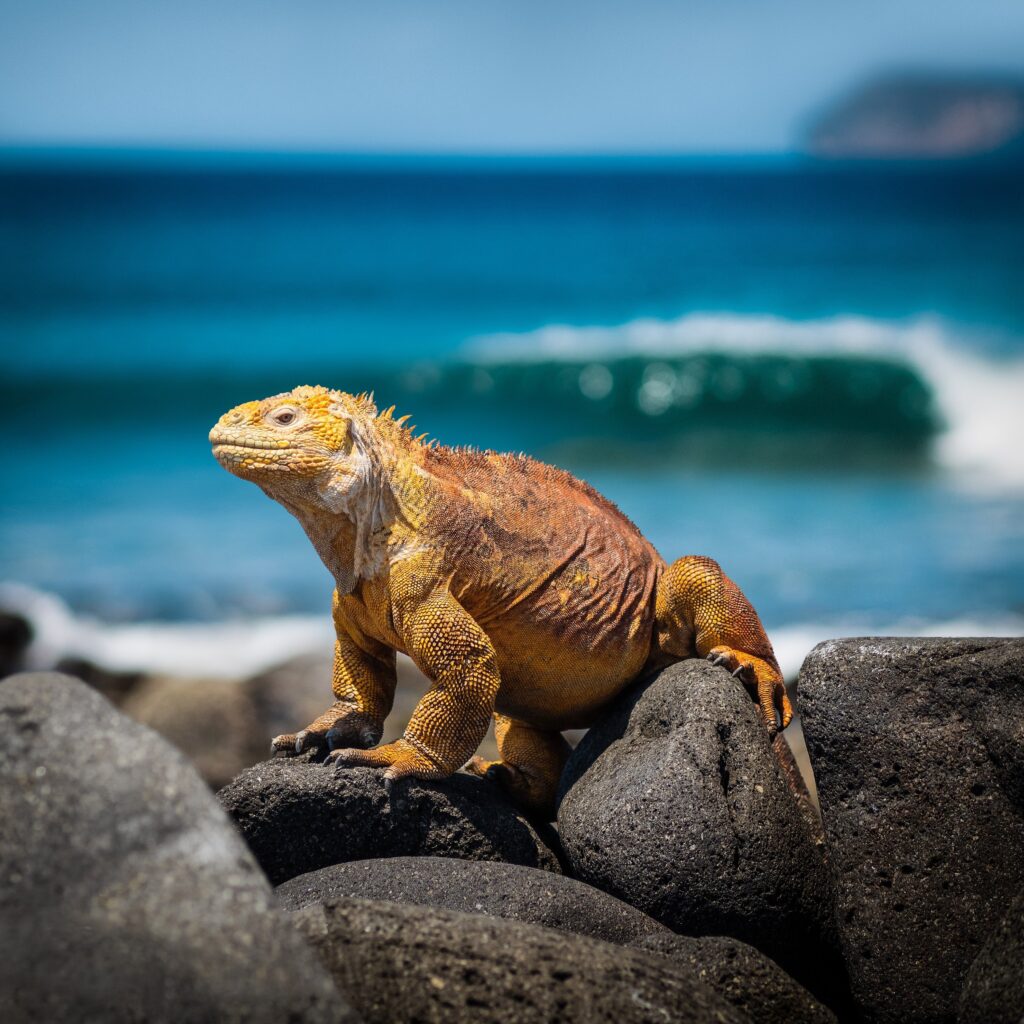
Isla Isabela remains the wild heart of the Galápagos archipelago. As the largest island in the chain, it presents a stark contrast to the busier tourist hubs of Santa Cruz and San Cristóbal. With its quiet, sandy streets in Puerto Villamil, towering volcanic craters, and marine iguanas sharing the footpaths, Isabela delivers an unhurried pace that appeals to independent adventurers, cyclists, and eco-tourists alike.
Building upon our popular 2026 guide, this updated 2027 edition reflects the latest administrative regulations, entry tariffs, and maritime safety updates. While mainland Ecuador has experienced fluctuating security advisories in recent years, the Galápagos archipelago continues to maintain an isolated, highly regulated environment where violent crime is virtually non-existent.
However, the remote geography of Isabela introduces distinct logistical, environmental, and medical considerations that every visitor must prepare for before stepping off the boat.
Essential takeaways for the Galápagos frontier
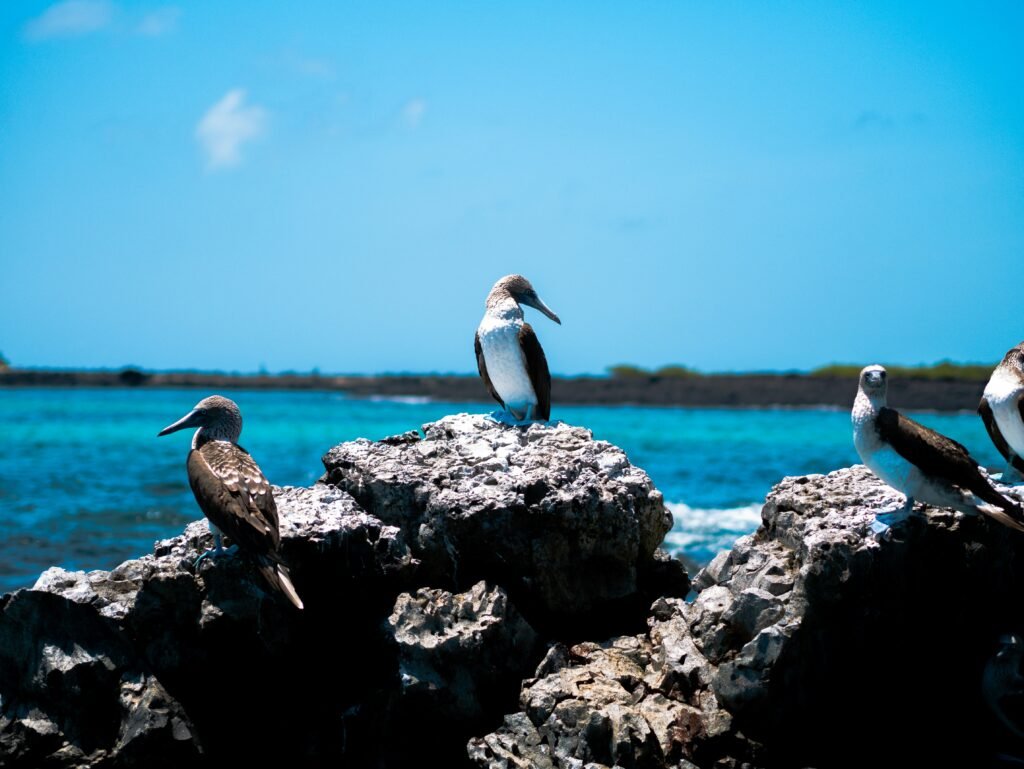
A quick-reference field briefing designed for independent travellers charting their own course across Isabela’s volcanic terrain.
- Ultra-Low Crime Reality: Violent crime is virtually non-existent on Isla Isabela, though standard travellers’ common sense remains vital against opportunistic petty theft on sandy streets
- The Solo Traveller’s Haven: Compact geography, respectful local culture, and well-lit village paths make Puerto Villamil exceptionally secure for solo and independent visitors
- Open-Ocean Ferry Realities: The high-speed transit from Santa Cruz involves heavy Pacific swells; motion sickness prevention and licensed panga transfers are non-negotiable
- Two-Metre Wildlife Boundary: National park regulations demand strict physical separation from nesting marine iguanas, sunbathing sea lions, and grazing giant tortoises
- Equatorial UV Intensity: Direct overhead exposure demands continuous hydration, broad-spectrum UV shielding, and protective layers to combat intense heat on open trails
- Mandatory Highland Guides: Trekking the active rim of Volcán Sierra Negra requires an official Galápagos National Park naturalist guide and sturdy, high-grip footwear
- Remote Medical Limitations: Puerto Villamil hosts only a basic community clinic; robust travel insurance covering emergency maritime and air medical evacuation is compulsory
Isla Isabela.
Escape the tourist traps and explore
The general safety landscape on Isla Isabela
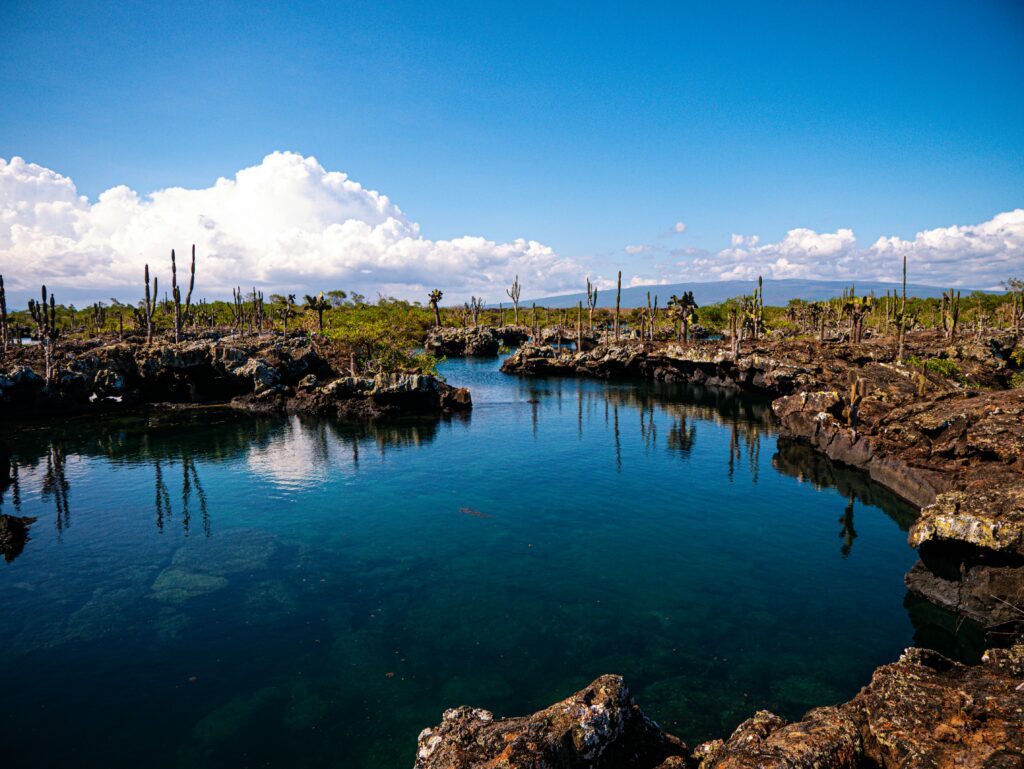
Safety in the Galápagos Islands operates under an entirely different paradigm than mainland Ecuador. Located more than 1,000 kilometres off the South American coast, the archipelago is governed as a strictly monitored national park and province. Entrance controls at both mainland departure airports and island arrival points serve as an effective buffer, keeping serious criminal activity away from the islands.
On Isla Isabela, crime rates remain among the lowest in Latin America. Petty theft, such as opportunistic snatching of unguarded bags on the beach or stolen bicycles left unlocked outside restaurants, accounts for the majority of reported incidents. Violent crime against tourists is extraordinarily rare.
Residents in Puerto Villamil often leave doors unlocked and bicycles propped casually against palm trees. Despite this relaxed atmosphere, standard travel precautions should still be observed. Keep high-value electronics out of plain sight when unmonitored, lock your hotel room when heading out for evening meals, and use your accommodation safe for original passports, cash, and credit cards.
Safety for solo travellers, women, and minorities
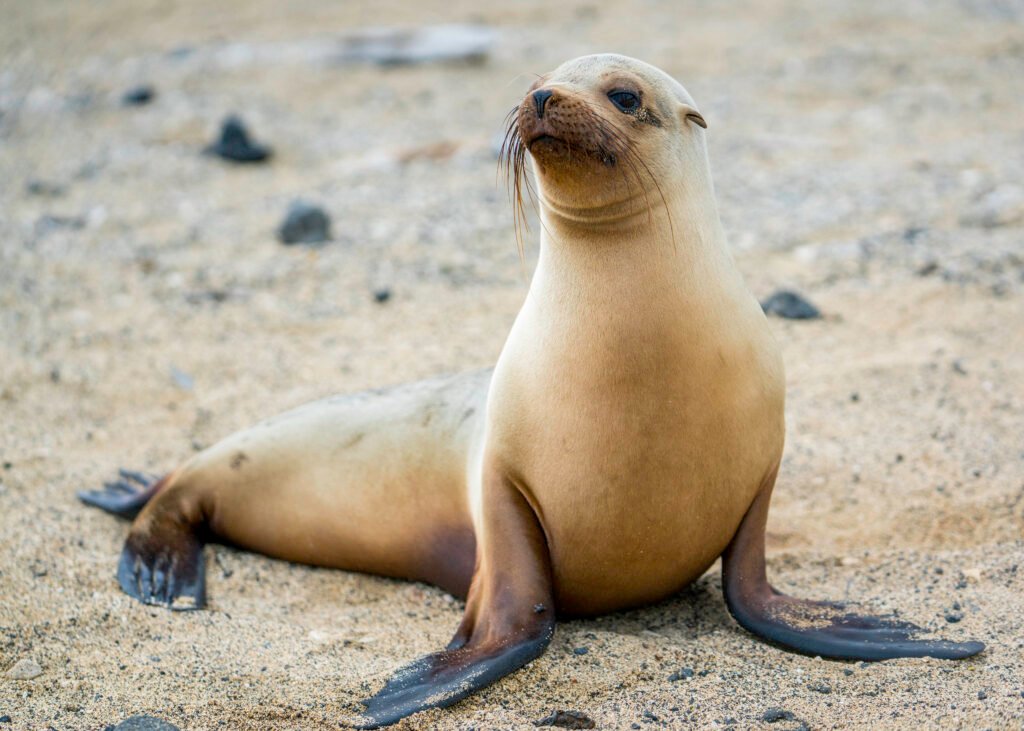
Isla Isabela is exceptionally welcoming to solo travellers. The compact layout of Puerto Villamil makes navigation straightforward, and the tight-knit local community creates an atmosphere where help is always nearby.
Solo female travellers
Solo female travellers will find Isla Isabela to be one of the most secure destinations in South America. Street harassment and catcalling are minimal compared to major mainland metropolitan areas.
Walking alone through Puerto Villamil after dark—even along dimly lit sand tracks back to edge-of-town guesthouses—is widely considered safe. Basic precautions remain wise: carry a small torch or headlamp, as street lighting is sparse, and avoid drinking alcohol to excess in isolated beach spots late at night.
LGBTQ+ and minority travellers
Ecuadorian law protects against discrimination based on sexual orientation and gender identity, though local social attitudes in smaller island communities tend toward conservative family values.
LGBTQ+ travellers rarely face overt hostility on Isabela. Public displays of affection are generally discreet among locals and visitors alike, and violent bias-motivated incidents are virtually unheard of in the islands.
Minorities and travellers of colour can expect a polite, respectful reception centred entirely around tourism hospitality.
The Galápagos.
Ecuador’s Enchanted Isles
Inter-island ferry safety and maritime logistics
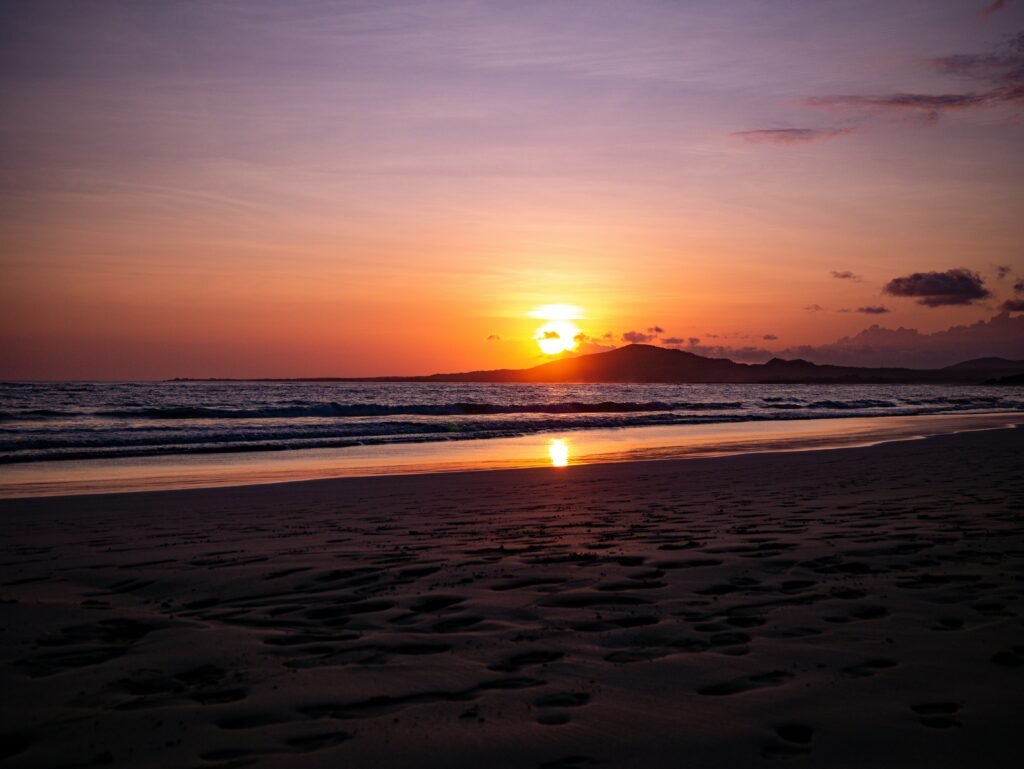
Reaching Isla Isabela requires either a small inter-island flight or a two-hour open-ocean transit aboard a public speed ferry (panga) from Santa Cruz. Maritime logistics represent one of the primary physical safety factors for visitors.
Open-ocean ferry conditions
The passage across the Canal de Isabela can be notoriously rough, particularly during the garúa dry season from June through November when ocean swells increase.
- Vessel Standards: Always book travel through licensed, established operators. Avoid unlicensed water taxis or private boat owners offering unofficial transfers
- Boarding and Transfers: At both Puerto Ayora and Puerto Villamil, larger ferries cannot dock directly at the pier due to shallow water. Passengers must board a small water taxi (panga) to reach the main vessel. Step carefully during these transfers, keep both hands free by wearing a backpack, and accept the physical assistance offered by crew members
- Life Jackets: Ensure life jackets are readily available on your vessel. Reputable operators mandate their use during panga transfers and open-water navigation
- Seasickness Prevention: Swells can cause severe motion sickness. Take medication at least one hour before boarding if you are susceptible to nausea
Wildlife interaction, sun exposure, and ocean hazards
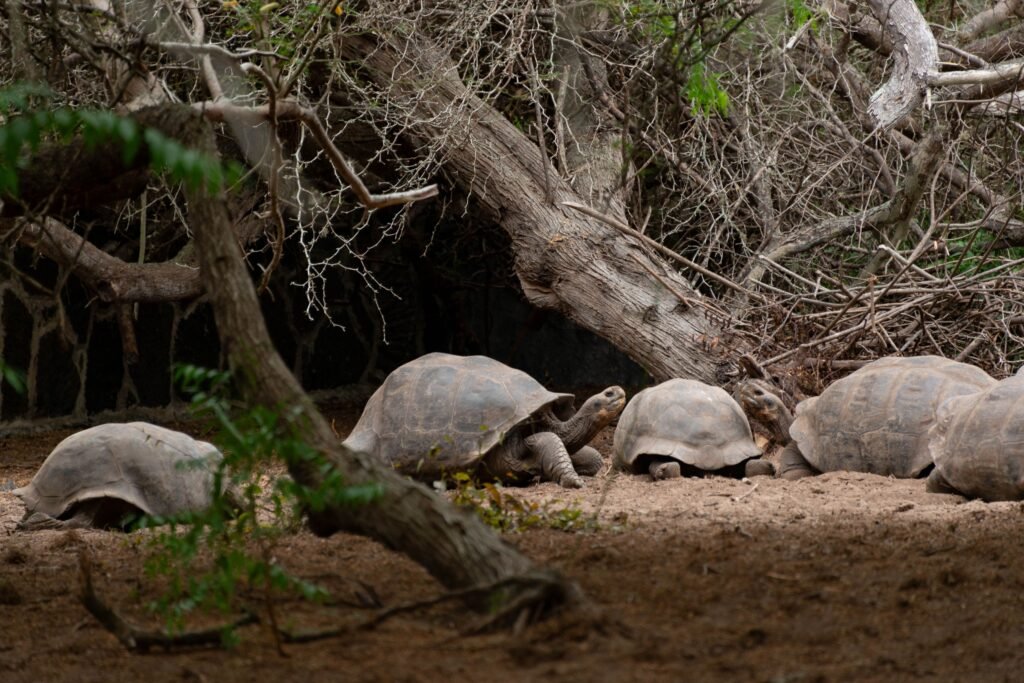
The wildlife on Isla Isabela exhibits a famous lack of fear toward humans, but this natural tameness requires responsible behaviour to protect both visitors and animals.
National park wildlife rules
Galápagos National Park regulations mandate maintaining a minimum distance of two metres from all wildlife at all times. Do not touch or feed animals under any circumstances. Sea lions can be surprisingly fast on land and may deliver a defensive bite if cornered or if a bull sea lion is guarding a harem. Marine iguanas and giant tortoises are peaceful but must never be disturbed or blocked on trails.
Water safety and snorkelling
Snorkelling spots such as Concha de Perla offer calm, protected waters, but open-water excursions to sites such as Los Túneles involve tides and surges.
- Currents: Always snorkel with a buddy and pay attention to brief orientation sessions from certified naturalists. Strong tidal currents exist near lava rock channels
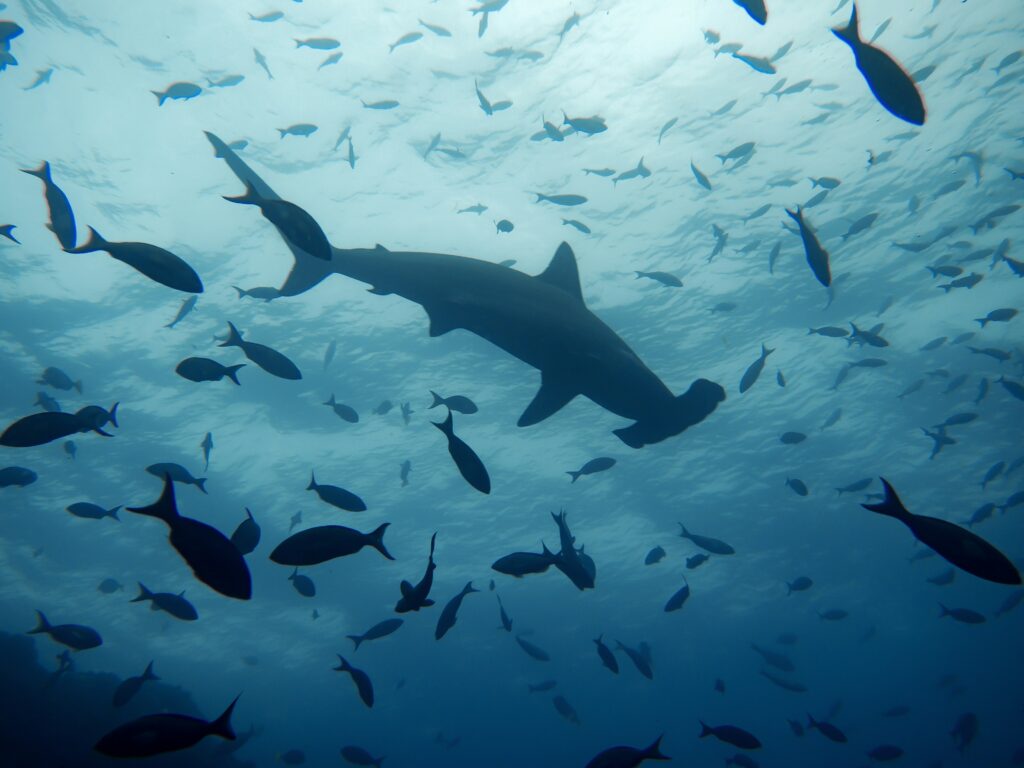
- Marine Life: Reef sharks, rays, and sea lions share these waters. They pose minimal threat to humans when given adequate space, but cornering marine life in narrow crevices can trigger defensive behaviour
Sun protection and hydration
Due to Isabela’s position directly on the equator, UV radiation levels are extreme. Severe sunburn and heat exhaustion can occur in less than an hour without proper cover. Wear broad-spectrum sunscreen, UV-blocking swim shirts, and a broad-brimmed hat. Drink purified or bottled water continuously throughout the day; tap water on Isabela is untreated and unsafe for direct consumption.
The Ecuadorian Sierra.
Get lost in the hills
Volcanic hiking and outdoor activity safety
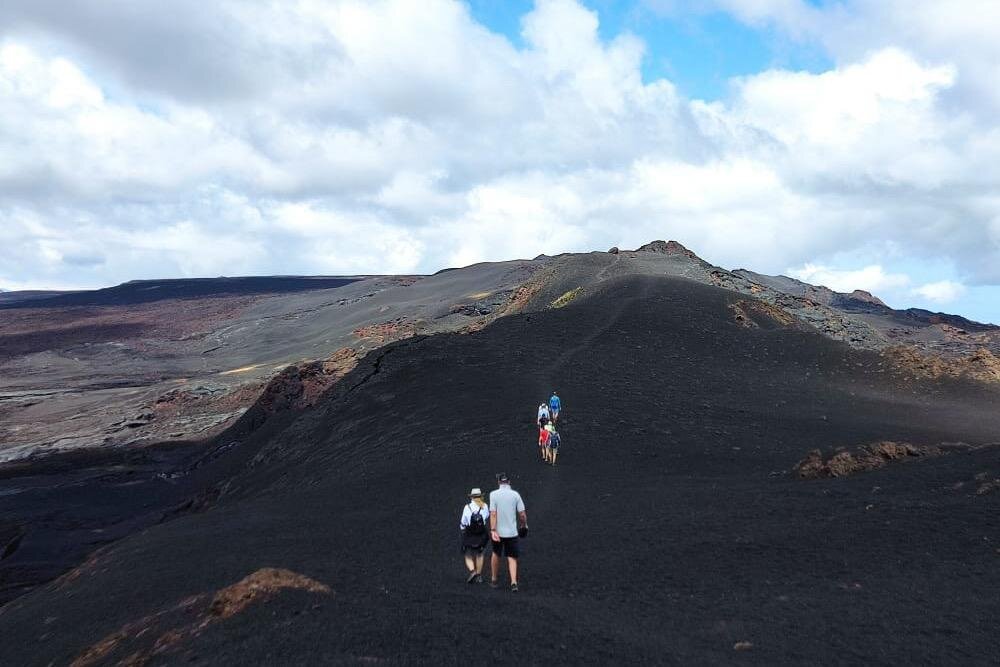
Isla Isabela is formed by six shield volcanoes, with Volcán Sierra Negra being one of the most active in the archipelago. Exploring these volcanic landscapes requires specific safety considerations.
Trekking Volcán Sierra Negra and Volcán Chico
Hiking to the rim of Sierra Negra involves a 16-kilometre round trip across exposed lava fields with zero shade cover.
- Mandatory Guides: All hikes into the national park highlands must be accompanied by an official Galápagos National Park naturalist guide. Never stray from marked trails
- Heat and Hydration: Temperatures on the dark lava rock rise rapidly by mid-morning. Carry at least two litres of water per person, along with electrolyte packets and high-energy snacks
- Footwear: Wear sturdy, closed-toe hiking shoes or boots with thick soles. Sharp volcanic basalt can easily tear lightweight running shoes or sandals
- Eruption Monitoring: Local authorities strictly monitor seismic and volcanic activity. If volcanic gas emissions or tremor levels rise, access to the caldera is immediately restricted. Always follow official notices from the Parque Nacional Galápagos
Medical infrastructure, health, and emergency evacuation
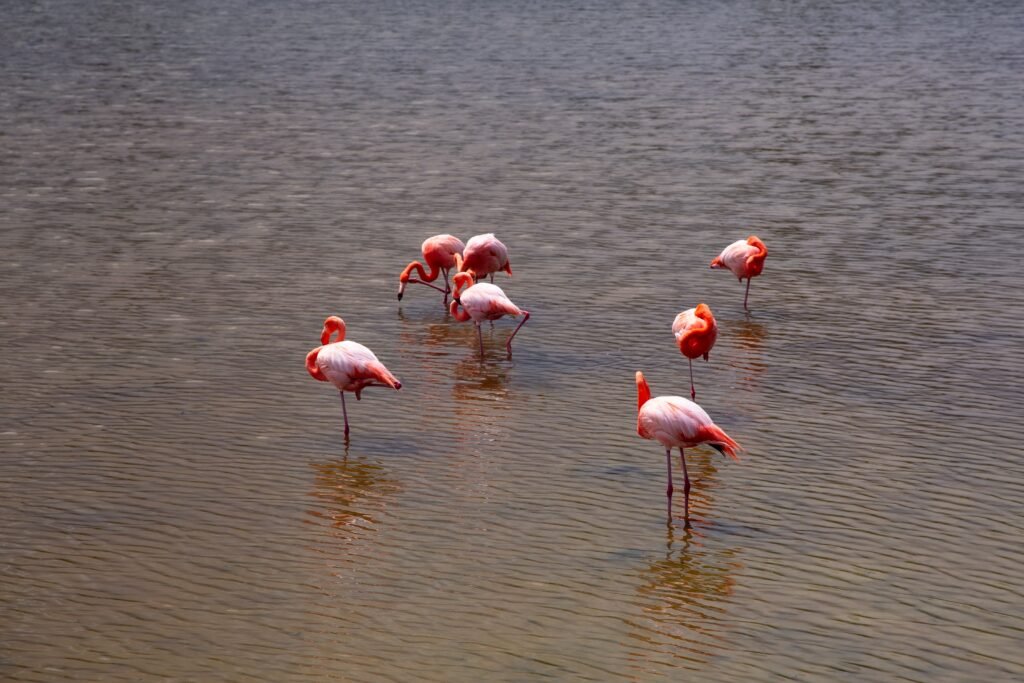
Medical resources on Isla Isabela are extremely basic. Puerto Villamil has a small community health clinic capable of handling minor injuries, heat stroke, basic prescriptions, and initial stabilisation.
Emergency medical evacuation
There is no major hospital on Isabela. Serious medical emergencies, complex trauma, or sudden surgical needs require emergency transport by speedboat or light aircraft to Santa Cruz or San Cristóbal, or air evacuation directly to mainland hospitals in Quito or Guayaquil.
Compulsory travel insurance that covers emergency medical evacuation is vital for anyone visiting the Galápagos Islands. Verify that your policy covers maritime medical rescue and high-altitude and remote island transport before departure.
The Ecuadorian Amazon.
The most biodiverse place in the world
Galápagos entry requirements and local regulations for 2027
Visiting Isabela involves navigating specific entry protocols designed to preserve the island’s delicate ecosystem and support local municipal infrastructure.
- Transit Control Card (TCT): Purchased at the departure airport in Quito or Guayaquil for $20 USD per person, with some online registration possible. Retain this physical paper card for inspection upon leaving the islands
- National Park Entry Fee: Updated to $200 USD for adult international visitors (and $100 USD for children under 12). This fee must be paid in cash USD upon arrival at the island airport or ferry terminal
- Biosecurity Inspections: ABG (Agencia de Regulación y Control de la Bioseguridad y Cuarentena para Galápagos) inspectors strictly inspect all luggage. Bringing fresh produce, seeds, unsealed organic food, or soil onto the islands is illegal to prevent invasive species introduction
- Isabela Municipal Fee: Arriving at the dock in Puerto Villamil requires a small local entry fee ($10 USD for international visitors), payable in cash
The Ecuadorian Coast.
Where you’ll find the very best food
The wild edge of the archipelago
Read this far?
Isla Isabela rewards those who look past the polished cruise itineraries and choose to navigate by bicycle, foot, and public panga. It is a landscape where time slows down to the rhythmic pace of marine iguanas shifting across cooling basalt, yet it demands a quiet respect from those who walk its unpaved paths.
Safety here is less about locked doors and urban vigilance and more about respecting the raw forces of the equator, the unpredictability of open-ocean swells, and the fragile ecosystem that protects these volcanic shores.
By treating the island’s isolation not as an inconvenience but as an invitation to self-reliance, independent travellers unlock an experience that mass tourism simply cannot touch. You learn to read the changing swells of the canal, to hydrate before the midday heat claws at the caldera, and to step lightly among creatures that have never learned to fear human presence.
The true beauty of Isabela lies in this delicate balance between wild freedom and strict conservation. When you pack the right insurance policy, respect the local park regulations, and embrace the unhurried rhythm of village life, the island transforms from a remote logistical challenge into one of the most rewarding sanctuaries on the planet. Tread carefully, stay curious, and let the wild heart of the Galápagos set the pace for your journey.
Affiliate Disclaimer: Some of the links on Wheely Tyred are affiliate links. If you click through and make a booking or purchase, we may earn a small commission at no extra cost to you. We only recommend gear, tours, stays, and services we genuinely use, trust, and stand behind — our editorial independence always comes first. These commissions help keep our independent cycling guides and travel stories free to read. You can also buy me a coffee here — thanks for supporting the ride!
Frequently asked questions about Isla Isabela travel safety
Puerto Villamil is exceptionally safe at night, thanks to its tight-knit community and low crime rate. While the sandy streets are dimly lit, violent crime is virtually unheard of. Standard precautions apply: carry a small flashlight or headlamp to navigate unpaved tracks, and avoid drinking to excess on isolated stretches of beach late in the evening.
Yes. Galápagos National Park regulations strictly mandate that all visitors exploring the highlands and volcanic calderas must be accompanied by a certified naturalist guide. Attempting to hike Sierra Negra or Volcán Chico independently is illegal, subject to heavy fines, and hazardous due to shifting weather, volcanic vents, and disorienting terrain.
No. Tap water on the island is untreated, sourced from local desalination or well systems, and unsafe for direct drinking. Always use purified, boiled, or bottled water for drinking and brushing your teeth, and carry electrolyte tablets to combat dehydration during long hikes or bike rides.
The open-ocean transit across the Canal de Isabela between Santa Cruz and Isabela is notoriously choppy, particularly during the dry season from June through November. The primary physical risks involve rough swells causing severe seasickness and the physical transfer from the main ferry to smaller water taxis (pangas) in open water. Always take motion sickness medication in advance and hold on securely during panga boarding.
Galápagos regulations require maintaining a minimum distance of two metres from all animals at all times. If a sea lion or marine iguana is resting across a footpath in Puerto Villamil, do not attempt to touch, push, or step over it. Give the animal a wide berth and wait or walk around it, as cornering wildlife can trigger defensive biting.
Medical resources on Isla Isabela are severely limited to a small local clinic capable of handling minor injuries, basic first aid, and stabilisation. There are no surgical hospitals on the island. Any serious medical emergency, deep trauma, or acute illness requires emergency evacuation by speedboat or light aircraft back to Santa Cruz or the Ecuadorian mainland, making comprehensive travel insurance with evacuation coverage essential.
Ecuador.
Pure wonder on the equator.


