Navigating Ecuador’s waters / The ultimate guide to boat tours & river cruises
Best boat tours in Ecuador / Top-rated marine & river excursions
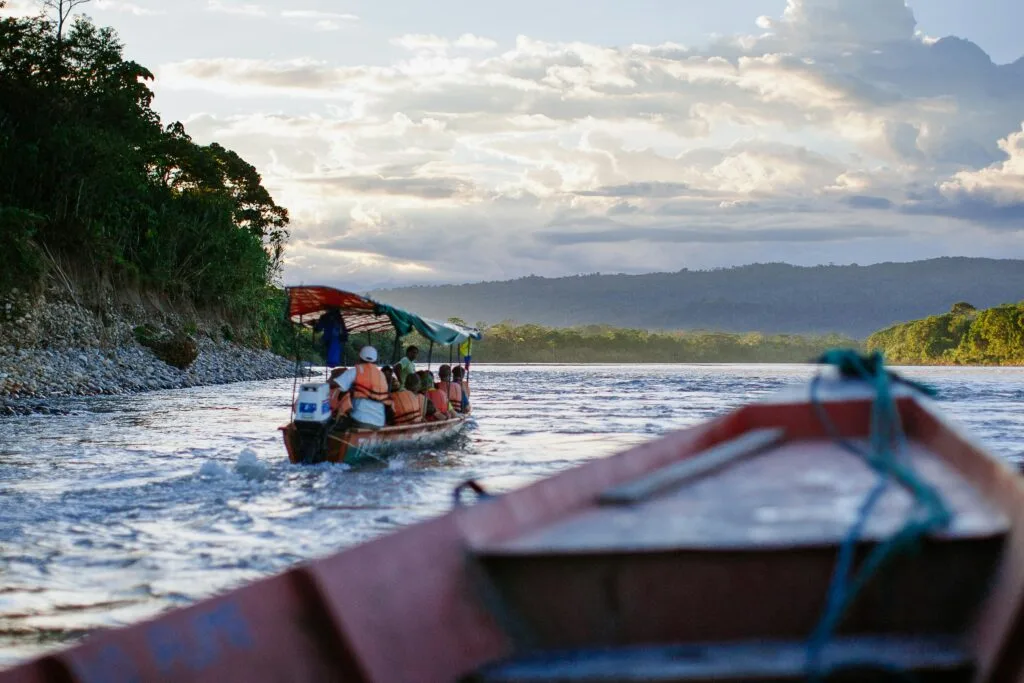
Discover Ecuador’s untamed coastlines, volcanic islets, and Amazon waterways
BEN FINCH
At Wheely Tyred, we have long advocated for the art of slow travel—the deliberate choice to slow down, step off the beaten track, and experience a landscape through its natural geography. While mainland Ecuador’s winding Andean highways attract plenty of overland drivers and cyclists, some of the country’s most breathtaking, untouched environments remain utterly inaccessible by land.
From the sheer, surge-battered volcanic monoliths of the Galápagos Archipelago to the mangrove estuaries of the Pacific Coast and the blackwater tributaries of the Upper Amazon, water is the true lifeblood of Ecuador’s incredible biodiversity. Exploring these ecosystems aboard small-group motor vessels, wooden dugout canoes, or ocean-going catamarans provides an intimate vantage point that commercial land tours simply cannot match.
Steering well clear of cattle-class tourist ferries and noisy party boats, we have curated six exceptional, highly rated boat tours across Ecuador. Whether you are seeking face-to-face encounters with pelagic marine life or quiet early-morning navigations beneath a rainforest canopy, these water-based adventures reveal the raw, aquatic heart of Ecuador.
Wake and wilderness / Standout navigations of Ecuador’s coastlines and rivers
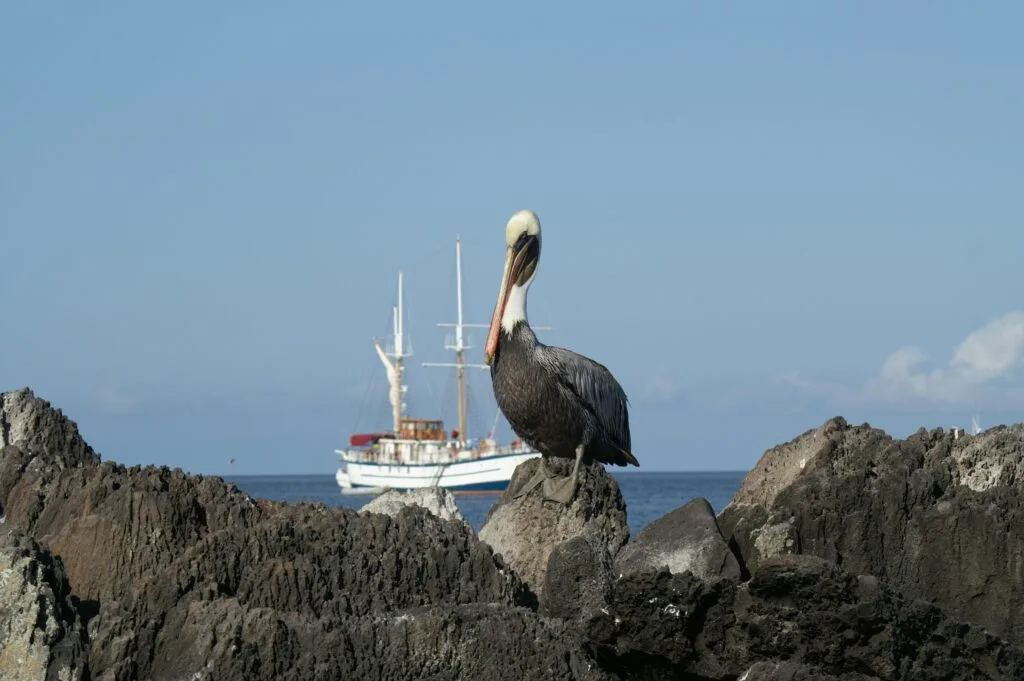
From the surging sea stacks of the Galápagos Archipelago to the quiet, mirror-like blackwater tributaries of the Upper Amazon, exploring Ecuador from the water offers an intimate perspective on some of the planet’s most biodiverse habitats.
Here are the key takeaways and standout navigations from our comprehensive guide:
- León Dormido (Kicker Rock): A dramatic volcanic island, offering world-class deep-water snorkelling alongside Galápagos sharks, spotted eagle rays, and sea turtles in San Cristóbal
- Isla de la Plata: Known as the mainland’s Mini Galápagos, this island off the coast of Puerto López boasts nesting colonies of blue-footed boobies and seasonal humpback whale encounters
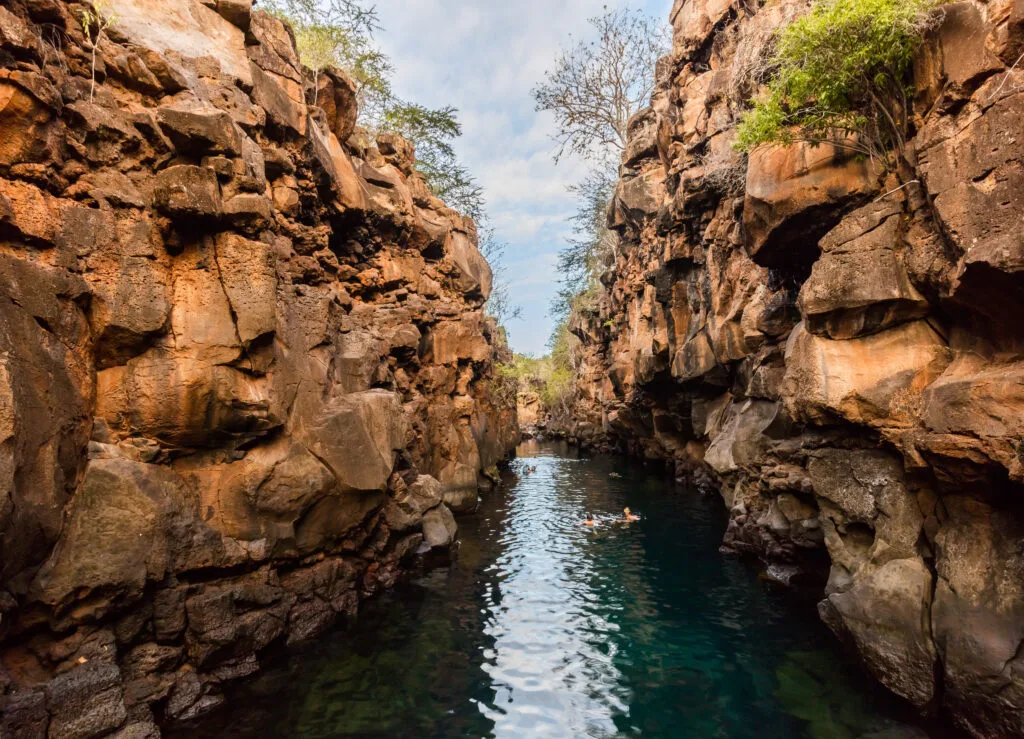
- Santa Cruz Coastal Inlets: A versatile half-day navigation around Academy Bay that combines basalt fissures, marine iguana sanctuaries, and pristine brackish swimming holes at Las Grietas
- Cuyabeno River Navigation: An immersive Amazonian canoe journey down blackwater rivers to observe pink river dolphins, hoatzins, and caimans deep within a flooded rainforest reserve
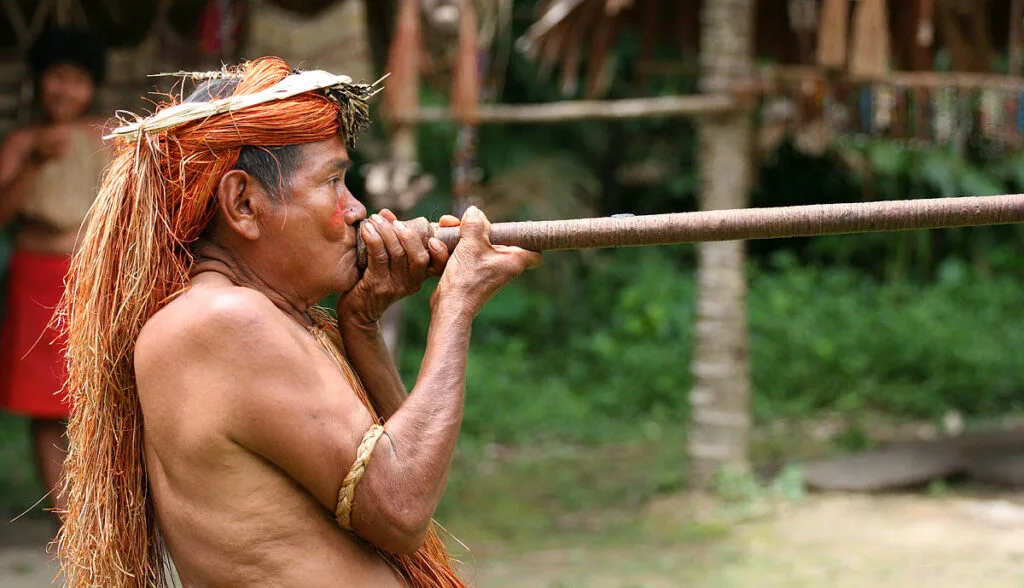
- Pastaza River & Baños: A cultural and scenic river voyage in traditional hand-carved wooden canoes, providing direct insight into indigenous Quechua watercraft traditions
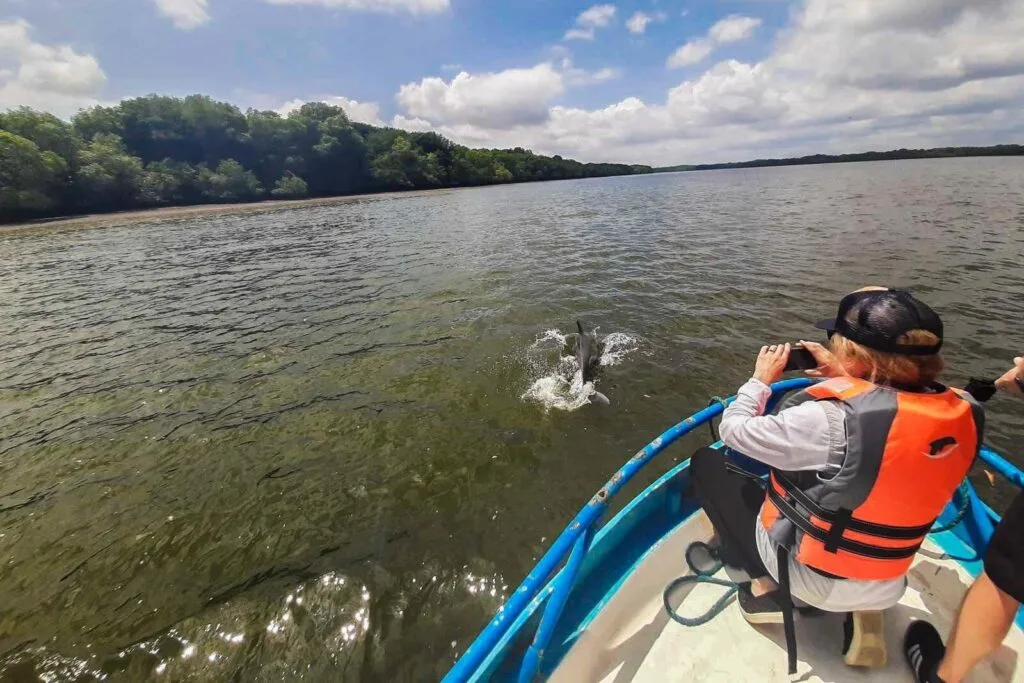
- Puerto El Morro Estuary: A tranquil panga boat trip through red mangrove channels near Guayaquil to spot resident wild bottlenose dolphins (bufeos) and nesting seabirds
- Maritime Preparation: Essential practicalities include layering for open-water wind chill, taking non-drowsy motion sickness remedies early, and wearing non-marking, wet-grip footwear
The Galápagos.
Ecuador’s Enchanted Isles
1. Sail the volcanic channel of León Dormido
Rating & reviews
(34+ verified reviews on GetYourGuide)
Why this specific tour stands out
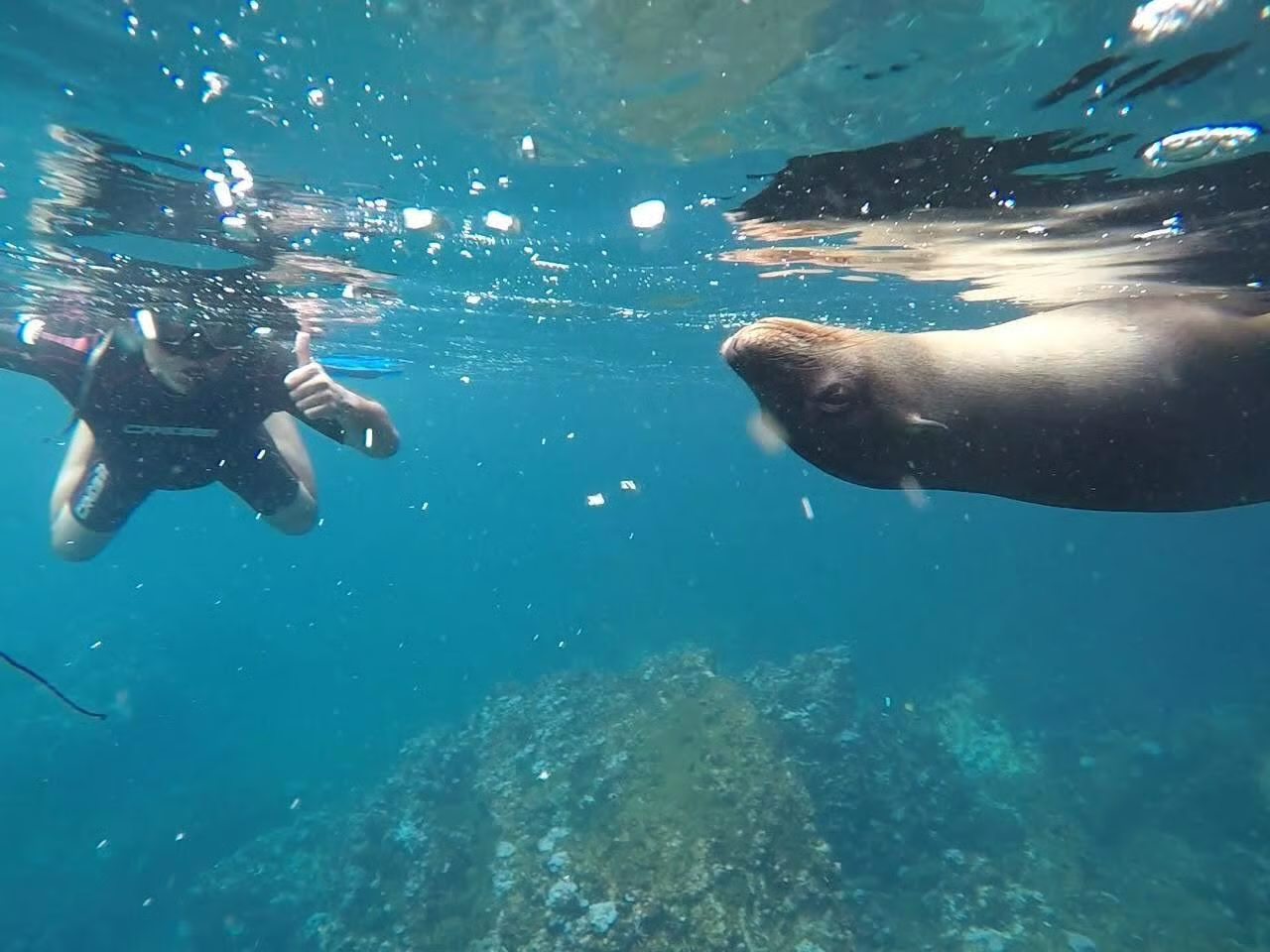
Rising 148 metres out of the Pacific Ocean off the coast of San Cristóbal, Kicker Rock (known locally as León Dormido) is the remnant of an ancient volcanic cone split into two colossal vertical walls. This small-group day navigation aboard a certified Galápagos motor yacht manoeuvres extended in-water exploration rather than rushing between crowded stopovers.
With an expert National Park naturalist guide on board, the boat manoeuvres into the narrow, ocean-cut channel between the towering cliffs. Below the surface, upwelling nutrients attract an extraordinary density of marine life, offering one of the finest cold-water marine encounters on the planet.
Key highlights
- Ocean navigation past the soaring vertical tuff walls of León Dormido
- Guided snorkelling inside the deep-water channel alongside Galápagos sharks, spotted eagle rays, sea turtles, and playful sea lions
- Cliffside birdwatching for nesting colonies of blue-footed boobies, Nazca boobies, and frigatebirds
- Post-dive landing and relaxation on a secluded, park-protected coral beach such as Cerro Brujo or Puerto Grande
- Freshly cooked lunch on board with high-quality snorkelling gear and wetsuits provided
Ideal for
Wildlife enthusiasts, competent snorkelers, and photographers eager to capture the sheer scale of the Galápagos sea cliffs.
Local maritime insight
Water temperatures around Kicker Rock can drop rapidly due to the deep Cromwell and Humboldt Currents. Always wear the 3 mm neoprene wetsuit provided by the boat crew, even if the sunny sky feels warm; maintaining core heat allows you to spend twice as long watching the sharks glide through the channel below.
2. Explore the Mini Galápagos & humpback sanctuaries
Rating & reviews
(90+ verified reviews on GetYourGuide)
Why this specific tour stands out
For travellers unable to make the flight out to the archipelago, Machalilla National Park on Manabí’s coast offers a remarkable alternative. Located 40 kilometres offshore from the fishing village of Puerto López, Isla de la Plata earned its reputation as the Mini Galápagos due to its shared avian and marine species.
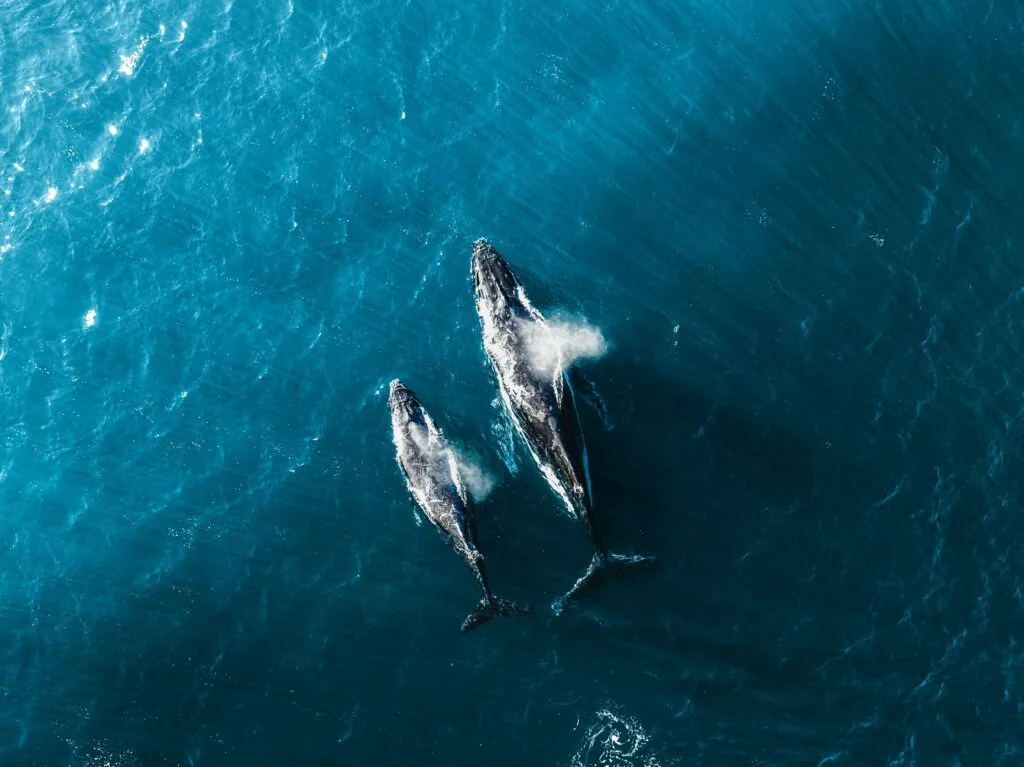
Operated by local eco-captains committed to sustainable maritime practices, this excursion pairs a 75-minute open-ocean transit with marine biology commentary. Between June and October, the voyage doubles as an ethical whale-watching safari as Antarctic humpback whales arrive in these sheltered coastal waters to breed and give birth.
Key highlights
- Open-ocean crossing with seasonal encounters with breaching humpback whales and mother-calf pods
- Guided trekking along the arid island trails to observe nesting blue-footed boobies, red-footed boobies, and frigatebirds
- Protected cove snorkelling over vibrant coral reefs frequented by green sea turtles and giant oceanic manta rays
- On-board marine biologist commentary explaining local cetacean migration patterns and conservation efforts
- Inclusive fresh fruit, box lunch, and safety equipment
Ideal for
Avid birdwatchers, marine conservation advocates, and eco-conscious travellers seeking world-class wildlife encounters on the Ecuadorian mainland.
Local maritime insight
The Pacific swell along the Manabí coast can create rolling seas during the 40 km offshore voyage. Take non-drowsy seasickness medication roughly 45 minutes before departing Puerto López pier, and position yourself amidships on the lower deck where the boat’s motion is at its most stable.
The Ecuadorian Coast.
Where you’ll find the very best food
3. Coastal inlets & hidden bays of Santa Cruz Island
Rating & reviews
(20+ verified reviews on GetYourGuide)
Why this specific tour stands out
While multi-day liveaboard cruises hog the spotlight in the Galápagos, small coastal boat runs around Santa Cruz’s southern shores offer unparalleled access to hidden geological features. Departing directly from Puerto Ayora’s main pier, this half-day navigation visits five distinct coastal zones around Academy Bay aboard a manoeuvrable, low-impact watercraft.
The tour is designed to align with tidal shifts, allowing access to narrow basalt crevasses and shallow lagoons where reef sharks and sea turtles seek shelter.
Key highlights
- Coastal boat transit to Playa de los Perros, home to massive colonies of endemic marine iguanas
- Scenic boat ride through Canal del Amor (Love Canal) and the dramatic, narrow volcanic fissure of Canal de los Tiburones (Shark Channel)
- Short coastal trail hike and swimming stop at Las Grietas, a brackish water canyon fed by seawater and underground springs
- Shallow water snorkelling at Punta Estrada among schools of parrotfish, rays, and green sea turtles
- Fully guided by certified Galápagos National Park bilingual guides
Ideal for
Independent travellers, families, and slow-travel advocates looking for an immersive, affordable maritime experience on Santa Cruz without committing to a full-day voyage.
Local maritime insight
Because this tour moves between land walks across rugged lava fields and shallow water snorkeling, bring quick-drying amphibious water shoes or strap-on sandals. Standard flip-flops perform poorly on slippery basalt rocks near boat boarding platforms.
4. Deep Amazonian navigation in the Cuyabeno Reserve
Rating & reviews
(1+ verified reviews on GetYourGuide)
Why this specific tour stands out
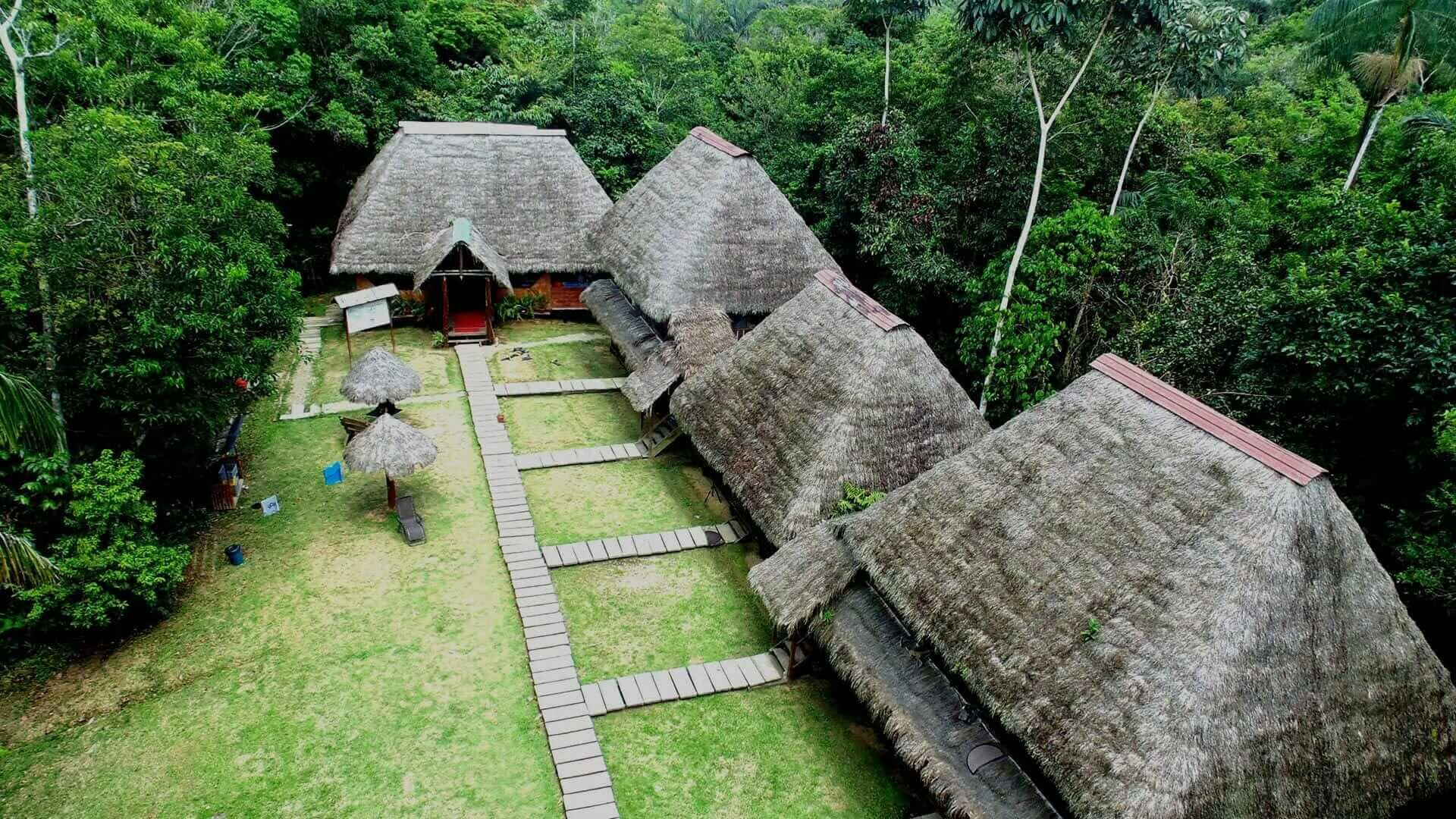
Deep within Ecuador’s northeastern Oriente, the Cuyabeno Wildlife Reserve is a vast network of flooded igapó forests, blackwater lagoons, and winding river channels. Motor vehicle roads end completely at Puente Cuyabeno, making watercraft the only viable method of transport.
This multi-day expedition uses long, motorised wooden canoes to journey down the Cuyabeno River into the heart of the reserve. Guided by native Siona naturalists, the quiet electric-and-paddled canoe sections allow travellers to glide noiselessly beneath canopy trees dripping with epiphytes, observing wildlife that would instantly flee from foot traffic.
Key highlights
- Scenic two-hour motorised canoe transit along the jungle-fringed Cuyabeno River
- Early morning and dusk paddling excursions across Laguna Grande to spot Amazon pink river dolphins and hoatzin birds
- Nocturnal boat safaris along riverbanks searching for spectacled caimans, tree frogs, and nocturnal birds using spotlights
- Community visit by river to a Siona indigenous village to learn traditional cassava bread-making and ethnobotany
- Accommodation in eco-friendly riverside lodges built on stilts above the high-water line
Ideal for
Adventure seekers, birdwatchers, and nature lovers looking for a genuine, off-grid Amazonian water safari.
Local maritime insight
Amazonian river trips involve long hours under intense tropical sun reflected off dark river water. Pack a lightweight, long-sleeved linen shirt, a broad-brimmed hat with a chin strap, and a dry bag for your camera gear; sudden tropical downpours can sweep across the river in minutes.
The Ecuadorian Amazon.
The most biodiverse place in the world
5. Whitewater & traditional river canoe expeditions from Baños
Rating & reviews
(19+ verified reviews on GetYourGuide)
Why this specific tour stands out
Descending from the high Andean gateway town of Baños de Agua Santa down into the Pastaza River watershed, this full-day trip offers an ideal mix of river transit and cultural immersion. The highlight of the aquatic itinerary is a traditional wooden canoe voyage along the fast-flowing tributaries of the Amazon basin.
Unlike generic mass-market river trips, this small-group excursion works directly with Quechua river communities, providing authentic insight into indigenous watercraft engineering and historic trade routes that once linked the mountains to the Amazon lowlands.
Key highlights
- Traditional river navigation aboard a hand-carved wooden canoe through lush rainforest corridors
- Trekking through primary cloud forest to swim beneath the pristine Hola Vida waterfall
- Visit to a Quechua indigenous riverside community with cultural demonstrations, traditional crafts, and sampling of chicha
- Panoramic viewpoint overlooking the massive green expanse of the Amazon basin
- Artisanal chocolate-making demonstration using locally harvested cacao beans
Ideal for
Travellers looking to combine river exploration with cultural heritage and lush cloud-forest scenery within a single day trip from the central highlands.
Local maritime insight
River levels in the Pastaza basin swell quickly following rainfall in the surrounding mountains. Follow your boatman’s instructions regarding weight distribution inside the traditional wooden canoe—keeping your centre of gravity low and central ensures a remarkably smooth and stable ride through minor riffles and river turns.
6. Estuary navigation & wild dolphin spotting in Puerto El Morro
Rating & reviews
(2+ verified reviews on Viator)
Why this specific tour stands out
Just 90 minutes southwest of Guayaquil’s bustling Guayas River lies the quiet mangrove estuary of Puerto El Morro, one of mainland Ecuador’s best-kept maritime secrets. Departing from a small artisanal fishing pier, this tour boards open-air covered panga boats operated by a local eco-cooperative dedicated to mangrove protection.
Navigating through calm, sheltered saltwater channels, the boat enters the feeding grounds of a resident population of wild bottlenose dolphins (bufeos). Because the boats travel at low speeds without noisy, high-displacement engines, the dolphins frequently swim alongside the hull.
Key highlights
- Low-speed boat navigation through protected red mangrove forests and tidal channels
- Guaranteed sightings of resident wild bottlenose dolphins hunting in the estuary currents
- Birdwatching stop at Isla de los Pájaros, home to thousands of frigatebirds, blue-footed boobies, and white ibises
- Educational insights from local fishermen-turned-guides on sustainable mangrove crab harvesting and estuary conservation
- Hassle-free hotel pick-up and private transport from Guayaquil included
Ideal for
Photographers, birdwatchers, and families looking for a peaceful, wildlife-rich water excursion away from urban Guayaquil.
Local maritime insight
The mangrove estuary is exceptionally calm with almost zero sea swell, making it a dream for travellers prone to motion sickness. However, mid-afternoon mosquitoes can emerge near the root tunnels—wear light-coloured long trousers and apply eco-friendly, biodegradable insect repellent before boarding.
The Ecuadorian Sierra.
Get lost in the hills
Our practical guide to Ecuador boat tour & water safety
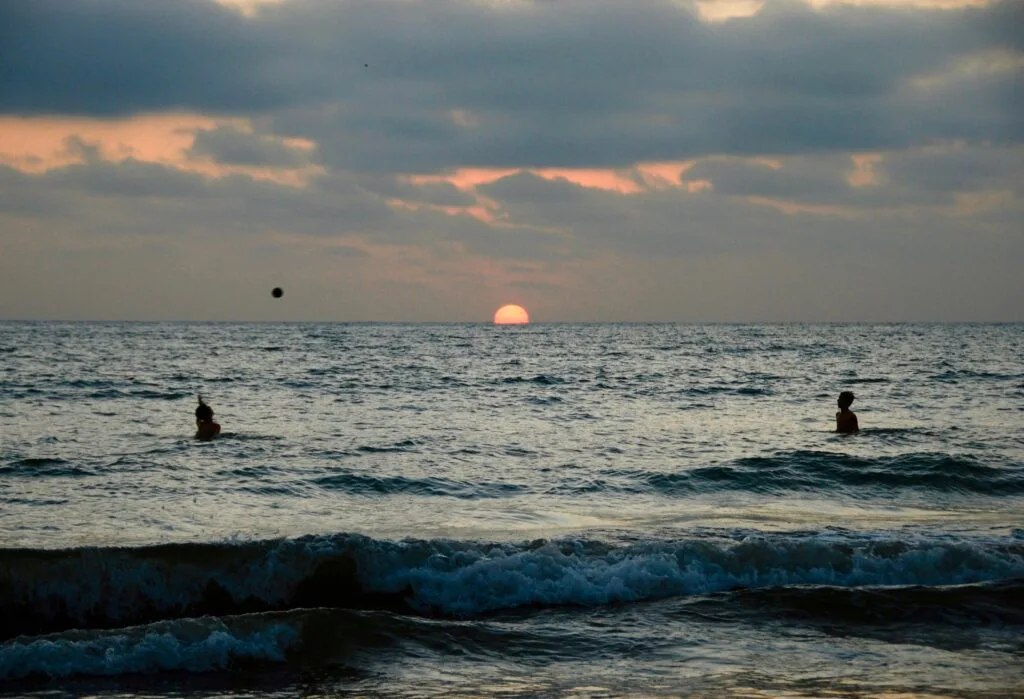
To ensure your aquatic journeys across Ecuador are smooth, safe, and environmentally responsible, keep these five essential rules in mind:
Layer for wind chill on open water
Even on the Equator, ocean breezes and boat speeds generate significant wind chill. Bring a lightweight, windproof jacket and a quick-drying layer, particularly for open-ocean transits like the crossing to Isla de la Plata or San Cristóbal’s outer reefs.
Respect wildlife distance & marine conservation
Ecuador leads the world in rights-of-nature legislation. When on the water, never encourage captains to chase or corner marine mammals, sea turtles, or birds. Choose operators who strictly abide by National Park distance rules (minimum 100 metres from whales and dolphins).
Manage motion sickness proactively
Pacific Ocean swells and Amazon river currents offer very different conditions. If heading offshore, take preventative seasickness remedies 45–60 minutes before stepping onto the pier. Focus your gaze on the fixed horizon rather than looking down at camera screens or phones.
Footwear and grip
Marine decks and damp wooden canoes become exceptionally slick. Wear non-marking rubber-soled shoes, grip-soled water booties, or strapped sandals with good tread. Avoid bare leather soles or unstrapped flip-flops.
Crew tipping etiquette
Boat crews, skippers, and local naturalists work tirelessly behind the scenes to maintain vessel safety and spot wildlife. In Ecuador, tipping in US dollars (the national currency) is standard practice. Plan to tip roughly $5–$10 USD per person per day for general boat crew, and $10–$15 USD per person for specialist naturalist guides.
Setting sail / Why water routes belong on your Ecuadorian itinerary
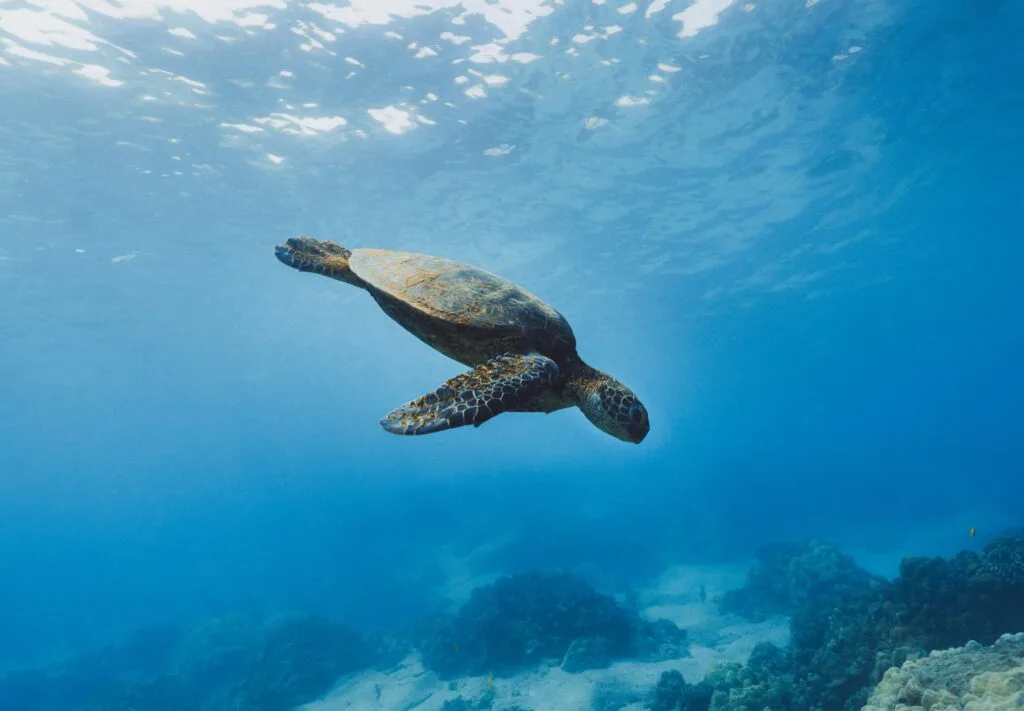
Navigating Ecuador by water is far more than a simple alternative to standard road transport; it is a fundamental shift in how you experience the country’s untamed landscapes. Whether you are gliding past mangrove root systems that have sheltered coastal ecosystems for centuries or watching pelagic marine life surface alongside a wooden hull, stepping off the tarmac allows you to tune into a natural rhythm that land-bound itineraries simply cannot deliver.
For the autonomous traveller, these small-group navigations offer an ideal balance of expert local guidance and genuine environmental immersion. By backing small-scale operators, certified local naturalists, and indigenous river cooperatives, your journey directly supports the ongoing conservation of Ecuador’s most vulnerable marine and freshwater habitats.
So pack a dependable dry bag, secure your sea legs, and make room in your itinerary for a few days on the water. Beyond the mountain passes and bustling coastal highways lies an aquatic wilderness well worth setting sail to see.
Affiliate Disclaimer: Some of the links on Wheely Tyred are affiliate links. If you click through and make a booking or purchase, we may earn a small commission at no extra cost to you. We only recommend gear, tours, stays, and services we genuinely use, trust, and stand behind — our editorial independence always comes first. These commissions help keep our independent cycling guides and travel stories free to read. Thanks for supporting the ride!
Frequently asked questions about the best boat tours in Ecuador
For high-demand destinations like the Galápagos Islands (including day trips to Kicker Rock or Santa Cruz) and peak whale-watching excursions from Puerto López (June to October), booking several weeks to months in advance is strongly advised. Marine park permits and daily passenger caps strictly limit capacity. Mainland estuary tours, such as Puerto El Morro, generally offer slightly more flexibility but still benefit from advance reservations during weekends.
Conditions vary greatly depending on the body of water. Open-ocean crossings—such as the 40-kilometre voyage to Isla de la Plata or outer Galápagos day trips—frequently encounter Pacific swells. If you are prone to motion sickness, take a non-drowsy preventative tablet roughly 45 to 60 minutes prior to boarding. Conversely, inland river navigations in Cuyabeno and mangrove estuary tours in Puerto El Morro take place on flat, sheltered waters with virtually no wave action.
Humpback whales migrate from Antarctic feeding grounds to the warm coastal waters of Ecuador to breed and calve between June and October each year. Trips departing from Puerto López and Machalilla National Park during these months offer exceptionally high sighting success rates.
Pack lightweight, quick-drying clothing with long sleeves and trousers to guard against intense equatorial sun and biting insects. A wide-brimmed hat with a chin strap is vital for open river stretches. Always carry a reliable dry bag to protect cameras, phones, and electrical equipment from sudden tropical downpours or river spray.
While surface water may feel warm on sunny days, oceanic currents around Kicker Rock and outer coastal sites can drop temperature rapidly. Most reputable marine operators supply 3 mm neoprene wetsuits as standard. Wearing one ensures core warmth, allows you to remain in the water significantly longer, and provides added buoyancy and sun protection.
Ecuador.
Pure wonder on the equator.