
Is Puerto López safe in 2027? A coastal Ecuador travel safety guide
Comprehensive 2027 travel advisory, crime breakdown, and safety tips for visiting Puerto López and Machalilla National Park

Navigate the Spondylus route with clear eyes, local insight, and practical road wisdom

BEN FINCH
Understanding safety in coastal Ecuador requires balancing nationwide security headlines with the day-to-day realities on the ground. In our 2026 safety guide to Puerto López, Wheely Tyred documented the initial shifts in security across Manabí province following government emergency declarations. As we move through 2027, the regional dynamics have matured, presenting a nuanced landscape for international visitors, eco-tourists, and bikepackers alike.
Puerto López remains one of Ecuador’s most vital eco-tourism hubs, serving as the primary gateway to Parque Nacional Machalilla, the marine sanctuary of Isla de la Plata, and the coastal archaeological sites of Agua Blanca. While the town maintains a far lower violence profile than major industrial ports, travelling here in 2027 demands structured preparation, clear transit strategies, and an acute awareness of regional transport security.
Core takeaways for safety in Puerto López
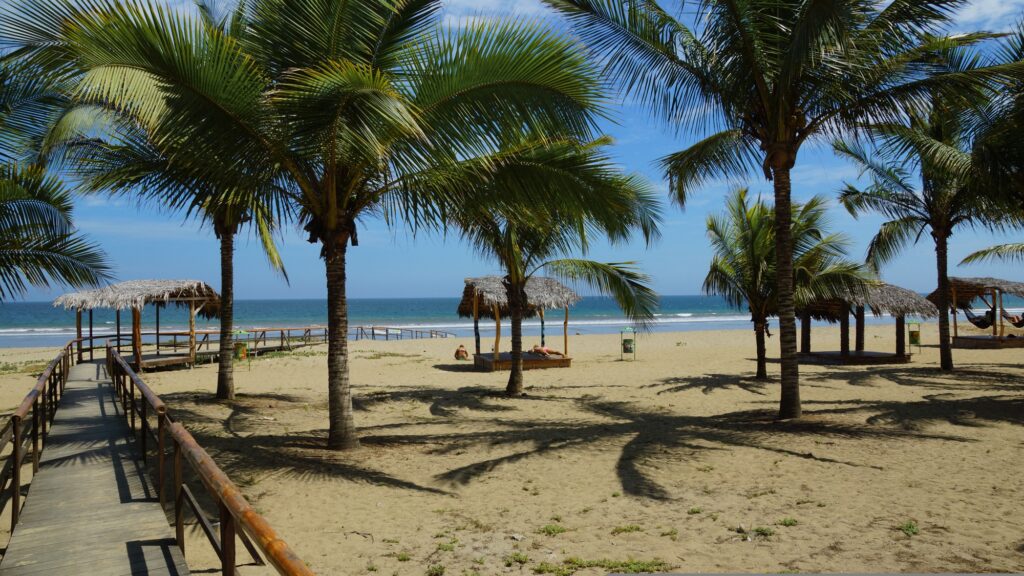
Understanding the security landscape in coastal Ecuador requires looking beneath blanket headlines and adopting practical routines on the ground. Here are the essential takeaways for planning a secure, rewarding trip to Puerto López and Parque Nacional Machalilla in 2027.
- Macro Security Climate: Highway checkpoints and provincial security measures are routine along the E15 corridor; carry physical copies of your identification and passport stamp at all times
- Local vs Regional Risk: Serious violent crime remains concentrated in major industrial port cities like Manta and Guayaquil, while Puerto López experiences mostly opportunistic petty theft
- Bus Transit Protocols: Avoid overnight interprovincial transport, and keep high-value daypacks on your lap with straps secured rather than stored in overhead bins
- Spondylus Route Cycling: Ride defensively during daylight hours, use active flashing lights on narrow road shoulders, beware of rural territorial dogs, and complete all legs well before dusk
- Ocean and Trail Safety: Limit swimming to protected areas at Playa de los Frailes due to dangerous rip currents elsewhere, and hire local community guides for backcountry hikes in Machalilla
- Nighttime Vigilance: Enjoy the central malecón during early evening hours, but arrange trusted mototaxis through your lodging instead of walking down unlit side streets after 21:00
Puerto López.
Home to the humpback whale
2027 security climate in coastal Ecuador
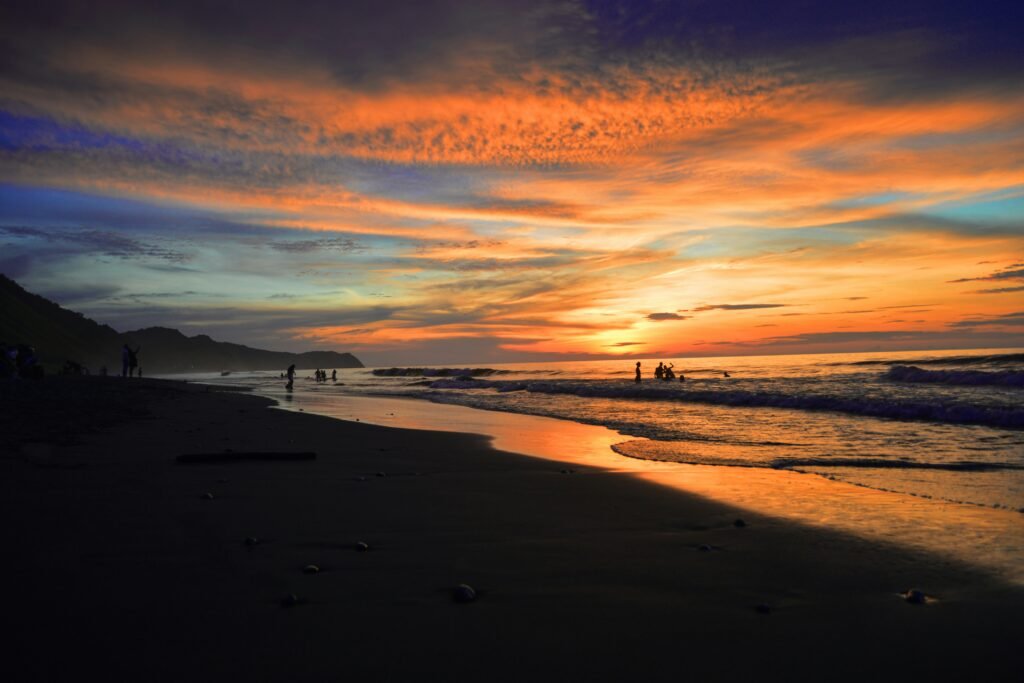
To evaluate Puerto López accurately, one must first understand the macro security picture in Ecuador. State security operations targeting transnational organised crime have shifted regional dynamics over the past three years.
In 2027, security alerts from international bodies, including the UK Foreign, Commonwealth & Development Office and the US Department of State, maintain active advisories across coastal provinces, specifically Esmeraldas, Guayas, and Manabí.
Government measures routinely include targeted states of emergency, periodic night curfews, and increased security checkpoints manned by national police and military personnel.
These operations focus heavily on urban commercial zones and shipping corridors such as Manta, Portoviejo, and Guayaquil. For travellers entering Manabí province, these security measures mean you will encounter armed checkpoints along major highways, particularly on the E15 coastal corridor.
These security checkpoints are designed to deter illicit transit and should be viewed as a routine element of coastal travel rather than a cause for immediate alarm. Carrying physical documentation at all times is mandatory under national law.
How Puerto López compares to greater Manabí Province
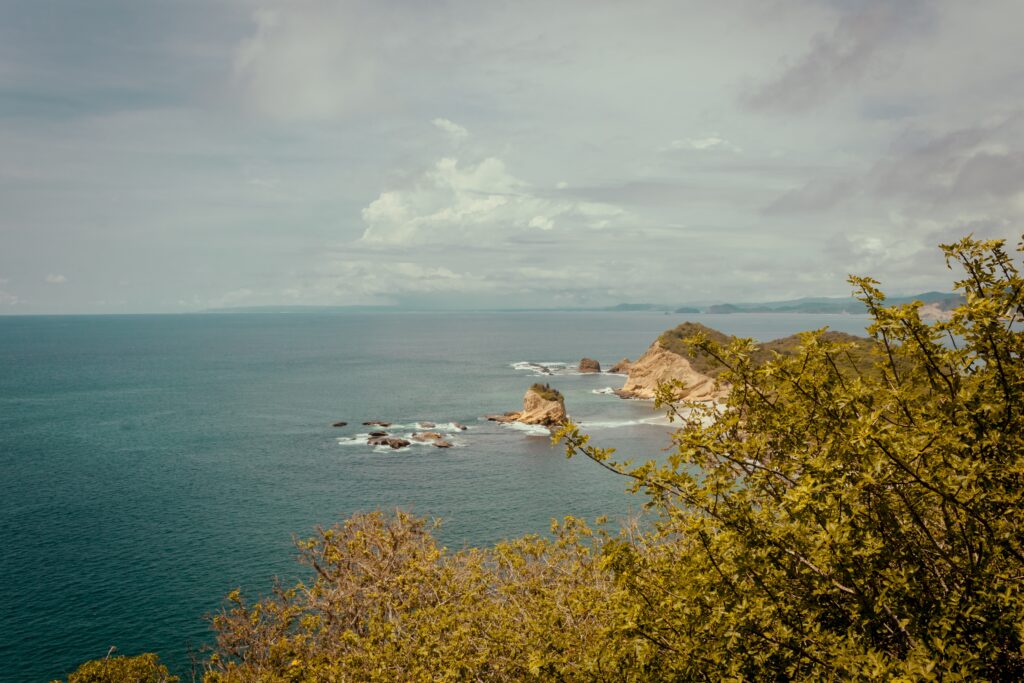
A frequent point of confusion for travellers is conflating the high violence metrics of major industrial cities with small coastal tourism enclaves. Manabí province covers more than 18,000 square kilometres, encompassing dense urban ports, agricultural hinterlands, and protected national park coastline.
Puerto López operates largely as a quiet fishing town dependent on eco-tourism, whale watching, and artisanal fishing. The violent crime associated with cartels and port logistics is concentrated in shipping hubs rather than rural fishing communities. Consequently, tourists visiting Puerto López rarely encounter targeted violent crime.
However, Puerto López is not immune to opportunistic petty theft, burglary, and transport-related crime. The key to a safe trip in 2027 is recognising that while the threat of serious violence in town remains low, transit routes leading into and out of the region require strict adherence to safety protocols.
The Ecuadorian Coast.
Where you’ll find the very best food
Ground reality / Crime rates and hazards that impact travellers

When visiting Puerto López, the primary security challenges facing travellers fall into three main categories: opportunistic street theft, transit robbery, and physical environmental hazards.
Petty theft and opportunistic property crime
Petty theft remains the most frequent issue reported by visitors along the malecón (beachfront promenade) and in unlit side streets after dark. Unattended bags left on the beach while swimming, smartphones resting on restaurant tables, and unsecured backpacks in outdoor cafés are common targets.
- Beach security: Never leave cameras or wallets unattended on the beach. Use a dry bag and keep items with a trusted companion, or store valuables in your hotel safe before heading to the water
- Evening walking: The central malecón is generally well lit and populated until mid-evening, but side streets leading back toward the highway become poorly lit and deserted. Avoid walking alone through unlit areas after 21:00
Transport and highway vulnerabilities
As detailed in our 2026 Ecuador safety analysis, long-distance bus routes pose a higher operational risk than the destination itself. In 2027, petty theft and luggage snatching on public buses connecting Guayaquil, Manta, and Puerto López remain persistent.
- Onboard protocol: Never place small daypacks, passports, or electronics in overhead racks or under your seat. Keep your primary bag on your lap with your arms looped through the straps for the entirety of the journey
- Nocturnal transit: Avoid travelling by interprovincial bus after dark. Schedule all overland transfers to start and finish during full daylight hours
Scopolamine awareness
While incidents involving scopolamine (a disabling drug used to incapacitate victims) are rare in Puerto López compared to major nightspots in Quito or Guayaquil, vigilance remains necessary in nightlife venues. Never accept open drinks, food, or cigarettes from strangers or recent acquaintances, and never leave your glass unattended in beach bars.
Safety nuances for solo travellers, women, and minorities

Travel safety is rarely uniform across different identity groups. Understanding local cultural norms and specific risk vectors ensures a smoother, more confident experience.
Solo female travellers
Puerto López is generally welcoming to solo female travellers, but street harassment in the form of catcalling or unwanted attention can occur, particularly near the fishing docks and along the malecón.
- Local transport: When moving around town at night, use established tuk-tuks (mototaxis) arranged by your lodging rather than hailing unknown drivers on quiet streets
- Accommodation security: Choose guesthouses or eco-lodges with secure entry doors, positive recent guest reviews, and 24-hour reception desk presence. Avoid isolated beach huts without boundary fencing or security staff
LGBTQ+ travellers
Ecuador’s constitution guarantees protection against discrimination, but rural coastal towns like Puerto López tend to hold conservative social views. Public displays of affection may draw unwanted attention in traditional neighbourhoods.
Discretion in public spaces is recommended, while eco-lodges and tour agencies operating trips to Machalilla and Isla de la Plata maintain inclusive, professional standards.
Racial minorities and foreign nationals
Foreign tourists stand out visually in Puerto López, which simply signals to local service providers that you are likely a visitor. Displaying high-value electronics, expensive jewellery, or large sums of cash can draw unwanted attention from opportunistic thieves.
Dress casually, keep high-value items out of sight, and carry only small denominations of cash for daily transactions.
The Galápagos.
Ecuador’s Enchanted Isles
The impact of joint maritime operations on local sentiment for North Americans
A central concern for many North American visitors stems from reported security operations off the Manabí coast. Investigations by international rights organisations, including Human Rights Watch, have highlighted controversial joint counternarcotics operations and interdictions in the Eastern Pacific targeting suspected illicit sea traffic.
These operations have directly affected coastal fishing communities in Manabí, where several small-scale fishing vessels and crew members from nearby ports were intercepted or reported missing during maritime actions.
These incidents have created deep anxiety and frustration within traditional fishing communities along the Manabí coast. Fishing is not merely an industry here; it is the economic and social foundation of towns like Puerto López, Jaramijó, and San Mateo. When local fishermen face loss of life, destroyed vessels, or detention, community grief often translates into mistrust toward foreign military involvement.
For North American travellers—specifically citizens of the United States and Canada (who are not responsible, but confusion is easy)—it is essential to understand how this dynamic influences local perceptions:
- Distinction between governments and tourists: Local residents generally draw a clear line between foreign military policies and individual international travellers. North Americans are not targeted simply because of their nationality when visiting Puerto López
- Sensitivity in working fishing areas: Tensions exist primarily within working port zones and maritime sector discussions rather than tourist venues. Displaying military-style clothing, discussing international political affairs, or photographing working fishing boats without explicit permission—especially with drones—can cause unnecessary friction
- Low-profile travel is essential: Maintaining a modest, respectful presence and focusing on local interactions ensures that your identity remains that of an appreciative visitor rather than a representative of foreign policy
Essential precautions for North American travellers in 2027
To ensure a safe and rewarding visit to Puerto López, North American travellers should incorporate these practical daily protocols into their itinerary:
- Adopt a low-profile presence: Avoid wearing clothing with prominent national flags, military emblems, or high-conspicuous branding. Keep high-value electronics, expensive cameras, and jewellery secured when walking through local markets or fishing ports
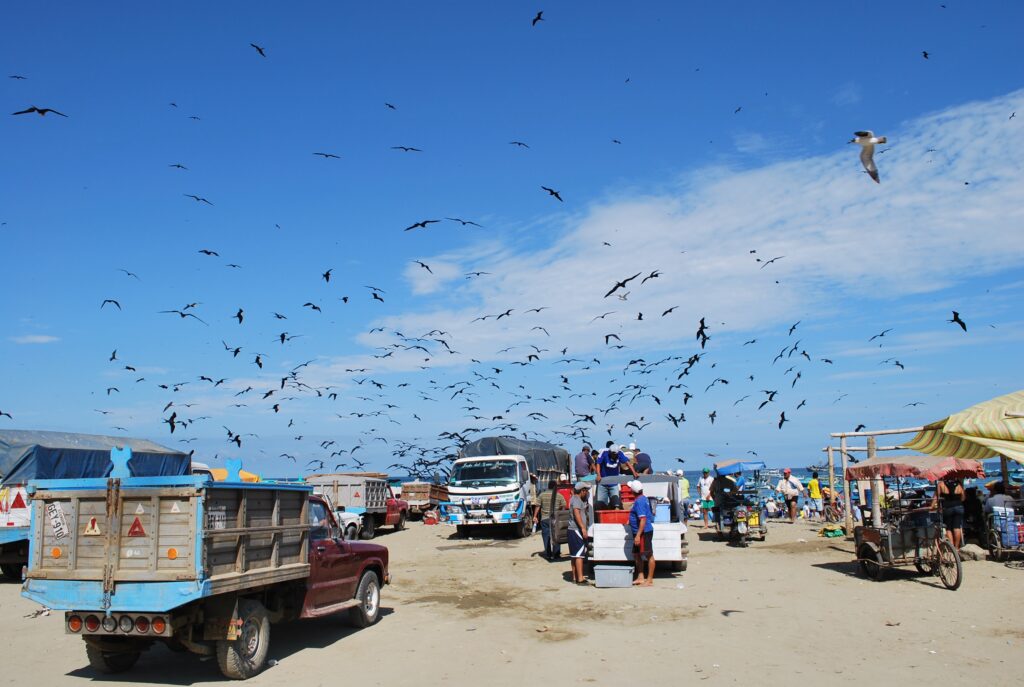
- Respect working fishing zones: The beach in Puerto López is shared between tourist establishments and working fishermen hauling in their daily catch. Observe fishing operations from a respectful distance, refrain from intrusive photography, and maintain a polite, neutral demeanour
Cycling, transit, and highway navigation along the Spondylus Route
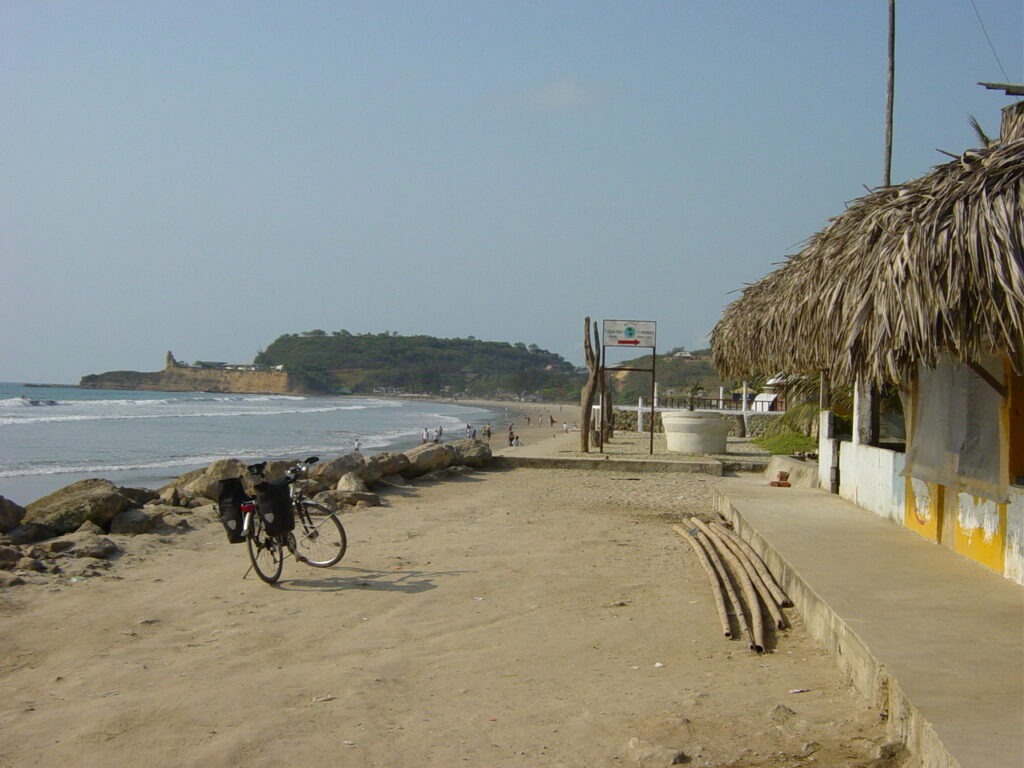
For cycle tourists and adventure travellers riding the famous Ruta del Spondylus (E15 highway), Puerto López serves as a natural stopover point between Montañita and Manta. Bikepacking through coastal Ecuador in 2027 requires careful road selection and defensive riding techniques. We recommend that you stick to bikepacking through the mountains.
Highway conditions and traffic hazards
The coastal highway features variable road surfaces, ranging from smooth asphalt to sections damaged by heavy seasonal rains and mudslides.
- Vehicular traffic: Heavy interprovincial buses and commercial fish transport trucks travel at high speeds along the E15 corridor. Shoulders are frequently narrow or non-existent. Bikepackers must use high-visibility flags, active flashing rear lights during daytime, and mirror setups
- Night riding: Cycling on Ecuadorian coastal highways after sunset is extremely dangerous due to unlit agricultural vehicles, unannounced speed bumps, roaming livestock, and poor street lighting. Plan all cycling legs to reach your accommodation well before dusk
Rural dogs and territorial pack behaviour
As noted in our primary Ecuador cycling guides, rural dogs pose an operational hazard for riders along backroads, particularly when approaching fishing villages or agricultural properties off the main highway.
- Keep a firm grip on your handlebars, maintain a steady cadence, and carry an ultrasonic deterrent or an accessible water bottle to spray approaching dogs
- If approached aggressively on foot, stop, place your bicycle between yourself and the dog, and back away slowly without turning your back
The Ecuadorian Sierra.
Get lost in the hills
Practical safety tips for exploring Machalilla and Los Frailes
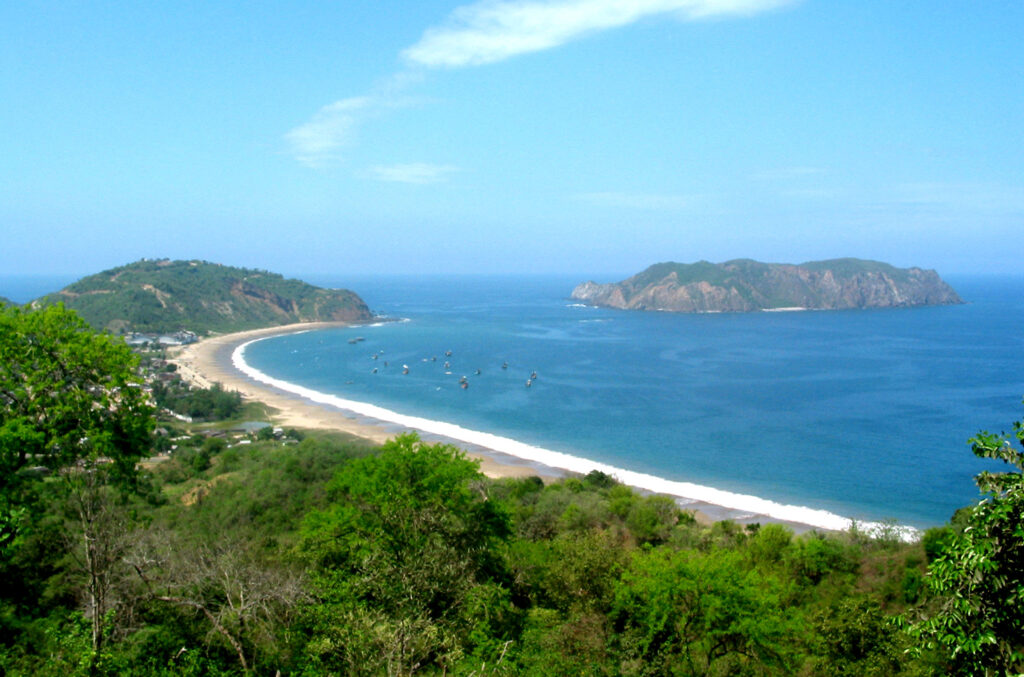
Visiting the surrounding natural reserves is the highlight of any trip to Puerto López. Following clear guidelines ensures your day trips remain safe and enjoyable.
Safety checklist for Puerto López day trips
- Carry physical passport printouts and entry stamp copies
- Carry sufficient physical cash in small bills ($1, $5, $10)
- Check ocean conditions before swimming at Playa de los Frailes
- Use accredited tour agencies for boat trips to Isla de la Plata
- Avoid hiking backcountry trails alone in Parque Nacional Machalilla
Playa de Los Frailes ocean safety
Located just north of Puerto López, Playa de los Frailes is widely considered one of Ecuador’s finest beaches. While the main crescent bay is protected and calm, adjacent beaches within the park reserve—such as Playa La Tortuguita—feature powerful rip currents, heavy shorebreaks, and zero lifeguard coverage.
- Only swim in designated areas at the main Los Frailes beach
- Obey all posted park flags and ranger advisories regarding swell conditions
Hiking in Parque Nacional Machalilla
The dry forest trails around Agua Blanca and the forest loops of Machalilla offer excellent wildlife viewing.
- Guide requirements: For long forest loops, hire a local certified community guide at the Agua Blanca community centre. Local guides ensure trail safety, prevent navigation errors on unmapped tracks, and support the indigenous community
- Hydration and sun protection: Coastal heat indices can be intense. Carry a minimum of two litres of water per person and apply high-SPF sun protection before setting off
Maritime excursions to Isla de la Plata
Boat excursions to Isla de la Plata for whale watching (June through October) or seabird observation operate daily from the Puerto López beachhead.
- Verify that your tour operator provides life jackets for every passenger and holds active marine registry permits from the local harbour master (Capitanía de Puerto)
- Ensure your daypack is packed in a waterproof dry bag to guard against ocean spray and rain during the 90-minute open-ocean transit
Emergency readiness and local resources
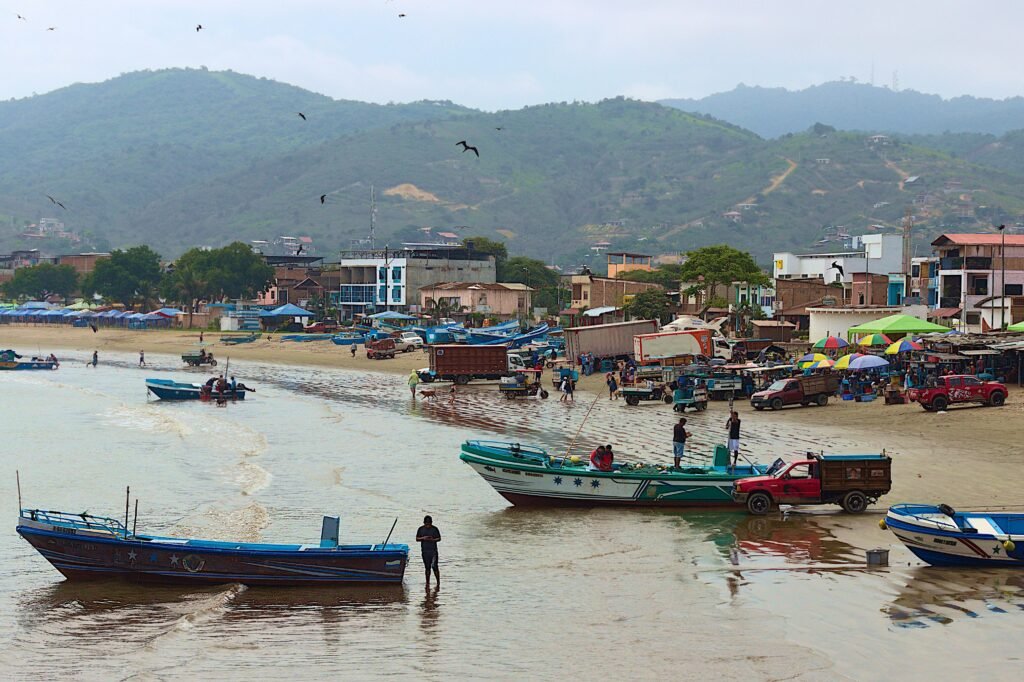
Having immediate access to emergency contact protocols ensures you can act swiftly if an issue arises.
- Integrated Emergency System: Call 911 for immediate response from police, medical, or fire services throughout Ecuador
- Identification Rules: Keep a waterproof physical copy of your passport bio page and entry visa stamp on your person at all times, keeping original documents in your hotel safe
- Medical Facilities: For minor injuries or illness, local pharmacies (farmacias) along the main avenue offer basic consultation and medication. For acute medical emergencies, initial treatment is available at the Subcentro de Salud in Puerto López, while major medical interventions require transport to hospitals in Manta or Portoviejo
By staying informed, choosing verified transit options, and respecting local environmental conditions, visiting Puerto López in 2027 remains a rewarding experience for conscious travellers and adventure cyclists.
The Ecuadorian Amazon.
The most biodiverse place in the world
Roll forward on the Pacific shore
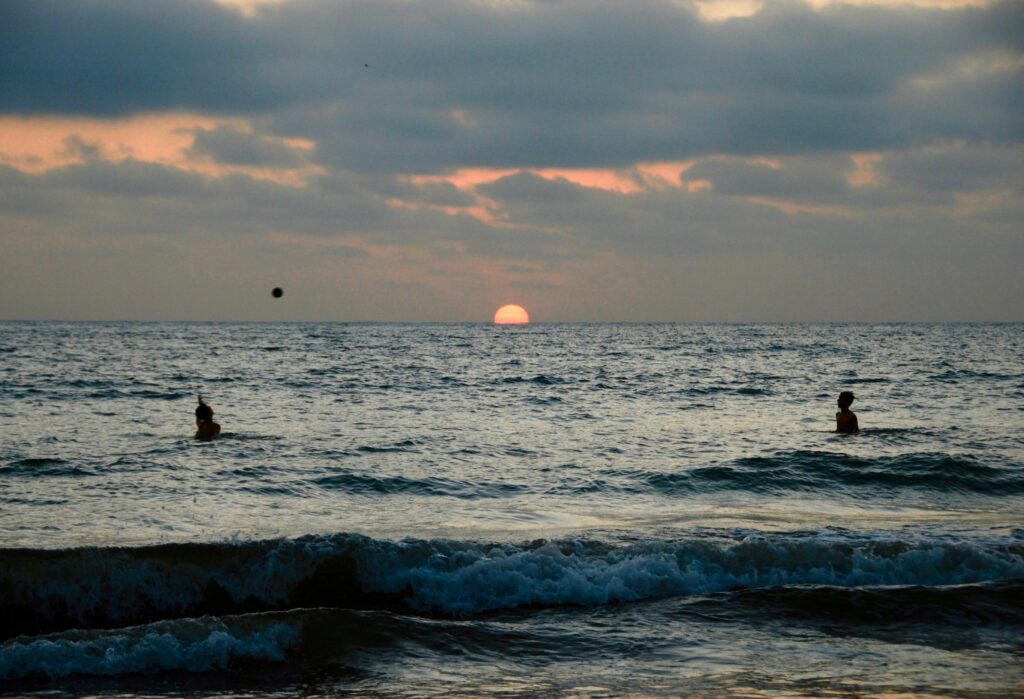
Read this far?
Exploring coastal Ecuador in 2027 demands a balanced mindset: respect for the broader security environment paired with an appreciation for local hospitality. While international news updates paint the region in broad brushstrokes, the day-to-day rhythm of Puerto López remains anchored in its coastal traditions.
Fishermen still launch wooden skiffs into the morning surf, and eco-tourists continue to embark toward the marine sanctuaries of Parque Nacional Machalilla.
Travelling here successfully comes down to managing the variables you can control. By aligning your transit schedules with daylight hours, keeping essential belongings close during bus journeys, and maintaining awareness along the malecón after sunset, you remove the friction that so often leads to opportunistic crime.
For cyclists navigating the Spondylus route, the coastal hills and ocean vistas offer pure magic when paired with defensive road tactics. Respecting speed differentials, staying visible, and ending rides before dusk ensure that your memory of Manabí is defined by sweeping coastal roads rather than preventable mishaps.
Keep your tyres moving, stay grounded in local guidance, and approach every stage of the journey with clear eyes and open awareness.
Affiliate Disclaimer: Some of the links on Wheely Tyred are affiliate links. If you click through and make a booking or purchase, we may earn a small commission at no extra cost to you. We only recommend gear, tours, stays, and services we genuinely use, trust, and stand behind — our editorial independence always comes first. These commissions help keep our independent cycling guides and travel stories free to read. You can also buy me a coffee here — thanks for supporting the ride!
Frequently asked questions about Puerto López safety in 2027
Yes, provided you schedule all journeys during full daylight hours. Public buses connecting Guayaquil, Manta, and Puerto López are generally safe for daytime transit, though petty theft on board remains a risk. Never place daypacks with passports, cash, or electronics in overhead bins or on the floor. Keep your main small bag on your lap with your arms looped through the straps for the entire trip.
Ecuadorian law requires visitors to carry physical identification. Keep a waterproof physical photocopy of your passport bio page and entry visa stamp on your person during transit. Store your original passport securely in your hotel safe unless you are actively travelling between towns with all your luggage.
Bikepacking the E15 coastal highway is viable during daylight hours, but requires heightened defensive riding. The highway has variable shoulder widths and heavy commercial traffic. Ride with daylight-visible rear flashing lights, carry a water spray bottle or ultrasonic device to deter rural dogs, and never ride after sunset due to unlit hazards and poor road lighting. We wouldn’t recommend it right now.
The main crescent bay at Playa de los Frailes is protected, calm, and safe for swimming. However, neighbouring beaches within the park reserve, including Playa La Tortuguita, feature powerful rip currents, shorebreaks, and no lifeguard coverage. Always obey posted park warning flags and restrict swimming to designated main beach zones.
The central beachfront promenade (malecón) is well-lit and active through the early evening. However, side streets extending inland toward the main highway become poorly lit and quiet after 21:00. Solo travellers should avoid walking through unlit areas late at night and instead ask their hotel or restaurant to call a trusted local mototaxi (tuk-tuk).
Boat excursions to Isla de la Plata must be booked with licensed tour operators holding valid marine permits from the local harbour master (Capitanía de Puerto). For backcountry forest loops inside Parque Nacional Machalilla, such as those near Agua Blanca, hiring a certified local community guide is highly recommended to prevent getting lost on unmapped trails and to support local conservation efforts.
Ecuador.
Pure wonder on the equator.


