
Best travel insurance for coastal Ecuador / 2027 explainer & policy comparison
Best travel insurance for coastal Ecuador 2027 / Policy guide & FCDO advisory analysis

Coastal horizons and hidden clauses

BEN FINCH
Securing valid travel insurance for Ecuador’s Pacific coast in 2027 requires policies that maintain medical and evacuation coverage during active government travel warnings. Standard policies exclude regions under advisories, leaving travellers liable for medical transfer costs between rural clinics and major hospitals in Guayaquil or Manta.
Navigating the sweeping Pacific coastline of Ecuador remains one of South America’s most rewarding overland journeys. From the legendary point breaks of Montañita and Ayampe to the quiet digital nomad sanctuaries of Olón, the eco-tourism hubs surrounding Puerto López, the long beaches of Canoa, and the wilder stretches of Esmeraldas, the Ruta Spondylus offers an incredible corridor for independent travellers, bikepackers, surfers, and coastal road-trippers.
However, as we outlined in our 2026 Coastal Ecuador Insurance Guide, the operational environment across coastal provinces requires careful preparation and risk management.
As we enter 2027, the underlying appeal of coastal Ecuador remains strong, but the administrative and security landscape has matured into a complex reality. Government advisories from foreign ministries remain active across key maritime provinces, while regional security measures and periodic states of emergency persist.
For the independent traveller, this creates a major insurance trap: standard domestic travel insurance policies often contain strict exclusion clauses that render coverage void the moment you set foot in a region classified under advisory restrictions.
Furthermore, healthcare infrastructure along the Pacific coast is sharply bifurcated. While coastal towns feature basic rural health clinics (centros de salud), serious medical emergencies, complex surf trauma, or tropical infections require transfer to major private tertiary hospitals located in regional capitals like Manta, Portoviejo, or Guayaquil.
Bridging this medical gap requires specialised travel insurance that offers reliable emergency medical evacuation, active leisure coverage, zero-deductible claims processing, and underwriting that remains valid despite diplomatic travel warnings.
Essential takeaways for the Pacific corridor

Navigating Ecuador’s Pacific coast in 2027 requires balancing the freedom of the open road with sharp risk management. Here is what independent overlanders, surfers, and digital nomads must keep in mind before setting off along the Ruta Spondylus.
- Government Advisory Conflicts: Standard high-street and bank-provided policies automatically void medical and cancellation coverage in coastal provinces like Manabí, Santa Elena, and Guayas due to active foreign office travel warnings
- Aggregated Marketplace Flexibility: Marketplaces like VisitorsCoverage and Insubuy allow independent travellers to filter international underwriter policies that maintain valid emergency medical care regardless of diplomatic travel advisories
- Bifurcated Healthcare Realities: Rural health posts (centros de salud) in coastal villages like Olón or Canoa can handle minor triage, but serious trauma demands emergency transport to private tertiary hospitals in Manta, Portoviejo, or Guayaquil
- Active Water Sports Protection: Surfing point breaks in Montañita or Ayampe requires explicit active leisure coverage to protect against reef lacerations, marine stings, and severe ocean trauma
- Transit Luggage Coverage: Overland journeys on inter-provincial buses along the coastal highway carry theft risks; ensure your policy covers gear and personal baggage while in transit
- Zero-Deductible Advantage: Opting for a 0% excess policy eliminates out-of-pocket friction when claiming for routine tropical health issues like gastroenteritis or diagnostic dengue fever tests
The Ecuadorian Coast.
Where you’ll find the very best food
FCDO advisories and invalidation risks in 2027
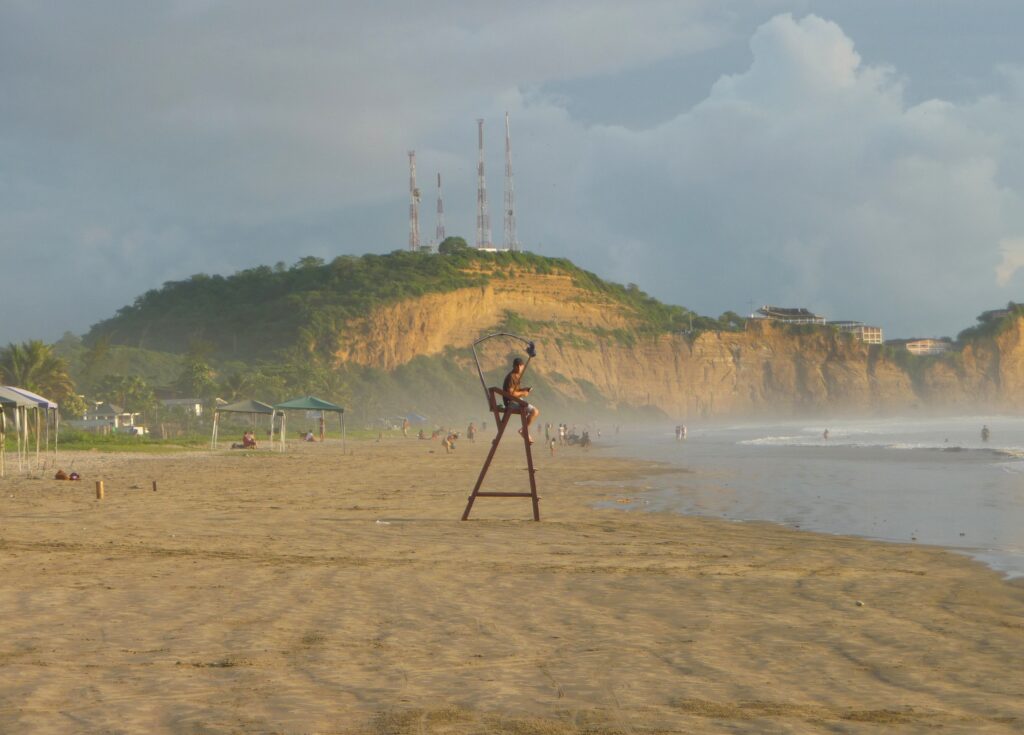
Standard travel insurance policies automatically void medical and trip interruption coverage when entering areas subject to “all but essential travel” advisories. In 2027, UK FCDO warnings cover coastal provinces including Esmeraldas, Manabí, Santa Elena, and Guayas, leaving tourists relying on domestic policies uninsurable during emergencies.
The primary obstacle facing travellers along Ecuador’s Pacific coast in 2027 is the intersection of official diplomatic travel advice and insurance policy mechanics. The UK Foreign, Commonwealth & Development Office (FCDO), along with equivalent governmental bodies in Europe, North America, and Australasia, continues to maintain advisories advising against all but essential travel across key coastal provinces.
These designated regions encompass Esmeraldas, Manabí, Santa Elena, El Oro, Los Ríos, and Guayas (with specific exemptions typically limited strictly to airside transit through José Joaquín de Olmedo International Airport in Guayaquil).
For travellers holding standard high-street travel insurance, annual multi-trip policies, or credit card-derived coverage, these advisories trigger the government advice exclusion clause. Under standard policy wording, if a government department advises against travel to a country or specific province, the insurance contract automatically excludes all coverage within that jurisdiction.
If you suffer a medical emergency, a surfing injury in Montañita, or a road traffic accident near Puerto López, a standard insurer will decline your claim immediately upon establishing that the incident occurred within an advisory zone.
Many travellers incorrectly assume that embarking on a holiday or remote work stint constitutes “essential travel”. In legal terms, insurance underwriters interpret essential travel very narrowly—typically restricting it to urgent diplomatic duty, official humanitarian relief work, or family bereavement. Independent tourism, surfing trips, digital nomad residency, or cycling expeditions do not qualify.
Unless your insurance provider uses international flexible underwriting that operates independently of foreign office advisories, entering these coastal provinces leaves you entirely uninsured for medical treatment, hospitalisation, emergency repatriation, and trip interruption.
Why VisitorsCoverage and Insubuy lead as the 2027 recommendations

Independent travellers in 2027 require transparent platforms that compare multiple global insurance underwriters under a unified search interface. VisitorsCoverage and Insubuy have emerged as the premier marketplaces for securing resilient travel medical protection across coastal Ecuador.
VisitorsCoverage and Insubuy lead as our primary recommendations for 2027. These specialised marketplaces aggregate international travel medical plans with flexible global underwriting that remains valid despite foreign government advisories.
VisitorsCoverage & Insubuy advantages
- Aggregated Global Underwriters: Compare WorldTrips, Trawick, etc
- Advisory Exclusion Transparency: Filter for policies valid under FCDO
- Comprehensive Medical Limits: Up to $50,000–100,000+ USD limits
- Customisable Excess / Deductible: 0% deductible options filterable
- Active Leisure & Water Sports: Optional riders for surf & cycling
- Mid-Trip Purchase Capability: Flexible online buying while abroad
The power of comparison marketplaces
Unlike direct insurance companies that offer a single, rigid policy framework, marketplaces allow travellers to filter policies based on specific regional requirements.
VisitorsCoverage and Insubuy aggregate travel medical plans underwritten by leading global carriers—such as WorldTrips, Trawick International, Seven Corners, and Crum & Forster. This allows you to evaluate certificate wordings side-by-side to ensure your policy does not invalidate claims based on general diplomatic advisories.
Navigate advisory exclusions with VisitorsCoverage
VisitorsCoverage excels in providing a highly intuitive search engine equipped with granular policy filters. For travellers heading to Manabí or Santa Elena, VisitorsCoverage allows users to select international plans that explicitly separate emergency medical care from political cancellation clauses.
This ensures that while trip cancellation due to civil unrest might be restricted, vital emergency medical treatment, hospitalisation in Guayaquil or Manta, and emergency medical evacuation remain fully backed by the underwriter.
Specialised policy transparency with Insubuy
Insubuy brings decades of specialised experience in international travel medical insurance, offering unmatched transparency regarding policy certificates and fine print. Through Insubuy, travellers can compare plans that offer riders for the acute onset of pre-existing conditions, high-limit medical evacuation, and zero-deductible options.
Insubuy’s platform clearly highlights whether a plan’s medical coverage remains active in regions subject to travel warnings, giving overlanders total certainty before purchasing.
Essential policy features to filter
When using either VisitorsCoverage or Insubuy to secure coverage for coastal Ecuador, travellers should filter for the following core metrics:
- High Emergency Medical Coverage: Select limits of at least $50,000 to $100,000 USD to cover private care at top facilities such as Hospital Interhospital or Clínica Panamericana in Guayaquil
- Active Leisure & Water Sports Riders: Ensure covered sports include surfing, paddleboarding, ocean kayaking, and coastal cycling across Montañita, Ayampe, and Canoa
- Zero Excess (0% Deductible) Plans: Choose zero-deductible options to eliminate out-of-pocket costs when visiting local clinics for minor tropical ailments or reef injuries
- Transit Baggage and Equipment Cover: Protect luggage, personal gear, and travel equipment against theft during inter-city bus rides along the Ruta Spondylus
- Mid-Trip Purchase Flexibility: Ensure the plan permits online activation if you are already travelling in South America
The Galápagos.
Ecuador’s Enchanted Isles
Comparative analysis of 2027 insurance options
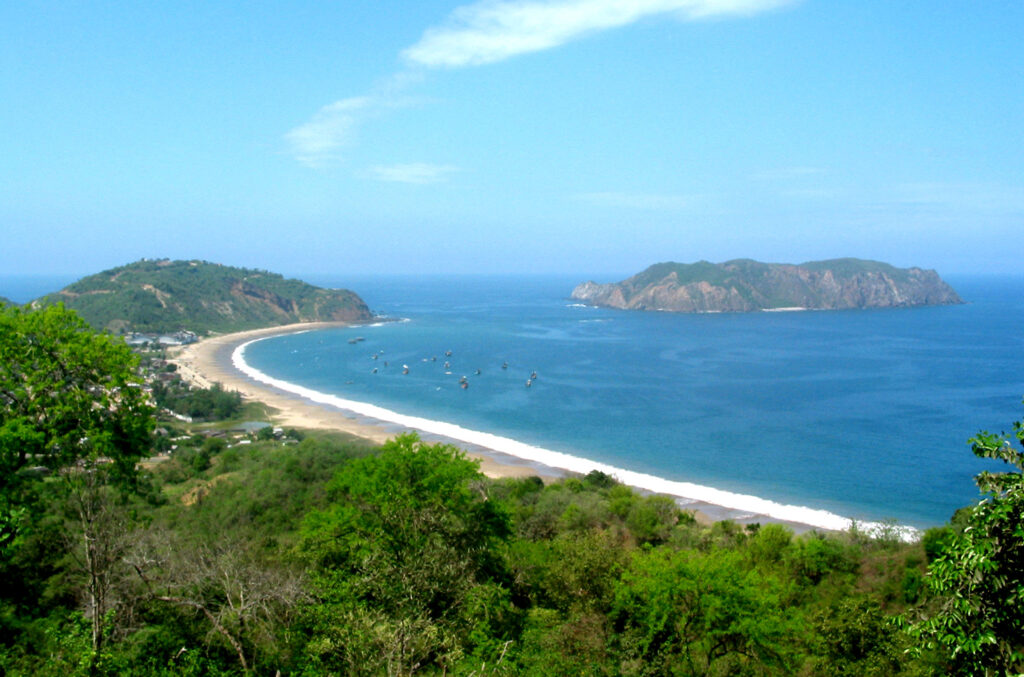
While VisitorsCoverage and Insubuy offer the most resilient policy framework for Ecuador’s coast under active travel warnings, secondary options cater to specific profiles. SafetyWing suits long-term digital nomads in low-risk zones, High-Risk Voyager provides UK-tailored FCDO override riders, and World Nomads excels for high-altitude multi-sport adventure travel.
To provide an objective overview for the 2027 travel season, we compared VisitorsCoverage and Insubuy against three major alternative providers frequently used by independent travellers: SafetyWing, High-Risk Voyager, and World Nomads.
| Provider | Emergency Medical Limit | Medical Evacuation Cover | Water Sports Included? | FCDO Advisory Stance | Ideal Traveller Type |
| VisitorsCoverage | Up to $1,000,000+ USD | Included | Yes / Filterable sports riders | Plans available covering advisory zones | Coastal road-trippers, surfers, digital nomads |
| Insubuy | Up to $2,000,000+ USD | Included | Yes / Customisable Sports Riders | Clear certificate filtering for advisory zones | Independent overlanders, bikepackers, remote workers |
| SafetyWing | Up to $250,000 USD | Included | Basic / Surfing option available | Subject to active conflict / sanctions clauses | Long-term digital nomads based in Olón |
| High-Risk Voyager | Up to £1,000,000 | Included | Optional activity riders | Explicit FCDO override rider available | UK residents requiring explicit advisory overrides |
| World Nomads | Up to $100,000+ USD | Included | Yes / Explorer Plan | Strictly invalidated by foreign advisories | Multi-sport adventurers outside advisory zones |
Evaluating the alternatives

SafetyWing / Nomad Insurance
SafetyWing remains a popular subscription-based model for digital nomads due to its rolling monthly payment structure and affordable baseline rates. For nomads living long-term in quieter coastal hubs like Olón or Ayampe, SafetyWing offers a convenient hands-off setup.
However, travellers must read the fine print regarding civil unrest and local states of emergency. While SafetyWing covers general travel, claims resulting from active civil disturbances, political violence, or military deployments in designated high-risk zones may be excluded under their standard underwriter terms.
High-Risk Voyager
For UK nationals who want absolute regulatory clarity regarding FCDO warnings, High-Risk Voyager is a specialised insurance product designed explicitly to cover destinations where the Foreign Office advises against all or all but essential travel. It provides high medical coverage limits and explicit policy riders that override government travel advisories.
The main trade-off is cost: premiums for High-Risk Voyager are significantly higher than standard travel insurance, making it better suited for short-term visits or corporate assignments rather than long-term budget backpacking.
World Nomads
World Nomads is renowned for its comprehensive adventure travel options, covering over 150 sports and activities under its Standard and Explorer tiers. It is an excellent choice for multi-sport travellers engaging in high-altitude trekking in the Andes or diving in the Galápagos.
However, World Nomads strictly enforces nationality-based government advisory exclusions. If your home government issues an advisory against travel to Manabí or Esmeraldas, World Nomads policies automatically exclude coverage within those provinces, making it unsuitable for coastal travel under current advisories.
The Ecuadorian Sierra.
Get lost in the hills
Essential coverage features for Coastal Ecuador
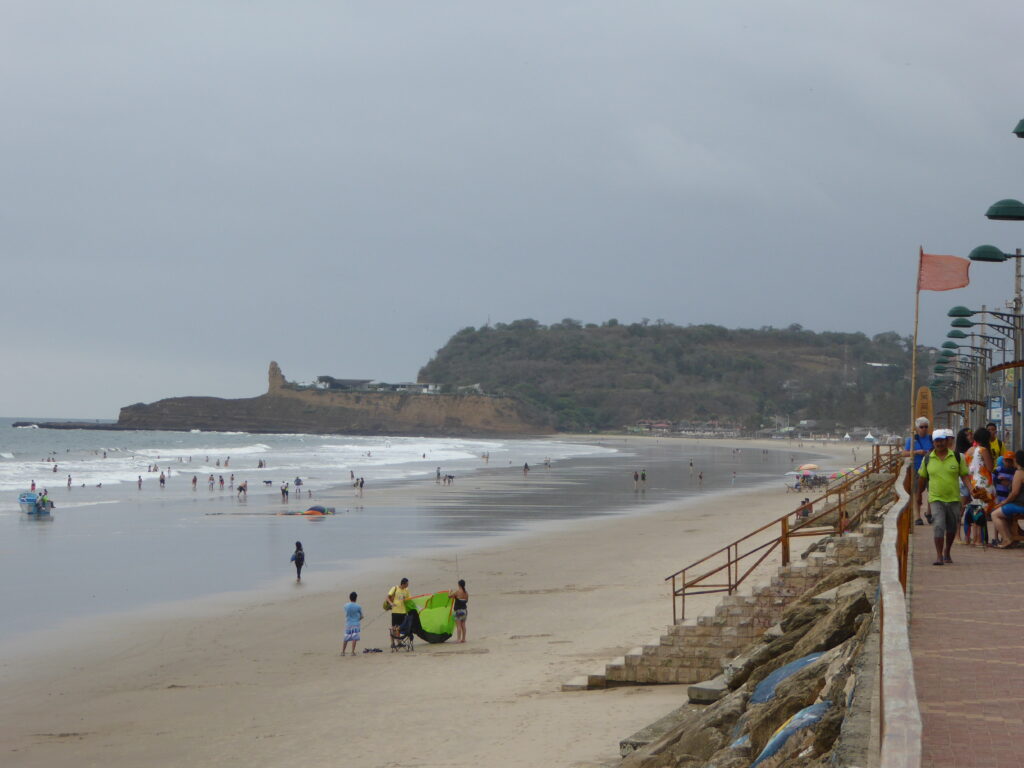
Essential travel insurance features for coastal Ecuador in 2027 must include emergency medical evacuation to major hospitals in Guayaquil or Manta, active leisure coverage for surfing injuries, theft protection during inter-city bus transit, and outpatient coverage for endemic tropical illnesses like dengue fever.
When selecting a policy for coastal Ecuador, generic travel coverage is insufficient. The geographical, infrastructural, and medical conditions along the Pacific coast require specific policy features tailored to regional risks.
Coastal Ecuador risks
- Emergency Evacuation: Transfers to Guayaquil or Manta
- Water Sports: Reef cuts, sea urchins, surf trauma
- Transit Baggage: Theft on buses along Ruta Spondylus
- Tropical Diseases: Outpatient dengue & gastro care
Emergency medical evacuation and inter-hospital transfer
The rural healthcare network along the coast is composed mainly of local health posts (centros de salud) and basic regional hospitals in smaller towns like Puerto López or Canoa. While suitable for minor triage, these facilities lack advanced surgical suites, intensive care units, and specialised trauma care.
If you suffer a complex injury or severe acute illness, you will require ambulance transfer or air evacuation to tertiary hospitals in Manta, Portoviejo, or Guayaquil.
Emergency medical transport in South America is expensive, with ground and air ambulance transfers costing anywhere from $5,000 to over $20,000 USD. Your policy must explicitly include emergency medical evacuation and inter-hospital transport with high limit allocations.
Water sports and ocean rescue protection
The ocean is the primary attraction along the Ruta Spondylus, but it presents constant physical hazards:
- Reef and Point Break Lacerations: Shallow rocky bottoms at breaks near Ayampe and Montañita can cause severe cuts requiring stitches and antibiotic treatment
- Marine Life Hazards: Stingray envenomation and sea urchin spine punctures require medical extraction and localised treatment at private clinics
- Severe Surf Trauma: Dislocated shoulders, concussions from board impacts, and near-drowning events require immediate emergency care
Ensure your insurance policy explicitly lists surfing and ocean activities under its covered sports list rather than relegating them to an excluded hazardous activities category.
Inter-city bus transit and gear protection
Travelling between coastal towns typically involves taking regional inter-provincial buses along the Ruta Spondylus. Theft of unattended luggage from bus cargo holds or overhead racks can occur on long routes connecting Guayaquil, Portoviejo, and Esmeraldas.
A policy featuring transit baggage protection covers the theft or loss of personal gear, clothing, and travel electronics during public transport transit.
Tropical illnesses and outpatient care
Coastal Ecuador’s tropical climate creates exposure to mosquito-borne illnesses, including dengue fever and chikungunya, alongside foodborne gastroenteritis. Treatment for dengue fever involves diagnostic blood tests, hydration monitoring, and medical observation.
Having a zero-deductible policy allows travellers to seek prompt blood testing and medical evaluation at private diagnostic laboratories without incurring high out-of-pocket costs.
Actionable pre-purchase checklist for 2027

Before departing for coastal Ecuador in 2027, travellers must verify pre-existing condition disclosures, select zero-deductible options for minor clinic visits, store policy documents and emergency hotline numbers offline, and confirm whether their provider arranges direct billing with major coastal hospitals in Manta and Guayaquil.
To guarantee that your travel insurance operates seamlessly during an emergency along the coast, follow this pre-departure checklist before finalising your policy:
1. Accurately declare pre-existing medical conditions
Underwriters strictly audit medical history during major claims. Ensure that all pre-existing conditions, prior surgeries, and chronic ailments are fully declared during policy application. Non-disclosure can lead to claim denial, even if the emergency appears unrelated to the underlying condition.
2. Select a 0% deductible tier / Zero excess
When customising your policy options, choose a zero-deductible plan if available. Paying a slightly higher upfront premium eliminates out-of-pocket fees for $80 to $250 USD outpatient clinic visits, making it far easier to claim for minor ailments like infections, fever, or lacerations.
3. Set up offline document management and hotline access
Internet access along rural stretches of the coastal highway can be intermittent. Before departing:
- Save digital copies of your policy schedule, coverage limits, and emergency assistance numbers locally on your smartphone
- Print physical copies of your insurance card and place them in your primary luggage and daypack
- Save the 24/7 international emergency medical assistance hotline number into your phone contacts with the correct international dialling prefix (+1, +44, etc.)
4. Verify direct billing versus reimbursement protocols
Understand how your insurer handles emergency medical payments:
- Inpatient Admissions: For hospital admissions in Guayaquil or Manta, contact your insurer’s emergency assistance team immediately. They will issue a guarantee of payment directly to the hospital admissions department
- Outpatient Visits: For minor consultations at local clinics in towns like Montañita, Olón, or Puerto López, you may need to pay upfront in cash ($ / USD) or by credit card. Keep all itemised medical receipts, diagnostic reports, and pharmacy bills to submit for reimbursement via your provider’s online portal
By choosing a provider with flexible international terms, confirming your active leisure options, and following this pre-departure protocol, you can explore Ecuador’s Pacific coast with confidence throughout 2027.
The Ecuadorian Amazon.
The most biodiverse place in the world
Discover Ecuador’s Pacific coast with total peace of mind
Read this far?
The stretch of Pacific highway winding through Santa Elena and Manabí represents raw, unvarnished South American travel at its finest. From early morning surf checks in Ayampe to quiet afternoons working from an open-air café in Olón, coastal Ecuador offers an unmatched rhythm for those who favour independent travel. Yet, true autonomy on the road relies on removing catastrophic financial risk when things go sideways far from home.
While foreign diplomatic advisories paint a broad brush across entire provinces, the ground reality for overlanders, cyclists, and remote workers requires a nuanced approach. Relying on default credit card policies or rigid domestic insurers is a gamble that leaves you entirely exposed the moment an emergency arises in an advisory zone. Choosing an underwriter designed for international transit ensures your focus remains where it belongs: on the journey itself.
Before you strap your surfboards to the roof rack, pack your panniers, or board an inter-city bus out of Guayaquil, take twenty minutes to audit your policy terms. Ensure your medical limits cover emergency evacuation, confirm that your water sports activities are explicitly listed, and keep your documentation accessible offline. With the right coverage secured through providers like VisitorsCoverage and Insubuy, you can embrace the wild beauty of Ecuador’s Pacific corridor with absolute confidence.
Affiliate Disclaimer: Some of the links on Wheely Tyred are affiliate links. If you click through and make a booking or purchase, we may earn a small commission at no extra cost to you. We only recommend gear, tours, stays, and services we genuinely use, trust, and stand behind — our editorial independence always comes first. These commissions help keep our independent cycling guides and travel stories free to read. You can also buy me a coffee here — thanks for supporting the ride!
Frequently asked questions about the best travel insurance for coastal Ecuador 2027
While official border enforcement varies, proof of valid health insurance covering the duration of your stay remains a formal requirement for foreign tourists entering Ecuador. More importantly, having verified coverage is essential for obtaining immediate admission at private hospitals in regional centres like Guayaquil, Manta, or Portoviejo without requiring massive upfront cash deposits.
Yes, provided your policy includes transit baggage and equipment loss protection. When taking inter-city buses between coastal towns like Guayaquil, Puerto López, and Canoa, keep valuable electronics, passports, and medication in a small daypack on your lap rather than placing them in overhead racks or under-bus luggage compartments.
Plans aggregated on VisitorsCoverage and Insubuy cover emergency medical treatment and outpatient care for endemic tropical illnesses, including dengue fever, chikungunya, and acute gastroenteritis. Choosing a 0% deductible option allows you to seek prompt diagnostic blood tests and treatment at local private labs or clinics without paying an out-of-pocket excess fee.
Yes, platforms like VisitorsCoverage and Insubuy allow travellers to filter for plans that permit mid-trip purchase while already abroad. This is particularly useful for overlanders, long-term digital nomads based in spots like Olón, or cyclists entering Ecuador via land borders from Peru or Colombia who need to extend or update their coverage.
If you have added an active leisure or water sports rider to your policy, emergency clinic care, stitches, diagnostic X-rays, and prescription medications are covered. If the injury requires specialised orthopaedic intervention, the policy covers emergency medical transport to a tertiary hospital in Manta or Guayaquil.
For major hospital admissions or emergency surgeries, contact your provider’s 24/7 international emergency assistance team immediately so they can issue a direct letter of guarantee to the hospital. For routine outpatient visits at smaller coastal clinics, you will typically pay upfront in cash or card and submit your itemised receipts and medical reports via the online portal for reimbursement.
Ecuador.
Pure wonder on the equator.


