Navigating the Pacific sanctuary / The best boat tours in Puerto López, Ecuador
Top-rated Isla de la Plata cruises, whale-watching excursions, and coastal snorkelling in Parque Nacional Machalilla
Set sail for Ecuador’s wild marine frontier
BEN FINCH
Nestled along the sweeping curve of Manabí province, the coastal town of Puerto López serves as Ecuador’s undisputed gateway to Pacific Ocean adventure. Framed by the protected dry forests and marine corridors of Parque Nacional Machalilla, this working fishing port offers access to one of South America’s most dynamic marine ecosystems.
Here, the nutrient-rich waters of the Humboldt Current converge with tropical Pacific currents, creating a thriving maritime sanctuary for green sea turtles, giant manta rays, nesting seabirds, and migrating marine mammals.
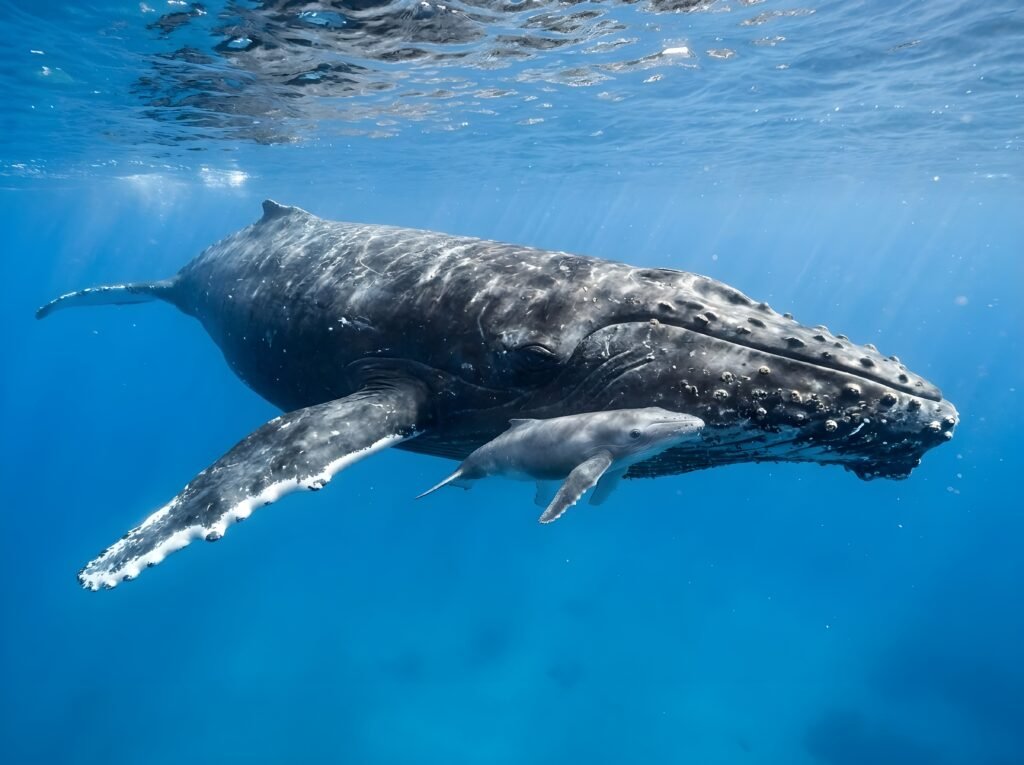
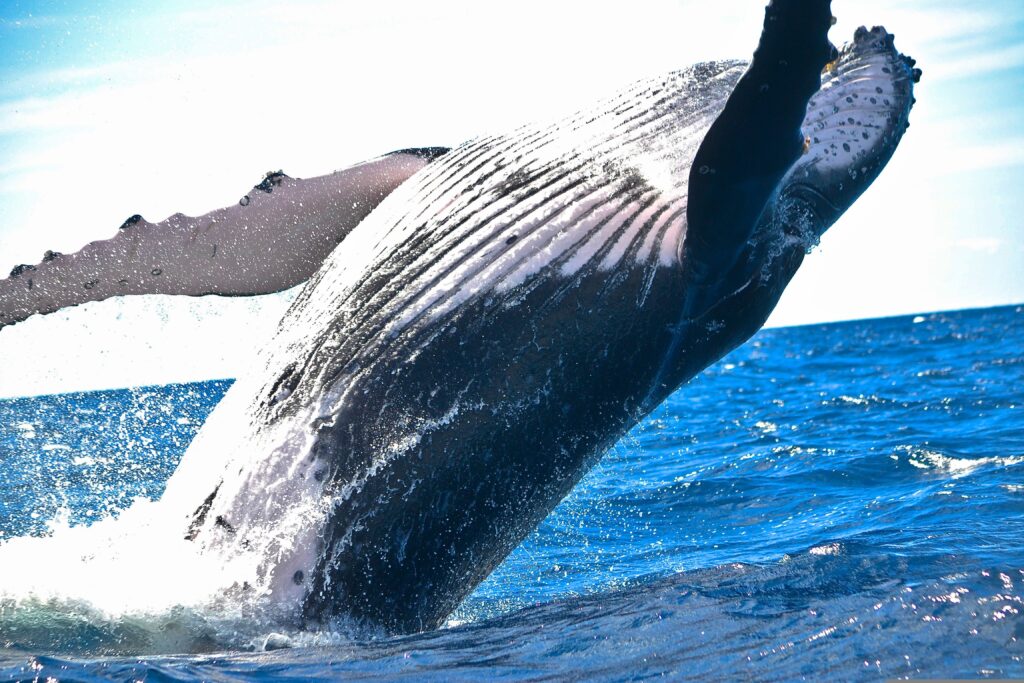
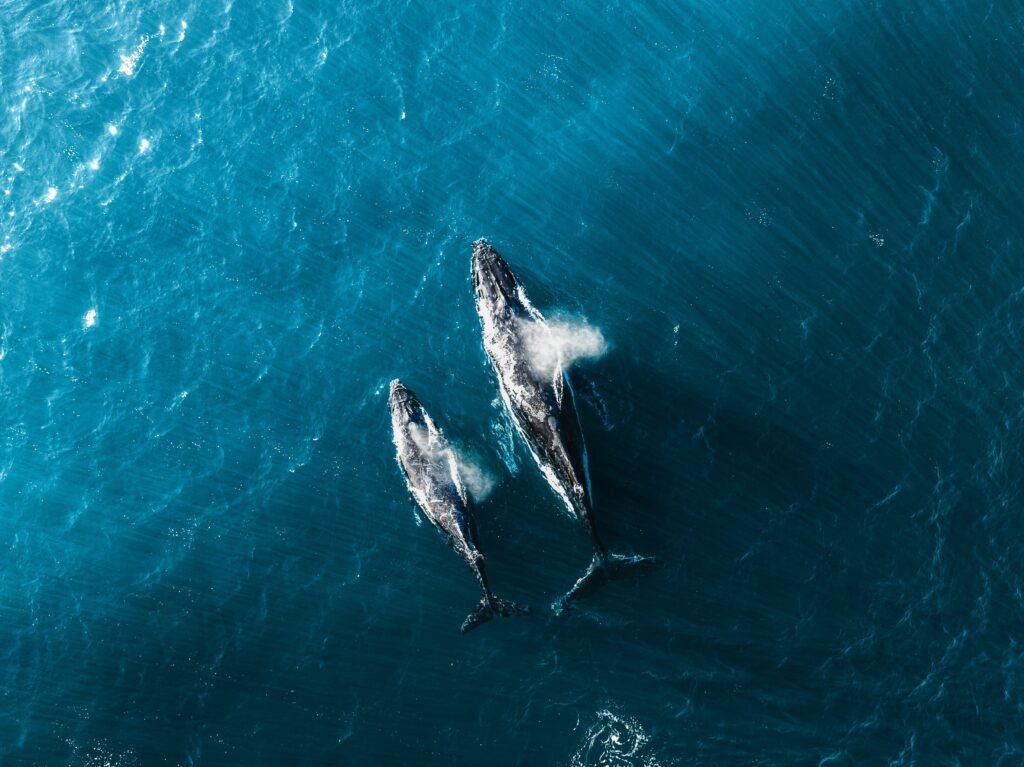
Every year between June and October, thousands of humpback whales (Megaptera novaeangliae) complete an arduous 8,000-kilometre migration from the icy feeding grounds of Antarctica to the warm, sheltered waters of Puerto López Bay to mate, give birth, and nurture their calves.
Meanwhile, 40 kilometres offshore lies Isla de la Plata—famously dubbed the Mini Galápagos—where blue-footed boobies, masked boobies, and magnificent frigatebirds nest on sun-drenched volcanic plateaus.
While land-based exploration reveals dusty hiking trails and coastal lookouts, the true spirit of Manabí can only be experienced from the deck of a boat. Steering away from crowded commercial operations and overcrowded party craft, small-vessel navigation allows independent travellers to appreciate these wild waters with minimal environmental impact.
At Wheely Tyred, our commitment to slow, autonomous travel guides our recommendations. We have evaluated the premier bookable boat tours in Puerto López, focusing on safety standards, small-group sizes, certified naturalist leadership, and genuine conservation ethics.
Whether you wish to kayak beneath coastal sea cliffs, snorkel alongside sea turtles, or watch breaching humpbacks at dawn, these curated excursions showcase the absolute finest water-based adventures in Ecuador.
The coastal essentials
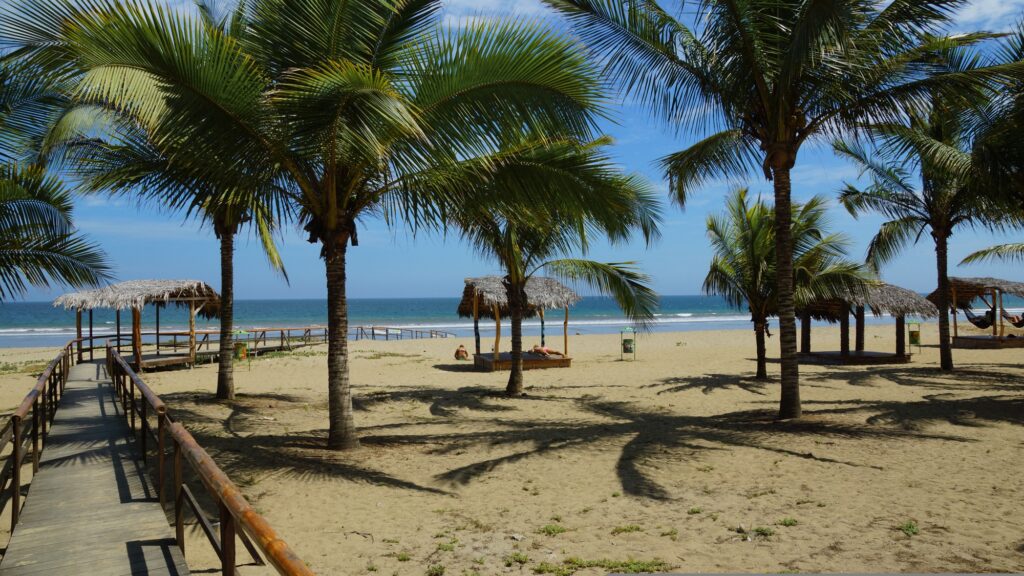
Before casting off into the Pacific swells of Manabí, take a moment to review the core highlights of this untamed coastal haven. From nesting seabird colonies to early-morning cetacean encounters, here is everything you need to know about navigating Puerto López by boat.
- Isla de la Plata: Known affectionately as the Mini Galápagos, this offshore island sanctuary offers rare opportunities to walk alongside nesting colonies of blue-footed boobies, masked boobies, and frigatebirds without the price tag of an archipelago cruise
- Humpback Whale Migration: Between June and October, thousands of humpback whales arrive in the warm bay of Puerto López from Antarctica to mate, nurture newborn calves, and perform spectacular surface breaches
- Isla Salango: A protected rocky islet ideal for half-day excursions, featuring resident Galápagos sea lion colonies, nesting seabirds on coastal cliffs, and calm, shallow reef snorkelling
- Active Exploration: Coastal trips along Parque Nacional Machalilla offer sit-on-top sea kayaking and cove exploration, revealing hidden sea caves and wild shorelines completely cut off from land routes
- Dawn Advantage: Early departures at 06:30 take advantage of glassy sea conditions, minimal vessel noise, and optimal lighting for photographing mother-and-calf pairs before midday ocean breezes pick up
- Ocean Seamanship: Preparing for Pacific swells with windproof layers, non-slip footwear, motion-sickness remedies, and dry bags ensures a comfortable day on open waters
- Marine Ethics: Responsible ocean travel requires choosing small-vessel operators who respect strict distance buffers around marine mammals and follow leave-no-trace protocols inside nature reserves
Puerto López.
Home to the humpback whale
Trek seabird trails and snorkelling coral shallows on the Mini Galápagos
Rating & reviews
(12+ verified reviews on GetYourGuide)
Why this tour stands out
Operated by Palo Santo Travel, one of the most respected local eco-tour agencies in Puerto López, this full-day maritime expedition offers a complete introduction to the biological wonders of Isla de la Plata.
The trip utilises a stable, twin-engine motor launch equipped with shaded seating and full marine safety gear. What elevates this tour above standard island runs is the inclusion of certified bilingual marine biologists during the humpback whale season. Passengers receive expert interpretation of whale breaching, tail-slapping, and underwater acoustic communication while en route to the island.
Upon arrival at Drake’s Bay (Bahía Drake), travellers make a dry landing before setting out on guided ecological hikes across the island’s interior plateaus. Your naturalist guide tailors the route based on active nesting sites, bringing you within metres of courting blue-footed boobies and soaring frigatebirds.
Following the hike, the boat anchors in a sheltered island cove for an extended snorkelling session over coral reefs inhabited by green sea turtles, parrotfish, and seasonal manta rays.
Key highlights
- Full-day guided voyage departing from Puerto López pier to Isla de la Plata inside Parque Nacional Machalilla
- Eco-guided trekking along island trails to observe nesting colonies of blue-footed boobies, red-footed boobies, and frigatebirds
- Integrated humpback whale watching during migration months (June to October) with research biologist guidance
- Snorkelling in pristine turquoise island waters with provided masks, snorkels, and fins
- Inclusive packed lunch featuring fresh local fruit, cold sandwiches, banana cake, soft drinks, and all national park entry permits
Ideal for
Slow travellers, birdwatching enthusiasts, and wildlife lovers seeking an immersive, natural-history-focused day trip to Ecuador’s most famous offshore sanctuary.
Local insight
The ocean crossing across the Pacific to Isla de la Plata takes roughly 1 hour and 15 minutes each way over open ocean swells. If you are susceptible to motion sickness, consume a preventive tablet 30 minutes before boarding at the harbour, and choose a seat towards the stern (rear) of the boat where pitching motion is significantly reduced.
The Ecuadorian Coast.
Where you’ll find the very best food
Dawn encounters with humpback mothers and calves
Rating & reviews
(1+ verified review on Viator)
Why this tour stands out
For dedicated photographers and marine life enthusiasts, mid-day commercial whale-watching trips can sometimes feel rushed or crowded. This specialised 06:30 am departure solves that issue by taking advantage of the quietest hours on the water. In the early morning, wind speeds are low, the sea surface is glass-smooth, and vessel traffic within the bay of Puerto López is virtually non-existent.
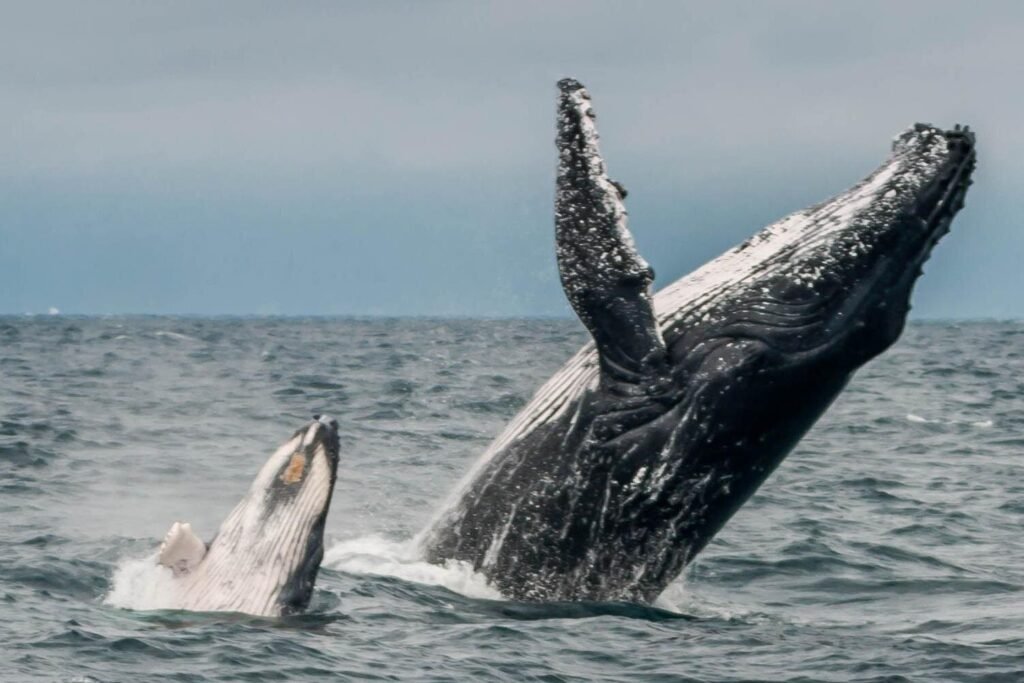
This small-group charter focuses specifically on observing maternal humpback pairs—mothers teaching their newborn calves vital surfacing, blowhole breathing, and pectoral fin-slapping techniques.
Led by research-oriented bilingual specialists, the vessel operates under strict ethical guidelines, keeping motor noise low and maintaining respectful distances. Passengers are invited to participate in ongoing community science documentation by photographing tail flukes for regional cetacean tracking databases.
Key highlights
- Rare 06:30 am early morning departure designed to capture calm sea conditions and ideal morning lighting
- Specialised focus on maternal humpback behaviour and young calf interactions in sheltered bay waters
- Educational insights from bilingual marine research specialists
- Active involvement in whale identification photography and cetacean conservation logging
- Small-group or private structure offering clear, unobstructed 360-degree photography angles from the deck
Ideal for
Wildlife photographers, early risers, conservationists, and travellers wanting a tranquil, highly respectful cetacean encounter far away from midday boat traffic.
Local insight
Early mornings off the Manabí coast can bring a crisp, damp sea breeze before the sun breaks over the coastal cordillera. Dress in light windproof layers, bring a dry bag for camera gear, and ensure your camera lenses are wiped down immediately if touched by salty ocean mist.
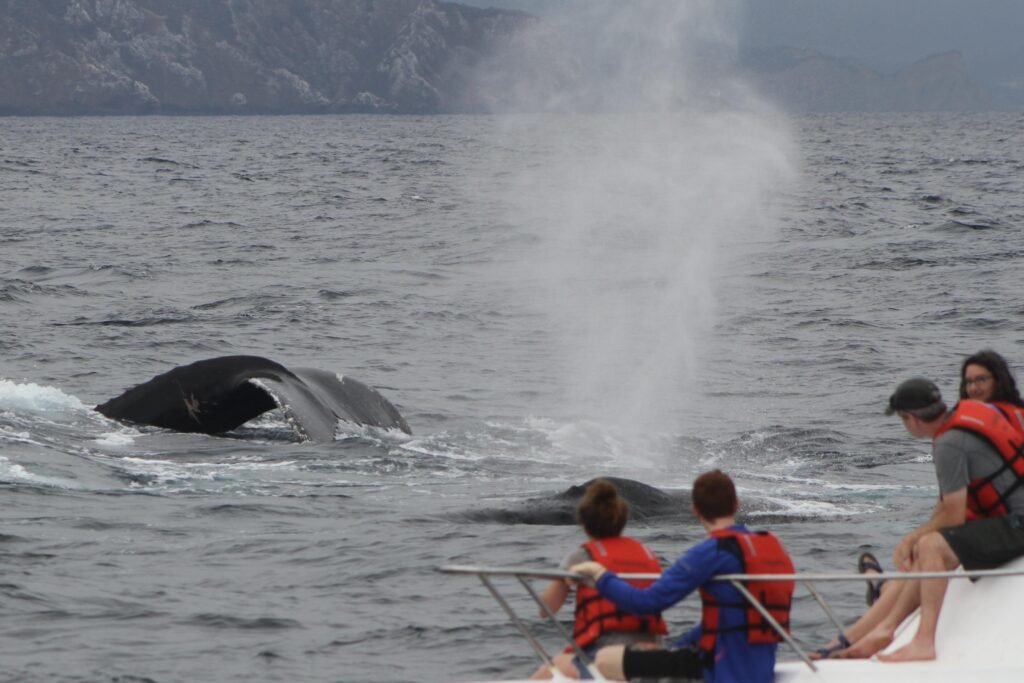
Sea lion sanctuaries and reef snorkelling at Isla Salango
Rating & reviews
(3+ verified reviews on Viator)
Why this tour stands out
Not every traveller has the time or inclination for an 8-hour open-ocean voyage to Isla de la Plata. This 3-hour coastal boat excursion provides a concentrated, high-reward alternative that explores the protected southern shorelines of Parque Nacional Machalilla.
Hugging the coast, the boat journeys south to Isla Salango, an uninhabited rocky islet famous for its resident colony of Galapagos sea lions (Zalophus wollebaeki) and roosting blue-footed boobies.
The boat navigates close to the cliff faces of Salango, providing excellent vantage points to observe sea lions basking on sun-warmed rocks or playing in the surf. During migration months, the skipper searches the waters around the island for breaching humpbacks.
The tour culminates in a guided snorkelling session in the clear, shallow waters of Salango’s sheltered bay, where vibrant soft corals, damselfish, sea urchins, and stingrays thrive.
Key highlights
- 3-hour half-day coastal boat trip past the dramatic sea cliffs of southern Machalilla
- Close-range wildlife watching of resident sea lion colonies and seabirds at Isla Salango
- Seasonal humpback whale spotting included during the migration window
- Guided snorkelling over shallow coral and volcanic rock reefs in protected waters
- Complimentary fresh tropical fruit snacks and refreshing drinks served on deck
Ideal for
Families with younger children, active snorkelers, and travellers looking for a concise, budget-friendly water adventure without long ocean transits.
Local insight
Because Isla Salango sits in the lee of the mainland, its snorkelling cove is sheltered from heavy southerly swells. Water temperatures here are often slightly warmer than at offshore sites. Wear neoprene booties or fixed-strap water sandals, as the shallow reef entry near the island rocks contains sharp volcanic stone and sea urchins.
The Galápagos.
Ecuador’s Enchanted Isles
Exploring wilderness trails and marine life in Machalilla
Rating & reviews
(9+ verified reviews on Viator)
Why this tour stands out
This highly-rated 6-to-7-hour small-group excursion puts an emphasis on eco-education and intimate group sizes, capping passenger numbers at just 16 travellers per boat. Departing directly from the Palo Santo Travel marine centre on Puerto López beach, the journey takes you 40 kilometres offshore across the continental shelf.
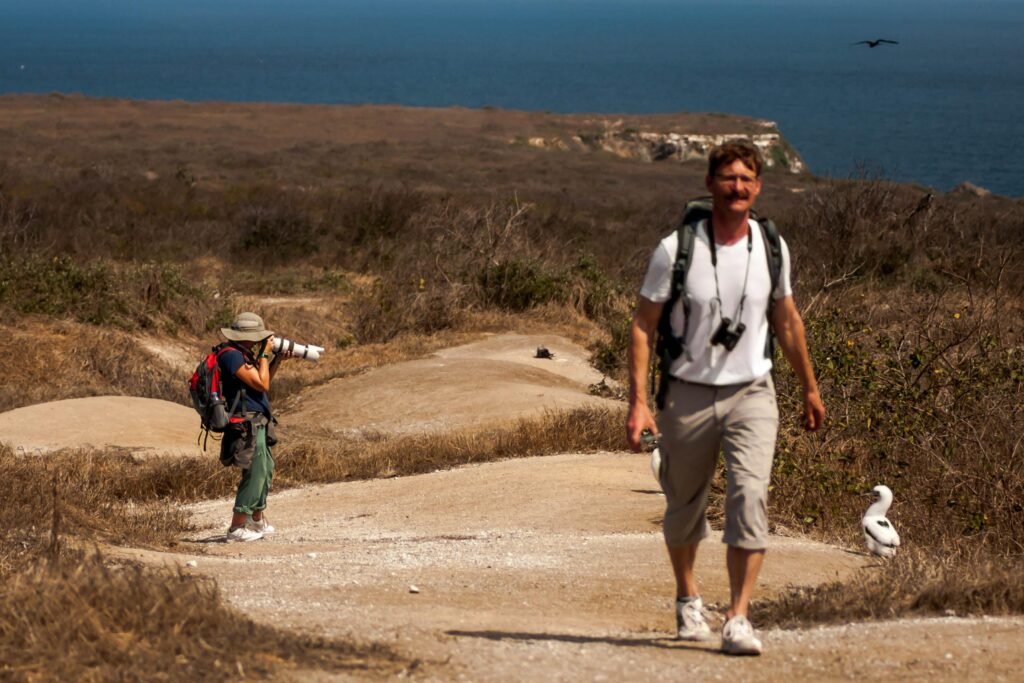
Upon anchoring at Isla de la Plata, your group is accompanied by a certified national park guide who provides in-depth commentary on the island’s unique microclimates, endemic flora such as the Palo Santo tree (Bursera graveolens), and seabird breeding cycles.
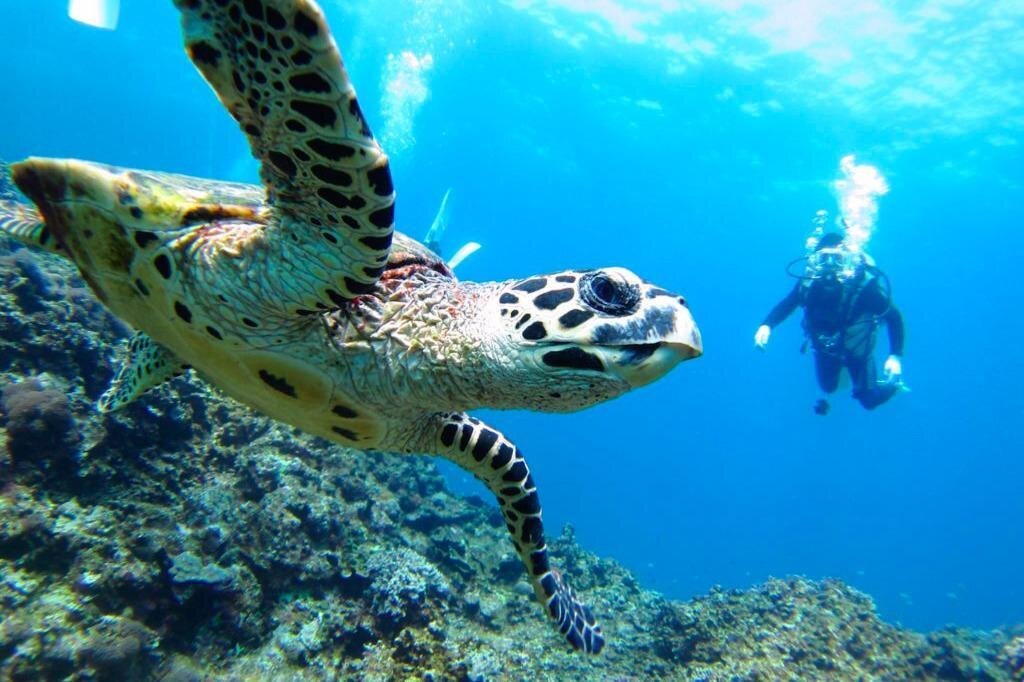
The tour offers a choice of trail lengths, making it accessible to varying fitness levels. After returning to the vessel for a fresh lunch, passengers gear up for a full hour of guided snorkelling along the island’s protective reef system, known for frequent sightings of hawksbill and green sea turtles.
Key highlights
- Small-group policy strictly limited to 16 passengers for an uncrowded deck experience
- 6-to-7-hour full-day marine and terrestrial exploration of Parque Nacional Machalilla
- Guided hiking trails with choices for different walking abilities, focusing on nesting marine birds
- Snorkelling session in marine reserve waters with high concentrations of sea turtles and colourful reef fish
- Complete package including high-quality snorkelling equipment, park fees, and lunch box
Ideal for
Eco-conscious travellers, active hikers, and small-group enthusiasts who prefer personalised attention from their naturalist guide.
Local insight
The trail network on Isla de la Plata winds across open, dry terrain with zero natural shade. Midday temperatures can soar above 30°C. Bring a wide-brimmed sun hat, reef-safe sunscreen, and at least 1.5 litres of fresh water in a reusable canteen.
Coastal kayaking and reef exploration along Machalilla’s sheltered bays
Rating & reviews
(3+ verified reviews on Viator)
Why this tour stands out
For travellers who prefer active, self-propelled water sports alongside motorised boat cruising, this 6-hour multi-activity trip is an exceptional choice. Navigating along the mainland coastline of Parque Nacional Machalilla, the support vessel explores secluded coves and dramatic headlands that are completely inaccessible by vehicle or on foot.
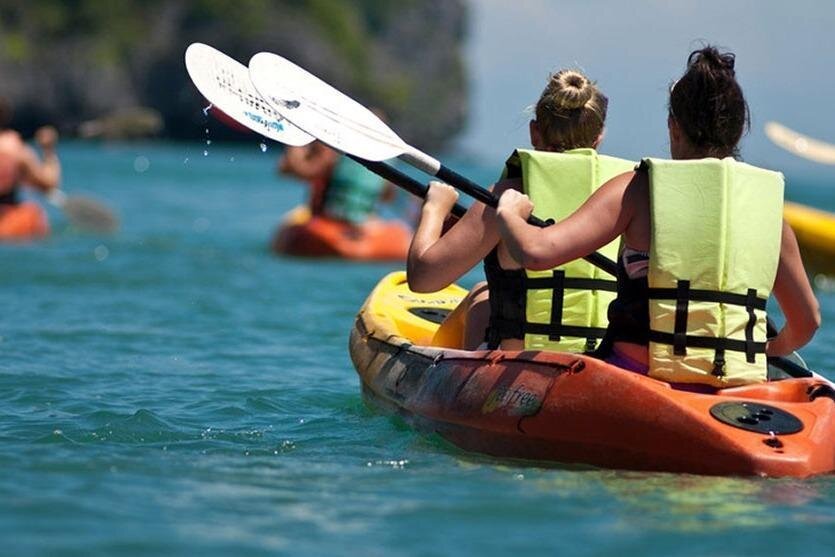
Once anchored in a sheltered cove, the crew launches sit-on-top sea kayaks directly into the turquoise water. Guided by experienced watermen, paddlers can explore sea caves, glide past rocky islets where brown pelicans and boobies rest, and access hidden beaches.
The vessel also serves as a base for guided snorkelling over pristine coral gardens and light sport fishing, creating a diverse day of water-based recreation supervised by certified safety personnel.
Key highlights
- 6-hour multi-activity boat excursion exploring the mainland coast of Parque Nacional Machalilla
- Guided sea kayaking sessions launched directly from the boat into quiet coastal coves
- Snorkelling over rich coral beds alive with goldfish, sea turtles, and starfish
- Opportunities for recreational catch-and-release sport fishing along offshore ledges
- Full safety oversight by licensed maritime guides with equipment provided
Ideal for
Outdoor enthusiasts, paddlers, active couples, and sea kayakers looking to explore coastal geology and marine habitats under their own paddle power.
Local insight
When paddling sea kayaks near rock faces and sea caves, always keep an eye out for incoming swells that can cause a sudden surge against the cliffs. Maintain a safe clearance distance of at least 5 metres from rock walls, and wear a long-sleeved UV rash guard to guard against sun exposure on the water.
The Ecuadorian Sierra.
Get lost in the hills
Ocean voyages across the migration path to Isla de la Plata
Rating & reviews
(9+ verified reviews on Viator)
Why this tour stands out
Known locally as the classic Silver Tour, this 8-hour day trip offers seamless door-to-door convenience with integrated hotel pickup and drop-off options in Puerto López. Designed for travellers who want a comprehensive open-sea voyage, the itinerary maximises time spent navigating active whale corridors between the mainland and Isla de la Plata.
The experienced local captains on this route maintain constant radio communication with regional marine spotters, maximising your chances of observing breaches, lob-tailing, and spy-hopping during humpback season.
On Isla de la Plata, travellers enjoy a full guided wilderness walk across island ridges before descending to Drake’s Bay for reef snorkelling. The returning afternoon crossing is timed to catch the soft golden light over the Manabí coast.
Key highlights
- 8-hour comprehensive marine package with optional hotel transfers in Puerto López
- Extended open-water navigation engineered for optimal humpback whale observation
- Guided island trekking across Isla de la Plata to photograph nesting blue-footed boobies
- Off-vessel snorkelling session with masks, snorkels, and flotation aids provided
- Boxed lunch, soft drinks, safety gear, and licensed bilingual guides included
Ideal for
Independent travellers wanting a hassle-free, fully logistics-managed day trip with maximum open-sea transit time for cetacean watching.
Local insight
On the afternoon return voyage from Isla de la Plata, the prevailing trade winds often kick up ocean spray over the bow. Store your mobile phones, passports, and electronics inside waterproof dry bags before leaving the island anchorage, and wear a lightweight waterproof jacket on deck.
Our practical Puerto López boat tour & water safety guide
Navigating the waters of equatorial South America requires preparation and respect for open ocean conditions. To ensure your boat trip in Puerto López is safe, comfortable, and environmentally sound, keep these practical rules in mind:
1. Layering for Pacific sea chill
Although Puerto López sits near the equator, open-ocean boat crossings can feel surprisingly cool due to the cold Humboldt Current and constant ocean breezes. Always layer your clothing. Wear a moisture-wicking base shirt, a UV-protective long-sleeve rash guard, and carry a compact windproof and waterproof jacket for morning departures and afternoon returns.
2. Marine conservation & responsible distancing
Parque Nacional Machalilla is a sensitive biosphere reserve. When on whale-watching vessels, ensure your captain adheres to local conservation laws: boats must remain at least 100 metres away from adult humpbacks and 50 metres from mother-calf pairs. When snorkelling at Isla de la Plata or Isla Salango, never touch green sea turtles, avoid standing on delicate coral heads, and maintain a respectful distance from nesting seabirds on island trails.
3. Proactive seasickness management
The Pacific Ocean swells off the coast of Manabí can be unpredictable, particularly on the 40-kilometre transit to Isla de la Plata. If you are prone to motion sickness, take an over-the-counter anti-nausea tablet (such as dimenhydrinate) 30 to 60 minutes before stepping onto the boat. While on board, stay out on deck in the fresh air, fix your gaze on the stable horizon, and sit near the stern of the vessel where hull motion is least pronounced.
4. Appropriate deck & trail footwear
Avoid wearing loose flip-flops on boat tours. Wet fibreglass boat decks and metal boarding ladders can be slick, while the hiking trails on Isla de la Plata consist of loose volcanic gravel and dirt. Wear sturdy water sandals with adjustable ankle straps or quick-drying trail sneakers that provide non-slip grip on wet decks and support on dusty island paths.
5. Tipping etiquette for crew & naturalist guides
Maritime tourism in Puerto López relies heavily on local captains, deckhands, and bilingual naturalist guides who work tirelessly to ensure safety and share regional environmental knowledge. While tipping is voluntary in Ecuador, leaving $5 to $10 USD per passenger in the crew tip box directly supports local maritime families and rewards high standards of seamanship and environmental stewardship.
The Ecuadorian Amazon.
The most biodiverse place in the world
Chart your own course through Ecuador’s marine sanctuary
Read this far?
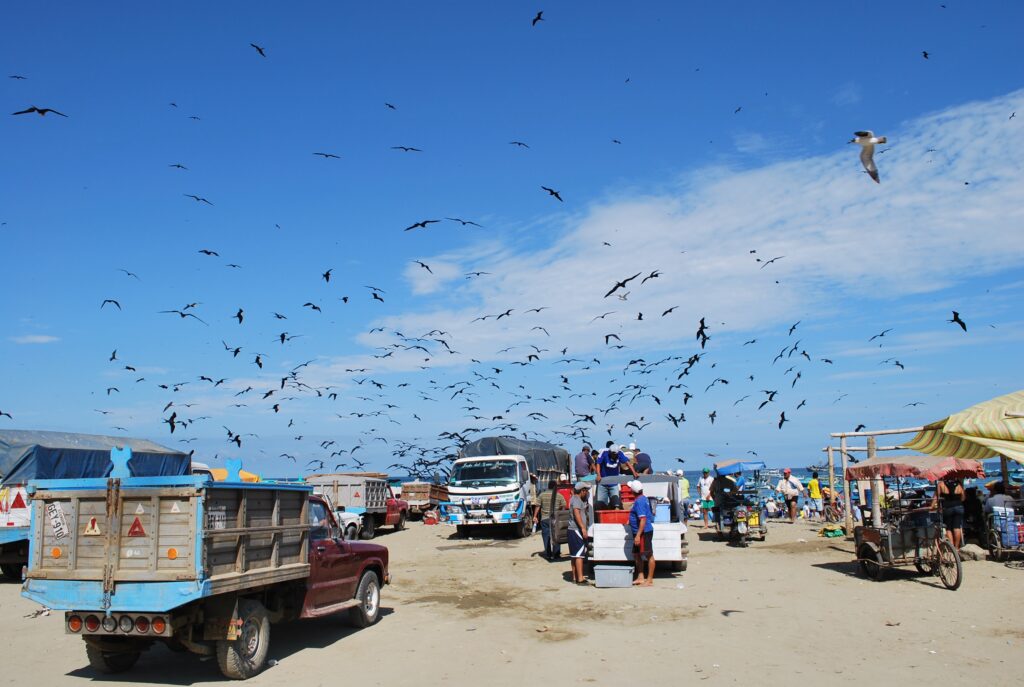
Puerto López remains one of South America’s most rewarding marine crossroads precisely because it has resisted the gloss of hyper-commercialised resort travel. Here, the ocean is not merely a backdrop for sunbathing; it is a working seascape defined by morning fishing skiffs unloading their daily catch along the beach, artisanal boatbuilders tending to wooden hulls, and vast pods of marine life moving along the continental shelf. Taking to the ocean here offers a profound reminder of the sheer scale and wildness of the South Pacific.
Whether you choose to spend an entire day trekking across the windswept plateaus of Isla de la Plata or paddle a kayak beneath the sandstone bluffs of Parque Nacional Machalilla, the secret to an unforgettable trip lies in pacing yourself.
Slowing down your itinerary allows you to coordinate with ocean conditions, adjust for early departures, and truly absorb the subtle rhythms of the Manabí coast. Independent travellers will find that pairing water excursions with local bus routes along the coastal highway or bicycle rides into the dry forest creates a balanced, deeply satisfying itinerary.
As you step off the boarding ladder back onto the sandy shores of Puerto López harbour, you carry home far more than photographs of breaching whales or nesting boobies. You take with you a revived sense of wonder for the fragile ecosystems that thrive where the Humboldt Current touches the equator.
By supporting small-scale, conservation-minded boat captains and local naturalist guides, you help ensure that this extraordinary stretch of South American coastline remains vibrant, wild, and open for generations of curious ocean travellers to come.
Affiliate Disclaimer: Some of the links on Wheely Tyred are affiliate links. If you click through and make a booking or purchase, we may earn a small commission at no extra cost to you. We only recommend gear, tours, stays, and services we genuinely use, trust, and stand behind — our editorial independence always comes first. These commissions help keep our independent cycling guides and travel stories free to read. You can also buy me a coffee here — thanks for supporting the ride!
Frequently asked questions about the best Puerto López boat tours
The optimal window for humpback whale watching in Puerto López runs from June to October. During these months, humpback whales migrate north from Antarctic feeding grounds to the warm, sheltered coastal waters of Ecuador to mate and give birth. July and August typically offer the highest volume of sightings, including active breaching, tail-slapping displays, and mother-and-calf pairs in the bay.
Puerto López is straightforward to reach using Ecuador’s public bus network along the coastal highway, known as the Ruta del Spondylus. Direct buses depart regularly from Guayaquil’s main bus terminal (taking roughly 3.5 to 4 hours) and from Manta (taking around 2 hours). If you are travelling from neighbouring coastal villages such as Olón or Montañita, local colectivo buses run along the main road every 15 to 20 minutes throughout the day.
Unquestionably, yes. While smaller in geographic scale, Isla de la Plata provides an extraordinary natural history experience at a fraction of the cost of an archipelago cruise. Visitors can walk along guided trails alongside active nesting colonies of blue-footed boobies, red-footed boobies, and magnificent frigatebirds, while the island’s sheltered coves offer superb snorkelling with green sea turtles and tropical reef fish.
Packing thoughtfully ensures comfort on open waters. Bring a lightweight, windproof and rain-resistant jacket, a UV-protective rash guard, reef-safe sunscreen, a wide-brimmed hat, and polarised sunglasses. Footwear should include non-slip water sandals or lightweight trail shoes for the dusty terrain on Isla de la Plata. Additionally, bring a dry bag for electronics, a reusable water canteen, and any personal motion-sickness remedies.
Most reputable, licensed tour operators based in Puerto López include Parque Nacional Machalilla entry permits, certified naturalist guides, high-quality snorkelling equipment (mask, snorkel, and fins), safety life jackets, and a boxed lunch or fresh fruit snacks in their advertised rates. However, it is always wise to confirm specific inclusions with your tour operator prior to departure.
Open-ocean transits to Isla de la Plata involve a 75-minute crossing across Pacific swells that can range from calm to moderately choppy. If you are sensitive to seasickness, take an anti-nausea remedy roughly 30 to 60 minutes before departing the harbour. Opting for early morning departures when wind speeds are lower, and securing a seat towards the stern (rear) of the boat where pitching motion is minimal, will also ensure a comfortable voyage.
Ecuador.
Pure wonder on the equator.