Is Puerto López safe? A comprehensive guide to navigating Ecuador’s whale-watching capital
Puerto López, Ecuador, safety advice, local crime statistics, and security tips for solo independent travellers

Balancing coastal paradise with tactical caution on the Pacific shore
BEN FINCH
Tucked into a sweeping crescent bay in the Manabí province, Puerto López has long been celebrated as the ecotourism beating heart of coastal Ecuador. Between June and September, Antarctic humpback whales arrive in their thousands to breed in the warm waters, drawing wildlife enthusiasts, marine biologists, and independent travellers to the town’s sandy shores. It serves as the primary gateway to the spectacular Machalilla National Park and the avian paradise of Isla de la Plata.
However, planning a trip to the Ecuadorian coast in 2026 requires a deeper, clearer-eyed understanding of security than it did a few years ago. The country has undergone a significant security shift, with coastal provinces bearing the brunt of geopolitical challenges. To enjoy the incredible natural wealth of Puerto López, visitors must swap casual wandering for deliberate, informed planning.
This comprehensive guide breaks down the ground reality of safety in Puerto López, separating sensationalised headlines from practical, actionable security measures.
The untamed gateway to the Pacific wilds

Navigating Puerto López as an independent traveller means balancing awe-inspiring marine encounters with sharp tactical awareness. This coastal sanctuary offers unparalleled access to the natural wonders of Ecuador, provided you respect the shifting local security landscape.
- The Ecotourism Hub: Serving as the primary launching pad for Antarctic humpback whale watching between June and September, alongside daily maritime excursions to Isla de la Plata and the protected wilderness of Machalilla National Park
- The Regional Shift: Recognising that while the coastal Manabí province faces macro-level security challenges and visible military checkpoints, the localised tourist track remains distinct and navigable
- The Tourist Sanctuary: Operating within a tight-knit artisanal fishing community that actively protects its visitors, where the main daytime threat is non-violent opportunistic theft rather than targeted hostility
- The Golden Hour Rule: Confining your explorations to well-lit sections of the beachfront boardwalk, known locally as the malecón, and avoiding isolated beaches or unlit side streets entirely after sunset
- The Transit Protocol: Rejecting casual, street-hailed taxis and high-risk overnight intercity buses in favour of daylight travel schedules and accommodation-vetted local drivers
- The Solo Boundary: Maintaining strong situational awareness and firm personal boundaries as a solo traveller to easily deflect occasional verbal attention near the busy docks and nightlife venues
Puerto López.
Home to the humpback whale
Understanding the broad picture / Ecuador’s regional divide
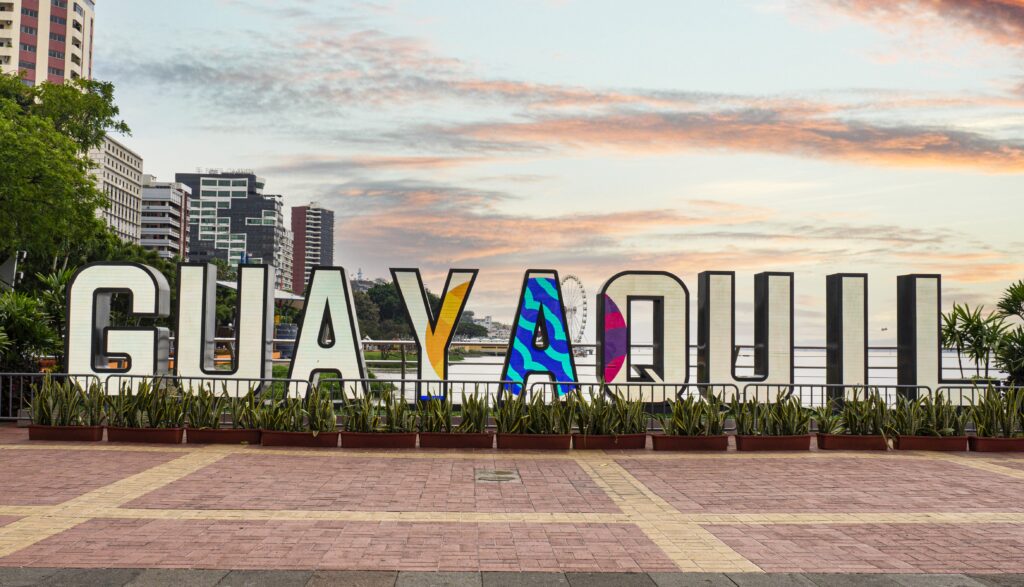
To understand the security environment in Puerto López, one must first look at the broader geographic landscape of Ecuador. The country currently operates under a complex security framework due to ongoing efforts by the state to combat organised crime. However, this situation is far from uniform.
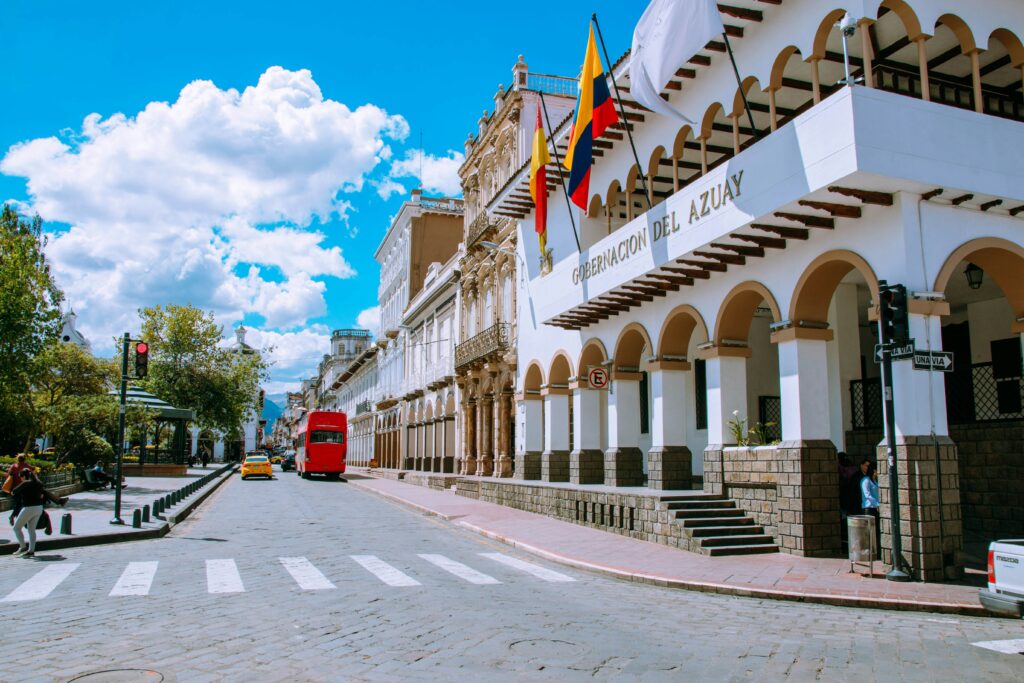
Safety in Ecuador is deeply split by geography. The Andean highlands, including historic hubs like Cuenca and Quito, alongside the isolated Galápagos Islands, remain well-travelled zones where standard urban precautions suffice. Conversely, the Pacific coast has seen an increase in friction due to its position along maritime shipping routes.
Puerto López sits within Manabí, a coastal province that has frequently been included in national state of emergency declarations. These government measures are designed to grant security forces increased operational flexibility to maintain order. For a tourist on the ground, this usually manifests as visible military checkpoints on major highways and an increased police presence in town centres, rather than active disruptions to daily life.
The ground reality inside the tourist bubble
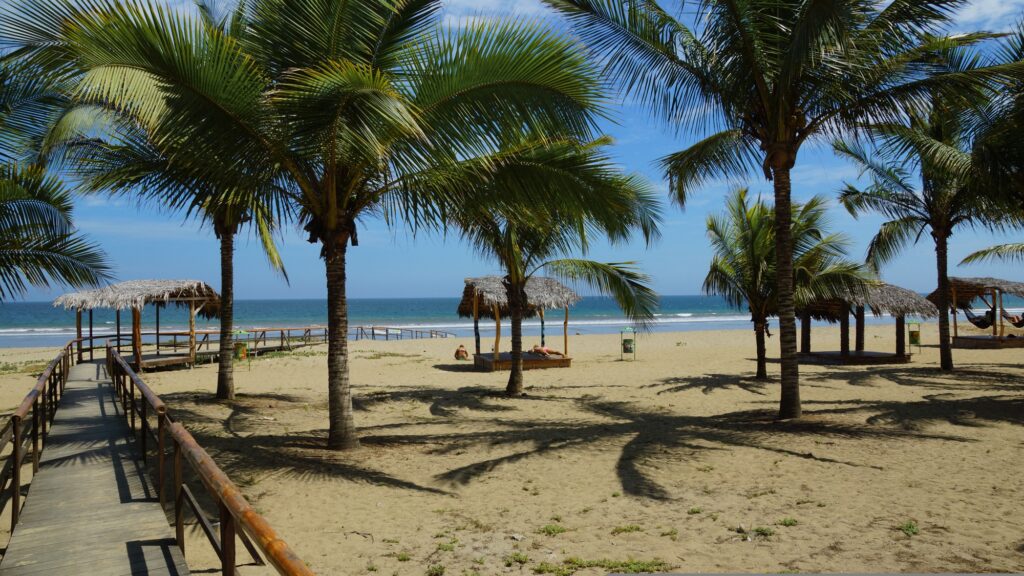
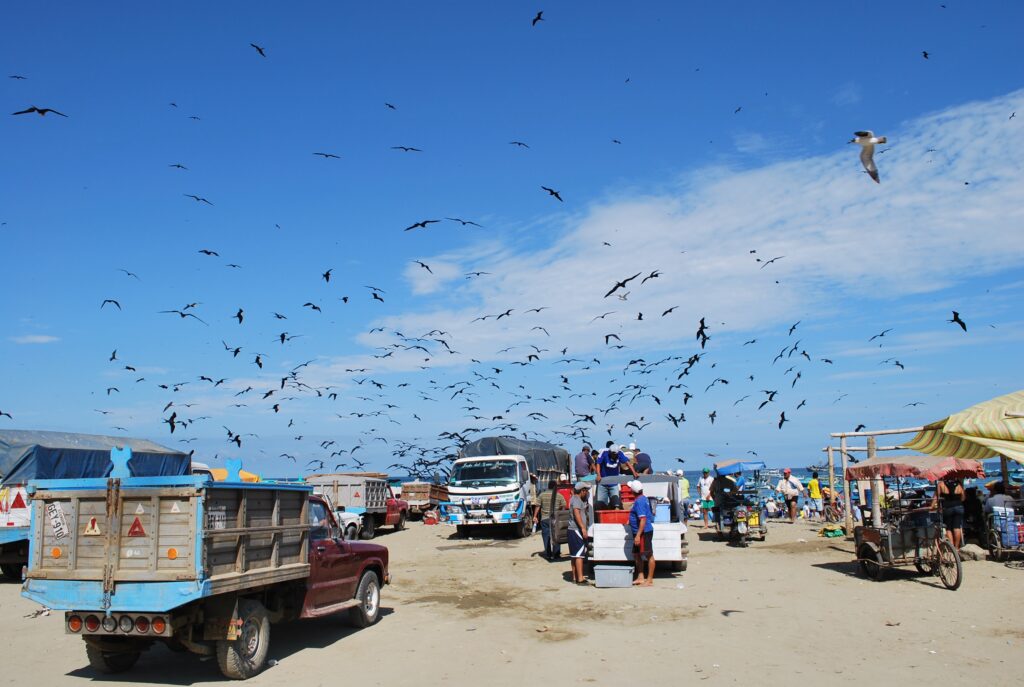
While provincial statistics can appear daunting, the localised environment within Puerto López itself tells a more nuanced story. The town is fundamentally an artisanal fishing village and a highly specialised tourism hub. Because the local economy relies heavily on the influx of international and domestic visitors, the community is fiercely protective of its reputation.
During the daytime, the tourist zones—particularly the malecón (the beachfront boardwalk) and the main docks—vibrate with positive energy. Tour operators coordinate daily excursions smoothly, and standard day trips to the pristine sands of Los Frailes beach or the sulphur lagoons of Agua Blanca proceed without incident.
The primary security challenge inside the town boundaries is opportunistic, non-violent petty crime. Pickpocketing, bag-snatching, and the theft of unattended items on the beach are the most common issues facing careless travellers. The risk rises considerably after dark, particularly on unlit side streets away from the main beachfront strip.
The Ecuadorian Coast.
Where you’ll find the very best food
Key risks and crime typologies affecting travellers
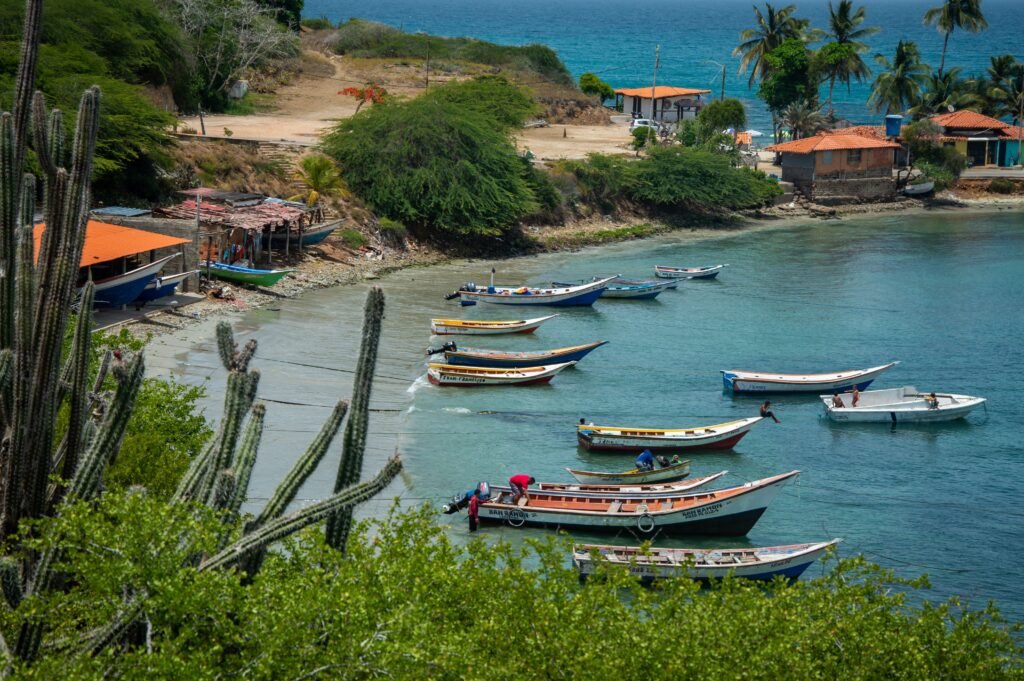
A successful trip to the Manabí coast relies on identifying specific vulnerabilities and implementing simple strategies to counter them.
Opportunistic beach theft
The golden beaches of Puerto López and the surrounding national park are pristine, but they are also open public spaces. Leaving a smartphone, camera gear, or a wallet tucked inside a shoe while swimming is an open invitation for opportunistic theft.
Transportation and transit vulnerabilities
The single highest risk vector for independent travellers along the coast is unregulated transportation. Hailing casual, unregistered taxis or boarding overnight intercity buses exposes travellers to transit crime, including express kidnappings, where victims are forced to withdraw cash from automated teller machines.
Armed robbery in isolated areas
While rare in the central, well-lit sections of the malecón, isolated stretches of beach north or south of the main town area can be vulnerable to opportunistic armed robberies, particularly during the quiet midday hours or late at night.
The Galápagos.
Ecuador’s Enchanted Isles
Safety for solo travellers, women, and minorities
Independent travel through coastal Ecuador is entirely viable, but it requires a mature commitment to personal security protocols.
Solo female travellers
Women travelling alone in Puerto López generally experience a welcoming environment, but traditional macho cultural elements mean that verbal harassment or unwanted attention can occur, particularly in nightlife settings or near the docks. The best approach is to maintain firm personal boundaries. Walking alone on the beach or down unlit roads after sunset should be strictly avoided. Joining group tours for excursions to Isla de la Plata or sharing transport with fellow travellers from reputable hostels are excellent ways to minimise exposure.
Minorities and diverse travellers
Ecuadorian tourist hubs are accustomed to international visitors from all backgrounds. Visible minorities rarely experience overt hostility, though curiosity can sometimes result in staring. For LGBTQ+ travellers, rural coastal towns tend to be socially conservative; while overt discrimination against tourists is highly unusual, public displays of affection may draw unwanted attention and are generally best avoided to maintain a low profile.
Official travel advisories vs local experience
When researching Puerto López, a clear discrepancy emerges between government travel warnings and the lived experience of tourists.
Authoritative bodies, including the UK Foreign, Commonwealth & Development Office (FCDO) and the US Department of State, maintain strict travel advisories for the coastal region, often recommending that citizens avoid non-essential travel to the Manabí province as a whole. These warnings are based on macro-level homicide rates and gang activities that occur far from the tourist infrastructure.
In contrast, thousands of international travellers visit Puerto López annually to witness the whale migrations without ever encountering a security issue. The key to bridging this gap is recognising that as a tourist, your risk profile is completely different from that of a local involved in commercial transport or provincial politics, provided you stay firmly within the established tourist circuit.
The Ecuadorian Sierra.
Get lost in the hills
The safe travel checklist for Puerto López
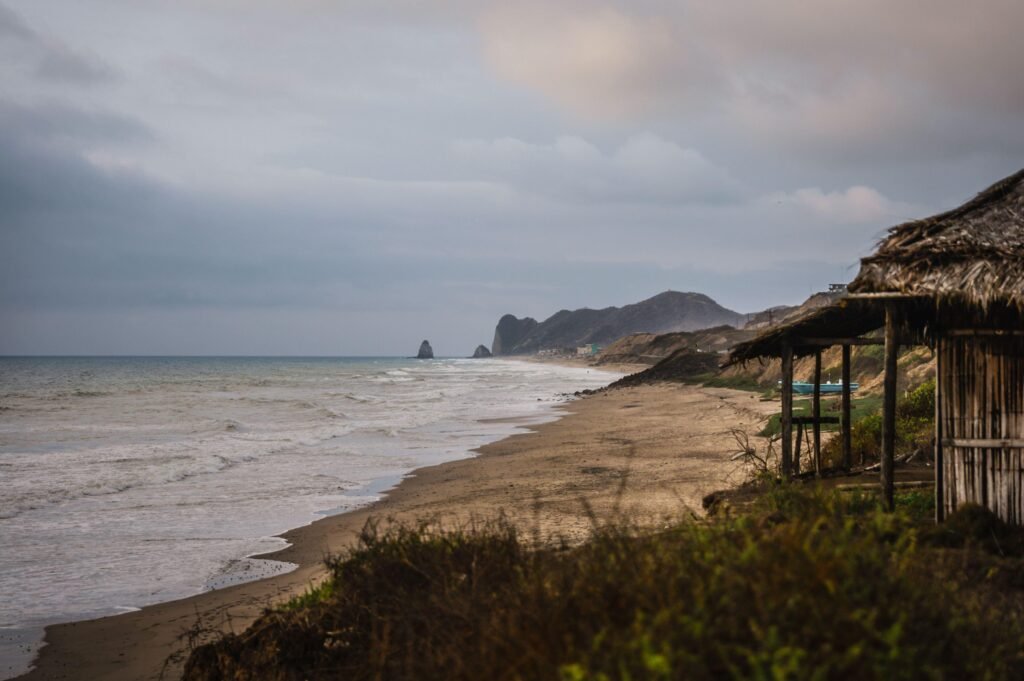
To ensure your coastal adventure is memorable for all the right reasons, embed these non-negotiable security habits into your daily itinerary:
- Arrive in daylight: Always time your buses or private transfers to arrive in Puerto López well before sunset. Navigating a new coastal town in the dark is an unnecessary risk
- Coordinate transport meticulously: Never hail a random taxi from the street. Have your accommodation arrange a trusted local driver, or stick to established tourist shuttle services when moving between towns like Manta, Olón, or Montañita
- Ditch the overnight buses: Avoid taking night buses along the coastal highway. Stick exclusively to daytime travel when visibility is high and security checkpoints are fully active
- Secure your digital life: Keep your smartphone out of sight while walking down the street. Step inside a shop or café if you need to consult a map
- Manage your cash wisely: Ecuador uses the US dollar. Carry small denominations ($1, $5, and $10 notes), as large bills are difficult to change and mark you out as a high-value target. Use ATMs located inside secure bank branches in larger hubs before arriving, or use well-guarded machines during daylight hours
- Invest in comprehensive insurance: Ensure your travel insurance policy covers medical evacuation from rural areas and explicitly accounts for travel within regions under active national security advisories
By treating the local environment with respect and maintaining high situational awareness, you can experience the raw, unforgettable magic of Puerto López while keeping your personal safety entirely secure.
The Ecuadorian Amazon.
The most biodiverse place in the world
Frequently asked questions about safety in Puerto López
Yes, provided you remain strictly within the established tourist infrastructure. The provincial state of emergency primarily grants security forces additional operational flexibility to monitor transit corridors. For independent travellers on the ground, this manifests as visible highway checkpoints and an increased police presence, which enhances rather than disrupts day-to-day security in the village centre.
Ecuador uses the US dollar as its official currency. You should carry small denominations, specifically one, five, and ten dollar notes, as larger bills are incredibly difficult to change in small coastal businesses and can mark you out as a high-value target. It is best to withdraw cash from secure automated teller machines inside bank branches in larger regional hubs before arriving along the coast.
Always plan your journey to ensure you travel and arrive exclusively during daylight hours. Independent travellers should entirely avoid overnight intercity buses along the coastal highway due to the heightened risk of transit crime. Stick to daytime timetables and have your hostel or guesthouse pre-arrange a trusted local driver for your arrival transfer from the terminal.
No, leaving valuables unattended on the sand is the primary cause of petty crime in the area. Even within the protected confines of Machalilla National Park, public beaches are vulnerable to opportunistic bag-snatching. Use a waterproof dry-bag to keep your essentials with you in the water, or travel light and leave high-value electronics locked in your accommodation safe.
Solo female travellers can comfortably explore the lively beachfront boardwalk during the day, but should strictly avoid walking alone on isolated stretches of sand or unlit side roads after dark. To mitigate risks, coordinate dinners or evening transit with fellow travellers from reputable hostels and stick to busy, well-illuminated environments.
Foreign office warnings look at macro-level provincial statistics, including homicide rates linked to international maritime shipping routes, which paint a broad brushstroke over the entire region. The lived experience of tourists is vastly different because the risk profile within the localised, protected tourist circuit of Puerto López is decoupled from these larger geopolitical issues, provided you maintain basic situational awareness.
Ecuador.
Pure wonder on the equator.