Navigating the Middle of the World / A realistic guide to safety in Ecuador
Ecuador travel safety 2026 / Crime rates, regional risks, and cycling advice
Where the Andes meet the unexpected
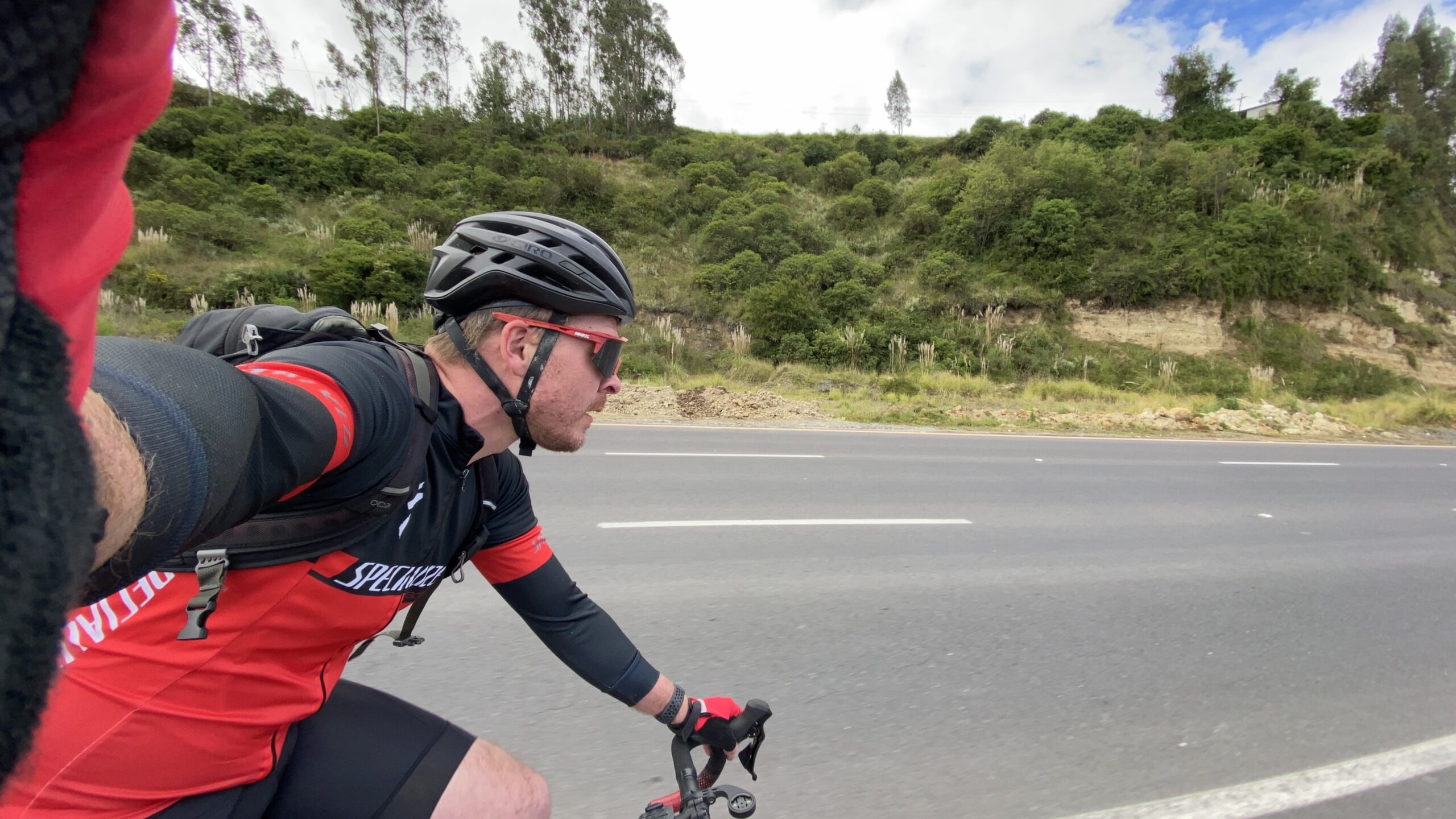
BEN FINCH
Ecuador is a country of breathtaking extremes. You can find yourself pedalling through the misty cloud forests of Mindo in the morning and descending into the high-altitude volcanic plains of Cotopaxi by dusk. For the adventurous cyclist or the curious traveller, it offers a richness of culture and landscape that few places can match. However, as we move through 2026, the Middle of the World is currently navigating a complex internal security landscape.
At Wheely Tyred, we believe that the best journeys are built on a foundation of honesty. To travel well is to travel informed. Whether you are planning a solo bikepacking trek through the Sierra or a cultural immersion in the capital, understanding the current safety pulse of the nation is essential.
The fragile majesty of the Andes
Ecuador remains a land of profound contrast, where volcanic peaks meet a complex social landscape. Navigating this terrain in 2026 requires a balance of keen environmental awareness and a deep respect for local realities.
- The Security Landscape: As of 2026, the country operates under a nationwide State of Emergency, meaning a visible military presence is common along major transit corridors
- Zonal Risk: The Andean Sierra, including cultural hubs like Cuenca and Baños, remains the safest bet for travellers, while coastal provinces like Esmeraldas and Guayas are currently high-risk zones
- The Andean Corridor: For those on two wheels, the central highlands offer the most rewarding routes, provided you stay vigilant in urban centres like Quito
- Tactical Cycling: To avoid the aggressive driving and heavy exhaust of the Pan-American Highway, independent cyclists should prioritise secondary gravel roads and historic tracks
- The No Resistance Protocol: If confronted by crime, the standing advice is to surrender valuables immediately; maintaining personal safety is far more critical than protecting kit
- Digital Stealth: Practise discretion with technology by checking routes and messages inside shops or cafes rather than out on the pavement, where snatch and grab thefts occur
- The Buddy System: Solo travellers, particularly women, should utilise reputable hostels and avoid isolated trails or unlit urban areas after dark to mitigate the risk of harassment or assault
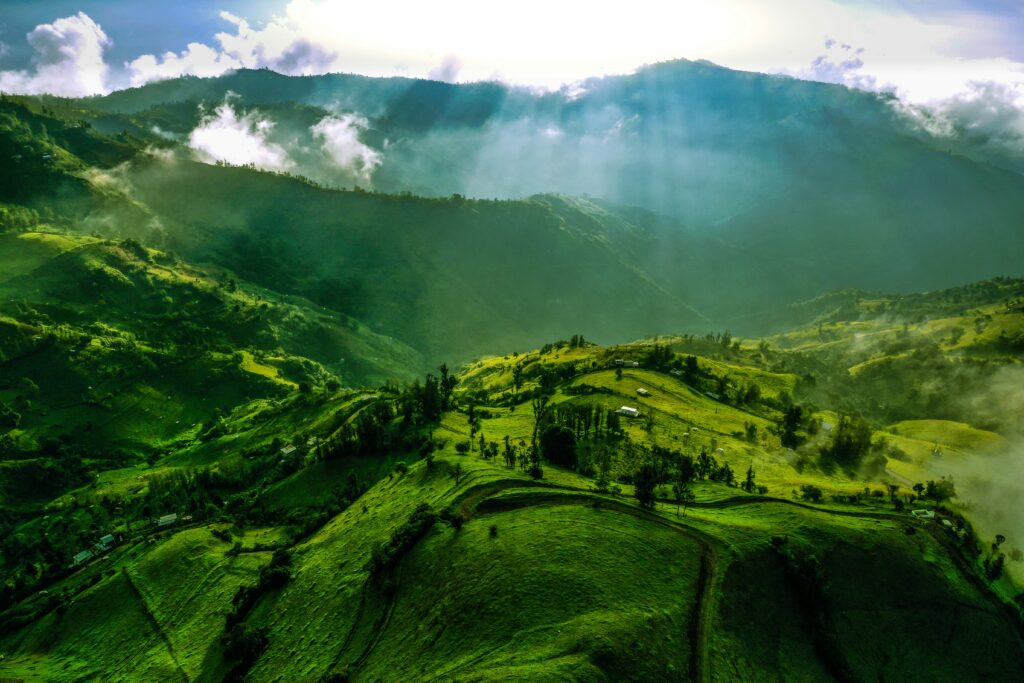
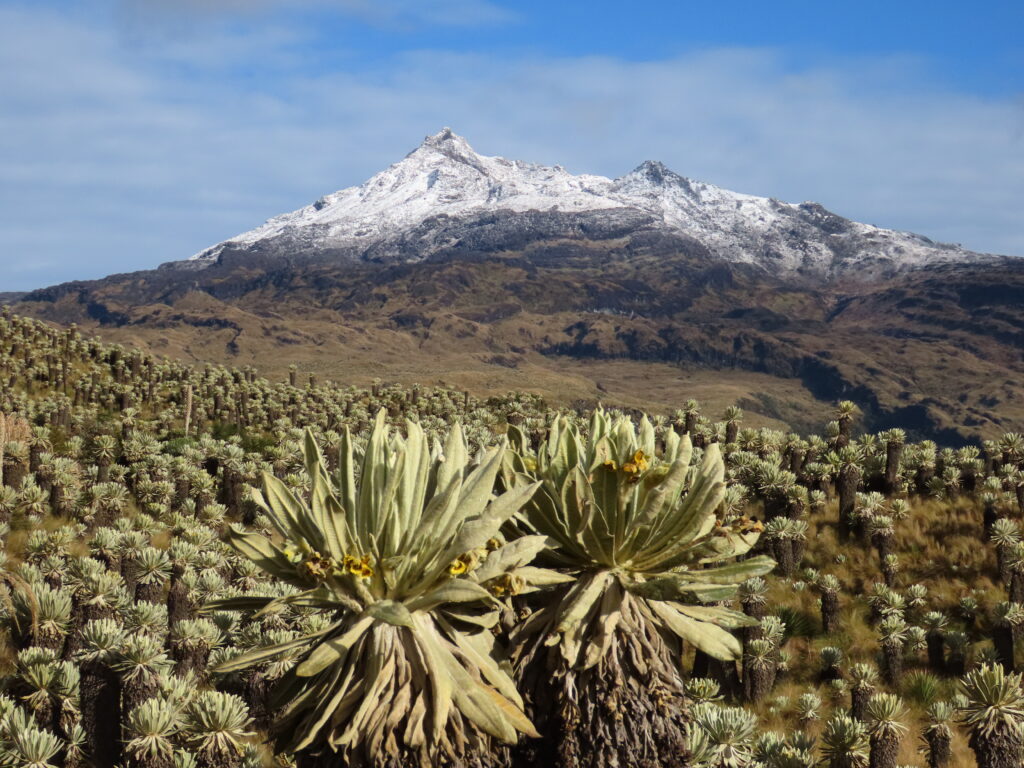
The Ecuadorian Sierra.
Get lost in the hills
The current climate / A state of internal conflict

Since late 2023, Ecuador has been grappling with a significant shift in its domestic security. In early 2026, the government renewed a nationwide State of Emergency for a further 60 days, maintaining the country’s status in a state of internal armed conflict.
What does this mean for you on the ground? Essentially, there is a heightened military and police presence in major cities and along key transport corridors. While this might sound daunting, for the average traveller, it often translates to more frequent checkpoints and a visible security presence designed to deter gang-related activity.
The statistics / Understanding the numbers
To give you a clear picture of the situation, we have to look at the hard data. The security situation has deteriorated at a pace that has surprised many regional experts.
| Metric | 2018 Data | 2025/2026 Estimate |
| Homicide Rate (per 100,000) | 7.7 | 50.91 |
| Total Intentional Homicides | ~1,300 | 9,100+ |
| Organised Crime Score | 5.6 | 7.48 |
These figures are stark, but they are heavily concentrated. The violence is primarily driven by drug trafficking and criminal strife between rival gangs. For travellers, the risk isn’t usually being targeted by these groups directly, but rather being in the wrong place at the wrong time—particularly in specific coastal hot zones.
The Galápagos.
Ecuador’s Enchanted Isles
Regional breakdown / Where to tread carefully
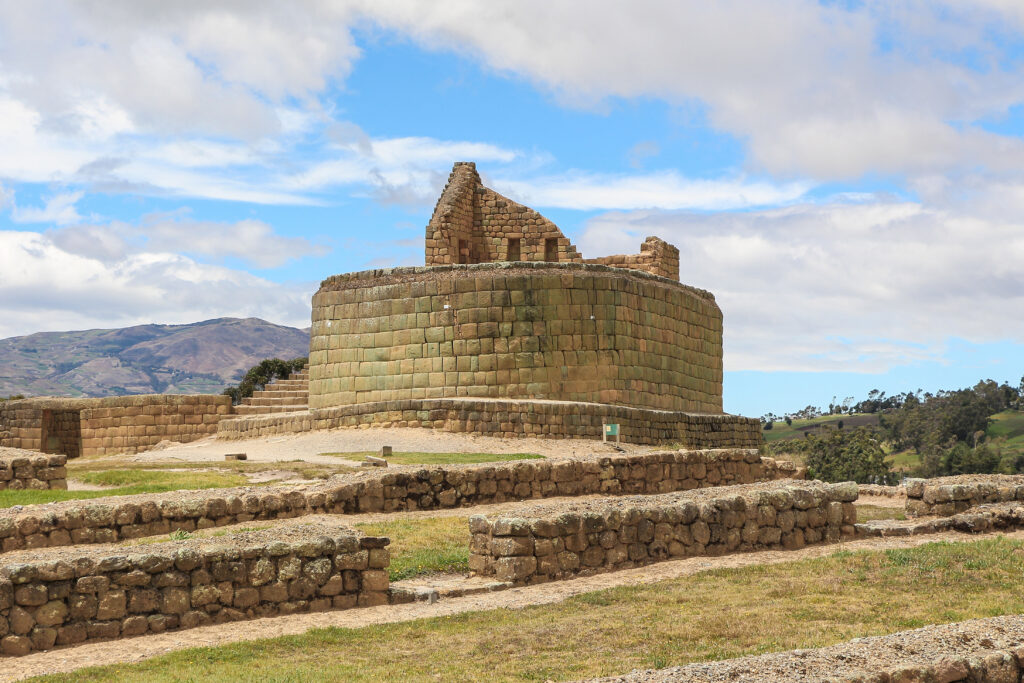
Safety in Ecuador is not uniform. The country is effectively divided into zones of high risk and areas where, with sensible precautions, you can still enjoy a fantastic trip.
The coastal danger zones

The Foreign, Commonwealth & Development Office (FCDO) currently advises against all but essential travel to several coastal provinces. These areas have become logistical hubs for transnational organised crime:
- Esmeraldas & Manabí: Once tourist favourites for their beaches, these are now high-risk zones
- Guayas (including Guayaquil): Except for airside transit at the airport, Guayaquil is currently a no-go for casual tourism due to high rates of kidnapping and violent crime
- Los Ríos & El Oro: These inland-coastal provinces have seen homicide rates triple in the last five years
As of April 2026, the coastal lowlands of Ecuador remain the most volatile regions in the country. The Foreign, Commonwealth & Development Office (FCDO) and other international bodies have maintained strict all-but-essential travel warnings for provinces including Esmeraldas, Manabí, Santa Elena, Guayas, El Oro, and Los Ríos.
This isn’t merely cautionary; it is a response to the entrenched presence of transnational organised crime groups who use these ports and river networks as primary conduits for drug trafficking.
In cities like Guayaquil, the security situation is particularly fractured, with certain neighbourhoods now under permanent military surveillance. For the independent traveller, the risk is rarely being a direct target of cartels, but rather the very high probability of being caught in crossfire or victimised by the secondary crime—carjackings, armed robberies, and kidnappings—that flourishes in these lawless pockets.
For those travelling on two wheels, the coastal routes present a unique set of logistical nightmares. Beyond the threat of violent crime, the coastal provinces have recently been placed under a renewed State of Emergency due to both security concerns and extreme weather patterns. Heavy seasonal rains frequently wash out sections of the E15 (Ruta del Spondylus), and in the current security climate, being stranded on a remote coastal road is a situation to be avoided at all costs.
Furthermore, many coastal towns now observe strict nighttime curfews—typically from 23:00 to 05:00—meaning that any delay in your itinerary could leave you searching for shelter in areas where police presence is stretched thin.
For the foreseeable future, Wheely Tyred recommends bypassing the coast entirely in favour of the more stable Andean corridors.
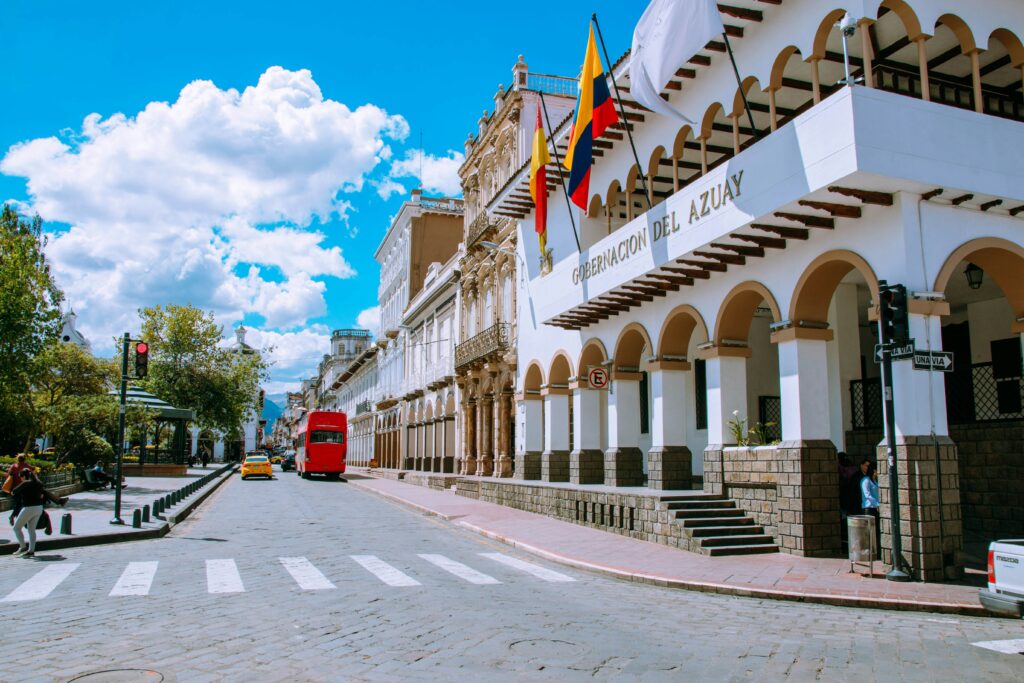
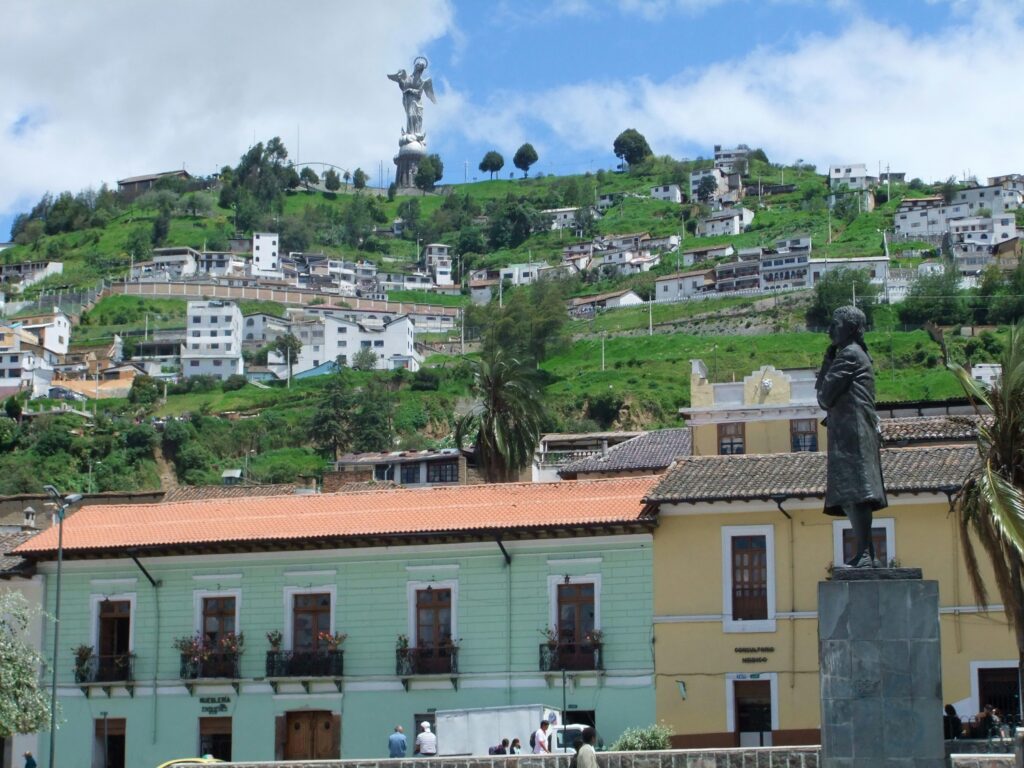
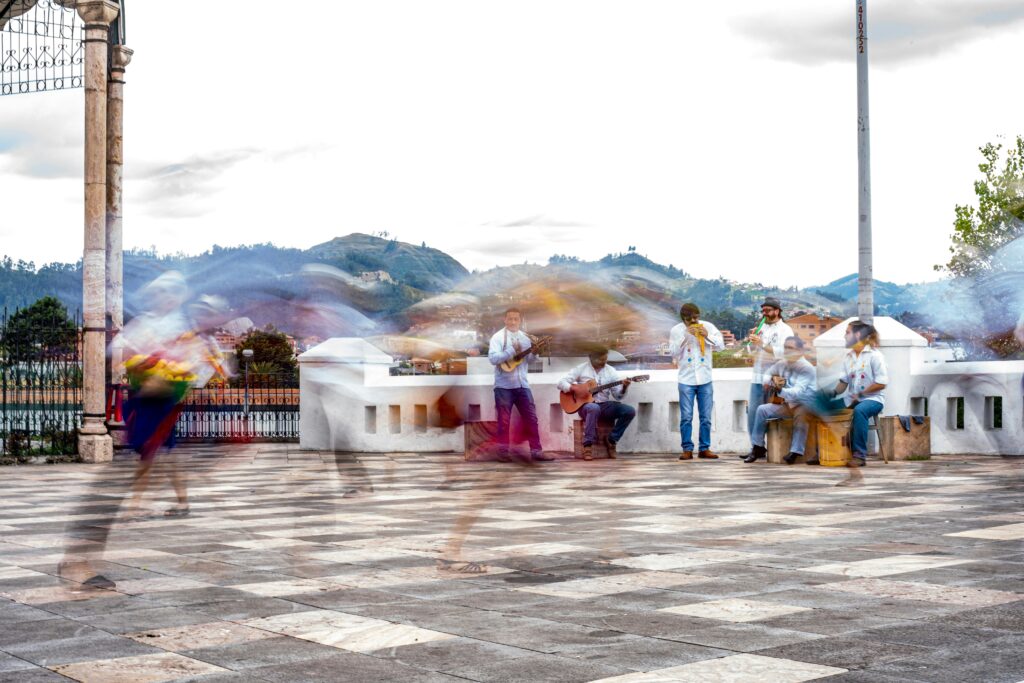
Cuenca.
The Athens of Ecuador
The Sierra and the Highlands
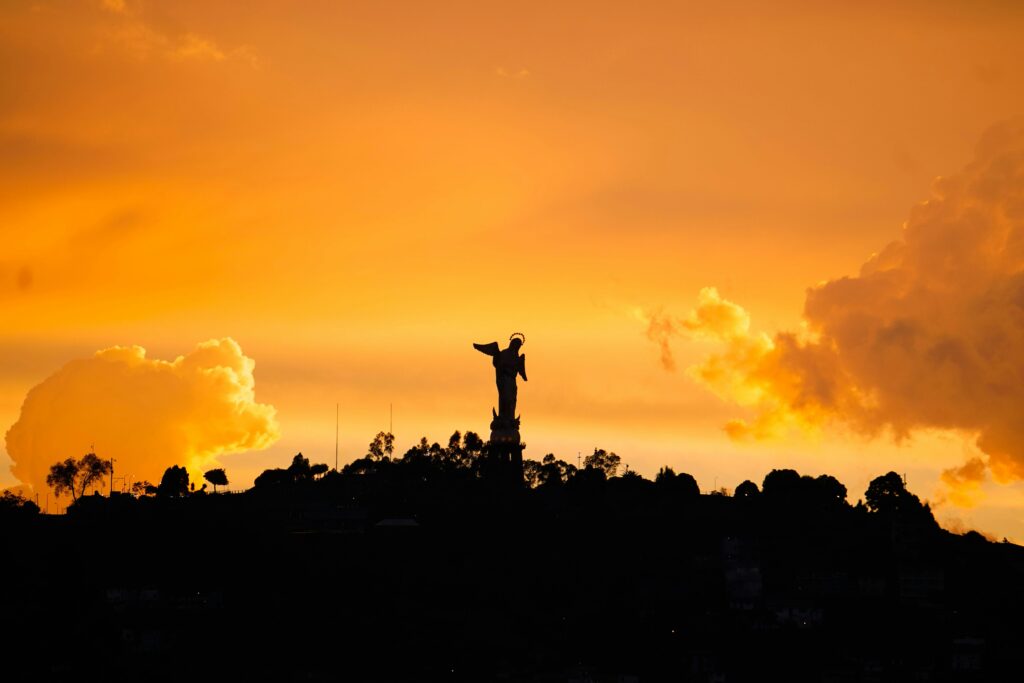
The Sierra remains the cultural and logistical heart of Ecuador, and while it is significantly safer than the coast, it is by no means a risk-free zone. In 2026, major urban centres like Quito are still subject to the nationwide State of Emergency, which manifests as increased military patrols and frequent checkpoints. Quito’s historical centre and the popular La Mariscal district require a high degree of street-smart intuition.
Common tactics such as the mustard scam—where an accomplice squirts a substance on your clothing to distract you while another picks your pocket—remain prevalent. While cities like Cuenca and Baños de Agua Santa are notably more relaxed and have lower crime rates, travellers must remain mindful that the peace of the Highlands is maintained by active community surveillance and a heavy security footprint.
In towns like Baños, a fascinating shift has occurred: the local population, which is almost entirely dependent on tourism, has implemented its own collective security measures. This includes everything from 24-hour street monitoring to private security cameras that augment the metropolitan police. For the independent cyclist, this makes the Avenue of the Volcanoes the most viable route for a 2026 expedition.
However, the safety challenge here shifts toward the environmental and the opportunistic. Altitude sickness can strike even the fittest riders, and the narrow, winding mountain roads require constant focus to avoid erratic bus traffic. While the people of the Sierra are famously welcoming, the rule of low-profile travel still applies—keep your high-end kit tucked away when passing through larger urban hubs and always seek local advice before heading into the more isolated paramos.
The Ecuadorian Amazon.
The most biodiverse place in the world
The Amazon Basin (El Oriente)
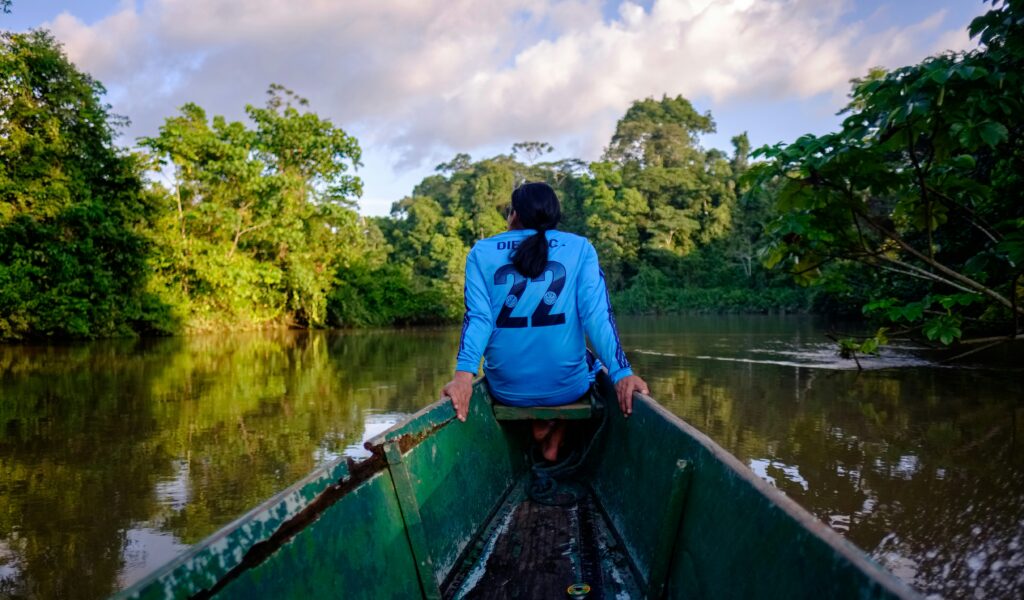
The Ecuadorian Amazon is a frontier of immense beauty, but in 2026, it requires a nuanced approach to safety. The northern provinces, particularly Sucumbíos and Orellana, border Colombia and are centres for oil extraction and, unfortunately, cross-border criminal transit. While the deep-jungle lodges are generally secure, the transit towns such as Lago Agrio should be treated with the same high-level vigilance as the coast.
For the independent traveller or cyclist, the Upper Amazon near Puyo and Tena is the preferred gateway. Here, the risk is less about organised crime and more about environmental factors. Flash floods can wash out secondary roads in minutes, and the humidity can wreak havoc on bike components and navigation tech. If you are venturing off the main arteries, hiring a local Indigenous guide is not just a cultural courtesy—it is a critical safety measure to navigate the shifting terrain and avoid accidental trespassing on protected ancestral lands.
The Galápagos Islands
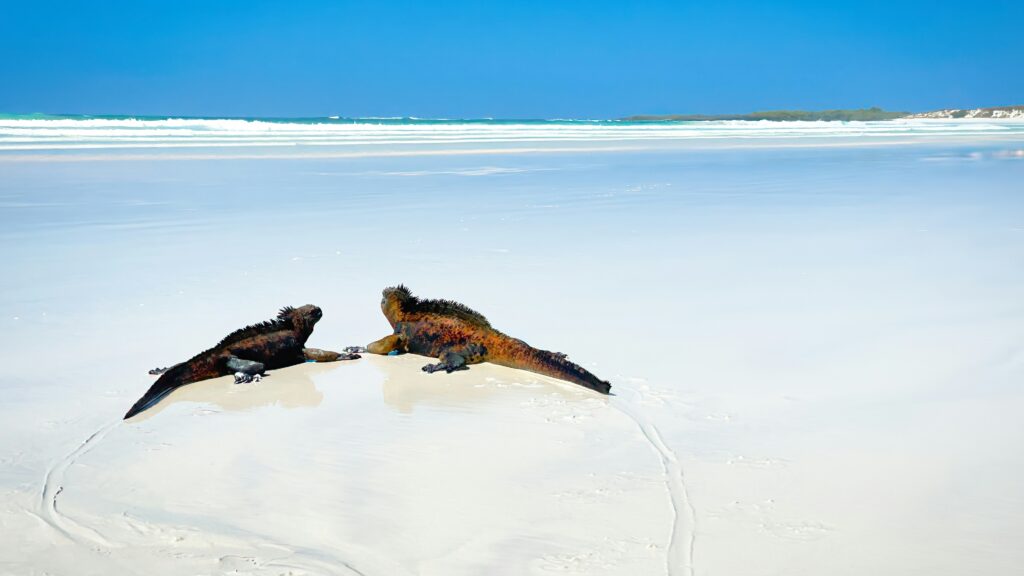
Lying 1,000 kilometres off the coast, the Galápagos Islands exist in a different safety dimension compared to mainland Ecuador. Violent crime is exceptionally rare here; the islands operate as a tightly controlled biosphere where everyone—local and tourist alike—is monitored via the TCT (Transit Control Card) system. In many ways, the Galápagos is the safest place in the country for solo travellers and women.
However, safety here is defined by environmental compliance. The greatest risks are dehydration, intense equatorial sun, and the strict penalties for interfering with wildlife. For those exploring the inhabited islands (Santa Cruz, San Cristóbal, and Isabela) by bike, the safety concern shifts to the volcanic terrain—sharp, abrasive rocks and steep descents on heat-softened asphalt.
In 2026, the local authorities have also increased biosecurity checks; ensure your gear is impeccably clean to avoid hefty fines or the confiscation of equipment that could carry invasive species.
Quito.
Explore the Middle of the World
Solo travellers, women, and minorities
At Wheely Tyred, we know that safety is subjective. Your experience on the road often depends on who you are.
Solo travellers
Independence is a gift, but in Ecuador, it requires a buddy-system mindset, even if you are alone. Express kidnappings—where victims are forced to withdraw cash from ATMs—are a persistent threat. Avoid being out after dark, and always use Radio Taxis or reputable rideshare apps rather than hailing cars on the street.
Women travellers
Women may experience verbal harassment or catcalling, particularly in urban centres. While usually not escalating to physical harm, it can be draining. More seriously, there have been reports of sexual assault against foreign nationals.
- Advice: Avoid isolated trails if cycling alone. If you are staying in hostels, choose highly-rated female-only dorms where available. Be wary of spiking incidents in bars in popular tourist hubs like Montañita or La Mariscal
Minorities and LGBTQ+ travellers
Ecuador is a culturally conservative country with a traditional, male-dominated social structure.
- Racial Groups: While Ecuador is ethnically diverse, travellers of colour—particularly those of African or Asian descent—may encounter curiosity or, occasionally, discriminatory attitudes in more remote regions
- LGBTQ+: Same-sex marriage is legal, and major cities have gay-friendly spaces, but public displays of affection may still draw unwanted negative attention in rural or conservative areas
The Ecuadorian Coast.
Where you’ll find the very best food
Cycling safety / The Wheely Tyred perspective
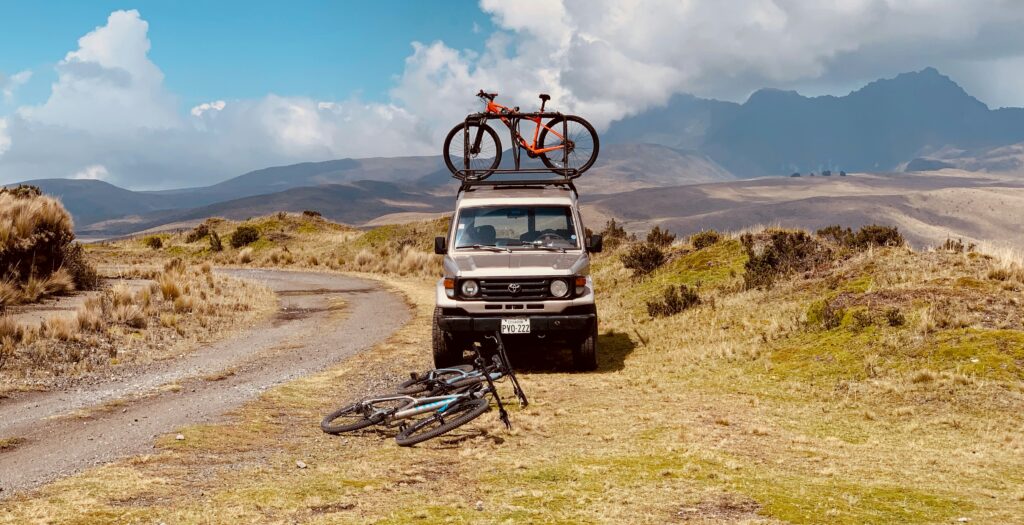
If you are planning to traverse the country on two wheels, you need to be aware of more than just the terrain.
- Road Safety: Ecuadorian drivers are… enthusiastic. Shoulders on roads are often non-existent, and heavy buses (which are frequent) often pass with very little room
- The Pan-Am Factor: The Pan-American Highway is the main artery. It is busy, loud, and can be dangerous for cyclists. We recommend seeking out the Old Roads or secondary gravel routes through the Andes, which offer better views and less traffic
- Theft of Equipment: High-end carbon bikes are a magnet for opportunity theft. Never leave your bike unattended, even for a quick coffee. Use heavy-duty locks and, where possible, bring your bike inside your accommodation
- Checkpoints: As a cyclist, you will encounter military checkpoints. I’ve never been stopped. Remain calm, have your passport (or a high-quality colour copy) ready, and be polite. They are there for your safety as much as anyone else’s
Read more in our guides to cycling in Ecuador.
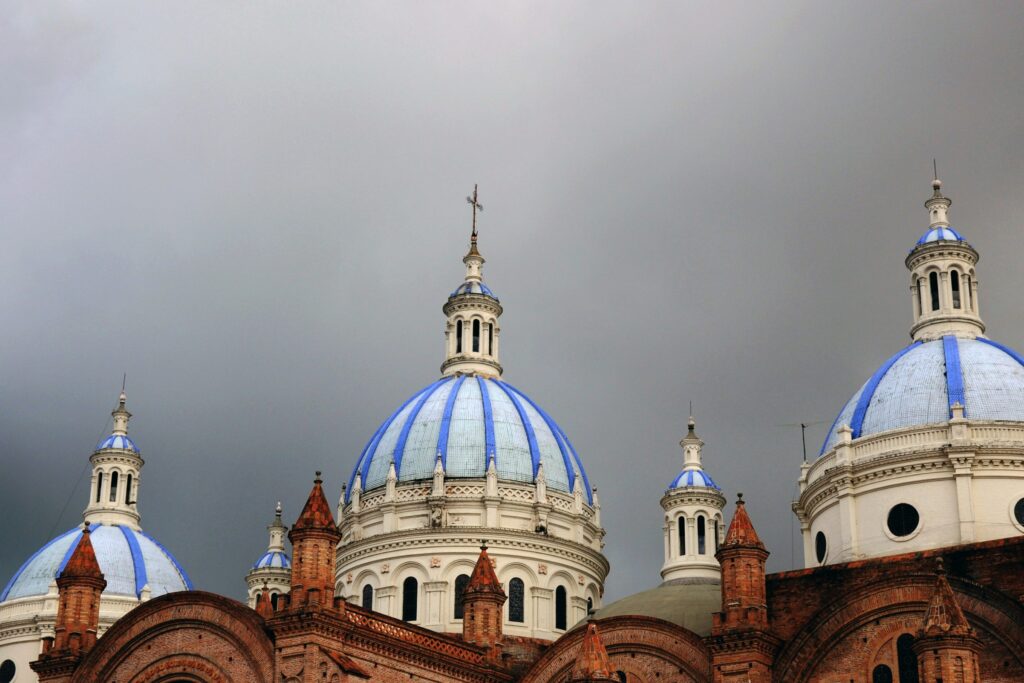
Cuenca.
The Athens of Ecuador
Essential safety tips for 2026
The no resistance rule
In the unfortunate event of a confrontation, the golden rule in Ecuador is immediate compliance. Many criminal incidents are driven by economic desperation or organised gang activity, where the perpetrators are likely to be armed and highly agitated. Whether it is a high-end cycling GPS or a weathered wallet, no piece of kit is worth a physical escalation. Criminals often operate in pairs on motorbikes—locally known as sacapintas—and their goal is a swift exit. By handing over what they want without hesitation, you significantly decrease the likelihood of violence.
It is helpful to carry a decoy wallet containing a small amount of cash and a few expired cards, keeping your primary funds and travel documents in a secure, hidden money belt. If you are stopped, move slowly and keep your hands visible, avoiding any sudden movements that could be misinterpreted as reaching for a weapon. Remember that in the current climate of internal armed conflict, tensions are higher than usual, and maintaining a calm, non-confrontational demeanour is your most effective tool for ensuring you walk away from the encounter unharmed.
Digital vigilance and street awareness
The snatch and grab is the most common crime facing travellers in urban centres like Quito and Cuenca. Your smartphone is a high-value item on the secondary market, and using it openly on a street corner makes you a prime target. Criminals often use sophisticated distraction techniques, such as the mustard scam—where someone accidentally spills a liquid on you—or a staged argument nearby to draw your attention away from your pockets. If you need to check your route or coordinate a meet-up, step into the sanctuary of a cafe, a pharmacy, or a hotel lobby before bringing out your device.
Beyond just hiding your phone, true digital vigilance involves being aware of your surroundings before you even stop. If you see two people on a motorbike circling a block or notice someone watching you too closely, trust your instincts and change your direction. For cyclists, this means mounting your GPS discreetly and avoiding the temptation to film with a GoPro in crowded market areas or congested traffic. By keeping your technology out of sight, you blend into the local rhythm and present yourself as a less vulnerable, more observant traveller.
Quito.
Explore the Middle of the World
ATM security and financial precautions
Withdrawing cash requires a tactical approach in 2026. Avoid street-side ATMs at all costs, as these are frequently targeted by observers or fitted with skimming devices. Instead, only use machines located inside secure bank branches, shopping malls, or supermarkets during daylight hours. Interestingly, the Ecuadorian National Police offers a free escort service for anyone withdrawing or depositing significant sums; you can request this by calling 911. While this might feel like overkill for a standard withdrawal, it highlights the seriousness with which local authorities view financial security.
When you do have cash, never carry your entire travel fund at once. Distribute your money across different bags and hidden pockets, ensuring that even a successful robbery doesn’t leave you stranded. Credit cards are widely accepted in larger towns, but cloning remains an issue. Always keep your card in sight during transactions—most waiters will bring a portable card reader to your table. By maintaining a low financial profile and being selective about where and when you access your funds, you eliminate the majority of risks associated with travel finances in the region.
Staying informed with ECU 911
The ECU 911 app is a vital companion for any independent traveller in Ecuador. More than just an emergency dialler, it is an integrated security platform that allows you to report incidents, share your GPS coordinates with authorities, and receive real-time alerts. When you first arrive, take ten minutes to register your details, including any medical conditions or blood type. In a country where road closures due to landslides or paros (demonstrations) can happen with little warning, having a direct line to official information is far more reliable than relying on word-of-mouth or unverified social media posts.
Staying informed also means keeping a pulse on local news cycles. Demonstrations in Ecuador are often highly organised and can lead to significant disruptions in travel between provinces. Before heading out on a long cycling leg or a bus journey, check the latest updates on road conditions and local sentiment. Being informed isn’t about living in fear; it’s about having the data to make smart pivots. If a particular route is flagged as a hot zone, your knowledge allows you to reroute through the safer Sierra highlands, ensuring your adventure remains a positive one.
The Ecuadorian Sierra.
Get lost in the hills
The road ahead / Respecting the pulse of the Sierra
Ecuador is not a destination to be rushed or taken lightly, but for the traveller who arrives with an open heart and a sharp eye, the rewards are unmatched. It is a country that demands you trade your tourist hat for that of a guest—one who respects the complexities of the current political climate and the deep-seated traditions of the Andean people. By following these grounded safety protocols, you aren’t just protecting your gear; you are preserving the integrity of your experience, allowing the mist of the cloud forests and the warmth of a mountain hacienda to remain the lasting memories of your journey.
Frequently asked questions about safety in Ecuador
Currently, we strongly advise against it. These areas are logistical hubs for organised crime and have seen a significant rise in violent incidents. For those arriving by air, stick to airside transit or move directly into the Sierra.
Approach checkpoints calmly and politely. Ensure you have your passport—or a high-quality colour photocopy—easily accessible. These stops are a standard part of the 2026 security measures and are generally straightforward for foreign travellers. I’ve never been stopped or asked for my ID.
While rare for those who take precautions, they are a documented risk. To avoid this, never hail a taxi on the street; always use a reputable rideshare app or have your accommodation call a registered Radio Taxi, and only use ATMs located inside secure buildings.
Opportunity theft is the primary concern for cyclists. Never leave your bicycle unattended in public, even with a lock. Always choose accommodation that allows you to bring your bike and panniers inside your room or into a locked, monitored storage area.
This is the national emergency response application. It is an essential tool for any independent traveller in Ecuador, providing a direct link to emergency services and real-time updates on the local security situation.
Ecuador is traditionally conservative. While major cities are more liberal, public displays of affection or eccentric dress in rural villages may draw unwanted attention. Dressing modestly and engaging politely with local tienda owners can go a long way in building rapport and gaining local safety tips.
Ecuador.
Pure wonder on the equator.